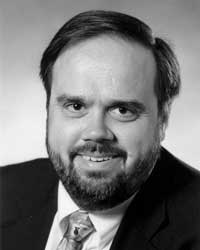
Martin T. Wells is the Charles A. Alexander Professor of Statistical Sciences at Cornell University, with joint appointments in the Department of Statistical Science, Department of Biological Statistics and Computational Biology, Department of Social Statistics, and as Professor of Clinical Epidemiology and Health Services Research at Weill Medical School. He serves as Editor-in-Chief of the ASA-SIAM Book Series and Co-Editor of the Journal of Empirical Legal Studies. Cornell University, Ithaca, NY Weill Cornell Medical College Research Interests span applied and theoretical statistics, Bayesian methods, biostatistics, clinical epidemiology, and computational biology. His work bridges disciplines like finance, legal studies, and health services research. Article Trends highlight advancements in Bayesian modeling, quantum cognition machine learning, tensor analysis, and misclassification correction, with applications in genomics, finance, and public health. Fellow of the American Statistical Association Fellow of the Royal Statistical Society Contributions include developing statistical software (e.g., rTensor), methodological innovations in clinical trials, and empirical legal studies on civil rights and the death penalty.
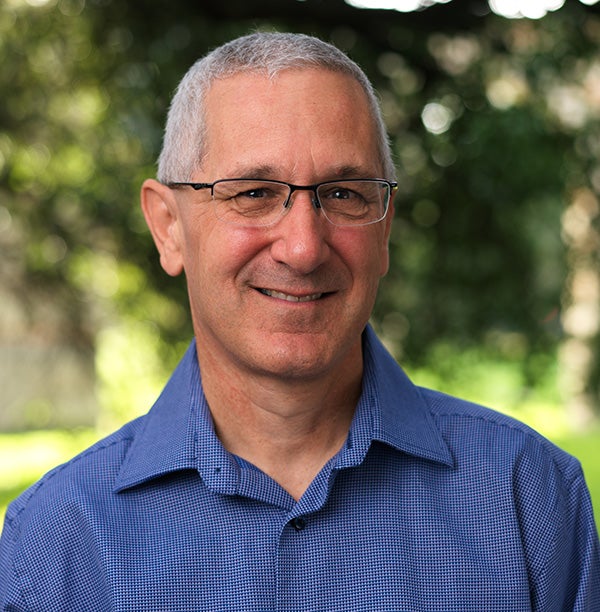
Colin J. Brauner is a Professor in the Department of Zoology at the University of British Columbia's Faculty of Science. His research focuses on environmental adaptations in fish, particularly mechanisms and evolutionary aspects of gas-exchange, acid-base balance, and ion regulation. PhD, University of British Columbia (1995) Postdoctoral Fellow, Universities of Aarhus and Odense, Denmark (1996-1998) Research Associate, McMaster University (1998-2000) Assistant Professor, San Diego State University (2000-2002) Joined UBC as faculty Brauner's work integrates molecular, cellular, and organismal responses to understand how evolutionary pressures shape physiological systems in vertebrates. His research also addresses practical applications in aquaculture, toxicology, water quality criteria development, and fisheries management. His laboratory investigates environmental acclimation/adaptation mechanisms, with current members including I. Bouyoucos, J. Carless, M. Earhart, C. Emadi, E. Ghanizadehkazerouni, M. Honing, A. Klymasz-Swartz, S. Lee, C. Morris, B. Negrete Jr, E. Reich, and R. Sevova. 2024: Kjell Johansen Memorial Lecture in Zoophysiology 2024: Aarhus University Honorary Doctorate 2016: Murray A. Newman Award for Significant Achievement in Aquatic Research 2013: A.J. Wiggs Memorial Lecturer 2009: UBC Killam Faculty Research Fellowship 2006: J.C. Stevenson Memorial Lecture 2003: President's Medal from Canadian Journal of Fisheries and Aquatic Sciences As a leader in comparative physiology, Brauner's research spans mechanistic studies of environmental adaptations and evolutionary physiology, with affiliations to the Society for Experimental Biology (UK) and active contributions to aquatic research.
Peter C. Caldwell is the Samuel G. McCann Professor of History at Rice University and Director of the Program in Politics, Law, and Social Thought. He specializes in modern European history with a focus on Germany, constitutionalism, welfare state development, and political thought. His research spans Weimar Republic legal crises, postwar West Germany, and 19th/20th-century intellectual movements. Education: PhD (1993), MA (1989), and BA (1987) from Cornell University, New York University. Awards include the George R. Brown Award for Teaching (2016) and Humboldt Fellowship. He has authored/co-authored major works like Democracy, Capitalism, and the Welfare State (2019) and Germany Since 1945 (2018, 2023 revision). Teaching focuses on European political history, comparative welfare states, and 19th-century political thought. Current research examines democratic rhetoric in contemporary Mexican politics and authoritarian constitutionalism. Advised over a dozen undergraduate theses on topics ranging from Weimar Republic legal theory to Cold War historiography. Publications span German constitutional history, Cold War dynamics, and East German politics. His work bridges legal, economic, and cultural dimensions of modern European history with interdisciplinary approaches to political theory.
Gustavo J. Bobonis is a Professor in the Department of Economics at the University of Toronto, with affiliations at the Munk School of Global Affairs and Public Policy. He holds a Ph.D. from the University of California, Berkeley (2005) and a B.A. from the University of Puerto Rico at Rio Piedras (2000). He co-directs the Forward Society Lab and is actively involved in research on development, labor, political economy, and economic history. Research Interests: His work focuses on development economics, particularly the impact of public policies on poverty, violence, education, and governance. He employs rigorous empirical methods, including field experiments and quasi-experimental designs, to analyze issues such as intimate partner violence, corruption, clientelism, and human capital accumulation. His research is geographically concentrated in Latin America and Puerto Rico. Recent Research Trends: His recent publications and working papers (2022–2025) demonstrate a strong focus on institutional reform, including anti-corruption audits, domestic violence courts, and education management. He also investigates long-term social impacts of welfare programs and climate adaptation strategies. His interdisciplinary approach bridges economics, public policy, and social science. Scientific Awards: U of T Department of Economics Faculty Award for Excellence in Undergraduate Teaching, 2015 John C. Polanyi Prize in Economic Science, 2009 National Academy of Education / Spencer Foundation Postdoctoral Fellow, 2008 Advising and Grants: While specific student names are not listed, he advises graduate students through the Honours Essay and research workshops. He leads collaborative research projects funded through grants and affiliations with J-PAL and BREAD, often involving large interdisciplinary teams. His work includes randomized evaluations and long-term follow-ups, suggesting sustained funding and research support. Labs and Teams: He co-directs the Forward Society Lab, which likely supports policy-relevant research on social development. He frequently collaborates with economists such as Paul Gertler, Marco Gonzalez-Navarro, Simeon Nichter, and Luis R. Cámara Fuertes. His affiliations with J-PAL and BREAD indicate integration into major global research networks focused on development and poverty alleviation.
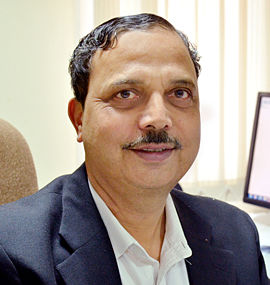
S. C. Srivastava is a Professor in the Department of Electrical Engineering at the Indian Institute of Technology Kanpur (IIT Kanpur) and serves as the Director of the IIT Kanpur-La Trobe University Research Academy, highlighting his leadership in international academic collaboration. Dr. Srivastava earned his PhD in Electrical Engineering from IIT Delhi in 1987 and completed his B.Tech from Banaras Hindu University in 1976. His research spans power system dynamics & stability studies, optimal power dispatch and state estimation, security analysis and control, smart grid technologies, and renewable energy integration including DC and AC micro-grids. His publication record shows consistent research output through 2018 with significant contributions to power system state estimation, microgrid protection, and wide area control systems. His work demonstrates a clear progression toward addressing contemporary challenges in power systems, particularly renewable integration and smart grid applications. Malaviya Award for Excellence in Power Systems (2018) Prof GK Dubey Memorial IEEE UP Section Life Time Achievement Award (2016) The Life time Achievement Award for Academic Excellence (2016) Dr. Srivastava serves in influential advisory roles including Chairman of the Expert Committee on Mission Innovation in Smart Grids (DST, New Delhi) and Member of the R&D Advisory Committee of NETRA, NTPC. His leadership in the IIT Kanpur-La Trobe University Research Academy demonstrates ongoing commitment to addressing global energy challenges through international collaboration.
Benjamin C. Lee is a Professor at the University of Pennsylvania, affiliated with both the Department of Electrical and Systems Engineering and the Department of Computer and Information Science. He also serves as Associate Department Chair and Co-Director of the NSF Expedition in Computing: Carbon Connect. His research spans computer architecture, energy efficiency, and environmental sustainability, with interdisciplinary links to machine learning and algorithmic economics. Education: Ph.D. and S.M. from Harvard University, B.S. from UC Berkeley, postdoctoral work at Stanford University. His research integrates computer architecture with datacenter-scale systems, focusing on energy-efficient designs, statistical learning for performance analysis, and sustainable computing. Past projects include the Hound framework for straggler diagnosis in datacenters and the CORE library for regression modeling in microarchitecture. The 15 most recent articles reflect expertise in datacenter architecture, mobile computing, and regression modeling for hardware. Awards include IEEE Fellow (2024), ACM Distinguished Scientist (2019), and multiple best paper/prize recognitions from SIGMETRICS, ASPLOS, and HPCA. Doctoral and Masters alumni have pursued roles at institutions like Meta, Microsoft, and University of Waterloo. Current affiliations include the Distributed Systems Laboratory (DSL) and PRECISE center, with industry collaborations at Google, Meta, and Intel.
Shili Lin is a Professor of Statistics at The Ohio State University's Department of Statistics, within the College of Arts and Sciences. She joined the faculty in 1995 after serving as the Neyman Visiting Assistant Professor at the University of California, Berkeley. Her expertise spans statistical genomics, bioinformatics, high-dimensional data analysis, Bayesian statistics, and Monte Carlo methods. Lin collaborates extensively with medical researchers to address challenges in genomic data such as ultra-high dimensionality, complex dependencies, and sparsity, focusing on diseases like cancer, multiple sclerosis, tuberculosis, and diabetes. She has contributed to developing computational tools for analyzing chromatin interactions, methylation patterns, and metagenomic samples. Lin holds a PhD from the University of Washington (1993). Her professional roles include serving as an Associate Editor for Biometrics , Statistical Applications in Genetics and Molecular Biology , and Statistics in Biosciences , as well as an Editorial Board member for Genetic Epidemiology . She is a standing member of NIH's Biostatistical Methods and Research Design Study Section and has served on multiple NSF and NIH grant review panels. Additionally, she is President Elect of the Caucus for Women in Statistics and has been a member of the ASA Committee on AAAS representation for six years. Her research interests emphasize statistical methodologies tailored to genomic data, including model selection, epigenetic analysis, and integrative approaches for multi-omics data. Lin's work often combines theoretical advancements with practical applications, such as predicting relapse in immune-mediated disorders and improving imputation techniques for single-cell Hi-C analysis. She has pioneered software tools like TopKLists and GrammR to facilitate ranked list aggregation and metagenomic data analysis. Lin's scientific accolades include ASA Fellowship (2004), AAAS Fellowship (2009), and membership in the International Statistical Institute (2014). Her contributions to statistical genetics and epigenomics have been recognized through grants and editorial leadership roles. While her research group focuses on cutting-edge methods, no formal advisees or students are explicitly listed in the provided materials.
Brock C Christensen is a Professor at the Geisel School of Medicine , Dartmouth, affiliated with the Departments of Epidemiology , Community and Family Medicine , and Molecular and Systems Biology . His research integrates molecular biology, genomics, and bioinformatics with epidemiology to investigate epigenetic mechanisms in human health and disease. Harvard University, PhD (2008) University of Wisconsin - Madison, BS (2002) Dr. Christensen's work focuses on epigenetic susceptibility traits , environmental interactions, and translational applications in cancer diagnostics and treatment. His recent publications explore DNA methylation patterns in triple-negative breast cancer , head and neck cancer , and pediatric CNS tumors . He serves as course director for PEMM103: Introductory Applied Biostatistics with R and leads the Christensen Lab , which specializes in epigenomic profiling and computational biology.
Lara C. W. Blanchard is the Luce Professor of East Asian Art and Lloyd Wright Professor in Conservative Studies at Hobart and William Smith Colleges, where she has been a faculty member since 2001. She holds a Ph.D. in Art History from the University of Michigan and specializes in Chinese pictorial arts from the Song dynasty to the present. Her interdisciplinary research integrates art history, gender studies, and literary analysis. Her education includes: Ph.D., Art History, University of Michigan (2001) M.A., Art History, University of Michigan (1992) B.A., Art History and Mathematics, College of William & Mary (1988) Her research focuses on gender in Chinese art, particularly women as artists and patrons, text-image relationships, and the construction of gendered subjectivity in painting and poetry. She examines how visual culture reflects and constructs ideals of femininity and masculinity, especially during the Song dynasty. Her work often bridges art historical analysis with literary and philosophical contexts, emphasizing interdisciplinary approaches. Her recent publications and lectures reveal a strong trend in analyzing emotional interiority, political allegory, and gendered representation in East Asian visual culture. She frequently explores how poetic themes are visualized in painting and how female subjectivity is constructed across historical periods. Her scientific awards include: 2020 Joseph Levenson Pre-1900 Book Prize (China) 2016 Franklin R. Buchanan Prize for Asia Curriculum Materials 2020 Faculty Prize for Scholarship, HWS Lloyd Wright Professorship in Conservative Studies (2018–) Lara Blanchard has been actively involved in mentoring through curriculum development, textbook authorship, and graduate advising. She has received multiple research grants from Hobart and William Smith Colleges and external foundations such as the Freeman Foundation. Her collaborative projects, such as the textbook Asian Art , demonstrate her commitment to pedagogy and accessible scholarship. She is affiliated with several academic organizations, including the Association for Asian Studies, College Art Association, and Cornell University’s East Asia Program as an Associate in Research. She has delivered lectures at institutions like Stanford, Princeton, and the University of Kansas, and has participated in panels and symposia on gender, Buddhism, and visual culture in Asia.
Lea R. Winter is an Assistant Professor in the Department of Chemical and Environmental Engineering at Yale University's School of Engineering & Applied Science. Her research focuses on electrified processes at the nexus of food, energy, water, and climate, with emphasis on sustainable CO 2 conversion, green nitrogen fixation, wastewater valorization, and plasma-electrochemical systems. She leads an active research group and mentors multiple PhD students, postdocs, and undergraduates. Ph.D., Columbia University B.S., Yale University Dr. Winter's research interests lie at the intersection of sustainability and chemical engineering. She pioneers electrified membrane technologies, plasma-activated reactions, and catalytic processes for converting waste streams (CO 2 , nitrates, wastewater) into valuable fuels, chemicals, and fertilizers. Her work integrates electrochemistry, plasma chemistry, and heterogeneous catalysis to develop distributed, circular solutions for environmental challenges. Key themes include green ammonia production , on-demand fertilizer synthesis , and electrified water treatment with resource recovery. Analysis of her recent publications reveals a strong focus on electrified membranes for nitrate and CO 2 conversion, plasma-activated co-processing of N 2 and C 1 gases, and single-atom catalysis for environmental applications. Her research spans fundamental reaction mechanisms to scalable engineering solutions, often published in high-impact journals such as Nature Water , PNAS , and Joule . The work demonstrates a consistent trajectory toward enabling a distributed hydrogen and nitrogen economy through sustainable electrochemical and plasma-driven technologies. Scientific Awards: Beckman Young Investigator Award (2024) Department of Energy Early Career Award (2024) Caltech Young Investigators Lecture Series Award (2022) NEWT Distinguished Postdoctoral Fellowship (2020) NSF Graduate Research Fellowship (2015) North American Catalysis Society Kokes Award (2019) Dr. Winter actively mentors students and has advised several who have gone on to PhD programs and faculty positions. Her lab receives significant research funding, as evidenced by her early-career awards from DOE and NSF. She leads projects on mining nontraditional water sources for hydrogen, plasma-based fertilizer synthesis, and electrified membrane systems. The Winter Lab fosters a collaborative, creative, and safe research environment centered on the principles of CRISP: Creativity, Respect, Investment, Safety, and Partnership. She also contributes to scientific discourse through invited viewpoints on climate education and critiques of emerging technologies like seawater electrolysis. Her lab collaborates widely, including with researchers at Columbia, Caltech, and international institutions.
Prof. Dr. Daniel Hug is a Professor at the Karlsruhe Institute of Technology (KIT) , affiliated with the Department of Mathematics and the Institute of Stochastics . His research focuses on Probability , Geometry , Convex geometric analysis , Stochastic geometry , and Educational mathematics . He contributes to the DFG Priority Program Random Geometric Systems and previously participated in the DFG research unit Geometry and Physics of Spatial Random Systems . Prof. Hug has co-authored two influential monographs: Poisson Hyperplane Tessellations (Springer Monographs in Mathematics) and Lectures on Convex Geometry (Springer Graduate Texts in Mathematics, 2020). His work spans theoretical advancements in convex and stochastic geometry , including integral geometry, random mosaics, and tensor valuations, alongside applied studies in digital microstructures and Minkowski tensors . His publications from 2025–2024 emphasize hyperbolic space , Boolean models , and Minkowski tensor estimators , reflecting ongoing collaborations with researchers like M. Klatt, C. Thäle, and R. Schneider. Prof. Hug leads courses such as Stochastic Geometry and seminars on Random graphs and tessellations , and is actively involved in working groups like AG Stochastische Geometrie and AG Stochastik .
Itsuro Morita is Professor in the School of Fundamental Science and Engineering, Faculty of Science and Engineering, Waseda University, Tokyo. Before joining Waseda in 2022 he spent 23 years at KDDI R&D Laboratories, advancing from researcher to executive research fellow, and has been a visiting researcher at Stanford University. He is an IEEE Fellow and IEICE Fellow recognized for pioneering large-capacity, long-haul optical transmission systems. Education: 2004 – 2005 Tokyo Institute of Technology, Graduate School of Science & Engineering, Department of Electrical and Electronic Engineering (Doctoral coursework) 1990 – 1992 Tokyo Institute of Technology, Graduate School of Science & Engineering, Department of Physical Electronics (M.E.) 1986 – 1990 Tokyo Institute of Technology, School of Engineering (B.E.) Research Interests: Morita’s work sits at the intersection of optical fiber communication and software-defined networking. He explores ultra-high-capacity transmission via space-division multiplexing (multi-core/few-mode fibers), real-time MIMO digital signal processing for modal crosstalk mitigation, and SDN/NFV orchestration of disaggregated optical networks. Additional interests include quality-of-transmission estimation using machine learning, telemetry-enabled control planes (gRPC/gNMI), and metro-embedded edge/cloud architectures for IoT services. Publication Trends: Recent articles emphasize two converging themes: (i) petabit-per-second SDM/WDM experiments using novel fiber geometries and real-time DSP, and (ii) cloud-native SDN control frameworks that integrate machine-learning-based QoT prediction, YANG/NETCONF modeling, and open APIs (TAPI/OpenConfig) for multi-domain, partially disaggregated networks. These works collectively push both the physical capacity frontier and the agility of next-generation optical infrastructure. Scientific Awards: C&C Prize 2024 (NEC C&C Foundation) – contributions to WDM optical submarine cable systems IEICE Achievement Award 2021 – pioneering research on 10-Pbit/s ultra-large-capacity SDM transmission Telecom System Technology Award 2021 – 10.16-Pbit/s dense SDM/WDM transmission record IEEE Fellow (2021) – contributions to large-capacity high-speed transmission systems IEICE Fellow (2020) – research on trans-oceanic high-speed optical signal transmission Ichimura Industrial Award – Contribution Prize 2018 – development of terabit-class submarine cable systems Maejima Hisoka Award 2012 – proposal and demonstration of distributed-control soliton communication Minister of Economy, Trade and Industry Award for Advanced Technology 2006 – 160 Gbit/s ultra-high-speed optical transmission technology Advising & Grants: At Waseda University Morita advises graduate students on experimental photonic networking and leads externally funded projects on petabit SDM transmission and SDN orchestration. While specific grant numbers are not disclosed, his continuous industry-university collaborative testbeds (with KDDI, CTTC, and others) indicate substantial competitive funding. Labs & Teams: He heads the Optical Space-Division-Multiplexing Laboratory at Waseda, maintaining joint experimental facilities with KDDI Research and international partners (e.g., CTTC, Spain). The group operates real-time coherent MIMO testbeds, multi-domain SDN controllers, and fiber-level SDM prototypes capable of petabit-per-second demonstrations.
Neelakantan R. Krishnaswami is a Professor of Computer Science at the University of Cambridge's Computer Laboratory , and a Fellow of Trinity College . His research focuses on the intersection of program verification, programming language design, and foundational topics like type theory and semantics. His work spans areas such as refinement types, parser design, separation logic for systems software, and the semantics of reactive programming. Notable contributions include the Datafun language for higher-order Datalog and the λert type theory for explicit refinement types. He has also developed foundational frameworks for verifying imperative programs using advanced type systems and logical relations. Key publications include 'Explicit Refinement Types' (ICFP 2023), 'flap: A Deterministic Parser with Fused Lexing' (PLDI 2023), and 'CN: Verifying Systems C Code' (POPL 2023). His work frequently addresses challenges in efficiency, correctness, and modularity for both functional and imperative systems. His awards include Distinguished Paper Awards at PLDI 2019 and POPL 2020. His research integrates theoretical rigor with practical tooling, exemplified by contributions to languages like Coq, Lean, and Haskell.
Eddie C. Red is an Associate Professor of Mathematics and Computational Sciences at Morehouse College , where he currently serves as the Interim Dean of the Science, Technology, Engineering, and Mathematics (STEM) Division. He earned his B.S. from Morehouse College (class of 2000) , followed by his M.S. and Ph.D. from Florida Agricultural and Mechanical University . Dr. Red also completed post-doctoral education at Lawrence Berkeley National Laboratory . Interim Dean, STEM Division Former Chair, Mathematics and Computational Science Division Former Chair, Physics & Dual-Degree Engineering Department Dr. Red’s research interests bridge atomic physics, quantum mechanics, and computational modeling , with a focus on: Photoionization cross-sections Bound states in the continuum Velocity map imaging techniques Mathematical formulations for quantum operators His work has resulted in publications in Physical Review A, Communications Physics, and the Journal of Physics B , alongside numerous conference presentations. Dr. Red has led the NuMaSS (Nuclear, Materials, and Space Science) Summer Enrichment Program for K-12 students and directed the Research Experience with Diversification Laboratory , emphasizing student training and research. Scientific awards include: Principal Investigator for Department of Energy National Nuclear Security Administration awards Dr. Red has served on multiple faculty governance committees, including the Admissions Committee , Faculty Grievance Committee , and Faculty Research Committee .
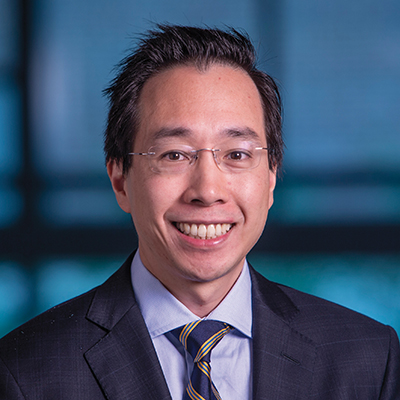
Zhen Ming (Jack) Jiang is an Associate Professor and York Research Chair (Tier II) in Software Engineering for Foundation Model-Powered Systems at York University's Department of Electrical Engineering and Computer Science. His research bridges software engineering, artificial intelligence, and computer systems with significant industrial impact. Dr. Jiang earned his Ph.D. from Queen's University's School of Computing and MMath/BMath degrees from the University of Waterloo's David R. Cheriton School of Computer Science. During his doctoral studies, he collaborated with BlackBerry's Performance Engineering team, developing tools now used daily to monitor commercial software systems. His research focuses on engineering rigor for AI-powered applications , software engineering evolution in the Generative AI era , and performance optimization of large-scale systems . Key areas include software performance engineering, mining software repositories, debugging distributed systems, source code analysis, and software visualization. His work combines empirical studies with practical tool development. Recent publications reveal strong trends in applying AI to software engineering challenges, particularly in machine learning systems reliability, blockchain efficiency, and AIOps solutions. His research consistently emphasizes empirical validation using real-world systems and industrial case studies. Scientific recognition includes: York Research Chair (Tier II) in Software Engineering for Foundation Model-Powered Systems NSERC Discovery Accelerator Supplements (DAS), 2020 Best Paper Award at ICST 2016 IEEE Software Best SEIP Paper at ICSE 2015 Ph.D. Research Achievement Award at Queen's University Multiple best paper awards at WCRE, MSR, and ICSE Dr. Jiang actively supervises graduate students and has secured competitive research funding including NSERC grants. His service includes program committee roles for top conferences (ICSE, ASE, ICSME) and editorial work for leading journals (TSE, TOSEM, EMSE). He leads research initiatives focused on foundation model-powered systems, collaborating with industry partners on performance monitoring and debugging solutions for large-scale distributed environments.