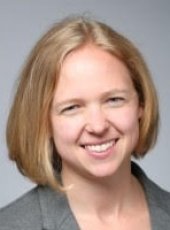
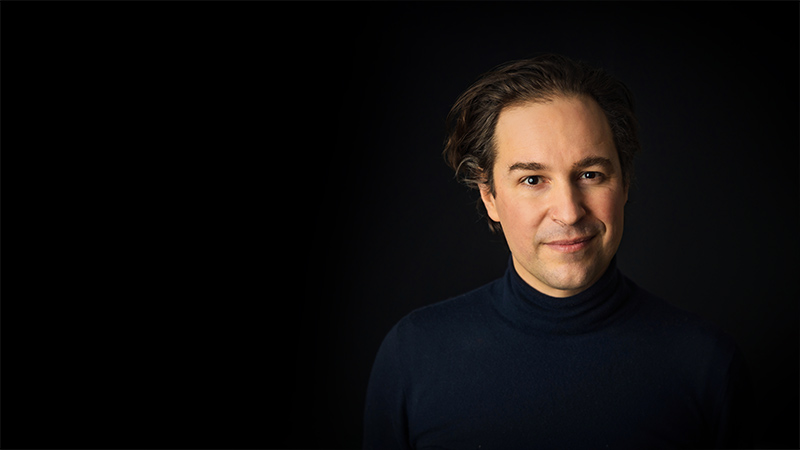
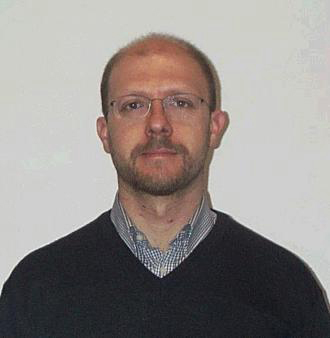
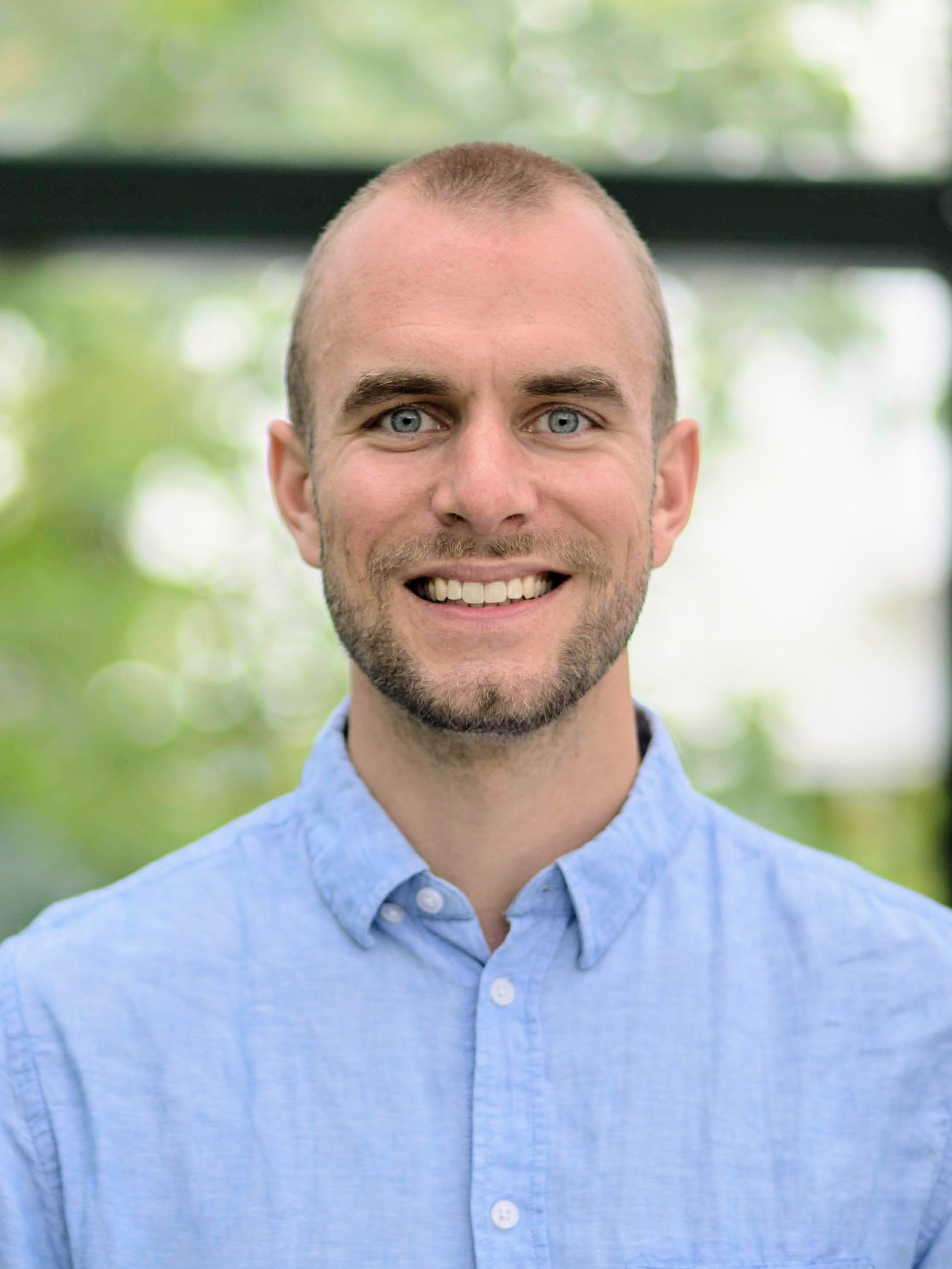
Ana Dyreson is an Assistant Professor in Mechanical and Aerospace Engineering at Michigan Technological University and Associate Research Director at the Center for Innovation in Sustainability & Resilience (CISR). She leads the Great Lakes Energy Group, focusing on climate change impacts on electric power systems , energy transitions in cold climates , and thermal power plant modeling . Her work bridges solar photovoltaic design , electricity grid operational modeling , and the energy-water nexus . Education : PhD in Mechanical Engineering, University of Wisconsin–Madison (2018) MS in Mechanical Engineering, Northern Arizona University (2014) BS in Engineering Mechanics, University of Wisconsin–Madison (2011) Research emphasizes climate-resilient energy systems , particularly solar energy in cold climates and grid-scale modeling . Her 2025-2022 publications investigate snow mitigation on PV panels , heat pump adoption , floating solar-hydropower hybrids , and climate stressor impacts on thermoelectric plants . She develops inclusive teaching methods and advises on renewable energy deployment through initiatives like the Tech Forward Initiative on Sustainability and Resilience . Her team collaborates on multisector dynamics and energy-water-climate research in the Great Lakes region.
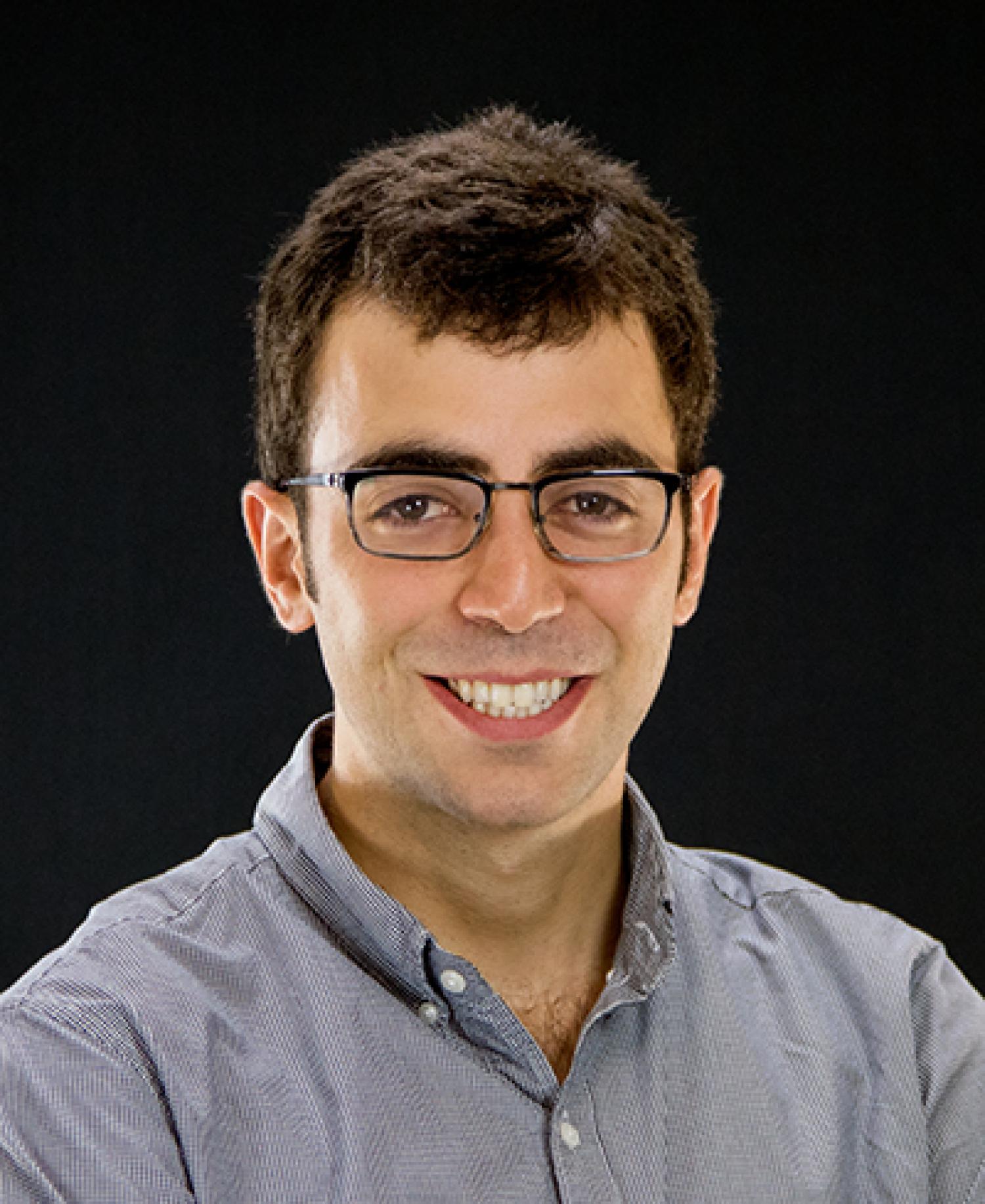
Adam Kaufman is an Associate Professor and Adjoint Fellow at JILA, a joint institute of the University of Colorado Boulder and NIST. He holds a faculty appointment in the Department of Physics at CU Boulder and collaborates closely with NIST researchers. His research focuses on quantum science, leveraging atomic, molecular, and optical physics to explore entanglement in complex systems, quantum coherence, and precision measurement. Key interests include quantum metrology with atomic clocks, quantum simulation using optical tweezers, and the development of qubit architectures with alkaline-earth atoms. Research Interests: - Investigating entanglement in quantum systems for both fundamental understanding and practical applications in condensed matter physics. - Pushing the limits of quantum coherence in optical tweezers to build scalable quantum states. - Developing tools like microscopy and precision spectroscopy to study ultra-cold atoms. Publications reflect advancements in optical clocks, quantum error correction, and boson sampling with atoms. Notable trends include innovations in multi-qubit gates for precision timing, Rydberg atom arrays for quantum magnetism, and cryogenic systems for extended coherence times. Scientific Awards: PECASE, Gordon and Betty Moore Foundation Grant, Friedrich Wilhelm Bessel Research Award. Advising includes mentoring students like Aaron Young (Deborah Jin Award recipient) and Matthew Norcia (IUPAP Prize). Grants include NSF Q-SEnSE funding and collaborations through CUbit Quantum Initiative. Lab activities focus on JILA’s optical tweezer arrays, cryogenic systems, and Ytterbium-based qubit development. Projects aim to realize scalable quantum processors and novel quantum sensors.
V. Strak is a researcher in the Department of Earth Sciences at Vrije Universiteit Amsterdam, specializing in geodynamic modeling and subduction zone dynamics. His work focuses on numerical simulations of tectonic processes, particularly in understanding slab dynamics, mantle flow interactions, and their implications for surface geology such as topography and seismic activity. Key affiliations: Vrije Universiteit Amsterdam (corresponding author) Research interests include subduction zone evolution, continental collision processes, and the role of buoyancy-driven flows in shaping tectonic boundaries. His studies apply advanced numerical methods to investigate phenomena like flat slab subduction, slab rollback mechanisms, and mantle wedge dynamics. Recent work explores the interplay between subduction dynamics and intraplate volcanism (e.g., in Tibet) and the mechanisms driving India-Asia convergence. Findings contribute to understanding how mantle flow and plate interactions influence continental deformation and seismic hazards.
Dr. Philip Brabazon is a Senior Lecturer at the University of Portsmouth, affiliated with the School of Organisations, Systems and People and the Centre for Operational Research & Logistics. His work focuses on operational research, logistics, and mass customization in industries such as automotive and manufacturing. He has published extensively on topics including order fulfillment systems, supply chain management, and production economics. Dr. Brabazon is currently accepting PhD students and has supervised 7 theses. His research explores themes like automotive order-to-delivery processes, virtual build-to-order systems, and the application of simulation in operational systems. He has contributed to understanding mass customization strategies, risk analysis in offshore operations, and safety case frameworks. His work bridges theoretical models with practical industry applications, particularly in optimizing supply chains and production systems. Notable publications include analyses of automotive logistics, long-tail retail dynamics, and Markovian approximations in fulfillment systems. His research has been cited over 100 times in key journals like the European Journal of Operational Research and Production and Operations Management.
Abbas Roozbahani is an Associate Professor in the Department of Building and Environmental Technology at the Faculty of Science and Technology, Norwegian University of Life Sciences (NMBU). His academic expertise lies in Water Infrastructure Engineering, where he contributes to research, teaching, and project leadership in sustainable urban water systems. His research interests include: Sustainable water management Urban water transport systems (drinking water, wastewater, stormwater) Risk assessment of water infrastructure Simulation and optimization of water systems Hydroinformatics and artificial intelligence Asset management for urban water infrastructure The analysis of his recent publications (2022–2025) reveals a strong focus on integrating advanced computational methods—such as Bayesian Networks, Fault Tree Analysis, machine learning (e.g., LSTM), and multi-criteria decision-making (MCDM)—into water resources management. His work frequently addresses urban stormwater optimization, drought and climate change risk assessment, groundwater forecasting, and the water-food-energy nexus, demonstrating a consistent trend toward data-driven, risk-informed, and sustainable solutions for complex water systems. Dr. Roozbahani teaches graduate-level courses including: THT301 - Asset Management for Urban Water Infrastructure THT302 - Analysis and Design of Water Distribution Networks THT261 - Introduction to Water and Wastewater Systems (co-instructor) THT313 - Water Management in Changing Conditions (co-instructor) THT390 - Preparations for the Master's Thesis (co-instructor) He has supervised multiple MSc and PhD students and led projects funded by academic and private institutions. His collaborative research spans international institutions, with frequent co-authorship on topics related to risk modeling, AI in hydrology, and sustainable infrastructure planning.
Professor Li Tian (b. 1982) is a full professor and PhD supervisor at the Department of Civil Engineering, School of Civil Engineering, Shandong University. He serves as Director of the Shandong Green Building Intelligent Construction Center and was selected into Shandong University's Youth Scholar Future Plan (2017-2022). His research focuses on seismic and wind resistance of civil infrastructure, with 38 SCI publications and 56 patents (26 inventions). Research Interests Structural Earthquake and Wind Resilience Vibration Control Systems Smart Material Applications Multi-hazard Structural Analysis Long-span Transmission Tower Dynamics Publications Overview His 15 most recent works (2018-2019) demonstrate expertise in seismic/wind vulnerability of power infrastructure, vibration control devices (particularly SMA-TMD systems), and multi-hazard structural analysis. Key contributions include probabilistic seismic demand modeling, bidirectional damping mechanisms, and collapse failure simulations. Scientific Awards Multiple Shandong Electric Power Science and Technology Progress Prizes (2018, 2015) Shandong University Teaching Awards (2017, 2012, 2014) National and Regional Academic Paper Prizes Academic Engagement He actively participates in structural engineering societies, serves on NSFC review panels, and acts as reviewer for over 30 journals including Engineering Structures and Earthquake Engineering and Engineering Vibration .
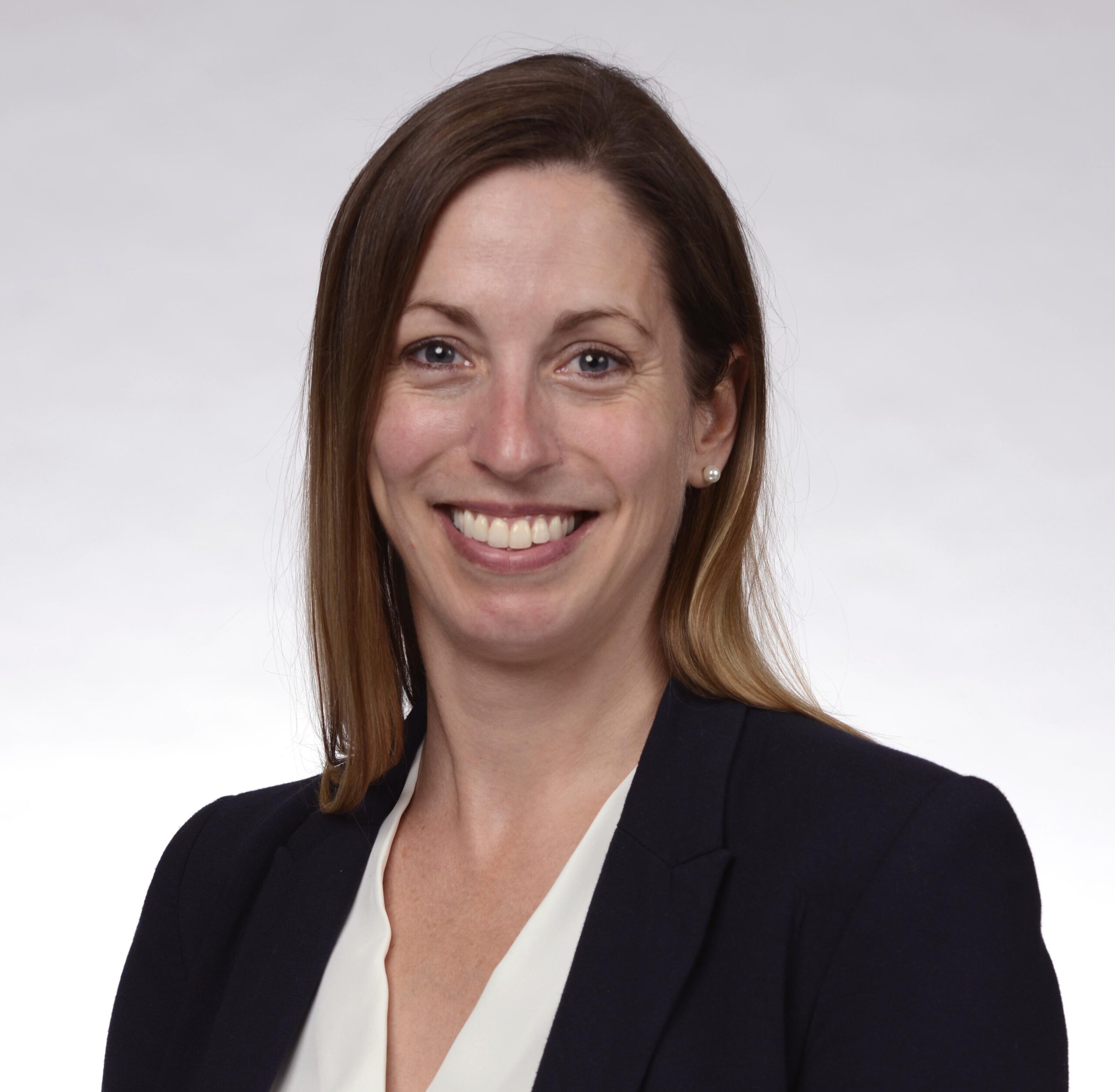
Dr. Marianne Touchie is an Associate Professor jointly appointed in the Departments of Civil & Mineral Engineering and Mechanical & Industrial Engineering at the University of Toronto. She serves as Director of the Building Energy and Indoor Environment Lab and holds the Canada Research Chair in Sustainable Urban Housing. Dr. Touchie earned her BASc (2009) and PhD (2014) in Civil Engineering from the University of Toronto, with postdoctoral work at Toronto Atmospheric Fund. Research Focus: Her interdisciplinary program centers on optimizing building performance through energy-efficient retrofits that enhance indoor environmental quality. Key areas include: HVAC system optimization and ventilation efficacy in high-rises Thermal/acoustic comfort and occupant well-being metrics Lifecycle analysis of sustainable housing forms Climate-resilient building codes and policy frameworks Publications: Her recent work (2023-2025) demonstrates strong emphasis on field-based validation of retrofit strategies, climate adaptation in building codes, and holistic assessment of housing sustainability. Dominant themes include multi-unit residential building (MURB) performance, co-benefits quantification of retrofits, and occupant-centered design. Awards & Honors: McCharles Prize for Early Career Research Distinction (2022) Early Career Teaching Award (2022) ASHRAE New Investigator Award (2018) OBEC Rising Star Award (2021) Clean 50 – Canada (2020) Leadership: She leads 15+ projects with industry/government partners (e.g., Toronto Community Housing), supervises 40+ graduate students, and serves as President of the Building Science Specialist Board of Canada. Her lab develops novel assessment tools like Photovoice and CONTAM simulations for retrofit validation.
Maximilian Schich is a Professor for Cultural Data Analytics and CUDAN ERA Chair holder at Tallinn University's Baltic Film, Media and Arts School. A multidisciplinary researcher with expertise in art history, network science, and computational social science, he pioneers systematic approaches to cultural interaction through critical aesthetics and data-driven methodologies. PhD monograph: Network analysis in art research (antique reception/visual citation) 2014 Science Magazine publication: "A Network Framework of Cultural History" Horizon 2020-funded CUDAN ERA Chair project (2020-present) International academic background: LMU Munich, HU-Berlin, Bibliotheca Hertziana, BarabásiLab, ETH Zurich His research spans cultural database pathology, digital humanities, and interdisciplinary aesthetics, with recent work focusing on the "Cultural Interaction" book project. Articles indicate strong emphasis on network theory, quantitative cultural analysis, and computational art history, supported by European Commission funding through Horizon 2020 frameworks. Scientific awards include: ERA Chair for Cultural Data Analytics Global recognition through Nature video "Charting Culture" (2014) As founding member of UT Dallas' Edith O’Donnell Institute of Art History and leader of CUDAN research group, Schich combines technical expertise in data science with deep cultural theory knowledge, maintaining active research and teaching roles without explicit student advisement in available data.
Robert Czechowski, PhD , is an Assistant Professor at the Faculty of Information and Communication Technology , Wrocław University of Science and Technology , Poland, stationed in the Department of Telecommunications and Teleinformatics . His office is located in building D-20, room 421, and he holds regular consultation hours on Tuesdays 14:00–15:00, Wednesdays 15:00–17:00, and Thursdays 13:00–15:00. His research portfolio is centred on securing the next generation of electrical power systems. Core interests include: Cyber-security architectures for smart grids and micro-grids Artificial-intelligence-driven intrusion detection and prevention systems (IDS/IPS) Network protocols and time-synchronisation security in SCADA environments Simulation of information flow in complex, dynamically reconfigurable networks IPv4/IPv6 network design and security policy enforcement in power-system automation Database and expert-system solutions for real-time energy-management and fraud detection Between 2014 and 2019 he authored or co-authored more than fifteen peer-reviewed works. The publications reveal a clear longitudinal trend: early work established foundational security policies and good-practice guidelines, while later studies pivot toward advanced AI/ML techniques for anomaly detection and risk quantification in smart-metering infrastructures. A recurring theme is the integration of communication-protocol security (IEC 61850, PLC, IPv4/IPv6) with higher-level cyber-physical risk governance. Scientific recognitions: None explicitly mentioned in the supplied text. Advising & Grant activities: The provided material does not list specific doctoral or master’s students, nor does it enumerate funded projects. Laboratories & Teams: He conducts research within the Department of Telecommunications and Teleinformatics, leveraging university laboratories and the wider ICT Faculty infrastructure, although no dedicated lab name is specified.
Dr. Evert van Nieuwenburg is an Assistant Professor at Leiden University, affiliated with both the Leiden Institute of Advanced Computer Science (LIACS) and the Leiden Institute of Physics (LION). His research bridges the fields of Quantum Physics , Machine Learning , and Condensed Matter Physics , with a focus on quantum algorithms, reinforcement learning, and quantum game development (e.g., Quantum TiqTaqToe ). He actively contributes to the Applied Quantum Algorithms (aQa) initiative and leads the QuantumPlayed subgroup for quantum games and education. Research Interests: AI-driven quantum experiment control, quantum machine learning, variational quantum circuits, and quantum games for education and intuition-building. Publications: 15+ peer-reviewed works spanning quantum error correction, phase transitions, reinforcement learning in quantum systems, and quantum dot array simulations. Community Engagement: Developer of educational quantum games, open science advocate, and active participant in interdisciplinary initiatives. Selected Trends: His work demonstrates AI's transformative role in quantum physics, from decoding error-correcting codes with graph neural networks to merging reinforcement learning with quantum control systems. Labs & Initiatives: Affiliated with the Applied Quantum Algorithms (aQa) initiative and co-founder of QuantumPlayed , where quantum mechanics meets game theory to engage diverse audiences.
Stefano Invernizzi is an Associate Professor at the Department of Structural, Geotechnical and Building Engineering (DISEG) of Politecnico di Torino. His expertise spans civil and structural engineering, focusing on fracture mechanics, finite element analysis, and numerical modeling of historical masonry and concrete structures. Teaches Statics and structural analysis courses at the Faculty of Architecture. Supervised numerous PhD and degree theses on masonry, concrete, and computational mechanics. Research emphasizes scale effects on material strength, fractal properties of structural materials, contact mechanics, and seismic vulnerability of historical buildings. He co-developed the sequentially linear saw-tooth softening model for robust analysis of reinforced concrete structures. Collaborated with Prof. Jan Rots on computational mechanics and contributed to projects like TOMORROW (additive manufacturing for building walls) and DURA_LAM (nano-materials for timber durability). His work aligns with SDGs 9 (Industry Innovation) and 11 (Sustainable Cities). He leads the Laboratorio di Meccanica della Frattura and has authored over 30 publications in journals like Engineering Fracture Mechanics and International Journal of Fracture . His research integrates statistical theories of strength with nonlinear numerical simulations for disordered materials.
Helleik Rosenvinge Syse is a PhD researcher at the University of Stavanger , affiliated with the Faculty of Science and Technology and the Department of Energy and Petroleum Technology . His work in the Future Energy Hub group focuses on integrating the human dimension into energy use in buildings , supervised by Associate Professor Homam Nikpey and Professor Emeritus Harald Røstvik. He previously studied at the University of Strathclyde and has held roles in startups like Gwing, NablaFlow, and bitUnitor. Academic journey: MSc in Renewable Energy Systems and the Environment (University of Strathclyde) Visiting scholar: University of New South Wales's Artificial Intelligence Institute (2023/24) His research spans techno-economic analysis of renewable energy systems and interdisciplinary exploration of human-engineering interactions . Recent work includes simulation studies of MyBox Energy Lab and data accessibility frameworks for smart city energy systems , emphasizing scalable solutions for urban sustainability. Scientific recognition includes: Nominated '30 under 30 ledestjerner' (Dagens Næringsliv, 2020) Awarded 'young energy talent' (Stavanger Chamber of Commerce, 2022) As an educator, he taught sustainability courses at BI Business School and actively participates in energy transition advocacy through Stavanger Chamber of Commerce groups. His multidisciplinary approach bridges technical systems analysis with behavioral science to address energy efficiency challenges.
Sandra Bellekom is a Lecturer-researcher at Hanze University of Applied Sciences, working within the Entrance – Center of Expertise Energy. Her work focuses on system integration in the energy transition, with particular expertise in renewable energy systems, solar power optimization, and smart grid technology. She contributes significantly to research projects related to sustainable energy solutions and environmental systems analysis. Education: Ph.D. in Electrical Engineering from Delft University of Technology (1993-1998) Master's degree in Energy and Environmental Sciences, cum laude, from University of Groningen (2002-2005) Basic Teaching Qualification (BKO) from University of Groningen (2010-2011) Master's degree in Electrical Engineering (ir), cum laude, from Delft University of Technology (1989-1993) Sandra Bellekom's research interests span the critical areas of energy transition and sustainable systems. Her work emphasizes practical applications of renewable energy technologies, particularly focusing on system integration challenges. She investigates how solar energy systems perform under real-world conditions, examining factors like panel contamination and cleaning effectiveness. Her research also extends to hydrogen energy systems, smart grid integration, and the economic optimization of renewable energy solutions. Through her work, she addresses key challenges in making the energy transition technically feasible and economically viable, with a strong focus on data-driven analysis and system modeling. Her recent publications (2019-2025) demonstrate a clear trend toward applied research in solar energy optimization and hydrogen systems. The research shows increasing focus on practical field studies examining how real-world factors like bird droppings, dust, and other contaminants affect solar panel performance. There's also a notable shift toward system-level analysis, particularly in hydrogen energy configuration and the integration of multiple renewable sources. Her work consistently bridges technical analysis with practical implementation considerations, making it highly relevant for industry applications. Sandra actively participates in multiple research projects including 'Effect of pollution and cleaning of solar parks,' 'Hydrogen Works,' and studies on sensible heat storage systems. Her collaborative approach is evident in her numerous co-authored publications across various energy domains. While specific mentoring relationships aren't detailed in the available information, her background includes supervising master's students during previous academic positions. Her research laboratory and team work primarily through the Entrance – Center of Expertise Energy, focusing on practical field studies and system modeling. Current projects involve monitoring solar parks across the Netherlands, developing hydrogen configuration tools, and optimizing energy storage solutions for buildings. The team employs a combination of field measurements, data analysis, and system modeling to address real-world energy challenges.
Pieter Rauwoens is a Professor at the Department of Civil Engineering within the Faculty of Engineering Technology at KU Leuven. His work focuses on coastal engineering, hydraulics, and sustainable material applications, particularly in dune dynamics and nature-based coastal defense systems. He leads multiple long-term projects and serves as promotor for interdisciplinary research initiatives. Coastal & Ocean Basin (COB) wind tunnel system development Sustainable sand management for hybrid dune-dike systems Vegatation impact on coastal dune stability Supplementary cementitious materials from recycled aggregates His research integrates field monitoring, numerical simulations, and laboratory experiments to address coastal resilience challenges under climate change. Key methodologies include CFD modeling, sediment transport analysis, and material reactivity studies. Current research trends emphasize: Hybrid blue-grey coastal defense systems Mechanochemical activation of recycled materials Wave-structure interactions around monopiles Aeolian transport dynamics in vegetated dunes Sustainable sediment management Climate adaptation infrastructure
Robb W Lindgren is a Professor at the University of Illinois at Urbana-Champaign with appointments in Curriculum and Instruction and Educational Psychology . He serves as Associate Dean for Research in the College of Education and holds affiliations with the National Center for Supercomputing Applications (NCSA) , Beckman Institute for Advanced Science and Technology , and Center for Social & Behavioral Science . His research focuses on Embodied learning through gesture and physical interaction Design of mixed/augmented reality educational systems Collaborative STEM education with immersive technologies Recent publications highlight his work in: Biochemistry simulations using haptic feedback (2024) VR-based spatial reasoning for astronomy education (2023) Metaverse learning environments with theory-driven design (2023) Climate change simulations with full-body tracking (2022) His research group explores how physical movement and gestural interfaces shape scientific understanding and conceptual change. Key collaborations include work with Jee Hyang Park , Jun Kang , and Thomas Kim , focusing on Gesture-mediated collaboration XR learning analytics Agency in embodied design