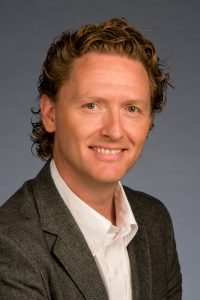
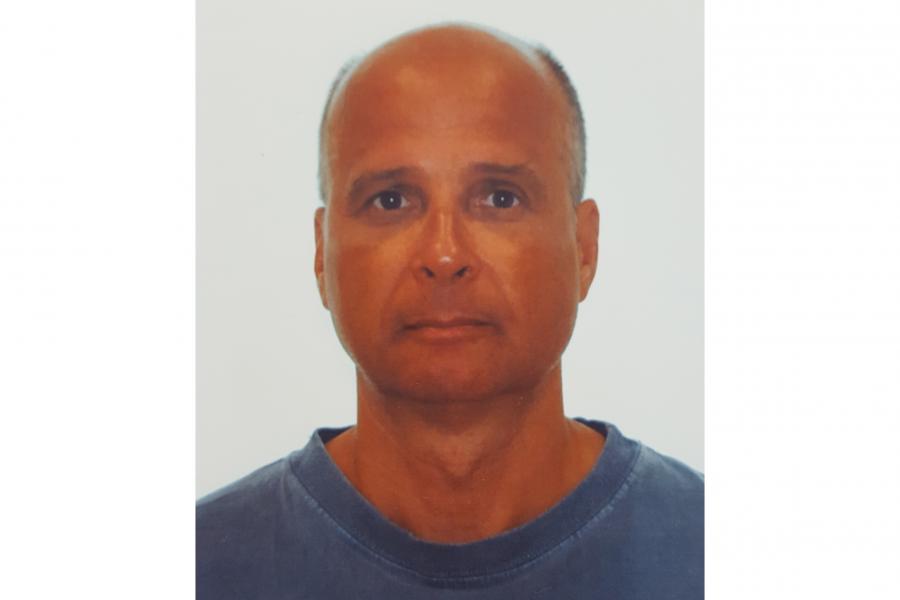
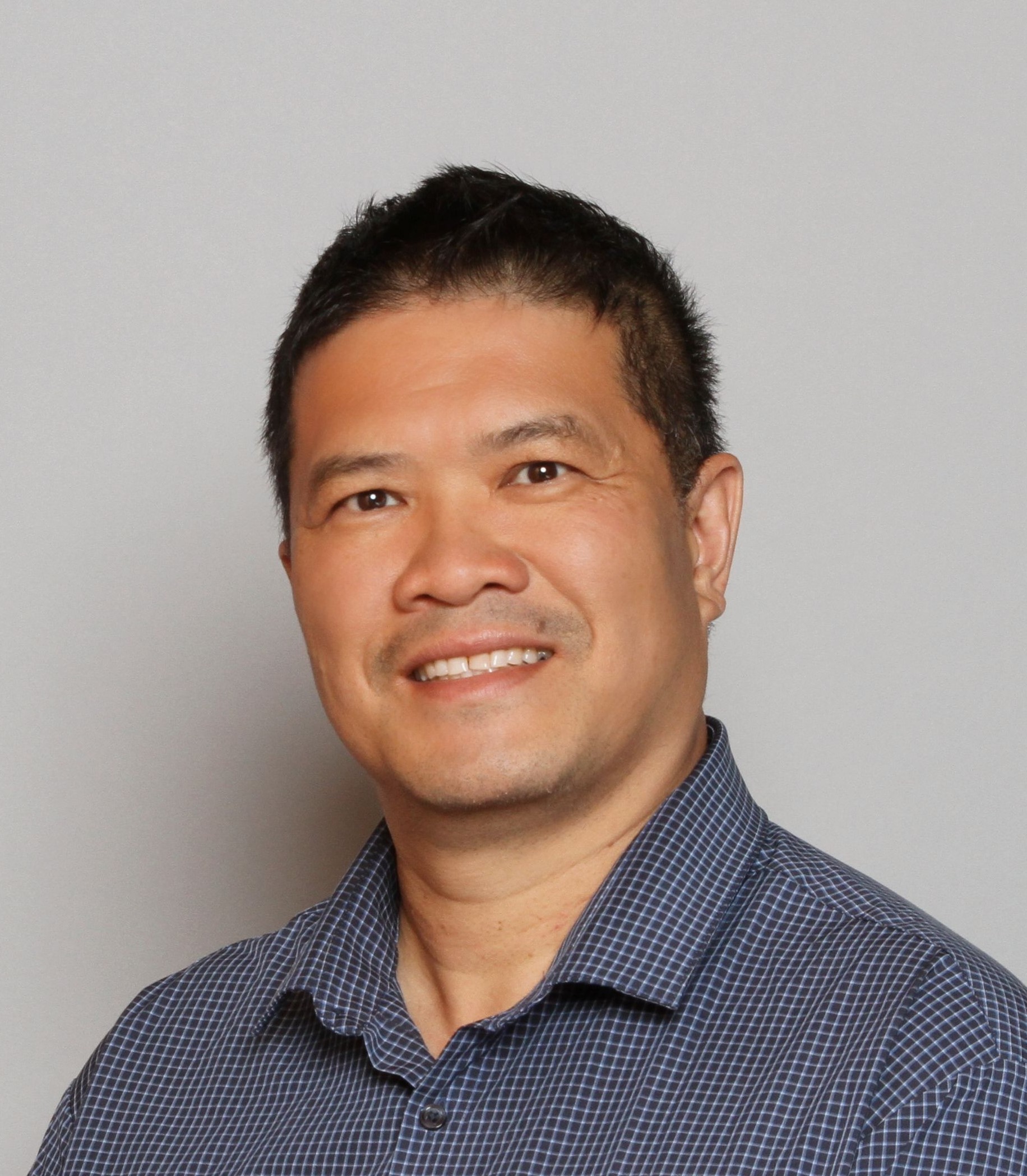
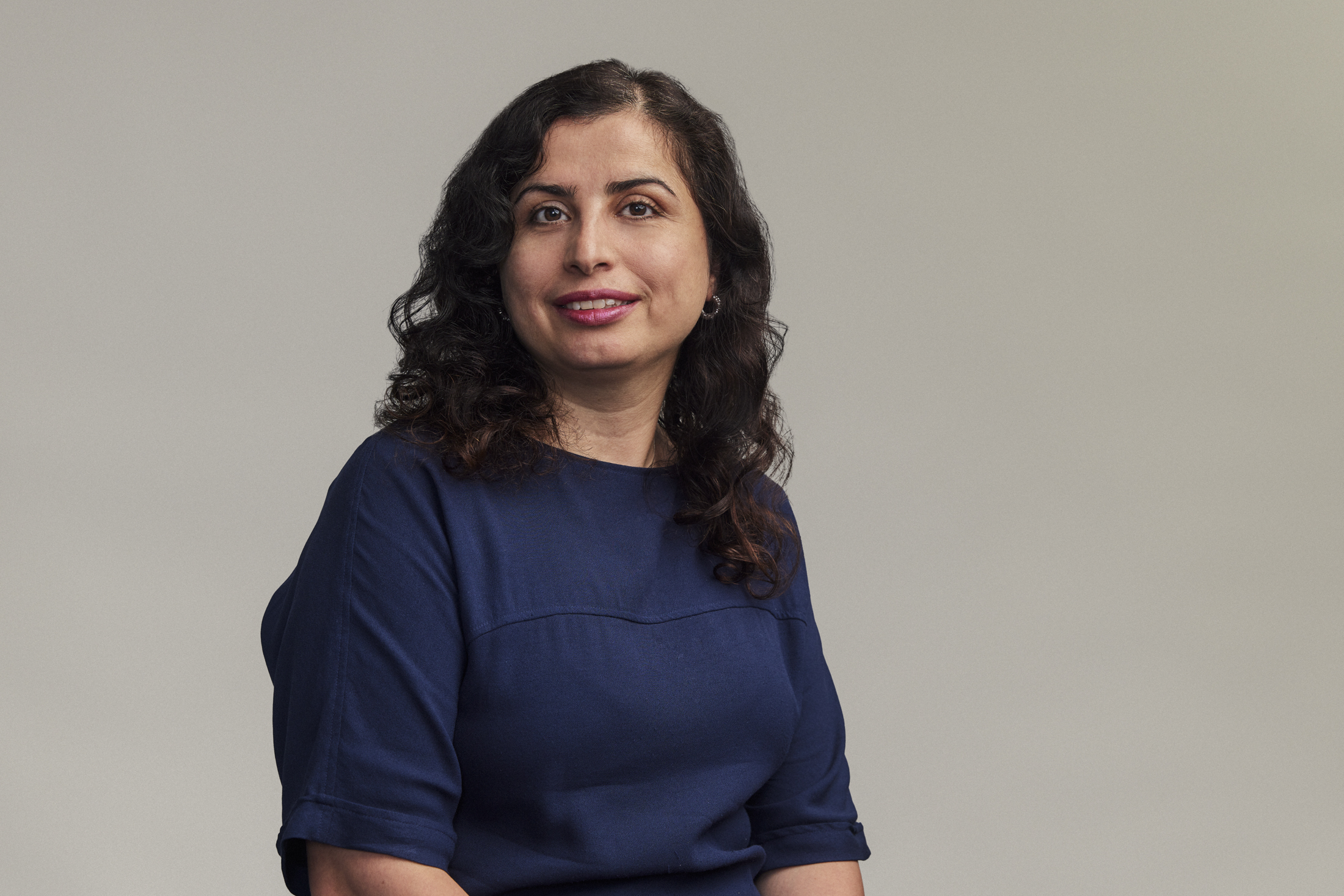
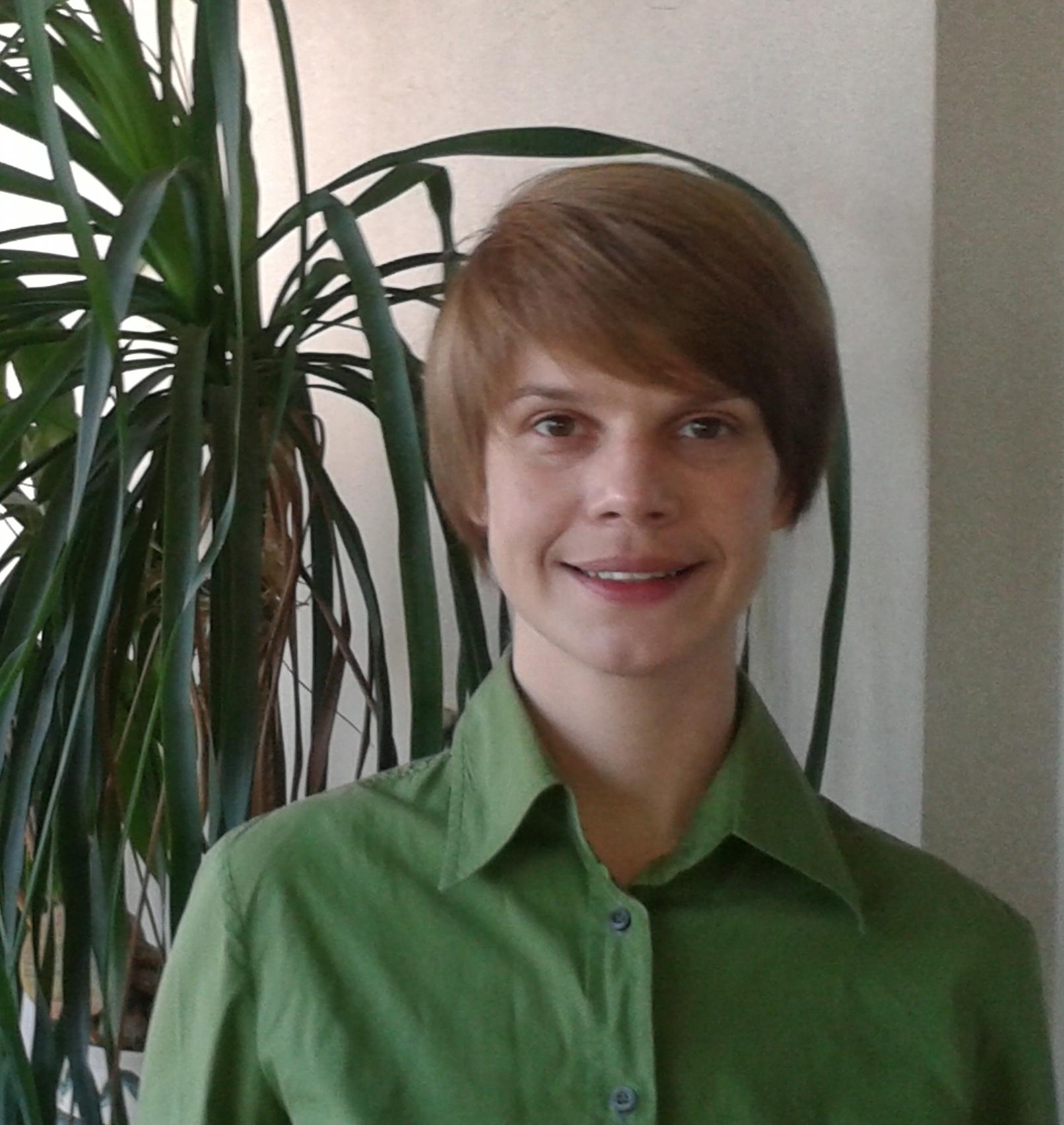
Dr. Terje Haukaas is a Professor of Structural & Earthquake Engineering at the University of British Columbia (UBC), Department of Civil Engineering, Faculty of Applied Science. He holds a PhD and Master's from UC Berkeley (2003, 1999) and a bachelor's from the Norwegian University of Science and Technology (1996). His research focuses on probabilistic modeling, structural reliability, and earthquake engineering, with contributions to software development (e.g., FERUM, OpenSees). He teaches courses like Structural Analysis, Nonlinear Analysis, and Reliability & Safety. Education: PhD in Civil Engineering, UC Berkeley, 2003 Master's in Civil Engineering, UC Berkeley, 1999 Bachelor's in Civil Engineering, NTNU, Trondheim, 1996 Engineering Degree (Stavanger University College, 1994) and Technician Degree (Stavanger Technical College, 1992) Research Interests: Probabilistic mechanics and reliability analysis Seismic vulnerability and risk assessment Software tools for finite element analysis (FERUM, OpenSees) Timber engineering and structural optimization Awards & Recognition: UBC Killam Teaching Prize (2016) President of CERRA (2015–2019) Keynote/Semi-plenary speaker at major conferences (ICASP12, COMPDYN 2017) Student Appreciation Awards (Top Professor rankings) Grants & Labs: Recipient of grants supporting seismic risk research Developed computational frameworks for structural analysis
Dr. Ken Ferens is an Assistant Professor in the Department of Electrical and Computer Engineering at the Price Faculty of Engineering, University of Manitoba. He serves as the Computer Engineering Champion in the Centre for Engineering Professional Practice and Engineering Education and directs the Applied Cognitive Intelligence (ACI) Research Group. Dr. Ferens is a senior member of the Institute of Electrical & Electronics Engineers (IEEE), Chair of the EduManCom Chapter of the IEEE, Vice-Chair of the Computer and Computational Intelligence Chapter of the IEEE, and Chair of the Industry, Teaching Assistants, and Student Forums for Engineering Curriculum Review and Improvement. Ph.D. (Computer Engineering), University of Manitoba, 1996 M.Sc. (Computer Engineering), University of Manitoba, 1991 B.Sc. (Electrical Engineering), University of Manitoba, 1989 Dr. Ferens has over 33 years of research experience in computational intelligence, focusing on cognitive machine learning, artificial intelligence, cognitive computational intelligence, chaos theory applications, agent-based models, and various optimization algorithms including simulated annealing, genetic algorithms, artificial neural networks, and particle swarm optimization. His research applies these techniques to develop software and hardware intrusion detection systems for cybersecurity applications. He teaches graduate-level courses on Computer Network Security and Applied Computational Intelligence, providing students with theoretical background and hands-on experience in state-of-the-art security methods. Analysis of Dr. Ferens' recent publications reveals a strong focus on applying cognitive and chaotic computational techniques to cybersecurity challenges, particularly malware detection and network intrusion detection. His work increasingly integrates complexity theory, fractal analysis, and hybrid optimization approaches to enhance security systems' effectiveness. There's a clear progression toward more sophisticated machine learning architectures applied to increasingly complex security scenarios, with growing emphasis on real-world IoT and network security applications. Best Paper Award at IEEE International Conference on Cognitive Informatics and Cognitive Computing (ICCI*CC 2022) Best Paper Award at IEEE International Conference on Cognitive Informatics and Cognitive Computing (ICCI*CC 2015) Best Journal Paper Award for 2013 (Journal of ICT Research and Applications) Best Poster Award at 12th International Conference on e-Health Networking, Application & Services (2010) Best Paper Award at IASTED International Conference on Computer, Electronics, Control, and Communication (1991) Dr. Ferens collaborates with national and international industry partners including the Department of Advanced Information Management, Content Technology Canadian Tire Corporation (CTC), and Magellan Aerospace. His research group has received funding supporting the Cyber-security Research Program, developing practical applications of computational intelligence for security systems. He has supervised numerous graduate students in the Electrical and Computer Engineering department, focusing on research at the intersection of machine learning and cybersecurity. Dr. Ferens leads the Applied Cognitive Intelligence (ACI) Research Group within the Department of Electrical and Computer Engineering, which focuses on applying cognitive, chaotic, and computationally intelligent algorithms to build intrusion detection systems. The group collaborates with industry partners to develop practical security solutions while providing students with hands-on research experience in cutting-edge security technologies. Their work spans both theoretical algorithm development and practical hardware implementation for real-world security applications.
Louis-A. Dessaint is a Professor at the Département de génie électrique at École de technologie supérieure (ÉTS). He holds B.Ing., M.Sc.A., and Ph.D. degrees from Polytechnique Montréal. His research focuses on power electronics, renewable energy integration, and smart grid technologies, with affiliations to the GREPCI research group. He has supervised numerous theses and projects, addressing topics like microgrid optimization, energy storage, and voltage stability. Education: B.Ing., M.Sc.A., Ph.D. (Polytechnique Montréal). Research interests include electric machines, power network dynamics, hybrid energy systems, and sustainable development. His recent work emphasizes real-time control of power systems, renewable energy integration, and smart building energy management. Publications highlight advancements in microgrid topology optimization, battery storage systems, and ADRC-based control strategies. Awards include IEEE Fellow (2013) and membership in the Canadian Academy of Engineering (2012). He has advised over 50 students and contributed to projects on smart grids, energy storage, and grid stability. His lab, GREPCI, focuses on power electronics and industrial control.
Irina Rish is a Full Professor at the Université de Montréal and a core academic member of Mila – Quebec Artificial Intelligence Institute, where she leads the Autonomous AI Lab. She holds a Canada Excellence Research Chair (CERC) and a CIFAR AI Chair, reflecting her leadership in foundational AI research. Her work is supported by major initiatives, including the U.S. Department of Energy’s INCITE project on Summit and Frontier supercomputers. PhD in AI, University of California, Irvine MSc in AI, University of California, Irvine MSc in Applied Mathematics, Moscow Gubkin Institute Her research focuses on machine learning, neural scaling laws, emergent behaviors in foundation models, continual learning, robustness, and neuroscience-inspired AI . She explores how AI systems can become more general, flexible, and aligned with human cognition. Her recent work investigates training dynamics in large language models, efficient pruning techniques, and the development of time-series foundation models. The analysis of her recent publications reveals a strong focus on scaling behaviors, continual adaptation, and robustness in AI systems . Her work spans theoretical understanding of training dynamics (e.g., zero-sum learning), practical optimization methods, and applications in climate modeling and mental health. She emphasizes open science, leading open-source projects and co-founding Nolano.ai to build efficient, compressed foundation models. Canada Excellence Research Chair (CERC) CIFAR AI Chair IBM Eminence & Excellence Award (2018) IBM Outstanding Innovation Award (2018) IBM Outstanding Technical Achievement Award (2017) IBM Research Accomplishment Award (2009) Irina Rish advises a large group of PhD and Master’s students across Université de Montréal, McGill, and Concordia. She leads major research grants and collaborates internationally on HPC-based AI research. She is also the co-founder and CSO of Nolano.ai, driving innovation in efficient AI systems. She leads the Autonomous AI Lab, which focuses on building large-scale foundation models, understanding neural scaling laws, and developing bio-inspired learning systems. She actively organizes reading groups on scaling, continual learning, and out-of-distribution generalization, fostering a collaborative research environment.
Pouya Bashivan is an Assistant Professor in the Department of Physiology at McGill University's Faculty of Medicine. His research focuses on developing computational models to explain and regulate neural responses during visual tasks requiring memory, combining machine learning, neuroscience, and cognitive science. Education : Ph.D. in Computer Engineering (2016), Postdocs in Machine Learning (2020) and Computational Neuroscience (2016-2020) His lab investigates: Topographical neural networks for visual cortex simulation Massively-multitask models for prefrontal cortex Saccade-driven visual exploration models Predictive hippocampus models for episodic memory Recent publications explore adversarial robustness, memory-augmented networks, and brain-state decoding. Current projects emphasize causal models, brain-AI alignment, and translating computational neuroscience into therapeutic applications. The lab is located in the McIntyre Medical Sciences Building, Room 1117, Montreal, Quebec.
Tom Woo is a Professor in the Department of Chemistry at the University of Ottawa's Faculty of Science. His research focuses on computational quantum chemistry, catalysis, and energy-related systems. Using advanced molecular simulations, his group explores microscopic chemical processes and develops novel methods for energy storage, pharmaceutical catalysis, and material design. Key projects include studying catalytic systems for energy conversion and pharmaceutical synthesis, leveraging computational tools to uncover reaction mechanisms inaccessible via experiments. Research interests span computational chemistry, quantum chemistry, molecular dynamics, and nanotechnology. The Woo Group applies these methods to design metal-organic frameworks (MOFs) for CO2 capture, hydrogen storage, and other energy applications. Their work bridges theoretical models with experimental validation, emphasizing high-throughput screening and machine learning. Publications highlight breakthroughs in MOF design, computational validation of material databases, and carbon capture technologies. Collaborations focus on interdisciplinary challenges in energy sustainability and pharmaceutical catalysis.
Dr. Mojgan A. Jadidi serves as Associate Professor in the Teaching Stream and Director of Common Engineering & BSc Science within the Department of Civil Engineering at York University's Lassonde School of Engineering. A Professional Engineer (P.Eng) and founder of the GeoVA Lab, she leads research at the intersection of geospatial analytics, digital infrastructure, and innovative engineering education aligned with UN Sustainable Development Goals. Education: PhD in Geomatics, Université Laval (2014) MSc in Earthquake and Seismology Engineering, ROSE Center (Italy) & Université Joseph Fourier (France) BSc in Civil-Survey Engineering, Iranian University of Science and Technology Research Focus: Her pioneering work in Geospatial Visual Analytics spans 2D/3D environments, Building Information Modeling (BIM) and 3D GIS integration, and Spatial Quantum Computing applications for smart cities. She develops Infrastructure Digital Twins using sensor data fusion while revolutionizing engineering education through gamification and augmented/virtual reality pedagogies that transform complex spatial concepts into immersive learning experiences. Research Trends: Recent publications (2021-2023) demonstrate convergent innovation across three domains: (1) Building energy optimization through BIM-graph analytics, (2) Transportation safety via AI-driven situational awareness, and (3) Educational technology using VR sandboxes and visual-verbal comics. These works consistently integrate quantum computing principles and UN SDG frameworks to solve urban sustainability challenges. Scientific Recognition: ASEE Zone III Best Paper Award (2023) ASEE Saint Lawrence Best Research Paper & Poster (2022) 3D GeoInfo Conference Best Paper (2018) NSERC Postdoctoral Fellowship (2016) ESRI Student Award (2011) Erasmus Mundus Scholarship (2006) Research Leadership: As Associate Director of York's ESRI Center of Excellence, she manages multi-source funding from NSERC, Mitacs, and York University internal grants. Her professional service spans global organizations including ISPRS Commission IV (Secretary), IEEE Women in Engineering (Member), PEO Etobicoke (Chair), and buildingSMART Canada (Committee Member), driving standards for BIM and digital twin implementation in urban infrastructure. Lab Innovation: The GeoVA Lab develops cutting-edge tools including the TopoSurvey Game for immersive surveying education, PAN-Lassonde XR Sandbox for virtual lab experiences, and quantum computing frameworks for bike-sharing optimization, establishing new paradigms in spatial data interaction and engineering pedagogy.
Cynthia Cruickshank is a Full Professor in Mechanical and Aerospace Engineering at Carleton University and currently serves as Associate Dean for Equity, Diversity, and Inclusion within the Faculty of Engineering and Design. She holds degrees including a B.Sc. and Ph.D. from Queen's University. Her research focuses on advanced building energy systems, high-performance buildings, and sustainable construction materials. Key areas include solar-assisted heat pumps, thermal energy storage (both sensible and latent), and solar absorption cooling. She leads the Centre for Advanced Building Envelope Research (CABER), dedicated to innovative building envelope technologies. Her recent work examines telework impacts on home energy use, smart thermostat data analysis, and the integration of bio-based phase change materials in construction. Over 150 peer-reviewed articles highlight her contributions to energy efficiency, renewable energy systems, and building retrofit strategies. Prof. Cruickshank's research teams collaborate on projects such as solar-driven adsorption systems, vacuum insulation panel retrofits, and policy implications of remote work. Her labs emphasize experimental validation of novel materials and systems through guarded hot box testing, hygrothermal modeling, and in-situ evaluations.
Marina Freire-Gormaly is an Assistant Professor in the Mechanical Engineering Department at York University's Lassonde School of Engineering. Her research focuses on renewable energy-powered water treatment systems, machine learning for smart design, advanced manufacturing, and sustainable engineering solutions for remote communities. She holds a PhD and M.A.Sc. from the University of Toronto, specializing in carbon capture and storage technologies. She has worked on nuclear energy projects at Ontario Power Generation and contributed to World Bank sustainability assessments. She currently chairs the Canadian Society of Mechanical Engineers' Student and Young Professional Affairs committee. Education: PhD in Mechanical Engineering, University of Toronto M.A.Sc. in Mechanical Engineering, University of Toronto Research Interests: She pioneers solar-powered reverse osmosis systems, energy recovery mechanisms, and IoT-driven smart systems. Her lab explores nanotechnology applications in environmental sustainability, including carbon capture and aquatic remediation. She integrates machine learning for optimizing energy-water nexus challenges in off-grid regions. Key Contributions: Developed models for membrane fouling in desalination systems, advanced pore network characterization for geologic CO2 storage, and designed automated renewable energy systems. Her work bridges engineering innovation with global sustainability goals. Grants & Collaborations: Engages with industries like Honda Canada and Trane Canada on sustainability initiatives. Supervises graduate students in emerging areas like nanobubble technology and direct air capture systems. Lab Activities: The Freire-Gormaly Lab focuses on clean energy-water systems, with current projects involving nano-technology for space applications (Canadian Space Agency collaboration) and life cycle assessments of carbon storage technologies.
Ming Lu is a Professor in the Department of Civil and Environmental Engineering at the University of Alberta, Faculty of Engineering. Specializing in Construction Engineering and Management (CEM), he leads the Construction Automation Lab (AutoLab) since 2010, focusing on integration, automation, and optimization in construction. Dr. Lu holds professional engineering licensure (PEng) in Alberta and has extensive academic experience across Canada, Hong Kong, and China. PhD in Civil Engineering (University of Alberta, 2000) B.Eng. in Road & Traffic Engineering (Tongji University, 1994) His research spans Construction Automation , Project Scheduling , and Resource Optimization , with over 150 publications in top journals. Recent work emphasizes model trees , time-window constraints , and labor cost regression . Publications appear in Automation in Construction , Journal of Computing in Civil Engineering , and ASCE Journal of Construction Engineering and Management . Notable awards include the 2022/23 CSCE Stephen G. Revay Award , Fiatech STAR Award (2013) , and multiple Best Paper Awards from ASCE. His software tools like SDESA and S3 revolutionized construction simulation and resource-constrained scheduling. Dr. Lu supervised numerous graduate students in projects involving BIM applications , earthwork optimization , and steel fabrication scheduling . He developed key courses like CIV E 406 (Construction Estimating) and CIV E 607 (Productivity Modeling), integrating simulation-based learning into construction education.
Dr. Wael El-Dakhakhni is a Professor of Civil Engineering at McMaster University, holding the Martini, Mascarin and George Endowed Chair in Masonry Design. He serves as Director of the INTERFACE Institute and NSERC CaNRisk-CREATE program, focusing on systemic risk and resilience in complex systems. His research spans interdependent networks, data-driven modeling, and infrastructure resilience under climate and disaster scenarios. He leads the INViSiONLab, advancing AI-driven solutions for urban resilience through digital twins. El-Dakhakhni is a Fellow of the American Society of Civil Engineers and a Member of the Royal Society of Canada, with notable awards including the NSERC Discovery Accelerator Supplement (twice), Ontario Early Researcher Award, and John B. Scalzi Research Award. His work bridges academia and industry, contributing to codes, standards, and real-world applications in structural engineering and disaster response. Education: BSc (Ain Shams University, Egypt), MSc and PhD (Drexel University, USA). Research Interests: Complex systems simulation, systemic risk quantification, resilient infrastructure design, AI applications in urban planning, and climate resilience frameworks. His work integrates advanced machine learning, network theory, and physics-informed models to address multi-hazard challenges in energy, transportation, and urban systems. Key Projects: CITYDNA, McMasterDNA, and infrastructure digital twins for pandemic and climate crisis decision-support systems. He collaborates with governments and organizations to enhance infrastructure resilience through predictive analytics and adaptive strategies. Labs/Teams: INViSiONLab, McMaster INTERFACE Institute, NSERC-CaNRisk-CREATE program, and the Centre for Effective Design of Structures. His research has informed policy and standards in North America, emphasizing interdisciplinary solutions for systemic risk mitigation.
Dr. Ousmane Seidou is a Full Professor in the Department of Civil Engineering at the University of Ottawa, where he has served since 2007. He leads the Hydraulics Lab and holds affiliations with the Faculty of Engineering's Centre for Indigenous Community Infrastructure. His academic journey includes a PhD from École Polytechnique de Montréal (2002) and postdoctoral research at the Institut National de la Recherche Scientifique, Quebec. Dr. Seidou specializes in climate change impacts on water resources, hydrological modeling, and transboundary water management. Education: Ph.D. in Civil Engineering (Hydraulics), École Polytechnique de Montréal (2002) M.Sc. in Water Resources Engineering, École Polytechnique de Montréal (2002) Postgraduate Diploma in Hydroinformatics, École Inter-États des Ingénieurs de l'Équipement Rural (1998) Undergraduate Degree in Civil Engineering, École Mohammadia d'Ingénieurs (1996) Research Focus: Dr. Seidou’s work integrates hydrological modeling with climate adaptation strategies, emphasizing Africa’s water security. Key areas include: Climate change impacts on river basins (e.g., Niger, Congo) Development of flood early warning systems in West Africa Water-Energy-Food-Environment (WEFE) nexus frameworks Environmental flow estimation in wetland ecosystems He leads international projects involving multi-country collaborations and agencies like the United Nations Development Programme and the World Bank. Recent Projects: Principal Investigator for the Niger Basin Authority’s WEFE Nexus initiative Technical leadership in the Dutch-funded BAM-GIRE project (Mali/Guinea wetlands) Development of flood early warning systems for Niamey and Gaya (Niger) Teaching: Courses include Climate Change Impacts on Water Resources, Advanced Hydrological Modeling, and Water Resources Management. He mentors PhD students in hydrology and climate adaptation. Grants & Funding: Secured multi-million-dollar projects with organizations like Wetlands International and the UAE-BELEM Programme. Recent funding includes $135,000 for hydrological modeling tools in the Niger Basin. Labs/Teams: Director of the Hydraulics Lab at the University of Ottawa. Active in global initiatives like the Global Goal on Adaptation (GGA) indicator development under the Paris Agreement.
M. Tariq Iqbal is a Professor in the Department of Electrical and Computer Engineering at Memorial University of Newfoundland. He holds a B.Sc. from UET Lahore, M.Sc. from QAU Islamabad, and PhD from Imperial College London. His research develops renewable energy solutions including hybrid power systems, solar applications, and IoT-based monitoring. Projects focus on off-grid communities, industrial applications, and energy-efficient electronics. Specific interests include microgrid design, solar water pumping, and power consumption analysis. Recent publications emphasize techno-economic modeling of microgrids, IoT-enabled SCADA systems, and energy efficiency in computing. Work demonstrates increasing focus on practical implementations in remote locations. No scientific awards are documented. Iqbal advises graduate students on projects across 20+ countries. Current research includes solar-powered oil pumps, electric vehicle charging, and community microgrids. He directs multiple projects through the faculty's engineering design initiative.
Tracy Becker is an Adjunct Assistant Professor in the Department of Civil Engineering at McMaster University, where she has been since 2014. Her expertise lies in the design, modeling, and experimental testing of high-performance structural systems with a focus on seismic isolation. Education: BS in Structural Engineering, University of California, San Diego MS and PhD in Structural Engineering, Mechanics and Materials, University of California, Berkeley Post-doctoral research at Kyoto University's Disaster Prevention Research Institute Research Interests: Becker specializes in seismic isolation systems, hybrid simulation methods, and structural performance under extreme events. Her work spans bridge engineering, nuclear infrastructure protection, and innovative materials for earthquake resilience. She integrates computational modeling with experimental validation to address challenges in: Nonlinear system behavior in isolated structures Multi-hazard optimization for seismic and wind loads Bridge management using data-driven and fuzzy logic frameworks Advanced gusset plate design for seismic retrofit Adaptive isolation systems for nuclear facilities Probabilistic lifetime demand predictions for infrastructure Teaching: She has instructed courses in Seismic Design (CIVENG 4ED4), Structural Mechanics (CIVENG 2C04), and Earthquake Engineering (CIVENG 730) at McMaster University.
Miroslava Kavgic is an Associate Professor in the Department of Civil Engineering at the University of Ottawa. She holds a Ph.D. (United Kingdom), M.Sc. (United Kingdom), and B.Sc. (Serbia), and is a Professional Engineer (P.Eng.). Her research focuses on sustainable building engineering, carbon-negative materials, and energy-efficient design for remote communities. She leads the Centre for Indigenous Community Infrastructure at uOttawa, emphasizing culturally appropriate solutions. Education: Ph.D. in Environmental Design and Engineering (University College London, 2013) M.Sc. in Environmental Design and Engineering (University College London, 2006) B.Sc. in Mechanical Engineering (Serbia) Research Interests: Carbon capture building materials (e.g., hempcrete composites) Bioclimatic design strategies for net-zero buildings Urban energy modeling to decarbonize cities Renewable energy systems integration Advanced HVAC controls and energy efficiency Her recent publications (2021–2025) emphasize: Phase change material applications in building envelopes Machine learning for energy demand prediction Optimization algorithms like MEVO for building performance Hybrid renewable energy systems Labs/Teams: Active in the Centre for Indigenous Community Infrastructure, focusing on Northern communities' sustainable infrastructure. Collaborates with industry on building design innovations.