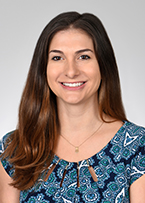
Kelly Arnold is an Associate Professor in the Department of Biomedical Engineering at the University of Michigan. Her research integrates systems engineering principles with immunology to investigate variability in immune responses across infection, vaccination, and injury, with a focus on computational modeling and clinical translation. Research Focus Systems-level immune response modeling Vaccination and antibody functionality Vaginal microbiome-host interactions Chronic lung disease progression Computational serology and proteomics Recent Work Her 2025 studies examine SARS-CoV-2 vaccination responses in cancer patients and computational frameworks for vaginal probiotics. Earlier works (2024-2007) span COPD progression, lupus fibrosis, HIV susceptibility, and tissue engineering for fertility preservation. Methodologies include proteomic profiling, network modeling, and microfluidic systems.
Jennifer C. Dalton serves as Associate Professor and Undergraduate Program Director in the Department of Communication Sciences and Disorders within Appalachian State University's Beaver College of Health Sciences. With over 15 years of higher education experience, she provides strategic leadership in curriculum development, program assessment, and student success initiatives across the undergraduate program. Her educational foundation includes: Ph.D. in Speech and Hearing Sciences, UNC Chapel Hill (2012) M.A. in Communication Sciences and Disorders, Appalachian State University (1999) M.B.A., Appalachian State University B.S. in Speech Pathology and Audiology, Kent State University (1997) Dr. Dalton's research bridges clinical practice and educational innovation, focusing on pediatric speech disorders while advancing scholarship in teaching methodologies. Her work examines how experiential education builds graduate competencies and how employment prospects influence student retention, reflecting her commitment to evidence-based program development. Recent publications demonstrate consistent output in higher education scholarship, with three peer-reviewed articles published between 2023-2024 addressing pandemic-era pedagogy, graduate training, and student retention analytics. These works highlight her dual expertise in clinical communication sciences and educational leadership. Her academic recognition includes: 2021 Beaver College of Health Sciences Outstanding Teaching Award 2023 UNC System Academic Affairs Faculty Fellowship Dr. Dalton actively secures program development grants that enhance student learning outcomes through innovative curriculum design. As program director, she oversees clinical education pathways while maintaining her ASHA clinical certification and Quality Matters online teaching credentials. Her leadership emphasizes inclusive education practices that prepare diverse learners for professional success in dynamic healthcare environments. Though not leading a named laboratory, Dr. Dalton is central to departmental research through her scholarship of teaching and learning, influencing clinical education standards across the discipline.
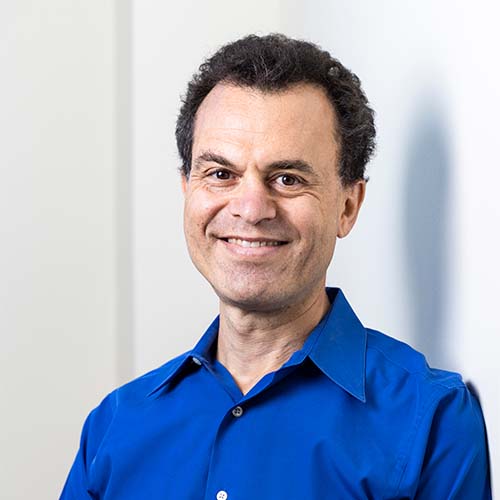
Matthew B. Blaschko is a Professor in the Department of Electrical Engineering at KU Leuven, Belgium. He serves as director of the KU Leuven ELLIS unit and is a fellow in the ELLIS Health program. He is a Core PI in the Flanders AI Research Program, working as a workpackage lead for Decision Support Systems and Medical Imaging. Blaschko is also a member of the KU Leuven Institute for Artificial Intelligence and one of the leaders of the working group on Machine Learning and Data Science. Professor Blaschko received his B.S. from Columbia University, M.S. from the University of Massachusetts Amherst, and Dr. rer. nat. from Technische Universität Berlin (awarded for work at Max Planck Institutes Tübingen). He was a Newton International Fellow at the University of Oxford and received his Habilitation (HDR) from École Normale Supérieure de Cachan. Prior to joining KU Leuven, he was a Permanent Research Scientist in the INRIA Saclay Research Center and a Faculty Member at Ecole Centrale Paris. His research focuses on machine learning techniques applied to visual data, with particular emphasis on calibration in deep learning, medical image analysis, and federated learning. Blaschko's work bridges theoretical foundations with practical applications, as evidenced by technology developed in his research being incorporated into MONA, software for ophthalmic image analysis. His research group has made significant contributions to the fields of model calibration, uncertainty estimation, and medical imaging analysis, with recent publications showing strong trends toward improving reliability of AI systems in medical contexts and advancing theoretical understanding of calibration metrics. Professor Blaschko has been recognized with several awards including the Université Paris-Saclay STIC Doctoral School Best Scientific Contribution Award, Best Paper Award at CVPR 2008, Main Award at DAGM 2008, and Best Student Paper Award at ECCV 2008. Professor Blaschko has supervised numerous PhD and Master's students, with current and former students including Deniz Soysal, Claire Marchal, Dongli Xu, Sebastian Gruber, Jiameng Li, Marco Mezzina, and many others working on diverse topics from Alzheimer's disease analysis to surgical phase recognition. His research has been supported by various funding sources including the Flanders AI Research Program. He has co-organized several influential workshops including the "Another Brick in the AI Wall: Building Practical Solutions from Theoretical Foundations" at CVPR 2025, Commands 4 Autonomous Vehicles workshop at ECCV 2020, and the Learning from Limited Labeled Data workshop series at NIPS 2017 and ICLR 2019. His laboratory focuses on machine learning for medical image analysis, with applications in ophthalmology, neurology, and surgical robotics. The group maintains active collaborations with medical institutions and participates in international challenges such as the KNee OsteoArthritis Prediction (KNOAP2020) challenge.
Dr. hab. Piotr Łukomski is an Associate Professor at the Department of Political Theory, Institute of Political Science, University of Wrocław. His academic career focuses on the intersection of political theory, philosophy, and cultural analysis, with notable contributions to Hannah Arendt's philosophy, game theory applications in politics, and the role of imagination in political thought. Department: Political Theory Email: piotr.lukomski@uwr.edu.pl ORCID: 0000-0002-5307-616X Research Interests: His work spans conceptual metaphors in political theory, decision-making under hazardous conditions, cultural evolution of tyranny, and the aestheticization of politics. He examines how digital technologies (like VR) reshape political identity and how Arendtian frameworks apply to modern governance. Teaching: Coordinates social consulting labs and teaches decision-making processes in political contexts, with a focus on practical applications in hazardous conditions. Publications: Recent articles analyze VR-era political identity, Hannah Arendt's relevance to modern democracy, and the integration of problem-solving strategies in political thought.
Emily D. Gottfried, PhD, is an Associate Professor at the Medical University of South Carolina (MUSC) in the Department of Psychiatry and Behavioral Sciences, College of Medicine. She serves as Director of the MUSC Sexual Behaviors Clinic and Lab (SBCL) and CPSPD Student Education & Research, conducting forensic evaluations, physiological sexual arousal assessments, and mentoring students. She is licensed in South Carolina and Georgia, and a National Register Health Service Psychologist. Bachelor’s in Psychology, San Diego State University Master’s in Psychology, Teachers College, Columbia University PhD in Clinical Psychology, Florida State University Her research focuses on sex offender risk assessment , malingering detection (PPG/VPP technology), female offender psychology , and forensic evaluation validity . Recent work includes dimensional personality models and QAnon-related threat analysis . She has published extensively on psychopathy , penile/vaginal plethysmography , and mental health court outcomes . Notable publication trends include Forensic validity of symptom detection tools Psychopathy in female offenders Technology's role in sexual behavior assessment Telehealth adaptation during pandemics MMPI-2-RF applications in correctional settings Psychological factors in civil commitment She leads ongoing funded studies on female sexual arousal and police officer behavioral outcomes , operating at the intersection of forensic science and clinical psychology .
Giorgio Ascoli is a University Professor in the Department of Bioengineering at George Mason University, where he has been since 1997. He is the Founding Director of the Center for Neural Informatics, Structures, & Plasticity (CN3) and Founding Editor-in-Chief of the journal Neuroinformatics . His affiliations span computational neuroanatomy, neuroinformatics, and hippocampal modeling. Education : PhD in Biochemistry and Neuroscience (1996), Scuola Normale Superiore; MS in Chemistry and Biochemistry (1993), Pisa University; BS in Chemistry and Physics (1991), Scuola Normale Superiore. Dr. Ascoli investigates the relationship between brain structure, activity, and function from cellular to circuit levels. His research focuses on anatomically plausible neural networks to model mammalian brains, particularly the hippocampus, with implications for understanding human memory and consciousness . He pioneered computational neuroanatomy, developing tools like L-Neuron for neuronal shape modeling and curating NeuroMorpho.Org , a central repository for digitally reconstructed neurons. His recent publications emphasize neuronal classification , connectome analysis , and biologically informed machine learning . Awards include the 2012 Outstanding Faculty Award (Virginia), 2022 AIMBE fellowship , and 2023 Presidential Faculty Excellence Awards . He has mentored over 20 graduate students and postdoctoral fellows, with funding from NIH, NSF, DARPA, and private foundations. Scientific Contributions : Over 137 peer-reviewed articles, 4 patents, 2 authored/edited books, and leadership in NeuroMorpho.Org and Hippocampome. Grants : $20M+ in cumulative funding, including NIH R01s, NSF BRAIN EAGERs, and Burroughs-Wellcome Trust support. Labs : Leads the Computational Neuroanatomy Group within CN3, focusing on hippocampal modeling, neuronal morphology, and consciousness theories.
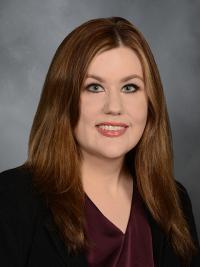
Christine Clark, MD, MSc is an attending laryngologist at Weill Cornell Medicine’s Sean Parker Institute for the Voice and Assistant Professor in the Department of Otolaryngology-Head and Neck Surgery at Weill Cornell Medical College. She earned her B.A. from the University of Pittsburgh (2011) and her M.D. from Pennsylvania State University College of Medicine (2017), followed by residency at Georgetown University Medical Center and a fellowship in Laryngology at Weill Cornell, where she also obtained a master’s degree in Clinical and Translational Science. B.A. - University of Pittsburgh (2011) M.D. - Pennsylvania State University College of Medicine (2017) Residency - Georgetown University Medical Center Fellowship - Sean Parker Institute for the Voice (Laryngology) Master’s - Clinical and Translational Science at Weill Cornell Dr. Clark specializes in evaluating and treating swallowing, voice, and airway disorders. Her research focuses on chronic cough, laryngeal hypersensitivity, and benign phonotraumatic vocal fold lesions. She has developed clinical tools like the 3D-printed injection laryngoplasty simulator and quality improvement initiatives for surgical airway management. Her clinical work and research span topics such as vocal fold hemorrhage management, pharyngeal residue quantification in dysphagia, and granuloma as markers of malignancy. Recent publications emphasize global otolaryngology capacity building and performer-specific voice injury care. Scientific awards include: Teaching awards for excellence in medical student education during residency Dr. Clark is affiliated with the Sean Parker Institute for the Voice at Weill Cornell Medicine and serves as an Assistant Professor of Otolaryngology.
Chiu Ping Cheng is a Professor in the Department of Biology at the University of Minnesota, USA, specializing in Molecular Biology and Plant-Microbe Interactions . With over two decades of research on Ralstonia solanacearum and its interactions with solanaceous crops, Dr. Cheng has pioneered studies on plant defense mechanisms against bacterial wilt, regulatory gene functions, and biocontrol agent applications. Current research: Plant-pathogen interactions Special techniques: Genomic screening, bacteriophage-derived proteins Key pathogens: Ralstonia solanacearum, Pectobacterium carotovorum His recent publications (2024) explore tomato cultivar resistance variation , NADPH oxidase-effector interactions , and phenylpropanoid metabolism in wild mungbean . Though no formal scientific awards are listed, his work has been featured in leading journals like Plant Cell & Environment and New Phytologist . Dr. Cheng operates from the Life Science Building R942 laboratory.
Dr Shu-Ling Lu is an Associate Professor at the University of Reading , serving as Director of the MSc Project Management Programme and a Member of Senate . Her research spans Innovation Management , Quality Control , and Net Zero Transitions in construction, alongside Heritage Building Integration and Gender Dynamics in built environment sectors. Her academic journey includes a PhD , MSc in Construction Engineering , and a Diploma in Architectural Engineering , all from institutions in Taiwan and the UK, complemented by a Postgraduate Certificate in Higher Education Practice from the University of Salford. Research Interests : Innovation in construction, quality management, heritage conservation, net-zero transitions, gender equity, and system dynamics applications. Article Trends : Focus on defects analysis , heritage integration , gender dynamics , system dynamics , and net-zero strategies across 15 recent publications. Scientific Awards : Fellow of the Chartered Institute of Building (FCIOB) Fellow of Higher Education Academy (FHEA) Full member, Association for Project Management (MAPM) BSI Committee Participation (Quality Management Standards) Supervision & Grants : Mentored 7 PhD students and led/co-led projects funded by Natural Environment Research Council (NERC) , EPSRC , and COST , with total grants exceeding £500,000.
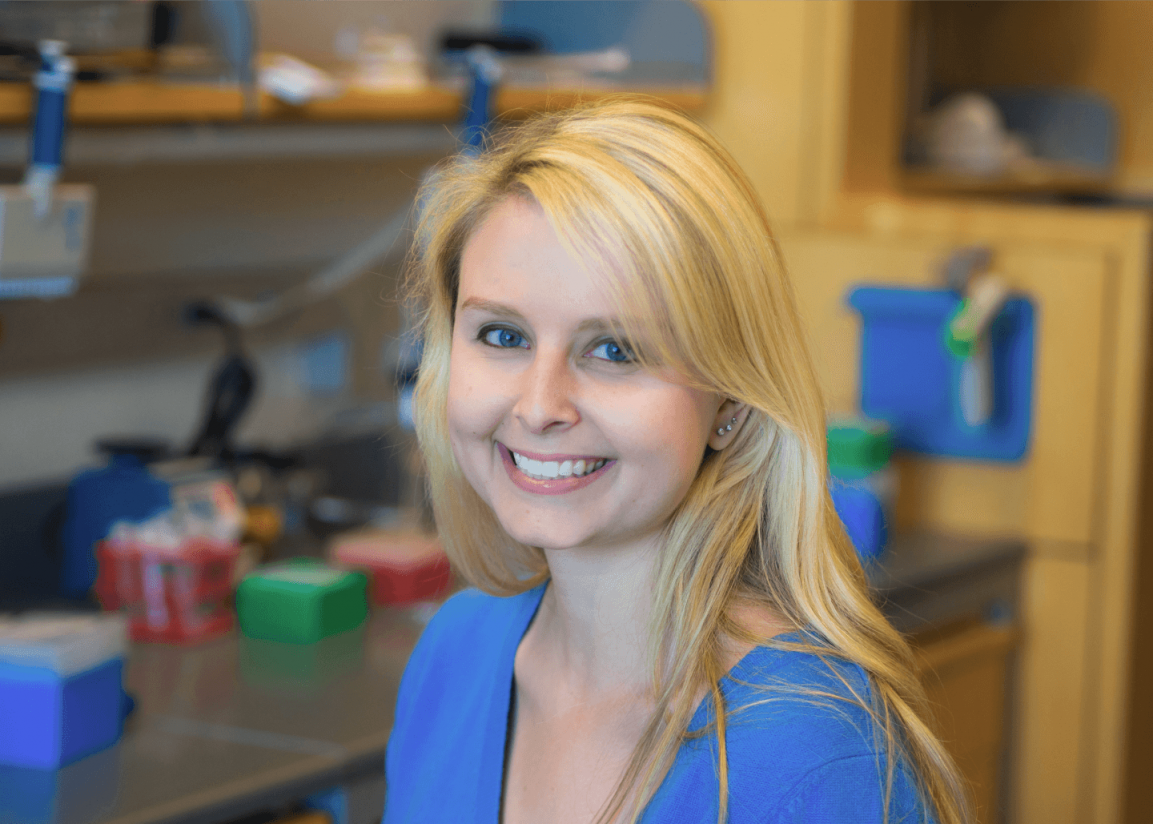
Kara McKinley is an Assistant Professor of Stem Cell and Regenerative Biology at Harvard University , joining the department in 2021. She is a Principal Faculty member at the Harvard Stem Cell Institute , an Associate member of the Broad Institute of MIT and Harvard , and a Freeman Hrabowski Scholar at the Howard Hughes Medical Institute . Her research focuses on the regenerative capacity of the human uterus , particularly the endometrium, which undergoes ~400 cycles of tissue remodeling, shedding, and repair during the reproductive lifespan. Using rodent models , genetic, molecular, and live microscopy tools, her lab investigates cellular and molecular mechanisms of regeneration, defects leading to diseases like endometriosis, and applications in regenerative medicine . Her work also explores cell division , centromere biology , and CRISPR genome engineering . Current research trends in her publications include epithelial zonation in the small intestine , mechanisms of endometrial regeneration , macropinocytosis in Hydra , and academic mentorship strategies . Her studies span cellular biomechanics , mitotic regulation , and translational approaches for tissue repair. NIH Director’s New Innovator Award (terminated in 2025 litigation with federal government) Freeman Hrabowski Scholar (Broad Institute) Kara mentors Harvard undergraduates, graduate students, and postdoctoral fellows through rotations and research opportunities. Her lab is based at Harvard’s Bauer 306 and advocates for gender equity in life sciences faculty via the Leading Edge initiative. Funding includes a now-terminated NIH New Innovator grant aimed at menstrual health research.
Bernard Brais serves as Director of the Rare Neurological Diseases Group at the Montreal Neurological Institute-Hospital (The Neuro), which operates as a McGill University research and teaching institute and is part of the Neuroscience Mission of the McGill University Health Centre. His academic appointment at McGill University positions him within one of Canada's premier neuroscience research environments. Dr. Brais completed his MDCM, neurology residency, and PhD at McGill University, establishing his deep institutional connections. He additionally possesses specialized training as a historian of neurosciences and genetics, which informs his comprehensive approach to neurological disorders. His research program centers on the genetic basis of neurogenetic disorders with founder effects in Quebec populations, with particular emphasis on disorders exhibiting ataxic manifestations such as Autosomal Recessive Spastic Ataxia of Charlevoix-Saguenay (ARSACS). Since 2007, he has led a dedicated research team investigating ARSACS, building on his earlier work identifying causal genes for Oculopharyngeal muscular dystrophy (OPMD), Hereditary Sensory and Autonomic Neuropathy type II (HSANII), Limb Girdle Muscular Dystrophy with Quadriceps atrophy (LGMD2L), Pol III-related leukodystrophies, and ZAK congenital myopathy. Analysis of Dr. Brais's publication record reveals a cohesive research trajectory spanning clinical studies of disease progression, molecular genetics investigations of causal mutations, and preclinical work with animal models. His work consistently focuses on rare neurological conditions with strong genetic components, particularly those showing founder effects in Quebec populations, with substantial contributions to understanding neuromuscular disorders, ataxias, leukodystrophies, and neuropathies. As Director of the Rare Neurological Diseases research group, Dr. Brais oversees multiple research initiatives investigating various rare neurological conditions. His laboratory work integrates clinical research with basic science approaches, utilizing patient populations for clinical studies while employing cellular and animal models to elucidate disease mechanisms. His clinical work is associated with the Neuromuscular Programme at The Neuro, where he applies his research findings to patient care.
Paola Zamperini is an Associate Professor of Chinese Literature at Northwestern University, holding a Ph.D. in Chinese Literature and Women and Gender Studies from the University of California, Berkeley. She joined Northwestern in 2013 as founding chair of the Department of Asian Languages and Cultures, where she has focused on department-building, curriculum development, and mentoring students in pre-modern Chinese literature and gender/sexuality studies. Her research and pedagogy bridge Chinese literary studies with feminist and queer theory, evidenced by courses like 'Sexual Subjects: Introduction to Sexuality Studies' and 'Traditions of Feminist Thought.' She actively collaborates with the Sexuality Project at Northwestern (SPAN) as a Curricular Fellow (2020-2023) through the project 'Global Pornographies: A Transnational Approach.' Key research areas include representations of prostitution, female suicide, fashion theory, pornography, and spiritual resonance in Chinese literature. She is currently completing her manuscript Sinopornologies. Writing Sex in Late Imperial Fiction and developing works on gambling and gender, and fashion and desire in early modern literature. Key Awards: SPAN Curricular Fellow (2020-2023) Luce/ACLS China Studies Advisory Group (2020-present) Pre-modern China Book Review Editor, Journal of Asian Studies (2016-present) Her academic service includes roles in ACLS/Luce Fellowship programs since 2015 and leadership in graduate education initiatives at Northwestern.
Dr. Paul Westerhoff is a Regents' Professor and Fulton Chair of Environmental Engineering at Arizona State University's School of Sustainable Engineering and the Built Environment. He leads major NSF-funded research centers, including the Nanosystems Engineering Research Center for Water Treatment (NEWT) and the Science and Technologies for Phosphorus Sustainability (STEPS) Center. With over 400 journal publications (H-index >100), his work focuses on emerging contaminants, water treatment technologies, and nanomaterial fate. Awards include the 2023 National Academy of Engineering membership, 2020 A.P. Black Award, and 2019 NWRI Clarke Prize. Education: Ph.D., University of Colorado-Boulder (1995); M.S., University of Massachusetts-Amherst (1991); B.S., Lehigh University (1989). Research emphasizes water quality, sustainable engineering, and nanotechnology applications. Key areas include PFAS remediation, biofilm control via UV light, and atmospheric water harvesting. He serves as Associate Editor for Environmental Science & Technology . Recent projects include lithium monitoring in drinking water, semiconductor water use, and space-based UV disinfection systems. Over 80 students have graduated under his mentorship, recognized with ASU's 2015 Outstanding Doctoral Mentor Award. Awards span innovation (Water Research Foundation, 2024), teaching (Daniel Jankowski Legacy Award, 2021), and technical excellence (EPA STAA, 2019).
Professor Daniel Catchpoole serves as Deputy Head of School (Research) at the School of Computer Science, University of Technology Sydney (UTS), holding dual appointments at UTS and The Children's Hospital at Westmead. With over 20 years of research experience, he bridges computational sciences and pediatric cancer research through the Biomedical Data Science Lab in the Australian Artificial Intelligence Institute. His work integrates data analytics, artificial intelligence, and software development with molecular cancer biology to transform pediatric cancer treatment pathways. PhD in Cancer Cell Biology, University of New South Wales (1991-1995) Founding Fellow, Royal College of Pathologists Australasia (2010-present) Head, Children's Hospital at Westmead Tumour Bank (2001-present) Professor Catchpoole's research focuses on translational applications of genomics in childhood cancers, particularly acute lymphoblastic leukemia and neuroblastoma. His work combines high-throughput genomic technologies with advanced computational analysis to develop systems biology approaches for cancer patient assessment. Recent projects explore virtual reality applications for complex genomic data visualization and copper chelation therapies to enhance neuroblastoma immunotherapy. His research has received significant funding from Cancer Institute NSW, Sony Foundation, ARC, and NHMRC. His publication record spans biomedical data science, cancer genomics, and virtual reality applications in oncology. Recent work demonstrates leadership in 3D latent diffusion models for tumor segmentation, biobank economics, and innovative immunotherapies. His research consistently addresses the critical need for actionable knowledge from complex multidimensional biomedical data. Editorial Board Member, Cancers (2023) Associate Editor, Innovations in Digital Health, Diagnostics and Biomarkers (2019) Founding member and first President, Australasian Biospecimens Network Association Professor Catchpoole has supervised 17 Honours students (including 6 First Class Honours), 3 MSc students, and 12 PhD candidates across multiple institutions, with 6 current PhD students. His collaborative research bridges UTS's Faculty of Engineering and IT with The Children's Cancer Research Unit at The Children's Hospital at Westmead. Significant research funding includes Cancer Institute NSW grants, Sony Foundation VR projects, and ARC Discovery Projects focused on genomic data analysis and clinical decision support systems. His leadership extends to building frameworks for translational research, managing biobanks and clinical data linkages, and navigating governance requirements for cancer research. The Tumour Bank at Kids Research, CCRU, represents his long-standing commitment to pediatric cancer infrastructure development.
Marina Cella is a Professor in the Department of Pathology & Immunology at Washington University School of Medicine (WUSM). Her research focuses on innate immune cells, including dendritic cells (DCs), natural killer (NK) cells, and innate lymphoid cells (ILCs), investigating their roles in pathogen response and human diseases. Education: MD in Medicine and Surgery (1989) and specialization in Medical Microbiology and Virology (1993) from the University of Genova, Italy. Leadership: Director of the Pathology & Immunology Flow Cytometry Core Facility since 2006. Editorial Roles: Section Editor for the Journal of Immunology (2020-present) and Editor for Frontiers in HIV (2007-present). Her work spans three main areas: plasmacytoid DCs in viral immunity and autoimmunity, NK cell receptor regulation, and ILC diversity in mucosal tissues. Publications highlight discoveries in innate immunity mechanisms, including roles of Rorγt-positive DCs in T cell regulation, CSF1R gene mutations affecting microglia, and TREM-1/3 signaling in macrophage recruitment to injured hearts. Contact: mcella@wustl.edu | Lab: 314-362-0368 | Office: BJC-IH Building, Suite B 8210