Stefano Noventaمشاهده پروفایل
پژوهشگر ارشد
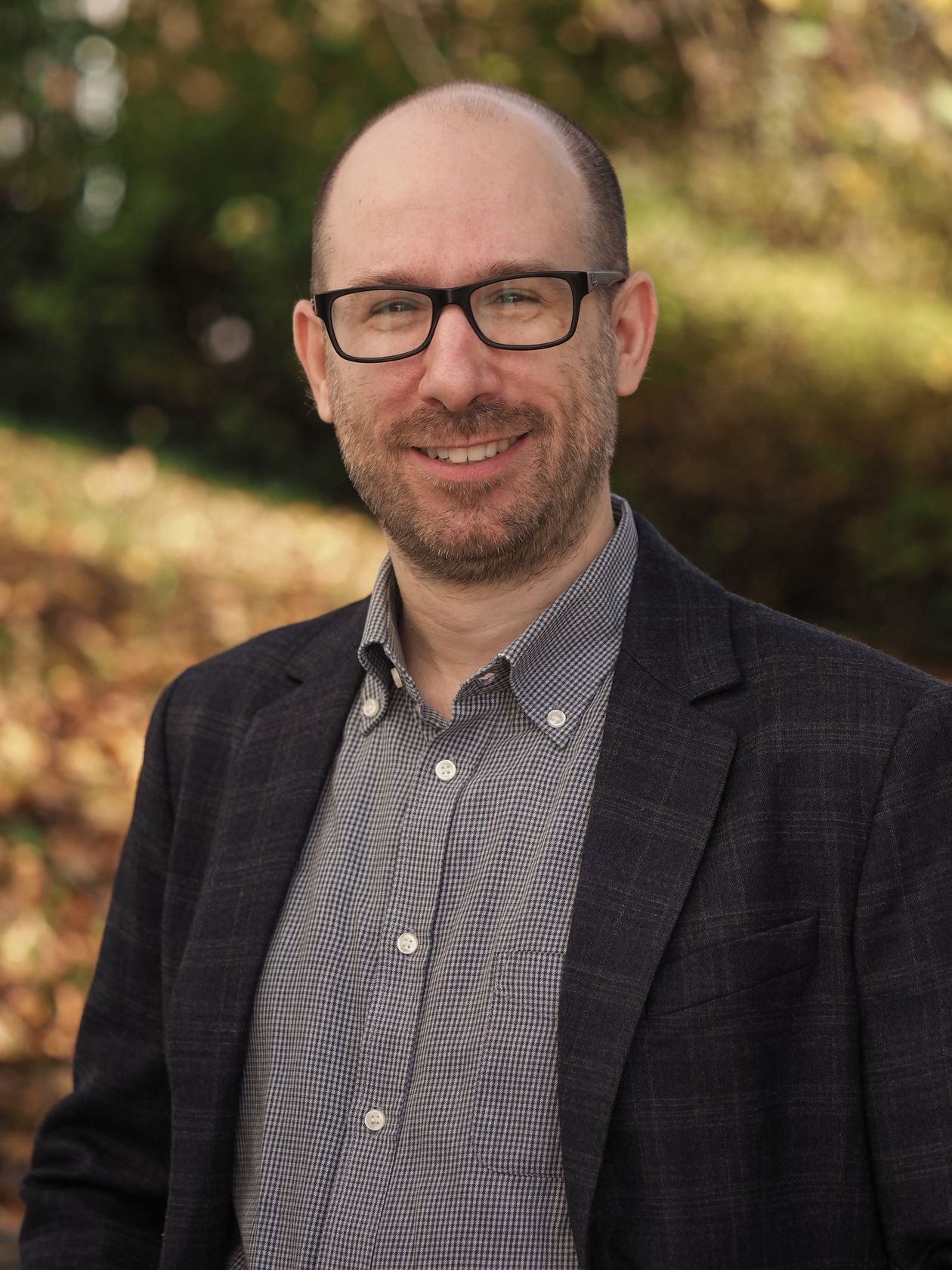
Stefano Noventa is a Research Fellow at the Methods Center, Department of Social Sciences, Faculty of Economics and Social Sciences, University of Tübingen. He has held multiple postdoctoral positions at the University of Tübingen and previously at the University of Verona and the University of Padova. Education: Ph.D. in Cognitive Psychology, University of Padova (2011) M.Sc. in Physics, University of Padova (2006) Studies in Physics, University of Padova (1999–2006) International Visiting Graduate Student, University of Toronto (2009, 2010) Dr. Noventa's research lies at the intersection of mathematical psychology, psychometrics, and psychophysics, with a focus on developing and unifying quantitative models of human cognition and assessment. His work integrates Item Response Theory (IRT) and Knowledge Space Theory (KST) to create more robust frameworks for educational and psychological measurement. He investigates latent variable models, probabilistic knowledge structures, and the identifiability of complex psychometric models, often applying these to domains such as education, organizational psychology, and entrepreneurship. His recent publications (2020–2024) demonstrate a strong trend toward theoretical integration, particularly in bridging cognitive diagnosis models with traditional psychometric frameworks. The articles emphasize mathematical rigor, model generalization, and empirical validation, with applications in both cognitive science and applied psychology. Topics include the unification of assessment models, parameter estimation under local dependence, and the modeling of intuitive physical reasoning. Scientific Awards: No awards or honors listed in the provided text. Dr. Noventa has not been explicitly mentioned as an advisor to students, but he has served as a corresponding author and collaborator on multiple research projects, indicating a leadership role in research teams. He has been involved in a DFG-funded project (GLI NON-NORM) since 2019, suggesting active grant participation. His work is highly collaborative, involving researchers from Germany, Italy, Austria, and Canada. Labs and Research Groups: Methods Center, University of Tübingen Hector Institute of Education Science and Psychology, University of Tübingen Center of Assessment, University of Verona Department of General Psychology, University of Padova