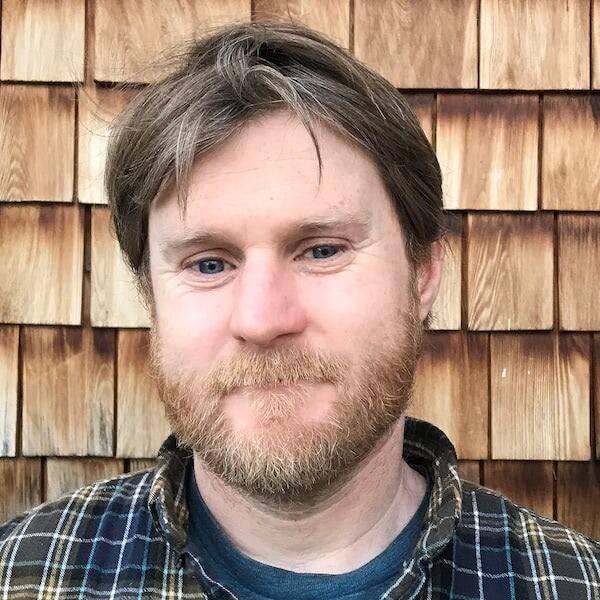
Ethan K. Murphy is an Assistant Professor of Engineering at Dartmouth College's Thayer School of Engineering. His research focuses on electrical impedance tomography (EIT), finite element method (FEM) modeling, and data fusion for biomedical applications such as stroke monitoring, hemorrhage detection, and cancer imaging. He holds a PhD in Mathematics from Colorado State University (2007) and has been recognized with awards including the Society of Critical Care Medicine’s Gold Snapshot Award (2021) and the Clinical Poster Award at the Northeast ALS Conference (2019). His work integrates computational methods with medical technologies, such as developing smartphone-based 3D scanning for EEG electrode localization and EIT systems for real-time tissue characterization. He collaborates on devices like EIT-coupled surgical staplers and non-invasive biomarker systems for hypovolemic cardiovascular instability. His labs and projects emphasize interdisciplinary approaches to biomedical engineering challenges. Key contributions include advancements in fused-data EIT for breast and prostate cancer imaging, phantom studies for validation, and algorithms for rapid FEM mesh generation from 3D scans. Current initiatives aim to improve early detection of internal bleeding and enhance medical imaging accuracy through machine learning and multi-modal data integration.
Dr. Axel W. E. Wismüller is a Professor of Radiology and Biomedical Engineering at the University of Rochester Medical Center . As Director of the AI Radiology Laboratory , he uniquely combines clinical practice in cardiothoracic/body imaging with pioneering research in Artificial Intelligence (AI) for medical imaging . Holding MD, MSc (Physics), and PhD (Electrical Engineering) degrees from German institutions, he maintains dual US and German medical licenses and board certifications. Ludwig-Maximilians-Universitaet München (1990-1996) Technical University of Munich (MD 1992, PhD 2006) Ludwig Maximilians University Munich (Residency 1997-2005) His research focuses on machine learning and network connectivity analysis in neuroimaging, particularly for HIV-associated neurocognitive disorders and multiple sclerosis . He invented the XOM algorithm (patented in US/EU) and developed AI systems for chest radiograph analysis , breast cancer imaging , and osteoporosis diagnostics . His work on large-scale Granger causality has transformed brain network analysis methodology. Scientific awards include SPIE Senior Membership (2016), NIH/NIDA R01 funding (2012-2015), and NYSTAR public-private partnerships . Supervising over 30 PhD/MSc students across engineering, computer science, and medicine , he bridges clinical and computational disciplines through active roles in ACR, RSNA, and SPIE .
Dr. Yuanhong Chen is a Postdoc Researcher at the Australian Institute for Machine Learning (AIML) within the University of Adelaide's Division of Research and Innovation. His work focuses on advancing computer vision, multimodal learning, and generative models, particularly in medical image analysis and audio-visual perception. He explores integrating large language models for cross-modal understanding to enhance AI systems' interpretability and robustness. Research interests include: Interpretable AI frameworks for medical imaging Semi-supervised and self-supervised learning techniques Audio-visual contextual learning and binaural audio generation Applications in breast cancer screening and disease classification Recent publications highlight innovations in prototype-based learning for medical diagnosis, cross-modal segmentation, and unsupervised anomaly detection. His work on Braix risk score and AutoCumulus demonstrates contributions to automated medical biomarker development. Collaborations within AIML and interdisciplinary projects at the University of Adelaide underscore his commitment to bridging foundational AI research with real-world healthcare applications.
Kathleen O'Connor is a Professor in the Department of Molecular and Cellular Biochemistry at the University of Kentucky, where she also serves as the Associate Director of Cancer Education in the Markey Cancer Center. She is a member of the Markey Cancer Center’s Cancer Research Priority Initiative and the Molecular and Cellular Oncology Research Program, as well as the UNITE Research Priority Area. Her interdisciplinary roles reflect her leadership in cancer research and education. Doctor of Philosophy, Case Western Reserve University, 1996 Bachelor of Science, James Madison University, 1988 Dr. O'Connor's research focuses on the molecular mechanisms of cancer progression, particularly how integrin receptors—especially α6β4—mediate signaling that drives carcinoma cell invasion. Her lab investigates the interplay between integrin signaling and cyclic AMP metabolism, Rho GTPase regulation, and the expression of pro-invasive genes such as autotaxin, S100A4, and EGFR ligands. This work has significant implications for understanding the aggressive behavior of cancers in the breast, colon, and pancreas. Her recent publications (2022–2025) highlight sustained contributions to cancer biology, with studies on integrin-mediated chemosensitization, cytoskeletal regulation of invasion, and social determinants of breast cancer outcomes. These works span disciplines including molecular oncology, cell signaling, and health disparities, reflecting a broad and impactful research portfolio. Scientific awards include: Distinguished Faculty Teaching Award, Nominee (2006) Wethington Excellence in Research Award (2013, 2014, 2017) Women in Medicine and Science Mentorship, Finalist (2018) Dr. O'Connor is actively involved in mentoring and training the next generation of scientists. She leads several funded initiatives, including the Markey STRONG Post-baccalaureate Program and a Diversity in Cancer Research Supplement from the American Cancer Society, aimed at increasing representation of underrepresented minorities in biomedical research. She is the Principal Investigator (PI) on multiple active grants, including projects focused on triple-negative breast cancer and chemotherapy optimization, funded by the American Cancer Society and the National Cancer Institute. Her work bridges basic science and translational applications, with collaborations across institutions and disciplines. She is embedded in a vibrant research ecosystem at the Markey Cancer Center, where she contributes to education, mentorship, and collaborative research networks aimed at combating cancer through innovative science and inclusive training programs.
Pierre Guermonprez is a Researcher at the Pasteur Institute in Paris. His work focuses on dendritic cell biology, tumor immunology, and adaptive immunity, with an emphasis on Cancer immunotherapy Tumor microenvironment manipulation T cell memory development Myeloid cell reprogramming in disease Recent publications highlight his contributions to understanding FLT3L-based dendritic cell therapies Mechanisms of cross-priming in tumors DC subset cooperation for immune activation Neoantigen response modulation His research spans both murine and human models of dendritic cell development. Current advisees include PhD students Louise Gorline , Jérémie Borneres , Aurélie Semervil , Matthieu Rastello , and Nathan Vaudiau , along with Master’s student Bilge Demerci . Team members also include technical staff, postdocs, and administrative personnel.
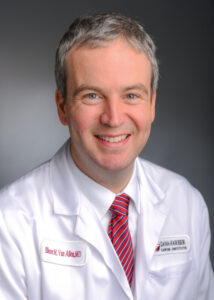
Dr. Eliezer M. Van Allen is an Associate Professor of Medicine at Harvard Medical School and Chief of the Division of Population Sciences at the Dana-Farber Cancer Institute. He is also an Institute Member at the Broad Institute of MIT and Harvard and a Member Researcher at The Parker Institute for Cancer Immunotherapy. His work bridges clinical oncology and computational biology to advance precision cancer medicine. Dr. Van Allen’s research focuses on computational oncology , single-cell transcriptomics , cancer genomics , and translational research , particularly in prostate, pancreatic, melanoma, and kidney cancers. He pioneered the field of clinical computational oncology, developing AI-driven tools to interpret cancer genomes and uncover resistance mechanisms to therapy. His lab actively explores tumor evolution, immunogenomics, and the role of inherited and environmental factors in cancer progression. The recent publications from his lab reflect a strong trend in applying artificial intelligence , single-cell and spatial multiomics , and deep learning to dissect tumor-immune interactions, identify biomarkers, and improve clinical decision-making in oncology. His work spans from algorithm development to real-world clinical implementation. Featured in Newsweek on 6 Lessons for Harnessing Artificial Intelligence Wall Street Journal feature on the Metastatic Prostate Cancer Project New York Times feature highlighting his work on cancer immunotherapy and genomics Dr. Van Allen mentors a large team of students, postdoctoral fellows, and researchers, with multiple successful PhD and Master’s thesis defenses. His lab is actively involved in patient-partnered research through initiatives like mpcproject.org. He leads a dynamic research group focused on creating the next generation of computational oncologists and advancing the clinical interpretation of cancer genomes. His lab, the Van Allen Lab, is dedicated to driving precision cancer medicine through innovative computational approaches. The team includes computational biologists, postdoctoral fellows, and clinical researchers working at the intersection of AI and oncology. The lab frequently welcomes new members and emphasizes collaborative, interdisciplinary science.
Christie M. Sayes is a Professor in the Department of Environmental Science at Baylor University's College of Arts & Sciences. She also holds adjunct professorships at Texas A&M University's College of Veterinary Medicine & Biomedical Sciences and the University of North Carolina at Greensboro's Joint School of Nanoscience. Her research is centered on environmental health and safety, particularly in nanotechnology and nanotoxicology, with a focus on exposure characterization, material behavior, and hazard assessment across biological and environmental systems. Her research interests lie at the intersection of advanced materials, human health & safety, and environmental exposure . Dr. Sayes investigates the fate, transformation, and biological effects of engineered nanoparticles using in vitro models such as lung and intestinal co-cultures at the air-liquid interface. Her work emphasizes material characterization, exposure kinetics, hazard identification, and mechanistic toxicology , aiming to develop safer nanomaterials and formulations. She has extensive experience in physicochemical analysis and toxicological screening of nanomaterials, microplastics, and disinfection byproducts. The trends in her recent publications highlight a strong focus on nanoparticle toxicity, microplastic impacts, inhalation toxicology, and water contaminant interactions . Her studies span antibacterial nanoparticles, oxidative stress mechanisms, cytotoxicity of vaping ingredients, and the biological effects of disinfection byproducts. She frequently employs advanced in vitro models to simulate real-world exposures and assess health risks, contributing significantly to regulatory science and environmental safety. Scientific Affiliations and Leadership: Adjunct Professor, Department of Veterinary Physiology and Pharmacology, Texas A&M University Adjunct Professor, Department of Nanoscience, University of North Carolina, Greensboro Past President, North Carolina Chapter of the Society of Toxicology Dr. Sayes has demonstrated leadership in collaborative research and technical guidance, mentoring students and technicians while contributing to interdisciplinary projects. She is actively involved in developing complex research initiatives and has co-authored studies on nanoparticle protein coronas, adverse outcome pathways, and safer nanomaterial design. Her laboratory, The Sayes Group , focuses on transformational research to enhance the safety and efficacy of advanced materials in real-world applications. Laboratory and Research Team: Dr. Sayes leads The Sayes Group at Baylor University, which conducts research on human and environmental health concerns related to nanomaterials. The team leverages interdisciplinary approaches to study nanoparticle interactions with biological systems, emphasizing training, laboratory services, and applied research .
Weihua Zhou is a Tenured Associate Professor at Michigan Technological University in the College of Computing, with affiliations in Applied Computing, Biomedical Engineering, Computer Science, Electrical and Computer Engineering, and Mathematical Sciences. He holds a PhD from Southern Illinois University Carbondale, an MS and B.Eng. from Wuhan University, and completed postdoctoral research at Emory University. Academic Positions : Tenured Associate Professor (2025–present), Tenure-Track Assistant Professor (2019–2025) at Michigan Tech; Nina Bell Suggs Endowed Professorship (2015–2019) at the University of Southern Mississippi. Research Interests : Focuses on medical imaging and health informatics , particularly machine learning applications in cardiovascular diagnosis , osteoporosis risk stratification , and senile dementia early detection . Additional work includes radiomics for COVID-19 severity assessment , federated learning in medical segmentation , and deep learning for proximal femur strength prediction . Scientific Awards : USM Nina Bell Suggs Endowed Professorship, USM College of Arts and Sciences Scholarly Research Award, American Heart Association Research Leaders Academy (2017, 2018), USM Butch Oustalet Distinguished Professorship Research Award. Lab & Tools : Leads the Medical Imaging & Informatics Lab (MIILab-MTU) and contributes to the NSF/MRI GPU Cluster. Open-sourced tools include KD4COVID19 for radiomics analysis and ECGTools for ECG classification.
Jaime S. Cardoso is a prominent researcher at the University of Porto and Institute for Systems and Computer Engineering, Technology and Science (INESC TEC) in Portugal. His extensive publication record spanning two decades demonstrates his leadership in computer vision, medical image analysis, and pattern recognition. His research primarily focuses on applying artificial intelligence to healthcare challenges, particularly in medical imaging and diagnostics. Cardoso's research interests center on explainable AI for medical applications, biometrics, and computer vision. His work bridges the gap between theoretical machine learning and practical medical solutions, with significant contributions to breast cancer diagnosis, medical image segmentation, and biometric security systems. He has developed innovative approaches to medical image analysis, including virtual staining techniques and privacy-preserving explanation methods for medical AI systems. His recent publications (2023-2025) reveal a strong emphasis on explainable AI in medical contexts, with multiple papers addressing how to make deep learning models more transparent and trustworthy for healthcare applications. He has also made significant contributions to face recognition technology, video anomaly detection, and specialized medical imaging techniques for breast cancer and neonatal EEG analysis. Among his scientific contributions are numerous collaborations with researchers across Portugal and internationally. His work has appeared in top-tier journals including IEEE Access, Medical Image Analysis, and Neurocomputing, reflecting the high impact of his research. Cardoso has supervised numerous students who have become established researchers in their own right, including Ricardo P. M. Cruz, Kelwin Fernandes, and Ana Filipa Sequeira. His research group appears to focus on the intersection of deep learning, medical imaging, and biometrics, with strong connections to clinical applications.
Assoc. Prof. Dr. Rasime Uyguroğlu is an academic at Eastern Mediterranean University, specializing in antenna engineering and biomedical applications. She holds the rank of Associate Professor and has contributed to research in electromagnetic systems, medical imaging, and health monitoring technologies. Her work focuses on antenna design for cancer detection, wireless body channel communication, and advanced microwave systems. Her research interests include the development of antennas for biomedical diagnostics, optimization of antenna arrays, and application of metamaterials in antenna systems. She has served as an associate editor and reviewer for academic journals, demonstrating her active role in the scientific community. Prof. Uyguroğlu's publications span topics such as breast cancer detection using patch antennas, fracture healing monitoring via implanted antennas, and millimeter-wave massive MIMO systems. Her work bridges engineering and medicine, with a focus on practical solutions for healthcare challenges. She actively supervises master's and PhD students in thesis projects related to antenna design and biomedical applications. Her contributions reflect a commitment to advancing both theoretical and applied aspects of electromagnetic engineering in health-related contexts.
Paul J. Hergenrother is the Kenneth L. Rinehart Jr. Endowed Chair in Natural Products Chemistry and Professor of Chemistry at the University of Illinois, affiliated with the College of Liberal Arts & Sciences. He holds additional roles as Professor at the Carl R. Woese Institute for Genomic Biology, Micro and Nanotechnology Lab, and Carle Illinois College of Medicine, as well as Deputy Director of the Cancer Center at Illinois and Director of the NIH Chemistry-Biology Interface Training Program. Education: B.S. in Chemistry from the University of Notre Dame (1994), Ph.D. in Chemistry from the University of Texas at Austin (1999). His postdoctoral training was at Harvard University under an American Cancer Society fellowship. Research focuses on synthetic organic chemistry and chemical biology, targeting novel anticancer and antibacterial agents. Key innovations include the 'Complexity-to-Diversity' (CtD) method for generating drug-like compounds, discovery of PAC-1 (a procaspase-3 activator), and DNQ (NQO1-activated anticancer agent). His work also addresses Gram-negative bacterial resistance through predictive antibiotic design and permeation rules. Highlighted contributions include: Development of PAC-1, advancing toward human clinical trials. Identification of DNQ for NQO1-overexpressing cancers. Creation of predictive guidelines for antibiotic accumulation in Gram-negative bacteria. Discovery of fabimycin and lolimycin as novel antibiotics. Awards include the Arthur C. Cope Scholar Award (2017) and ACS Sosnovsky Award (2018). His lab collaborates with medical institutions and industry for translational research, emphasizing both chemical synthesis and biological validation.
Ellen Velie is a Professor of Epidemiology at the Joseph J. Zilber School of Public Health, University of Wisconsin-Milwaukee, with over 20 years of experience specializing in nutritional and cancer epidemiology for disadvantaged populations. Her work bridges perinatal epidemiology and cancer research with critical attention to socio-cultural determinants of health. Her academic credentials include: PhD in Epidemiology, University of California, Berkeley MPH in Epidemiology and Biostatistics, University of California, Berkeley BA in History and Literature, Harvard/Radcliffe College, Cambridge Dr. Velie's research centers on life course socio-cultural and early life nutritional risk factors—particularly diet and body size—in breast cancer etiology. She critically examines the misuse of 'race' as a genetic construct in epidemiology and develops interventions targeting racial/socioeconomic disparities in obesity and breast cancer. Her work emphasizes community-engaged approaches to address health inequities in marginalized populations. She currently leads the Young Women's Health Study (YWHHS), a major population-based case-control investigation of breast cancer in young African American and White women across socioeconomic strata, accessible at www.ywhhs.org . This project exemplifies her commitment to translating epidemiological findings into real-world health equity solutions through cross-sector collaboration.
Kevin Pruitt is an Associate Professor in the Department of Pharmacology at the University of North Carolina School of Medicine . His research bridges cancer epigenetics , Wnt signaling , and aromatase regulation , with a focus on understanding how epigenetic enzymes modulate oncogenic pathways and tumor-immune interactions. Key projects include: Elucidating epigenetic drivers in cancer progression and immune evasion Investigating nuclear and cytosolic roles of Dishevelled proteins in Wnt signaling Decoding mechanisms of aromatase dysregulation in breast cancer Research Trends : Recent publications highlight his work on the tumor microenvironment (e.g., cryoablation-induced immune changes, Sertoli cell immunoregulation) and nuclear Wnt signaling (e.g., Dishevelled localization, transcriptional targets). His studies often intersect with epigenetic therapies and hormone-sensitive cancers . Education & Affiliation : While specific educational details are not provided, his academic career spans institutions like LSU Health Sciences Center and UNC Chapel Hill. He leads the Pruitt Lab , focusing on epigenetic and Wnt pathway interactions. Collaborative Networks : Frequent co-authors include experts in cancer biology, immunology, and molecular genetics, such as Drs. Layeequr Rahman, Suresh Ramachandran, and Sandra Almodovar.
Menno Vriens is a Full Professor at University Medical Center Utrecht, affiliated with the Endocrine Oncology Research Group within the Cancer strategic program. His research focuses on improving diagnostics, treatment, and outcomes for patients with rare endocrine tumors through interdisciplinary and international collaborative studies. Specializes in adrenal and thyroid neuroendocrine tumors Active in surgical oncology and imaging-guided therapies Chair of the Dutch Thyroid Cancer Group Recent publications highlight his work on adrenalectomy techniques in MEN2 populations , PET/CT imaging applications , and novel surgical approaches for breast and thyroid cancers . He contributes to protocol development for global surgical outcome standards. Collaborations span molecular oncology, radiology, and clinical disciplines.
Professor Paul White is a distinguished academic at the University of the West of England (UWE Bristol), serving as Professor of Applied Statistics within the Faculty of Engineering and Technology's Department of Engineering, Design and Mathematics. His work focuses on applying statistical methods to benefit society (ASBOS), with particular emphasis on collaborative research across UWE's applied and life sciences departments and with the National Health Service (NHS). Dr. White holds a BSc, MSc, and PhD, though specific institutions are not mentioned in the provided text. His academic journey has established him as a leading figure in applied statistics education and research methodology. Professor White's research spans multiple domains of applied statistics, with particular expertise in quantitative research methods, research methodology, sample size determination, and the design and analysis of experiments. He maintains a strong ethical focus in quantitative research while applying his skills to medical statistics and multivariate statistics. His work often intersects with healthcare applications, as evidenced by his involvement in clinical trials and medical research collaborations. A notable initiative he co-founded is the DARK ARTS (Design And Research Knowledge for Analysis of Randomised Trials) group, which focuses on advancing methodologies for randomized trials. His extensive publication record shows a clear trend toward interdisciplinary collaboration, particularly in healthcare applications of statistics. The most recent articles demonstrate expertise in clinical trials methodology, medical statistics, and psychological interventions. Many publications involve randomized controlled trials across diverse areas including eating disorders, body image interventions, respiratory medicine, oncology, and obstetrics. This reflects his commitment to 'Applying Statistics for the Benefit of Society' (ASBOS) through rigorous quantitative methods. Professor White is actively involved in mentoring students and colleagues, describing himself as 'a willing coach or mentor.' His teaching portfolio is diverse, including courses on 'GANSTA's' (Good At Numbers and STAts) for mathematics students, quantitative methods for healthcare programs, and professional development courses through the UWE Graduate School. He expresses particular interest in developing new statistical techniques using stochastic simulation and welcomes potential PhD students to collaborate on these research programs. Among his collaborative efforts, the DARK ARTS initiative stands out as a significant research group focused on randomized trials methodology. This team, which includes Dr. Caterina Gentili, Dr. Jason Anquandah, and Dr. Deirdre Toher, represents a concentrated effort to advance statistical approaches to clinical research design and analysis.