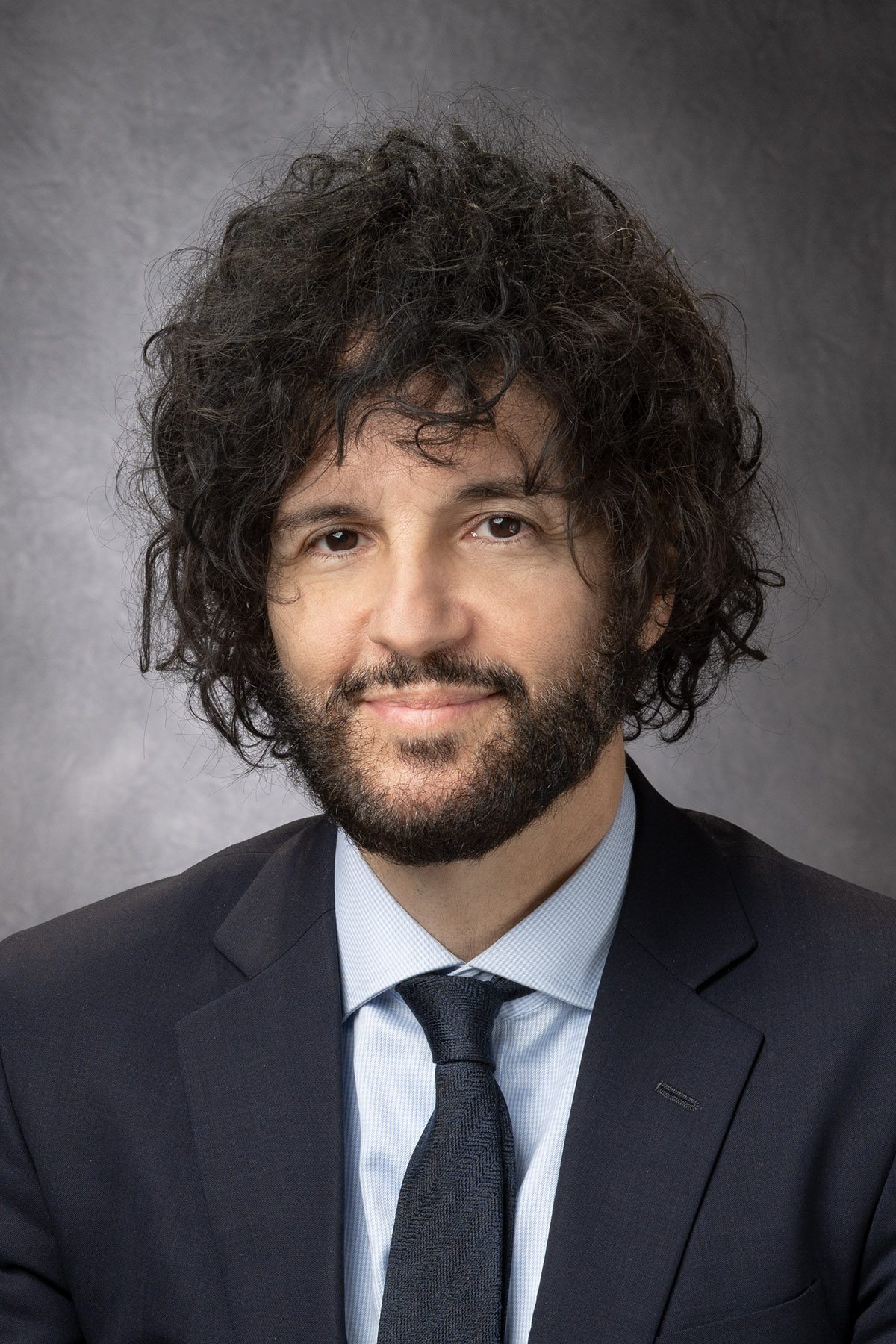
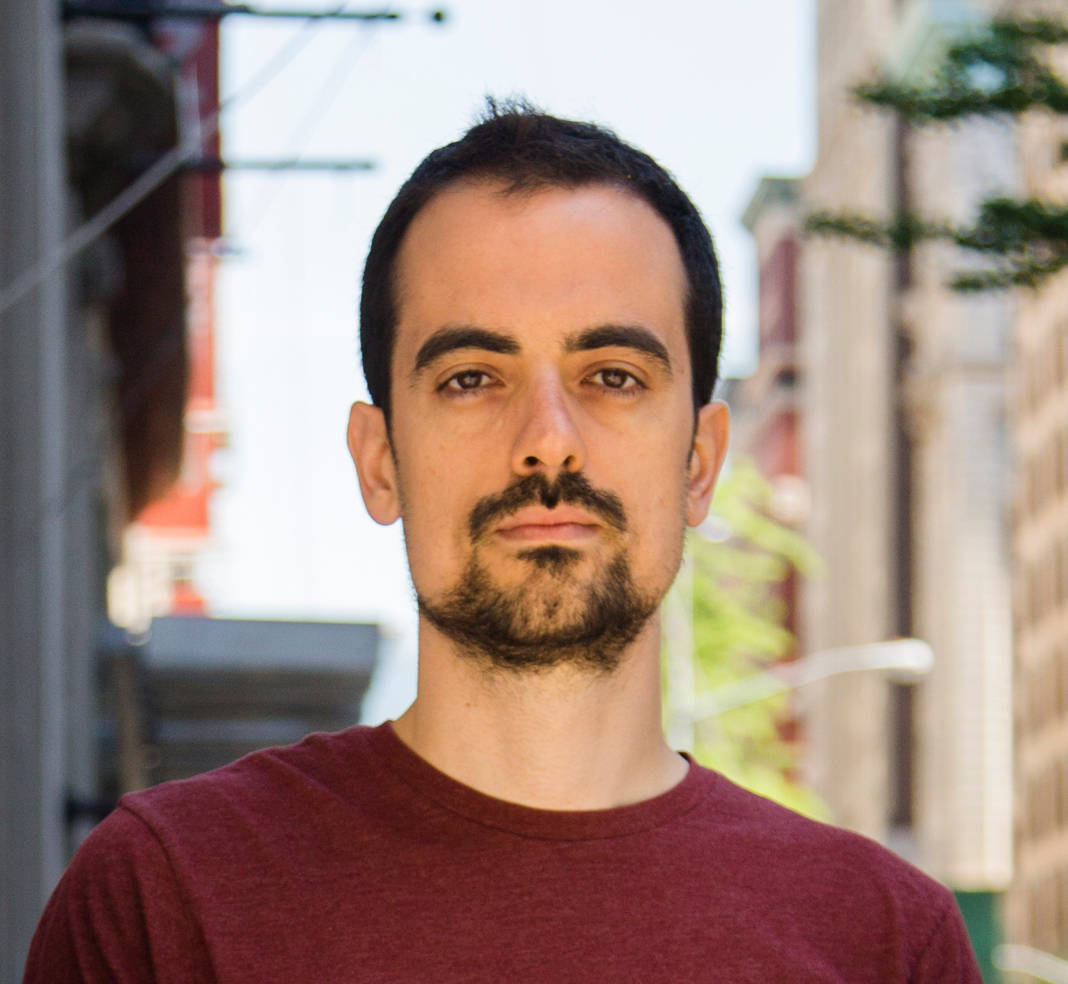
Brent Page is an Associate Professor (tenured) in the Faculty of Pharmaceutical Sciences at the University of British Columbia (UBC) and maintains a research group at the Karolinska Institute , Department of Oncology and Pathology. His dual affiliation underpins a trans-Atlantic program that integrates cutting-edge chemical biology with medicinal chemistry for anti-cancer drug discovery. Education & Training PhD in Chemistry – University of Toronto (2013) HBSc in Chemistry (Honours) – University of British Columbia (2008) CIHR Postdoctoral Fellow – Karolinska Institute, Sweden (2008–2016) Assistant Professor (non-independent) – Karolinska Institute, Department of Oncology-Pathology (2017–2021) Research Focus Dr. Page’s laboratory operates at the interface of medicinal chemistry and chemical biology , aiming to identify and optimize small-molecule inhibitors for proteins previously considered “undruggable.” Core targets include STAT3, CLIC3, NUDT5/15 and SRPK3 . The group employs cellular thermal shift assays , isothermal ligand-induced resolubilization (ILIRA) , and CeTEAM technologies to quantify target engagement and refine structure–activity relationships in physiologically relevant models of breast cancer, triple-negative breast cancer, leukemia and atopic diseases . Funding & Collaborations His program is supported by Canadian Institutes of Health Research (CIHR) and other national and international agencies. Dr. Page actively participates in UBC’s Accelerated Translational Opioid Research Cluster and welcomes interdisciplinary collaborations and undergraduate research involvement. Equity, Diversity & Inclusion Committed to fostering an inclusive environment, Dr. Page mandates EDI training for all lab members and actively encourages participation from equity-deserving groups.
Dr. Channakeshava S. Umeshappa is a faculty member in the Department of Microbiology & Immunology and Department of Pediatrics at Dalhousie University, Canada . He holds a PhD in Immunology from the University of Saskatchewan and completed postdoctoral training at the University of Calgary. Education : DVM (Karnataka Veterinary Animal and Fisheries Sciences University, India), MVSc (Indian Veterinary Research Institute, India), PhD (University of Saskatchewan, Canada) Research Interests : Dr. Umeshappa’s program focuses on immunoregulation in chronic diseases , particularly autoimmunity and cancer. His lab employs genetically modified murine models , omics , synthetic biology , flow cytometry , and imaging to develop immunotherapies. His work emphasizes interdisciplinary collaboration with clinicians and scientists. Article Trends : Recent publications highlight nanomedicine applications in autoimmune liver disease (e.g., peptide-MHC nanomedicines, invariant NKT cell reprogramming) and cancer therapy (e.g., laser-responsive nanoparticles, tumor-to-lymph gels). Studies span immuno-informatics , cell signaling , and clinical outcomes analysis.
Marguerite M. Pinto, MBBS, serves as a Clinical Assistant Professor in the Department of Pathology at Yale School of Medicine. With decades of experience in cytopathology, Dr. Pinto specializes in diagnosing diseases through cellular examination of tissue samples, with particular expertise in fine needle aspiration techniques and cytologic diagnosis. She has maintained a strong clinical focus throughout her career, emphasizing the importance of accurate diagnosis to avoid unnecessary patient testing and biopsies. Dr. Pinto's educational background includes: MBBS from St. John's Medical College (1969) Residency at Bridgeport Hospital (1975) Fellowship at Children's Hospital of Philadelphia (1976) Fellowship at Milton S. Hershey Medical Center (1977) Her research focuses on improving diagnostic accuracy in cytopathology, particularly through the application of biomarker testing in fine needle aspirates. Dr. Pinto has specialized interest in clinical research involving small case series to develop practical diagnostic methods applicable in any laboratory setting. Her work has contributed significantly to the understanding of tumor markers like carcinoembryonic antigen (CEA) and CA-125 in the diagnosis of various cancers, with particular applications in breast, gynecologic, pancreatic, and pulmonary pathologies. She approaches diagnostic pathology with the philosophy that accuracy directly impacts patient care quality, minimizing unnecessary procedures while ensuring definitive diagnoses. Dr. Pinto's publication record from 1991-1997 demonstrates a focused research trajectory examining how tumor markers can enhance traditional cytologic diagnosis. Her work consistently explored the diagnostic value of CEA and CA-125 across multiple organ systems, establishing evidence for their practical application in fine needle aspiration biopsies. This research has contributed to standardized protocols for using these biomarkers as diagnostic adjuncts in cytopathology. Her professional recognition includes: American Cancer Award (April 14, 2009) Dr. Pinto maintains active clinical practice at Yale Medicine, where she applies her expertise in cytopathology to patient care. Her professional legacy extends beyond her own work, as she comes from a multi-generational medical family - her father was a medical school dean, and her daughter graduated from Yale School of Medicine to become a transplant cardiologist, continuing the family tradition. Dr. Pinto has been affiliated with the Norma Pfriem Cancer Center at Bridgeport Hospital from 1997-2012, contributing her cytopathology expertise to cancer diagnosis and treatment.
Dr. Thomas A. Hughes is an Associate Professor of Cancer Biology at the University of Leeds and Professor of Biosciences at York St John University. As a Group Leader at the Leeds Institute of Medical Research, he focuses on gene regulation, tumour microenvironment, and nanomedicine approaches to improve cancer outcomes. Specializes in breast cancer, colorectal cancer, and rare diseases Develops therapeutic strategies using microRNAs and biomarkers Collaborates with clinicians, engineers, and chemists for translational research His research integrates molecular pathology with clinical data through partnerships with Leeds NHS Trusts, aiming to identify novel biomarkers and targets for therapy. Recent work emphasizes cholesterol metabolism, oxysterol signaling, and nanomedicine-based drug delivery systems. Key contributions include: Over 80 peer-reviewed publications in cancer biology and molecular therapeutics Leadership in MSc programs in Molecular Medicine and Cancer Biology and Therapy Extensive experience in grant review, editorial work, and doctoral supervision Scientific awards include Fellowship of the Higher Education Academy. His lab has mentored 26 doctoral students and numerous alumni in academia, clinical practice, and industry.
Lawrence Staib is Professor of Radiology and Biomedical Imaging, Biomedical Engineering, and Electrical Engineering at Yale University. He serves as Director of Undergraduate Studies in Biomedical Engineering and is a member of Yale's Bioimaging Sciences division, Image Processing & Analysis Group, Yale Biomedical Imaging Institute, and Yale-BI Biomedical Data Science Fellowship program. Dr. Staib earned his A.B. in Physics from Cornell University (1982), followed by a Ph.D. in Engineering and Applied Science from Yale University (1990), and completed a postdoctoral fellowship at Yale School of Medicine (1991). His research focuses on developing advanced medical image analysis methods using machine learning and model-based approaches. Key research areas include neuroimaging applications for autism spectrum disorder classification, cardiac imaging analysis for strain and motion assessment, prostate cancer diagnosis and risk mapping, and innovative techniques for medical image segmentation with limited labeled data. Dr. Staib's work emphasizes uncertainty estimation in deep learning models, multi-modal image registration, and domain adaptation techniques to improve clinical decision support systems. His recent publications demonstrate a strong trend toward developing interpretable AI models for clinical applications, with particular emphasis on fMRI analysis for neurological conditions, cardiac motion analysis, and prostate cancer diagnosis. His work frequently addresses the challenge of limited labeled data in medical imaging through innovative self-supervised, semi-supervised, and few-shot learning approaches. Fellow of the American Institute for Medical and Biological Engineering (AIMBE) (2015) Distinguished Investigator Award from the Academy for Radiology & Biomedical Imaging Research (2017) MICCAI Fellow (2022) Medical Image Analysis Second Best MICCAI Paper Award (2005) ASNR Cum Laude Scientific Exhibit Award (2003) Dr. Staib serves on the editorial board of Medical Image Analysis and as Associate Editor of IEEE Transactions on Biomedical Engineering. His research is supported by NIH grants including the Autism Center of Excellence program. He leads the Image Processing & Analysis Group within Yale's Bioimaging Sciences division, collaborating extensively with James Duncan, John Onofrey, Xenophon Papademetris, and other Yale researchers on applications spanning neuroimaging, cardiology, and oncology. Current projects focus on developing robust AI models for clinical decision support with emphasis on uncertainty quantification and interpretability.
Anthony Lucci, M.D. is a Professor in the Department of Breast Surgical Oncology at The University of Texas MD Anderson Cancer Center with a dual appointment in the Department of Surgical Oncology, Division of Surgery. He serves as Principal Investigator of the Lucci Laboratory, focusing on innovative cancer research approaches. Dr. Lucci's research interests center on liquid biopsy-based approaches for cancer detection and monitoring. His laboratory investigates circulating tumor cells (CTCs), circulating tumor DNA (ctDNA), proteomics, and exosomes to develop comprehensive disease snapshots for individual cancer patients. The lab has collected serial blood draws from over 830 breast cancer patients and more than 800 melanoma patients. Specializes in triple-negative and inflammatory breast cancer research Investigates Stage II-IV cutaneous and uveal melanoma Develops methods to predict cancer recurrence Identifies novel therapeutic targets through liquid biopsies Studies mechanisms of treatment resistance The Lucci Laboratory has made significant contributions to understanding how CTCs and ctDNA can predict disease progression better than many conventional clinical parameters. Their research has shown that protein expression in CTCs (like HER2) can differ from primary tumors, opening new therapeutic possibilities for patients.
Jennifer L. West is the Dean of the University of Virginia School of Engineering and Applied Science and holds the Saunders Family Professorship in Engineering. She is a dual professor in Biomedical Engineering and Mechanical and Aerospace Engineering. Dean West has a 30-year record as a researcher, educator, inventor, and entrepreneur, focusing on biomaterials, nanotechnology, and tissue engineering to address unmet medical needs, particularly in cancer therapy. Her education includes a B.S. from MIT (1992) and a Ph.D. from the University of Texas at Austin (1996). Before UVA, she was at Duke University as the Fitzpatrick Family Distinguished Professor of Engineering and Associate Dean for Ph.D. Education. Research Interests: Biomaterials and biosynthesis Nanotechnology and tissue engineering Cancer therapy through engineered materials Scientific Awards: Member of the National Academy of Medicine (2023) Member of the National Academy of Engineering (2016) Over 20 patents, including foundational work for Nanospectra Biosciences’ clinical trials in cancer therapy Grants & Initiatives: Leading UVA Engineering’s focus on research, experiential learning, and entrepreneurship Recipient of a $900,000 grant for character-building education initiatives Labs & Teams: Developed hydrogel platforms for tissue integration, vascularization, and drug delivery Pioneered gold nanoshell-based photothermal cancer therapy
Herman Sintim is the Grace-Rupley Professor of Chemical Biology in the Department of Chemistry and Biochemistry at the University of Notre Dame, where he also serves as the Associate Director of the Harper Cancer Research Institute. He has previously held faculty positions at Purdue University and the University of Maryland at College Park, progressing from Assistant to Full Professor. His research is highly interdisciplinary, bridging organic chemistry, chemical biology, and drug discovery. Research Interests: Dr. Sintim's research focuses on understanding and modulating cyclic dinucleotide signaling pathways in both bacteria and mammalian immune systems. His lab explores the roles of molecules like c-di-GMP, c-di-AMP, and cGAMP in biofilm formation, virulence, and immune activation, particularly via the STING pathway. A major thrust is the development of small molecule probes and therapeutics targeting these pathways for use in cancer immunotherapy and as novel antibiotics. Additionally, his group pioneers the synthesis of new kinase inhibitors using multi-component reactions to combat drug resistance in cancer, targeting kinases such as FLT3, CDKs, and RET. The recent publications of the Sintim group reflect a strong trend in designing novel chemotypes for both STING modulation (agonists and antagonists) and kinase inhibition, with an emphasis on oral bioavailability and efficacy in animal models. These works span chemical synthesis, biochemical evaluation, and translational applications in oncology and immunology. Scientific Awards: Lafayette Lions Club Cancer Research Award (2022) Sigma Xi Distinguished Lecturer (2015) Camille Dreyfus Teacher-Scholar Award (2011) Allen Angerio Award for Excellence in Faculty Mentorship (2010) Kavli Fellow (2009) NSF CAREER Award (2008) Roche First Prize, Switzerland (2002) First Innocentive Awardee (2001) Pfizer UK PhD Prize (2001) ORS Fellowship, University of Oxford (2000) Pathfinder Scholarship, University College London (1996) Advising and Grants: While specific students are not listed, Dr. Sintim has a well-established record of mentoring, recognized by awards such as the Allen Angerio Award. He has secured major funding through grants like the NSF CAREER Award and has advanced drug discovery projects to the level of co-founding KinaRx LLC, indicating strong translational grant and entrepreneurial success. His leadership as Associate Director of a major cancer research institute further underscores his role in guiding research teams and collaborative science. Labs and Teams: The Sintim Research Group at Notre Dame operates at the intersection of synthetic organic chemistry and biological signaling, with active projects in cancer, inflammation, and antibiotic discovery. The lab employs integrated computational and experimental workflows and collaborates widely, as seen in multi-institutional publications involving researchers in pharmacology, oncology, and immunology.
Professor Arcot Sowmya is a distinguished academic at the University of New South Wales, serving as Professor in the School of Computer Science and Engineering. With a strong background in both computer science and mathematics, she has established herself as a leading researcher in machine learning and computer vision applications, particularly in medical imaging and diagnostics. Dr. Sowmya earned her PhD in Computer Science from the Indian Institute of Technology, Bombay, along with an MTech in Computer Science, MSc in Mathematics, and BSc in Mathematics from the same institution. Her academic journey has positioned her at the intersection of theoretical computer science and practical medical applications. Her research interests span multiple domains with a primary focus on Machine Learning for Computer Vision . She has made significant contributions to learning object models, feature extraction, segmentation, and recognition techniques. Her work extends into medical image analysis, computer-aided diagnostics, high-resolution remote sensing, and biomedical informatics. More recently, she has applied similar techniques to social sciences domains, developing improved forecasting models for genocide and politicide. Her earlier work also includes contributions to real-time, concurrent, and embedded systems. Analyzing her recent publications reveals a strong trend toward medical applications of computer vision and deep learning. Her work spans from OCT-based glaucoma diagnosis to tumor segmentation, lung disease detection, and breast cancer prognosis. She has successfully bridged computer science with clinical medicine, developing practical tools for disease diagnosis and prediction that incorporate explainable AI approaches. Professor Sowmya's collaborative approach is evident in her extensive publication record across multiple journals and conferences. She has worked with researchers from diverse fields including ophthalmology, oncology, neurology, and public health, demonstrating the interdisciplinary nature of her research. Her laboratory work focuses on developing robust deep learning architectures for medical image analysis, with particular attention to segmentation networks, transformer models, and multimodal data fusion techniques. Her team has developed specialized networks for lung segmentation, tumor detection, and disease classification that address specific challenges in medical imaging.
Dr. Tim Halim is a Sir Henry Dale Fellow and Junior Group Leader at the Cancer Research UK Cambridge Institute (CRUK Cambridge Institute), University of Cambridge. His primary research program focuses on pancreatic cancer, with thoracic cancer as a secondary research focus within the CRUK Cambridge Centre's structured research programs. Dr. Halim's research expertise lies at the intersection of cancer biology and immunology, with particular emphasis on innate lymphoid cells (especially ILC2) and regulatory T cells within the tumor microenvironment. His work investigates how these immune cell populations interact with cancer cells and influence tumor progression, metastasis, and response to therapy. His research has significant implications for developing novel immunotherapeutic approaches for pancreatic and thoracic cancers. His publication record demonstrates a consistent focus on the role of innate lymphoid cells in cancer, with recent work examining IL-33 and ILC2 in pancreatic cancer, cross-talk between ILC2 and regulatory T cells, and the influence of innate lymphoid cells on pancreatic stromal composition. His research employs advanced techniques including in vivo labeling, single-cell analysis, and fate-mapping approaches to understand immune cell behavior in cancer contexts. Dr. Halim has been awarded the prestigious Sir Henry Dale Fellowship, a joint fellowship from the Royal Society and Wellcome Trust that supports early-career researchers of outstanding promise working at the interface of basic and clinical science.
Monica N. Fornier is a physician scientist at Memorial Sloan Kettering Cancer Center (MSK) specializing in breast medical oncology . With a clinical focus on improving outcomes for breast cancer patients, she has particular expertise in bone health related to cancer therapies. Fluent in English, Italian, and French, Dr. Fornier treats international patients and contributes to multidisciplinary care teams. Education: MD from University of Milan (Italy), residency and fellowship at University Hospital of Milan and MSK Certifications: Board-certified in Internal Medicine and Medical Oncology (Europe) Her research spans neoadjuvant endocrine therapy , bone loss prevention in cancer patients, and HER2-positive breast cancer treatment beyond trastuzumab. Recent publications address ER+/HER2- breast cancer immune responses, alopecia management in survivors, and regulatory T cell mechanisms . Dr. Fornier has received multiple Castle Connolly Top Doctor awards (2023-2025) and participates in MSK clinical trials for novel cancer treatments.
Iona Cheng is a Professor in the Department of Epidemiology and Biostatistics at the University of California, San Francisco (UCSF), where she conducts groundbreaking research in cancer epidemiology. She serves as co-Investigator of the SEER Greater Bay Area Cancer Registry and is Principal Investigator of multiple NIH- and foundation-funded projects examining genetics, lifestyle factors, and neighborhood characteristics in relation to cancer risk. Dr. Cheng has developed an extensive research program focused on racial/ethnic differences in cancer risk and leads population-based cancer surveillance studies that document variations in cancer incidence and mortality patterns across diverse racial and ethnic groups. University of California, Davis, BS, 1990–1994, Physiology Yale University, MPH, 1999–2001, Chronic Disease Epidemiology University of Southern California, PhD, 2001–2005, Epidemiology University of California, San Francisco, Postdoc, 2006–2008, Genetic and Molecular Epidemiology Dr. Cheng's research spans multiple disciplines within cancer epidemiology, with particular emphasis on understanding how environmental exposures, genetic factors, and social determinants interact to influence cancer risk and outcomes across different racial and ethnic populations. Her work frequently examines the impact of air pollution, endocrine-disrupting chemicals, and neighborhood characteristics on cancer development and survival. She has made significant contributions to understanding cancer disparities among Asian American, Native Hawaiian, and Pacific Islander populations, bringing attention to the unique cancer risks and outcomes within these understudied groups. Her research often leverages the Multiethnic Cohort Study, one of the largest prospective studies of cancer incidence and mortality across diverse racial/ethnic populations. Analysis of Dr. Cheng's recent publications reveals a consistent focus on environmental and social determinants of cancer risk across multiple organ sites. Her work demonstrates a sophisticated integration of epidemiological methods with environmental exposure assessment, genetic analysis, and health disparities research. Many of her studies examine the intersection of environmental exposures and racial/ethnic disparities in cancer outcomes, particularly regarding breast cancer, lung cancer, and other malignancies. She has published extensively on the impact of air pollution on cancer risk and survival, as well as the effects of endocrine-disrupting chemicals like bisphenol A, parabens, and phthalates. American Association for Cancer Research Scholar-in-Training Award (2007) National Institutes of Health Loan Repayment Award (2007) National Institutes of Health Loan Repayment Renewal Award (2009) American Association for Cancer Research Faculty Scholar Award (2011) National Institutes of Health Loan Repayment Renewal Award (2011) National Institutes of Health Loan Repayment Renewal Award (2013) American Journal of Epidemiology/Society of Epidemiology Research Top 10 manuscripts (2014) Cancer Prevention Institute of California Mentoring Award (2015) American Society of Human Genetics Top poster As Principal Investigator of multiple NIH-funded projects, Dr. Cheng oversees substantial research grants focused on cancer epidemiology and health disparities. Her work often involves large interdisciplinary collaborations with researchers across multiple institutions, including the Multiethnic Cohort Study which follows over 200,000 participants from diverse racial/ethnic backgrounds. She has demonstrated leadership in mentoring junior researchers, particularly those from underrepresented backgrounds in science, as evidenced by her Cancer Prevention Institute of California Mentoring Award. Her research program integrates data from cancer registries, electronic health records, and geospatial information to provide comprehensive insights into cancer patterns and risk factors. Dr. Cheng's research is closely connected to the UCSF Helen Diller Family Comprehensive Cancer Center and leverages collaborations with Lawrence Berkeley National Laboratory, which provides advanced technological resources for cancer research. Her work benefits from access to extensive cohort data, sophisticated exposure assessment methods, and interdisciplinary expertise in genetics, environmental science, and computational biology available through these institutional partnerships. She frequently collaborates with researchers studying the genetic and environmental determinants of cancer across multiple organ systems, contributing to a more comprehensive understanding of cancer etiology and prevention strategies.
Dr. Jannah Baker is a Research Fellow at the Sydney School of Public Health, University of Sydney. She holds a PhD in Statistics specializing in Bayesian spatiotemporal modelling of chronic diseases, alongside dual postgraduate diplomas in Public Health and Statistics. Her clinical background includes five years as a practicing physician. Her research focuses on cancer prevention (breast, endometrial, melanoma), spatiotemporal disease modeling, health economics, and clinical trial design. She has led projects on sepsis detection systems, diabetes management, and surgical outcomes analysis. Notable contributions include a seminal systematic review on fertility-sparing endometrial cancer treatments referenced in international guidelines. Jannah has attracted $6M+ in collaborative funding and oversees grants such as the 2023 NHMRC-funded ROADMAP trial and a Department of Health-funded study on pediatric sepsis management. Her work spans 50+ peer-reviewed articles across journals like Journal of Medical Internet Research and PLOS One . Professional activities include clinical trials statistics, health economics analysis, and implementation science lectures. She has mentored multiple research teams and maintains an ORCID profile (0000-0002-2208-6584).
Carlos Fernandez-Granda is an Associate Professor of Mathematics and Data Science at New York University, holding joint appointments at the Courant Institute of Mathematical Science and the Center for Data Science. He currently serves as the Interim Director of the Center for Data Science. His academic career spans over a decade at NYU, where he has taught probability and statistics to data-science students. Dr. Fernandez-Granda's research focuses on designing and analyzing data-science methodology, with current emphasis on machine learning applications in medicine, climate science, and scientific imaging. His work bridges theoretical foundations with practical applications across multiple domains. His notable contributions include: Development of the COBRA (COnfidence-Based chaRacterization of Anomalies) score for automatic assessment of impairment and disease severity Applications of machine learning to improve climate projections through the M2LInES project Research on magnetic resonance fingerprinting for quantitative tissue parameter estimation Development of AI systems for medical diagnostics including Alzheimer's detection and breast cancer diagnosis Dr. Fernandez-Granda is the author of the book "Probability and Statistics for Data Science," published by Cambridge University Press. The book serves as a comprehensive guide to the two pillars of data science, featuring real-world datasets and addressing fundamental challenges like overfitting, the curse of dimensionality, and causal inference. His research has been supported by grants from the National Science Foundation (Division of Mathematical Sciences, grants 1616340 and 2009752) and the Alzheimer's Association (grant AARG-NTF-21-848627). Dr. Fernandez-Granda is actively involved in several collaborative projects: M2LInES project: An international collaboration focused on improving climate projections using machine learning to capture unaccounted physical processes at the air-sea-ice interface Math and Data group: Exploring the intersection of mathematical theory and data science applications
Subash Jonnalagadda, Ph.D., is a Professor and Department Head of Chemistry & Biochemistry at Rowan University's College of Science & Mathematics, also affiliated with the Biological & Biomedical Sciences program. He holds a B.S. from Pondicherry University, M.S. from University of Hyderabad, and Ph.D. in Organic Chemistry from Purdue University, with postdoctoral training at University of Pennsylvania and University of Minnesota. Recipient of Rowan University's Wall of Fame Teaching Award (2013, 2016) Eli Lilly International Graduate Scholar (2000-2005) Research focuses on: Medicinal Chemistry: Developing boron-based small molecules (e.g., benzoboroxoles) and betulinic acid derivatives as anti-cancer agents Biomass Valorization: Converting cellulose into chemicals like hydroxymethylfurfural for bio-based polymers Publications emphasize anti-cancer drug design, nanocarrier systems, and enzyme inhibition strategies. Advised over 50 graduate/undergraduate students, many progressing to academic and pharmaceutical careers. Collaborates with Rowan School of Osteopathic Medicine on Alzheimer's drug candidates.