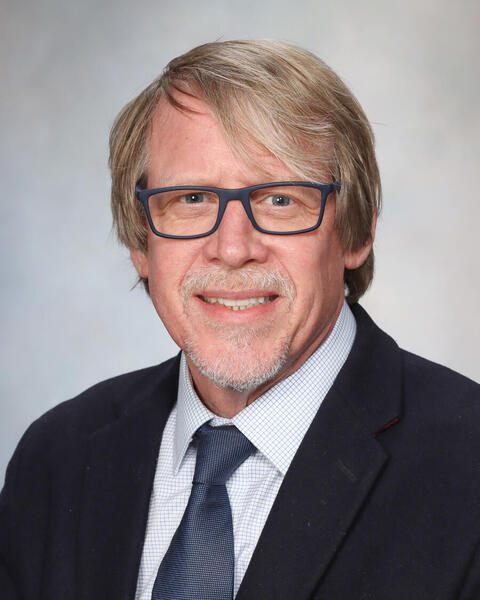
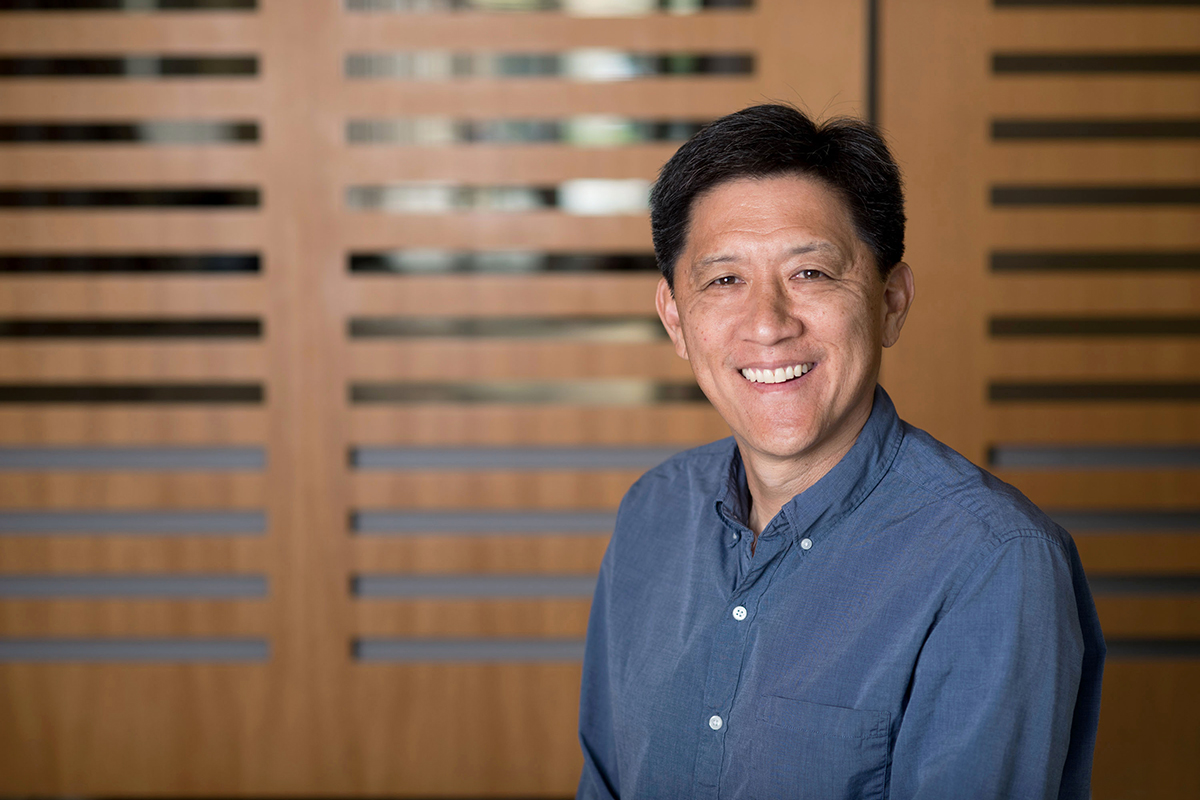
Dr. Venu Varanasi is an Associate Professor at the University of Texas at Arlington, leading the Venu Varanasi Lab focused on developing innovative biomaterials to address traumatic tissue loss and oxidative stress. His research integrates 3D printing, nanofabrication, and antioxidant stimulation to create materials that accelerate healing of bone, muscle, and connective tissues. Key research areas include: Biomaterial design for volumetric muscle loss repair Oxidative stress mitigation via silicon-based coatings and nanoparticles Antioxidant biomaterials to enhance tissue regeneration 3D-printed scaffolds for bone and muscle repair His work emphasizes bioactive surfaces (e.g., silicon oxynitride) that reduce reactive oxygen species (ROS) while promoting cell adhesion and differentiation. Recent advancements include FDA-focused biomaterial designs and patent filings for nanocomposite hydrogels and osteogenic coatings. Publications highlight breakthroughs in silicon-based materials, myotube alignment, and PGE2-driven therapies. Collaborative efforts focus on translating lab innovations into clinical applications for bone fractures, muscle injuries, and osteoarthritis.
Mark Saffman is the Johannes Rydberg Professor in the Department of Physics at the University of Wisconsin–Madison , and directs the Wisconsin Quantum Institute . His research focuses on quantum computing with neutral atoms, quantum optics, and entanglement, leveraging atomic physics principles to advance scalable quantum systems. He leads a lab developing neutral atom quantum processors with applications in quantum algorithms, error correction, and hybrid quantum networks. Key research areas include Rydberg atom arrays , optical trap engineering , and quantum gate optimization , with recent work addressing challenges in qubit connectivity, fault tolerance, and multi-species atom manipulation. His lab designs optical systems for large-scale qubit control, including passive optical masks and acousto-optic beam steering. Funding sources include the NSF, Department of Energy, and private quantum tech initiatives. Dr. Saffman collaborates with industry partners to transition academic breakthroughs into practical quantum devices. His group emphasizes interdisciplinary approaches, integrating atomic physics, optics, and computer science to tackle quantum computing bottlenecks. The lab’s innovations include novel qubit readout techniques, entanglement generation protocols, and scalable architectures for neutral atom arrays.
Dr. Daniel Schick is a Leibniz Junior Research Group Leader at the Max Born Institute for Nonlinear Optics and Short Pulse Spectroscopy in Berlin, Germany. His research focuses on ultrafast magnetism, spin dynamics, and coherent phonon interactions in nanoscale systems. He leads the group Complex Spin Structures in Time and Space , contributing to projects 3.2 and 3.3 on solids, nanostructures, and transient structures. His work integrates resonant magnetic scattering, XMCD spectroscopy, and ultrafast X-ray techniques to explore antiferromagnetic systems and spin-phonon coupling. Education: Ph.D. in Physics (2013), University of Potsdam Diploma in Physics (2009), University of Rostock Erasmus exchange (2006), Umeå University Research Interests: Dr. Schick investigates ultrafast magnetization dynamics using extreme ultraviolet (XUV) and soft X-ray spectroscopy. Key areas include the interplay between spin and phonon dynamics in antiferromagnetic materials, element-specific probing of magnetic moments, and time-resolved X-ray scattering for studying transient structures. His experimental tools include laser-driven plasma sources and tabletop setups for picosecond time resolution. Articles Trends (2022–2025): Recent work emphasizes ultrafast magnetism in nanoscale systems, with breakthroughs in observing spin reorientation in multiferroics and quantifying ultrafast spin dynamics. Studies on multi-THz phonons and all-optical switching highlight advancements in coherent control of magnetic and structural phases. The use of resonant four-wave mixing and XUV transient gratings expands capabilities for nanoscale spin wave imaging. Grants & Advising: No specific grants are listed, but his role as a junior group leader implies ongoing funding. No student advisees are documented here. Labs/Teams: Maintains the Electron and Spin Dynamics group (B1) at the Max Born Institute, collaborating with synchrotron facilities (e.g., BESSY II) and international institutions like ICFO (Barcelona). Key tools include picosecond laser-driven X-ray sources and advanced time-resolved setups.
Ryan Fisher is an Associate Professor of Physics at Christopher Newport University (CNU), School of Engineering and Computing. He holds a Ph.D. in Physics from Princeton University and dual B.S. degrees in Physics and Astronomy from the University of Maryland, College Park. His research focuses on gravitational wave (GW) astronomy, particularly within the Laser Interferometer Gravitational-Wave Observatory (LIGO) Scientific Collaboration (LSC). He works on improving GW detection algorithms and searching for GW counterparts to Fast Radio Bursts (FRBs) and Gamma Ray Bursts (GRBs). Dr. Fisher’s awards include the 2016 Gruber Cosmology Prize and the Special Breakthrough Prize in Fundamental Physics. Education: Ph.D. in Physics, Princeton University B.S. in Physics, University of Maryland, College Park B.S. in Astronomy, University of Maryland, College Park Research interests include gravitational wave detection, detector characterization, multimessenger astronomy, and understanding astrophysical phenomena like neutron star collisions. His work bridges theoretical models with observational data from LIGO/Virgo/KAGRA collaborations. Grants include NSF-funded projects on gravitational wave education, multimessenger astronomy, and improving data analysis infrastructure. He has contributed to over 50 peer-reviewed articles, focusing on topics like GW transient detection, FRB/GRB correlations, and detector optimization. His research group actively participates in LIGO’s global efforts to decode cosmic events through gravitational wave signals. Dr. Fisher collaborates with international teams and mentors students in cutting-edge observational astrophysics, emphasizing interdisciplinary approaches to GW science.
Dr. Eric Tervo is an Assistant Professor in the Department of Electrical and Computer Engineering at the University of Wisconsin–Madison, with a joint appointment in Mechanical Engineering and a collaborative role at the National Renewable Energy Laboratory (NREL). His research focuses on semiconductor materials and devices for energy conversion and thermal management, particularly in thermophotovoltaic (TPV) cells, solid-state refrigeration, and nanoengineered heat transfer control. He holds a PhD from Georgia Institute of Technology (2019) and a BS from UW-Madison (2012). Prior to UW-Madison, he was a Nozik Postdoctoral Fellow at NREL, where he developed thermal energy conversion technologies. Education: PhD 2019, Georgia Institute of Technology BS 2012, University of Wisconsin-Madison Research Interests: Thermal energy conversion via TPV cells and thermoradiative systems Nanomaterials engineering for thermal management High-efficiency solar energy systems Energy policy and economic impacts of sustainable technologies Recent Scientific Contributions: His work spans high-impact areas such as achieving world-record TPV efficiencies (>30%), developing scalable GaInAs devices, and advancing near-field radiative heat transfer modeling with discrete dipole and Green’s function methods. His research bridges theoretical, computational, and experimental approaches to address global energy challenges. Awards: 2022 Young Scientist Award (Thermophotovoltaic Conference) 2020 Sigma Xi Best Thesis Award (Georgia Tech) Multiple NSF Travel Awards and Fellowships Teaching and Mentorship: Dr. Tervo teaches courses in photonics, electrodynamics, and research methods across ECE and Mechanical Engineering departments at UW-Madison. His lab collaborates with NREL to advance energy technologies. Lab and Teams: His research group focuses on interdisciplinary projects combining material science, nanotechnology, and energy systems, with active collaborations in both academia and national labs.
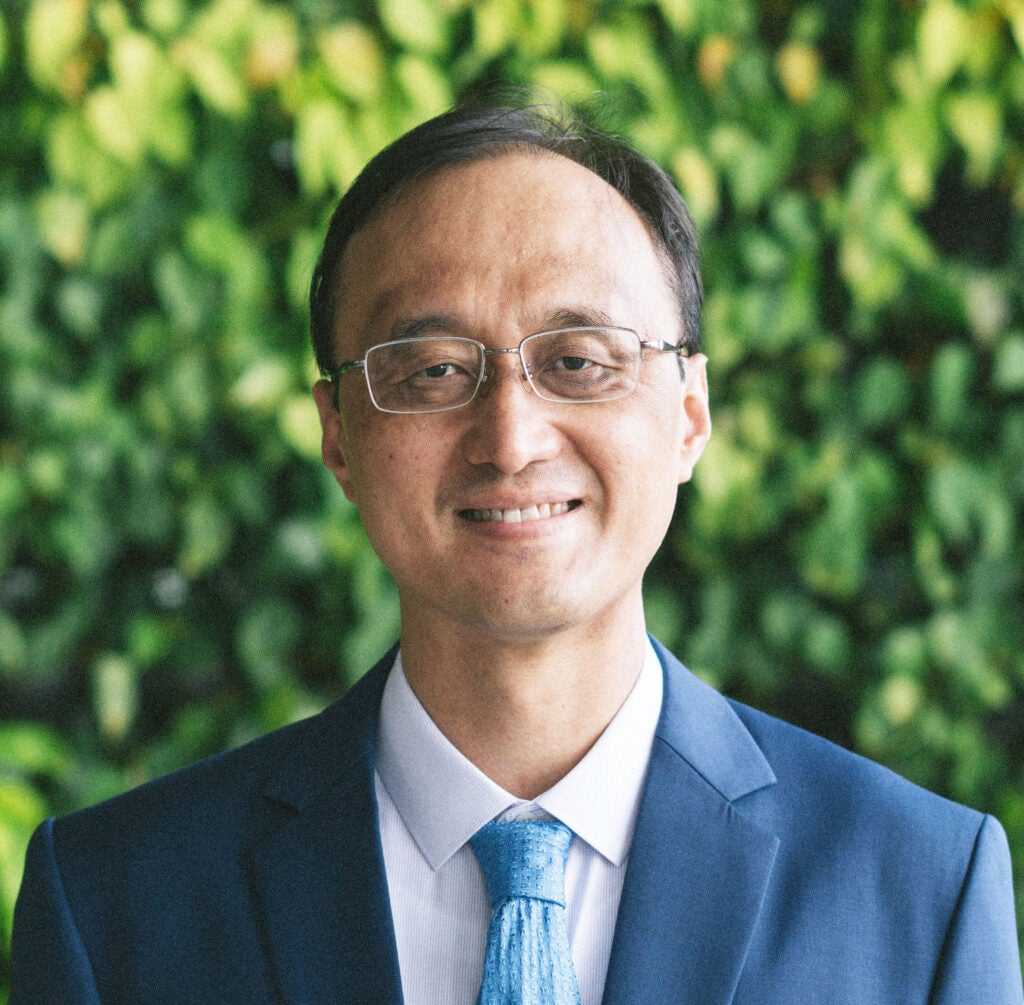
Dr. Hong Liu serves as Principal Scientist II at A*STAR's Institute of Materials Research and Engineering (IMRE) in Singapore and holds an adjunct appointment as Associate Professor in the Department of Materials Science and Engineering at the National University of Singapore (NUS). He earned his Master of Engineering and PhD from NUS's Department of Mechanical Engineering and has been with A*STAR since 2001, transitioning to IMRE in 2003. His educational background includes: Master of Engineering, Department of Mechanical Engineering, National University of Singapore PhD, Department of Mechanical Engineering, National University of Singapore Dr. Liu's research centers on fundamental light-matter interactions at subwavelength scales , with pioneering work in nonlinear meta-optics , nanoplasmonics , and advanced nanofabrication . His group achieves extreme light manipulation through size, shape, and dimensionality engineering of optical resonators, enabling breakthroughs in neuromorphic photonics, quantum light sources, and flat optics. Key methodologies include top-down/bottom-up fabrication for high-Q photonic structures and wafer-scale nanoimprint lithography. Analysis of his 2016-2024 publications reveals accelerating focus on bound states in the continuum for deep-UV generation, van der Waals heterostructures for neuromorphic chips, and wafer-level manufacturing of metasurfaces. His work bridges photonics, materials science, and quantum engineering, with Nature Communications and ACS Nano publications demonstrating 80%+ efficiency in ultraviolet metasurfaces and entropy-controlled super-resolution microscopy. Dr. Liu leads significant research initiatives including: Optotwistronics: Enabling Ultrahigh-efficiency Nanoscale Nonlinear Light Sources (NRF CRP, Lead PI) Loading Singular Nanostructures with Monolayer Semiconductors (MTC IRG 2024, Lead PI) National Semiconductor Translation Center (NSTIC, Team PI WP4) van der Waals Engineering for Neuromorphic Chips (MTC Fund, Team PI WP3) Nanoantenna Spatial Light Modulators (AME Fund, Team PI WP8) He directs the Intelligent Nano-Optics (INO) group at IMRE, which operates comprehensive nanofabrication facilities including electron beam lithography, focused ion beam systems, and atomic layer deposition. The group maintains active collaborations with global universities to translate research into photonic technologies for imaging, security, and quantum applications.
Timothée Bruel is a researcher at the Institut Pasteur in Paris, France, working in the field of virology and immunology. He is part of the research team led by Olivier Schwartz, focusing on the mechanisms of humoral immune responses against HIV-1 and SARS-CoV-2. His work integrates both basic and translational research to understand antibody effector functions and viral immune evasion. Institution: Institut Pasteur, Paris Research Focus: Humoral Immunity, Neutralizing Antibodies, SARS-CoV-2, HIV-1, Vaccinology Collaborations: Olivier Schwartz Lab, Institut Pasteur Cambodia His research interests center on the mechanisms of action of antibodies against viral pathogens, particularly HIV-1 and SARS-CoV-2. He investigates how antibodies neutralize viruses, mediate effector functions like ADCC, and how viral variants evolve to escape immune responses. His work also explores hybrid immunity resulting from vaccination and natural infection, with a focus on real-world populations including elderly individuals and Pacific Islanders. The recent publications highlight a strong trend in studying SARS-CoV-2 variants (Omicron sublineages, B.1.640.1), neutralizing antibody responses, vaccine efficacy (especially BNT162b2), mucosal immunity, and cross-protection. His studies often involve longitudinal cohort analyses, serological assays, and viral neutralization tests, contributing to public health guidance on vaccination strategies. Scientific contributions include: Characterization of hybrid immunity in Pacific Islanders post-vaccination and infection Analysis of Omicron subvariant resistance to monoclonal antibodies and vaccine-induced immunity Investigation of complement-dependent neutralization in mpox virus Assessment of neutralizing responses in vulnerable populations like nursing home residents Timothée Bruel has been involved in advising on cohort design and data interpretation in multiple collaborative studies. His research is supported through institutional funding at the Institut Pasteur and collaborative grants related to emerging infectious diseases. He contributes to projects involving 3D visualization of biological data and viral pathogenesis modeling. His future work likely continues to focus on emerging variants, pan-coronavirus vaccines, and broad-spectrum antiviral antibodies.
Keith L. Knutson, Ph.D., is a Professor of Immunology at Mayo Clinic in Jacksonville, Florida, with joint appointments in the Department of Immunology and the Department of Cancer Biology. Since 2024, he has served as the Leader of the David F. and Margaret T. Grohne Cancer Immunology and Immunotherapeutics Research Program within the Mayo Clinic Comprehensive Cancer Center. His work bridges basic science and clinical translation in cancer immunology, with a focus on breast and ovarian cancers. Dr. Knutson's research interests include: Development of breast cancer vaccines, particularly for triple-negative and HER2-positive subtypes Augmentation of CD4+ helper T cell immunity through peptide epitope vaccines Adoptive T cell therapy and in vitro generation of memory T cells Understanding mechanisms of immune evasion, including regulatory T cell recruitment and epithelial-mesenchymal transition His recent publications highlight a strong focus on neoantigens, immune checkpoint therapies, and tumor microenvironment dynamics, with high-impact articles in journals such as Clinical Cancer Research , Journal for ImmunoTherapy of Cancer , and Blood Advances . The research trends reflect a sustained effort in translational immunotherapy, combining vaccine strategies with checkpoint inhibitors like pembrolizumab and exploring combination therapies for aggressive cancers. Scientific awards and recognitions include: Andrew A. and Mary S. Sugg Professor of Cancer Research (2021) Principal Investigator, Breakthrough Award, Breast Cancer Research Program, U.S. Department of Defense (2016–2021) Multiple active NIH and DoD grants, including a $13.3 million project to prevent recurrence in triple-negative breast cancer Dr. Knutson has held significant leadership in federally funded research projects, including as Principal Investigator on studies involving Th17-inducing dendritic cells, HER2 vaccines, and immune suppression following checkpoint blockade. He is actively involved in clinical trials and translational science through the Center for Clinical and Translational Science (CCaTS) and the David F. and Margaret T. Grohne Program. His laboratory contributes to core facilities such as the Cytometry and Cell Imaging Core and Discovery and Translation Labs, fostering collaborative, multidisciplinary research.
David N. Jansen is a University Researcher at Eindhoven University of Technology (TU/e) within the Faculty of Mathematics and Computer Science, specializing in the Formal System Analysis research group. His work focuses on theoretical computer science with emphasis on algorithmic efficiency for system verification, maintaining an active research profile through 2020 and media engagements through 2023. Contact is available via d.n.jansen@tue.nl. Research Interests: Jansen's core expertise lies in formal methods and concurrency theory , specifically developing time-optimized algorithms for bisimulation relations. His research targets model checking , equivalence relations in transition systems, and computational complexity analysis for Markov chains and probabilistic systems , with fingerprint data confirming 100% activity in transition system analysis. Publication Trends: Recent outputs (2019-2020) showcase consistent breakthroughs in bisimulation algorithms. Key contributions include reducing branching bisimilarity computation to O(m log n) complexity across multiple venues (TACAS, CONCUR), with significant citation impact (17 Scopus citations for TACAS 2020 work). All publications exhibit deep integration of graph theory and equivalence relation frameworks in formal verification contexts. Scientific Awards: No awards or fellowships are documented in the provided repository data. Advising and Grants: The profile contains no explicit references to supervised students or secured research grants. Advising activities appear limited to collaborative research outputs with senior colleagues like Groote, Keiren, and Wijs. Labs and Teams: Jansen operates within TU/e's Formal System Analysis group, specializing in bisimulation techniques and model checking. This team falls under the Faculty of Mathematics and Computer Science and has produced datasets like the branching bisimilarity implementation on Figshare (2020).
Gabriella Reynolds, Ph.D., CCC-SLP, is an Assistant Professor at Long Island University in the School of Health Professions. She holds a B.A. in Linguistics from Georgetown University, an M.S. from Gallaudet University (a Deaf-centered institution), and a Ph.D. from the University of South Carolina, where her research focused on early literacy skills in preschool children with hearing loss. Her interdisciplinary background in clinical practice and academia informs her current research and teaching. Research Interests: Dr. Reynolds specializes in phonological awareness, dyslexia, hearing loss (including minimal and mild-moderate levels), emergent literacy, shared book reading, and assistive listening devices (e.g., FM systems). Her work investigates academic and social development in children with hearing impairments, with a focus on early language and literacy interventions. The recent publications highlight a strong trend in both clinical and educational research, particularly in virtual versus in-person speech-language interventions, home literacy environments, and phonological awareness training. Her work bridges clinical practice with academic rigor, often involving collaborative studies such as the ELLA project. Inductee Delta Omega Society Mu Chapter Breakthrough Graduate Scholar, University of South Carolina ASHA Research and Mentoring Pair Travel Award (2019) Dr. Reynolds has contributed to the training of graduate students in clinical decision-making through innovative online case scenarios. While specific grant details are not mentioned, her research suggests involvement in funded projects related to early childhood language development and telehealth assessment. She has not listed formal advisees, but her mentorship is evident through collaborative publications and educational initiatives. Her work is closely tied to clinical applications and educational outreach, particularly in supporting children with hearing loss and literacy challenges. Though no formal lab or research team is named, her collaborations with researchers like Kristina L. Werfel indicate active participation in a broader research network focused on speech, language, and literacy development.
Catherine Lambert De Rouvroit is a researcher at the University of Namur within the URPHYM (Namur Research Institute for Life Sciences). She actively contributes to projects on epidermal biology, skin barrier function, and inflammatory skin diseases. Her work spans CRISPR/Cas9 gene editing in keratinocytes Development of animal origin-free in vitro skin models Analysis of hyaluronan regulation in epidermis Research Interests: Her work integrates epidermal biology with immunology, focusing on Keratinocyte activation by cytokines (IL-4/IL-13) Role of TSG-6 protein in hyaluronan retention Mechanisms of fungal infection in skin Three-dimensional reconstructed human epidermis models Lipid microdomains and senescence in keratinocytes Recent studies highlight her expertise in modeling atopic dermatitis and dermatophyte infections. Collaborations: She collaborates with teams like AvantBio Corporation on skin barrier breakthroughs International Investigative Dermatology (IID) conferences Belgian Society for Cell and Developmental Biology Laboratory & Projects: Lambert De Rouvroit participates in ongoing projects such as Characterization of lysosomal membrane protein p40 Study of TNFAIP6 gene deletion effects Development of in vitro dermatophyte infection models
Tom H.F. Hartman is an Assistant Professor specializing in Radio Systems with a focus on Electromagnetic Compatibility (EMC) . His research spans antenna design, EMI mitigation, and measurement engineering, often involving collaborations with institutions in the Netherlands and Germany. He has published extensively in high-impact journals and conferences, including IEEE Transactions on Electromagnetic Compatibility. Key Research Areas : Electromagnetic Interference, Measurement Engineering, Time Domain Analysis, Antenna Design, Energy Systems, Signal Processing His recent work includes breakthroughs in mutual coupling correction for shielded loop antennas and notch filter design for EMC applications. He has received prestigious awards like the 2021 IEEE EMC President Memorial Award and the 2022 IEEE Best Transaction Paper Award . Scientific Awards : 2021 IEEE EMC President Memorial Award 2022 IEEE Richard B. Shultz Best Transaction Paper Award Hartman has supervised multiple PhD and master's students on EMC-related topics, including Pokotilov D. , Vogt-Ardatjew R. , and Moonen N. . His work addresses both theoretical and practical challenges in electromagnetic compatibility, such as common-mode choke saturation and dynamic EMI filtering.
Travis Nicholson is an Assistant Professor of Physics and Department of Electrical and Computer Engineering member at Duke University , leading the Nicholson Labs within the Duke Quantum Center . His work bridges quantum science and precision measurement through ultracold atom experiments . Education: M.S. (2011) & Ph.D. (2015) from University of Colorado, Boulder Research Interests: Travis pioneers experimental techniques with Group III (triel) atoms to advance quantum computing architectures , atomic clocks , and quantum metrology . His team explores exotic quantum phases , superradiant lasers , and quantum-enhanced devices . Publication Trends: Travis's research spans laser cooling , optical trapping , and quantum state engineering , with a focus on Group III elements since 2022. His work increasingly intersects quantum computing and precision metrology , showing technical advancements in frequency stability and nonlinear optical interactions . Scientific Awards: 2022 NUS Physics Breakthrough Prize (Indium magneto-optical trap achievement) Advising & Collaborations: Travis mentors Ph.D. and M.Sc. students , including recent graduates Jinchao (Ph.D.) and Desiree Lim (M.Sc.). He advises PlanQC , a leading neutral-atom quantum computing company, and contributes to quantum hardware engineering education through courses like PHYSICS 152L9D and ECE 270DL . Labs & Teams: The Nicholson Labs relocated to Duke in 2025, fostering a collaborative environment with activities like Duke basketball outings . The group includes new Ph.D. student Connor Bowerman and emphasizes interdisciplinary research through the Duke Quantum Center .
Calvin Lin serves as a University Distinguished Teaching Professor at the University of Texas at Austin, concurrently directing the Turing Scholars Honors Program and coaching UT's Men's Ultimate Frisbee team. His career uniquely integrates cutting-edge research in computer systems with transformative educational initiatives. His academic foundation includes: BS from Princeton University PhD from the University of Washington Lin's research spans computer architecture, parallel computing, programming languages, compilers, security, and privacy, with recent emphasis on computer science education. His work consistently addresses performance optimization challenges across hardware-software boundaries, particularly in memory systems and processor design, while pioneering efforts to modernize K-12 CS curricula through NSF funding. Publication trends reveal enduring focus on system-level efficiency: early breakthroughs in machine learning-based branch prediction (2001) evolved into contemporary innovations in data prefetching and GPU synchronization. His articles demonstrate methodological progression from theoretical compiler techniques to practical security-aware architectures, maintaining relevance across 20 years of computing evolution. Recognition for his dual excellence includes: William David Blunk Memorial Professorship (2019) President’s Associates Teaching Excellence Award (2015) Senior Provost Teaching Fellow (2015) UT Academy of Distinguished Teachers (2013) Jean Holloway Award for Excellence in Teaching (2013) Best Paper Award, Eurographics Symposium on Parallel Graphics and Visualization (2012) University of Texas Regents’ Outstanding Teaching Award (2011) Best Paper Award, International Symposium on Code Generation and Optimization (2011) Best Paper Award, ACM SIGPLAN Conference on Programming Language Design and Implementation (2007) IEEE Micro Top Picks (2006) HPCA Test of Time Award (2019) As Turing Scholars Director, Lin mentors elite undergraduate researchers while leading an NSF grant to redesign high school CS education. His advising extends beyond traditional graduate supervision into curriculum development and competitive programming initiatives, fostering talent pipelines from secondary education through doctoral research. Beyond formal academic roles, Lin cultivates community engagement through Ultimate Frisbee coaching and maintains active research collaborations. His current work focuses on security-enhanced architectures and compiler-driven performance optimization, positioning his team at the intersection of hardware innovation and educational outreach.
Jonas Harvard is a Professor at Demicom (Mid Sweden University) specializing in media and communication sciences. He holds a position in the Department of Communication, Quality Technology and Information Systems (KKI) at Mid Sweden University in Sundsvall. In 2013, he was appointed Adjunct Professor in the History of Political Discourse and Communication at the University of Jyväskylä, and in 2012 became Associate Professor of History at Mid Sweden University. His academic journey includes teaching at Mid Sweden University, Jyväskylä University, Universidad de Cantabria and Columbia University. Harvard's research focuses on journalism, media history, political communication, media technologies, opinion formation, and conceptual history. His work spans Swedish, Nordic and British contexts, examining journalists' ideals, tools and working methods, as well as media structures, technologies, politics, parliamentarism and public life. A significant portion of his recent work explores drone journalism and aerial perspectives in media. His 2006 thesis at Umeå University examined the struggle to define 'public opinion' during democracy's breakthrough. His publication record shows a clear evolution from historical media studies (particularly telegraph history and conceptual history of public opinion) toward contemporary media technologies, especially drone journalism and visual communication. The most recent publications (2022-2023) focus on climate photography, environmental storytelling, and the affordances of aerial views, demonstrating his ongoing adaptation to emerging media technologies while maintaining his historical perspective. Harvard has participated in leadership training at KTH/Södertörn, the London School of Economics and Political Science, and the Kennedy School of Government at Harvard University, reflecting his commitment to academic leadership development. He previously coordinated the international research program Nordic Spaces at the Centre for East European and Baltic Studies at Södertörn University (2010-2012).