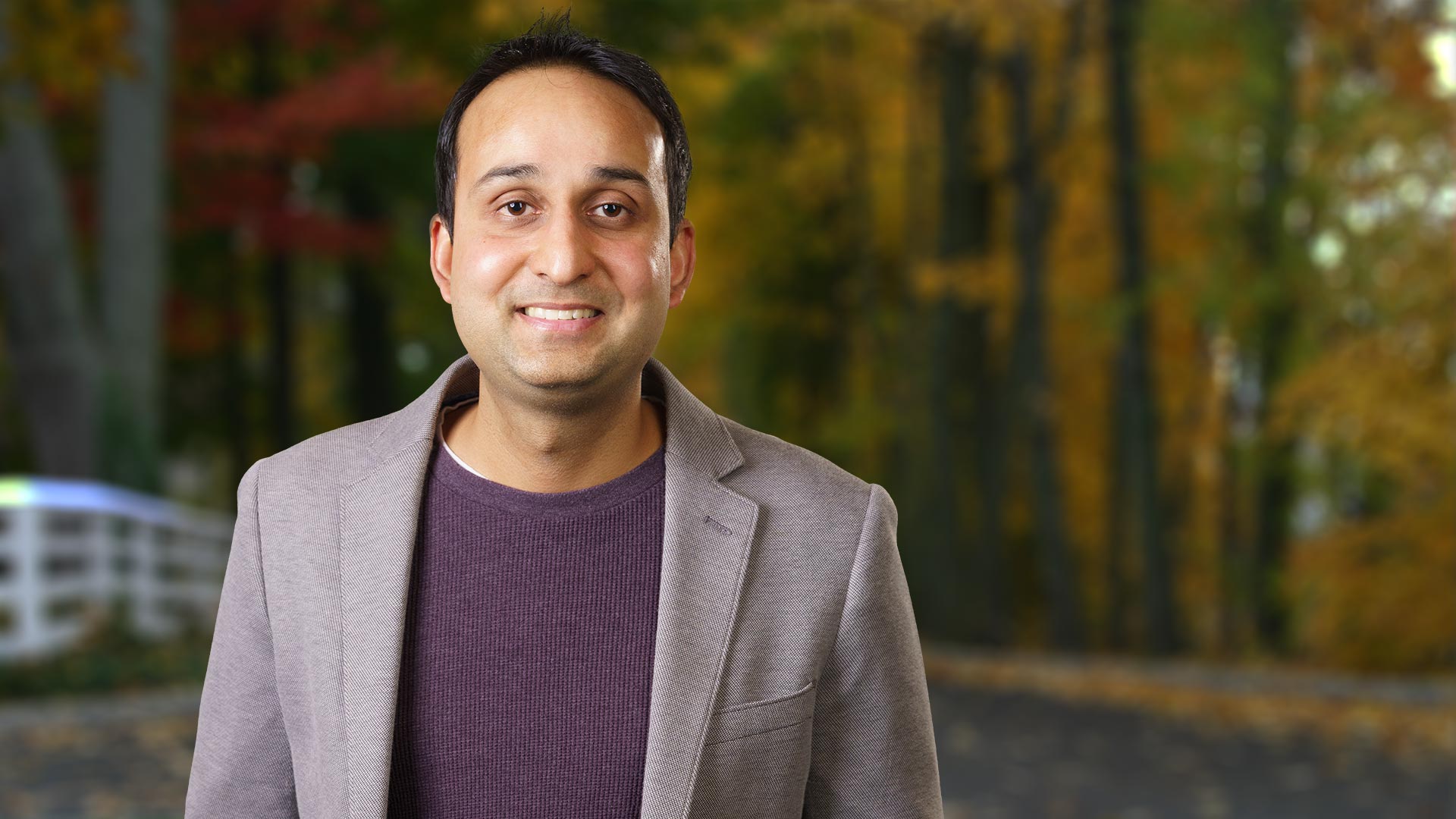
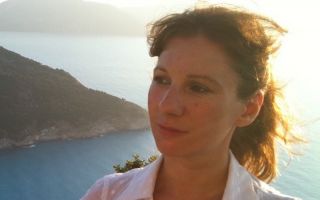
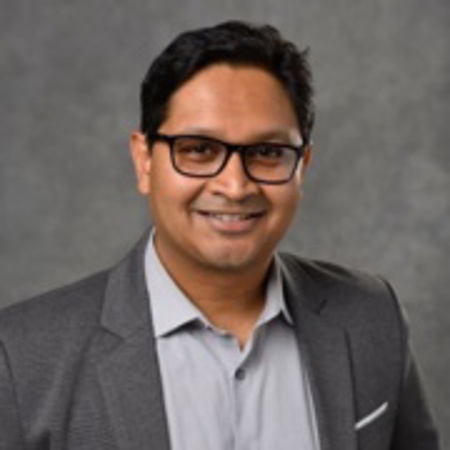
Laurent Itti is a Professor of Computer Science, Psychology, and Neuroscience at the University of Southern California (USC), affiliated with the Viterbi School of Engineering and the Hedco Neuroscience Building. His research spans computational neuroscience, vision, and attention mechanisms. Education Ph.D. in Computation and Neural Systems, California Institute of Technology (2000) M.S. in Telecommunications, Ecole Nationale Supérieure des Télécommunications, Paris (1994) B.S. in Mathematics, Tours, France (1991) Research and Expertise Dr. Itti's work focuses on attention modeling , neural networks , and computational neuroscience , particularly in vision systems. He leads the iLab at USC, which investigates brain-inspired computational models for visual attention. Teaching and Software He teaches computer science courses at USC and has developed tools like the iLab Toolkit for vision research. Notably, he created a Blackberry-IMAP integration solution to enhance email workflow.
Giuseppe Gangarossa serves as Professor of Neurobiology at the University of Paris, France, and holds membership in the prestigious Institut Universitaire de France. He is currently conducting research as a Humboldt Fellow at the Max Planck Institute for Biological Cybernetics in Tübingen, Germany, where he leads the Body-Brain Cybernetics research team. His work focuses on the dynamic interplay between neural systems and bodily functions, exploring how cybernetic principles govern brain-body communication. This interdisciplinary research bridges experimental neurobiology with computational modeling to decode sensorimotor integration mechanisms and their pathological disruptions. Key scientific recognitions include: Institut Universitaire de France Fellowship Humboldt Research Fellowship Professor Gangarossa directs the Body-Brain Cybernetics team at the Max Planck Institute, coordinating experimental and theoretical projects that examine closed-loop neural control systems. His laboratory investigates neural coding in motor circuits and develops bio-inspired control algorithms through collaborative neuroscience-engineering initiatives.
Dr. Hayder Amin serves as Group Leader at the German Center for Neurodegenerative Diseases (DZNE) in Dresden, leading the interdisciplinary BIONICS research group focused on decoding brain network dynamics through the convergence of neuroscience, engineering, and computational science. His work bridges fundamental neural mechanisms with translational applications for neurodegenerative conditions. The BIONICS lab investigates multiscale neural computations across health and disease states, with core research emphases on: Deciphering network stability during experience-dependent plasticity and neurogenesis Exploiting reparative brain regeneration for Alzheimer's disease and brain injury interventions Developing next-generation bioelectronics and neuromorphic sensors Integrating spatial transcriptomics with functional dynamics Creating computational models for neural controllability and criticality Leveraging high-density biosensors, brain-on-chip technology, opto-chemogenetics, and multimodal data analytics, the group pursues projects spanning hippocampal circuit mapping, olfactory coding, and large-scale synaptic transmission. Dr. Amin actively recruits neuroscience, bioengineering, mathematics, and computer science students for hands-on research in this international team advancing brain-inspired computational frameworks and therapeutic interfaces.
Charles Paillard is a Research Professor at the Laboratory Structures, Properties and Modeling of Solids (SPMS) , Université Paris-Saclay, France. He conducts advanced research on ferroelectric, multiferroic and oxide materials using state-of-the-art ab-initio and multiscale modelling techniques. Education & Qualifications: HDR (Habilitation à Diriger des Recherches) — French post-doctoral degree qualifying for full professorship. Research Interests Paillard’s work spans several tightly connected themes: Ferroelectric & Multiferroic Physics: fundamental mechanisms of polarization, magnetoelectric coupling, and domain-wall dynamics. Photostriction & Light-Control: light-induced mechanical strain in oxides such as BiFeO₃ and BaTiO₃, enabling remote actuation. Two-Dimensional Ferroelectrics & Oxide Superlattices: electro-optic, elasto-optic and piezoelectric responses in van-der-Waals and epitaxial heterostructures. Neuromorphic Oxides: leveraging relaxor ferroelectrics for brain-inspired, low-power memory and synaptic devices. Computational Methodology: finite-temperature ab-initio calculations, multiscale modelling, and high-throughput design of multifunctional materials. Recent Publication Landscape Between 2024 and 2025 Paillard (co-)authored 15 high-impact works. The dominant themes are (i) light-matter interactions in ferroelectrics (photostriction, photo-induced phase transitions), (ii) electro-optic and elasto-optic phenomena in 2-D and oxide thin films, and (iii) domain-wall mediated magnetoelectric excitations in multiferroics. These studies combine predictive theory with experimental collaborations and point toward applications in photonics, neuromorphic computing and ultrafast optical control. Scientific Awards & Distinctions HDR (Habilitation à Diriger des Recherches) — attests to internationally recognized research leadership. Advising & Collaborative Grants Active collaborations include joint publications with researchers from US, Chinese, and European institutions (e.g., University of Arkansas, Xi’an Jiaotong University, ETH Zürich). Specific grant details are not disclosed in the supplied text, but the breadth and number of co-authored works indicate substantial national and international funding. Labs & Teams Paillard is a key member of the SPMS Laboratory within CentraleSupélec/Université Paris-Saclay. The group hosts advanced computational facilities and coordinates closely with experimental teams in nanofabrication, synchrotron, and neutron-scattering centers.
Douglas Richardson serves as Director of Imaging at the Harvard Center for Biological Imaging (HCBI) since 2013 and Lecturer in Molecular and Cellular Biology within Harvard's Faculty of Arts and Sciences since 2016. He leads a state-of-the-art microscopy core facility serving Harvard and Greater Boston researchers through confocal, light sheet, super-resolution, and slide scanning systems. His educational background includes: PhD in Cancer Cell Biology from Queen's University (Canada), Department of Pathology and Molecular Medicine Alexander von Humboldt Postdoctoral Fellowship at Max Planck Institute for Biophysical Chemistry under Nobel Laureate Stefan Hell Richardson's research expertise spans super-resolution microscopy , light sheet imaging , tissue clearing techniques , and image processing methodologies . He actively develops and evaluates advanced microscopy approaches for biological applications in cancer, neuroscience, and ophthalmology. His work emphasizes practical implementation of cutting-edge imaging technologies for diverse research questions. Analysis of his recent publications reveals dominant trends in 3D tissue imaging applied to neurodegenerative diseases (Alzheimer's), cancer biology (melanoma, breast cancer), and vascular ophthalmology. His contributions to tissue clearing standardization and light sheet microscopy optimization enable high-resolution whole-organ analysis, while his technical tutorials address critical microscopy artifacts. His scientific recognition includes: Alexander von Humboldt Postdoctoral Fellowship Richardson teaches MCB 68 (Cell Biology through the Microscope) and MCB 352 (Microscopy), directs the HCBI Lunch and Learn Lecture Series, and organizes tissue clearing workshops. The HCBI facility he leads provides critical infrastructure for Harvard researchers, with recent expansions including high-content screening (2024) and Zeiss Lightfield 4D integration (2025). Under Richardson's leadership, the Harvard Center for Biological Imaging serves as a national resource for advanced microscopy training and consultation, maintaining active YouTube educational content and developing protocols for challenging biological specimens through its tissue clearing initiatives.
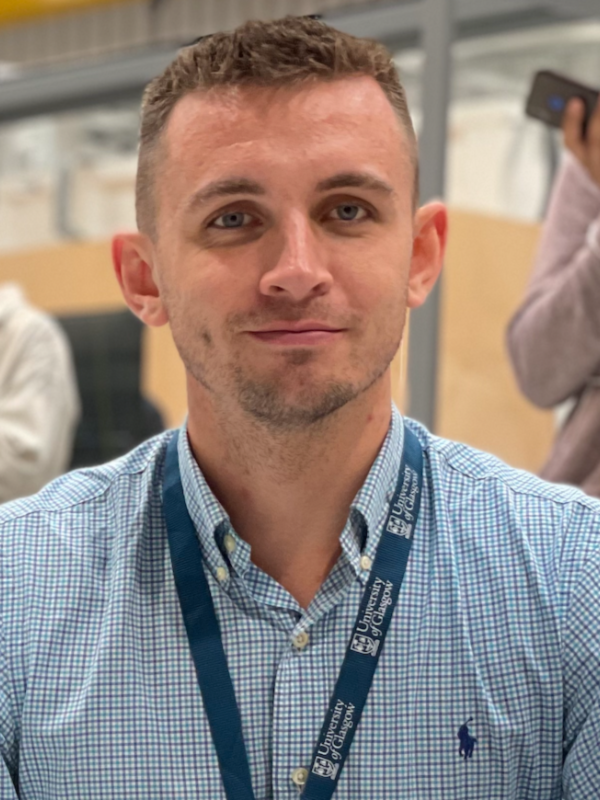
Dr. Daniel Mitchell is a Research Associate at the University of Glasgow , affiliated with the Autonomous Systems & Connectivity group. His work bridges Robotics and Autonomous Systems , Digital Twinning , and Non-Destructive Sensing , with a focus on human-in-the-loop robotic teams and microwave sensing for asset integrity. Education : PhD (2024) and MSc (2020) in Electrical and Electronic Engineering from University of Glasgow and Heriot-Watt University Collaborations : California Institute of Technology (2024), MicroSense Technologies Ltd (since 2019), ORCA Hub His research explores: Cyber-physical architectures for multi-robot fleet management Brain-computer interfaces for robotic teleoperation Digital twins in nuclear and offshore wind environments Microwave sensing for ground risk detection and material characterization Recent publications emphasize resilient autonomy , symbiotic robotic systems , and AI-driven anomaly detection . Awards include the 2024 Virginia Engineering Link Lab Rising Star in Cyber Physical Systems and 2023 IET Recognition. Teaching involvement includes supporting ENG2083 Introduction to Programming at Glasgow, and supervision of MSc/MEng projects like Wind Turbine Defect Detection and Landmine Detection Robotics .
Sérgio Pequito is an Associate Professor in the Department of Electrical and Computer Engineering at Instituto Superior Técnico, University of Lisbon, and a principal investigator at the Institute for Systems and Robotics. He previously held faculty positions at Uppsala University (2022-2024) and Technische Universiteit Delft (2020-2022), and was a faculty member at Rensselaer Polytechnic Institute (2017-2020). His academic journey includes a PhD in Electrical and Computer Engineering from Carnegie Mellon University and a Doctorate in Electrical and Computer Engineering from Universidade de Lisboa. Pequito's research focuses on understanding the global qualitative behavior of large-scale systems through structural and parametric descriptions, with applications spanning neuroscience, biomedicine, and control theory. His work leverages dynamical systems, control theory, and artificial intelligence to develop new analysis tools for brain dynamics aimed at personalized medicine and improved bidirectional brain interfaces. His specific interests include fractional-order systems, structural systems theory, network controllability, and neurotechnology applications for epilepsy treatment and brain-computer interfaces. His recent publications reveal a strong emphasis on applying fractional calculus to model brain dynamics, developing control frameworks for neurotechnology, and advancing structural systems theory for large-scale networks. His work demonstrates a consistent trajectory toward bridging theoretical control systems with practical biomedical applications, particularly in understanding and controlling brain dynamics for therapeutic purposes. 2016 O. Hugo Schuck Award in the Theory Category by the American Automatic Control Council 2009 Best student paper finalist in the 48th IEEE Conference on Decision and Control 2023 Royal Swedish Academy of Engineering Sciences 100 List 2023 European Laboratory for Learning and Intelligent Systems (ELLiS) Research Scholar Multiple Trustees Faculty Achievement awards from Rensselaer Polytechnic Institute Pequito actively mentors numerous PhD and Master's students across multiple institutions, with research topics spanning cyber-neural systems, structural control theory, fractional-order optimization, and neurotechnology applications. His laboratory work focuses on developing theoretical frameworks for large-scale system control while maintaining strong connections to practical applications in biomedical engineering and neuroscience, particularly in developing new diagnostic tools and treatment strategies for neurological diseases through control systems theory.
Abhijit Mishra is an Assistant Professor at the University of Texas School of Information, where he teaches courses in Applied Machine Learning, Natural Language Processing (NLP), Deep Learning, and Human-Centered Data Science. He holds a Ph.D. in Computer Science and Engineering from the Indian Institute of Technology Bombay and has previously worked as a research scientist at Apple and IBM Research, focusing on Siri and IBM Watson. Education: Ph.D. in Computer Science and Engineering (IIT Bombay) Bachelor of Technology in Computer Science and Engineering Research Interests: Machine Learning for NLP Large Language Models Cognition-Inspired NLP Multimodal Systems Conversational AI His recent publications focus on privacy-preserving AI, EEG-based text generation, hallucination detection in code summaries, and multimodal reasoning. He has received recognition for outstanding reviewing at EMNLP 2020 and ACL 2017. Abhijit mentors students in projects involving NLP, machine learning, and cognitive science applications, with recent theses on EEG-driven dialog systems and multilingual multimodal models.
Cold Spring Harbor Laboratory (CSHL) Associate Professor Saket Navlakha is a computational biologist working at the intersection of theoretical computer science, machine learning, and systems biology. He leads the Navlakha Lab at CSHL's School of Biological Sciences, where he studies "algorithms in nature" - how biological systems process information and solve computational problems critical for survival. Dr. Navlakha earned his Ph.D. from the University of Maryland College Park in 2011. His research has established important connections between biological computation and computer science algorithms, with publications in top journals including Science, PNAS, and Nature Communications. Navlakha's research focuses on uncovering computational principles in biological systems that can inform both computer science and biological understanding. His lab studies how collections of molecules, cells, and organisms process information to solve problems critical for survival. His work reveals that biological systems often face similar computational challenges as engineered systems , including the need for distributed networks, trade-offs between efficiency and robustness, and the development of low-cost, scalable solutions. This perspective yields two significant outcomes: new biological algorithms for computer science applications and quantitative frameworks to predict biological behavior. Analysis of Navlakha's recent publications shows a strong focus on understanding neural computation across diverse biological systems. His work spans olfactory processing in flies and mice, immune system computation, memory mechanisms, and plant architecture optimization. A consistent theme is how biological systems implement efficient computational strategies that can inspire new algorithms, such as his discovery that fruit fly olfactory circuits implement similarity search using a variant of locality-sensitive hashing. Simons Pivot Fellowship (2024) - for collaboration with Hannah Meyer on immune system computation NSF CAREER Award (2019) Pew Biomedical Scholar (2018) Keynote speaker at NIPS (2016) Dr. Navlakha mentors graduate students in the CSHL School of Biological Sciences and collaborates across disciplines. His 2024 Simons Pivot Fellowship involves exploring how the adaptive immune system, like the brain, solves complex problems common in machine learning. His research has been supported by prestigious grants including the NSF CAREER Award and Pew Biomedical Scholarship, enabling his lab to pursue high-risk, high-reward research at the biology-computation interface. The Navlakha Lab develops computational approaches to understand biological information processing, with applications in machine learning and biological discovery. The lab combines theoretical computer science with experimental neuroscience and biology to uncover fundamental principles of biological computation, working on projects ranging from neural circuit algorithms to plant architecture optimization.
Willem Wybo serves as a Researcher and Group Leader of the Dendritic Learning Group (DLG) at the Neuromorphic Software Ecosystems department (PGI-15) within the Peter Grünberg Institute at Research Center Jülich. His research investigates how biophysical mechanisms in individual neurons can be harnessed by the brain's learning algorithms. The group develops machine learning models inspired by neuronal biophysics to explore high-level learning principles while creating scalable simulation technologies for biophysically realistic neural networks. Key research domains include: Computational Neuroscience Neuromorphic Computing Machine Learning Neural Networks Biophysics of Neurons Brain-inspired Algorithms The Dendritic Learning Group drives innovation at the intersection of neuroscience and artificial intelligence, focusing on translating biological learning principles into advanced computational frameworks through biophysically grounded modeling.
Shahrzad Latifi holds dual faculty appointments at West Virginia University School of Medicine: Assistant Professor in the Department of Neuroscience Research Assistant Professor at the Rockefeller Neuroscience Institute Her research program investigates brain network dynamics during stroke recovery through multiscale connectomics. Her team utilizes multiphoton and miniature microscopies, optogenetics, and bio-inspired nanomaterials to track and manipulate neural circuits across spatial scales. A key focus involves applying artificial intelligence and machine learning classifiers to decode behavioral states in both normal and stroke-affected brains, with particular emphasis on mesoscale network interactions. No scientific awards were documented in the provided materials. The source text did not specify any graduate students or research grants under her supervision. Dr. Latifi leads a neuroengineering-focused laboratory that integrates experimental neurotechnology with computational modeling to advance stroke rehabilitation strategies, leveraging the resources of the Rockefeller Neuroscience Institute.
Anastasia Angelopoulou is a Senior Lecturer (equivalent to Associate Professor) at the School of Computer Science and Engineering, University of Westminster , since 2005. She co-leads the Health and Social Care Modelling research group , focusing on AI systems for real-time healthcare and sustainable cities. A Fellow of the UK Higher Education Academy (FHEA) and certified STEM Ambassador, she bridges academia and industry with 5+ years of experience in image processing and software development across the UK and Greece. Research Interests: Computer Vision, Sign Language Recognition, Brain-Computer Interfaces, and Machine Learning for healthcare and sustainable systems. Grants: £65,173 from Dunhill Medical Trust for AI-based dementia diagnosis in deaf populations; NVIDIA GPU grant for depth map research; Heritage Lottery Fund grants for storytelling and health projects. Publications: 50+ works in Tier-1 journals (e.g., Neural Networks , Neurocomputing ) and top conferences (ICCV, ECCV, IJCNN). Awards: Elsevier Outstanding Review Status (2016); Westminster Teaching Excellence Team Award (2017). Her work emphasizes ethical AI, self-learning algorithms, and multimodal systems for diverse applications including clinical investigation and cultural heritage.
David C. Noelle serves as Associate Professor and Department Chair of Cognitive and Information Sciences at the University of California, Merced, and is also affiliated with the Electrical Engineering and Computer Science graduate group. Education: Ph.D. in Cognitive Science and Computer Science from the University of California, San Diego Postdoctoral training at the Center for the Neural Basis of Cognition, Carnegie Mellon University Dr. Noelle's research centers on computational cognitive neuroscience, focusing on the prefrontal cortex and its role in learning, memory, and cognitive control. His work involves developing and testing computational models of brain function to understand rule-guided behavior, concept formation, and working memory mechanisms. Key interests span connectionism, implicit/explicit learning paradigms, biologically inspired cognitive architectures, and applications in educational technologies, with strong intersections between cognitive psychology, machine learning, and artificial intelligence. Scientific Awards: No specific awards were mentioned in the provided text. As head of the Computational Cognitive Neuroscience Laboratory, Dr. Noelle mentors PhD students in the Cognitive and Information Sciences program. His laboratory actively recruits candidates with computational and mathematical expertise for research on neural mechanisms underlying human learning, memory, decision making, and cognitive control, particularly emphasizing candidates from underrepresented groups including women, minorities, veterans, and individuals with disabilities. Laboratory: The Computational Cognitive Neuroscience Laboratory conducts cutting-edge research on computational models of prefrontal cortex function and their applications to cognitive architectures and educational technology development.
Dr. Debajit Saha is an Assistant Professor of Biomedical Engineering at Michigan State University , where he joined in 2019. He holds cross-affiliations with the Neuroscience Program and Cell & Molecular Biology Program . Education : Master's from Indian Institute of Technology Bombay, Bachelor's in Physics from Jadavpur University, India Research Interests include systems neuroscience, neural engineering, and nano-neuroscience. His work focuses on decoding neural rules of learning/decision-making in olfactory systems and developing 'Bioengineering of Olfactory Sensory Systems' (BOSS) laboratory projects using insect brains for medical/environmental biosensors. Selected Publications analyze neural dynamics for sensory detection, odor code flexibility, and biohybrid sensors for endometriosis/lung cancer. His NSF CAREER Award (2023) supports part-brain-part-engineered gas sensors. Lab Activities involve hijacking insect olfactory pathways for BCI techniques, developing honeybee/locust brain-based chemical sensors , and studying nanoparticle transport in olfactory pathways.
Tobias Nordholm-Højskov is an Instructor at the Department of Computer Science , University of Copenhagen (DIKU). His research intersects machine learning with healthcare, sustainability, and quantum computing, focusing on theoretical foundations and applications in medical data analysis, climate-aware AI, and quantum systems. He is affiliated with the SCIENCE AI Centre and contributes to projects like QDarts (quantum dot array simulation) and TreeSense (remote sensing for environmental monitoring). His work spans diverse subfields, including Explainable AI for healthcare records Federated Learning in rare disease research Quantum-inspired neural networks Retrieval-Augmented Generation frameworks Environmental impact mitigation in AI