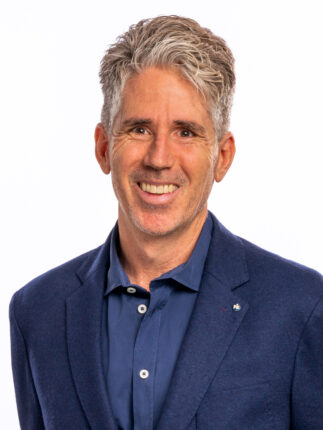
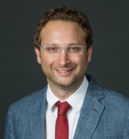
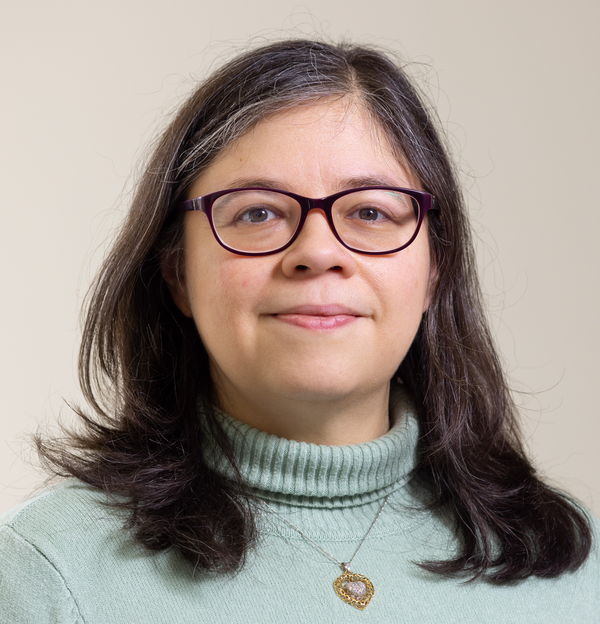
Steve Hostler, PhD, is an Assistant Professor in the Department of Mechanical and Aerospace Engineering at Case Western Reserve University's Case School of Engineering. His research focuses on thermal management, granular materials, and CO2 power/refrigeration cycles, with expertise in fluid mechanics, thermodynamics, and heat transfer. He teaches courses such as Design of Fluid and Thermal Elements (EMAE 355) and Advanced Heat Transfer (EMAE 459). Hostler holds a PhD in Mechanical Engineering from the California Institute of Technology (2005), an MS from the same institution (2001), and a BS from Case Western Reserve University (2000). His work bridges theoretical and applied engineering, addressing challenges in energy systems, material science, and biomedical thermal effects. His research spans combustion dynamics, thermal conductivity of nanomaterials, and energy conversion systems. Notable contributions include studies on polymer composites' thermal behavior and the development of CO2-based power cycles. He is a member of the American Society of Mechanical Engineers and the American Society for Engineering Education.
Joshua Rabinowitz is a Professor of Chemistry and Director of the Ludwig Princeton Branch at Princeton University. His research focuses on quantitative analysis of cellular metabolism, leveraging advanced mass spectrometry and computational modeling. Key areas include metabolic regulation in microbes (E. coli, yeast), cancer cell metabolism, viral infection impacts, and biofuel production. His lab has pioneered methods to measure metabolites and fluxes, leading to discoveries like novel cancer metabolites and antiviral strategies via fatty acid inhibition. Notable honors include the NIH Pioneer Award and Agilent Thought Leader Award. Research emphasizes systems-level understanding, with projects combining biological experiments, metabolomics, and computation. Recent work explores metabolic heterogeneity in humans, immunotherapy enhancements through metabolic modulation, and metabolic vulnerabilities in cancers like rhabdomyosarcoma. Collaborations include engineering yeast for biofuel production and developing therapeutics targeting metabolic pathways. Lab Website: Rabinowitz Lab Affiliations: Lewis-Sigler Institute for Integrative Genomics, Princeton University Major contributions include identifying metabolic shifts in viral infections, modeling microbial nutrient responses, and advancing technologies for metabolite quantification. Current efforts aim to integrate metabolomic data with enzyme regulation dynamics to predict metabolic networks across organisms.
Jacqueline Smith is an Associate Professor in the Department of Chemistry at Howard University's College of Arts & Sciences. Her research program focuses on developing small-molecule therapeutics and bioanalytical tools for cancer and neurological diseases, with a strong emphasis on organic synthesis and drug discovery. Dr. Smith earned her Ph.D. in Chemistry from the University of Maryland, College Park, and completed postdoctoral research at Georgetown University. She is deeply committed to STEM outreach and education, particularly in supporting underrepresented minorities in organic chemistry. Ph.D. in Chemistry, University of Maryland, College Park (2011) B.S., University of Maryland, Baltimore County (UMBC), Meyerhoff Scholarship Program Postdoctoral Research, Georgetown University, Drug Discovery Lab Her research interests lie at the intersection of Organic Synthesis , Chemical Biology , and Drug Discovery , with specific focus on microwave-assisted synthesis of imidazole compounds to combat cancer resistance, and the development of fluorescent theranostic agents for targeted drug delivery and imaging, particularly in triple-negative breast cancer and brain delivery. She also explores quorum sensing modulation in bacterial systems. Her recent publications reveal a consistent trend in leveraging synthetic chemistry to address complex biological problems, spanning cancer therapeutics, neurodegenerative disease, and antimicrobial strategies. The work combines methodological innovation in synthesis with rigorous biological evaluation, demonstrating a translational and interdisciplinary approach. Dr. Smith has been recognized with prestigious awards, including: NSF CAREER Award NSF EiR Award She has actively mentored over 30 undergraduate and high school students and has secured significant research funding. Her lab operates at the forefront of chemical biology, developing novel tools and therapies. The Smith Research Lab is a dynamic team working on innovative projects in cancer resistance , theranostic drug delivery , and bacterial communication .
Shaul Yogev is an Associate Professor in the Department of Neuroscience and the Department of Cell Biology at Yale School of Medicine. He is affiliated with the Interdepartmental Neuroscience Program and the Wu Tsai Institute, reflecting his interdisciplinary research in neuronal cell biology. PhD, Weizmann Institute of Science, Molecular Genetics Postdoctoral Training, Stanford University with Kang Shen BSc and MSc, Paris VII University, France Dr. Yogev's research focuses on the fundamental mechanisms governing neuronal architecture and transport. His lab investigates how the neuronal cytoskeleton, particularly microtubules, is organized and how this organization enables polarized cargo transport essential for synaptic maintenance over long distances. Using C. elegans as a model system, his team employs advanced live imaging and genetic tools to study microtubule nucleation, motor protein navigation, and organelle distribution. Their work has significant implications for understanding neurodegenerative diseases where axonal transport is compromised. His recent publications reveal a consistent focus on microtubule dynamics, motor-cargo interactions, and organelle transport, with key contributions to understanding mitochondrial trafficking, spectrin transport, and ER stress in neurons. These studies employ cutting-edge imaging and quantitative analysis techniques, positioning his lab at the forefront of cellular neuroscience. Human Frontiers Fellowship Haim Holzman memorial prize for academic excellence and scientific accomplishments Dr. Yogev leads an active research program with strong collaborative ties, particularly with Marc Hammarlund and Pietro De Camilli. His lab has developed novel imaging methodologies and contributed significantly to understanding how neurons maintain their complex structure and function. He is involved in graduate education through the Biological and Biomedical Sciences Program and the Interdepartmental Neuroscience Program at Yale. Dr. Yogev's work is conducted within the vibrant neuroscience community at Yale, including the Wu Tsai Institute and the Kavli Institute for Neuroscience, where his research on cytoskeletal dynamics contributes to broader efforts in understanding brain function and disease.
Randolph Ashton is a Professor in the Department of Biomedical Engineering at the University of Wisconsin-Madison College of Engineering. He directs the Stem Cell Bioprocessing and Regenerative Biomaterials Laboratory, where his team engineers novel materials and methodologies for lineage-specific differentiation of human pluripotent stem cells. His interdisciplinary research bridges biomaterials science, stem cell biology, and tissue engineering to develop regenerative therapeutic strategies. His educational background includes: PhD (2007) from Rensselaer Polytechnic Institute BS (2002) from Hampton University Ashton's research focuses on neural and vascular tissue engineering , with specialization in regenerative therapies for the central nervous system. His laboratory employs microfabrication, molecular biology, recombinant protein engineering, and automated live-cell imaging to investigate cellular microenvironmental factors regulating stem cell fate. Current work emphasizes developing high-throughput screening methods and tissue-engineered scaffolds for generating complex tissue structures in vitro. His recent publications reveal a strong trajectory in neural organoid development, CNS vascularization, and microphysiological systems. The research demonstrates quantitative approaches to understanding stem cell differentiation, with applications spanning from fundamental developmental biology to clinical regenerative medicine. Key technological innovations include advanced microelectrode arrays and high-throughput screening platforms for neural tissue engineering. Notable awards include: 2023 AIMBE Fellowship 2020 WARF Innovation Award 2018 UW-Madison College of Engineering Equity & Diversity Award 2017 NSF CAREER Award 2016 Regenerative Medicine Workshop Young Investigator Award Ashton actively mentors graduate students through thesis research (BME 890, BME 990) and teaches core courses including Biological Interactions with Materials (BME 430). His laboratory operates as an interdisciplinary team bringing together engineering, biology, and materials science expertise to develop regenerative therapies, with current focus on central nervous system applications and expanding interests in vascular and muscular tissues. The Stem Cell Bioprocessing and Regenerative Biomaterials Laboratory maintains active collaborations across disciplines and continues to develop novel approaches for high-order tissue structure generation using human pluripotent stem cells. Current research directions include expanding into vascular and muscular tissue systems while refining quantitative methodologies for stem cell microenvironment characterization.
Xinbo Yang is an Assistant Professor in the Molecular Pharmacology Program at Memorial Sloan Kettering Cancer Center (MSKCC) and Weill Cornell Medicine's Graduate School of Medical Sciences. His research focuses on understanding T cell receptor (TCR) specificity in cancer and autoimmune disease, using interdisciplinary approaches including antigen-discovery platforms, protein engineering techniques, and structural biology tools. Dr. Yang received his PhD from the University of Maryland College Park. His educational background has prepared him for cutting-edge research at the intersection of immunology, structural biology, and cancer therapeutics. Dr. Yang's research program centers on how T cells distinguish between self and foreign antigens. The lab investigates the molecular basis of T cell receptor recognition in both cancer and autoimmune contexts. By studying how T cells scan host tissues to eliminate infected or malignant cells, the Yang lab aims to understand the mechanisms behind immune evasion in cancer and inappropriate immune responses in autoimmunity. The lab develops antigen-discovery platforms to identify targets for 'orphan' TCRs, which allows for specific perturbation of targets to study T cell responses. This work has significant implications for understanding disease pathogenesis and developing pMHC-based therapeutics. Analysis of Dr. Yang's recent publications reveals a strong focus on T cell receptor biology, structural immunology, and cancer immunotherapy. His work spans multiple disease contexts including cancer, autoimmune disorders, and infectious diseases. A recurring theme is the application of structural biology and protein engineering to understand and manipulate T cell recognition. His research bridges basic science with translational applications, particularly in developing novel immunotherapies. PhD, University of Maryland College Park Dr. Yang leads the Xinbo Yang Lab, which is part of the Molecular Pharmacology Program at MSKCC. The lab includes research staff such as Emily Howie, a Research Technician. The lab collaborates extensively with other researchers at MSKCC and beyond, as evidenced by the co-authorship patterns in publications. Dr. Yang has disclosed financial interests with 3T Biosciences where he holds equity, suggesting potential commercial applications of his research.
Andreas C. Lehmann is a Professor of Systematic Musicology and Music Psychology whose research bridges cognitive science, performance studies, and psychological mechanisms of musical experience. While his institutional affiliation remains unspecified in the provided text, his collaborative network includes prominent researchers from the University of Hamburg, Hanover University of Music, Drama and Media, and State University of Music and Performing Arts Stuttgart. Lehmann's scholarly focus centers on empirical investigations of music's cognitive and physiological impacts, with particular emphasis on deliberate practice efficacy, neurocognitive aspects of musical training, and music-induced emotional modulation of pain perception. His methodological approach integrates meta-analytic techniques, psychophysiological measurements, and longitudinal observational studies to dissect performance science and music cognition phenomena. Analysis of his publication record reveals a consistent trajectory examining how structured musical engagement shapes human cognition and physiological responses. His work demonstrates specialized attention to gender-differentiated effects in music-induced arousal, neural adaptations from early musical specialization, and quantifiable relationships between practice intensity and achievement metrics—contributing foundational insights for evidence-based music education and therapeutic applications.
Stephen E. Asmus is the H.W. Stodghill, Jr. and Adele H. Stodghill Professor of Biology and Biochemistry & Molecular Biology at Centre College, where he has been a faculty member since 1996. He holds a PhD from the University of Michigan and completed postdoctoral training in Neurosciences at Case Western Reserve University. Education: BS, Cleveland State University PhD, University of Michigan Postdoctoral Fellowship, Department of Neurosciences, Case Western Reserve University Dr. Asmus specializes in developmental neurobiology, focusing on how neurons determine and potentially change their neurotransmitter identity during development. His research combines cell staining and microscopy to study neurotransmitter expression in sympathetic and cortical neurons. More recently, he has expanded into pedagogical research, exploring innovative methods in biochemistry and molecular biology education. His recent publications reflect a dual focus: neuroscience research on neurotransmitter plasticity and educational scholarship on active learning, student-driven labs, and the use of primary literature. These works demonstrate sustained engagement with both scientific discovery and teaching excellence. Scientific Awards: Kirk Award for Excellence in Teaching (2001, 2016) Centre Scholar (2002, 2011) Dr. Asmus has secured research funding from the National Institutes of Health and regularly collaborates with undergraduate students on both research and educational publications. He mentors students in laboratory research and co-authors scholarly articles with them, fostering early scientific development. His work bridges fundamental neuroscience and transformative teaching practices. He is actively involved in the Biochemistry & Molecular Biology and Biology programs, contributing to curriculum development and student research initiatives. His lab emphasizes hands-on microscopy and cellular analysis techniques, providing students with authentic research experiences.
Daniela Sammler is an Adjunct Professor at Goethe University Frankfurt and Research Group Leader of the Neurocognition of Music and Language research group at the Max Planck Institute for Empirical Aesthetics in Frankfurt/Main. She has established herself as a leading researcher at the intersection of music cognition, language processing, and neuroscience, with a particular focus on prosody, syntax, and the neural mechanisms underlying both speech and musical processing. Education 2025: Adjunct Professor, Goethe University Frankfurt/M. 2022: Venia Legendi, Goethe University Frankfurt/M. 2018: Habilitation and Venia Legendi, University of Leipzig (Topic: Intonation in speech and music) 2004-2008: Dr. rer. nat. in Psychology, University of Leipzig and MPI for Human Cognitive and Brain Sciences, Leipzig (Topic: Syntax in language and music) 1997-2004: Psychology studies at University of Leipzig and Université Louis Pasteur, Strasbourg (Diploma from Leipzig) Research Interests Daniela Sammler's research focuses on the neurocognitive foundations of music and language processing , with particular emphasis on how prosody, melody, and syntax are represented and processed in the brain. Her work explores the common neural mechanisms underlying speech and music, investigating how the brain processes intonation patterns in both domains. She has made significant contributions to understanding the dorsal and ventral pathways for prosody and the neuroanatomical overlap of syntax processing in music and language. Her research employs a variety of methodologies including fMRI, EEG, intracranial ERP studies, and behavioral experiments with both healthy participants and patient populations. She has conducted groundbreaking work on amusia and language disorders , prosodic structure building , and the neural bases of musical joint action . Analysis of her recent publications reveals a growing focus on interpersonal musical interaction, interbrain synchrony, and the cognitive mechanisms underlying collaborative music-making. Scientific Awards Gold Medal for outstanding achievements in the preservation of historic monuments in Europe (2012) Otto Hahn Medal of the Max Planck Society (2010) Otto Hahn Award of the Max Planck Society (2010) Poster Award, Organization of Human Brain Mapping (2010) Research Leadership and Grants Since 2020, Dr. Sammler has led the Neurocognition of Music and Language research group at the Max Planck Institute for Empirical Aesthetics. Prior to this, she headed the Otto Hahn Group Neural Bases of Intonation in Speech and Music at the MPI for Human Cognitive and Brain Sciences from 2013-2020, which was funded through her Otto Hahn Award. Her research has been supported by prestigious grants from the Max Planck Society and other funding bodies, enabling her to establish cutting-edge research programs at the intersection of music, language, and neuroscience. She currently leads multiple research projects including "Neural Networks for Real-Time Joint Music Performance: Piano duos in the MR-scanner" and "Cognitive drivers of interbrain synchrony during musical interaction," which investigate the complex cognitive and neural processes underlying musical collaboration. Her research group has also explored how vocal tone carries information about emotional state and speaker intention through prosody. Research Environment Dr. Sammler's research group operates within the Department of Music at the Max Planck Institute for Empirical Aesthetics in Frankfurt. Her lab employs state-of-the-art neuroimaging techniques including fMRI, EEG, and intracranial recordings to investigate the neural substrates of music and language processing. The research environment fosters interdisciplinary collaboration between neuroscientists, linguists, musicologists, and cognitive scientists, creating a rich intellectual space for exploring the complex relationships between music and language.
Duke Han, PhD is a tenured Professor of Psychology and Family Medicine at the University of Southern California (USC) , with additional appointments in Neurology and Gerontology. He serves as the Director of Neuropsychology in the Department of Family Medicine at the Keck School of Medicine and leads the Han Research Laboratory , focused on improving health, wellbeing, and independence in aging adults. His work integrates neuropsychology, cognitive neuroscience, epidemiology, genetics, and behavioral economics to study neurobiological mechanisms impacting cognition and decision-making across the lifespan. Education: PhD in Clinical Psychology/Neuropsychology, University of Massachusetts Boston (2004) BSc in Psychology/Neuroscience, Duke University (1998) Postdoctoral Training: T32 Biological Psychiatry Fellow at UCSD (2005–2006) and VA San Diego Healthcare System (2004–2005) Research Interests center on cognition, decision-making, and aging , particularly financial exploitation vulnerability and early Alzheimer’s disease detection. His lab employs multidisciplinary approaches to investigate links between brain changes (e.g., functional connectivity, white matter integrity) and financial behaviors in older adults. Recent studies explore discrimination's impact on brain connectivity , MCI reversion , and temporal discounting in aging . Scientific Awards and Leadership Roles Fellow of the American Psychological Association and National Academy of Neuropsychology Recipient of the Paul B. Beeson fellowship (premier NIA career development award) Chair of the NIA Neuroscience (NIA-N) Grant Review Committee Editor-in-Chief of The Journals of Gerontology Series B: Psychological Sciences Co-Leader of the USC Alzheimer’s Disease Research Center (ADRC) Research and Education Core Founding Governance Member of the Global Council on Brain Health (AARP/ageUK) Scientific Advisory Board for Alzheimer’s Disease Neuroimaging Initiative (ADNI) Advising and Grants : Dr. Han mentors graduate students and postdocs, including Laura Fenton (Gold Family Fellowship, NIH-funded dissertation), Gali Weissberger (T32 fellowship), and Annie Nguyen (K01 Career Development Award). His research is supported by NIH grants [RF1AG068166, T32AG000037], the Elder Justice Foundation, and private foundations like the Cathay Bank Foundation.
Professor Marcel Dinger is a prominent academic and researcher currently serving as Professor and Head of School for Biotechnology and Biomolecular Sciences at UNSW Sydney. With over 20 years of experience in genomics, he has established himself as a leading figure in both academic and entrepreneurial spheres within the field. He has published 153 papers with over 24,000 citations and maintains an h-index of 61 on Google Scholar. His leadership extends beyond academia as he serves as President of the Australasian Genomics Technologies Association (AGTA) and holds director positions at Pryzm Health and the National Centre for Indigenous Genomics (NCIG). Professor Dinger's research laboratory focuses on establishing new links between phenotype and genotype, particularly examining rare and complex diseases in relation to underexplored regions of the genome including pseudogenes, repetitive elements, non-canonical DNA structures, and noncoding RNAs. His work harnesses population-scale genomic datasets and sophisticated data science methods to bring an objective perspective to understanding how the genome stores information and how it is transacted in biology. His research interests span genomics, non-coding RNA biology, clinical applications of genomic medicine, and the development of computational approaches for analyzing complex genomic data. Analysis of Professor Dinger's recent publications reveals a strong emphasis on non-coding RNA research, particularly long noncoding RNAs and their roles in disease mechanisms. His work spans cancer genomics, neurological disorders, and fundamental genomic mechanisms including DNA secondary structures like i-motifs and G-quadruplexes. His research combines experimental approaches with advanced bioinformatics to address fundamental questions in genomic medicine and has significant translational implications for disease diagnosis and treatment. Highly Cited Researcher in Cross-Field category (2019, 2020, 2021) Fellow of the Faculty of Science (Research), Royal Society of Pathologists of Australasia (2016) NHMRC Career Development Award (2010) Queensland Government Smart Futures Fellowship (2009) Foundation of Research, Science and Technology New Zealand Postdoctoral Fellowship (2005) Professor Dinger has been instrumental in establishing and leading several significant research initiatives including Genome.One, one of the first companies globally to provide clinical whole genome sequencing services, and the Kinghorn Centre for Clinical Genomics at the Garvan Institute of Medical Research. His entrepreneurial experience includes founding four biotechnology and IT startups. He serves on multiple governance boards including the National Centre for Indigenous Genomics, focusing on using genomics to improve health outcomes for Australia's First Peoples. His laboratory at UNSW continues to advance our understanding of genomic regulation and its implications for human health and disease.
Gideon Nave is the Carlos and Rosa de la Cruz Associate Professor of Marketing at The Wharton School, University of Pennsylvania. He holds a prominent position within the Department of Marketing and contributes significantly to the school's research and teaching missions in consumer behavior, marketing analytics, and decision sciences. His academic journey began with B.Sc and M.Sc degrees in Electrical Engineering from the Technion – Israel Institute of Technology, specializing in Signal Processing. He then pursued and earned his PhD in Computation & Neural Systems from the California Institute of Technology (Caltech), establishing the interdisciplinary foundation for his current research program. Nave's research focuses on how technological developments in measurement instruments have granted unprecedented access to individual-level data. His work spans several interconnected domains: Consumer neuroscience and neuroeconomics Applications of genetic data in marketing AI's impact on creativity and consumer research Ethical implications of new data collection technologies Decision-making processes across various contexts He investigates how digital footprints of online behavior, MRI, genotyping, and hormonal assays can help understand consumer preferences and behavior, while critically evaluating the ethical challenges these technologies present. His publication record demonstrates a clear trajectory toward understanding the intersection of emerging technologies and consumer behavior. Recent work particularly emphasizes AI applications in marketing research, genetic data utilization for personalization, and neuroscientific approaches to understanding decision-making processes. His methodological approach often combines large-scale datasets with rigorous experimental designs, contributing significantly to both theoretical advancement and practical applications in marketing. Nave's contributions to the field have been recognized with several prestigious awards: National Science Foundation Faculty Early Career Development (CAREER) Award (2020-2025) Association For Consumer Research (ACR) Early Career Award (2024-2025) APS Rising Star Award (2020) Poets & Quants Selection as one of the "World's Best 40 B-School Professors under the Age of 40" (2021) As a recipient of the NSF CAREER Award, Nave leads significant research initiatives examining the applications and ethical implications of new measurement technologies in marketing and consumer behavior. His work has attracted considerable media attention, with features in major outlets including The New York Times, The Guardian, CNN, and The Economist, reflecting the broad relevance and impact of his research. While specific lab names aren't prominently featured in his public profile, Nave's research appears to involve extensive interdisciplinary collaborations spanning neuroscience, genetics, computer science, and marketing. His publications frequently include co-authors from diverse disciplinary backgrounds, suggesting a team-based research approach that bridges traditional academic boundaries.
Richard F Betzel is an Associate Professor in Neuroscience at University of Minnesota and affiliated with Indiana University and Northwestern University through collaborative research grants. As a leading network neuroscientist, he develops edge-centric approaches for analyzing brain network organization and dynamics. Current affiliations: University of Minnesota (primary), Indiana University (collaboration), Northwestern University (collaboration) Active research grants from: National Science Foundation (NSF), NIH National Institute on Aging, NIH National Institute of Neurological Disorders & Stroke His research focuses on: Understanding brain network reconfiguration during aging and cognitive tasks Developing computational tools for analyzing connectome architecture Exploring relationships between structural and functional connectivity Investigating network mechanisms in neurodegenerative disorders like Parkinson's Advancing mindfulness meditation research through network neuroscience Recent publications emphasize: Edge-centric network analysis methods Connectome organization across species Dynamic network approaches to social cognition Functional MRI analysis of co-fluctuations Network controllability and modular architecture Applications to both healthy aging and pathological conditions His work contributes to UN Sustainable Development Goals including healthy aging (SDG 3) and scientific knowledge advancement. Current projects include NCS-FO for edge-centric brain mapping (NSF-funded), social cognitive aging research (NIH), and TMS therapy network analysis (NIH).
Dr. Sandra Diaz Pier is a Scientific Lead at the Jülich Supercomputing Centre (JSC) within the Jülich Research Centre , Germany. Specializing in computational neuroscience , high performance computing (HPC) , and machine learning , she bridges neuroscience and advanced computational methods through her research. Education: B.Sc. in Electronic Systems Engineering, Mexico M.Sc. in Computer Science (focus: machine learning, quantum computing), Mexico Second M.Sc. in Electrical Engineering, Ontario, Canada Ph.D. in Computer Science, Germany (2021) Her research focuses on modeling and simulating brain dynamics and plasticity at multiple scales, leveraging HPC to accelerate large-scale neural network simulations. She actively contributes to EU projects like the Human Brain Project (HBP) , Virtual Brain Cloud , and EBRAINS 2.0 , emphasizing infrastructure development and educational training. Her work includes open-source tools such as the NEST simulator , The Virtual Brain , and L2L , enabling efficient parameter exploration and multiscale co-simulation frameworks. The 15 most recent publications highlight her interdisciplinary approach, spanning topics from quantum computing in biomolecular simulations to neural plasticity algorithms and cloud-based brain modeling . These articles reflect her expertise in integrating machine learning , multi-scale simulation , and HPC infrastructure for neuroscience challenges, including seizure propagation, Parkinson’s disease progression, and swarm intelligence in spiking networks. She leads technical coordination in projects like EBRAINS and serves as a task leader in the HBP infrastructure work package , while also organizing workshops and hackathons for open-source tools. Her role involves supporting domain scientists through methodological research and workflow optimization for brain simulations.
Professor Terrie E. Moffitt is Chair in Social Behaviour & Development at King’s College London (since 1996) and Nannerl O. Keohane University Professor of Psychology at Duke University. Her research spans longitudinal methods , developmental theory , clinical mental health , neuropsychology , and genomics in behavioral science . University: King’s College London, Duke University Academic Rank: Professor Departments: Social Genetic and Developmental Psychiatry Centre (King’s), School of Mental Health & Psychological Sciences (Duke) Education : B.A. in Psychology, University of North Carolina at Chapel Hill M.A. in Experimental Animal Behavior, University of Southern California Ph.D. in Clinical Psychology, University of Southern California Postdoctoral Training, UCLA Neuropsychiatric Institute Research Focus : Mental health disorders across the lifespan, aging processes, genetic-environmental interactions, and public understanding of behavioral science. She co-founded the Environmental Risk (E-Risk) Longitudinal Twin Study and serves as Associate Director of the Dunedin Longitudinal Study , a 50-year project tracking 1,037 individuals from birth to aging. Recent Articles (2023-2025) examine accelerated aging in schizophrenia , social isolation and dementia risk , epigenetic aging biomarkers , and mental health impacts of environmental factors using twin and population cohort data. Scientific Honors : 2018 US National Academy of Medicine British Academy Fellow Academy of Medical Sciences (UK) Fellow Stockholm Prize in Criminology Grawemeyer and NARSAD Awards Grants : Major funding from UKRI Medical Research Council for aging and E-Risk studies. Collaborates across genetics , neuroscience , epidemiology , and public policy . Labs : Leads the Moffitt-Caspi Research Team , managing the Dunedin and E-Risk studies. Also involved in the Ageing Research at King’s (ARK) consortium .