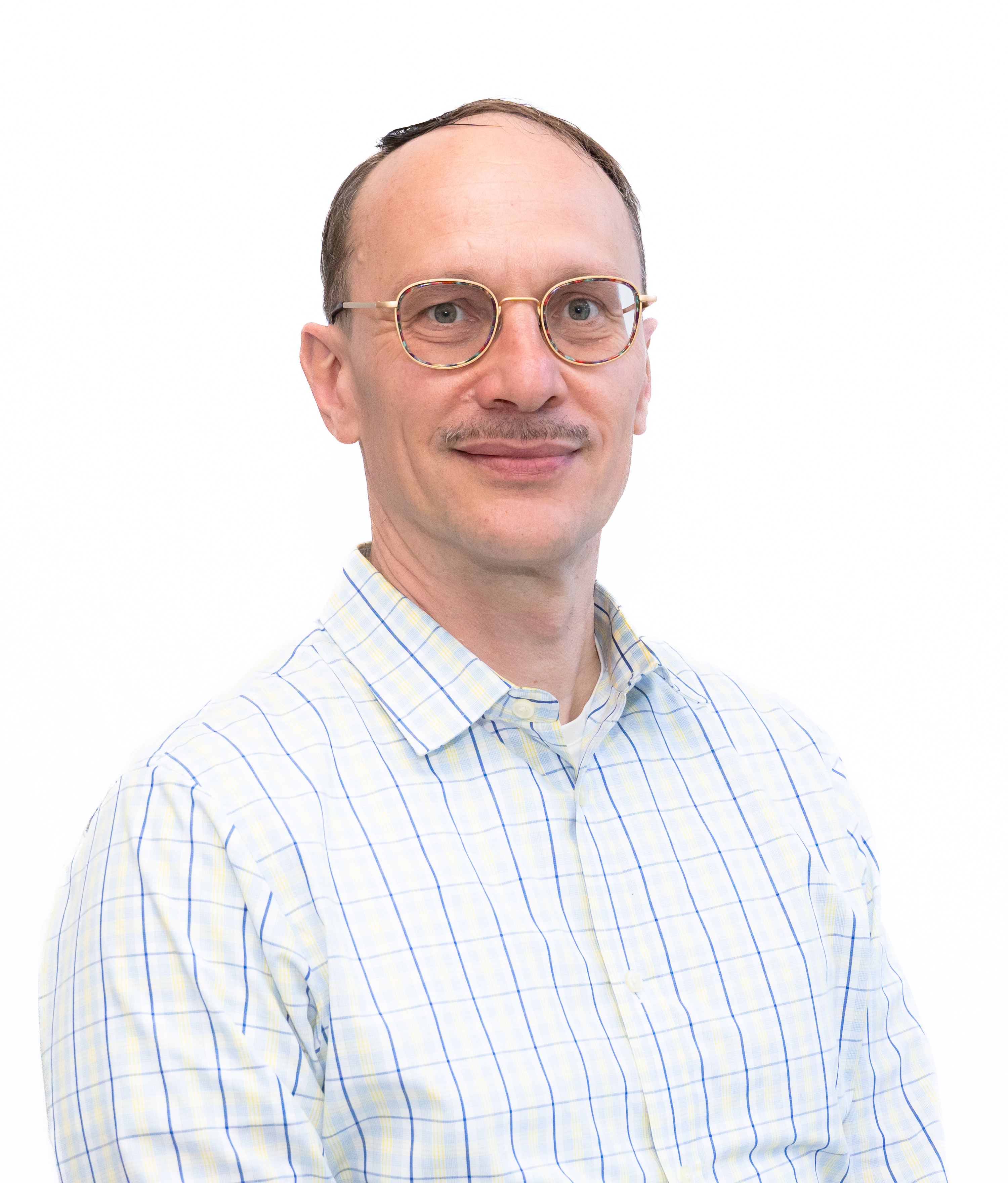
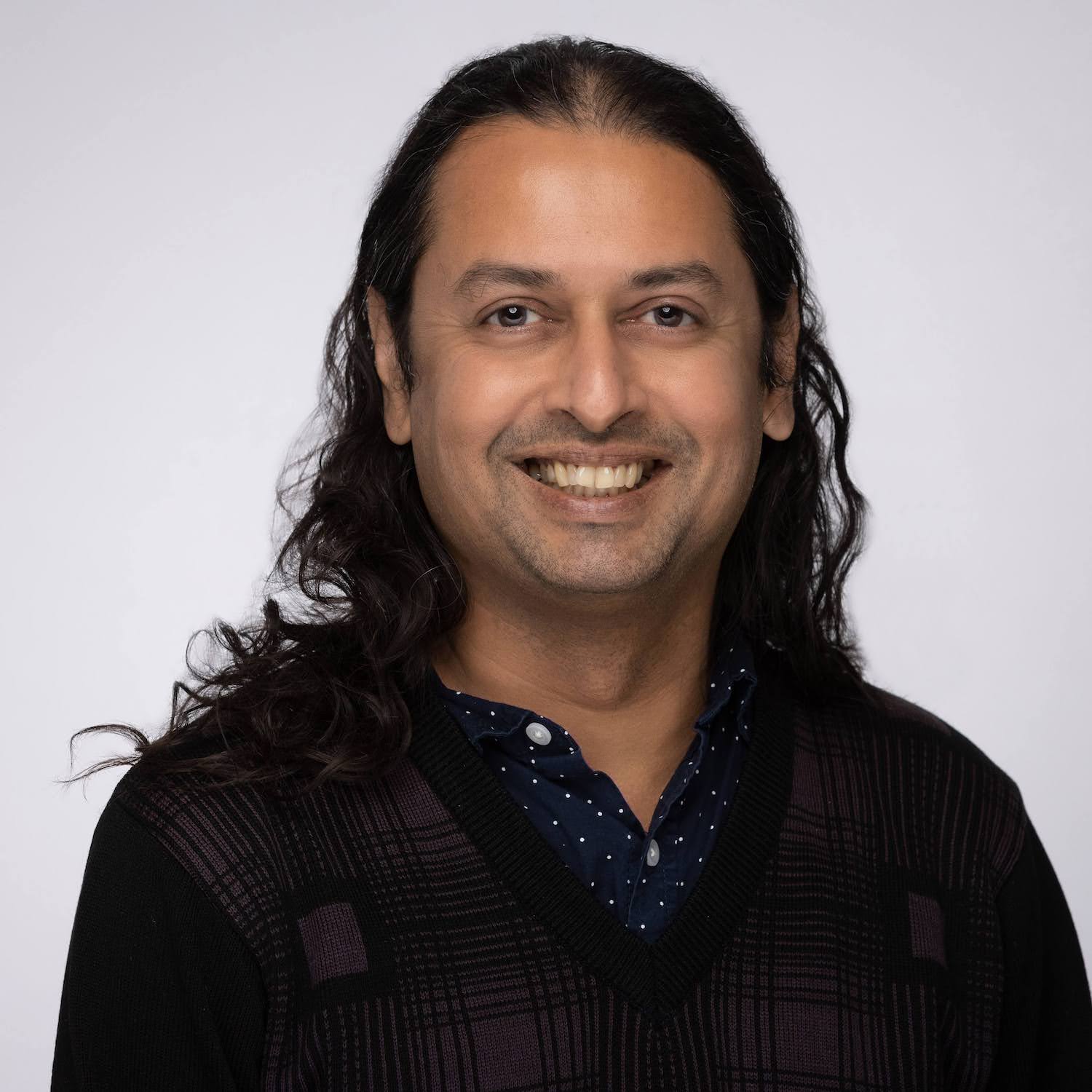
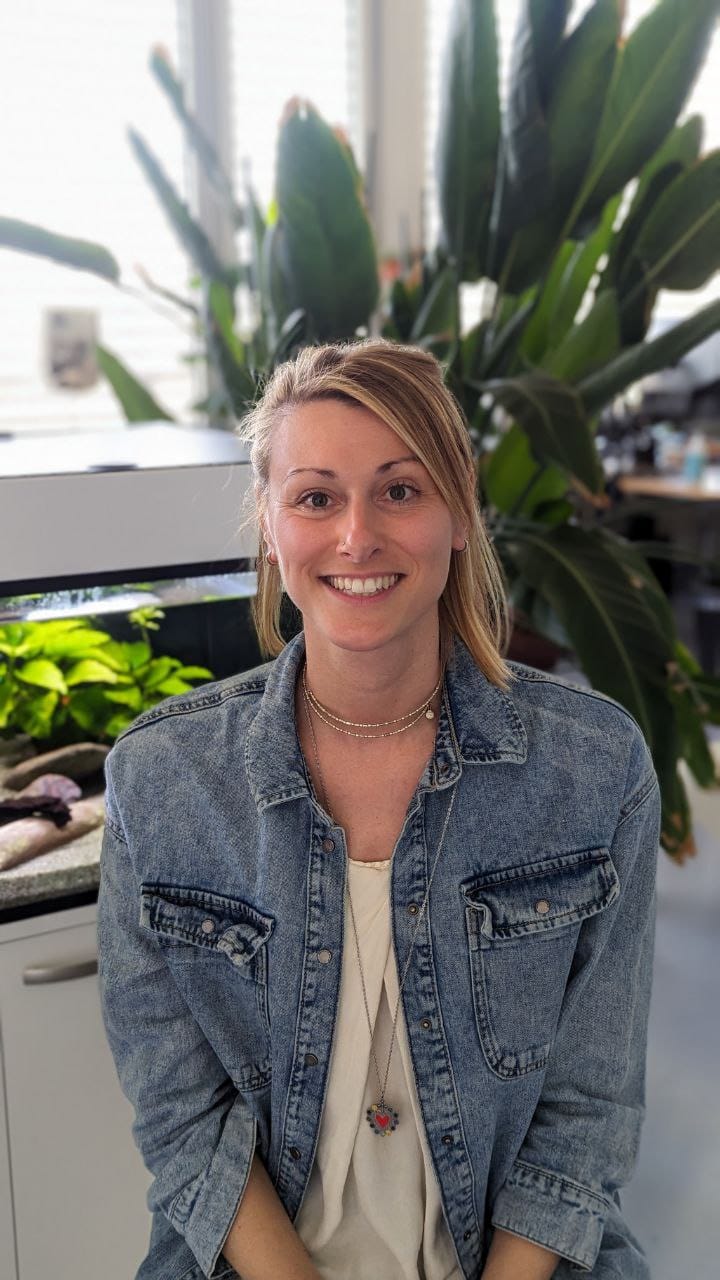
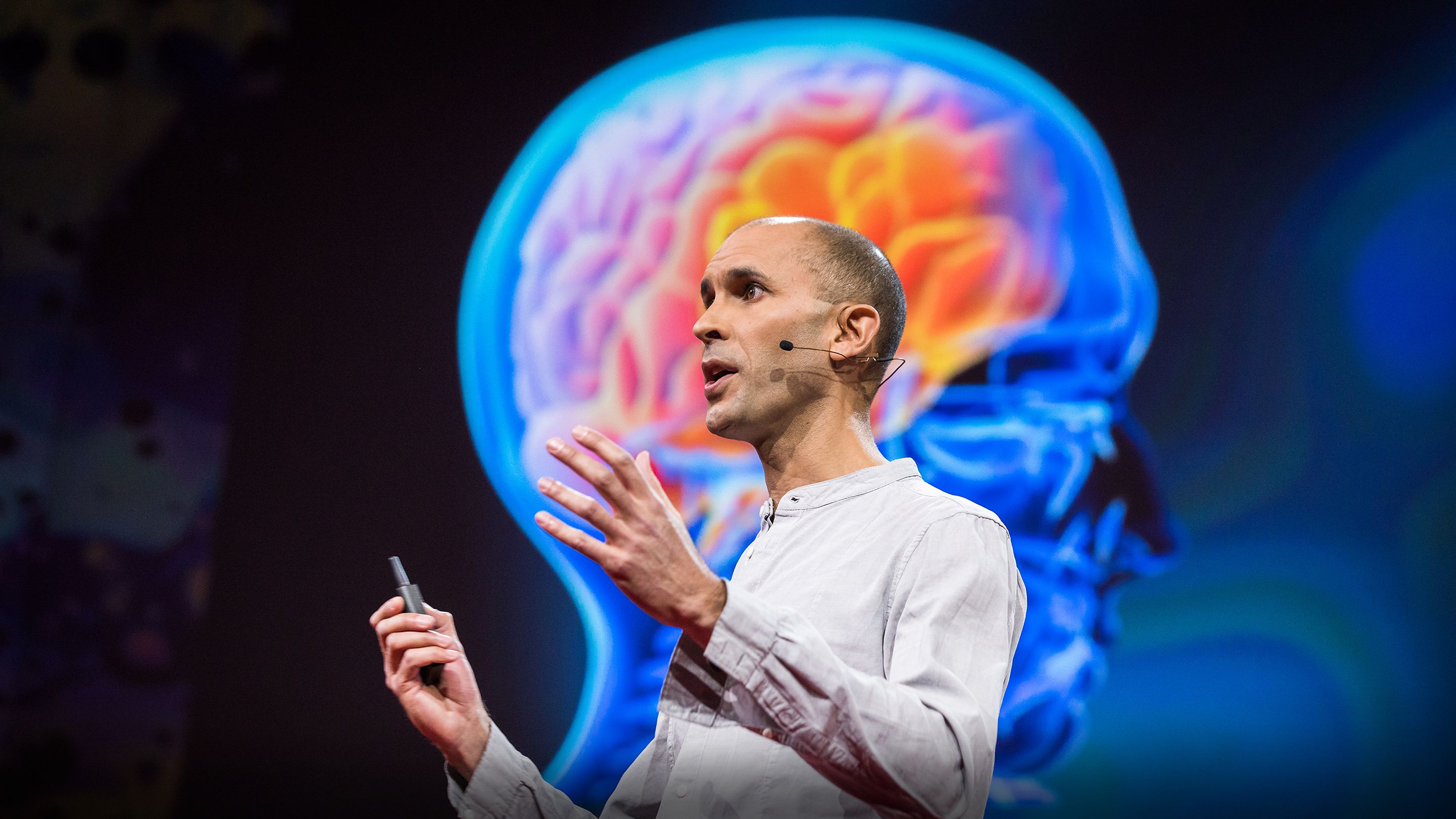
Chang S. (CS) Nam is a Professor of Industrial and Systems Engineering at North Carolina State University, with affiliations in the UNC/NCSU Joint Department of Biomedical Engineering and the Department of Psychology. He holds editorial roles as Editor-in-Chief of Brain-Computer Interfaces journal and is a Fellow of the Human Factors and Ergonomics Society. His research focuses on advancing human-centered technologies through neuroergonomics, brain-computer interfaces (BCIs), and rehabilitation engineering, supported by grants from NSF, AFRL, AFOSR, and the Laboratory for Analytic Sciences. Education: Ph.D. in Industrial Engineering, Virginia Tech (2003) MSIE in Industrial Engineering, State University of New York at Buffalo (2000) Research Interests: His work spans neurorehabilitation, haptic interaction design, and BCI applications, aiming to bridge human cognitive and neural processes with technological systems. Key areas include adaptive human-computer interaction, EEG-based emotion recognition, and spatial augmented reality for skill training. Grants & Awards: Recipient of NSF CAREER Award (2010), Air Force Summer Faculty Fellowship (2018), and the Leland S. Kollmorgen Spirit of Innovation Award (2019) Editor of Brain-Computer Interfaces Handbook: Technological and Theoretical Advances (CRC Press) Advising & Labs: Advises students like Lingchao Mao and Priscille Koutouan Leads the Brain-Computer Interface and Neuroergonomics Lab, developing BCI systems for communication in vegetative states and neurorehabilitation
Daan Christiaens is a tenure track lecturer at KU Leuven's Faculty of Medicine and Faculty of Engineering Sciences. He is affiliated with the Department of Electrical Engineering (ESAT) and Department of Imaging & Pathology, serving as a member of the Medical Imaging Division and the KU Leuven Brain Institute (LBI). His academic responsibilities include membership in the Faculty Councils of Engineering Sciences and Medicine. His research focuses on: Inverse problems in medical imaging reconstruction Neuroimaging techniques for brain analysis Advanced quantitative MRI methodologies Diffusion-weighted imaging for microstructural assessment Dr. Christiaens' recent publications (2023-2025) demonstrate a consistent focus on diffusion MRI innovations, including novel reconstruction algorithms, neonatal brain development mapping, and clinical applications for neurodegenerative disorders. Key technical themes include motion correction, multi-shell modeling, and AI-enhanced image processing, while clinical applications span Alzheimer's disease, cerebral palsy, and autism research. He leads significant research projects including: MRI reconstruction with dynamic field monitoring (2024-2028) Compressed sensing for microstructure imaging (2022-2026) Neonatal diffusion MRI network connectivity analysis (2024-2028) As a core developer of the MRtrix3 software framework for medical image processing, he contributes to essential tools in neuroimaging research.
Jonny Kohl is a Group Leader at the Francis Crick Institute , where he established the State-dependent Neural Processing Laboratory in 2019. His work bridges neural circuits and internal physiological states (e.g., hunger, pregnancy) to decode instinctive behaviors like parenting and aggression in mice. PhD: MRC Laboratory of Molecular Biology, Cambridge (2013) Postdoc: Harvard University (2014–2019) with support from EMBO, HFSP, and Wellcome Trust fellowships Research Interests : Kohl investigates how hormonal and metabolic states dynamically rewire neural circuits to drive adaptive behaviors. His lab combines circuit neuroscience , molecular biology , and behavioral profiling to study: State-dependent neural processing in parental behavior Chemosensory dominance hierarchies in mice Plasticity mechanisms in aggression circuits Development of ultrafast tissue labeling and cryoanesthesia tools Scientific Trends : His recent publications highlight hormone-mediated synaptic remodeling (2023), cost-effective lab tools (2023), and brain-wide activity mapping (2016). Collaborative work spans computational biology , metabolism , and imaging disciplines. Honors: NARSAD Young Investigator Award (2019), ERC Starting Grant (2019), Wellcome Trust Discovery Award (2025) Grants: BBSRC Research Grant (2025), BBSRC Pioneer Grant (2023) His lab mentors PhD and MSc students and has developed open-source neuroscience tools (e.g., cryoanesthesia device, 2023). Kohl's research has been featured in Nature , Science , and Cell .
Professor Dirk Bernhardt-Walther is an academic at the University of Toronto, serving as Program Director of the Cognitive Science Program and Department of Psychology . He investigates neural and computational mechanisms underlying high-level sensory perception, focusing on real-world scenes, mid-level vision, and visual aesthetics. Education: PhD in Computation and Neural Systems (Caltech, 2006), M.Phil (University of Cambridge) Research Focus: His lab employs fMRI, MEG, EEG , and GAN-generated stimuli to study scene categorization, perceptual organization, and aesthetic processing. Recent work explores curvature perception, emotion representation in scenes, and neural dissociations between computational and subjective visual metrics. Laboratory Members: The Bernhardt-Walther Lab includes PhD students like Gaeun Son (scene perception), Charlotte Leferink (scene representation), and Dela Farzanfar (aesthetic processing), alongside postdocs and collaborators. Advising: Supervises graduate students in projects combining computational modeling, psychophysics, and neuroimaging, particularly those with backgrounds in computer science or cognitive neuroscience.
Azita Emami serves as the Andrew and Peggy Cherng Professor of Electrical Engineering and Medical Engineering at the California Institute of Technology (Caltech), where she concurrently holds leadership roles as Executive Officer for Electrical Engineering and Director of the Center for Sensing to Intelligence. Appointed to Caltech's faculty in 2007, she progressed from Assistant Professor to her current endowed professorship through demonstrated scholarly excellence. Her academic foundation includes: B.S. in Electrical Engineering from Sharif University of Technology (1996) M.S. in Electrical Engineering from Stanford University (1999) Ph.D. in Electrical Engineering from Stanford University (2004) Professor Emami pioneers mixed-mode integrated circuit systems that bridge theoretical innovation with practical applications. Her research emphasizes ultra-low power consumption and high reliability in scalable semiconductor technologies, targeting transformative solutions across multiple domains. Key thrusts include: Biomedical implantables for neural recording/stimulation and gastrointestinal monitoring Photonics-electronics co-design for energy-efficient optical interconnects Machine learning-enhanced signal processing for brain-computer interfaces Miniaturized magnetic sensors with unprecedented noise performance Her work consistently demonstrates how circuit-level innovations enable breakthrough capabilities in medical diagnostics and high-speed computing. Analysis of her 2021-2024 publications reveals a strategic convergence of biomedical sensing and intelligent signal processing . While maintaining strong contributions to optical interconnects (accounting for ~40% of recent output), her lab increasingly focuses on closed-loop medical systems where low-power analog neural networks interpret physiological signals. This evolution reflects growing NIH and industry interest in implantable/wearable health technologies, with her group leading in CMOS-based sensor miniaturization and energy efficiency. Her professional recognition includes: IEEE Solid-State Circuits Society Distinguished Lecturer appointment Mentorship excellence is evidenced by students receiving prestigious awards including the Jakob van Zyl Predoctoral Research Award (Saransh Sharma, Ryoto Sekine) and Charles Wilts Prize (Kuan-Chang Chen). Her research program leverages strategic partnerships with Heritage Medical Research Institute and industry collaborators, supported through center-based funding like the Center for Sensing to Intelligence. Administrative leadership spans departmental governance (as Executive Officer) and conference organization (ISSCC technical committees). She directs Caltech's Mixed-mode Integrated Circuits and Systems Lab (MICS) , which operates as a nexus for cross-disciplinary innovation between electrical engineering and medical applications. The lab's industry-collaborative framework accelerates translation of circuit concepts into real-world biomedical solutions through the Center for Sensing to Intelligence.
Habib Ullah is an Associate Professor in Data Science at the Norwegian University of Life Sciences (NMBU), Norway, where he conducts research at the intersection of computer vision and machine learning. He is affiliated with the Institute of Data Science under the Faculty of Science and Technology. He has previously held academic positions at COMSATS University Islamabad, Pakistan, and the University of Ha'il, Saudi Arabia, and served as a postdoctoral researcher at The Arctic University of Norway. Educational Background: PhD in Information and Communication Technology (Computer Vision), University of Trento, Italy (2011–2015) MSc in Electronics and Computer Engineering, Hanyang University, South Korea (2007–2009) BSc in Computer Systems Engineering, NWFP University of Engineering and Technology, Pakistan (2002–2006) Habib Ullah's research is primarily focused on computer vision and machine learning, with applications in aquaculture, agriculture, and human behavior analysis. He investigates underwater fish feeding sounds using audio classification, develops zero-shot learning models for recognizing unseen classes, and applies deep learning to detect stress in salmon via skin dot patterns. He also explores AI-driven controlled environment agriculture, leveraging sensors and automation for optimal crop growth. His work emphasizes practical AI solutions for real-world challenges in environmental and biological domains. The recent publications highlight a strong trend in leveraging deep learning for zero-shot and semi-supervised learning, particularly in computer vision tasks such as sea ice classification, crowd anomaly detection, and agricultural monitoring. His research spans remote sensing, biomedical signal processing, and human activity recognition, demonstrating interdisciplinary versatility. The keywords reflect a focus on robust feature representation, knowledge transfer, and model generalization. Scientific Awards and Funding: Industrial PhD grant 'Advancing Controlled Environment Agriculture AI' from The Research Council of Norway (Project number 354125, 2 million NOK, 2024) Team member (Coordinator-Participant) in the Battery Cell Assembly Twin (BatCAT) project funded by Horizon Europe (7 mEuro, 2023–2027) Development of an AI-Based Image Analysis System for Monitoring Plant Status (Funding: 1.8 mNOK, starting 2025) Habib Ullah actively supervises PhD projects and contributes to academic service through editorial and organizational roles. He has served as an Associate Editor for IEEE Access, Guest Editor for MDPI Remote Sensing, and Editor of the Springer book Machine Learning Techniques and Sensor Applications for Human Emotion, Activity Recognition, and Support (ML-SHEARS) . He has also been a Track Chair and Program Committee Member for several international conferences, reflecting his leadership in the academic community. His research is supported by significant grants and collaborative projects, indicating strong institutional and international engagement. He is involved in multiple research teams and projects, including the BatCAT project on battery manufacturing and AI applications in controlled environment agriculture with RIFT LABS AS. His lab work integrates deep learning, sensor fusion, and data analytics for environmental and biological monitoring systems.
Suresh Krishna is an Associate Professor in the Department of Physiology at McGill University's Faculty of Medicine. His research focuses on the neurophysiological and computational basis of sensory processing, attention, and eye movements, with applications to brain-machine interfaces and human health. He works with human subjects, non-human primates, and open datasets using in-vivo electrophysiology, eye-tracking, and computational modeling. Research interests include visual attention mechanisms, saccadic eye movement control, neural coding of motion perception, and the interplay between attention and decision-making. His work bridges basic neuroscience with translational applications such as improving neural prosthetics and understanding perceptual disorders. Recent work highlights how neural remapping processes during saccades underlie spatial perception, and how attention modulates neural activity patterns in visual cortex. The lab's publications reveal critical insights into the temporal dynamics of attentional shifts and their neural substrates, particularly in areas MT and MST. Dr. Krishna's team also investigates auditory temporal processing in the inferior colliculus, exploring correlations between neuronal responses to sound modulation. Their findings contribute to understanding how sensory systems encode temporal information across modalities. Research is conducted in the M2B3 Lab (http://m2b3.lab.mcgill.ca), which integrates experimental and computational approaches to study brain mechanisms underlying perception and action. No specific awards are listed, but ongoing work involves major contributions to primate neurophysiology and translational neuroscience.
Professor Julie Harris is a faculty member at the University of St Andrews, holding the position of Professor of Psychology within the School of Psychology and Neuroscience since 2005. She previously held academic posts at Newcastle University and the University of Edinburgh, and conducted postdoctoral research at the Smith-Kettlewell Eye Research Institute in California. Her research focuses on human visual processing, including vision and camouflage, depth perception, binocular stereopsis, and eye movements in natural environments. She earned a BSc in Physics from Imperial College London and a DPhil from Oxford University. Research interests include exploring how visual systems process environmental cues for depth and motion, with applications in camouflage design and stereo display technologies. Her lab employs psychophysical, behavioral, and computational methods. Notable projects address countershading camouflage effectiveness, motion-in-depth perception, and visual-motor interactions in driving scenarios. Selected grants include funding from BBSRC, Leverhulme Trust, and Medical Research Scotland. Collaborations span evolutionary biology, neuroscience, and applied vision science. She supervises PhD students Federico De Filippi and Rebecca Maguire. Awards include the Davida Teller Award Nomination and Fellowship in the Society of Biology. Labs/Teams: Julie Harris Lab (St Andrews), St Andrews Vision Labs, and the Institute of Behavioural and Neural Sciences. Current projects investigate warning signal design, visual perception in virtual environments, and the impact of visual processing on driving ability.
Milos Popovic is a Professor and Director at the Institute of Biomedical Engineering, University of Toronto, and serves as Senior Scientist and Director of Research at the Toronto Rehabilitation Institute (KITE), University Health Network. He holds the Toronto Rehab Chair in Spinal Cord Injury Research and Neural Engineering and co-leads the Centre for Research in Advanced Neural Implant Applications (CRANIA). His leadership spans academic, clinical, and translational research domains in neuroengineering and rehabilitation. His research focuses on neurorehabilitation, neuroprosthetics, functional electrical stimulation (FES), brain-machine interfaces, and assistive technologies . He develops physiological control systems and therapeutic robotics to restore motor function after spinal cord injury and stroke. His work integrates biomechanics, signal processing, and human-machine interfaces to innovate rehabilitative solutions. Dr. Popovic's recent publications emphasize electrical neuromodulation, FES therapy for motor recovery, deep brain stimulation for cognitive deficits, and wearable/implantable technologies . The articles reflect a strong trend toward closed-loop systems, translational research, and interdisciplinary innovation in neuroengineering and rehabilitation. Swiss National Science Foundation Technology Transfer Award - 1st place (1997) Engineering Medal for Research and Development, Professional Engineers of Ontario (2008) Elected to the College of Fellows, American Institute of Medical and Biological Engineering (2011) 1st Prize and Best Intellectual Property Award, TiEQuest Business Venture Competition (2012) Morris (Mickey) Milner Award for Assistive Technologies (2013) University of Toronto Inventor of the Year Award (2013) University Health Network’s Inventor of the Year Award (2015) Dr. Popovic has secured significant research funding and leads the Neural Engineering and Therapeutics team at KITE. He co-founded MyndTec Inc. and the Canadian National Spinal Cord Injury Conference, demonstrating strong mentorship, innovation, and national impact. He advises graduate students and postdoctoral fellows in biomedical engineering and rehabilitation sciences. He leads the Rehabilitation Engineering Laboratory and the Neural Engineering and Therapeutics Team at KITE, fostering collaboration across engineering, neuroscience, and clinical rehabilitation. His lab develops advanced neurotechnologies with a focus on clinical translation and commercialization.
Colin J Akerman is Professor of Neuroscience and Group Leader in the Department of Pharmacology at the University of Oxford, concurrently serving as Corange Fellow and Medical Tutor at Corpus Christi College. His research investigates fundamental mechanisms of synaptic circuit formation and plasticity, with direct implications for epilepsy, dementia, and schizophrenia through multidisciplinary approaches integrating electrophysiology, optical imaging, and computational modeling. His primary research interests encompass Synaptic Plasticity, Neural Circuit Formation, and Excitatory-Inhibitory Balance, with specific focus on neuronal progenitor influences on connectivity, chloride dynamics in inhibitory transmission, and learning mechanisms in disease contexts. The lab employs custom-built equipment and molecular tools to probe synaptic function across in vivo , in vitro , and in silico platforms, emphasizing how activity-dependent processes shape neural networks during development and disease. Recent publications (2023-2025) reveal strong thematic convergence on intracellular chloride regulation in sleep-wake cycles, cortical circuit assembly from embryonic progenitors, and innovative optical tools for neural monitoring. This work bridges molecular neuroscience with systems-level understanding of synaptic plasticity, particularly regarding ionic mechanisms in epilepsy and sleep homeostasis. No scientific awards or fellowships are explicitly documented in the source materials. Professor Akerman currently mentors four PhD students (Vourvoukelis, Selfe, Wang, Gemayel) and multiple postdoctoral researchers, having previously trained scientists now leading independent groups in Toronto, Edinburgh, Cape Town, Oxford, and London. His research is funded by the European Research Council, Innovative Medicines Initiative, and Wellcome Trust, supporting investigations into synaptic mechanisms underlying neurological disorders. The Akerman Group, established in 2008, operates as an integrative neuroscience hub within Oxford's Pharmacology Department. The 10-member team combines expertise in patch-clamp electrophysiology, optogenetics, multiphoton imaging, and computational modeling, with current projects spanning neuronal progenitor biology, inhibitory synaptic plasticity, and learning rule implementation in neural networks. The lab emphasizes technical innovation, regularly developing custom instrumentation and molecular tools for neural observation and manipulation.
Maarten de Rijke is a Professor at the University of Amsterdam and affiliated with the Innovation Center for Artificial Intelligence (ICAI) . He is a leading expert in Information Retrieval , Recommender Systems , and Machine Learning , with over 500 publications and 10,000 citations. His work spans theoretical and applied domains, including conversational recommender systems , domain generalization , and neural ranking models . Research Pillars: Information retrieval, e-commerce search, learning to rank, and empathetic AI systems Awards: Best Paper (2x), Best Student Paper Community Roles: Organized workshops (MANILA25, SIGIR editions) His recent publications focus on robust recommendation systems , cross-domain contract extraction , and brain signal integration for query refinement. He leads the AIRLab (Amsterdam) and collaborates with institutions like Shandong University and the University of Chinese Academy of Sciences. Scientific Contributions : Over 500 publications in ACM Transactions, SIGIR proceedings, and journals Developed novel frameworks for learning-to-rank and user satisfaction modeling Pioneered research on conversational AI and adversarial attacks in retrieval He actively engages in community service, including organizing conferences and advocating for epilepsy research through initiatives like Emma’s collection box (over €24,448 raised). His work bridges theoretical rigor with real-world impact in search and recommendation technologies.
Dr. Elisa Donati is a researcher and independent group leader at the Institute of Neuroinformatics , affiliated with both the University of Zurich and the Swiss Federal Institute of Technology Zurich . Her work bridges neuromorphic engineering, biomedical signal processing, and wearable healthcare technologies, with a focus on creating brain-inspired systems for neuroprosthetics and rehabilitation. Affiliation: Institute of Neuroinformatics, University of Zurich & ETH Zurich Email: elisa@ini.uzh.ch Elisa’s research emphasizes developing neuromorphic signal processing strategies for wearable and embedded systems, enabling real-time closed-loop interactions with the nervous system. She specializes in translating neuroscience insights into energy-efficient technologies for digital health applications, including neuroprosthetics and personalized biomedical devices using neuromorphic hardware. Her recent publications (2024–2025) highlight advancements in gesture recognition via EMG and event-based systems, neuromorphic heart rate monitoring , and spiking neural network architectures . These works span biomedical signal processing, low-power computing, and adaptive algorithms, reflecting her commitment to robust, real-time, and brain-inspired solutions for healthcare. Elisa’s contributions to neuromorphic computing are evident in her exploration of heterogeneous population encoding , event-driven processing , and ultra-low-power microcontrollers . Her projects often integrate wearable systems with neuroscience, aiming to improve prosthetic control and rehabilitation technologies .
Michael J. Frank is the Edgar L. Marston Professor of Psychology and Professor of Brain Science at Brown University's School of Cognitive, Linguistic, and Psychological Sciences. He holds academic affiliations with the Carney Institute for Brain Science and specializes in cognitive neuroscience, computational neuroscience, and decision-making processes. Frank earned his Ph.D. in Neuroscience & Psychology from the University of Colorado at Boulder in 2004, and joined Brown University in 2011 after serving as a Professor at the University of Arizona. His research integrates computational modeling and experimental methods to explore neural mechanisms underlying reinforcement learning, decision-making, and cognitive control, with a focus on prefrontal cortex-basal ganglia interactions and dopamine modulation. Frank's honors include the Troland Research Award (2021), Kavli Fellowship (2016), and the Cognitive Neuroscience Society Young Investigator Award (2011). He is an editor for eLife, Behavioral Neuroscience, and the Journal of Neuroscience. His lab, based at http://ski.clps.brown.edu, investigates topics such as neural circuit models of cognitive control, neuropsychological testing, and translational applications of computational models in psychiatry. Frank's research emphasizes interdisciplinary approaches, combining behavioral experiments, neuroimaging (fMRI, EEG), and pharmacological studies to dissect brain-behavior relationships. Key findings include insights into dopamine's role in motivation, decision-making deficits in schizophrenia, and computational phenotyping of mental disorders. His work bridges basic science and clinical applications, aiming to inform therapeutic strategies for neurological and psychiatric conditions.
Mohamed Bouri is a Senior Lecturer and Researcher at École Polytechnique Fédérale de Lausanne (EPFL), where he is affiliated with the School of Engineering (STI) and specifically the Microengineering Department (SCI-STI-MB). He is part of the ReHAssist research group (http://rehassist.epfl.ch), which focuses on rehabilitation robotics and human-robot interaction. His office is located in the MED Building (MED 3 1016) at Station 9, 1015 Lausanne. Dr. Bouri's research spans several key areas in robotics and rehabilitation engineering. His primary focus is on the development and control of exoskeleton systems for mobility assistance and rehabilitation. He has made significant contributions to hip exoskeleton technology, adaptive control strategies, and human-robot interaction paradigms. His work bridges engineering principles with clinical applications, particularly for individuals with mobility impairments and neurological conditions. Additional research interests include sensory substitution techniques, balance control systems, and astronomical instrumentation involving robotic fiber positioners for multi-object spectrographs. Analysis of Dr. Bouri's recent publications reveals a strong emphasis on practical applications of robotics in rehabilitation settings. His work increasingly focuses on user-centered design, adaptive control systems that respond to individual user needs, and ecological validity in testing environments. There's a clear trend toward developing systems that can function effectively in real-world scenarios rather than controlled laboratory settings. His research also shows growing integration of physiological feedback mechanisms and multimodal sensing to enhance human-robot cooperation, with applications spanning from Parkinson's disease rehabilitation to astronomical instrumentation. Dr. Bouri has supervised numerous doctoral students whose theses reflect the breadth of his research interests, including work on lower-limb exoskeletons, robotic control systems, and rehabilitation technologies. His collaborative approach is evident in the extensive list of co-authored publications across multiple institutions and disciplines, demonstrating his ability to bridge engineering with clinical and astronomical applications. Based at EPFL's Microengineering Department, Dr. Bouri leads research activities within the ReHAssist laboratory, which specializes in rehabilitation assistance technologies. The lab focuses on developing innovative robotic solutions for mobility assistance, with particular expertise in exoskeleton design, control algorithms, and human-robot interaction paradigms. His work on projects like TWIICE One has demonstrated real-world impact in assistive technology development.
Professor Anil Seth is a leading cognitive and computational neuroscientist at the University of Sussex, where he holds a professorship in the School of Engineering and Informatics. He is Director of the Sussex Centre for Consciousness Science and Co-Director of the CIFAR Program on Brain, Mind, and Consciousness and the Leverhulme Doctoral Scholarship Programme. His research bridges neuroscience, psychology, philosophy, and AI to investigate the biological basis of consciousness and selfhood. His research interests include: Predictive processing approaches to perception Virtual and augmented reality in self-experience studies Mathematical modeling of perception and emergence Machine learning applications in subjective perception modeling Interoception and selfhood Neural mechanisms of conscious experience The recent publications reflect a strong focus on consciousness, neural dynamics, predictive models, and interdisciplinary approaches. Trends include the use of computational modeling, neurophenomenology, causal analysis, and the ethical implications of emerging neurotechnologies. His work increasingly integrates large language models and data-driven methods for analyzing subjective experience. His scientific awards include: Segerfalk Award Perspectives Award Highly Cited Researcher (Web of Science, 2019–2022) Royal Society Michael Faraday Prize (2023) Seth has secured substantial research funding from the European Research Council (ERC), EPSRC, Wellcome Trust, CIFAR, and the Sackler Foundation. He has supervised numerous research projects and doctoral students through interdisciplinary programs. He leads the Dreamachine project and has been an Engagement Fellow with the Wellcome Trust. He serves on editorial boards including Philosophical Transactions of the Royal Society B and is Editor-in-Chief of Neuroscience of Consciousness . He leads a multidisciplinary research group at the Sackler Centre, bringing together psychologists, mathematicians, neuroscientists, computer scientists, and philosophers. His team conducts innovative research using virtual reality, neuroimaging, and computational modeling to explore the nature of consciousness and self.