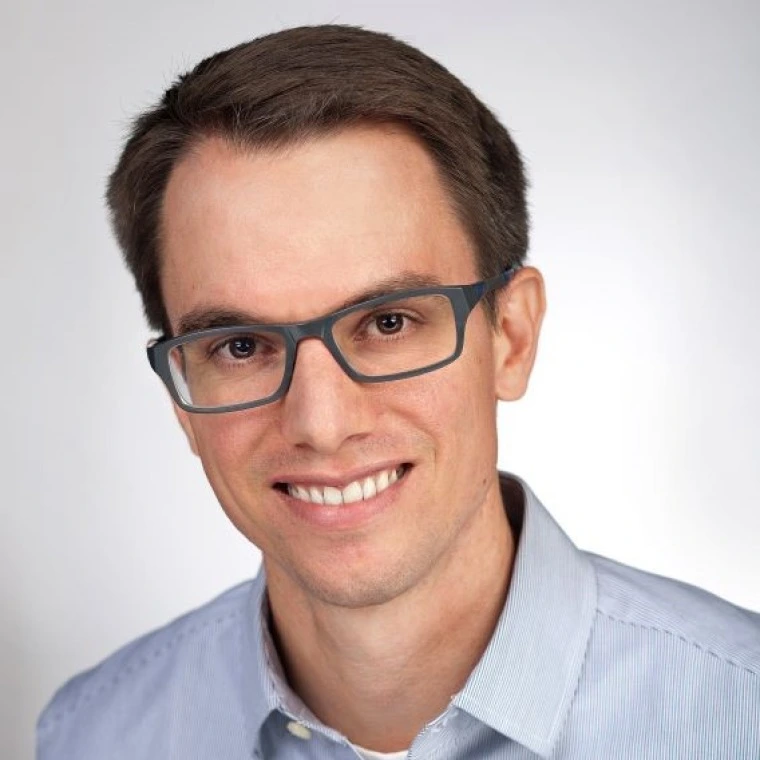
Robert Collins is an Associate Professor in Computer Science and Engineering, with a focus on computer vision and human motion analysis. His research spans topics such as human pose estimation, crowd dynamics, stability quantification, and 3D scene understanding. He has contributed extensively to tracking algorithms, motion modeling, and applications in biomechanics and surveillance. Notable projects include NSF-funded work on crowd analysis, partial body model fitting, and sensor network overlays. His recent publications address stability from video, alignment of pose sequences, and vanishing point detection. Research interests emphasize vision-based human motion analysis , tracking in complex scenarios , and 3D reconstruction . Trends in his work include leveraging mean-shift belief propagation , spatiotemporal models , and deep learning for applications in biomechanics, urban scenes, and rehabilitation engineering.
Ausaf Ahmed Farooqui is an Assistant Professor at Bilkent University, affiliated with both the Department of Psychology and the UMRAM (Sabancı Brain Research Center) in Ankara, Turkey. His research explores the neural and cognitive mechanisms enabling goal-directed behavior, conscious perception, and cognitive control. Education: PhD in Cognitive Neuroscience, University of Cambridge (2012) His work focuses on the frontal and parietal cortices, their role in fluid intelligence, and how these regions interact during task execution and introspection. Using neuroimaging and cognitive psychology methods, he investigates brain dynamics during conscious perception and learning. Recent publications highlight trends in cognitive neuroscience, particularly the relationship between hierarchical cognition and neural deactivation patterns. Scientific Awards: 2015 SAS Recognition Award (MRC UK) 2014 SAS Recognition Award (MRC UK) 2007–2010 Cambridge Scholarships 2004 Sorel Catherine Freymann Award
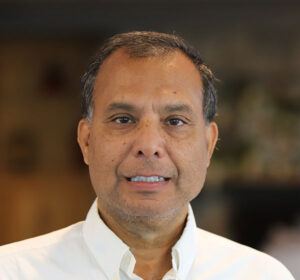
Mario Dipoppa is an Assistant Professor in the Department of Neurobiology at the University of California, Los Angeles. His research focuses on computational neuroscience, cortical adaptation, and neural circuit dynamics. Position: Assistant Professor, Neurobiology Email: mdipoppa@g.ucla.edu Research Interests: Mario's work explores how neural populations in the visual cortex adapt to sensory input, with a particular emphasis on the interplay between neural oscillations, synchrony, and cognitive functions like working memory. His recent studies investigate optimal coding strategies in visual adaptation, contextual modulation mechanisms, and the role of transcriptomic diversity in cortical interneuron function. Publications Trends: His research spans computational modeling of cortical networks, visual neuroscience, and neurogenetic analyses of brain circuits. Early work (2013-2016) focused on working memory mechanisms and neural oscillations, while recent studies (2022-2025) emphasize visual cortex adaptation, population coding, and cross-species circuit comparisons.
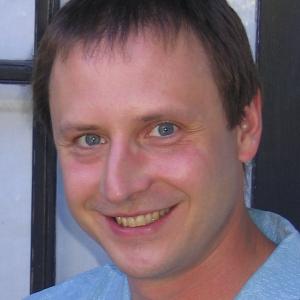
Dr. Enrico Opri is an Assistant Professor in the Department of Biomedical Engineering at the University of Michigan , where he directs the Opri Lab. His research focuses on engineering novel methodologies to automate and enhance clinical procedures in neuromodulation for neurological disorders such as Parkinson’s, Tourette syndrome, essential tremor, and epilepsy. Research Focus Neurophysiological activity in basal ganglia-thalamocortical circuits Therapeutic effects of neuromodulation (e.g., Deep Brain Stimulation, cortical stimulation mapping) Identification of neurological biomarkers for improved clinical procedures Advancements in closed-loop neurostimulation systems Article Trends Dr. Opri's recent publications emphasize closed-loop deep brain stimulation (DBS) systems, computational modeling of neural activity, and the identification of biomarkers for neurological disorders. Key subfields include Parkinson’s disease motor dynamics, Tourette syndrome tic detection, essential tremor treatment, and cortico-thalamic coupling mechanisms. His work bridges biomedical engineering and clinical neuroscience, focusing on translating technological innovations into therapeutic applications.
Ramana V Davuluri serves as Professor in the Department of Biomedical Informatics at Stony Brook University's Renaissance School of Medicine. With over 20 years of experience in bioinformatics and computational genomics, he leads research at the intersection of machine learning and cancer genomics, focusing on translating high-dimensional -omic data into clinically actionable insights through statistically rigorous methodologies. Dr. Davuluri's research spans Machine Learning applications in Cancer Data Science , isoform-level gene regulation , and precision-medicine development. His lab pioneers bioinformatics solutions for genomic data interpretation, with emphasis on developing machine learning algorithms that convert NextGen sequencing outputs into experimentally testable discovery models. A core focus involves creating rapid biomarker identification systems from human tissue and blood samples through integrated computational-experimental approaches in systems biology. Analysis of his 2023-2025 publications reveals a dominant trend toward genomic foundation models (e.g., DNABERT variants), multi-omic cancer subtyping , and time-dependent therapeutic strategies for pediatric brain tumors and ovarian cancer. His work consistently bridges computational innovation with biological validation across diverse cancer types including glioma, lung adenocarcinoma, and high-grade serous carcinoma. As Principal Investigator for multiple multi-investigator and multi-site projects, Dr. Davuluri directs research integrating high-throughput experimental procedures with advanced data-mining techniques. His laboratory maintains strong collaborations across oncology, neuroscience, and immunology domains while developing genomics-based decision support systems for clinical translation. The Davuluri Lab employs a systems biology framework to develop novel informatics tools for precision oncology, with particular emphasis on translating genomic discoveries into clinical applications through biomarker discovery and therapeutic strategy optimization.
Emma Colamarino is a Researcher at the Department of Computer, Control and Management Engineering "Antonio Ruberti" of Sapienza University of Rome. She holds an M.Sc. in Biomedical Engineering (2014, cum laude) and a Ph.D. in Bioengineering (2019). Since 2015, she has been a research collaborator at the Neuroelectrical Imaging and Brain-Computer Interfaces Lab of IRCCS Fondazione Santa Lucia in Rome and served as a Visiting Ph.D. student at Imperial College London (2018). From 2019 to March 2023, she was a Post-Doctoral Fellow at Sapienza University. Her research focuses on Advanced electroencephalographic (EEG) and electromyographic (EMG) signal processing Brain-Computer Interface (BCI) protocols for cerebral function recovery Machine learning in neurorehabilitation Hybrid BCIs integrating cortico-muscular networks Recent publications address stroke rehabilitation, BCI design, spectral graph theory, and EMG-EEG integration. Her work spans biomedical data analysis, neuroengineering, and rehabilitation technology validation. Scientific awards include multiple grants from Sapienza University and the Italian Ministry of Health, a Student Award at the 7th International BCI Meeting (2018), and recognition as a Subject Expert (2019). She has supervised/co-supervised 18 MD theses across Biomedical, Management, and Robotics Engineering disciplines.
Surjo R. Soekadar is the Einstein Professor of Clinical Neurotechnology at Charité – University Medicine Berlin. He leads the Clinical Neurotechnology Laboratory , which focuses on developing noninvasive neurotechnologies for treating neurological and psychiatric disorders through closed-loop brain stimulation and advanced brain-machine interfaces (BCI/BMI). His work integrates real-time EEG/MEG monitoring with electromagnetic stimulation to modulate pathological brain oscillations and enhance neuroplasticity in conditions like stroke, spinal cord injury, and psychiatric disorders. Education : Studied medicine in Mainz, Heidelberg, and Baltimore Clinical Training : Residency in Psychiatry and Psychotherapy at University of Tübingen Academic Journey : 2008-2011 Research Fellow at NINDS (USA); 2017 Venia Legendi at University of Tübingen; 2018 First Professor of Clinical Neurotechnology in Germany His research interests span: • Closed-loop neurostimulation combining real-time brain state monitoring with targeted intervention • Next-generation BCI using optically pumped magnetometers (OPM) for mobile MEG recordings • Neurorehabilitation through exoskeleton control and sensory feedback • Neurophysiological modeling of entropy measures and phase flows Recent publications highlight: • Adaptive deep brain stimulation protocols • Real-time phase-sensitive tACS applications • OPM-based BCI innovations • Stroke recovery mechanisms through corticospinal tract analysis Scientific recognition includes: International BCI Research Award BIOMAG Award NARSAD Young Investigator Award Funded by the European Research Council (ERC) , his lab trains doctoral students like David Haslacher (EEG/MEG integration), Khaled Nasr (multicoil TMS optimization), and Annalisa Colucci (entropy-driven BCI development). The team also explores quantum AI applications in clinical decision-making and bidirectional BCI systems using OPM and tES.
Maeva Dhaynaut is an Instructor in the Department of Radiology & Biomedical Imaging at Yale School of Medicine. Her academic appointment is within the Division of Bioimaging Sciences, focusing on positron emission tomography (PET) research and applications. Dr. Dhaynaut's research spans multiple areas of molecular and neuroimaging, with particular emphasis on: Development and application of PET radiotracers for neurological disorders Tau imaging in Alzheimer's disease and related neurodegenerative conditions Opioid receptor imaging and neuropsychiatric applications Quantitative imaging methods and kinetic modeling Novel radiopharmaceutical development for CNS targets Her recent publications demonstrate strong expertise in tau PET imaging with tracers like [18F]MK6240, with applications ranging from Alzheimer's disease to sports-related neurodegeneration in former football players. She has also made significant contributions to opioid receptor imaging and potassium channel imaging. Dr. Dhaynaut frequently employs advanced computational methods including diffusion models and Bayesian approaches for kinetic parameter estimation in dynamic PET imaging. Dr. Dhaynaut's collaborative research network includes prominent scientists such as Georges El Fakhri, Marc David Normandin, and Nicolas Guehl. Her work spans from basic radiopharmaceutical chemistry through preclinical validation to clinical applications, demonstrating a comprehensive translational research approach.
Geoffrey Goodhill is Professor of Neuroscience and Professor of Developmental Biology at Washington University School of Medicine, where he directs the Center for Theoretical & Computational Neuroscience. His laboratory bridges experimental and theoretical approaches to study brain development. Goodhill earned his BSc in Mathematics and Physics from the University of Bristol (1986), MSc in Artificial Intelligence from the University of Edinburgh (1988), and PhD in Cognitive Science from the University of Sussex (1992). His postdoctoral training included a Medical Research Council Fellowship and a Sloan Theoretical Neuroscience Fellowship at the Salk Institute. His research focuses on computational principles of brain development, particularly using larval zebrafish to investigate neural coding development, behavioral emergence, and alterations in Autism Spectrum Disorders. Key projects examine neural coding and spontaneous activity patterns zebrafish behavioral development autism-related circuit dysfunction calcium imaging analysis methods historical work on axon guidance mechanisms His recent publications show a clear trajectory from molecular gradient studies toward complex systems neuroscience using zebrafish models. Scientific recognition includes: Paxinos-Watson Prize (2012) Elspeth McLachlan Plenary Lecture (2019) Keynote at Computational Neuroscience Meeting (2020) Sloan Theoretical Neuroscience Fellowship (1995) The Goodhill Lab maintains an interdisciplinary team with backgrounds in biology, mathematics, physics and engineering. Current research analyzes human video data for early autism detection while continuing zebrafish neural circuit investigations. The lab has received consistent funding for its innovative approaches to developmental neuroscience questions.
Robert G. Holloway Jr., MD, MPH is Professor and Edward A. and Alma Vollertsen Rykenboer Chair of the Department of Neurology at the University of Rochester School of Medicine and Dentistry. He also holds joint appointments as Professor in the Center for Health and Technology and in the Department of Medicine, Palliative Care. Dr. Holloway has been on the faculty since 1993 and became Chair of the Department of Neurology in 2013. He is boarded in both Neurology and Palliative Medicine, reflecting his dual expertise in clinical neurology and end-of-life care. Dr. Holloway received his undergraduate degree from the University of Connecticut in 1985 and his medical degree from the University of Connecticut School of Medicine in 1989. He completed his neurology residency at the University of Rochester Medical Center (1990-1993) followed by health services research training (MPH) at the University of Rochester (1993-1996). Dr. Holloway's research program spans experimental therapeutics and outcomes research across multiple neurological domains. His work focuses on translating scientific advances into improved clinical care, with particular emphasis on neuropalliative care, stroke management, and Parkinson's disease. He leads the 'Experimental Therapeutics of Neurological Disease' program, which trains clinician-scientists to accelerate therapeutic development and improve access to emerging breakthroughs for neurological patients. His recent publications demonstrate an increasing focus on integrating palliative care principles into neurological practice, addressing communication strategies, ethical considerations, and healthcare policy impacts on neurological care. His extensive publication record, comprising over 200 manuscripts, reviews, and editorials, shows a clear evolution toward neuropalliative care integration, pandemic effects on neurological services, and health equity initiatives in neurological research. Recent work emphasizes practical approaches to symptom management, family support, and ethical decision-making in severe neurological illness. C. Miller Fisher Neuroscience Visionary Award, American Stroke Association Dr. Robert Joynt Kindness Award Junior Faculty Mentoring Award Alpha Omega Alpha Faculty Inductee (2011) Harry L. Segal Prize for Excellence in Third Year Teaching Best Doctors in America (2007-2012) Neurology Senior Faculty Teaching Award (2006) As department chair, Dr. Holloway oversees significant research initiatives including the 'Experimental Therapeutics of Neurological Disease' program and contributes to the NeuroNext clinical trials network. His mentorship has been recognized with the Junior Faculty Mentoring Award, and he has co-edited two influential books: 'Case Studies in Neuroscience' and 'Neuropalliative Care.' He has secured institutional awards supporting clinical trial research and career development for junior faculty. Dr. Holloway leads the Department of Neurology's comprehensive clinical, research, and educational missions with a focus on integrating cutting-edge therapeutics with compassionate, patient-centered approaches. His work bridges clinical neurology, palliative care, and health services research, creating an integrated model for neurological care that addresses both disease treatment and quality of life concerns across the spectrum of neurological illness.
Matthew Grilli is an Associate Professor in the Department of Psychology at the University of Arizona , where he directs the Clinical Program, Neuropsychology Minor, and Human Memory Lab. His research spans the neuropsychology and cognitive neuroscience of autobiographical memory, imagination, and cognitive aging, with a focus on disorders like amnesia and Alzheimer’s disease. His work investigates individual differences in autobiographical thought , the impact of aging on memory specificity, and innovative neuropsychological assessment methods. Recent publications highlight aging-related changes in memory dynamics, brain structure-function relationships, and real-world applications such as phishing vulnerability and bilingualism’s role in cognitive aging. Grilli’s research utilizes naturalistic observation and computational approaches (e.g., latent brain state analysis, large language models) to study memory coherence, emotional simulation, and intergenerational conversations. He is also involved in developing tools like the Phishing Email Suspicion Test (PEST) to assess cognitive mechanisms in aging populations. The Human Memory Lab under his direction explores memory’s intersection with well-being, identity, and brain health, employing multimodal methodologies to address both theoretical and applied questions in cognitive neuroscience.
Alexey Evgenievich Osadchiy is a Professor at the National Research University Higher School of Economics (HSE University), where he serves as Director of the Center for Bioelectric Interfaces at the Institute of Cognitive Neuroscience. He has been working at HSE since 2013 with 21 years of scientific and teaching experience. His academic appointments include Professor at the Faculty of Computer Science in the Department of Data Analysis and Artificial Intelligence. 2023 - Doctor of Science: National Research University Higher School of Economics 2003 - PhD: University of Southern California, specialty "Physical and Mathematical Sciences" and "Neurobiology" 1997 - Specialty: Bauman Moscow State Technical University, major in Autonomous Information and Control Systems Professor Osadchiy's research focuses on digital signal processing, magnetoencephalography (MEG), electroencephalography, inverse problems, synchronization, non-invasive detection, and brain mapping. His work bridges neuroscience, computer science, and medical applications, with particular emphasis on brain-computer interfaces, neurofeedback systems, and precision medicine applications for neurological disorders. He has pioneered methods for real-time brain activity monitoring and developed novel approaches for functional connectivity estimation in neural networks. His recent publications demonstrate a strong trend toward developing hardware-enabled low-latency systems for brain-state dependent stimulation, improving MEG technology with optically pumped magnetometers, and advancing speech mapping techniques for neurosurgical applications. His work increasingly integrates AI and deep learning approaches with traditional neuroimaging techniques to create more precise and accessible brain measurement and modulation systems. Scientific Awards and Recognition HSE University "Recognition - 10 Years of Successful Work" Medal (July 2025) Letter of Gratitude from the Higher School of Economics (September 2021) Letter of Gratitude from the Faculty of Computer Science at HSE (August 2018) Allowance for defending a doctoral dissertation (2023–2026) Bonuses for publications in international peer-reviewed journals (2015–2029) Professor Osadchiy has successfully advised numerous graduate students and doctoral candidates, with eight dissertation research projects currently under his supervision. His research has been supported by significant grants including a Russian Ministry of Education and Science contract for "System for registration and decoding of human brain bioelectric activity" (2014-2017), RFBR grants for "New non-invasive experimental-mathematical paradigm for preoperative magnetoencephalographic mapping of speech cortex" (14-02-00917, 16-04-01863), and projects on "Endogenous enhancement of brain-computer interface efficiency." As Director of the Center for Bioelectric Interfaces at the Institute of Cognitive Neuroscience, Professor Osadchiy leads a multidisciplinary team working on cutting-edge neurotechnology. His center collaborates with the Federal Brain and Neural Technology Centre at the Federal Medical and Biological Agency, where they established the Laboratory of Medical Neural Interfaces and Artificial Intelligence for Clinical Applications. The center is actively involved in developing brain-computer interfaces for rehabilitation, particularly for stroke patients and those with locomotor function disorders, and has created Russia's first neurointerface for controlling exoskeletons using imagined lower limb movements.
Vir V. Phoha is a distinguished Professor in the Department of Electrical Engineering and Computer Science at Syracuse University's College of Engineering and Computer Science. He holds multiple prestigious fellowships including AAAS, AAIA, IEEE, NAI, and SDPS, and was named an ACM Distinguished Scientist in 2008. Dr. Phoha's research spans across cybersecurity, machine learning, and biometrics. His work focuses on cutting across conventional disciplines to unify basic and common concepts, particularly in security (malignant systems, active authentication), machine learning (decision trees, statistical, and evolutionary methods), and computer networks (anomalies, optimization). He develops field-realizable defensive and offensive cyber-based systems using these methodologies. His recent publications reveal a strong focus on continuous authentication, biometric security, fake news detection, and adversarial challenges in cybersecurity. The research shows an evolution from traditional network security to more specialized areas like wearable device security, keystroke dynamics, and gait authentication. Scientific Awards: Fellow of AAAS, AAIA, IEEE, NAI, SDPS ACM Distinguished Scientist (2008) IEEE Computer Society Distinguished Visitor (2024-2026) ACM Distinguished Speaker (2012-2015) IEEE Region 1 Technological Innovation Award (2017) "Highest Impact Award" IEEE CVPR 2018 Workshop on Biometrics Dr. Phoha serves as an associate editor for the ACM journal, ACM Digital Threats: Research and Practice (DTRAP) , and as an associate editor of IEEE Transactions on Computational Social Systems (TCSS) . He has advised numerous students who have gone on to publish significant research in cybersecurity and biometrics. His work has been supported by grants from DARPA and NSF, including the development of the BB-MAS dataset which became one of IEEE DataPort's most popular datasets.
Farshad Moradi is a Professor at the Department of Electrical and Computer Engineering at Aarhus University, specializing in neuromorphic engineering, spintronics, and biomedical device design. His work focuses on integrating advanced materials and circuits for applications in neural interfaces, energy-efficient computing, and wireless biomedical systems. Research Interests include: Spintronic-based neuromorphic computing architectures Ultra-low power analog/mixed-signal integrated circuits Ultrasonically powered implantable medical devices Neural signal processing and seizure detection systems Wireless energy transfer and structural health monitoring Key Projects (2016-2026): SPICE: Spintronic-Photonic Integrated Circuit Platform PHOTON-NeuroCom: Photonic-assisted Neuromorphic Computing Neuro-Sense: Flexible bioinspired neuroprostheses CorroSense: Self-powered corrosion monitoring HERMES: Hybrid Enhanced Regenerative Medicine Systems Recent innovations include: Ultrasonically powered optogenetic implants Low-power neural amplifiers for deep-brain interfaces Spin-torque nano-oscillator-based neuromorphic hardware Energy harvesting systems for structural monitoring
Michael A. Silver is an Associate Professor in the School of Optometry and Vision Science at UC Berkeley, with affiliations in the Helen Wills Neuroscience Institute and the Department of Psychology. His research focuses on cognitive neuroscience, particularly the neurophysiological and neurochemical substrates of visual perception, attention, and learning. He leads the Silver Lab, which investigates topics such as visual attention mechanisms, perceptual learning, cholinergic pharmacology, and the effects of psychedelics on brain function. Silver holds a Ph.D. from UCSF and has been recognized with grants from the NIH, NSF, and private foundations. Education: B.S. Biological Sciences and Chemistry (Carnegie Mellon, 1991); Ph.D. Neuroscience (UCSF, 1999). Awards include the Howard Hughes Medical Institute Predoctoral Fellowship and Hellman Family Faculty Fund. He mentors graduate students and postdoctoral researchers in vision science and neuroscience. Research interests span visual neuroscience, including the impact of psychedelics (e.g., psilocybin) on neural substrates of perception and cognition. His lab collaborates with institutions like Stanford University and UC Irvine to explore therapeutic applications of psychedelics and age-related auditory decline. Key projects include cholinergic modulation of attention and perceptual learning, and functional subdivisions of the lateral geniculate nucleus. Recent articles highlight studies on attentional modulation of visual crowding, effects of psychedelics on predictive coding, and GABA levels in amblyopia. Silver teaches courses on visual cognitive neuroscience and supervises over 20 graduate students and postdocs. His grants total over $5M, supporting work on nicotine therapy for auditory decline and psychedelic science.