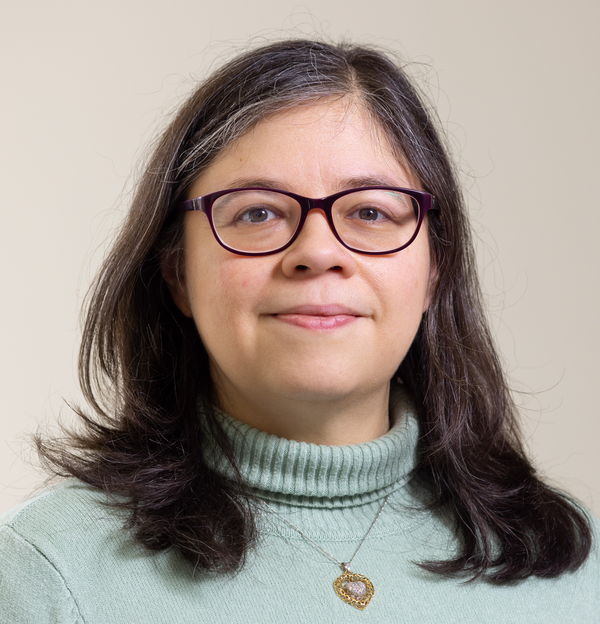
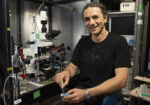
Dr. Sandra Diaz Pier is a Scientific Lead at the Jülich Supercomputing Centre (JSC) within the Jülich Research Centre , Germany. Specializing in computational neuroscience , high performance computing (HPC) , and machine learning , she bridges neuroscience and advanced computational methods through her research. Education: B.Sc. in Electronic Systems Engineering, Mexico M.Sc. in Computer Science (focus: machine learning, quantum computing), Mexico Second M.Sc. in Electrical Engineering, Ontario, Canada Ph.D. in Computer Science, Germany (2021) Her research focuses on modeling and simulating brain dynamics and plasticity at multiple scales, leveraging HPC to accelerate large-scale neural network simulations. She actively contributes to EU projects like the Human Brain Project (HBP) , Virtual Brain Cloud , and EBRAINS 2.0 , emphasizing infrastructure development and educational training. Her work includes open-source tools such as the NEST simulator , The Virtual Brain , and L2L , enabling efficient parameter exploration and multiscale co-simulation frameworks. The 15 most recent publications highlight her interdisciplinary approach, spanning topics from quantum computing in biomolecular simulations to neural plasticity algorithms and cloud-based brain modeling . These articles reflect her expertise in integrating machine learning , multi-scale simulation , and HPC infrastructure for neuroscience challenges, including seizure propagation, Parkinson’s disease progression, and swarm intelligence in spiking networks. She leads technical coordination in projects like EBRAINS and serves as a task leader in the HBP infrastructure work package , while also organizing workshops and hackathons for open-source tools. Her role involves supporting domain scientists through methodological research and workflow optimization for brain simulations.
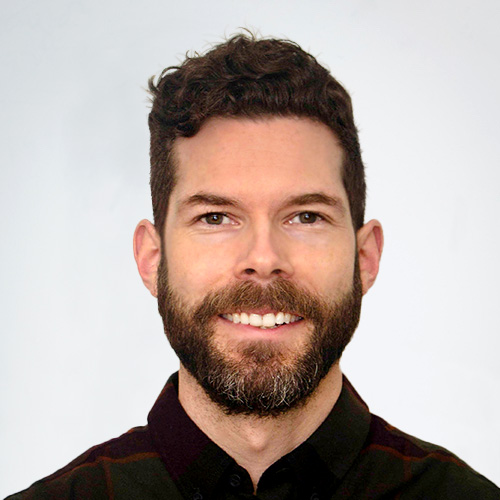
Avery Berman is an Assistant Professor in the Department of Physics at Carleton University and a Scientist at the University of Ottawa Institute of Mental Health Research (IMHR) at The Royal. His work focuses on advancing functional MRI (fMRI) techniques for high-resolution imaging of brain activity and physiology, with applications in neuroscience and mental health disorders. PhD in Biomedical Engineering and MSc in Medical Radiation Physics from McGill University Postdoctoral research at Harvard Medical School and the Martinos Center for Biomedical Imaging Research Interests include: High-resolution fMRI at 7 Tesla Biophysical modeling of vascular networks Quantitative biomarkers for oxygen metabolism PET-MRI hybrid imaging systems Neurovascular coupling in mental illness Scientific Awards include: NSERC Canada Graduate Scholarship (Master's) CIHR Canada Graduate Scholarship (Doctoral) CIHR Postdoctoral Fellowship (top 10/600 applicants) NSERC Postdoctoral Fellowship (top Physics section recipient) Research Funding from NSERC, CFI, and institutional support from Carleton University and IMHR. His lab develops the open-source BOLDsωimsuite software for fMRI signal modeling and collaborates with Canada-wide vascular training programs.
Abigail A Marsh is a Professor in the Department of Psychology and the Interdisciplinary Program in Neuroscience at Georgetown University. She co-directs the Interdisciplinary PhD Concentration in Cognitive Science and leads the Laboratory on Social & Affective Neuroscience, focusing on the neural and cognitive bases of empathy, altruism, and aggression. Her research spans neuroimaging, behavioral testing, and pharmacology in children and adults. Harvard University - Ph.D. (2004) and M.A. Dartmouth College - B.A. (1999) Her work explores the intersection of social neuroscience and moral psychology, particularly the "caring continuum" extremes (extraordinary altruism vs. psychopathy). Recent publications analyze global altruism trends, neural correlates of prosocial behavior, and psychopathy's relationship to brain structure and social discounting. She received the Cozzarelli Prize, Georgetown’s Dean’s Award for Teaching, and the Bunn Award for Faculty Excellence. Key themes in her research include: Neurocomputational models of altruism and antisocial behavior Impact of childhood trauma and amygdala function on psychopathy Cross-cultural and global behavioral studies Interventions targeting primal beliefs to enhance altruism Clinical applications for psychopathy treatment Scientific awards and grants: Cozzarelli Prize (PNAS) Dean’s Awards for Excellence in Teaching (Georgetown) Bunn Award for Faculty Excellence (Georgetown) NIH and NSF grants supporting student research in her lab Her lab has produced groundbreaking studies on extraordinary altruists (e.g., kidney donors) and psychopathy, including a Netflix documentary on altruism and co-founding the nonprofit Psychopathy Is to address research underfunding and stigma.
Prof. Dr. Antonella Di Pizio (born 1984) is an Associate Professor for Chemoinformatics and Protein Modelling at the Department of Molecular Life Sciences within the TUM School of Life Sciences at the Technical University of Munich. Since 2018, she has led the Molecular Modeling group at the Leibniz Institute of Food Systems Biology at TUM in Freising, Germany. Her academic journey includes a PhD in Pharmaceutical Sciences from the University of Chieti, Italy (2012), followed by research at Philipps University in Marburg, Germany, and a postdoc position at the Hebrew University of Jerusalem, Israel. Prof. Di Pizio's research focuses on computational approaches to understanding chemosensory G protein-coupled receptors (GPCRs), particularly taste and smell receptors. Her work combines molecular modeling, chemoinformatics, and structural bioinformatics to investigate the molecular basis of ligand recognition and activation mechanisms. Her group develops predictive models for screening and designing bioactive compounds relevant to food reformulation and therapeutic applications. Analysis of Prof. Di Pizio's publication record reveals a strong focus on bitter taste receptors, particularly TAS2R family members, and odorant receptors. Her research spans computational modeling of receptor-ligand interactions, development of predictive algorithms for taste compound identification, and investigation of the structural basis of chemosensory perception. Recent work demonstrates increasing integration of machine learning approaches with traditional molecular modeling techniques. Scientific Recognition: Leibniz Best Minds Programme for Women Professors (2022) Platinum Manfred Rothe Excellence Award in Flavor Research (2019) Bernardo Nobile doctorate award VIII Edition (2013) Keystone Symposia Future of Science Fund Fellowship (2017) Prof. Di Pizio serves on the editorial board of Frontiers in Molecular Biosciences and is a Working Group Leader and Management Committee member of the ERNEST Cost Action CA18133. She teaches courses including 'Modeling and simulations of Biological Macromolecules' and 'Drug and Protein Design' at TUM. Her Molecular Modeling group collaborates extensively with other research groups at the Leibniz-LSB@TUM on interdisciplinary projects focused on food systems biology. The Molecular Modeling group, established relatively recently at the institute, investigates food-relevant molecules and their interactions using computational tools including molecular docking, molecular dynamics simulations, pharmacophore modeling, QSAR, machine learning, and virtual screening. Their work aims to develop next-generation methodologies for food design that address current challenges in the food system.
Albert Cardona is a Research Leader at the Medical Research Council Laboratory of Molecular Biology since 2008. His work focuses on connectomics, particularly mapping the wiring diagram of the Drosophila larval brain to understand how neuronal circuits generate behavior. Research Focus: Connectomics, Synaptic Mapping, Neural Circuit Dynamics Model Organism: Drosophila (fruit fly) Techniques: Electron Microscopy, Genetic Manipulation, Computational Modeling His recent publications highlight advancements in whole-brain connectomic mapping, comparative synaptic connectivity analysis, and quantitative neuroanatomy. These works emphasize integrating structural data with functional studies to explain behavioral complexity. Group Members: Shaurya Agrawal Elizabeth Barsotti Jiaqi Chen Marc Corrales Daniel Franco Barranco Peter Hague Ana Jesus Correia Da Silva Shi Yan Lee Laura Lungu Samia Mohinta Scott Wilson Yijie Yin Jiale Zhai
Associate Professor Kai-Hsiang Chuang is a Principal Research Fellow at the School of Biomedical Sciences within the Faculty of Health, Medicine and Behavioural Sciences at the University of Queensland. He is also affiliated with the Queensland Brain Institute and the Centre for Advanced Imaging. His research focuses on understanding brain networks, developing advanced imaging techniques, and translating these findings to improve diagnosis and intervention for neurological disorders. Dr. Chuang received his Ph.D. in electrical and biomedical engineering from the National Taiwan University, Taiwan, in 2001. His doctoral research focused on improving the detection of brain activity using functional magnetic resonance imaging (fMRI). Ph.D. in Electrical and Biomedical Engineering, National Taiwan University (2001) Dr. Chuang's research spans multiple areas of brain imaging and neuroscience. His primary focus is on functional brain mapping , where he develops in vivo imaging techniques including functional MRI and multimodal integration with optogenetics, calcium imaging, and electrophysiology. He applies these techniques in both humans and animal models to improve understanding and intervention of brain function, disease processes, and treatment effects. Another key area is brain networks in learning, memory, and dementia . His work explores how brain network wiring and activity underpin cognition and behavior, with particular focus on understanding the causal relationship between brain network activity and memory formation. He develops techniques to modulate behavior by manipulating brain network activity. More recently, Dr. Chuang has expanded into brain waste clearance research, studying the brain's fluid drainage system that clears waste and toxic molecules like amyloid plaques. His lab is developing imaging techniques to track this system's function and understand its regulatory mechanisms, which could provide new treatment targets for dementia. Analysis of Dr. Chuang's recent publications reveals a strong focus on advancing functional MRI techniques for brain network analysis, particularly in rodent models. His work consistently bridges basic neuroscience with clinical applications, especially in understanding memory formation and dementia. A notable trend is the development of multimodal approaches that combine fMRI with optogenetics, calcium imaging, and electrophysiology to establish causal relationships in brain networks. His research increasingly addresses the translation of preclinical findings to human applications, with growing emphasis on Alzheimer's disease mechanisms and potential interventions. Dr. Chuang serves on the editorial boards of multiple prestigious journals including Frontiers in Neuroscience: Brain Imaging Methods , Imaging Neuroscience , and Scientific Reports , reflecting his standing in the field. Editorial Board Member, Frontiers in Neuroscience: Brain Imaging Methods Editorial Board Member, Imaging Neuroscience Editorial Board Member, Scientific Reports Dr. Chuang is actively involved in research supervision, currently serving as Principal Advisor for one PhD student working on "Developing imaging and neuro-technologies for decoding memory formation" and Associate Advisor for two other PhD projects. He has successfully completed supervision of three PhD students on topics related to resting-state networks, memory consolidation, and functional MRI. ARC Discovery Projects (2024-2028): "Decoding the brain network of memory formation" ARC Training Centre for Innovation in Biomedical Imaging Technology (2017-2024) NHMRC-NIH BRAIN Initiative Collaborative Research Grants (2016-2023) Universities Australia - Germany Joint Research Co-operation Scheme (2017-2018) Mater Medical Research Institute Limited grant for mindfulness-based cognitive therapy research (2017-2020) Dr. Chuang leads the Functional and Molecular Neuroimaging Group at the Queensland Brain Institute. His laboratory focuses on understanding the functional connectome of the brain and developing functional and molecular imaging techniques to study brain connectivity associated with behavior. The group has developed various MRI techniques to track neuronal connections, map large-scale brain synchrony, and quantify cerebral blood flow and metabolism in vivo. His research team collaborates extensively with other experts at UQ and internationally, including collaborations with Associate Professor Darryl Eyles, Professor Jürgen Götz, Professor Tianzi Jiang, Dr. Fatima Nasrallah, Professor Linda J. Richards, Professor Pankaj Sah, Professor Elizabeth Coulson, Dr. Patricio Opazo, Professor Feng Liu, and Professor Markus Barth.
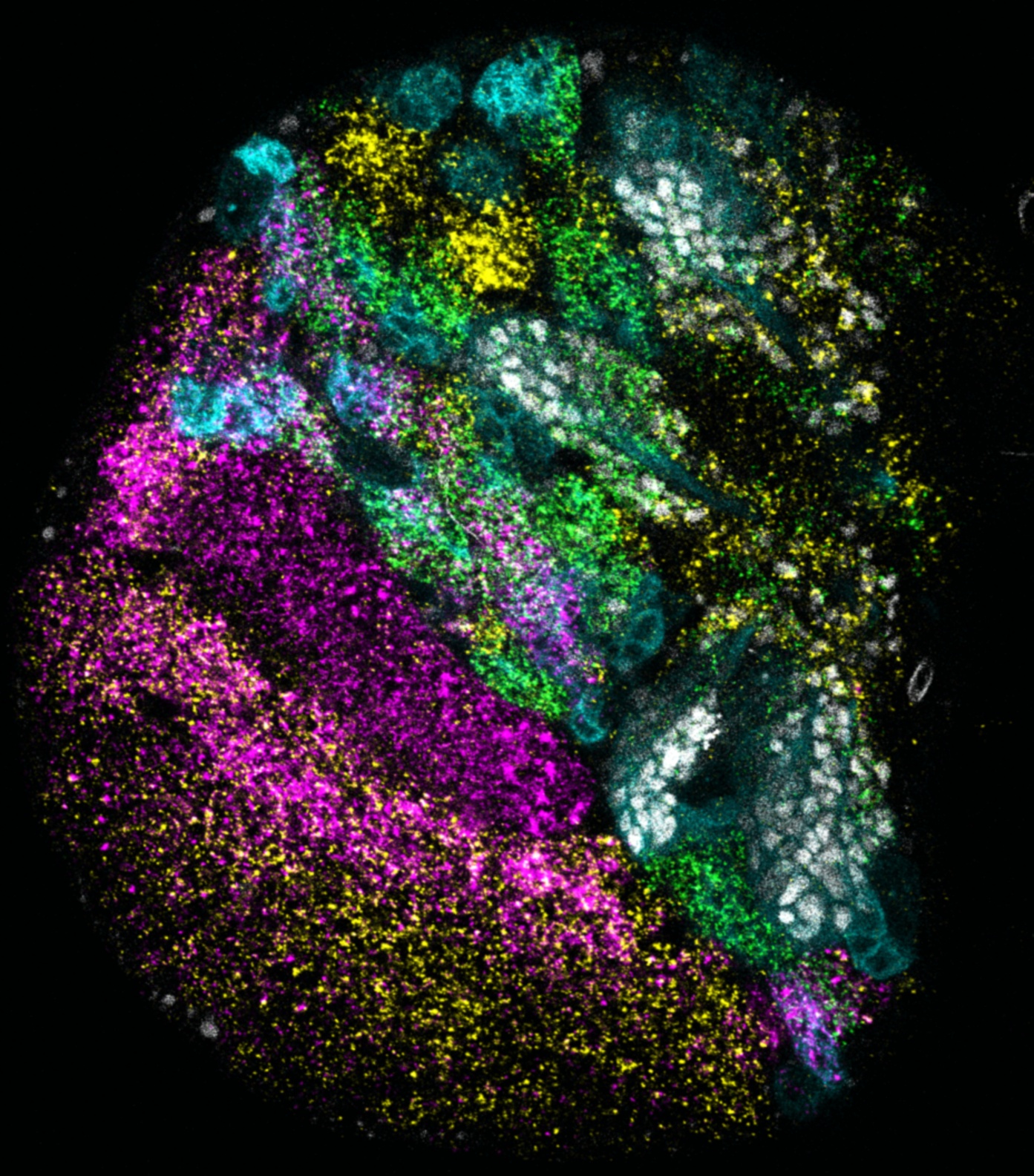
Dawen Cai, Ph.D., is an Associate Professor at the University of Michigan Medical School in the Department of Cell and Developmental Biology , with a secondary affiliation in the Biophysics Department under the College of Literature, Science, and the Arts (LS&A). He is also affiliated with the Neuroscience Graduate Program at the Medical School. His research focuses on integrating computational and experimental approaches to study neuronal subtype determination using scRNA-seq and in situ analysis. His research explores the intersection of RNA biology, neuroscience, and bioinformatics. He develops tools for multispectral imaging and lineage tracing to decode neural development and connectivity in Drosophila and mammalian models. His work combines single-cell transcriptomics with advanced microscopy to identify marker genes and model neuronal architecture. The articles reflect a strong interdisciplinary focus on neuroscience and biomedical imaging. Recent publications highlight innovations in 3D imaging technologies, image compression algorithms, and machine learning applications for medical image segmentation. These works emphasize scalable solutions for high-resolution data analysis, advancing tools for neurophysiology, and leveraging RNA sequencing to map neural development. No scientific awards were explicitly mentioned in the text. Dawen Cai actively recruits PhD students and postdoctoral fellows for the Cai Lab, prioritizing candidates with wet-lab skills, bioinformatics expertise, and experience in quantitative image processing. His lab emphasizes training in interdisciplinary research, paper/grant writing, and critical thinking.
Professor Naomi Allen is a Professor in Epidemiology at the University of Oxford, based in the Clinical Trial Service Unit and Epidemiological Studies Unit (CTSU). She joined UK Biobank as Senior Epidemiologist in 2011 and became Chief Scientist in 2019, where she oversees participant follow-up through linkage with routine health-related datasets and web-based questionnaires. She plays a key role in developing the scientific strategy for future enhancements of the UK Biobank study, one of the world's largest prospective cohort studies with half a million participants. Professor Allen's research program centers on the role of diet, obesity, and circulating biomarkers in cancer development. As co-Principal Investigator of the Endogenous Hormones, Nutritional Biomarkers and Prostate Cancer Collaborative Group, she leads international pooled analyses of biomarker-prostate cancer relationships. Her work spans epidemiology, oncology, metabolic disorders, and biomarker research, with particular emphasis on investigating how obesity causes cancer through metabolomics approaches. Her recent publications demonstrate extensive utilization of the UK Biobank resource across diverse health domains. Analysis of her 15 most recent articles reveals strong focus areas in cancer biomarker discovery, metabolic syndrome and dementia risk, cardiovascular disease mechanisms, ophthalmological conditions, and innovative data linkage methodologies. The publications collectively showcase how large-scale biobank resources enable cross-disciplinary research to uncover novel disease associations and biological pathways. Professor Allen's leadership as Chief Scientist of UK Biobank positions her at the forefront of population health research. While specific awards aren't detailed in available information, her work has garnered significant attention with multiple publications being picked up by numerous news outlets, blogged about, and widely shared across social media platforms, indicating substantial scientific impact. Through her role at UK Biobank, Professor Allen supports thousands of researchers worldwide by maintaining and enhancing this critical resource. Her strategic vision ensures continued scientific value through innovative data collection methods, advanced analytical approaches, and strategic partnerships that maximize the study's utility for discovery and translation research across multiple disease areas.
Joy Hirsch is a Professor of Psychiatry, Comparative Medicine, and Neuroscience at the Yale School of Medicine. She directs the Brain Function Laboratory, which focuses on the neural mechanisms of social interactions using functional near-infrared spectroscopy (fNIRS). Her work bridges single-brain and multi-brain neuroimaging to explore dynamic social behaviors under natural conditions. Education: PhD, Columbia University (1977) MA, Portland State University (1970) BS, University of Oregon (1967) Research Interests: Dr. Hirsch investigates the 'neuroscience of two,' emphasizing cross-brain neural synchrony and the 'interactive brain hypothesis.' Her lab develops multimodal technologies to study face-to-face interactions, focusing on conflict, cooperation, nonverbal cues, and social anxiety. Key themes include autism research, emotional contagion, and the impact of virtual communication on brain activity. Scientific Trends: Her recent articles highlight applications of fNIRS in psychiatric disorders, machine learning for neural diagnostics, and comparative studies of in-person vs. virtual interactions. Collaborations span interdisciplinary domains, including cognitive modeling, neuroimaging, and behavioral analysis. Scientific Awards: George Gamow Science Award (2009) Leah M Lowenstein Teaching Award (1990) Advising and Grants: Dr. Hirsch mentors students in social neuroscience and neuroimaging. She leads clinical trials, including Neural Mechanisms for Social Interactions and Eye Contact in ASD (HIC ID 1512016895), with primary completion in 2026. Lab and Teams: The Brain Function Laboratory, established at Yale in 2013, continues her legacy from Columbia's fMRI Research Center. The lab explores ecological validity in social neuroscience using head-mounted cameras, physiological sensors, and multimodal data synchronization.
Dr Neil Bailey is a Senior Research Fellow at the Australian National University's School of Medicine and Psychology, leading innovative research at the intersection of neuroscience, psychology, and mental health. His work focuses on understanding how mental health can be improved through various interventions, particularly mindfulness practices and brain stimulation techniques. Dr Bailey's research interests include: Investigating how mindfulness meditation affects brain activity, cognition, and mental health outcomes Developing novel treatments for depression, obsessive-compulsive disorder, and schizophrenia Applying non-invasive brain stimulation techniques like rTMS and tACS for mental health conditions Using machine learning and EEG to predict treatment responses for depression Exploring psychedelic-assisted psychotherapy for mental health conditions His recent publications reveal a strong focus on EEG-based research, particularly examining neural connectivity patterns, developing advanced data processing pipelines like RELAX, and investigating the neural mechanisms underlying mindfulness meditation. Dr Bailey's work consistently bridges theoretical neuroscience with practical clinical applications, aiming to enhance treatment efficacy for various mental health conditions. Dr Bailey leads multiple research projects including ASSESS (studying psychedelic medicines), EMPACT (evaluating psychedelic-assisted psychotherapy for depression), and several TACS-related projects for depression and OCD treatment. He also serves as Head of Data Science at the Monarch Mental Health Group, applying his expertise in data analysis to real-world mental health challenges.
Rachel Loewy is a Professor in the Department of Psychiatry at the University of California, San Francisco (UCSF) School of Medicine. She is affiliated with the UCSF Weill Institute for Neurosciences and maintains a clinical profile and lab profile at UCSF. Education: PhD (2005) in Clinical Psychology, University of California, Los Angeles MA (1999) in Clinical Psychology, University of Pennsylvania BA (1997) in Psychology, Emory University Her research focuses on early identification and intervention in schizophrenia , including risk factors for psychosis, prodromal psychosis screening, and novel interventions for early psychosis. Current work emphasizes implementing evidence-based practices for early psychosis intervention in community settings through the EPI-CAL network. Recent publications address topics like brain age gaps, neuroimaging biomarkers, and digital mental health tools in early psychosis care. Grants and roles include NIH R01MH120555 (Co-Investigator), NIH R01MH102063 (Principal Investigator), NIH K23MH086618 (Principal Investigator), and NIH T32MH018261 (Co-Principal Investigator). Collaborations span institutions like UC Davis, UCLA, and UCSD.
Remco Westerink is Associate Professor at Utrecht University's Faculty of Veterinary Medicine and head of the Neurotoxicology Research Group at the Institute for Risk Assessment Sciences (IRAS). His work focuses on cellular and molecular mechanisms of neurotoxicants in food, drugs, and environmental pollutants. Expertise Areas: In vitro toxicology, developmental neurotoxicology, neuropharmacology, microplastics, risk assessment of chemicals Techniques: Multi-electrode arrays, calcium imaging, PC12 cell models, human iPSC-derived neurons Research explores how pollutants like pesticides, flame retardants, and microplastics affect brain development, function, and degeneration through key projects including EU-funded initiatives (TUBE, ENDpoiNTs) and national collaborations. Recent articles highlight his team's work on neurotoxic effects of: Microplastics crossing blood-brain barrier Bisphenols and PFAS disrupting neuronal networks Insecticides altering calcium signaling Organophosphate flame retardants (TCP) linked to aerotoxic syndrome Designer drugs affecting neurotransmission Scientific Contributions: Editorial Board: NeuroToxicology , Toxicology in Vitro Keynote Speaker: 1st International Congress on Global Environmental Contamination (2014) Invited Talks: International Neurotoxicology Association meetings (2012-2017) Westerink leads research into advanced in vitro models to replace animal testing, including development of 48-well microelectrode array platforms and collaborations with Mimetas and RIVM for organ-on-a-chip technology.
Lars Grasedyck is a Professor of Numerical Analysis at RWTH Aachen University. His research focuses on hierarchical matrices, tensor approximation, and numerical methods for partial differential equations and matrix equations. He has contributed to applications in biomedical engineering, particularly EEG/MEG inverse problems, and is involved in software development (HLIB, HLIB-pro). Education: Diploma and Ph.D. in Mathematics at Christian-Albrechts-Universität zu Kiel (1998, 2001), Postdoctoral work at Max Planck Institute, Leipzig (2002-2010). Research: Specializes in high-dimensional numerical methods, low-rank matrices, and tensors with applications in PDEs, uncertainty quantification, and biomedical modeling. Projects: Leads DFG-funded initiatives on adaptive tensor networks for parametric PDEs and tumor progression modeling. Advising: Supervises doctoral students including Thong Le, Maren Klever, and Dieter Moser. Software: Developed HLib and HLib-pro for hierarchical matrix computations. Conferences: Active in GAMM Fachausschuss Numerische Analysis, organizing workshops and symposia globally.
Zeray Alemseged is a Professor in the Department of Organismal Biology and Anatomy at the University of Chicago . He is a paleoanthropologist specializing in human evolution, particularly the origin and diversification of early hominins in the Mio-Pliocene and their ecological context. Education: B.Sc. in Geology (Addis Ababa University, 1990), M.Sc. in Paleontology (University of Montpellier II, 1994), Ph.D. in Paleoanthropology (University of Paris VI/National Museum of Natural History, 1998) His research focuses on: Phylogenetic relationships among early hominins Environmental and ecological drivers of human evolution Application of imaging and visualization techniques to fossil analysis Study of non-human primates (Cercopithecidae) in hominin sites His recent work explores cranial and dental morphology trends in Plio-Pleistocene hominins, isotopic dietary analysis, and the thoracolumbar transition in Australopithecus afarensis . Articles highlight his contributions to understanding brain growth patterns, enamel thickness, and the role of digital imaging in non-destructive fossil studies. Scientific Recognition: Donald N. Pritzker Professorship (2018) Emerging Explorer, National Geographic Society (2004) Fellow, AAAS (2013) and California Academy of Sciences (2011) Full Scholarship, Centre National des Oeuvres Universitaires (1993-1998) Zeray leads the Alemseged Lab , which combines fieldwork in East Africa (Dikika, Mille-Logya) with virtual paleoanthropology and digital imaging. He was appointed Chair of the Sub-Saharan Africa Faculty Working Group at UChicago in 2025, emphasizing his role in academic engagement with African institutions.
Prof. Dr. Alexander Dityatev is a Group Leader at the German Center for Neurodegenerative Diseases (DZNE) in Magdeburg, Germany, where he leads research on the extracellular matrix (ECM) in brain function. His work establishes critical connections between ECM dynamics and neural processes including synaptic plasticity, learning, and memory formation. Dr. Dityatev's research focuses on: ECM regulation of voltage-dependent L-type Ca2+ channels, NMDA receptors, and Ca2+-dependent K+ channels ECM changes in aging brains, depression, dementia, and schizophrenia models Matrix metalloproteinases (ADAMTS4/5, MMP-9) and their regulation by dopaminergic/serotonergic systems Development of ECM-targeted therapies for neurodegenerative and psychiatric disorders His laboratory employs advanced techniques including in vivo 2-photon microscopy, AAV-based fluorescent probes, and virtual environment systems to investigate neural network dynamics and quadripartite synapses. Dr. Dityatev advocates for combined therapeutic approaches that integrate ECM targeting with cognitive training for advanced neurodegenerative conditions. His publication record demonstrates consistent contributions to understanding the dual role of ECM as both a promoter of structural/functional plasticity and a stabilizer of neural microcircuits - aspects critically important for mental health and neurological function. Dr. Dityatev's research has significant translational implications for treating Alzheimer's disease, frontotemporal dementia, tauopathies, vascular dementia, epilepsy, and depression through novel ECM-modulating strategies.