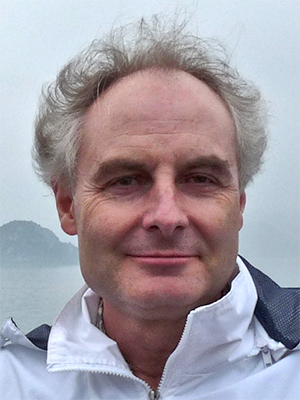
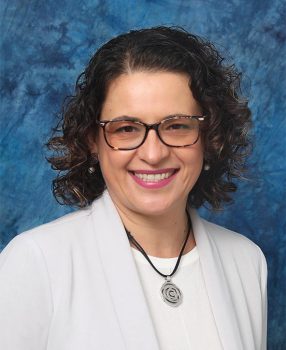
Henri Tiedge, PhD , is a Professor at the Department of Physiology and Pharmacology within SUNY Downstate Medical Center . His research focuses on regulatory brain cytoplasmic (BC) RNAs , particularly their role in translational control mechanisms at neuronal synapses and their implications in neurological disorders and tumor biology . Institutional Affiliation: SUNY Downstate Medical Center (College of Medicine, Physiology and Pharmacology) Academic Rank: Professor Research Domains: RNA Biology, Synaptic Plasticity, Neurodegeneration, Oncology Dr. Tiedge investigates how BC1 and BC200 RNAs regulate local protein synthesis in dendrites through interactions with eukaryotic initiation factors (eIF4A/B) . His work demonstrates that BC RNA dysregulation leads to neuronal hyperexcitability , epileptogenesis , and cognitive dysfunction , with therapeutic applications in neuropsychiatric lupus using RNA decoys. He also explores BC RNA expression in germ cells and tumors , aiming to develop diagnostic/prognostic tools for cancer. Key publications include studies on RNA transport via hnRNP A2 and Purα , autoantibody-induced RNA displacement , and cross-talk between BC RNAs and FMRP in fragile X syndrome. His work has been supported by NIH grants NS046769 and DA026110 .
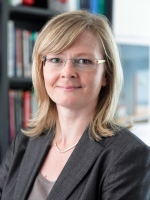
Prof. Dr. Katja Fiehler holds the W3 Professorship for Experimental Psychology ("Perception & Action") at Giessen University since March 2020. She previously served as W2 Professor (2016-2020) and Heisenberg-Professor (2011-2016) at the same institution. Her research focuses on sensorimotor integration, tactile perception, and spatial cognition in naturalistic environments, particularly through virtual reality applications. Current roles: Speaker of Cluster Project "The Adaptive Mind" Leadership: Speaker of DFG IRTG-1901 "The Brain in Action" Member of directorate: DFG SFB/TRR-135 "Cardinal mechanisms of perception" Directorate member: Bender Institute for Neuroimaging (BION) Katja's research spans tactile suppression during action, spatial memory coding, and multimodal perception. Her team investigates how sensorimotor predictions modulate sensory processing, how aging affects motor-sensory integration, and the neural basis of allocentric/egocentric spatial representations. Recent publications show strong focus on virtual reality experiments, sensorimotor recalibration, and inter-effector coordination. Key themes include tactile perception modulation by movement demands, spatial cognition in naturalistic environments, and cross-modal metacognition. She leads the "Team Perception and Action" at Giessen University, which includes researchers like Dr. Belkis Ezgi Arikan, Dr. Tom Nissens, and Dr. Meaghan McManus. Her lab develops tools like vexptoolbox for VR-based human behavior studies.
Anxo Vidal Figueroa is an Associate Professor of Physiology at the University of Santiago de Compostela, where he has been a permanent faculty member since 2008. He is affiliated with the Faculty of Medicine and Dentistry, Department of Physiology, and is part of the Center for Research in Molecular Medicine and Chronic Diseases (CIMUS). Vidal leads the "MeMoEn" (Molecular Mechanisms of Disease) research group and previously contributed to the "FIFAEC" (Physiology and Pharmacology of Chronic Diseases) group. His academic journey began with a PhD in Cell Biology from the University of Santiago de Compostela in 1997, where he completed his thesis "Functional analysis of prothymosin alpha in cell cultures" under the supervision of Dr. Fernando Domínguez Puente and Dr. M. Clara Alvarez Villamarin. From 1998 to 2003, he pursued postdoctoral research at Memorial Sloan-Kettering Cancer Center in New York, working in the Laboratory of Cell Cycle Regulation under Dr. Andrew Koff. Vidal's research program focuses on understanding the molecular mechanisms of cancer development and progression, with particular emphasis on cell cycle regulation, tumor suppressor biology, and stem cell dynamics. His laboratory employs genetically modified mouse models to investigate how cell cycle regulators control cancer initiation, tissue homeostasis, and aging processes. In recent years, his work has expanded into nanomedicine and novel therapeutic strategies for advanced cancers, particularly through nanocarrier systems and immunotherapy approaches. Analysis of his recent publications reveals a strong trend toward translational cancer research, with increasing focus on nanomedicine applications (2022-2025). His work spans molecular mechanisms of tumor suppressors, cancer stem cell biology, and the development of innovative therapeutic tools including nanoengineered drug delivery systems, silver clusters as antitumoral agents, and immunotherapeutic approaches for pancreatic and ovarian cancers. 2006 Novartis Award in Endocrine Tumor Pathology Ranked #2 nationwide in Physiology for the Spanish "Ramon y Cajal" Program (2002) As a principal investigator, Vidal has secured competitive national and international research grants, including a Retos Colaboración grant with SunRock Biopharma and current grants for immunotherapy against ovarian cancer. He has supervised 16 PhD theses and mentored numerous researchers throughout his career. His laboratory, the Cell Cycle and Oncology group at CIMUS, focuses on five main research areas: mechanisms of p27Kip1 regulation, cooperative functions of cell cycle regulators, cell cycle-independent roles of CDK inhibitors in stem cell biology, molecular relationships between reprogramming and cancer, and development of new therapeutic tools in advanced cancer.
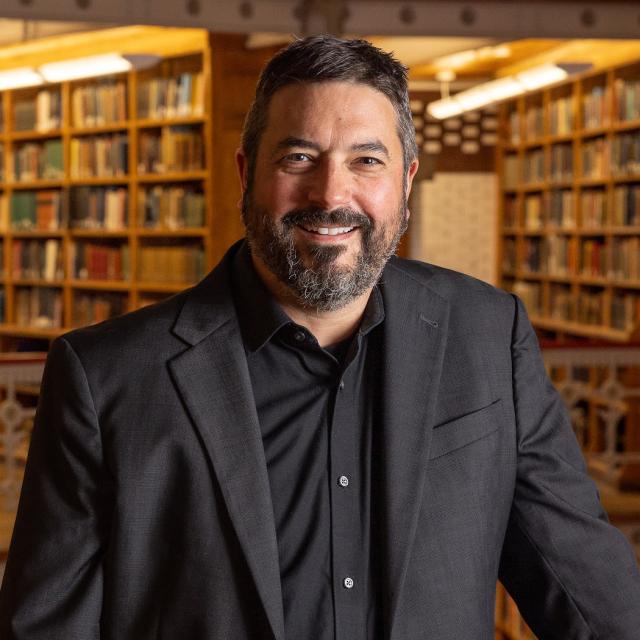
Dr. Richard J. Addante is a Research Fellow in Neuroscience with expertise in cognitive neuroscience, neuroimaging, and memory research. He earned a BA in Psychology from The College of New Jersey and a PhD in Neuroscience at UC Davis as a Diversity Fellow of the American Psychological Association, followed by a Post-doctoral Fellowship in Neuroimaging at UT-Southwestern Medical School. Currently, he is an NIH Loan Repayment Program (LRP) Fellow. Education: BA in Psychology (The College of New Jersey), PhD in Neuroscience (UC Davis) His research focuses on implicit memory, recognition processes, and neural oscillations, particularly theta waves. He uses electrophysiological methods (ERPs, EEG) and neuroimaging to study metacognition, semantic priming, and hippocampal contributions to memory. His work often involves developing automated pipelines for cognitive data analysis. Dr. Addante has received notable fellowships, including the American Psychological Association Diversity Fellowship and the NIH LRP Fellowship. His network includes collaborations with researchers from institutions like Stanford University, UC Berkeley, UC Davis, and UT-Southwestern Medical School.
Francisco Garre Frutos is a researcher affiliated with the Mind, Brain and Behavior Research Center at the University of Granada , specializing in cognitive psychology and behavioral neuroscience. His work focuses on attentional mechanisms, reward systems, and habit formation. He holds a Degree in Physical Activity and Sports Sciences and is currently pursuing predoctoral research under Spain's Law 14/2011 FPU contract. Current institution: University of Granada School: College of Health Sciences Academic rank: Researcher Research interests include: Attentional capture and distractor processing Pavlovian-to-instrumental transfer (PIT) Value-driven cognitive biases Automaticity vs. controlled processing Impulsivity and motivational control Experimental validation of habit measures His recent publications (2021-2025) investigate the interplay between reward, attention, and cognitive control, with particular emphasis on: Learned attentional biases Extinction of reward-related associations Reliability of value-modulated attention effects Inhibition of return mechanisms Time pressure effects on habit measurement Motivational control in distraction tasks Currently no scientific awards or student advising information is available.
Dr. Xiaolin Zhou serves as the Director of the Center for Brain and Cognitive Sciences and Chair of the Department of Psychology at Peking University in Beijing, China, holding dual leadership roles that underscore his prominence in cognitive neuroscience and academic administration. His educational trajectory includes: Bachelor's degree from East China Normal University Ph.D. in Psychology of Language from the University of Cambridge (awarded 1992) Zhou's research spans cognitive neuroscience with emphases on language processing, emotion regulation, attentional mechanisms, and social cognition. His methodological approach integrates neuroimaging (fMRI, ERP) and behavioral paradigms to investigate neural substrates of cognition, particularly examining clinical populations with chronic pain, Parkinson's disease, and aggression disorders. His work bridges theoretical cognitive models with clinical applications. Analysis of recent publications reveals a cohesive interdisciplinary framework where language processing intersects with social decision-making and clinical neuroscience. His team consistently employs multimodal neuroimaging to dissect how reward systems modulate emotional responses and how cortical networks adapt in pathological conditions, establishing China as a significant contributor to global cognitive neuroscience. Editorial leadership includes Specialty Chief Editor for Psychology of Language at Frontiers in Psychology and Associate Editor for Cognitive Neuroscience at Frontiers in Human Neuroscience, reflecting his influence in shaping scholarly discourse. As Director of the Center for Brain and Cognitive Sciences, Zhou oversees a multidisciplinary research ecosystem integrating psychology, neuroscience, and clinical applications, fostering collaborations that advance China's cognitive neuroscience infrastructure through cutting-edge brain imaging and behavioral research facilities.
Dr. Xin Zhan is an Affiliated Lecturer at the Department of Social Anthropology, University of Cambridge. Her research bridges anthropological frameworks with health sciences, focusing on maternal-fetal interactions, nutritional epidemiology of BRCA-related cancers, and neurodevelopmental impacts of inflammation. Department of Social Anthropology Email: xz434@cam.ac.uk Her publications (2006–2024) explore: Maternal gut microbiome effects on fetal neurodevelopment Vitamin D/calcium supplementation in high-risk breast cancer Precision medicine approaches to inflammation-depression links Genetic polymorphisms in DNA repair and cancer progression Current work emphasizes cross-disciplinary collaboration between anthropology and biomedical sciences.
Ismael Martínez Guardado is a faculty member at the School of Life and Nature Sciences, Universidad Nebrija, specializing in Physical Education and Sport. His research focuses on neuromuscular adaptations, hypoxia training, nutritional interventions, and cognitive-motor interactions. Education: PhD in Physical Education and Sport, Universidad de Extremadura (2019). His work bridges exercise physiology with metabolic health, examining: Muscle performance under hypoxic conditions Nutritional modulation of the gut-brain axis Acute fatigue effects on cognitive-motor function Technology impacts on childhood neurodevelopment Article trends emphasize hypoxia training, neuromuscular interventions, and dietary strategies for chronic disease management. He leads the BRABE Research Group (BRAIN & BEHAVIOUR) , integrating interdisciplinary approaches to athlete health and cognitive performance.
R. Michael Burger is a Professor in the Department of Biological Sciences at Lehigh University and serves as the Associate Dean for Research and Graduate Programs in the College of Arts and Sciences. His research focuses on auditory neuroscience, particularly how the brain processes sensory information through precise neural circuits. Education Ph.D. in Zoology (Neurobiology) from the University of Texas at Austin (2000) B.A. in Psychology and Anthropology from Ithaca College (1993) Dr. Burger's research investigates cellular, synaptic, and systems-level integration in auditory processing, with NIH-funded projects on sound localization and cholinergic modulation. He has edited books on neuromodulatory functions and serves on editorial boards of leading journals. Recent publications highlight his work on dopamine and cholinergic influences in auditory pathways, developmental synaptic plasticity, and computational auditory neuroscience. Grants include NIH R01 and R15 awards. Scientific Awards Fellow, Alexander von Humboldt Foundation Dr. Burger teaches behavioral neuroscience courses and contributes to graduate committee work, otolaryngology research, and grant review panels. He co-developed the HearMyCl app for cochlear implant simulations with Susan Perry and Brook Sawyer.
Dr Wei-Ju Chang is an Honorary Lecturer in the School of Health Sciences, College of Health, Medicine and Wellbeing at the University of Newcastle , Australia. He also serves as a visiting Postdoctoral Fellow at Neuroscience Research Australia (NeuRA) and maintains an active clinical role as an APA-titled Musculoskeletal Physiotherapist in private practice in Sydney. Education Doctor of Philosophy, Western Sydney University Master of Orthopaedics, Sports & Manual Physiotherapy, University of South Australia Research Focus Dr Chang’s research integrates advanced neurophysiological techniques to investigate the transition from acute to chronic musculoskeletal pain. His work explores cortical and spinal neuroplasticity, quantitative sensory testing, and the therapeutic potential of non-invasive brain stimulation—particularly repetitive transcranial magnetic stimulation (rTMS) and transcranial direct current stimulation (tDCS)—for conditions such as knee osteoarthritis and low back pain. A complementary line of inquiry examines EEG-based biomarkers, including peak alpha frequency, as predictors and modulators of pain outcomes. Publication Trends Across more than 50 peer-reviewed outputs since 2015, Dr Chang’s articles cluster in three dominant themes: (1) systematic reviews and meta-analyses that synthesize evidence on neuromodulation and quantitative sensory testing; (2) longitudinal cohort studies that identify neurobiological predictors of chronic pain; and (3) interventional pilot RCTs that test adjunctive brain stimulation combined with exercise therapy. His 2024–2025 publications emphasize individualized pain prediction, prophylactic neuromodulation, and mechanistic TMS-EEG studies. Grant Support & Collaborations 2023 : University of Newcastle Pilot Funding Scheme (AUD $4,883) – Lead CI on mechanisms of rTMS-induced analgesia. 2022 : NHMRC Postgraduate Scholarship (AUD $105,437) – Lead CI on neurobiological transition to chronic low back pain. 2022 : CHMW Strategic Research Pilot Grant (AUD $9,783) – Co-I investigating brain biomarkers for chronic postsurgical pain. 2021 : ANZMUSC Seed Funding (AUD $20,000) – Lead CI combining rTMS with exercise in knee osteoarthritis. 2019 : Physiotherapy Research Foundation Seeding Grant (AUD $9,511) – Lead CI exploring neuroplastic mechanisms of quadriceps weakness post-TKR. Laboratory & Team Affiliations Dr Chang is affiliated with the Neuroplasticity and Pain Research Group at the University of Newcastle, led by Prof Siobhan Schabrun. Through NeuRA he collaborates on multimodal imaging and neurophysiology projects, leveraging state-of-the-art TMS-EEG and MR-compatible stimulation platforms.
Professor Paul W. Hodges is an NHMRC Leadership Fellow (Level 3) and Professor at The University of Queensland's School of Health and Rehabilitation Sciences, Faculty of Health, Medicine and Behavioural Sciences. He serves as Director of the Centre for Innovation in Pain and Health Research (CIPHeR). NHMRC Leadership Fellow (Level 3) Director, CIPHeR International Collaborator (Universities of Adelaide, South Australia) Research Focus : Integrating molecular biology, brain physiology, and human function to understand pain mechanisms and movement control. His work spans: Pain Mechanism Discrimination Neuromuscular Adaptation Pelvic Floor & Continence Low Back Pain Rehabilitation Musculoskeletal Imaging Article Trends : Recent publications demonstrate expertise in: Ultrasound Imaging for Pelvic Floor Assessment Pain Phenotyping & Biomarker Development Neuroinflammatory Mechanisms in Chronic Pain Exercise Physiology for Spine Health Sex-Based Pain Differences Scientific Awards : 5× ISSLS Prize Winner (Basic/Co-Clinical Science) 2010 Susanne Klein-Vogelbach Award 2009 Delsys Prize 2011 NHMRC Achievement Award Leadership : Chairs international task forces for IASP and ISEK. Leads NHMRC Synergy Grant with Australian/US collaborators.
Robert E. Rosenthal, MD, is a Professor of Emergency Medicine and Anesthesiology at the University of Maryland, Baltimore. He holds administrative appointments as Assistant Provost for Research Compliance and Chair of the Institutional Review Board, overseeing ethical review for 2,000+ human research protocols. Clinically, he directs the Hyperbaric Medicine program at the R Adams Cowley Shock Trauma Center, managing emergent cases like carbon monoxide poisoning and decompression sickness. Education: Yale University, BA Chemistry (1975) New York University School of Medicine, MD (1979) George Washington University, Residency in Internal Medicine (1979–1982) Research Focus: Dr. Rosenthal investigates neuroprotection after cardiac arrest, developing large-animal models to study ischemia-reperfusion injury. His work demonstrates hyperoxia's detrimental effects post-resuscitation and pioneers oximetry-guided oxygen titration protocols. Additional research explores hypobaria's impact on traumatic brain injury and hyperbaric oxygen therapy. Publication Trends: His 15 most recent articles (1987–2010) focus on oxidative stress, mitochondrial dysfunction, and neuroprotective strategies in cerebral ischemia. Key themes include hyperoxia/hypoxia balance, metabolic rescue agents (e.g., acetyl-L-carnitine), and hyperbaric oxygen applications. Grants: US Air Force FA8650-15-2-6D21 (2014–2017): Co-Investigator studying hypobaria effects on brain injury after polytrauma NIH R01 NS091099-01A1 (2015–2020): Co-PI investigating optimal oxygenation and gene expression post-cardiac arrest Clinical & Collaborations: Leads a 24/7 hyperbaric medicine team at Shock Trauma and collaborates extensively with Dr. Gary Fiskum on ischemia-reperfusion mechanisms.
Andrea De Vizcaya Ruiz is a Professor in the Department of Environmental and Occupational Health at the University of California, Irvine (UCI) School of Public Health . She is Graduate Program Director for Environmental Health Sciences and leads research at key centers including the Center for Occupational and Environmental Health (COEH) , Air Pollution Health Effects Lab (APHEL) , and AirUCI Atmospheric Integrated Research Unit . Her expertise spans environmental toxicology, nanotoxicology, and air pollution health impacts , with a focus on particulate matter (PM), microplastics, and nanomaterials. Educational Background: Bachelor's in Veterinary Medicine, National Autonomous University of Mexico (UNAM) Doctorate in Toxicology, University of Surrey, UK Research Interests center on toxic effects of environmental pollutants , including: Health impacts of particulate matter (PM2.5/PM10) Toxicokinetics of nanomaterials Oxidative stress and inflammation mechanisms Health equity in environmental exposure Neurotoxic and cardiorespiratory effects Biomarker development for toxicity assessment Recent Publications highlight her work on PM-induced nephrotoxicity, nanoparticle neurotoxicity, and synergies between urban pollutants and metabolic stressors . Her studies frequently employ in vitro and in vivo models to dissect toxicity pathways. Scientific Awards: 2011 Young Investigator Award, Society of Toxicology, USA 2015 1st place BioNanoTechnology Award, Cinvestav and Neolpharma Inc., Mexico City Student Mentorship includes advising PhD and MSc students like Aidee Solorio Rodriguez and Josefina Poblano Bata, with their work presented at international conferences including the International Nanotoxicology Congress and IUTOX Trainee Awards. Labs & Collaborations: She actively collaborates with research groups in Mexico, the Netherlands, Canada, and the US, integrating toxicology, aerosol science, and public health to address evolving biotechnology challenges. Her advisory roles for the Mexican Ministry of Health and Environment further demonstrate her policy impact.
Dr. Eleonore Beurel is an Associate Professor in the Department of Psychiatry and Behavioral Sciences at the University of Miami Miller School of Medicine, with a joint appointment in Biochemistry and Molecular Biology. She earned her Ph.D. from the University of Pierre and Marie Curie in Paris (2005) and completed postdoctoral training at the University of Alabama at Birmingham before joining the University of Miami in 2011. Education Ph.D. in Biology (2005) M.S. in Physiology (2001) B.S. in Physiology (2000) Her research focuses on the intersection of neuroinflammation, immune system regulation, and mood disorders. Key projects include investigating how Th17 cells mediate stress-induced depression, the role of GSK3 in inflammatory signaling, and the gut microbiome's influence on depressive behavior. She has pioneered therapeutic approaches targeting GSK3 and TLR4 pathways. Recent publications highlight her work on stress-immune interactions (2020-2024), with a particular emphasis on Th17 cell dynamics, microbiota signaling, and blood-brain barrier integrity in depression. Her lab employs multidisciplinary methods spanning molecular biology, immunology, and behavioral neuroscience. Scientific Awards NARSAD Young Investigator Award (2008) NIH K99/R00 Pathway to Independence Award (2010) Society of Biological Psychiatry Chairman's Choice Award (2014) ADAA Career Development Leadership Program Expedition Inspiration Fund for Breast Cancer Research Dr. Beurel actively trains students in scientific rigor, experimental design, and grantsmanship. Her lab explores novel interventions like (+)-naloxone and IL-10 to modulate neuroinflammatory pathways.
Prof. Dr. Katja Dörschner Boyaci is a Professor at Justus-Liebig-Universität Gießen , Faculty of Psychology and Sports Science, leading the Perception & Active Exploration Group . Her research focuses on understanding how the human brain constructs rich perceptual experiences from sensory input, particularly in the perception of material properties like softness, glossiness, and roughness. Research Interests: Computational and neural mechanisms of material perception Integration of visual and haptic information Expectation-driven modulation of perception Neuroimaging (fMRI, EEG) and psychophysical approaches Virtual reality and computational modeling Her work combines psychophysics , neuroimaging , and computational modeling to explore how humans judge material properties from static and dynamic images, and how prior experiences shape these perceptions. Scientific Contributions: Published extensively on material perception, with recent papers in Nature Human Behaviour , Journal of Neuroscience , and Vision Research . Leads the collaborative B8 project on integrating experience and sensory information in material perception. Collaborations & Funding: Co-leads the B8 project with Prof. Hüseyin Boyaci, funded to investigate neural mechanisms of expectation-based perception. Employs interdisciplinary methods including EEG, fMRI, VR, and behavioral experiments. Laboratory & Team: The Perception & Active Exploration Group at Giessen University studies how humans perceive intrinsic object qualities through active exploration and sensory integration, with implications for product design, computer graphics, and robotics.