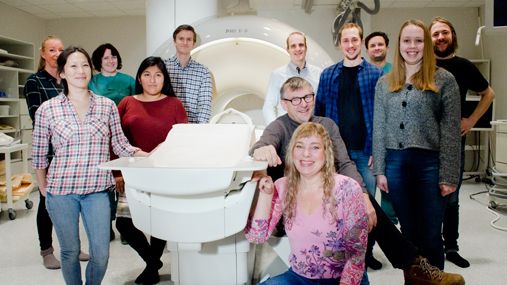
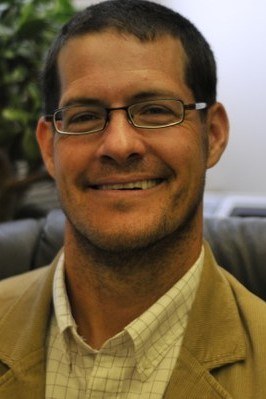
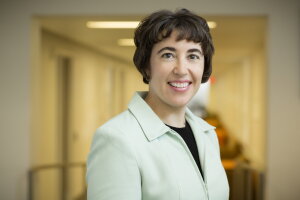
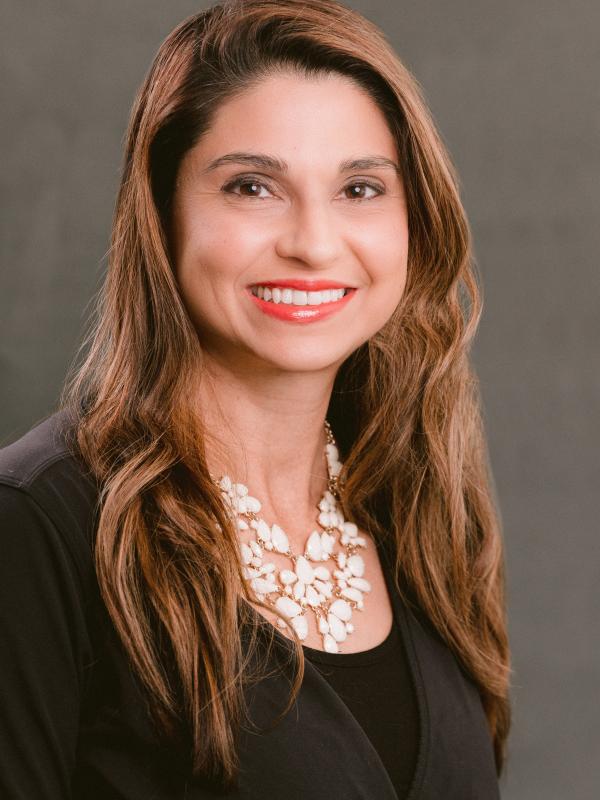
Tor Endestad is an Associate Professor in Cognitive Psychology at the University of Oslo, specializing in Cognitive Neuroscience and Brain Imaging Methodology. He leads the Endestad Brain Imaging Group (EBIG) and serves as Head of the fMRI Laboratory at the Center for the Study of Human Cognition. His research focuses on visual information processing, attention, memory control mechanisms, and motor responses to conflicting stimuli. International collaborations with University of Regensburg (Germany) and University of California, Berkeley (USA) Key research areas: source memory, constructive perception, neural oscillations, and music-brain interactions Recent publications span topics like auditory stream encoding, musical sensibility genetics, and neuroimaging techniques. His work integrates fMRI, EEG, and fNIRS methodologies across cognitive and clinical domains. EBIG members include postdoctoral fellows and researchers from psychology, medicine, computer science, and linguistics disciplines. The group participates in UiO:Life Sciences initiatives.
Dr. Jonathan Cheng is Professor of Plastic Surgery and Chief of Pediatric Hand, Peripheral Nerve, and Microvascular Surgery at UT Southwestern Medical Center and Children's Medical Center in Dallas. He is a fellowship-trained hand surgeon with a clinical and research focus on brachial plexus repair, peripheral nerve reconstruction, and microsurgical techniques. University: UT Southwestern Medical Center School: School of Medicine Department: Department of Plastic Surgery Academic Rank: Professor Dr. Cheng earned his MD from Baylor College of Medicine, completed residency in Plastic Surgery at Medical College of Wisconsin, and advanced fellowship training in hand and microvascular surgery at Washington University in St. Louis. He also holds a bachelor's degree in Chemical Physics from Rice University. His research interests center on peripheral nerve regeneration, neural interfacing for prosthetic control, and bioelectronic medicines. He leads the Peripheral Nerve Lab at UT Southwestern and mentors Ph.D. candidates in the Biomedical Engineering Program. His work bridges clinical challenges with translational innovation, particularly in developing AI-driven neuroprosthetics and long-gap nerve repair strategies. The recent articles reflect a strong trend in neuroengineering, AI-based motor intent decoding, and high-resolution neural interfacing. His publications span clinical hand surgery, diagnostic imaging, and advanced neural prosthetics, indicating a multidisciplinary research profile focused on restoring function in nerve injuries and amputations. Dr. Cheng is a Fellow of the American College of Surgeons and a member of the American Society for Surgery of the Hand. He has received competitive funding from public and private organizations for his translational research. He actively mentors Ph.D. students and conducts clinical trials and preclinical studies in chronic neural interfacing. His lab develops implantable systems for neural recording and stimulation, with applications in prosthetics and autonomic modulation. He collaborates extensively with engineers and radiologists. Dr. Cheng leads the peripheral nerve and brachial plexus team clinic at Children's Health Children’s Medical Center Dallas. His lab performs mechanistic studies on nerve regeneration and develops bioelectronic implants for systemic disease modulation.
James W. Lewis is a Professor and Vice-Chair for Education at the West Virginia University School of Medicine, holding dual appointments in the Department of Neuroscience and the Rockefeller Neuroscience Institute. His research focuses on understanding how the human brain processes auditory information, particularly in relation to multisensory integration and natural sound recognition. PhD, California Institute of Technology Dr. Lewis's research explores the neural mechanisms underlying auditory object perception, with particular interest in how the brain categorizes and processes different types of natural sounds. His work employs functional magnetic resonance imaging (fMRI) to investigate cortical networks responsible for recognizing sounds produced by humans, animals, mechanical devices, and environmental sources. He has made significant contributions to understanding the fourfold cortical dissociation for representing different categories of action sounds, demonstrating how distinct brain regions process human, animal, mechanical, and environmental sounds. His recent publications reveal a consistent focus on auditory neuroscience with increasing attention to clinical applications in autism spectrum disorder and medical education innovation. A notable trend is his exploration of how high-level perceptual attributes like concreteness, effectuality, and spatial scale influence cortical processing of natural sounds, advancing models of grounded cognition for acoustic knowledge representation. Dr. Lewis leads a research program utilizing 3 Tesla functional magnetic resonance imaging at the Center for Advanced Imaging at WVU. His lab employs a full-scale simulation-MRI scanner to train children for neuroimaging studies, particularly those with autism spectrum disorder. The team investigates how the brain processes auditory information in both typical development and neurodevelopmental conditions, with findings having implications for biologically inspired hearing aid algorithms.
Theresa Rienmüller serves as Assistant Professor at the Institute of Biomechanics, Graz University of Technology (TU Graz), Austria since March 2025, following prior appointments at TU Graz's Institute of Health Care Engineering (2019-2025) and research roles at UMIT and TU Graz dating back to 2008. Her academic foundation includes a Ph.D. in Technical Sciences from UMIT (2013) and an M.Sc. in Telematics from TU Graz (2008). Her research integrates computational modeling with experimental biology to address complex physiological challenges, focusing on bioelectronic neural stimulation , cardiovascular dynamics , and tissue engineering . She pioneers the application of organic semiconductors for light-controlled neuromodulation and cardiac excitation, developing innovative solutions for traumatic brain injury recovery and regenerative medicine. Her methodology uniquely combines in vitro cell experiments with in silico system theory models to simulate physiological processes. Recent publications (2021-2025) reveal a dominant trend toward organic bioelectronics for neural/cardiac applications, with significant contributions in microfluidic diagnostics , cancer bioelectricity modeling , and AI-driven medical imaging . Her work consistently bridges fundamental biophysics with translational medical device development, emphasizing precision control of biological systems through engineered interfaces. As Co-PI of the Austrian Science Fund (FWF) project “LOGOS-TBI” (2019-2024), she advanced light-controlled implants for brain injury regeneration, and currently leads the “Microfluidic Platform” project (2024-2026) for point-of-care diagnostics. These grants reflect her leadership in securing competitive funding for interdisciplinary biomedical engineering research, with ongoing collaborations spanning Harvard University, European medical device centers, and clinical partners. Dr. Rienmüller maintains active research partnerships through TU Graz's Institute of Biomechanics, leveraging shared facilities for organic semiconductor fabrication , electrophysiology , and computational modeling . Her international network includes the Beth Israel Deaconess Medical Center (Harvard) and LAAS-CNRS in France, facilitating cross-border innovation in bioelectronic medicine and diagnostic technologies.
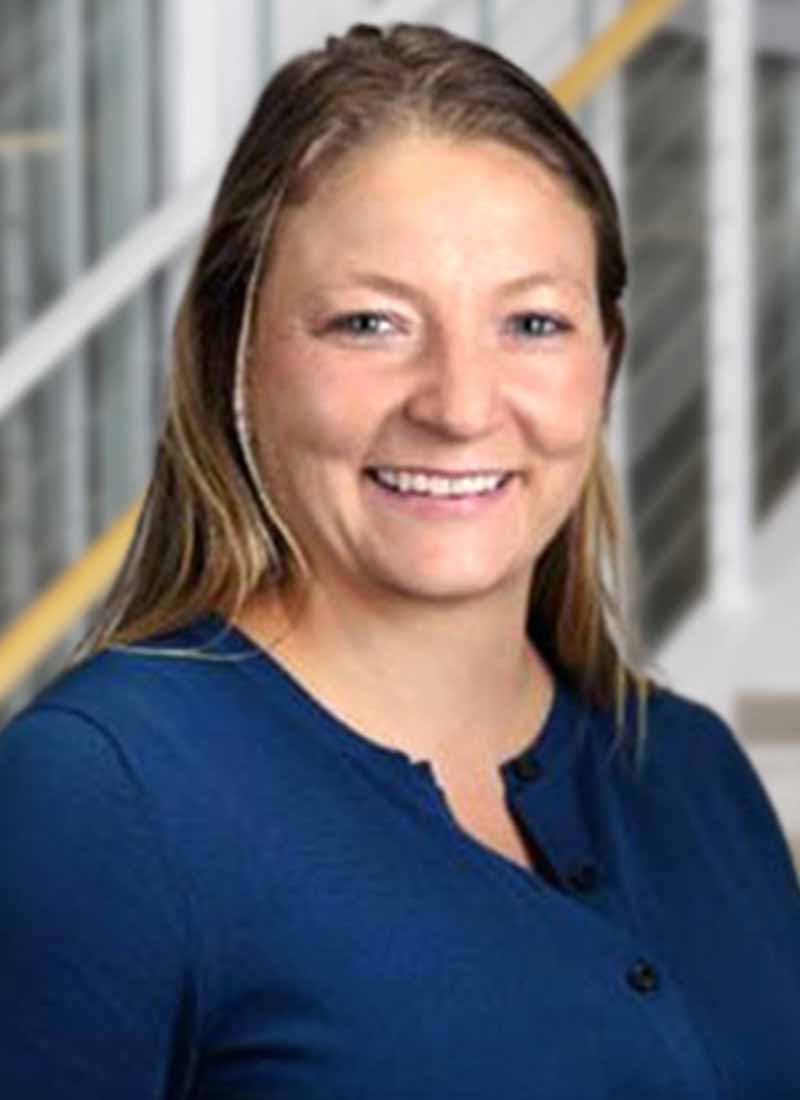
Jessica Gill is a Bloomberg Distinguished Professor at Johns Hopkins University with primary appointments in the School of Nursing and School of Medicine, Department of Neurology. A national leader in traumatic brain injury (TBI) research, she investigates biological mechanisms and biomarkers to identify patients at high risk for poor recovery and long-term effects including PTSD, depression, and post-concussive syndrome across military personnel, athletes, and civilian populations. Education: PhD, Johns Hopkins University School of Nursing Her research integrates neurology, neurobiology, and military/veteran health to develop targeted interventions for TBI. Specializing in biomarker discovery, she examines genetic, sleep, and mental health factors influencing differential recovery trajectories, with significant implications for clinical practice and military health policy. Scientific Awards: 2020: Research Excellence Award for TBI Biomarkers, Military Health Systems Research Symposium (MHSRS) 2020: Office of Director Award-NIH 2019: Center for Neuroscience and Regenerative Medicine, Outstanding Senior Investigator 2018: NIH CC Directors Award for concussion research 2017: Fellow, American Academy of Nursing 2016: Johns Hopkins Distinguished Alumnus Award 2015: Linfield College Alumni Lifetime Achievement Award 2014: National Academies of Science Kavli Frontiers Science Fellow 2014: NIH Distinguished Post-Baccalaureate Mentor Award 2013: Presidential Early Career Award for Scientists and Engineers (PECASE) 2012: Lasker Clinical Research Scholar at NIH 2007: Johns Hopkins Outstanding Dissertation Award Dr. Gill secured the prestigious Lasker Clinical Research Scholar Award (NIH's highest research grant) as the first nurse recipient, demonstrating exceptional grant leadership. Her mentorship excellence was recognized with the NIH Distinguished Post-Baccalaureate Mentor Award. She directs the PRECEDE Biomarkers Laboratory and maintains affiliations with the Center for Equity in Aging and Center for Neuroscience and Regenerative Medicine.
Dr. Sumru Bayin leads a research group at the Cambridge Stem Cell Institute and is affiliated with the Gurdon Institute. She investigates molecular mechanisms governing neural stem cell behaviors and age-dependent regenerative capacity in the brain, focusing on neonatal cerebellar repair and adult brain regeneration limitations. PhD in Stem Cell Biology from NYU Langone School of Medicine Postdoctoral training at Memorial Sloan Kettering Cancer Centre Her research explores lineage plasticity in neural progenitors using genetically engineered mouse models, single-cell genomics, and injury models. Key projects address developmental signals for regeneration, adult stem cell characterization, and inhibitory mechanisms in mature brains. Her work has implications for autism spectrum disorder risk factors linked to cerebellar hypoplasia. Recent publications highlight cerebellar repair mechanisms (2021 Science Advances), Purkinje neuron regeneration (2018 eLife), and glioblastoma stem cell signaling pathways (2017 Oncotarget). Her lab's findings emphasize epigenetic silencing and developmental signal loss in adult regeneration failure. Wellcome Career Development Award (2023) NIH Pathway to Independence Award (K99/R00) Leading Edge Fellow (2020) Sloan Kettering Postdoctoral Award Dr. Bayin supervises PhD students Niamh Divers and Giada Vanacore, MPhil student Jens Bager Christensen, and collaborates with Research Associate Niamh Divers. Her lab's work spans developmental biology, regenerative medicine, and neuro-oncology applications.
Thomas M. Scalea is The Honorable Francis X. Kelly Distinguished Professor of Trauma Surgery at the University of Maryland, where he serves as Director of the Program in Trauma and Physician-in-Chief of the R Adams Cowley Shock Trauma Center. He also holds the role of System Chief for Critical Care Services across the University of Maryland Medical System's 18 ICUs. Dr. Scalea earned his BA from the University of Virginia (1974), MD from Medical College of Virginia (1978), completed residency in General Surgery at Upstate Medical Center (1983), and a Critical Care/Trauma fellowship at New York Medical College (1984). His research focuses on advancing trauma surgery, critical care protocols, and resuscitation science. Key interests include damage control surgery, hemorrhagic shock management, and military/civilian trauma system integration. His recent work emphasizes predictive analytics in trauma resuscitation and innovative surgical techniques. Dr. Scalea's publications predominantly explore trauma system optimization, critical care innovations, and evidence-based surgical protocols, with consistent themes of hemorrhage control and resuscitation efficiency. Scientific Awards: NIAF Award (2010) Lifetime Achievement Award in Trauma Resuscitation Science (2011) He leads the Program in Trauma and founded CSTARS, training over 4,000 military personnel. His clinical work includes 600+ annual operations and oversight of a 300-bed critical care network. No specific grants or student advisees are detailed in the source text.
Katja Kuehlmeyer is a Senior Researcher at the Institute of Ethics, History and Theory of Medicine of Ludwig-Maximilians-University Munich . She specializes in translational bioethics , focusing on health care ethics, clinical ethics, and research ethics with an emphasis on moral challenges and ethical decision-making in complex situations . She co-founded the network Qualitative Research in Medicine and Public Health to support early-career researchers and contributes to teaching qualitative research methods at medical faculties. Institution: Institute of Ethics, History and Theory of Medicine, LMU Munich Role: Vice-Director, Senior Researcher Contact: katja.kuehlmeyer@med.uni-muenchen.de Her research spans qualitative studies on end-of-life decision-making, disorders of consciousness, and ethical implications of neurodiagnostics. Recent work addresses cross-cultural ethical challenges, pandemic triage protocols, and caregiver experiences during collective hunger strikes. Publications demonstrate a commitment to bridging empirical research with normative ethics. Notable collaborations include projects on migrant healthcare , post-traumatic stress disorder , and functional neurodiagnostics . She has contributed to systematic reviews on late recovery from vegetative states and stakeholder engagement in health research.
Professor Tomas Ryan is a faculty member affiliated with the Trinity Institute of Neurosciences and the Department of Biochemistry at Trinity College Dublin . His research focuses on the molecular and cellular mechanisms underlying memory engram formation, synaptic plasticity, and cognitive neuroscience. He is a leading expert in memory encoding and retrieval, with significant contributions to understanding neuroplasticity in health and disease. Trinity College Dublin Fellow (2022) Scialog Fellow (2022-2024) Lister Institute Research Prize (2021) CIFAR-Azrieli Global Scholar (2021-2024) Ryan’s research spans engram cell connectivity, immune modulation of memory, and forgetting as adaptive plasticity. His work integrates molecular biology, behavioral neuroscience, and neuroimaging to explore memory dynamics in physiological and pathological contexts. Recent studies examine how immune activation and head trauma affect engram plasticity. His laboratory, the Trinity Institute of Neurosciences (TCIN) , fosters interdisciplinary research bridging molecular mechanisms and cognitive functions. Collaborations include institutions across Europe and North America, supported by grants like the ERC Starting Grant and President of Ireland Young Researcher Award .
Kuldeep Kumar is a Professor at Bond University's Centre for Data Analytics and Bond Business School, where he has taught since 1993 following positions at the Indian Institute of Management and National University of Singapore. He holds a PhD in Statistics from the University of Kent (1986) and maintains prestigious credentials as a Chartered Statistician, Chartered Scientist, and Fellow of the Royal Statistical Society. His research focuses on applied statistical modeling with emphasis on: Time series forecasting and recursive partitioning techniques Financial applications including bankruptcy prediction and fraud detection Healthcare analytics for breast cancer detection and trauma care Forensic accounting using Benford's Law Ethics in higher education Recent publications (2023-2025) demonstrate strong interdisciplinary focus, with 60% in healthcare informatics (ICU mortality prediction, TBI management) and 40% in economic criminology/education. This reflects his dual specialization in medical analytics and financial forensics. Awards and Honors: Teaching Excellence Awards (1998, 2002) Commonwealth Scholarship & Bond-Oxford Fellowship Chartered Scientist designation (Science Council) Excellence in Research Award (2006) International Statistical Institute's Young Statistician Award Supervision includes 6 PhD completions in recent years, with current students working on financial fraud detection and surf hazard modeling. He maintains international collaborations as Visiting Professor at Taiwan's AI-Econ Centre and Affiliate Professor at CENTRUM Católica Peru.
David Schena is an Assistant Professor in the Department of Psychology at Eastern Illinois University, specializing in autism spectrum disorders and neurodiverse transitions to adulthood. His research emphasizes skill development in self-advocacy, financial literacy, and daily living for autistic individuals. Education: Ph.D. in Applied Psychology and Prevention Science, University of Massachusetts Lowell (2023) M.S. in Applied Behavior Analysis, University of Massachusetts Lowell (2022) B.S. in Brain and Behavioral Science, Purdue University (2019) Research Focus: Dr. Schena's work centers on evidence-based interventions for neurodiverse populations, prioritizing participant perspectives in research design. His methodology integrates behavioral analysis with community-based participatory approaches to address gaps in adult transition support systems. Publication Trends: Recent publications (2020-2023) consistently address autism spectrum disorders through behavioral lenses, with recurring themes in adult transition challenges, self-advocacy training, and life-skills coaching. Collaborative work with Dr. Amy Hillier dominates his output, appearing in specialized journals like Journal of Applied Behavior Analysis and Advances in Autism , reflecting strong ties to clinical behavior analysis communities. Professional Engagement: Active in American Psychological Association Divisions 25 (Behavior Analysis) and 33 (Intellectual and Developmental Disabilities), plus the Association for Behavior Analysis International, demonstrating commitment to translating research into practical behavioral interventions.
Frank Hillary is a Professor of Psychology at Pennsylvania State University, serving as Interim Co-Director of Clinical Training and Director of SARI. His research examines neural adaptation following brain injury and disease using advanced neuroimaging and network analysis techniques. Education Ph.D. in Psychology, Drexel University, 2000 Research Interests Dr. Hillary investigates functional brain reorganization after neurological disruption, particularly traumatic brain injury (TBI). His lab employs cognitive paradigms, structural/functional MRI, and graph theory to model neural network plasticity across the lifespan. Current work explores aging, mild cognitive impairment, and TBI's role as a risk factor for neurodegeneration, focusing on how network changes predict clinical outcomes. Publication Trends Analysis of 15 recent publications (2014-2018) reveals dominant themes in TBI and network neuroscience. Hyperconnectivity emerges as a central phenomenon, with studies examining its benefits/costs in recovery. Methodologies consistently integrate graph theory, functional MRI, and computational modeling, while recent work expands into aging and neurodegenerative pathways. The research demonstrates evolving focus from acute injury mechanisms to long-term neurodegenerative risks. Scientific Awards No scientific awards were mentioned in the source text Advising and Grants The source text does not specify student advising details or grant funding information. However, his active publication record and lab leadership suggest sustained research support and mentorship activities within the clinical psychology program. Labs and Teams Dr. Hillary directs the Brain Injury & Plasticity Lab (established 2004), which investigates neural system adaptation to injury with clinical outcome implications. The lab maintains active social media engagement (@PSUBrainLab) and collaborates across disciplines including aging research and neurodegeneration studies, utilizing Twitter and Instagram for scientific outreach.
Albert Wabnegger (Mag. Dr. rer. nat.) is a researcher at the Institute of Psychology , Faculty of Natural Sciences , University of Graz in Austria. His work is anchored in clinical psychology and affective neuroscience, with a strong emphasis on neuroimaging approaches that illuminate the neural underpinnings of emotion, phobia, and impulse-control disorders. Research Interests Neurobiological bases of disgust processing and its maladaptive variants (e.g., dental phobia, skin-picking disorder) Functional and structural brain alterations in anxiety and impulse-control disorders Placebo and nocebo effects on emotional distress and motor performance Social cognition, conspiracy beliefs, and their neural correlates Sex-specific neural responses to personal-space intrusion and affective touch Publication Trends Across more than 40 peer-reviewed articles (2012-2025), Wabnegger’s research demonstrates a clear trajectory from basic affective neuroscience toward translational clinical applications. Early work mapped structural brain differences in phobia and disgust propensity using voxel-based morphometry. Subsequent studies integrated fMRI to explore amygdala, cerebellar, and prefrontal contributions to emotion regulation, placebo effects, and aberrant social cognition. Recent mega-analyses within the ENIGMA consortium extend these findings to large-scale, cross-disorder investigations of brain aging and morphological alterations in youth psychopathology. Collaborations & Networks Active member of the Brain and Behavior research network at the University of Graz Contributor to the ENIGMA Anxiety working group, participating in international mega-analyses Ongoing interdisciplinary projects with clinical partners, integrating neuroimaging and behavioral interventions Contact Institute of Psychology, University of Graz Universitätsplatz 2/III, 8010 Graz, Austria Phone: +43 (0)316 380-5131 Email: albert.wabnegger@uni-graz.at
Leanne Knobloch is a Professor and Associate Head in the Department of Communication at the University of Illinois, Urbana-Champaign. She holds affiliate roles at the Beckman Institute for Advanced Science and Technology and the Center for Social & Behavioral Science. Her research focuses on interpersonal communication within close relationships, particularly examining how communication shapes perceptions of relationships during transitional periods such as military deployment reunions and post-depression diagnosis. She has authored over 150 peer-reviewed articles and chapters, with a focus on military families and mental health communication. Knobloch earned her Ph.D. (2001) and M.A. (1998) from the University of Wisconsin at Madison, and her B.A. (1996) from St. Norbert College. She has received numerous accolades including the Berscheid-Hatfield Award (2024), ICA Fellowship (2020), and Woolbert Research Award (2018). Her recent work explores moral injury among first responders, military couple communication during reintegration, and the psychological impact of traumatic brain injuries. She teaches courses like CMN 230 (Interpersonal Communication) and CMN 529 (Communication and Relationship Development). Notable Awards: 16+ major awards including ICA Fellowship Affiliations: Beckman Institute, Center for Social & Behavioral Science
Dr. Jasmeet Hayes is an Associate Professor in Clinical Psychology and Cognitive Neuroscience at The Ohio State University's Department of Psychology (College of Arts and Sciences). Their research focuses on neurodegenerative consequences of trauma, leveraging MRI techniques to study brain changes linked to PTSD and Alzheimer’s disease. Hayes leads the MINDSET lab, examining genetic/epigenetic moderators of injury outcomes and aging processes. They hold a PhD from the University of Arizona and undergraduate degrees from UC Berkeley. Educational Background: PhD, University of Arizona, 2006 MA, University of Arizona, 2002 BA, University of California, Berkeley, 2000 (with High Honors) Research Interests: Investigates chronic effects of brain injury/TBI, neurodegenerative disease pathways, and psychological stress impacts using advanced neuroimaging. Key areas include: Neuroinflammation mechanisms Epigenetic biomarkers for PTSD Alzheimer’s risk modification via trauma exposure Cognitive/attentional neural correlates Notable Findings: Recent work reveals associations between blast exposure and systemic inflammation, identifies blood-based epigenetic PTSD biomarkers, and demonstrates cortical thickness changes linked to genetic Alzheimer’s risk in TBI survivors. Their 2021 Brain Communications study used machine learning to predict functional decline in aging populations. Awards: 2023 Scarlet & Gray Midcareer Professorship 2022 Fred Brown Research Award 2017 International Brain Injury Association honors Advising/Grants: Leads TRACTS longitudinal veteran cohort study. Active in NCAA-DoD concussion research consortia. Has received funding from NSF, DoD, and institutional grants. Labs/Teams: Directs the MINDSET Lab, part of Ohio State's robust neuroscience infrastructure. Collaborates internationally through ENIGMA-PTSD and PGC consortia.