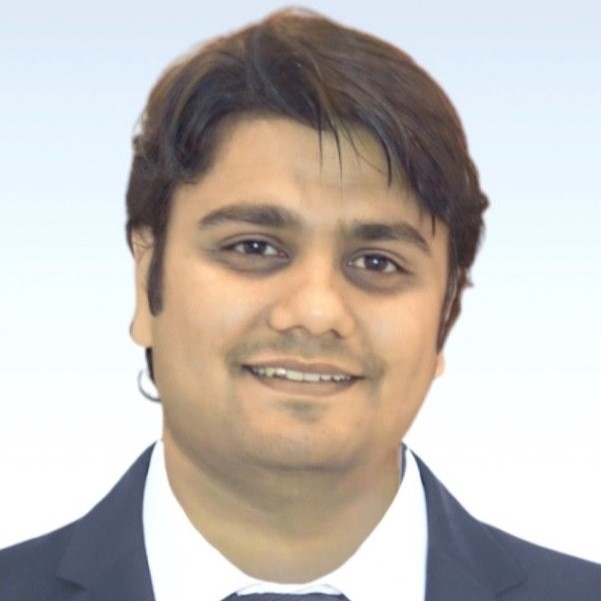
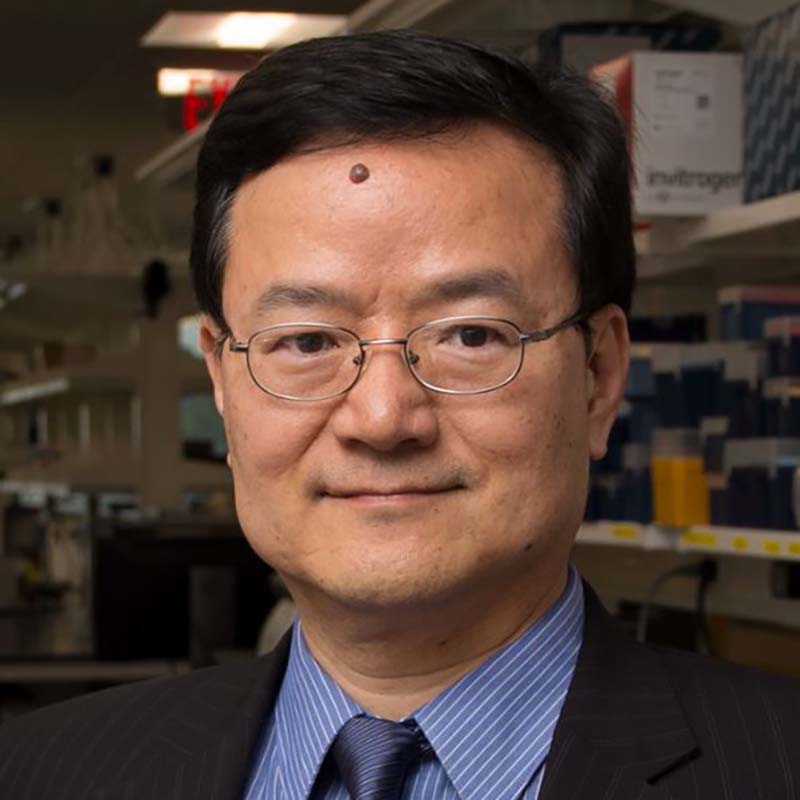
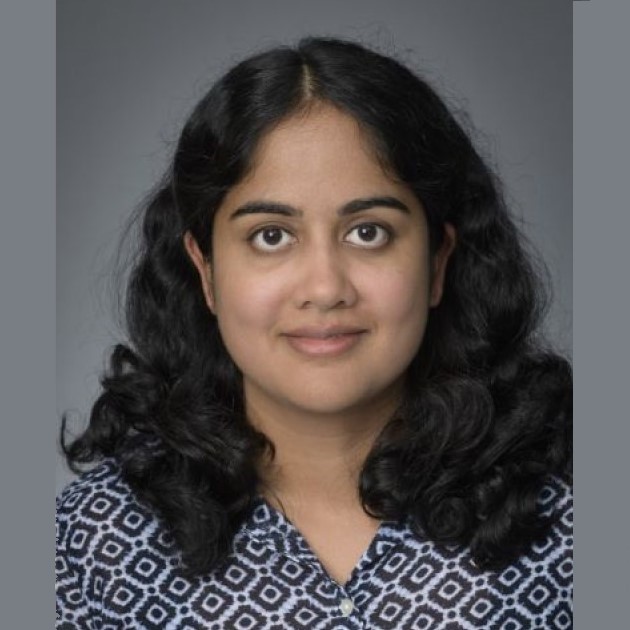
Vishal Jain is a Research Scientist at Carnegie Mellon University's College of Engineering, Department of Electrical and Computer Engineering. He works in the Chamanzar Lab, developing novel neuroelectric and neurophotonic technologies for basic neuroscience research and brain-computer interface (BCI) applications. Education: PhD in Cognitive and Molecular Neuroscience from Bharathiar University, India His research focuses on creating non-invasive brain stimulation methods with submillimeter resolution, studying neural circuitry changes through electrophysiology and optical imaging in both ex-vivo and in-vivo models. Recent work emphasizes implantable neural probes, electro-optic sensors, and transcranial stimulation optimization. Scientific publications reveal a strong focus on neural interface technologies (2021-2025), with interdisciplinary applications spanning cognitive neuroscience, neurosurgery, and biomedical engineering. Key themes include brain stimulation, neurochemical modulation, and neural signal processing.
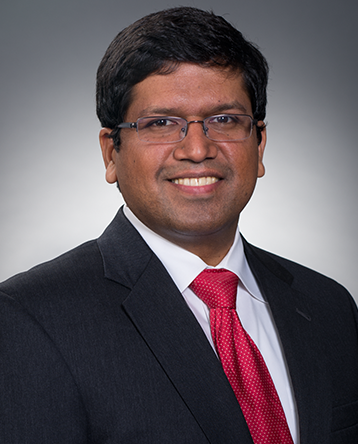
Rahul Panat is a Professor in the Department of Mechanical Engineering at Carnegie Mellon University’s College of Engineering. He is affiliated with the Manufacturing Futures Institute, NextManufacturing Center, and the Wilton E. Scott Institute for Energy Innovation, where his research bridges advanced manufacturing, materials science, and biomedical engineering. Ph.D., Theoretical and Applied Mechanics, University of Illinois at Urbana-Champaign (2004) M.S., Mechanical Engineering, University of Massachusetts Amherst (1999) B.S., Mechanical Engineering, Pune University (1997) His research focuses on micro-scale additive manufacturing, particularly aerosol jet 3D nanoprinting, to develop high-performance biosensors, brain-computer interfaces, and energy storage systems. His lab pioneers techniques for 3D-printed ceramics, stretchable electronics, and ultra-sensitive pathogen detection platforms, including a rapid 3D-printed COVID-19 antibody test. The recent articles highlight a strong trend in additive manufacturing of functional microarchitectures , with applications in biomedical sensing , energy storage (3D batteries) , and ceramic nanostructures . Keywords span materials science, nanotechnology, and mechanical reliability, emphasizing scalable, high-precision fabrication methods. His scientific recognition includes an award for developing the world’s first fully green IC chip at Intel. Additional honors stem from groundbreaking work in sustainable electronics and high-performance sensors. Panat mentors students in the Panat Laboratory, where they work on printed electronics, flexible sensors, and battery architectures. He has secured grants from ARPA-H and the Scott Institute for Energy Innovation to advance implantable cancer detection and energy research. His work often involves interdisciplinary collaborations across engineering and healthcare. The Panat Laboratory focuses on solving fundamental challenges in printed microelectronics, flexible sensors, and Li-ion batteries, aiming to enable next-generation wearable devices, IoT systems, robotic skins, and bio-patches.
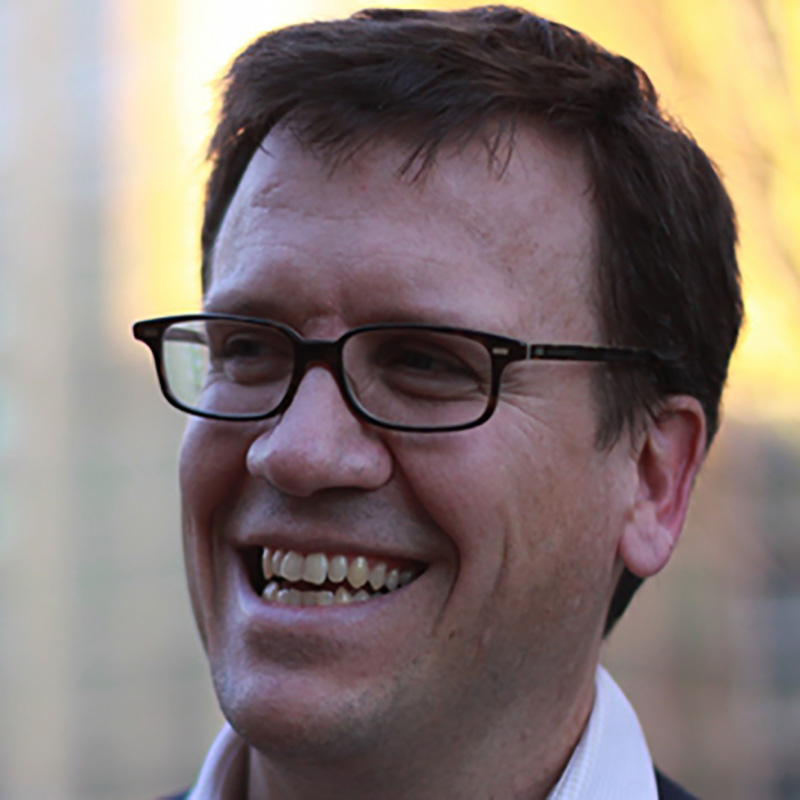
Steven Chase is a Courtesy Professor in the Department of Electrical and Computer Engineering at Carnegie Mellon University, part of the College of Engineering. His research focuses on understanding neural mechanisms underlying learning, motor control, and the development of brain-computer interfaces (BCIs). He investigates how neural activity adapts during skill acquisition and explores the interplay between sensory input, motor output, and cognitive processes. His work emphasizes the neural basis of learning and adaptation, with a particular focus on motor cortex dynamics and the design of BCI systems. Recent studies explore how reward influences movement vigor, the role of limb posture in motor adaptation, and the neural substrates of choking under pressure. Chase's research also addresses the stability and plasticity of cortical representations during skill learning and sensory deprivation. Key trends in his publications include advancing BCI technology through low-dimensional control frameworks, analyzing neural memory traces during learning, and dissecting the multidimensional constraints shaping neural activity patterns. His work bridges computational neuroscience, neurophysiology, and engineering to develop translational solutions for neural prosthetics and rehabilitation. Chase collaborates widely on projects involving neural decoding algorithms, closed-loop systems, and the optimization of BCI usability. His research has implications for understanding fundamental neural processes and developing assistive technologies for motor impairments.
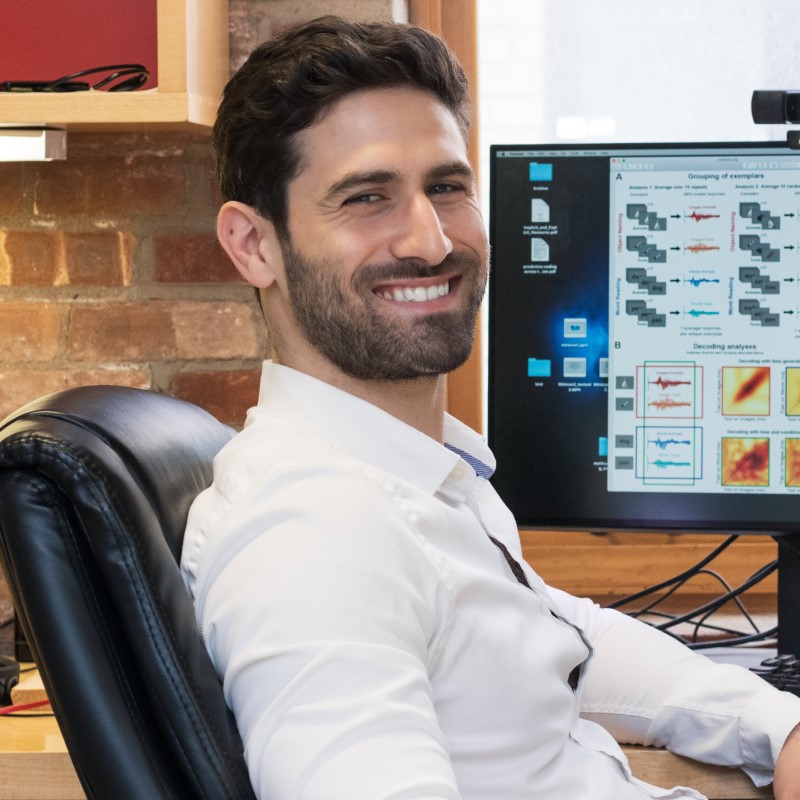
Julien Dirani is a Distinguished Postdoctoral Fellow at Carnegie Mellon University's Neuroscience Institute, with additional affiliations at the University of Pittsburgh Medical Center. His research investigates the neural mechanisms of semantic cognition using multimodal neuroimaging and computational methods. Dirani's work examines how conceptual knowledge is represented across brain regions during language tasks, with emphasis on cross-modal processing and lexical-semantic interfaces. Recent MEG studies explore temporal dynamics of conceptual representations, dissociating visual and lexical features. His publications span neuroimaging techniques (MEG/fMRI), cognitive models of language, and cross-linguistic validation of psychological instruments. Collaborations include developing benchmarks for AI reasoning and investigating syntax processing in Arabic. Research integrates cognitive neuroscience with computational modeling to understand semantic memory organization.
Doug Weber is an Associate Professor in Mechanical Engineering and core faculty member of the Neuroscience Institute at Carnegie Mellon University. His research focuses on neural engineering, neuroprosthetics, and bioelectronic medicine, aiming to restore sensory and motor functions through innovative technologies. He leads the NeuroMechatronics Lab and collaborates with industry partners to translate academic research into practical applications. Education : Ph.D., Bioengineering, Arizona State University (2001) MS, Bioengineering, Arizona State University (2000) BS, Biomedical Engineering, Milwaukee School of Engineering (1994) Research Interests : Dr. Weber’s work bridges neuroscience and engineering to develop technologies for spinal cord injury, prosthetics, and chronic pain management. Key areas include spinal cord stimulation, neural interfaces, and wearable devices. His DARPA-funded programs (e.g., HAPTIX, ElectRx) aim to create implantable neurotechnologies for restoring motor/sensory functions and treating inflammatory diseases. Grants & Collaborations : ARPA-H award ($42M) for implantable bioelectric devices Meta collaboration on SEMG-based assistive robotics Patent portfolio (8 issued patents) Labs & Teams : His NeuroMechatronics Lab pioneers devices like the Injectrode and spinal cord stimulation systems. Ongoing projects include closed-loop sensory feedback and robotic mobility aids for paralysis patients.
Lisa Parker, Ph.D., is the Dickie, McCamey & Chilcote Professor of Bioethics at the University of Pittsburgh, where she serves as Director of the Center for Bioethics & Health Law, Professor of Human Genetics in the School of Public Health, Director of the Master of Arts in Bioethics Program, and Director of the Graduate Certificate in Bioethics. She is also Associate Director for Bioethics in the Institute for Precision Medicine and co-director of the Medical Humanities & Ethics Stream in the School of Medicine. Her extensive academic affiliations include the Gender, Sexuality, and Women's Studies Program, Department of Religious Studies, and Center for Philosophy of Science. Dr. Parker's research focuses on ethical issues in genetics and genomics, precision medicine, mental health research, and the return of research results and incidental findings. She employs feminist approaches to bioethical issues and critically analyzes bioethics as a social practice. Her work examines the effects of new technologies and policies on health disparities and marginalized populations. Current projects include ethical issues related to AI in healthcare, neural engineering research, and research involving healthcare workers as subjects. Her publications demonstrate consistent engagement with evolving ethical challenges in biomedical research, particularly in genomic medicine and research ethics. The trend shows increasing focus on precision medicine ethics, neuroethics, and the ethical implications of emerging technologies in healthcare. Her work bridges theoretical philosophical analysis with practical ethical guidance for researchers and clinicians. Nellie Westerman Prize in Ethics, American Federation for Clinical Research (1990) Hastings Center Fellow (elected 2020) Dr. Parker has provided research ethics training internationally through NIH Fogarty International Center programs in India, Egypt, and China. She serves on the Expert Scientific Panel of the Electronic Medical Records and Genomics (eMERGE) Network and reviews for the Maryland Stem Cell Research Fund, National Endowment for the Humanities, and National Science Foundation. Her leadership extends to university committees including the Institutional Conflict of Interest Committee and the Ad Hoc Committee on Generative AI in Research and Education. As Director of the Center for Bioethics & Health Law and the Research, Ethics and Society Initiative, Dr. Parker leads campus-wide discussions on research ethics and social implications of technology. Her work with interdisciplinary teams across the university addresses ethical challenges in genomic sequencing, biobanking, depression treatment, and traumatic brain injury research.
Shawn Kelly serves as a Senior Systems Scientist in the Department of Electrical and Computer Engineering at the Neuroscience Institute, specializing in cutting-edge neural interface technologies and brain-monitoring methodologies. His research centers on Neural Engineering and Technology and Non-Invasive Brain Monitoring , driving innovations in brain-computer interfaces that eliminate surgical requirements while enhancing neural signal acquisition precision. This work bridges electrical engineering with clinical neuroscience to develop accessible neurotechnology solutions.
Dr. Abby Noyce is a Research Professor at the Neuroscience Institute of Carnegie Mellon University. Her research focuses on auditory cognition , executive control , and non-invasive brain monitoring with particular interest in sensory-biased processing and multiple-demand neural networks. Primary research areas: Auditory Research, Learning & Memory, Spatial Cognition Key methodological approaches: EEG, fMRI, Sensory Processing, Cognitive Modeling Her work examines cross-modal attention mechanisms , predictability in cognitive tasks , and auditory-visual integration through experimental paradigms like flanker tasks and spatial attention studies. Recent publications highlight domain-specific memory organization and frontal-parietal network dynamics in working memory contexts.
Dr. Robert Gaunt is an Assistant Professor in the Department of Physical Medicine and Rehabilitation at the University of Pittsburgh. He is affiliated with the Neuroscience Institute and serves as a PNC Training Faculty member for the Ph.D. in Neural Computation program. His work focuses on advancing neural computation and rehabilitation technologies. He holds an academic position within the University of Pittsburgh’s medical and rehabilitative sciences division, contributing to interdisciplinary training programs at the intersection of neuroscience and engineering.
Robert E. Kass is the Maurice Falk University Professor of Statistics and Computational Neuroscience at Carnegie Mellon University, with affiliations in the Department of Statistics & Data Science, Machine Learning Department, and Neuroscience Institute. His career spans statistics, machine learning, and neuroscience, focusing on statistical methods for analyzing neural data, particularly spike trains and brain connectivity. Research highlights include: Developing statistical frameworks for neural data analysis Investigating neural oscillations and cross-regional interactions Contributing to neuroscience education through Neuromatch Academy Exploring intersections between statistics, machine learning, and scientific inference Scientific awards and recognitions include: Outstanding Statistical Application Award (ASA) Distinguished Achievement Award (COPSS, 2017) Election to National Academy of Sciences (2023) Fellowships in ASA, IMS, AAAS His recent publications focus on: Neural circuit oscillations and phase-amplitude analysis Latent dynamic modeling of high-dimensional neural recordings Population-level neural interactions and connectivity Educational frameworks for computational neuroscience training Methodological bridges between statistics and machine learning Advanced graphical models for neural synchronization studies
Pulkit Grover is a Professor in the Department of Electrical and Computer Engineering at Carnegie Mellon University, with additional appointments in the Neuroscience Institute and Biomedical Engineering (by courtesy), and affiliation with the Center for Neural Basis of Cognition. His research spans multiple interdisciplinary domains including information theory, energy-efficient communication and computing, neural sensing, and noninvasive brain stimulation techniques. Dr. Grover received his Ph.D. in Electrical Engineering and Computer Science from the University of California, Berkeley in 2010, following M.Tech and B.Tech degrees in Electrical Engineering from the Indian Institute of Technology, Kanpur (2005 and 2003). He completed a postdoctoral fellowship at Stanford University (2011-2012) before joining CMU as faculty. His research focuses on developing a science of information for understanding and designing energy-efficient and stable decentralized systems, ranging from low-power communication/computation systems to large control, computational, and biological systems. Key research directions include information theory applied to neural systems, energy-efficient communication and computing, noninvasive neural sensing and stimulation, and coded computation for resilient computing with unreliable elements. His work bridges theoretical foundations with practical implementations, often collaborating with neuroscientists, clinicians, and circuit designers. Analysis of his recent publications reveals significant contributions in noninvasive brain stimulation techniques (including the development of 'DeepFocus'), high-resolution EEG systems, bias reduction in neural sensing for diverse populations, and theoretical frameworks for information flow in computational systems. His work demonstrates strong integration of information theory with neuroscience and engineering applications. NSF CAREER Award (2014) Best paper award at the International Symposium on Integrated Circuits (ISIC) Best student paper award at IEEE CDC 2010 2012 Leonard G. Abraham best paper award from IEEE Communications Society 2011 Eli Jury Award from UC Berkeley AIMBE College of Fellows induction IEEE Information Theory Society Distinguished Lecturer (2022-2023) Dr. Grover has advised numerous PhD students who have gone on to faculty positions at institutions including Dartmouth College, UCSB, University of Maryland, and University of Pittsburgh. His research has been supported by significant grants from NSF (including CAREER and EARS awards), SRC SONIC Center, NIH, DARPA N3 program, Google Faculty Research Award, and CMU internal funding mechanisms. He leads the 'For All Lab' which focuses on engineering principles of devices and systems that are accessible by all and unbiased toward different hair types and skin colors.
Bin He is a Professor of Biomedical Engineering, Electrical and Computer Engineering, and Neuroscience Institute. His research focuses on neural engineering and technology, non-invasive brain monitoring, and systems neuroscience. He leads studies on brain-computer interfaces (BCI), transcranial focused ultrasound neuromodulation, and applications in motor control and clinical neuroengineering. His work bridges neurotechnology with clinical applications, including stroke rehabilitation and pain management. He has pioneered real-time BCI systems enabling robotic arm control via EEG signals and explored ultrasound-based modulation of brain circuits in both human and nonhuman primate models. Key contributions include advancing EEG source imaging techniques, developing methods for seizure source localization, and integrating AI with robotics for precision assembly and manipulation. His research spans robotics, sensor technology, and biomedical systems, with applications in hydropower inspection and UAV navigation. He maintains active collaborations in multidisciplinary teams addressing challenges in human-robot interaction, neuroprosthetics, and medical device innovation. His work is supported by grants focusing on translational neurotechnology and has resulted in over 150 peer-reviewed publications. He serves as a core faculty member in the Neuroscience Institute, contributing to training next-generation researchers in neural computation and systems neuroscience.
Dr. Steven M. Chase is Professor in Biomedical Engineering and the Carnegie Mellon Neuroscience Institute. His research develops brain-computer interfaces to study motor learning and neural representation using computational approaches. Research focuses on: Neural basis of motor control and skill acquisition Brain-computer interface decoding algorithms Neural correlates of learning and performance Honors include NSF CAREER Award (2014) and AIMBE Fellow. Current investigations examine motor learning transfer, neural stabilization techniques, and subcortical contributions to learning. Leads NIH, NSF, DARPA, and IARPA-funded research on neural prosthetics and motor learning. Directs laboratory investigating neural dynamics during skill acquisition through cortical recording techniques.
Maysam Chamanzar is a Professor in the Departments of Electrical and Computer Engineering and Biomedical Engineering at Carnegie Mellon University's College of Engineering. He directs the Biophotonics and Neurotechnologies Lab and the Shared Photonics Laboratory. He is also a faculty member of the Carnegie Mellon Neuroscience Institute (CMNI) and the Center for the Neural Basis of Cognition (CNBC). Chamanzar holds a Ph.D. in Photonics from Georgia Tech (2012) and previously worked at UC Berkeley as a postdoc and research scientist. His research integrates photonics , bioMEMs , and neuroscience to develop multimodal neural interfaces and biophotonic systems. Key focus areas include: Next-generation neural interfaces using optical/electrical/ultrasonic methods Non-invasive brain stimulation and recording technologies Hybrid photonic-plasmonic-fluidic systems for diagnostics Flexible implantable optoelectronic neural probes His recent publications demonstrate strong emphasis on non-invasive neurostimulation (2025), high-density neural interfaces (2023-2024), fNIRS-based brain-computer interfaces (2024), and ultrasonic light control in tissue (2023). Awards include: SPIE Research Excellence Award GTRIC Innovation Award Finalist: OSA Emil Wolf Best Paper Award Finalist: Edison Innovation Award He secured major grants including an ARPA-H award (up to $42M) for implantable bioelectronics and an NSF grant ($650K) for surgical devices. Leads teams developing a 'universal brain port' using AI and directs core facilities enabling advanced photonics research.
Vibha Viswanathan is a Visiting Assistant Professor at the Neuroscience Institute of Carnegie Mellon University. She holds a Ph.D. in Biomedical Engineering from Purdue University, an M.S. in Electrical Engineering from the University of Michigan (Ann Arbor), and a B.E. in Electrical Engineering from Anna University (India). Education: Ph.D. in Biomedical Engineering, Purdue University M.S. in Electrical Engineering, University of Michigan (Ann Arbor) B.E. in Electrical Engineering, Anna University (India) Her research integrates auditory neuroscience , human neuroimaging , and computational modeling to investigate neural mechanisms underlying auditory scene analysis and speech intelligibility in complex listening environments. She aims to apply these insights to enhance auditory training and develop brain-computer interfaces.