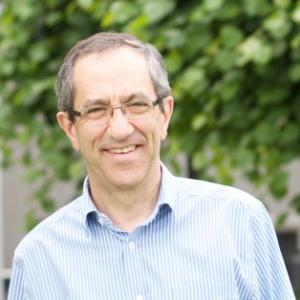
Maria Manuela Pintado is Full Professor and Director of CBQF research center at Universidade Católica Portuguesa's Faculty of Biotechnology. She leads interdisciplinary research in sustainable food systems and functional ingredients. Research domains include: Valorization of agro-industrial byproducts Development of bioactive edible films Design of functional foods for chronic disease prevention Circular economy applications in food systems Recent publications (2023-2025) show strong focus on sustainable biomaterials and health-promoting ingredients, with notable increases in circular economy applications and precision nutrition studies. Key innovations include antiviral biopolymers from yeast and bioactive films for food preservation. Awards include recognition for circular economy innovations and upcycling research. Directs extensive EU-funded projects including THRIVE (€4M) and CIRCUL-A-BILITY, supervising large research teams and industrial partnerships.
Amy Scott Metcalfe is a Professor in the Department of Educational Studies at the University of British Columbia (UBC), affiliated with the Faculty of Education. She holds dual appointments with the Institute for Gender, Race, Sexuality and Social Justice, emphasizing interdisciplinary approaches to higher education studies. Her research focuses on international comparative higher education systems, academic governance, and sociological analysis of university policies. She critiques managerialism trends and explores gender disparities in academic productivity. Metcalfe employs visual methodologies, including photo-ethnography and extended photo essays to document institutional change. Teaching responsibilities are managed through the Department of Educational Studies, with course details available via UBC’s official portal. Her scholarship spans Canadian and global contexts, addressing issues like faculty internationalization, research ethics frameworks, and the impact of pandemic disruptions on academic collaboration. Key contributions include longitudinal studies on Canadian professors’ perceptions of work-life balance, comparative analyses of gender gaps in research output across North America, and critical examinations of university-industry-government networks. She advocates for equity-centered pedagogies and anti-colonial approaches in higher education policy.
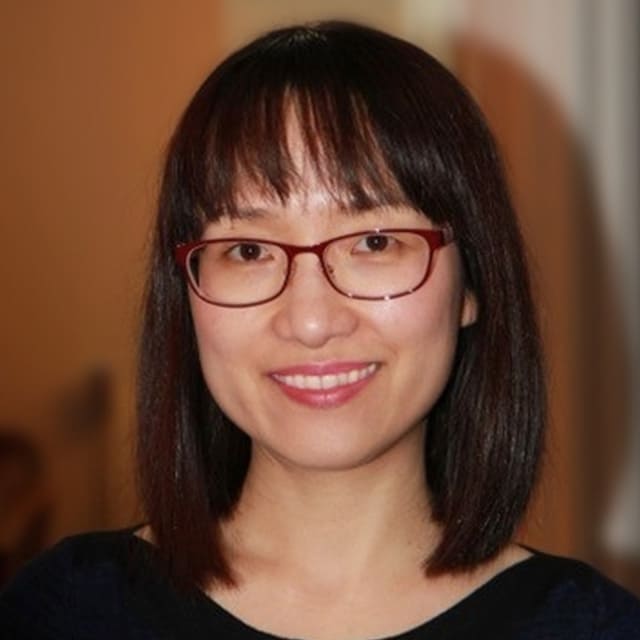
Wei Deng is an Associate Professor and Deputy Head of School (Research) in the School of Biomedical Engineering at the University of Technology Sydney (UTS). Her research focuses on cancer nanotechnology, nanobiotechnology, and gene engineering, with significant contributions to radiation-activated chemotherapy (RAC) via liposomes and CRISPR-based therapies. She has pioneered treatments for rectal and breast cancers, including the development of patented RAC systems that reduce chemotherapy toxicity. Her work has led to the founding of biotech startup EosGene Pty Ltd for diabetic retinopathy therapies. Deng holds a PhD from Macquarie University and has attracted over $3.7M in grants from ARC, NHMRC, and Cancer Institute NSW. She leads interdisciplinary teams and contributes to global collaborations, including partnerships with UNSW and HK Winhealth Pharma Group. Her research spans drug/gene delivery systems, CRISPR biosensors, and nanoparticle engineering, emphasizing translational medicine and industrial challenges. Education: PhD in Biomedical Engineering, Macquarie University (Sydney) Leadership Roles: Deputy Head of School, Research; Co-founder of EosGene Pty Ltd Awards: DECRA Fellowship (ARC), Cancer Institute NSW Career Development Fellowship Key Projects: RAC liposomes (Patents US 12036282, Europe 3720422), CRISPR-based pathogen sensors, X-ray triggered PDT platforms Her research bridges nanotechnology and clinical applications, with 62 refereed publications (h-index 26) and 87% in top-tier journals. She actively supervises postgraduate research in CRISPR therapies, CAR T cell engineering, and targeted drug delivery.
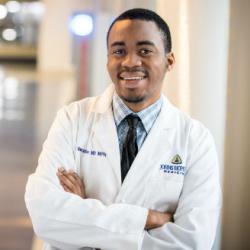
Joseph Nwadiuko is an Assistant Professor of Medicine at the University of Pennsylvania's Perelman School of Medicine, specializing in internal medicine and health economics. He is affiliated with the Center for Global Health as an Associate Scholar, with research focused on health systems, migration, incarceration, and global workforce dynamics. MD: University of Pittsburgh PhD: UCLA, Health Policy and Management (Economics Cognate) MPH & Residency: Johns Hopkins BA: Amherst College Fellowship: General Internal Medicine, University of Pennsylvania Dr. Nwadiuko’s research centers on global health systems, particularly the intersection of migration, health workforce mobility, and health equity. His work explores how economic and policy factors influence physician migration in low- and middle-income countries and examines health outcomes within U.S. immigration detention facilities. He employs administrative data and mixed methods to assess health labor markets and structural determinants of care. His recent publications span high-impact journals such as The Lancet , JAMA , and Health Policy and Planning , highlighting trends in solitary confinement, sexual assault in detention, and diaspora contributions to global health. These works reflect a consistent focus on vulnerable populations, health policy reform, and ethical healthcare delivery. Dr. Nwadiuko has served as a consultant for the World Bank and has advised U.S. government agencies including the State Department, USAID, and the Department of Homeland Security. His interdisciplinary collaborations with physicians and lawyers underscore a commitment to policy-relevant, justice-oriented research. Health Systems Strengthening Migration and Health Refugee Health Incarceration and Health Health Economics Non-communicable Diseases He is actively involved in mentoring and global health training programs at Penn, contributing to the education of medical and public health students. His work group investigates healthcare quality in immigration detention, advocating for transparency and accountability.
Tohru Fukai is a Professor and holds the Barbara A. Schnuck Endowed Chair in Translational Medicine at the Medical College of Georgia, Augusta University, where he serves in the Department of Pharmacology and Toxicology. His research is centered at the Vascular Biology Center, where he leads a productive laboratory investigating the molecular mechanisms of oxidative stress and dysfunctional copper metabolism in cardiovascular and metabolic diseases. Dr. Fukai earned his MD in 1988 and PhD in Medical Science in 1995, both from Kyushu University in Japan. Following his medical and doctoral training, he completed postdoctoral fellowship at Emory University School of Medicine in Atlanta from 1995-1999. His research focuses on oxidative stress in cardiovascular and metabolic disease pathogenesis, particularly investigating the role of extracellular SOD (ecSOD, SOD3) and copper transport proteins. His lab has pioneered research on copper transport proteins CTR1, Atox1, and ATP7A in regulating vascular function, demonstrating their critical roles in hypertension, vascular remodeling, inflammatory angiogenesis, atherosclerosis, and diabetes. Notably, his team discovered that copper chaperone Atox1 functions as a copper-dependent transcription factor regulating cell proliferation and inflammatory responses. Analysis of Dr. Fukai's recent publications reveals a strong focus on the intersection of redox signaling, copper metabolism, and vascular function. His work increasingly explores how oxidative stress and copper transport mechanisms contribute to conditions like diabetes, atherosclerosis, Alzheimer's disease, and ischemic injury. A prominent theme across his recent work is the role of protein modifications (particularly sulfenylation and SUMOylation) in regulating vascular responses to oxidative stress, with significant implications for therapeutic interventions. Dr. Fukai's scientific achievements have been recognized with numerous awards including the Barbara A. Schnuck Endowed Chair in Translational Medicine (2017), World Science Leaders in Human Biology Program (2021), and multiple Circulation Research Reviewer Awards. He has served on editorial boards for prestigious journals including Scientific Reports, Journal of Molecular and Cellular Cardiology, and American Journal of Physiology-Heart and Circulatory Physiology. As a mentor, Dr. Fukai has advised numerous graduate students and postdoctoral fellows, including several who have received AHA awards and trainee recognition. He serves on various committees including the VBC post-doc evaluation committee and the CNVAMC Subcommittee for Research Safety. His lab has secured significant funding, including a recent $11.3 million NIH grant for vascular disease research. Dr. Fukai leads an active research group at the Vascular Biology Center comprising senior research associates, assistant research scientists, postdoctoral fellows, and graduate students working collaboratively on multiple projects related to copper transport, redox signaling, and vascular disease mechanisms. His lab has made seminal contributions to understanding how copper transport proteins function as key regulators of vascular antioxidant enzymes and as unexpected signaling molecules in inflammatory disease processes.
Professor Carlos Caldas is a leading academic in cancer medicine, affiliated with the University of Cambridge as a Professor of Cancer Medicine in the Department of Oncology . His research focuses on functional genomics of breast cancer, redefining its molecular taxonomy, studying clonal heterogeneity, and pioneering ctDNA as a liquid biopsy biomarker. MD (Lisbon), PhD (Porto, Honoris Causa) Member of the School of Clinical Medicine His laboratory has developed patient-derived tumor explants and advanced computational models for biomarker discovery. Recent work integrates AI with spatial transcriptomics and histopathology for precision oncology. Scientific Awards : Fellow of the Academy of Medical Sciences (FMedSci)
Cam Ha Tran is an Assistant Professor in the Department of Physiology and Cell Biology at the University of Nevada, Reno, affiliated with the Institute of Neuroscience. Her research focuses on neurovascular unit interactions, particularly how blood flow regulation impacts brain function under health and disease conditions such as stroke and dementia. She employs advanced techniques like two-photon imaging, optogenetics, and electrophysiology to study astrocyte-endothelial communication and vascular reactivity. Education: PhD in Cardiovascular and Respiratory Sciences from the Cumming School of Medicine, University of Calgary (Canada); Master of Biomedical Technology and Bachelor of Science from the University of Alberta (Canada). Research emphasizes understanding how astrocytes and endothelial cells coordinate to maintain cerebral blood flow, with implications for neurological disorders. Her recent work explores TRPA1 channels in neurovascular coupling, astrocyte dysfunction in Alzheimer’s, and seizure-induced vascular changes. Techniques include in vivo imaging and chemogenetic approaches to dissect cellular mechanisms. Key contributions include uncovering astrocyte roles in functional hyperemia and identifying therapeutic targets for cerebrovascular diseases. Her lab’s findings bridge basic science and clinical applications, aiming to improve diagnostics and treatments for stroke and neurodegenerative conditions.
University of California, San FranciscoUnited States
David R. Raleigh, MD, PhD, is an Assistant Professor in the Departments of Radiation Oncology and Neurological Surgery at the University of California San Francisco (UCSF). He serves as a Principal Investigator at the Brain Tumor Center and Director of the Preclinical Therapeutics Core. Education: BA in Molecular and Cell Biology and Cognitive Science (UC Berkeley, 2004), MD and PhD in Pathology (University of Chicago, 2012), Residency in Radiation Oncology (UCSF, 2017) His research focuses on the molecular mechanisms of brain tumor growth, particularly meningiomas, integrating developmental biology with oncology to identify novel treatments. Methodologies include biochemistry, mouse genetics, genomics, and pharmacology. Dr. Raleigh's recent publications highlight molecular classification of meningiomas, genomics, and targeted therapies. Awards include Phi Beta Kappa, multiple travel grants, and the Robert and Ruth Halperin Endowed Chair in Meningioma Research.
Professor Annette Byrne is a leading academic at RCSI University of Medicine and Health Sciences , where she serves as Professor of Physiology and Head of the Precision Cancer Medicine (PCM) Group. She has held this position since 2019 after progressing through roles as Lecturer (2008), Senior Lecturer (2013), and Associate Professor (2017). Her research focuses on precision medicine approaches for colorectal and brain cancers , integrating multi-modality molecular imaging , Next Generation Sequencing , and patient-derived xenograft models . PhD in Cell Biology (University of York, 1999) John Kerner Fellowship in Gynaecologic Oncology (UCSF, 1999-2001) Scientist at Pharmacyclics Inc. (2001-2003) Senior Scientist at Angion Biomedica Corp. (2003-2005) Principal Investigator at UCD Conway Institute (2005-2008) Her research interest lies in precision cancer medicine , particularly elucidating predictive biomarkers (genomic, transcriptomic, proteomic) and identifying novel therapeutic targets . Key methodologies include radiomics , fluorescence-guided surgery , and systems modeling of apoptosis pathways. She has pioneered Ireland's first Tumour Xenograft Facility and Translational In Vivo Imaging Centre . Recent publications highlight her work on cross-species radiomics , cell-free DNA analysis , and glioblastoma microenvironment subtyping . Her Marie Curie networks (Gliotrain, Glioresolve) and COLOSSUS project have trained 25+ PhD researchers in brain cancer therapeutics. Over €45M in national/international grants Member of Royal Irish Academy (2025) Highly cited in Cancer Discovery , Annals of Oncology , and Nature journals She supervises multiple PhD candidates and leads the RCSI Precision Cancer Medicine Group , which utilizes computational approaches and molecular imaging to improve cancer treatment outcomes. Her GLIORESOLVE and EDIReX projects focus on tumor microenvironment manipulation and distributed PDX infrastructure.
Wei Li is a Professor at Arizona State University's School of Geographical Sciences and Urban Planning. She also holds affiliations with the School of Social Transformation, SPARC (Spatial Analysis Research Center), Global Futures Scientists and Scholars, Center for Asian Research, and the U.S. Census Bureau's advisory committees on Asian populations. Her research focuses on urban ethnicity, transnational migration, and minority community development, particularly among Chinese and Asian groups in the Pacific Rim. She pioneered the concept of 'ethnoburb' to describe suburban Asian settlements and has conducted extensive studies in Los Angeles, Toronto, and Metropolitan Phoenix. Li's education includes a Ph.D. in Geography from the University of Southern California (1997), an M.S. from Peking University (1985), and a B.S. from Beijing Normal College (1982). She has been funded by prestigious institutions like the National Science Foundation, Fulbright Foundation, and the Rockefeller Foundation. Her work explores intersections of migration, race, and economics, with notable projects on Hurricane Katrina's impact on minority communities and the role of ethnic financial sectors in community development. Her research interests are structured around migration analytics, ethnic geographies, and globalization's socio-spatial effects. Key focuses include skilled migration pathways, returnee dynamics, and the co-movement of people and capital. Li emphasizes transnationalism and how diaspora communities reshape urban landscapes and economies. Li’s articles collectively analyze migration trends, community resilience, and policy implications, reflecting her expertise in migration studies, urban sociology, and cultural geography. She has been recognized with major awards like the AAG’s Ronald F. Abler Distinguished Service Honors and the Distinguished Ethnic Geography Career Award. In advising, Li has no listed advisees but has mentored through institutional roles and grants. Her grants include studies on Asian American communities, diaspora banking, and post-disaster migration. Li’s contributions extend to policy commentary on attracting skilled migrants to China and comparative analyses of India and Chinese diasporas. She leads SPARC’s spatial analysis initiatives and chairs the International Metropolis Project’s steering committee. Her work bridges academia and public service, including roles in the Woodrow Wilson Center and National Bureau of Asian Research.
Dr. Amir Sanati Nezhad is a Full Professor in the Department of Biomedical Engineering and Mechanical and Manufacturing Engineering at the University of Calgary's Schulich School of Engineering. He leads the BioMEMS and Bioinspired Microfluidic Laboratory and holds memberships in the Hotchkiss Brain Institute, Snyder Institute for Chronic Diseases, and Arnie Charbonneau Cancer Institute. With a PhD in Mechanical Engineering from Concordia University (2013) and postdoctoral training at Harvard and McGill, he specializes in bioinspired microfluidics, tissue engineering, biosensors, and organ-on-chip technologies. His research focuses on developing point-of-care devices for cancer, brain injury, and infectious disease diagnostics, alongside bioinspired microdevices for disease modeling. He has published over 350 peer-reviewed works and holds prestigious awards like the Canada Research Chair and Governor General’s Gold Medal. His educational background includes degrees from Isfahan University of Technology (B.S., 2006), Amirkabir University (M.S., 2009), and Concordia University (PhD, 2013). Research interests include biosensing, microfluidics, and digital health technologies. Recent articles highlight innovations in wearable biosensors, molecularly imprinted polymers, and self-powered microfluidic systems. His awards reflect contributions to both research and teaching excellence. Grants and collaborations include licensing technologies to diagnostic companies. His lab emphasizes translational research, integrating microfluidics with AI for healthcare applications. He teaches advanced biomedical engineering courses and oversees interdisciplinary projects in organ-on-chip and biomaterials.
Mireille E. Broucke is a Professor in the Department of Electrical and Computer Engineering at the University of Toronto, where she is a member of the Systems Control Group within the Faculty of Applied Science and Engineering. She teaches various undergraduate and graduate courses including Adaptive Control and Reinforcement Learning, Robot Modeling and Control, and Introduction to Nonlinear Systems, demonstrating her commitment to education in control systems engineering. Professor Broucke's research focuses on mathematical system theory with particular emphasis on Systems Neuroscience, Reach Control Problems, and Patterned Linear Systems. Her work bridges theoretical control theory with applications in neuroscience and robotics. She has developed theoretical frameworks for understanding neural adaptation through control theory principles and has applied reach control theory to robotics problems including motion control of quadrocopters. Her research demonstrates how control theory can provide insights into biological systems while also advancing engineering applications. Her recent publications show a clear trend toward applying control theory to neuroscience, particularly in understanding adaptive internal models in the brain. The publications span from theoretical reach control problems on simplices and polytopes to practical applications in robotics and neural systems. Her work increasingly focuses on the intersection of control theory and neuroscience, examining how the brain implements adaptive control mechanisms for motor functions. This represents a significant shift from her earlier work which was more focused on pure control theory problems. Professor Broucke has advised several PhD students including Fatima Ghadieh, Erick Mejia Uzeda, and Mohamed Hafez. Her research has been supported by various grants that enable her work in control theory and its applications to neuroscience and robotics. She maintains an active research program with numerous publications in top control theory journals including IEEE Transactions on Automatic Control, Automatica, and Systems and Control Letters.
Prof. Rasmus Gjedssø Bertelsen is Professor of Northern Studies and inaugural Barents Chair in Politics at UiT The Arctic University of Norway. A Danish scholar raised in Iceland, he directs work package 2 on Power with Science Diplomacy in the H2020 InsSciDE consortium, collaborating with Prof. Maria Rentetzi. His research spans transnational knowledge flows between USA-Europe-Middle East-East Asia-Arctic and focuses on elite socialization, epistemic communities, and science diplomacy’s role in adapting Arctic governance to global shifts. Education: PhD (Cambridge, with year at Sciences Po), postdoc (Harvard, UNU), studies in Copenhagen, Reykjavik, Geneva, Lausanne, Amsterdam Key Research Areas: Arctic International Relations, Science Diplomacy, Brain Circulation, Transnational Knowledge Networks, Power Transition, GCC Triple-Helix Relations His 15 most recent articles (2012–2024) examine Arctic governance, Sino-Arctic engagement, energy systems, and science diplomacy. Trends include historical learning for policy adaptation, China’s Arctic strategies, and the Arctic as a laboratory for global governance models. Bertelsen initiated UiT’s UNFCCC observer status and participated in COP15 (2009) and COP21 (2015). He coordinates the Norwegian-Russian PhD course Society and Advanced Technology in the Arctic and the Norway-EU Science Diplomacy Network. Additional roles include advising on EU Arctic policy, analyzing US-China-Russia Arctic dynamics, and exploring space science applications in Arctic development.
Robert Falconer serves as Professor of Medicinal Chemistry and Director of the Institute of Cancer Therapeutics (ICT) at the University of Bradford. A registered pharmacist with the General Pharmaceutical Council, he leads a multidisciplinary research team focused on tumor glycocalyx targeting and protease-activated anticancer prodrugs. His academic journey spans from pharmacy training at The School of Pharmacy, University of London to establishing the medicinal chemistry program at ICT in 2005. Pharmacy Degree: The School of Pharmacy, University of London (now UCL School of Pharmacy) PhD in Medicinal Chemistry: London (2000) Professional Registration: General Pharmaceutical Council Professor Falconer's research centers on tumor glycocalyx modulation through polysialyltransferase inhibition and protease-activated drug delivery systems. His work spans osteosarcoma, neuroblastoma, breast, and prostate cancers with emphasis on developing targeted therapies that minimize systemic toxicity. The Falconer group employs computational design, solid-phase synthesis, and advanced biological evaluation techniques to develop novel anticancer agents. His publication portfolio demonstrates consistent focus on tumor-specific activation mechanisms (2023-2025), glycocalyx-targeted metastasis inhibition (2019-2021), and prodrug development (2010-2014). Recent work emphasizes theranostic applications and DNA repair targeting for pediatric cancers. Fellow of the Royal Society of Chemistry Former Honorary Treasurer, RSC Central Yorkshire Local Section Trust (2012-2018) Registered Pharmacist with General Pharmaceutical Council As principal investigator, Falconer has secured substantial funding from Breast Cancer Now, Bone Cancer Research Trust, Worldwide Cancer Research, and Neuroblastoma UK. He leads the £2m ICT Doctoral Training Centre and co-founded spin-out company Incanthera plc, which is advancing the MMP-targeted prodrug ICT2588 to clinical trials. His mentorship includes three PhD students and multiple postdoctoral researchers developing next-generation cancer therapeutics. The Falconer group operates within the ICT's state-of-the-art facilities, collaborating with Stanford University, University of Sheffield, and Ellipses Pharma. Current projects address unmet needs in pediatric oncology while developing platform technologies applicable across multiple cancer types.
Dr. Jeremy Walsh is an Assistant Professor in the Department of Kinesiology at McMaster University, joining in 2020. He holds a PhD in Exercise Physiology from Queen’s University and postdoctoral training at the University of Ottawa and University of British Columbia Okanagan. His research focuses on mechanisms linking exercise, behavior, and cognitive health, aiming to develop interventions to optimize brain function across lifespans. Education: Bachelor of Arts (Honours Kinesiology) – Wilfrid Laurier University (2005-2009) MSc and PhD in Exercise Physiology – Queen’s University (2010-2017) Postdoctoral Fellowships: Children’s Hospital of Eastern Ontario Research Institute (2018-2020) and University of British Columbia Okanagan Research Interests: Dr. Walsh investigates how exercise, diet, sleep, and cognitive engagement impact brain health. Key areas include BDNF signaling, cerebral blood flow, and interventions to mitigate neurological decline. His work spans aging populations, obesity, and spinal cord injury rehabilitation. Teaching: Instructor for courses like Psychophysiology of Healthy Living, Exercise Psychology, and Movement Behaviors & Brain Health Supervises independent research projects in kinesiology Key Contributions: His studies on ketone supplementation’s effects on cognition, exercise responses in obesity, and BDNF modulation have been widely cited. Over 60 scholarly outputs since 2013 highlight his exploration of exercise neuroscience and metabolic health. Labs/Teams: Leads research groups studying neurophysiological adaptations to exercise and lifestyle interventions, collaborating with clinical partners in diabetes and spinal cord injury research.