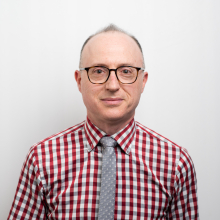
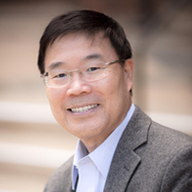
Laurent Mydlarski is a Professor in the Department of Mechanical Engineering at McGill University, affiliated with the Faculty of Engineering. His research focuses on experimental fluid mechanics, particularly turbulent flows and scalar mixing. He holds a Ph.D. from Cornell University and B.A.Sc. from the University of Waterloo. Research interests include turbulence statistics, scalar dispersion, differential diffusion, and industrial cooling applications such as hydroelectric generators and microelectronics. His work combines experimental methods like hot-wire anemometry, laser-induced fluorescence, and particle-tracking velocimetry. Key contributions include studies on multi-scalar mixing in jets, wall shear stress in turbulent flows, and thermal anemometry probe design. His Mydlarski Lab at McGill explores both fundamental fluid dynamics and practical engineering solutions. Recent publications (2023-2025) address multi-scalar mixing metrics, electronic cooling innovations, and drag reduction on porous cylinders. Collaborations with industry focus on applying fluid mechanics principles to real-world thermal management challenges.
Dr. KN Sasidhar is a Researcher in the Department of Microstructure Physics and Alloy Design at Heinrich Heine University Düsseldorf. His work focuses on advanced materials science, particularly corrosion mechanisms, alloy design, and nanoscale structural analysis. He employs cutting-edge techniques like in situ synchrotron investigations and deep learning frameworks to study material behavior under extreme conditions. Current research emphasizes corrosion resistance in stainless steels, phase transformations during nitriding, and radiation effects on coatings. Key achievements include pioneering studies on nanoscale amorphization in metallic systems, data-centric approaches for materials discovery, and the development of predictive models for alloy performance. His work bridges experimental materials characterization with computational methods, addressing challenges in energy and aerospace applications. Publications span corrosion analysis, microstructural evolution under irradiation, and phase separation phenomena. Collaborative projects involve synchrotron facilities and interdisciplinary teams focusing on materials informatics. No formal awards or grants are explicitly listed in the provided texts, though his prolific publication record indicates active academic engagement.
Gunnar Kusch is a Senior Research Associate at the Department of Materials Science & Metallurgy, University of Cambridge. His research focuses on defects in semiconductors, porous AlGaN materials, and advanced characterization techniques like cathodoluminescence (CL) and atom probe tomography (APT). He holds a PhD from the University of Strathclyde and leads projects on UV-B LED optimization, nanoscale defect behavior analysis, and semiconductor device design. His work bridges materials synthesis, characterization, and device performance, with applications in energy-efficient lighting and solar cell technology. Key research areas include: Defect engineering in III-nitride semiconductors Porous AlGaN templates for high-efficiency UV emitters Correlative microscopy techniques (CL, EBSD, APT) Composition-structure-property relationships in photovoltaic materials Notable contributions include developing CL-based methods for nanoscale defect analysis and demonstrating improved Cu(In,Ga)S₂ solar cell efficiencies through compositional engineering. His laboratory focuses on translating microscopic insights into macroscopic device improvements.
Leonardo Chamorro is a Professor in the Department of Mechanical Science and Engineering at the University of Illinois at Urbana-Champaign (UIUC), with affiliations in Earth Science and Environmental Change, Aerospace Engineering, and Civil and Environmental Engineering. His research focuses on fluid dynamics, renewable energy systems, and turbulence modeling. He holds a Ph.D. in Civil Engineering from the University of Minnesota (2010) and has held academic positions at UIUC since 2013, advancing to Full Professor in 2024. Chamorro's work spans experimental and theoretical investigations of wind and hydrokinetic energy, geophysical flows, and particle dynamics. His research group, the Renewable Energy & Turbulent Environment Group (RE-TE-G), explores topics like tidal flow multifractality, vortex dynamics, and bio-inspired robotics. Key achievements include Nature and Lab on a Chip cover articles, and contributions to turbulence modeling for tidal energy systems. He has received awards such as the Best Paper Award in Energies (2018) and recognition for pandemic-related research (2021). His editorial roles include associate editorships at journals like Journal of Renewable and Sustainable Energy and Frontiers in Energy Research . Chamorro has supervised numerous graduate students and postdocs, contributing to over 150 peer-reviewed publications since 2009.
Ali Mani is an Associate Professor of Mechanical Engineering at Stanford University and a faculty affiliate at the Institute for Computational and Mathematical Engineering. He earned his PhD in Mechanical Engineering from Stanford in 2009, following an M.S. (2004) and B.S. (2002) from Stanford and Sharif University of Technology, respectively. His research focuses on fluid mechanics, turbulence, and numerical simulations, with applications in multiphase flows, electrokinetic systems, and applied mathematics. His group develops high-fidelity simulation tools and reduced-order models to understand transport processes in turbulent and chaotic systems. Research interests include turbulence modeling, two-phase flow dynamics, and electrochemical transport. Recent work explores eddy viscosity operators, nonlocal transport phenomena, and computational methods for multiphase systems. The group's studies often bridge experimental validation and numerical analysis to improve predictive engineering models. Key contributions span electrokinetic transport in porous media, superhydrophobic surface slip effects, and phase field modeling. His lab’s work is supported by grants focusing on fluid dynamics, renewable energy systems, and advanced simulation frameworks.
Prof. Dr. Arwen Deuss is a full Professor at the Faculty of Geosciences, Utrecht University , specializing in Seismology . Her research focuses on mapping Earth's deep interior using global seismology, with particular emphasis on mantle discontinuities, core structure, and whole Earth oscillations. She integrates seismological data with mineral physics, geodynamic modeling, and geochemistry to understand planetary evolution. Key research areas: Earth's Deep Interior, Global Seismology, Mantle Discontinuities, Inner Core Anisotropy Teaches courses in Theoretical Seismology, Earth Systems, and Planetary Interior Structure Developed open-source tools like FrosPy for normal mode analysis Her recent work explores 3D mantle attenuation, tilted transverse isotropy in the inner core, and seismic wave coupling. She leads projects connecting seismic tomography with geodynamic processes and maintains active collaborations in international seismological research.
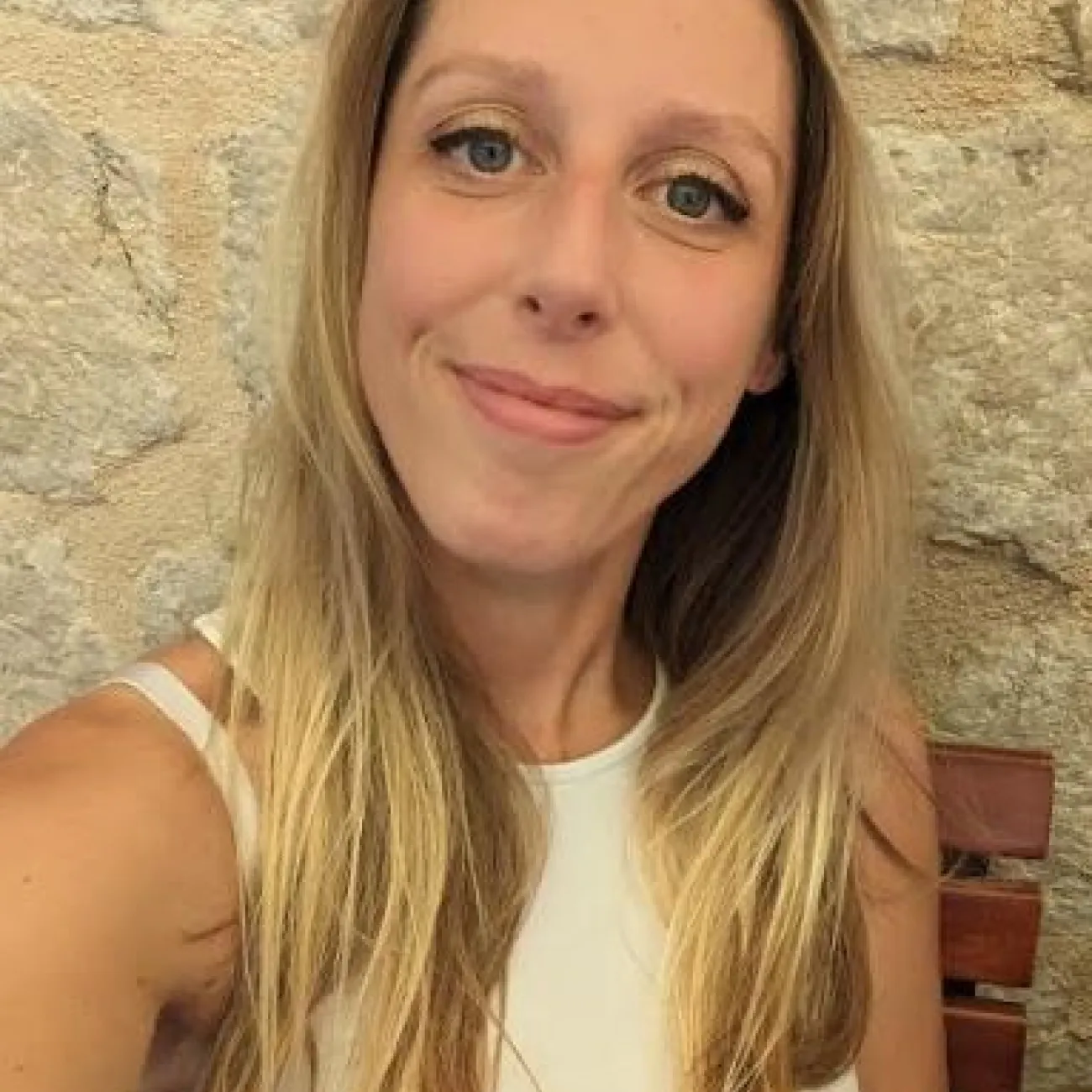
Katrina Morgan-Innes is a Lecturer (Assistant Professor) at the School of Electronics and Computer Science, University of Southampton. Her research focuses on advanced flexible materials for energy harvesting and storage, leveraging semiconductor industry fabrication techniques to develop wearable thermoelectric devices and next-generation batteries. She leads the Morgan Materials and Devices for Energy (MADE) research group and a £220k EPSRC New Horizons grant (Smart Cloth). Her work emphasizes commercial scalability and integration of 2D materials with flexible substrates. Education: MPhys in Physics (University of Sussex, 2011), CASE Award PhD in Electronics and Computer Science (University of Southampton, 2016–2022). Previous roles include Photonics Development Engineer at the AIM Photonics Programme (SUNY) and Visiting Fellow at the Optoelectronics Research Centre. Research interests include energy harvesters, flexible wearables, 2D materials, and nanofabrication. She has pioneered scalable manufacturing methods for photonic and energy devices and contributed to chalcogenide material applications. Her research group aims to create fully flexible systems enabling integrated sensing, power, and communication on lightweight platforms. Key grants include EPSRC funding for wearable thermoelectric generators and collaborations like the ChAMP/WAFT-funded projects on flexible ion sensors and 3D nanophotonics. She has published in high-impact journals (e.g., ACS Applied Materials and Interfaces , npj 2D Materials and Applications ) and conferences, focusing on thermoelectric materials, photonic heterostructures, and scalable manufacturing. Awards: UNSW Women in Engineering Visiting Fund (2019), Top 100 Physics Paper (2020), Outreach Engagement Award (2016) Labs/Teams: Morgan MADE Group, Collaboration with Optoelectronics Research Centre and Zepler Institute Advocacy: Chair of WiSET+ (University-wide STEM+ Equality Committee), founder of Early Career Researcher Forum
Dr. Chenming Zhang is an Advanced Queensland Industry Research Fellow at the School of Civil Engineering, The University of Queensland. His research focuses on hydrological processes in coastal and terrestrial groundwater systems, with particular emphasis on evaporation-driven mass and heat transport in soils and tailings, and hydrogeochemical dynamics in aquifers and mine waste systems. Specializes in IoT-based environmental monitoring Develops numerical models for coastal aquifer dynamics Conducts field and laboratory experiments on tailings behavior Research interests span coastal hydrology, groundwater modeling, mine waste management, and environmental monitoring. He works on contamination transport, aquifer protection, and climate impacts on water systems. Recent publications analyze: Iron curtain formation in subterranean estuaries Sea water intrusion mechanisms Salinity dynamics in tidal wetlands Smart sewer monitoring systems Scientific awards include the prestigious Advanced Queensland Industry Research Fellowship. He supervises multiple PhD projects on mine waste hydrology and coastal aquifer management, with notable collaboration on: Evolution Mining's gold tailings projects ARC Discovery Projects on coastal processes Grange Resources' PAF cell instrumentation His work combines field measurements, laboratory testing, and computational modeling to address critical environmental challenges in mining and coastal zones.
Oliver Schmitz is a Professor in the Department of Nuclear Engineering & Engineering Physics at the University of Wisconsin-Madison, where he leads research in plasma edge physics for magnetic confinement fusion and next-generation particle accelerators. His work bridges experimental plasma science, computational modeling, and diagnostic development with applications in both tokamaks and stellarators. Education: PhD (2006), Heinrich-Heine-Universität Diploma (2003), Rheinische Friedrich-Wilhelms-Universität Professor Schmitz's research focuses on 3D plasma edge transport phenomena, plasma-wall interactions, and helicon plasma generation for wakefield accelerators. His group employs advanced computational tools like EMC3-EIRENE for 3D plasma edge modeling and develops active spectroscopic diagnostics to measure plasma parameters through atomic emission analysis. Key themes include resonant magnetic perturbation effects in tokamaks, inherent 3D physics in stellarators, and high-density plasma sustainment for accelerator applications. He actively develops atomic models to interpret spectroscopic data and operates helicon plasma test stands for fundamental process studies. Recent publications reveal strong emphasis on experimental-computational integration for fusion boundary physics, with significant contributions to ITER divertor solutions, stellarator exhaust optimization, and plasma-facing materials. The work shows growing focus on wakefield accelerator diagnostics through helicon plasma sources and advanced spectroscopy, alongside persistent innovation in 3D modeling of plasma-material interfaces. Scientific Awards: 2020 Thomas and Suzanne Werner Chair Professorship 2018 UW Madison Teaching Academy Fellow 2017 ITER Science Fellowship & Vilas Mid-Career Award 2015 DOE Early Career Award & NSF CAREER Award 2011 Torkil Jensen Award (General Atomics) 2007 Günther-Leibfried-Preis (Jülich) Professor Schmitz directs multiple DOE/NSF-funded research programs including his UW Madison laboratory and AWAKE project contributions at CERN. He mentors graduate students through NE 890/990 thesis research courses and has developed nationally recognized K-12 outreach including the "Plasma Show" for elementary schools and "Plasma Academy" for high-school educators developing AP Physics curriculum modules. His leadership extends to university governance through the Kaufman seminar on academic leadership. His research group operates helicon plasma test stands and computational facilities for EMC3-EIRENE simulations, with current efforts focused on high-density plasma sources for accelerators and resilient divertor solutions for stellarators. The group maintains strong international collaborations with ITER, CERN, and major fusion facilities worldwide.
Eric Roberts is a Professor of Geology and Geological Engineering and Director of the Potential Gas Agency at the Colorado School of Mines. His research focuses on basin analysis, energy exploration, and sedimentary geology with specializations in Mesozoic-Cenozoic basins of Gondwana and North America. He leads projects in U-Pb geochronology, critical minerals exploration, and paleoenvironmental reconstruction through vertebrate paleontology and stratigraphy studies. Roberts' work integrates advanced geochronological techniques with field-based analyses to address questions in paleobiology, resource exploration, and earth system dynamics. Key research themes include: Geochronology of sedimentary and volcanic deposits Paleoclimate reconstruction using paleosols Stratigraphic frameworks for dinosaur fossil records Resource potential of helium/hydrogen reserves Antarctic and African vertebrate paleontology His exploration of hominin burial practices in the Rising Star Cave System has provided critical insights into early human behavior. Roberts' interdisciplinary approach bridges geological, biological, and environmental sciences to advance understanding of Earth's history and resource management strategies.
Tobias Hermann serves as an Associate Professor at the University of Oxford's Department of Engineering Science, where he leads research within the Oxford Thermofluids Institute and holds a prestigious UKRI Future Leaders Fellowship. Affiliated with St. Hilda's College as an Associate Research Fellow, his work centers on experimental hypersonics and advanced diagnostic development for extreme aerospace environments. Hermann earned his Dipl.-Ing. in Aerospace Engineering from the University of Stuttgart (2012) followed by a Dr.-Ing. degree (2017), with doctoral research focused on spacecraft re-entry phenomena and aerothermochemistry during atmospheric entry. His thesis involved developing optical diagnostics including Vacuum Ultraviolet spectroscopy and tomographic emission systems. His research program emphasizes experimental hypersonics and plasma flows , with core expertise in spacecraft re-entry physics , high-temperature material-flow interactions , and optical diagnostic innovation . Hermann pioneered analytical methods for transpiration cooling in porous media and developed system engineering tools for thermal protection systems. His current work bridges fundamental fluid dynamics with practical aerospace applications, particularly in hypersonic vehicle design and re-entry simulation through facilities like the T6 expansion tube. Analysis of Hermann's publication record reveals consistent focus on high-enthalpy flow diagnostics and thermal protection systems , with recent work advancing expansion tube capabilities for boost-glide re-entry simulation, integrated arc-jet facilities for ablating models, and vacuum ultraviolet spectroscopy for plasma flow characterization. His research demonstrates strong integration of experimental validation with analytical modeling across hypersonic testing regimes. Hermann's scientific recognition includes: UKRI Future Leaders Fellowship (2021-present) As an educator, Hermann supervises 4th-year undergraduate projects and DPhil (PhD) students in hypersonics while teaching Thermodynamics and Fluid Mechanics. His current research portfolio—primarily funded through his UKRI Fellowship—comprises three major thrusts: development of high-enthalpy wind tunnels (including the multi-mode T6 facility), pre-heating of hypersonic models using plasma flows, and advancement of measurement techniques like spatially resolved UV-nIR spectroscopy. These projects address critical gaps in hypersonic testing infrastructure and instrumentation. Hermann directs experimental efforts at Oxford's Southwell Laboratory within the Oxford Hypersonics group, operating facilities including the T6 Stalker tunnel, OPG1 plasma wind tunnel, and specialized arc-jet systems. His team develops cutting-edge instrumentation such as vacuum ultraviolet spectroscopy systems, high-speed focused Schlieren, and pressure-sensitive paint diagnostics to investigate complex phenomena in hypersonic boundary layers and re-entry flows.
Dr Dongbin Wei is an Associate Professor at the School of Mechanical and Mechatronic Engineering , University of Technology Sydney (UTS), with a career spanning academia and industry. He holds a PhD in Materials Processing Engineering from the University of Science and Technology Beijing (2001) and academic appointments from 2005–2012 at the University of Wollongong (Research Fellow to Lecturer) and 2013–2017 at UTS (Senior Lecturer) before his promotion to Associate Professor in 2018. His research lies at the intersection of Mechanical Engineering , Manufacturing Engineering , and Materials Processing , focusing on: Ultrasonic Additive Manufacturing (UAM) Micro Metal Forming and Size Effects Tribology and Lubrication Numerical Simulations of Material Processing Composite Material Fabrication Key contributions include: Development of the Springback Path–Displacement Adjustment (SP-DA) method for stamping accuracy Advancements in femtosecond laser texturing for silicon wettability control Studies on nanolubrication in hot rolling Optimization of micro-deep drawing parameters He has secured competitive grants from the Australian Research Council (ARC) and industry partners like Weir Minerals Australia Ltd , including projects on: Revolutionizing mineral separation via additive manufacturing Super high-speed grinding technologies Mechanics of micro composite drill fabrication As a lead supervisor, he guided the 2022 thesis 'Creation and Validation of 3D Printable Mineral Separation Spiral' . His work bridges theoretical analysis, computational modeling (FEM/FEA), and practical validation in advanced manufacturing systems.
Cheuk Wai Tai is a Senior Staff Researcher at Stockholm University's Department of Environmental and Materials Chemistry since 2009. He manages the transmission electron microscopes and sample preparation equipment at the Electron Microscopy Center and serves as Section Editor for the Journal of Electronic Materials. His work focuses on quantitative structure characterization in functional materials research, particularly within nanoscience and nanotechnology contexts. Education: Ph.D. in Applied Physics, The Hong Kong Polytechnic University, 2004 M.Phil. in Applied Physics, The Hong Kong Polytechnic University, 2001 M.Sc. in Physics, The Chinese University of Hong Kong, 1998 B.Sc. (Hons) in Engineering Physics, The Hong Kong Polytechnic University, 1997 Dip. in Mechanical Engineering (Computer Aided Engineering), Institute of Vocational Education (formerly Haking Wong Technical Institute), Hong Kong, 1992 His research centers on structure-property relationships in functional materials through advanced electron microscopy techniques. Current specializations include Pair Distribution Function (ePDF) & Diffuse Scattering, Energy Materials characterization, and EM sample preparation methodology development. The group maintains strong focus on translating structural data into functional performance metrics for nanomaterials. Recent publications (2013-2019) demonstrate consistent emphasis on electron microscopy applications for energy storage materials (batteries, photocatalysts) and functional ceramics. Key trends include structural disorder analysis in piezoelectrics, development of quantitative TEM methods like SUePDF, and nanoscale characterization of electrocatalyst surface phases. His work bridges materials chemistry with advanced imaging techniques. Scientific recognition includes: Fellow of The Royal Microscopical Society (U.K.) Senior Member of IEEE Marie Curie Fellowship (2007-2009) from European Commission Sir Edward Youde Memorial Fellowship (2003/2004) from Hong Kong S.A.R. Government He teaches Solid State Chemistry (KZ7003) and leads Introduction to Analytical Electron Microscopy (KZ8009), having previously taught Advanced Transmission Electron Microscopy (KZ8010) before 2011. Major grants supporting his work include: "Quantitative structural characterisation using 3D electron-based pair distribution function" (Swedish Research Council) "A Multidimensional Toolkit for Modern Electron Microscopy" (Swedish Foundation for Strategic Research) "Mitigating Ni-rich Li-ion cathode side-reactions" (Swedish Energy Agency, Co-applicant) He leads the Cheuk-Wai Tai group within Stockholm University's chemistry department and oversees operations at the Electron Microscopy Center, where his team develops and applies advanced characterization techniques for functional materials research.
Lande Liu is a Senior Lecturer in Chemical Engineering at the University of Huddersfield's School of Applied Sciences. Previously, he held a Lectureship at the University of Manchester (2010-2014), and earlier worked as an industrial consultant and research fellow at Leeds and Sheffield Universities. His academic journey began with a MEng in Chemical Engineering and a PhD in kinetic theory of aggregation from Sheffield (2004), preceded by a visiting PhD at Twente University (2002). Education: PhD in Chemical Engineering (University of Sheffield, 2004) Visiting PhD (Twente University, 2002) MEng in Chemical Engineering (Tsinghua University, 1999) BSc in Applied Mathematics (Tsinghua University, 1996) Liu's research focuses on multi-scale particle interactions (molecular to granular) using kinetic theory of aggregation, with applications spanning nanotechnology, pharmaceutical engineering, and sustainable chemical processes. His work aligns with UN Sustainable Development Goals for environmental protection and industrial innovation. Recent publications examine particle deposition in turbulent flows, enhanced heat exchanger designs, and nanofluid stabilization techniques. He teaches core chemical engineering topics including transport phenomena, unit operations, and process design. Active in collaborative research, Liu has partnered with institutions across Europe on projects involving spectroscopy, ultrasonics, and dynamic modeling. His technical expertise includes particle size analysis, tomography, and computational simulation of complex systems.
Xiaoqing Pan is a Professor and Henry Samueli Endowed Chair in Engineering at the University of California, Irvine, with dual appointments in the Department of Materials Science and Engineering and the Department of Physics and Astronomy. He serves as Director of the Irvine Materials Research Institute (IMRI) and the Center for Complex and Active Materials (NSF MRSEC). A renowned electron microscopy expert, Pan has developed advanced transmission electron microscopy (TEM) techniques for atomic-scale material characterization. Ph.D., Universität des Saarlandes, Germany (1991) His research focuses on atomic-scale structure-property relationships in oxide heterostructures, ferroelectrics, nanocatalysts, and 2D functional materials. Pan leads development of novel 4D-STEM and momentum-resolved vibrational electron microscopy methods to study single-atom catalysts and complex oxides. With over 400 high-impact publications in Nature , Science , and Nature Materials , his work has been recognized by major fellowships and awards from the American Ceramic Society, American Physical Society, and National Science Foundation. Pan's recent work includes: Atomic-scale analysis of grain boundary phonon anisotropy Advances in FeSe/SrTiO 3 interface electron-phonon coupling Plastic waste upcycling through carbon intermediate interception Control of metal-support interactions in photocatalysts Strain engineering in high-entropy oxide films His laboratory at UCI represents the forefront of materials characterization technology development.