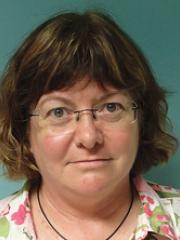
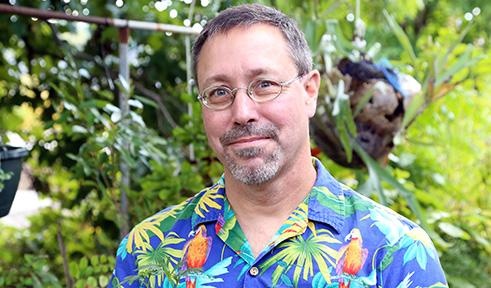
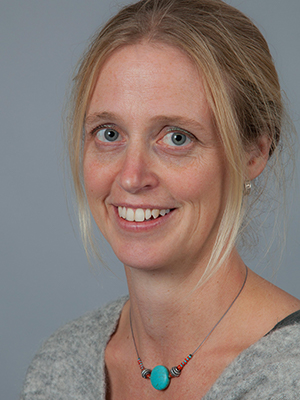
Dr. Lyn Cook is an Associate Professor specializing in evolutionary biology and systematics at the University of Queensland. Her research examines plant-insect interactions, biogeographic patterns, and taxonomic relationships using molecular phylogenetics. Research focuses on: Australian flora and insect coevolution Historical biogeography of Southern Hemisphere taxa Taxonomic revisions using genomic data Cryptic species discovery Conservation prioritization Recent work addresses taxonomic controversies in Eucalyptus classification and resolves biogeographic origins of Australian arachnids using phylogenetic methods. Fieldwork spans Australian biomes from rainforests to arid zones.
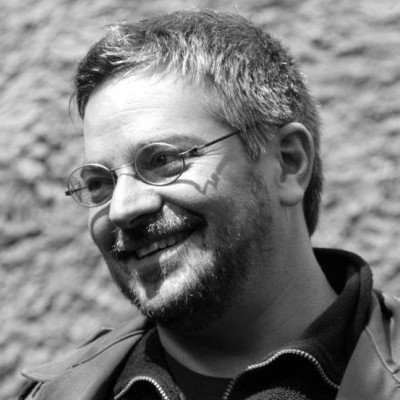
Reto Nyffeler , PD Dr., has been Lecturer and Curator of Phanerogams at the University of Zurich since 2002. He leads the Institute of Systematic Botany’s herbarium activities and heads the Nyffeler research group, collaborating closely with the Sukkulenten-Sammlung Zürich. Education & Career Diploma in Systematic Botany, University of Zurich (1988-1991) Ph.D., Institute of Systematic Botany, University of Zurich (1994-1997) Post-doctoral researcher & Mercer Fellow, Arnold Arboretum, Harvard University (1997-2000) Post-doctoral researcher, Stanford University (2000-2001) Lecturer and Herbarium Curator, University of Zurich (2002-present) Research Focus Nyffeler’s work integrates plant systematics, biogeography, and phylogenetic methodology. Empirically, he concentrates on the diversification of succulent plants—especially Cactaceae—using molecular phylogenetics to untangle taxonomy, growth-form evolution, and biogeographic history. Parallel interests include the floristics of alpine regions and the systematics of Campanulaceae, Asteraceae, and Ranunculaceae. Across dozens of peer-reviewed papers (2010-2025) he has advanced family-wide phylogenies for Cactaceae and Caryophyllales, documented repeated succulent radiations, and created online taxonomic backbones such as Caryophyllales.org . His current projects combine next-generation sequencing with classical morphology to revise genera like Parodia and to understand adaptation in high-altitude Callianthemum . Students & Mentoring PhD advisee: Anita Lendel (systematics of Trichocereeae) Master advisees: 16 students (2006-2018) working on alpine ecology, cactus morphology, and floristic change Research Group & Collaborations The Nyffeler group comprises a scientific assistant (Dr. Heike Hofmann), technical and IT staff, and rotating Master students. The team maintains close collaborations with the Sukkulenten-Sammlung Zürich, Harvard’s Arnold Arboretum (Mercer Fellowship network), and multiple international cactus specialists.
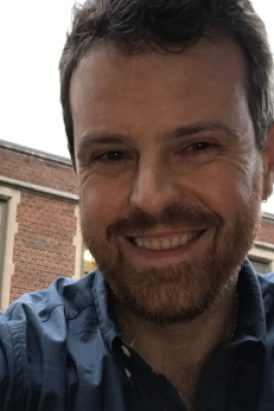
Anders Backlund is Professor of Pharmacognosy at Uppsala University's Department of Pharmaceutical Biosciences, with dual institutional roles including Garden Director at Uppsala Linnaean Gardens. His work bridges pharmaceutical sciences and botanical heritage through the university's historic gardens. His research centers on pharmacognosy and natural products chemistry, with pioneering development of the ChemGPS-NP platform for chemical space navigation. This computational tool maps biological activity in chemical property space, enabling prediction of pharmacological effects and mechanisms of action. His work spans plant metabolomics, evolutionary chemography, and drug discovery from natural sources including marine organisms, fungi, and medicinal plants. Recent publications (2019-2023) demonstrate strong continuity in applying ChemGPS-NP to diverse problems: predicting membrane permeability of Alpinia galanga constituents (2022), evaluating Ononis isoflavonoids for CNS targeting (2022), and decoding multi-functional bioactivities in Maca (2021). His work increasingly integrates computational prediction with experimental validation across anti-inflammatory, anti-allergic, and antimicrobial domains. As Garden Director of Uppsala Linnaean Gardens, he maintains institutional connections to botanical heritage while advancing modern pharmacognosy. His dual roles exemplify the integration of historical plant knowledge with contemporary drug discovery methodologies.
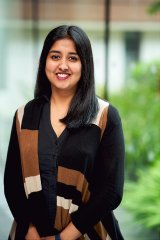
Professor Vincent Savolainen is a Professor of Organismic Biology at Imperial College London's Department of Life Sciences (Silwood Park Campus), part of the Faculty of Natural Sciences. He serves as Director of the Georgina Mace Centre for the Living Planet, focusing on interdisciplinary environmental challenges. Previously, he was Deputy Head of the Department of Life Sciences (2013–2016) and Deputy Head of Molecular Systematics at the Royal Botanic Gardens, Kew (2007–2016). His research integrates field ecology, molecular phylogenetics, and population genomics to address biodiversity preservation, evolutionary biology, and societal challenges like pandemic monitoring. Key areas include ecological speciation in palms, same-sex behavior in animals, and zoonotic disease surveillance in bats. He has pioneered environmental DNA (eDNA) techniques for biodiversity assessment and led studies on the genetic basis of traits like sexual orientation in primates. Professor Savolainen holds prestigious awards, including the Linnean Society’s Bicentenary Medal (2006), European Research Council Advanced Grant (2008), and Coincy Medal for Botany (2014). He sits on UK Natural Environment Research Council panels and Royal Society committees. His group includes researchers like Dr Marco Balducci and Dr Louis Bell-Roberts, and collaborates with institutions like the Zoological Society of London and Royal Society of Biology. Current projects explore plant-insect coevolution, conservation genetics of deer species, and the evolution of endothermy in fish.
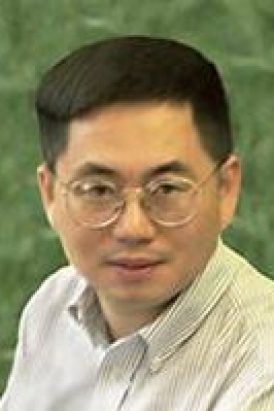
Dr. Yin-Long Qiu is an Associate Professor in the Department of Ecology and Evolutionary Biology at the University of Michigan, where he also serves as Associate Curator of the U-M Herbarium. His research focuses on understanding the evolution of land plants through molecular approaches. Dr. Qiu received his Ph.D. from the University of North Carolina, Chapel Hill in 1993, followed by an NIH postdoctoral fellowship at Indiana University in 1997. His academic journey has positioned him as a leading researcher in plant evolutionary biology. Dr. Qiu's research spans three primary areas: reconstructing plant phylogeny using molecular approaches, investigating evolution of mitochondrial and nuclear genomes in early land plants, and examining the effects of environmental changes on plant evolution. His work has particularly focused on group II introns in mitochondrial genomes, early land plant diversification patterns, and the genetic basis of plant-environment interactions. His lab continues to advance knowledge in these areas while developing new projects on nuclear genome evolution, particularly the roles of introns and transposons. Analysis of Dr. Qiu's publication record reveals a consistent focus on plant evolutionary genomics, with particular emphasis on mitochondrial genome evolution across land plants. His research spans from molecular dating of plant divergences to detailed genomic structural analyses, with significant contributions to understanding bryophytes, lycophytes, and early vascular plants. NIH postdoctoral fellowship Dr. Qiu teaches Plant Evolution (EEB 420), an advanced course that covers plant phylogeny, evolutionary genomics, evolutionary developmental biology, and evolutionary ecology of plants. His graduate student Alexander Taylor continues his research tradition in plant evolutionary studies. Dr. Qiu's work has been supported by various research grants that have enabled extensive genomic analyses across diverse plant lineages. As Associate Curator of the U-M Herbarium, Dr. Qiu integrates traditional botanical resources with modern genomic approaches to advance plant evolutionary research.
Stephen W. Hoag is a Professor in the Department of Pharmaceutical Sciences at the University of Maryland School of Pharmacy. His research spans pharmaceutical formulation, process development, and analytical technologies, with a strong emphasis on solid oral dosage forms and controlled release systems. University: University of Maryland School: School of Pharmacy Department: Department of Pharmaceutical Sciences Email: shoag@umaryland.edu Phone: (410) 706-6865 Fax: (410) 706-0346 Address: 20 North Pine Street, Baltimore, MD 21201 Education: B.S. in Biochemistry, University of Wisconsin–Madison, 1982 Ph.D. in Pharmaceutics, University of Minnesota, Twin Cities, 1990 Dr. Hoag's research is centered on two primary areas: (1) the development of systematic methods for formulating immediate and controlled release tablets, utilizing instrumented tablet presses, shear cell analysis, and process analytical technology (PAT) such as Near-Infrared (NIR) and Raman spectroscopy; and (2) the application of mathematical models to understand mass transport in hydrogels, including calcium alginate and silk-elastinlike protein polymers. His work on folic acid supplementation and prenatal vitamins has important public health implications due to the role of folic acid in preventing neural tube defects. Although no recent publications are listed in the provided text, his research output is evident through his co-editorship of the widely used reference work Pharmaceutical Dosage Forms: Tablets (3rd edition, 2008), and his leadership in developing best practices for PAT in pharmaceutical manufacturing. Scientific Awards: No specific awards mentioned in the provided text. Dr. Hoag has actively mentored a large number of graduate students, postdoctoral fellows, and visiting scientists, contributing significantly to pharmaceutical education and workforce development. His laboratory is equipped with state-of-the-art instrumentation for preformulation, formulation, tableting, coating, dissolution testing, and analytical characterization. The lab supports both non-clinical and GMP-level manufacturing research, enabling translational development of dosage forms. He also leads a hands-on short course on tablets and capsules, further extending his educational impact. Research Facilities: Thermal analysis (DSC, MDSC) Solubility and viscosity measurement Moisture analysis (Karl Fisher, LOD) Mechanical testing (Instron) Flow characterization (shear cell, angle of repose) Particle size analysis (laser diffraction, SEM, sieve) Tablet presses (Stoke’s B2, Manesty Beta, fully instrumented) Coating systems (fluid bed, pan coaters) UV/Vis, HPLC, GC, MS instrumentation Environmental stability chambers Granulation, milling, blending equipment Dissolution testing with autosampler
Harvey Ballard is a Professor in the Department of Environmental and Plant Biology at Ohio University's College of Arts and Sciences. He serves as the Internships Coordinator, Herbarium Director, and Curator of Vascular Plants at the Floyd Bartley Herbarium. His work bridges molecular biology, taxonomy, and conservation, with strong institutional ties to national botanical networks and research centers. Research Interests: Dr. Ballard’s research focuses on plant systematics, phylogenetics, molecular ecology, and conservation genetics. His lab investigates evolutionary processes in plants, particularly in the genus Viola and the family Violaceae. Using molecular tools such as microsatellites and next-generation sequencing, his team studies hybridization, polyploidy, and breeding systems like chasmogamy and cleistogamy. His work has broad implications for understanding species formation and plant diversity. Publications & Research Trends: His recent publications reflect a strong emphasis on taxonomic revisions, phylogenetic analyses, and floristic contributions. The research spans new species descriptions, generic reclassifications, and molecular phylogenies, primarily in Violaceae and related families. The integration of traditional morphology with modern genomics underscores a multidisciplinary approach to plant systematics. Scientific Service & Recognition: Adjunct Faculty, Ohio State University Department of Horticulture and Crop Science Research Associate, Missouri Botanical Garden Research Associate, Carnegie Museum Member, BRAHMS Database System International Advisory Group Editorial Board, Acta Botanica Cracoviensia Program Director, U.S. Virtual Herbarium Database Network Member, Ohio Rare Plant Technical Advisory Committee Member, Ohio Flora Committee Violaceae Working Group, Species Plantarum Programme Advising and Grants: Dr. Ballard coordinates undergraduate internships and advising in plant biology. He led a National Science Foundation grant to digitize herbarium collections across Appalachian Ohio, creating a regional databasing and imaging network. He also engages in contract research with the U.S. National Arboretum for microsatellite development in ornamental shrubs. Laboratories and Teams: His lab collaborates with Dr. Sarah Wyatt on the genetic basis of mixed breeding systems in Viola . The team employs molecular techniques including ISSRs, microsatellites, and 454 shotgun sequencing. The Floyd Bartley Herbarium, under his curation, is a hub for botanical research and education, utilizing BRAHMS software for specimen management.
Andrea Pieroni is a Full Professor of Ethnobotany at the University of Gastronomic Sciences (UNISG) in Italy. He holds a doctorate from the University of Bonn and has held academic positions at the University of London and the University of Bradford. His research focuses on cultural adaptation processes, traditional foraging practices, and biocultural diversity, with particular emphasis on the Mediterranean, Balkans, Eastern Europe, and the Greater Middle East. Professor Pieroni serves as Vice-President and former President of the International Society of Ethnobiology and is founder/Chief Editor of the Journal of Ethnobiology and Ethnomedicine. He has led research projects addressing food security, wild plant usage, and ecological sustainability, such as UNISG’s DiGe and SASS initiatives. His work bridges ethnobotanical field studies with policy advocacy, emphasizing community-centered approaches to ecological transition. Educations: Ph.D., University of Bonn; Medical Botany training, University of Pisa Research Projects: BIOESSaNS, GLN, ETHCSTWIN Grants & Awards: Leadership roles in global ethnobiology organizations, editorial roles in peer-reviewed journals His recent articles (2024-2025) explore topics such as Romani knowledge systems, desert truffle ethnoecology, and the impact of overtourism on foraging traditions. Pieroni advocates integrating traditional ecological knowledge into modern sustainability frameworks, particularly in food systems.
Prof. Dr. Jörg Heilmann is a Full Professor (C-4 Professor) of Pharmaceutical Biology at the University of Regensburg, Germany, where he holds a chair position in the Faculty of Chemistry and Pharmacy. He has been in this position since December 1, 2004, after accepting the appointment from the university. His research focuses on natural products chemistry, phytochemistry, and the pharmacological properties of plant compounds. Professor Heilmann received his pharmacy education at Heinrich Heine University Düsseldorf (1985-1990), followed by practical training and licensure as a pharmacist in 1991. He completed his doctoral studies in 1997 with a thesis on phytochemical investigations of Buphthalmum salicifolium flowers and anti-inflammatory effects of flavonoids. After positions at ETH Zurich (1998-2002) and habilitation in 2002, he was appointed Privatdozent in January 2003. His academic career includes significant recognition with the Egon-Stahl Preis in Silber and A. Vogel Preis in 2003. His research primarily centers on the chemical analysis and pharmacological evaluation of natural products, with particular emphasis on anti-inflammatory compounds, cytotoxic substances, and the metabolism of plant-derived molecules. His work spans phytochemistry, natural products chemistry, and pharmaceutical biology, with significant contributions to understanding chemical composition and biological activities of medicinal plants, particularly Hypericum species, Commiphora (myrrh), and other botanicals with therapeutic potential. His research combines sophisticated analytical techniques with biological testing to elucidate structure-activity relationships of natural compounds. His recent publications demonstrate continued focus on sesquiterpenoids, flavonoids, and acylphloroglucinols, with particular attention to their anti-inflammatory properties, cytotoxic activities, and metabolic pathways. His work bridges traditional plant medicine and modern pharmaceutical science, providing scientific validation for many ethnobotanical uses of plants. Egon-Stahl Preis in Silber (2003) A. Vogel Preis (2003) As chair holder of Pharmaceutical Biology at the University of Regensburg, Prof. Heilmann oversees research on natural product chemistry and pharmacology. His laboratory employs advanced analytical techniques including LC-MS, GC-MS, and various biological assays. He has supervised numerous doctoral and master's students throughout his career, contributing to pharmaceutical education. His research has been supported by various funding bodies interested in natural product drug discovery.
Andrew Marshall is a Professor at the University of Michigan, affiliated with the School for Environment and Sustainability, Departments of Anthropology and Ecology and Evolutionary Biology, and the Program in the Environment. He holds a PhD from Harvard University and has conducted extensive fieldwork in Indonesian Borneo, Uganda, and the Democratic Republic of Congo. His research focuses on primate evolutionary ecology, tropical forest ecology, and conservation biology, with a primary research site at Gunung Palung National Park, West Kalimantan, Indonesia. Education: B.A. and Ph.D. in Anthropology from Harvard University, postdoctoral work at The Arnold Arboretum (Harvard). Research Interests: Primate behavior and ecology, tropical forest conservation, invasive species impacts, climate change effects on wildlife, and conservation policy. He leads long-term studies on orangutans and other primates, emphasizing their ecological roles and responses to environmental changes. Key Achievements: Awarded UC Davis Chancellor’s Fellow, Fulbright Scholar, and U.S. Rowing Academic All-American. His work addresses global challenges like biodiversity loss and sustainable development in tropical regions. Advising and Grants: Supervises graduate students in anthropology and ecology programs. Secured grants for projects on primate foraging behavior, climate impacts on primates, and invasive species management. Collaborates internationally on conservation initiatives. Labs/Teams: Core member of the Gunung Palung Orangutan Project, involving multidisciplinary teams in ecology, anthropology, and conservation science.
Professor Jane Hanrahan is a leading academic in the School of Pharmacy at the University of Sydney, where she holds the rank of Professor in Pharmaceutical Sciences. She has served on the University of Sydney Academic Board since 2002 and chairs the Undergraduate Studies Committee, with prior roles in the Therapeutic Goods Administration Advisory Committee on Prescription Medicines (2013). Her career spans postdoctoral research at Cardiff (1996-97), lectureships in Pharmacology (1997-2002), and progressive promotions to Professor (2014). Education: BSc (Hons), University of Sydney PhD, University of Warwick (UK) Graduate Diploma in Educational Studies (Higher Education) Her research focuses on GABA receptors in anxiety, sleep disorders, schizophrenia, epilepsy, and learning/memory, with an emphasis on synthesizing conformationally restrained GABA analogues and exploring natural products from traditional herbal medicines. Key themes include neuropharmacology, medicinal chemistry, and mental health. Recent publications highlight trends in GABA receptor modulation (11/15 articles), traditional medicine analysis (4/15), and clinical pharmacy applications (4/15). Notable collaborations include work with Chebib, Johnston, and Collins on receptor-specific drug design. Grants and Committees: NHMRC Project Grants (2005-2014) on GABA receptors and neuroprotection Chair of Academic Board Undergraduate Studies Committee Member of Therapeutic Goods Administration Advisory Committee
Dr. Suzi Mansu is a Senior Lecturer in the Department of Health and Biomedical Sciences at RMIT University, located at the Bundoora West campus. Her research focuses on Complementary and Alternative Medicine and Clinical Sciences, with a particular emphasis on acupuncture safety, herbal medicine efficacy, and systematic reviews in dermatology and infectious diseases. She has contributed to studies on birth-related trauma support, acne vulgaris treatments, and respiratory disorder management through traditional Chinese medicine frameworks. Education : No formal educational details provided in the text. Her research interests span acupuncture safety assessments, herbal formulations for skin and infectious conditions, and integrating digital tools into medical education. Recent work includes a 2025 scoping review on midwifery practices for birth-related trauma and a 2018 meta-analysis on acupuncture for acne vulgaris. Dr. Mansu is open to supervising Masters and PhD students in relevant fields. She has collaborated on interdisciplinary projects, including the SOPE educational model for online herbal medicine training.
Anupama Chembath is a Post-Doctoral Research Associate at Aston University's School of Biosciences within the College of Health and Life Sciences. Her research focuses on protein engineering, molecular biology, and genetic mutagenesis, with notable contributions to armadillo repeat proteins and saturation mutagenesis techniques. She has collaborated internationally on projects such as PRe-ART (Predictive Reagent Antibody Replacement Technology) and applied non-degenerate mutagenesis methods to alpha-helical repeat proteins. Her work bridges biochemical and genetic approaches to understand protein function and structure, including studies on circadian rhythms in plants and yeast pseudohyphal growth mechanisms. Recent advancements include modular binder technologies leveraging next-generation sequencing (NGS) and high-resolution selection in yeast. Award recognition details are not explicitly stated in the provided texts. Her research trends emphasize precision engineering, structural biology, and applications in biotechnology, with publications spanning from 2009 to 2024. Collaborative efforts highlight interdisciplinary approaches to protein design and functional analysis.
Anneleen Kool serves as Professor and Head of the Botanical Garden at the University of Oslo's Natural History Museum, driving interdisciplinary research on human-plant relationships through conservation, education, and public outreach initiatives focused on global plant diversity. Her academic qualifications include: MSc in Biology, Wageningen University (2003) MSc in Biology, Uppsala University (2004) PhD in Systematic Botany, Uppsala University (2012) Dr. Kool's research centers on ethnobotany, DNA barcoding, and ancient DNA analysis to investigate millennia of human impact on plant diversity, with special emphasis on Viking-Age trade, medicinal plants, and sustainable foraging practices. She integrates biological data with cultural sources to reconstruct historical plant use patterns across Nordic regions. Her recent publications (2020-2024) demonstrate transdisciplinary methodologies combining historical records, archaeology, and molecular techniques. Key trends include Viking-Age plant utilization validation, co-conservation of indigenous knowledge with seed banking, sustainable wild food plant management, and immunomodulatory compound discovery in traditional medicines through text-screening pipelines. Professional recognition includes: Uppsala University’s Excellence in Teaching Award (2007) Dr. Kool leads the EDGE research group and participates in major projects including NORPART, Nordic People and Plants, NorCol, and FOODIMPACT. She teaches BIOS 1150 (Biodiversity), BIOS 2200 (Botanical Diversity), and field courses while engaging public communities through initiatives like the 'People and Plants' project that documents contemporary wild plant use. The Botanical Garden under her leadership functions as a living laboratory for research and education, while the EDGE group advances molecular ethnobotany through international collaborations. Her work bridges academic research with organizations like the Norwegian Mushroom and Useful Plants Association to preserve cultural plant knowledge.
Dr. Bettina Reichardt serves as a Research Associate at the Seminar for Classical Archaeology within the Faculty of Philosophy I at Martin Luther University Halle-Wittenberg. Her work focuses on Greek iconography and ancient ceramics, particularly through her involvement in the North Rhine-Westphalian Academy of Sciences project 'Cults within the Cult' examining Greek extra-urban sanctuaries. Her research interests center on Greek vase painting , Archaic period iconography , and religious structures , with specialization in Eastern Greek ceramics and Byzantine church architecture at Didyma. She has conducted extensive excavation work at Didyma since 2001 through the German Archaeological Institute. Analysis of her publications reveals a consistent trajectory from early studies of mythical mothers in Attic imagery (2007) to specialized ceramic analysis (2009-2016), culminating in systematic documentation of Didyma's religious landscape. Her work bridges iconographic detail with broader cult structural analysis. Dr. Reichardt actively participates in major excavation projects and scholarly networks including the Berlin Sculpture Network. Her fieldwork spans Germany since 1995 and Anatolian sites since 2001, contributing significantly to understanding sanctuary development from Archaic through Byzantine periods.