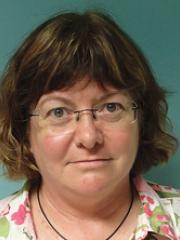
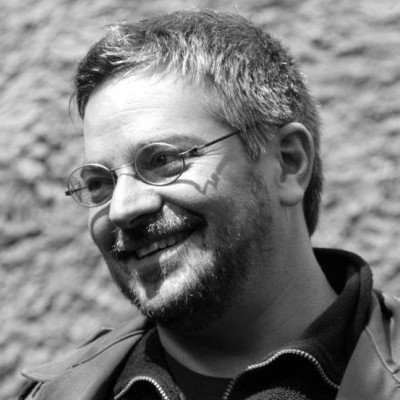
Dr. Lyn Cook is an Associate Professor specializing in evolutionary biology and systematics at the University of Queensland. Her research examines plant-insect interactions, biogeographic patterns, and taxonomic relationships using molecular phylogenetics. Research focuses on: Australian flora and insect coevolution Historical biogeography of Southern Hemisphere taxa Taxonomic revisions using genomic data Cryptic species discovery Conservation prioritization Recent work addresses taxonomic controversies in Eucalyptus classification and resolves biogeographic origins of Australian arachnids using phylogenetic methods. Fieldwork spans Australian biomes from rainforests to arid zones.
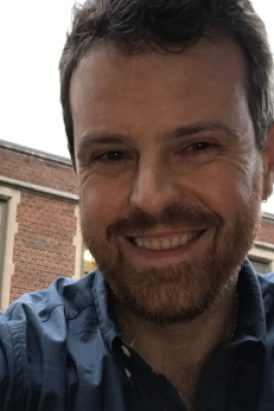
Reto Nyffeler , PD Dr., has been Lecturer and Curator of Phanerogams at the University of Zurich since 2002. He leads the Institute of Systematic Botany’s herbarium activities and heads the Nyffeler research group, collaborating closely with the Sukkulenten-Sammlung Zürich. Education & Career Diploma in Systematic Botany, University of Zurich (1988-1991) Ph.D., Institute of Systematic Botany, University of Zurich (1994-1997) Post-doctoral researcher & Mercer Fellow, Arnold Arboretum, Harvard University (1997-2000) Post-doctoral researcher, Stanford University (2000-2001) Lecturer and Herbarium Curator, University of Zurich (2002-present) Research Focus Nyffeler’s work integrates plant systematics, biogeography, and phylogenetic methodology. Empirically, he concentrates on the diversification of succulent plants—especially Cactaceae—using molecular phylogenetics to untangle taxonomy, growth-form evolution, and biogeographic history. Parallel interests include the floristics of alpine regions and the systematics of Campanulaceae, Asteraceae, and Ranunculaceae. Across dozens of peer-reviewed papers (2010-2025) he has advanced family-wide phylogenies for Cactaceae and Caryophyllales, documented repeated succulent radiations, and created online taxonomic backbones such as Caryophyllales.org . His current projects combine next-generation sequencing with classical morphology to revise genera like Parodia and to understand adaptation in high-altitude Callianthemum . Students & Mentoring PhD advisee: Anita Lendel (systematics of Trichocereeae) Master advisees: 16 students (2006-2018) working on alpine ecology, cactus morphology, and floristic change Research Group & Collaborations The Nyffeler group comprises a scientific assistant (Dr. Heike Hofmann), technical and IT staff, and rotating Master students. The team maintains close collaborations with the Sukkulenten-Sammlung Zürich, Harvard’s Arnold Arboretum (Mercer Fellowship network), and multiple international cactus specialists.
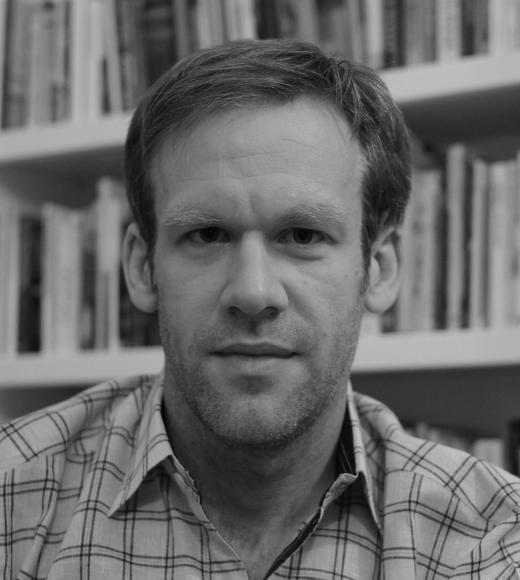
Professor Vincent Savolainen is a Professor of Organismic Biology at Imperial College London's Department of Life Sciences (Silwood Park Campus), part of the Faculty of Natural Sciences. He serves as Director of the Georgina Mace Centre for the Living Planet, focusing on interdisciplinary environmental challenges. Previously, he was Deputy Head of the Department of Life Sciences (2013–2016) and Deputy Head of Molecular Systematics at the Royal Botanic Gardens, Kew (2007–2016). His research integrates field ecology, molecular phylogenetics, and population genomics to address biodiversity preservation, evolutionary biology, and societal challenges like pandemic monitoring. Key areas include ecological speciation in palms, same-sex behavior in animals, and zoonotic disease surveillance in bats. He has pioneered environmental DNA (eDNA) techniques for biodiversity assessment and led studies on the genetic basis of traits like sexual orientation in primates. Professor Savolainen holds prestigious awards, including the Linnean Society’s Bicentenary Medal (2006), European Research Council Advanced Grant (2008), and Coincy Medal for Botany (2014). He sits on UK Natural Environment Research Council panels and Royal Society committees. His group includes researchers like Dr Marco Balducci and Dr Louis Bell-Roberts, and collaborates with institutions like the Zoological Society of London and Royal Society of Biology. Current projects explore plant-insect coevolution, conservation genetics of deer species, and the evolution of endothermy in fish.
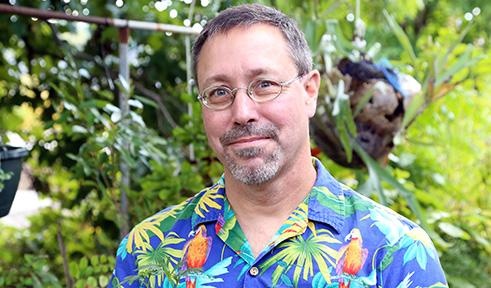
Tobias Menely is a Professor and Chair of English at the University of California, Davis. His research focuses on ecocriticism, environmental humanities, and British literature from Milton to the Romantics. He has authored two major books: The Animal Claim: Sensibility and the Creaturely Voice (2015) and Climate and the Making of Worlds: Toward a Geohistorical Poetics (2021), both critically acclaimed and award-winning. His work bridges literary analysis with environmental and political theory, emphasizing the intersection of climate, literature, and world-making. Menely’s current projects include studies on megafauna conservation and planetary futures through scenarios and models. He has received notable awards, including the UC Davis Academic Senate Distinguished Teaching Award (2024) and the MLA’s William Riley Parker Prize (2012). His scholarship appears in journals like PMLA , European Romantic Review , and Studies in Romanticism . Education: PhD, Indiana University; BA, Beloit College. Menely also co-edited Anthropocene Reading: Literary History in Geologic Times (2017) and frequently contributes to interdisciplinary dialogues on climate change, ecology, and literature.
University of North Carolina at GreensboroUnited States
Nicholas H. Oberlies is the Patricia A. Sullivan Distinguished Professor of Chemistry and Graduate Director (MS and PhD) in the Department of Chemistry and Biochemistry at the University of North Carolina at Greensboro (UNC-Greensboro). He holds a B.S. in Chemistry from Miami University (1992) and a Ph.D. in Medicinal Chemistry and Pharmacognosy from Purdue University (1997). Before joining UNC-Greensboro in 2009, he conducted research at the Research Triangle Institute (RTI) under Drs. Mansukh Wani and Monroe Wall, renowned for discovering Taxol and Camptothecin. Serves as Principal Investigator for projects funded by the National Cancer Institute (NCI), National Institute of General Medical Sciences (NIGMS), and National Center for Complementary and Alternative Medicine (NCCAM). Research focuses on isolating bioactive compounds from fungi, plants, and bacteria for drug discovery and herbal drug standardization. Key projects include anticancer drug leads from filamentous fungi, milk thistle's hepatoprotective mechanisms, and drug-herb interaction studies. His lab collaborates across disciplines, including pharmacology, virology, and metabolism. Notable awards include the Matt Suffness Young Investigator Award and recognition as a Fellow and Past President of the American Society of Pharmacognosy. Current research teams include postdoctoral scientists, graduate (Ph.D.) students, and undergraduates. His group emphasizes team-based approaches, with projects published in journals like Proceedings of the National Academy of Sciences and Nature Chemical Biology . Labs and facilities include advanced NMR, mass spectrometry, and cell culture setups. Ongoing work explores natural product synthesis, drug delivery systems (e.g., lipid nanoparticles), and metabolomics-guided studies on honeybee diets.
Barbara N. Timmermann is the Interim Dean and University Distinguished Professor at the University of Kansas School of Pharmacy, Department of Medicinal Chemistry. She holds a PhD in Botany from the University of Texas and has over 40 years of research experience in natural products chemistry, drug discovery, and pharmacognosy. Education PhD in Botany (Phytochemistry), University of Texas at Austin MA in Botany (Phytochemistry), University of Texas at Austin BSc in Biological Sciences, Universidad Nacional de Córdoba, Argentina Research Focus Botanical dietary supplements (turmeric/ginger for inflammation) Biodiversity drug discovery (ICBG Program) Withanolide anti-cancer mechanisms OATP transporter interactions Chemotaxonomy and plant secondary metabolites Awards & Recognition AAAS and ASP Fellowships NIH-funded Center Directorships (COBRE, ICBG) Women's Hall of Fame (University of Kansas) Regents Professor (University of Arizona) Leadership Former Chair of Medicinal Chemistry (2005-2012) Completed Senior Administrative Fellow Program (2010-2011) Directed NIH-funded core laboratories Labs & Collaborations COBRE Center for Cancer Experimental Therapeutics Arizona Center for Phytomedicine Research International Biodiversity Research Programs
Alison Copeland is a Research Postgraduate (PhD) in the Department of Biosciences at Durham University. Her research focuses on Bermuda’s vegetation communities, particularly invasive plant species and their interactions with indigenous flora. Previously, she served as Biodiversity Officer for Bermuda’s Government, leading projects like the IUCN Red Listing of endemic plants and the Governor Laffan’s Fern recovery initiative. She holds an MSc in Geography from Memorial University of Newfoundland (MUN), where her thesis involved seabed habitat mapping in Newman Sound fjord using multibeam sonar and field sampling. Her expertise spans marine and terrestrial conservation, with a focus on endangered species recovery, habitat management, and translating science into policy. Key affiliations include MUN’s Marine Habitat Mapping Group and the Royal Botanic Gardens Kew. Awards include the Durham Doctoral Studentship (Faculty of Science) and a Bermuda Public Service Education Award. Her recent work highlights invasive species dynamics in island ecosystems, biodiversity assessments, and policy frameworks for conservation. She has contributed to over 15 peer-reviewed articles, emphasizing habitat mapping methodologies, invasive species management, and endangered species recovery strategies. Awards: $3000 Garden Club of Bermuda Grant (PhD support) Fellow of MUN’s School of Graduate Studies Grants: Durham Doctoral Studentship (2022–present) Her PhD project investigates the ecological origins and interactions of invasive plants in Bermuda, bridging field research with policy recommendations to enhance biodiversity protection.
Anna Maria Palermo is an Associate Professor in the Department of Biology, Ecology and Earth Sciences at the University of Calabria, where she specializes in General Botany (BIO/01). She has held this position since October 2022, following a long academic trajectory that includes serving as a confirmed researcher since 2004 and prior technical service from 1990 to 2004. She is actively involved in teaching, research, and academic governance, with no indication of retirement or departure. Education: Laurea in Scienze Biologiche, University of Naples (1986) Professional qualification as Biologist, University of Naples (1987) Her research interests lie at the intersection of molecular botany and cultural heritage conservation. She focuses on molecular biosystematics of Mediterranean flora, particularly rare and endemic species in Calabria, using techniques such as ISSR, RAPD, AFLP, microsatellites, DNA barcoding, and isoenzyme analysis. A second major research line involves the study of biodeteriogens —fungi, cyanobacteria, algae, and lichens—on both organic (paper, wood, parchment) and inorganic (stone, plastic) cultural artifacts. Her work includes developing green conservation methods, notably using titanium dioxide nanoparticles for biocidal and preventive treatments. Her recent publications highlight a strong engagement in orchid pollination biology , heritage biodeterioration , and molecular taxonomy . These works reflect interdisciplinary trends combining ecology, botany, and conservation science, often with applications to historical monuments in Southern Italy. Scientific Service and Recognition: Reviewer for international journals: Environmental Engineering and Management, Journal Plant Biology, Aerobiologia, Studies in Conservation, Journal of Fungi, Horticulture, International Biodeterioration & Biodegradation, Botanical Studies Member of the Scientific Secretariat of the PhD Program in Life Science and Technology (2021) Member of the Italian Botanical Society since 2007 Active participant in research groups on plant biology and conservation Anna Maria Palermo has supervised numerous Master's and PhD theses in Biological Sciences, Natural Sciences, and Cultural Heritage Conservation. She has participated in research projects, organized workshops, and collaborated with various institutions. She is a key member of the Plant Biology Research Group at the University of Calabria, specifically contributing to the section on Biosystematics, Conservation, and Botany in Cultural Heritage led by Prof. Giuseppe Pellegrino.
Harvey Ballard is a Professor in the Department of Environmental and Plant Biology at Ohio University's College of Arts and Sciences. He serves as the Internships Coordinator, Herbarium Director, and Curator of Vascular Plants at the Floyd Bartley Herbarium. His work bridges molecular biology, taxonomy, and conservation, with strong institutional ties to national botanical networks and research centers. Research Interests: Dr. Ballard’s research focuses on plant systematics, phylogenetics, molecular ecology, and conservation genetics. His lab investigates evolutionary processes in plants, particularly in the genus Viola and the family Violaceae. Using molecular tools such as microsatellites and next-generation sequencing, his team studies hybridization, polyploidy, and breeding systems like chasmogamy and cleistogamy. His work has broad implications for understanding species formation and plant diversity. Publications & Research Trends: His recent publications reflect a strong emphasis on taxonomic revisions, phylogenetic analyses, and floristic contributions. The research spans new species descriptions, generic reclassifications, and molecular phylogenies, primarily in Violaceae and related families. The integration of traditional morphology with modern genomics underscores a multidisciplinary approach to plant systematics. Scientific Service & Recognition: Adjunct Faculty, Ohio State University Department of Horticulture and Crop Science Research Associate, Missouri Botanical Garden Research Associate, Carnegie Museum Member, BRAHMS Database System International Advisory Group Editorial Board, Acta Botanica Cracoviensia Program Director, U.S. Virtual Herbarium Database Network Member, Ohio Rare Plant Technical Advisory Committee Member, Ohio Flora Committee Violaceae Working Group, Species Plantarum Programme Advising and Grants: Dr. Ballard coordinates undergraduate internships and advising in plant biology. He led a National Science Foundation grant to digitize herbarium collections across Appalachian Ohio, creating a regional databasing and imaging network. He also engages in contract research with the U.S. National Arboretum for microsatellite development in ornamental shrubs. Laboratories and Teams: His lab collaborates with Dr. Sarah Wyatt on the genetic basis of mixed breeding systems in Viola . The team employs molecular techniques including ISSRs, microsatellites, and 454 shotgun sequencing. The Floyd Bartley Herbarium, under his curation, is a hub for botanical research and education, utilizing BRAHMS software for specimen management.
PD Dr. Tobias Delfs is a Visiting Professor at the Chair for Cultures and Societies of South Asia at Humboldt University during the 2024/25 winter semester . Previously, he was a Research Associate (2018-2024) in the DFG-funded Modern India in German Archives (MIDA) project and a Researcher (2015-2018) in the DFG project on Nathaniel Wallich's botanical network . He holds a habilitation (2023/24) on German botanists' role in 19th-century South Asian imperialism . Education: Studied Medieval/Modern History, Political Science, and Sociology at Kiel University; PhD (2017) on Deviance in the Halle Mission at the University of Zurich Research Stays: Serampore College (India), Archive of the Francke Foundations (Halle), and funded by Fritz Thyssen Fellowship Fields of Interest include imperial/global history , modern South Asian history , history of knowledge , environmental history , and colonial natural science . His 2022-2024 publications focus on German botanical imperialism , missionary knowledge transfer , and colonial alcohol debates . Scientific Awards: Fritz Thyssen Fellowship Collaborative Projects include co-editing Benjamin Schultze's Dialogue Book on Madras and South Asia Chronicle 12 . He contributes to postcolonial historiography , missionary deviance studies , and imperial scientific networks .
Andrea Pieroni is a Full Professor of Ethnobotany at the University of Gastronomic Sciences (UNISG) in Italy. He holds a doctorate from the University of Bonn and has held academic positions at the University of London and the University of Bradford. His research focuses on cultural adaptation processes, traditional foraging practices, and biocultural diversity, with particular emphasis on the Mediterranean, Balkans, Eastern Europe, and the Greater Middle East. Professor Pieroni serves as Vice-President and former President of the International Society of Ethnobiology and is founder/Chief Editor of the Journal of Ethnobiology and Ethnomedicine. He has led research projects addressing food security, wild plant usage, and ecological sustainability, such as UNISG’s DiGe and SASS initiatives. His work bridges ethnobotanical field studies with policy advocacy, emphasizing community-centered approaches to ecological transition. Educations: Ph.D., University of Bonn; Medical Botany training, University of Pisa Research Projects: BIOESSaNS, GLN, ETHCSTWIN Grants & Awards: Leadership roles in global ethnobiology organizations, editorial roles in peer-reviewed journals His recent articles (2024-2025) explore topics such as Romani knowledge systems, desert truffle ethnoecology, and the impact of overtourism on foraging traditions. Pieroni advocates integrating traditional ecological knowledge into modern sustainability frameworks, particularly in food systems.
Andrew Marshall is a Professor at the University of Michigan, affiliated with the School for Environment and Sustainability, Departments of Anthropology and Ecology and Evolutionary Biology, and the Program in the Environment. He holds a PhD from Harvard University and has conducted extensive fieldwork in Indonesian Borneo, Uganda, and the Democratic Republic of Congo. His research focuses on primate evolutionary ecology, tropical forest ecology, and conservation biology, with a primary research site at Gunung Palung National Park, West Kalimantan, Indonesia. Education: B.A. and Ph.D. in Anthropology from Harvard University, postdoctoral work at The Arnold Arboretum (Harvard). Research Interests: Primate behavior and ecology, tropical forest conservation, invasive species impacts, climate change effects on wildlife, and conservation policy. He leads long-term studies on orangutans and other primates, emphasizing their ecological roles and responses to environmental changes. Key Achievements: Awarded UC Davis Chancellor’s Fellow, Fulbright Scholar, and U.S. Rowing Academic All-American. His work addresses global challenges like biodiversity loss and sustainable development in tropical regions. Advising and Grants: Supervises graduate students in anthropology and ecology programs. Secured grants for projects on primate foraging behavior, climate impacts on primates, and invasive species management. Collaborates internationally on conservation initiatives. Labs/Teams: Core member of the Gunung Palung Orangutan Project, involving multidisciplinary teams in ecology, anthropology, and conservation science.
California Polytechnic State UniversityUnited States
Kathleen S. Murphy is a Professor in the History Department at California Polytechnic State University (Cal Poly) and currently serves as the Associate Dean for Student Success in the College of Liberal Arts. She previously chaired the History Department (2017–2021) and held roles as Administrative Fellow and Graduate Program Director in the College of Liberal Arts. Her research focuses on the intersection of science and slavery in the Atlantic World, particularly the exploitation of the British slave trade for natural history specimen collection. She holds a PhD from Johns Hopkins University. Education: PhD in History, Johns Hopkins University MA in History, Johns Hopkins University BA in History, University of Virginia Research Interests: History of Science and Natural History Slavery and its legacies in the Atlantic World Colonial America and Early Modern Collecting Practices Interplay between scientific knowledge and exploitation in transatlantic contexts Her book Captivity's Collections (2023) demonstrates how slave trade routes facilitated scientific specimen acquisition for British institutions. Her work bridges environmental, colonial, and scientific histories. Awards include the John M. Murrin Prize (2012) for Ecosystems under Sail , Cal Poly's President’s Community Service Award (2011), and NSF funding (2015–2018). She has held fellowships at the Huntington Library, American Philosophical Society, and ACLS. Teaching focuses on colonial America, African American history, and science history. Courses include the Scientific Revolution, Atlantic World science, and museum studies. She advises senior projects and internships in historical research.
Luiza Aparecido is an Assistant Professor at the University of Utah within the School of Biological Sciences . Her research focuses on plant physiological responses to climate change, particularly water use strategies and carbon assimilation across tropical, temperate, and arid ecosystems. She leads the Aparecido Lab (https://www.aparecidolab.com/), emphasizing climate change awareness through outreach initiatives. Research Interests : Plant ecophysiology, ecohydrology, climate change impacts, transpiration dynamics, leaf thermoregulation, and water-carbon cycle modeling. Recent Publication Trends : Her work spans leaf venation evolution (2025), heatwave survival mechanisms (2024), and hydraulic constraints in desert trees (2023). Key subfields include thermal adaptation, hydraulic efficiency, and integrating plant physiology into land-surface models. Outreach & Education : She develops climate change education materials and investigates plant-water interactions in urban heat-stressed environments.
Anupama Chembath is a Post-Doctoral Research Associate at Aston University's School of Biosciences within the College of Health and Life Sciences. Her research focuses on protein engineering, molecular biology, and genetic mutagenesis, with notable contributions to armadillo repeat proteins and saturation mutagenesis techniques. She has collaborated internationally on projects such as PRe-ART (Predictive Reagent Antibody Replacement Technology) and applied non-degenerate mutagenesis methods to alpha-helical repeat proteins. Her work bridges biochemical and genetic approaches to understand protein function and structure, including studies on circadian rhythms in plants and yeast pseudohyphal growth mechanisms. Recent advancements include modular binder technologies leveraging next-generation sequencing (NGS) and high-resolution selection in yeast. Award recognition details are not explicitly stated in the provided texts. Her research trends emphasize precision engineering, structural biology, and applications in biotechnology, with publications spanning from 2009 to 2024. Collaborative efforts highlight interdisciplinary approaches to protein design and functional analysis.