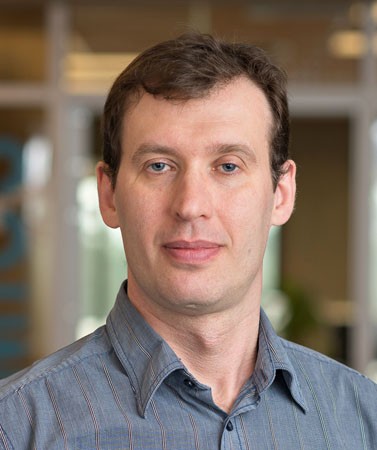
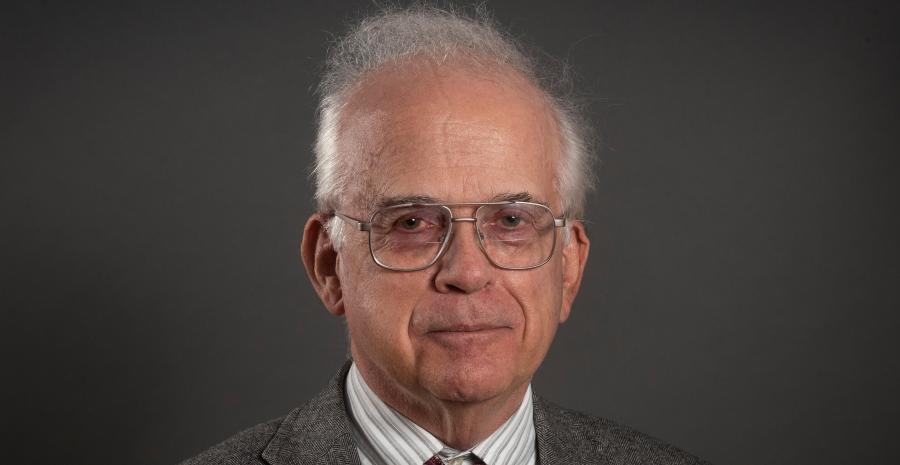
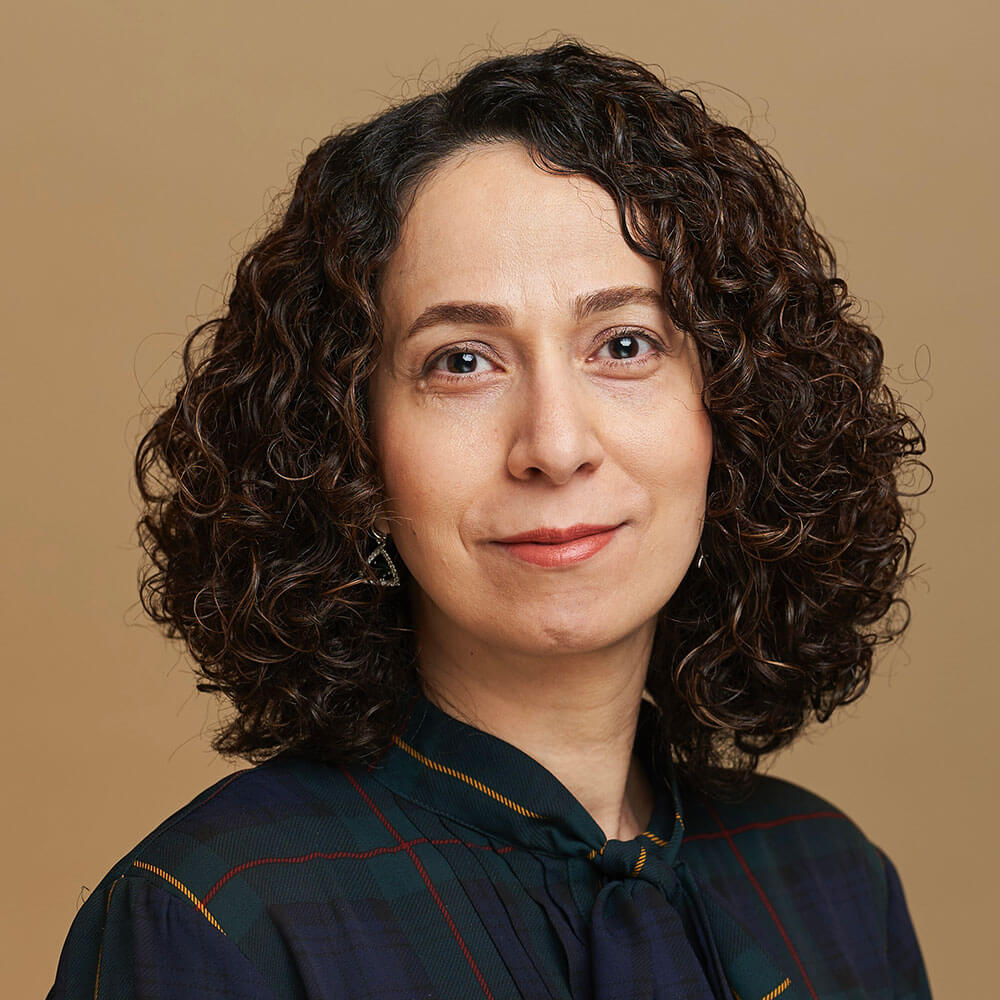
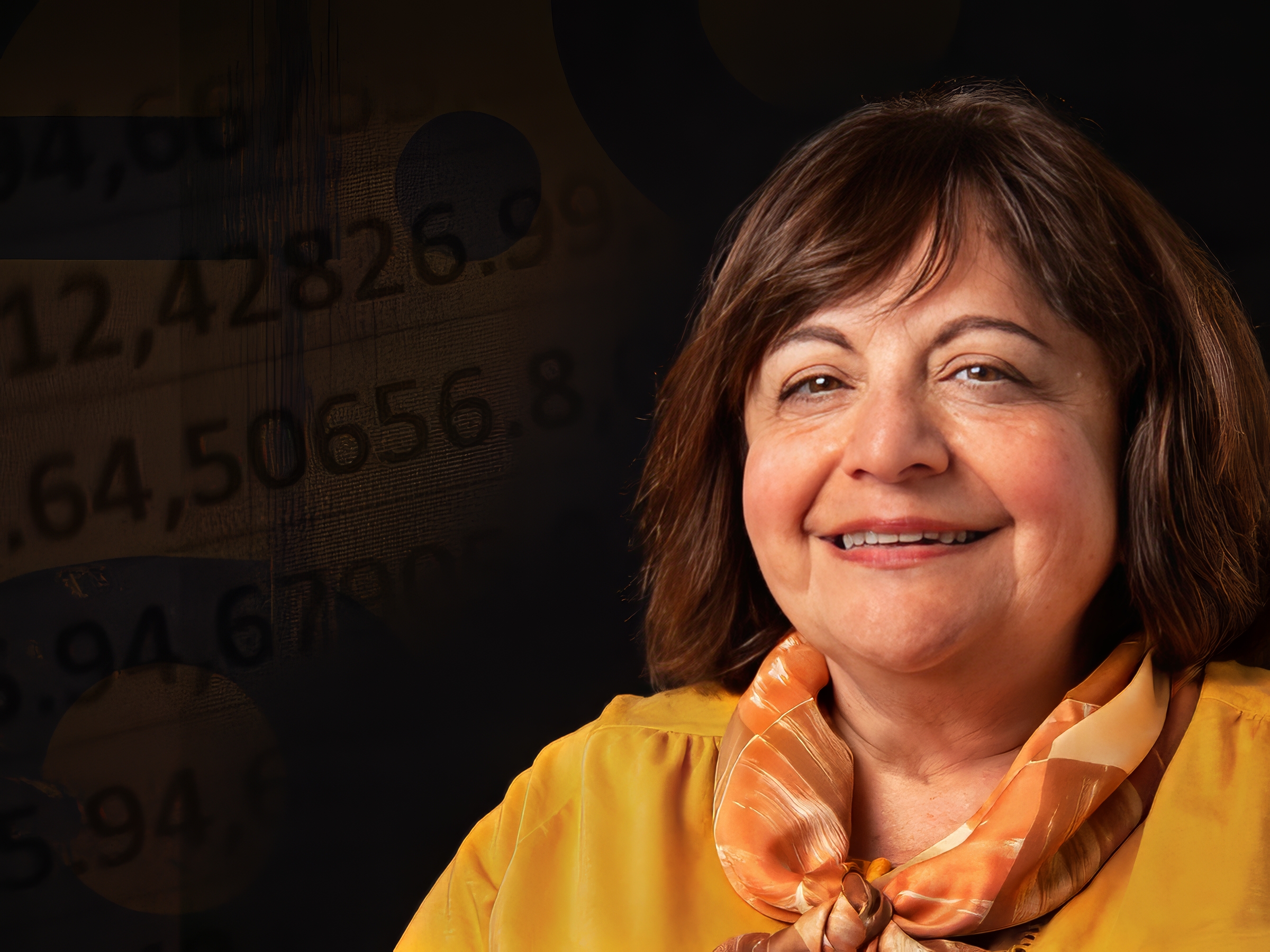
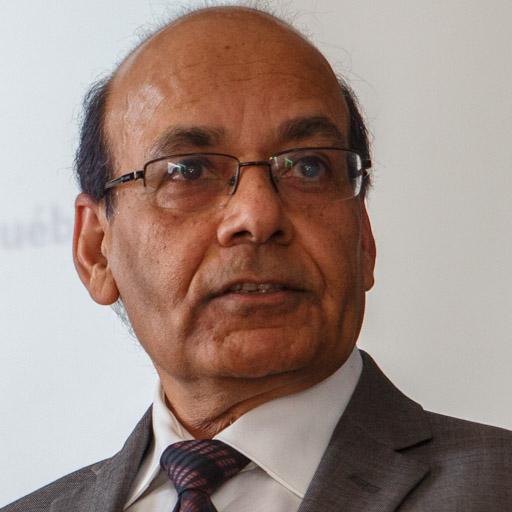
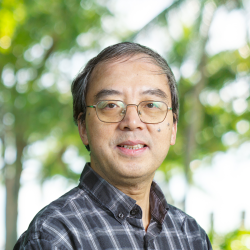
Vadim Marmer is a Professor at the University of British Columbia (UBC) since 2005, affiliated with the Vancouver School of Economics . He earned his Ph.D. at Yale University. His research centers on Econometrics , with specific expertise in estimation and inference in auctions, weak identification, non-stationary time series, and network-dependent data analysis. Education : Ph.D., Yale University Institutional Affiliation : University of British Columbia Research Focus : Econometric theory, auction modeling, regime switching, and financial time series. His recent publications focus on stochastic cycles in macroeconomic data, treatment effect estimation in triangular models, and auction theory advancements. Collaborations include Jun Ma, Zhengfei Yu, and Artyom Shneyerov. Though no explicit awards are listed, his work appears in top journals like Journal of Econometrics and Quantitative Economics .
James G. MacKinnon is the Sir Edward Peacock Professor of Econometrics at Queen’s University, Department of Economics. He holds a B.A. (York University), M.A., and Ph.D. (Princeton University). His research focuses on bootstrap methods, cluster-robust inference, and econometric theory. He has authored influential textbooks like *Estimation and Inference in Econometrics* and *Econometric Theory and Methods*. MacKinnon has served as Head of the Department of Economics (2003–2013) and President of the Canadian Economics Association (2001–2002). His honors include Fellowships from the Econometric Society, Royal Society of Canada, and International Association for Applied Econometrics. His work spans over 150 publications, emphasizing robust statistical methods and empirical practice. Notable contributions include numerical distribution functions for cointegration tests and cluster-robust inference guidelines. He has advised numerous graduate students and collaborates on software tools for econometric analysis, such as Stata modules for bootstrap inference.
Zeinab Mashreghi is an Associate Professor in the Department of Mathematics and Statistics at the University of Winnipeg, holding this position since July 2020. Previously, she served as an Assistant Professor at the same institution from January 2016 to June 2020. She is also an Adjunct Professor in the Department of Community Health Sciences at the University of Manitoba since October 2021. Her educational background includes a Ph.D. in Statistics from Université de Montréal, an M.Sc. in Pure Mathematics from Université Laval, and a B.Sc. in Applied Mathematics from the University of Kashan, Iran. Dr. Mashreghi’s research focuses on sampling methodology , particularly addressing nonresponse , resampling methods , imputation , and variance estimation . She also develops R packages and contributes to infectious disease modelling . Currently, she holds an NSERC Grant to support student researchers in these areas. Her work bridges statistical theory and practical applications, such as analyzing gonorrhea clusters in Manitoba using spatio-temporal methods. Teaching : She instructs courses including Mathematical Statistics II, Survey Sampling I & II, and Applied Regression Analysis. Her publications** span bootstrap techniques for imputed survey data, optimization algorithms, and disease surveillance. No scientific awards explicitly mentioned .
Lynda Khalaf is a Professor in the Department of Economics at Carleton University, Faculty of Public Affairs. She holds a Ph.D. from Montréal and has a B.A. and M.B.A. from Beirut. She is a leading expert in econometrics, specializing in simulation-based and identification-robust inference, with applications in financial, energy, and macroeconomic modeling. B.A., M.B.A. (Beirut) Ph.D. (Montréal) Her research focuses on advanced econometric methods, particularly in the context of weak identification, multivariate models, asset pricing, and income inequality. She has pioneered the use of Monte Carlo and simulation-based techniques to address finite-sample inference problems. Her recent work integrates computational optimization methods like Particle Swarm Optimization into econometric testing frameworks. She has made significant contributions to the analysis of DSGE models, inflation dynamics, and risk assessment in financial markets. The trends in her recent publications show a consistent focus on improving statistical reliability in economic measurement, especially under non-standard conditions such as heavy-tailed distributions, weak instruments, and model misspecification. Her work bridges theoretical econometrics with empirical applications in inequality, energy, and macroeconomics. Tier II Canada Research Chair (2004–2008) Ranked in the top 5% of economists by RePEc SSHRC Insight Grant (2019) NSERC Discovery Grant (2019) Professor Khalaf has supervised numerous graduate students, several of whom have received awards for their thesis work. She has received continuous research funding from major Canadian agencies, including SSHRC, NSERC, and FQRSC. Her collaborative projects involve researchers from McGill University, Université Laval, and international institutions. She has served on editorial boards and scientific committees for major conferences and journals, and was President of the Société Canadienne de Science Économique (2012–2013). She also chaired the SSHRC Adjudication Committee for Economics.
Yanglei Song is an Assistant Professor in the Department of Mathematics and Statistics at Queen's University, affiliated with the Faculty of Arts and Science. His research focuses on sequential decision-making problems, including hypothesis testing, change detection, and multi-armed bandits, alongside mathematical statistics such as U-statistics, high-dimensional statistics, and cut-point analysis. Education: Ph.D. in Statistics, University of Illinois at Urbana-Champaign (2019) M.Sc. in Mathematics, University of Illinois at Urbana-Champaign (2016) B.Eng. in Electronic Engineering, Tsinghua University (2012) Research Interests: Sequential decision-making frameworks with applications in hypothesis testing and stochastic optimization. Statistical methodologies for high-dimensional data and nonparametric modeling. Development of robust algorithms for reinforcement learning and adaptive systems. Mathematical foundations of U-statistics and their computational guarantees. Publications Trends: Recent work emphasizes theoretical advancements in bandit algorithms, robust model approximation, and statistical inference under covariate-adaptive randomization. Contributions span machine learning, computational statistics, and applied mathematics, with a focus on practical implementations and rigorous theoretical analysis. Students: J. Liu Y. Zhou Z. Wang Z. Zhao N. Li M. Zhou Labs/Teams: Maintains an active research group focused on statistical learning and sequential decision-making, with open-source projects such as Stratified incomplete local simplex tests for nonparametric regression analysis.
Dr. Yogendra P. Chaubey is a Professor in the Department of Mathematics and Statistics at Concordia University, Montréal, Canada. Holding a Ph.D. from the University of Rochester (1977), his research focuses on statistical methodology with emphasis on sampling theory, distribution modeling, and survival analysis. Education: Ph.D., University of Rochester (1977) His work spans nonparametric density estimation for circular and non-negative data, wavelet-based noise reduction in biological imaging, entropy estimation, left-censored spatial modeling (e.g., arsenic contamination), and inverse Gaussian distributions. Recent collaborations include applications in protein classification and public health. Dr. Chaubey has published extensively on statistical theory and methodology, including corrections and extensions to classical estimators. His teaching includes advanced courses in sample survey theory and applications.
Dr. Mehdi Dagdoug is an Assistant Professor in the Department of Mathematics and Statistics at McGill University, Montreal, Canada. His research focuses on the intersection of survey sampling, missing data treatment, and statistical learning. He holds a Ph.D. from the Université de Bourgogne Franche-Comté, supervised by Camelia Goga and David Haziza. Education: Ph.D. in Mathematics, 2022, Université de Bourgogne Franche-Comté Postdoctoral Fellow, 2022-2023, University of Ottawa Research Interests: Dr. Dagdoug develops rigorous inference methods for survey sampling, particularly addressing nonresponse challenges through statistical learning tools. His work emphasizes high-dimensional settings where auxiliary variables exceed sample sizes. Key areas include model-assisted estimation, variance estimation for imputed survey data, and random forest applications in finite population sampling. Teaching: Currently teaches MATH 533 (Linear Regression & ANOVA) and MATH 525 (Sampling Theory) at McGill. Previously instructed courses in survey sampling, statistical learning, and programming at undergraduate and graduate levels. Awards: 2022 Jean-Claude Deville Prize (French Statistical Society) Grants: NSERC Discovery Grant, Mitacs Accelerate Proposal. Previously supported by Region Franche-Comté and Médiamétrie. Administrative Roles: Committee Member, Student Travel Grants (Statistical Society of Canada) Organizer, McGill Statistics Seminar Series (2023-2025) Board Member, BFC-Maths Federation (2020-2022) Popularization: Engages in science outreach through workshops and conferences for high school students, including a popular 'Titanic and Random Forests' workshop.
Christian LÉGER is a Professor in the Department of Mathematics and Statistics at the University of Montreal , affiliated with the Faculty of Arts and Science . He holds a Ph.D. from Stanford University (1988). His research focuses on advancing statistical methodologies, particularly in resampling techniques like the bootstrap, adaptive estimation, and model selection, with applications in diverse fields such as biomedical research and industrial reliability. Research Interests: LÉGER’s work emphasizes leveraging computational power to enhance statistical methods. Key areas include bootstrap methodology for variance estimation, confidence interval construction, and parameter tuning (e.g., bandwidth selection in kernel density estimation). Recent projects explore inference in post-variable-selection regression models and the validity of bootstrap for estimators with non-standard convergence rates (e.g., least median of squares). Recognition: He received the Prix d'excellence en enseignement in 2000 from the Faculty of Arts and Sciences for outstanding teaching in the sciences. Advising & Collaboration: He has supervised multiple graduate students, including two industrial fellowships through the CRSNG program. His applied work includes consulting projects, with one leading to a master’s thesis. He collaborates on interdisciplinary topics such as age replacement policies in reliability engineering and statistical methods in medical imaging. Publications: Over 15 peer-reviewed articles since 1987 reflect his contributions to bootstrap theory, nonparametric methods, and statistical applications in fields ranging from biostatistics to operations research.
Timothy O'Donnell serves as Associate Professor in the Department of Linguistics at McGill University and holds a Canada CIFAR AI Chair at Mila—Québec Artificial Intelligence Institute. He co-directs the Montréal Computational and Quantitative Linguistics Laboratory (MCQLL) and directs McGill's interdisciplinary Cognitive Science Program. Additionally, he maintains affiliations as an associate member of the School of Computer Science, member of McGill NLP, and affiliate of the Reasoning and Learning Laboratory. His academic foundation includes a PhD from Harvard University, establishing expertise in quantitative and computational approaches to language. Dr. O'Donnell's research centers on computational models of language learning and processing, mathematical linguistics, and probabilistic inference. His work bridges cognitive science, natural language processing, and machine learning to model human language acquisition and processing. Key investigations include grammar induction, neural language modeling, syntactic control mechanisms, and the cognitive foundations of linguistic phenomena. His methodologies emphasize probabilistic frameworks and mathematical rigor to explain language universals and processing constraints. Analysis of his recent publications reveals dominant trends in visually-grounded grammar induction, surprisal-based processing models, and neural language model architectures. His work consistently connects computational linguistics with cognitive theory, particularly in language acquisition modeling and the explanation of linguistic patterns through probabilistic inference. Cross-cutting themes include information locality, lexical trade-offs, and the mathematical properties of language systems. His scientific recognition includes the prestigious William Dawson Scholar award and Canada CIFAR AI Chair, highlighting contributions to artificial intelligence and computational linguistics. These honors reflect leadership in advancing AI research through linguistic insights. As co-director of MCQLL, Dr. O'Donnell leads an interdisciplinary team integrating computational, quantitative, and cognitive approaches to linguistic research. The laboratory fosters collaboration between linguists, computer scientists, and cognitive scientists, driving innovation in natural language processing and language modeling while maintaining strong ties to Mila's AI research ecosystem.
Lune Bellec is a Full Professor in the Department of Psychology at the Université de Montréal, affiliated with the Centre de recherche de l'Institut universitaire de gériatrie de Montréal (CRIUGM) and the Centre interdisciplinaire de recherche sur le cerveau et l'apprentissage (CIRCA) . She specializes in neuroimaging techniques to study brain architecture and biomarkers for neurodegenerative diseases, particularly Alzheimer's. Her work combines methodological innovations in fMRI analysis with synthetic data generation to validate neuroimaging methods. Teaching includes courses like PSY-3018 – Méthodes en neurosciences cognitives and PSY-6973 – Traitement des données en neurosciences cognitives . She supervises master’s students in neuroscience and psychology programs. Key research grants include a CRSNG Discovery Grant (2025–2031) and a FRQS Senior Researcher Scholarship (2021–2025). She leads projects on brain biomarkers and participates in interdisciplinary initiatives like the UNIQUE AI-neuroscience consortium. Her research spans synthetic neuroimaging databases, resting-state networks analysis, and statistical methods like bootstrap-based inference. Collaborative efforts focus on translating neuroimaging findings into clinical applications for neurodegenerative diseases.
Dr. Pratheepa Jeganathan is an Assistant Professor in the Department of Mathematics and Statistics at McMaster University. Her research focuses on developing statistical methods for multi-view learning, particularly in modeling dependencies across heterogeneous data sources. Applications span molecular microbiology, spatial omics, sensor-based traffic data, and loss reserving. Her methodological work includes generative models, Bayesian sampling, constrained clustering, and spatio-temporal statistics. Education: PhD in Mathematics (Statistics) from Texas Tech University (2016), Postdoctoral Fellowship at Stanford University (2016–2020). Research Interests: Spatial statistics, statistical learning, high-throughput data methods, and statistical theory. Recent work includes analyzing microbiome interventions using transfer functions, studying vaginal microbiota communities, and applying recurrent neural networks to multivariate loss reserving. She has published in journals like PLoS Computational Biology and Genome Biology . Teaching: Instructs courses in data science (STATS 3DA3, CSE 780), statistical research projects, and graduate-level topics in statistics.
Christian Genest is a Distinguished James McGill Professor in the Department of Mathematics and Statistics at McGill University. He holds a PhD from the University of British Columbia and has been a leading figure in statistics and probability for decades. His research focuses on dependence modeling, extreme-value theory, multivariate analysis, and their applications in environmental science, hydrology, insurance, and risk management. Education: BSc (1977) Université du Québec à Chicoutimi, MSc (1978) Université de Montréal, PhD (1983) University of British Columbia. Genest has received numerous accolades, including Fellowships from the Royal Society of Canada, American Statistical Association, Institute of Mathematical Statistics, and Fields Institute. He served as SSC President (2007-2008), Director of the Institut des Sciences Mathématiques (2012-2015), and held the Canada Research Chair in Stochastic Dependence Modeling (2011-2025). He has supervised 59 MSc, 9 PhD students, and 15 postdocs, with ongoing mentorship of 2 MSc, 3 PhD candidates, and 2 postdocs. Genest is a prolific speaker, having delivered over 364 talks globally, including plenaries at major conferences like the Statistical Society of Canada and the Fields Institute. His work bridges theoretical advancements and practical applications, with contributions to copula theory, extreme-value analysis, and statistical methodology. He advocates for public engagement, delivering outreach lectures at schools and colleges across Quebec. Award Highlights: 2011 SSC Gold Medalist, 2015 Royal Society of Canada Fellow, 2023 CRM-Fields-PIMS Prize, and 2024 Emanuel and Carol Parzen Prize for Statistical Innovation. Grants and Leadership: Coordinated the CRM Risk in Complex Systems thematic program (2017), edited major statistical journals, and chaired departmental interim leadership (2022-2023).
Lang Wu is a Professor in the Department of Statistics at the University of British Columbia (UBC), part of the Faculty of Science. His research focuses on biostatistical methods for analyzing complex health science datasets, particularly longitudinal data with missing values, censored observations, and measurement errors. He has expertise in constrained statistical inference, joint modeling of longitudinal and survival data, and applications in HIV/AIDS and cancer studies. Education: B.Sc. in Mathematics from East China Normal University (China), M.Sc. in Mathematics from Tulane University (USA), Ph.D. in Statistics from the University of Washington (USA), followed by a postdoctoral fellowship at Harvard University's Biostatistics department. Research Interests include: Longitudinal data analysis Mixed effects models Joint models linking survival and longitudinal outcomes Missing data imputation techniques Constrained hypothesis testing Biostatistical applications in infectious diseases Current advisees include Sihaoyu Gao and Qian Ye. Contact information includes lang@stat.ubc.ca (primary) and langwuubc@outlook.com (alternative). No scientific awards are listed, though his extensive publication record indicates impactful contributions to statistical methodology in health sciences.
Russell Davidson is a Professor and Canada Research Chair Tier 1 in the Department of Economics at McGill University's Faculty of Arts. He can be contacted at russell.davidson@mcgill.ca and his office is located at Leacock 321C, 855 Sherbrooke St. W., Montreal, Quebec, H3A 2T7. Dr. Davidson earned his PhD from the University of British Columbia and joined McGill University in August 2002 after many years at Queen's University in Kingston, Ontario. Since 1987, he has maintained a dual academic appointment, dividing his time between McGill (fall term) and GREQAM, a research laboratory in Marseille, France associated with the Université de la Méditerranée's Faculty of Economic and Management Sciences. His primary research focuses on econometric methodology, particularly developing and refining bootstrap techniques to enhance statistical reliability, and addressing methodological challenges in measuring poverty and income distribution through stochastic dominance analysis. Dr. Davidson emphasizes that 'there is no good empirical practice without a good mastery of the underlying theory' and cautions against treating econometrics as merely 'a set of cookbook recipes.' Analysis of his recent publications reveals a consistent pattern of advancing econometric theory with practical applications, particularly in hypothesis testing methodology, bootstrap techniques, and poverty measurement. His work bridges theoretical developments with real-world economic policy analysis. Canada Research Chair in Social Sciences and Humanities Dr. Davidson has supervised numerous graduate students and maintains active research collaborations, most notably with James MacKinnon. His teaching includes graduate Econometrics (Economics 662) and Honors Economic Statistics (Economics 257 D1), where he emphasizes the art of interpreting what data reveal beyond mere technical implementation.
Greg Tkacz is a Professor of Economics at Saint Francis Xavier University (StFX), serving since 2010. Previously, he spent 14 years at the Bank of Canada as a researcher and manager, specializing in monetary policy analysis and macroeconomic forecasting. His current research focuses on high-frequency electronic payments data (e.g., debit/credit card transactions) to measure economic activity in real-time, funded by SSHRC grants. Tkacz has published extensively in journals like the Journal of Econometrics and served on editorial boards including the Canadian Journal of Economics and Canadian Public Policy . He earned his Ph.D. in Economics from McGill University. His work often addresses policy-relevant questions, such as the impact of the 2008 financial crisis and the economic effects of extreme events like 9/11. Tkacz’s research has been featured in global media including the Wall Street Journal , Le Figaro , and Canadian outlets like CBC. As Economics Department Chair (2013–2021), he oversaw significant growth in student enrollment and hosted the 2017 Canadian Economics Association conference, attracting 800+ delegates. Tkacz’s teaching emphasizes applying economic theory to real-world problems, mentoring over 20 Honours students who have won national scholarships, Rhodes Scholarships, and top Canadian undergraduate research awards. His students have entered top graduate programs and secured roles at institutions like the Bank of Canada.