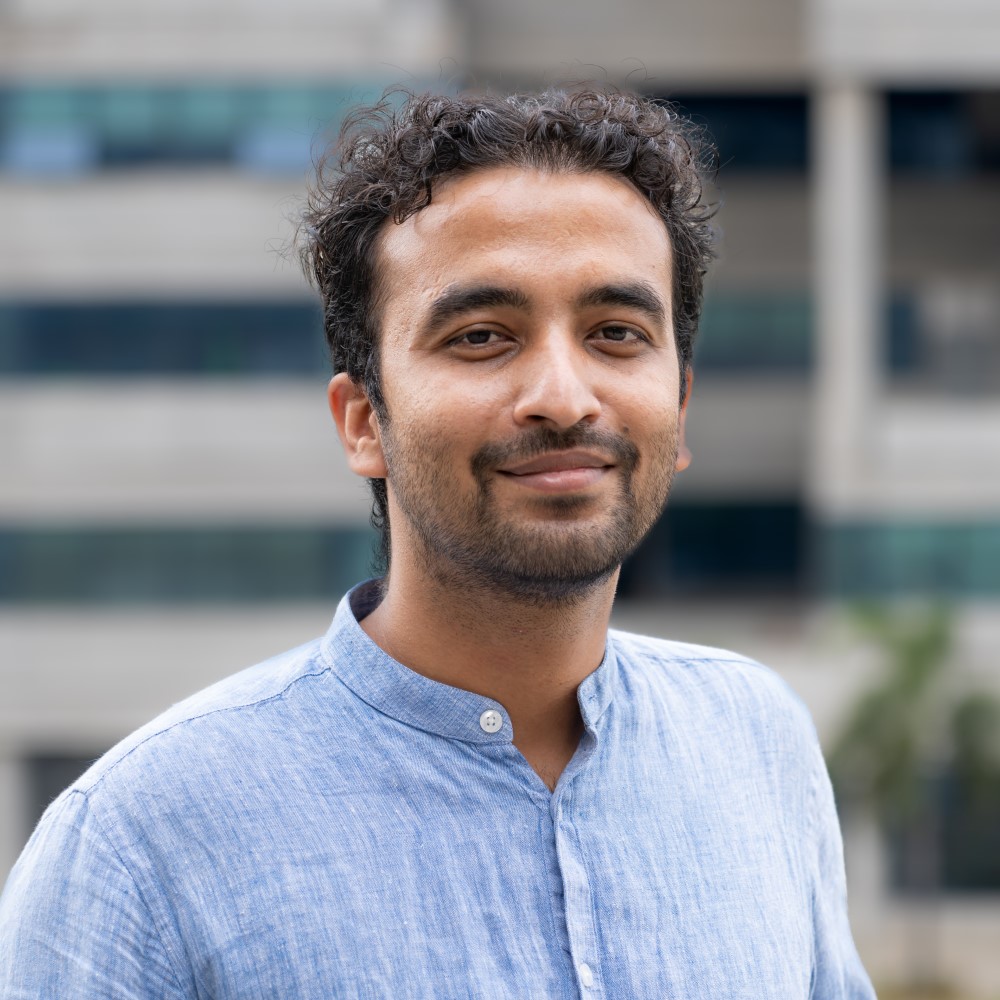
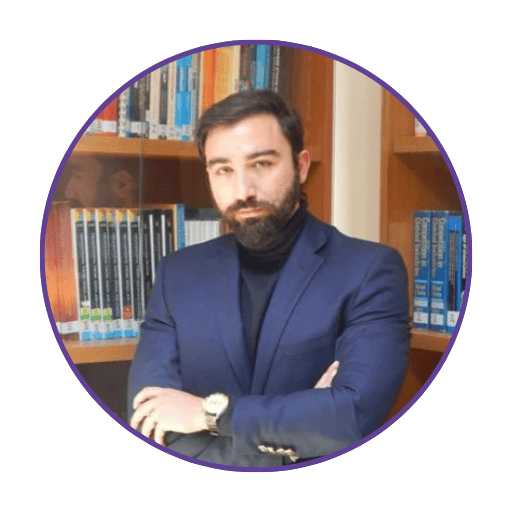
Nitin Saurabh is an Assistant Professor in the Department of Computer Science & Engineering at the Indian Institute of Technology Hyderabad. His research focuses on foundational areas of theoretical computer science, including complexity theory, analysis of Boolean functions, circuit complexity, and algorithm design. Education: Ph.D. from Institute of Mathematical Sciences (IMSc), Chennai Research Interests: Theoretical Computer Science Complexity Theory Analysis of Boolean Functions Circuit Complexity Algorithms
Manindra Agrawal is a Professor in the Department of Computer Science and Engineering at the Indian Institute of Technology Kanpur (IIT Kanpur), where he has been a faculty member since 1996. His research focuses on theoretical aspects of computer science with particular emphasis on computational complexity theory and computational number theory. Dr. Agrawal completed his B.Tech in Computer Science from IIT Kanpur in 1986 and his PhD in Computer Science from the same institution in 1991. His doctoral thesis, titled "Towards a Characterization of NP-Complete Sets," was supervised by Professor Somenath Biswas. His research interests span computational complexity theory, computational number theory, algebra, and cryptography. Dr. Agrawal is best known for designing the first efficient and deterministic algorithm for testing if a number is prime, a groundbreaking result published in the Annals of Mathematics in 2004 as "PRIMES is in P." This work has had a profound impact on theoretical computer science and number theory, resolving a long-standing open problem in the field. His publication record shows a consistent focus on fundamental problems in theoretical computer science, particularly in complexity theory and number-theoretic algorithms. His work ranges from theoretical foundations like the isomorphism conjecture for constant depth reductions to practical applications such as designing encryption algorithms for the Indian Navy and Air Force. Padma Shri (2013) Infosys Prize (2008) Godel Prize (2006) Shanti Swarup Bhatnagar Award (2003) Clay Research Award (2002) Fellow of the Indian National Science Academy (FNA) Fellow of The World Academy of Sciences (FTWAS) Fellow of the Indian Academy of Engineering (FNAE) Fellow of the Indian Academy of Sciences (FASc) Dr. Agrawal has advised several notable students, including Nitin Saxena and Satyadev Nandkumar, who have made significant contributions to theoretical computer science. His research group has been instrumental in advancing knowledge in computational complexity and number theory. His work on primality testing has not only theoretical significance but has also influenced practical cryptographic applications.
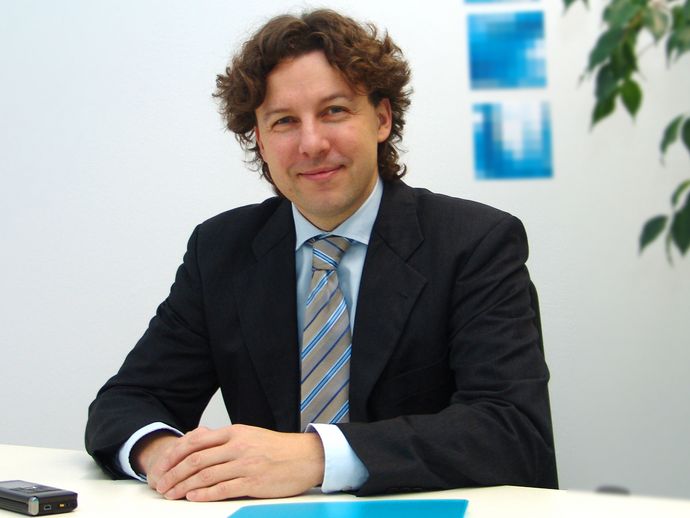
Rolf Drechsler is a Full Professor and Head of the Group of Computer Architecture at the University of Bremen's Institute of Computer Science since 2001, and Director of the Cyber-Physical Systems Group at DFKI Bremen since 2011. He holds an adjunct professorship at the Indian Statistical Institute and has been affiliated with Duke University. Education: Diploma (1992) and Dr. phil. nat. (1995) in Computer Science from Goethe University Frankfurt Academic Leadership: Dean of Mathematics and Computer Science Faculty (2018-2025), Vice Rector for Research (2008-2013) His research focuses on formal verification , RISC-V architectures , and quantum/in-memory computing . Recent work explores LLM integration in hardware testing and polynomial-based verification techniques. Publications from 2024-2025 span IEEE Transactions , DATE , and DAC , emphasizing automated verification , quantum circuit mapping , and LLM-driven testbench generation . Scientific Awards IEEE/ACM Best Paper Awards (2013, 2018) Berninghausen-Preis for Innovative Teaching (2018) IEEE Fellow (2015) Founder Award for Solvertec (2013) He has served on program committees for DAC, ICCAD, DATE, and founded graduate schools in Embedded Systems and System Design under Germany's Excellence Initiative.
Simone Severini is a Professor of Physics of Information at the University College London , affiliated with the Department of Computer Science . He is a Royal Society University Research Fellow and contributes to multidisciplinary groups including Intelligent Systems , UCL CS Quantum , UCL Quantum Science and Technology Institute , and CoMPLEX . Research Interests: His work bridges Quantum computing Machine learning Graph theory Quantum information theory Computational biology with a focus on quantum algorithms, classical simulation of quantum systems, and mathematical frameworks for physical correlations. Scientific Contributions: Recent publications span quantum state learning, non-Markovian dynamics, adversarial quantum learning, and graph isomorphism. His projects include Quantum Computing, Information, and Algebras of Operators and the Distributed Information initiative . Awards: Royal Society University Research Fellowship Best Paper Award at FCT2017
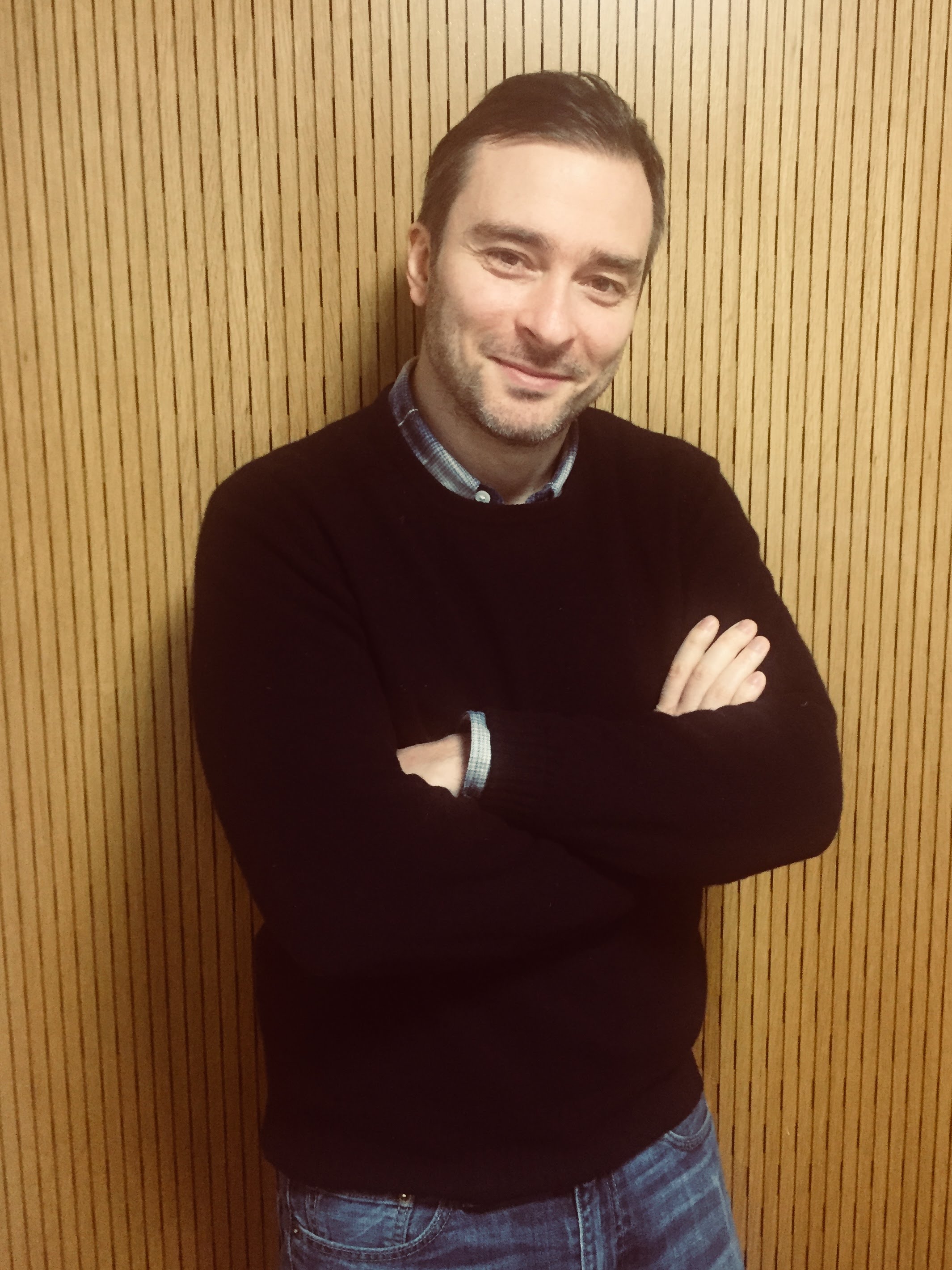
Dr. Levent Aksoy is a Senior Research Fellow at Tallinn University of Technology, School of Information Technologies, Department of Computer Systems, where he has been working since 2020 (initially as a Post-Doc and since November 2023 as Senior Research Fellow). His academic journey began with a BSc from Yildiz Technical University, followed by MSc and PhD degrees from Istanbul Technical University in Electronics and Communication Engineering. Dr. Aksoy's research primarily focuses on electronic design automation, hardware security, and optimization techniques. His work spans several key areas including logic locking, circuit obfuscation, multiplierless design methods for constant multiplications, and switching lattices for efficient logic implementation. He has published extensively in top-tier IEEE journals and conferences, with a strong emphasis on hardware security mechanisms and efficient circuit design. His recent publications (2020-2025) demonstrate a clear research trajectory toward hardware security, with numerous papers on logic locking techniques, structural analysis attacks, and hardware obfuscation methods. This research direction aligns with his current leadership of the EAGER project on 'Hardware-Efficient Realization of UA Cryptographic Standards' and his involvement in the European Space Agency project on 'End-to-End Supply Chain Protection'. Dr. Aksoy has received multiple awards for his research contributions, including: First place in HELLO: CTF 2022 (2023) Best paper award at DDECS (2022) Best paper award at EUC (2015) As a supervisor, Dr. Aksoy currently guides three students working on hardware security topics, including lightweight cryptography implementations and advanced hardware protection mechanisms. He also serves on PhD and MSc defense committees at Tallinn University of Technology and Linköping University. His professional service includes IEEE membership and reviewing for prestigious IEEE transactions and conferences such as DATE, ICCAD, and ISCAS.
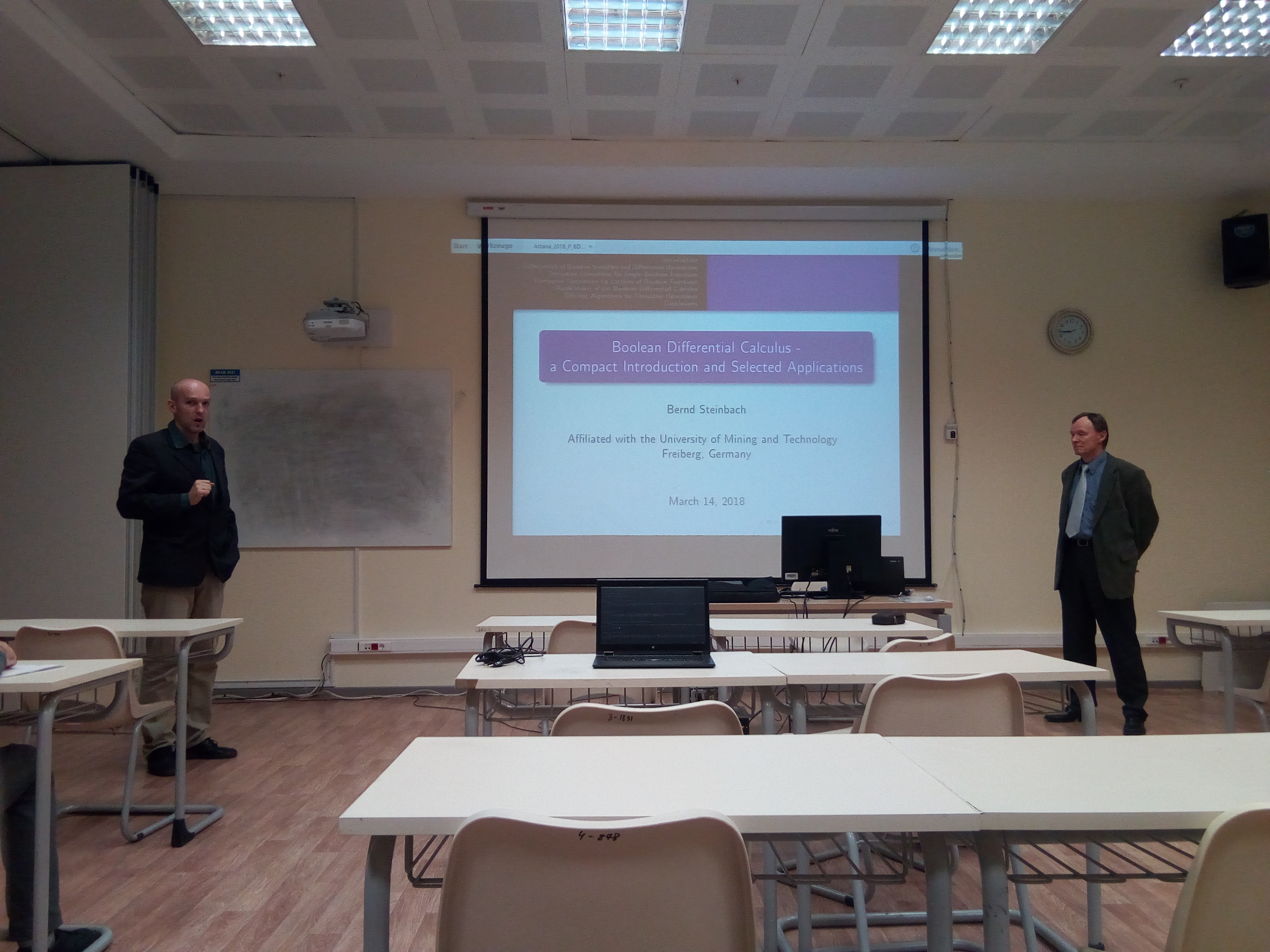
Bernd Steinbach is a Professor specializing in Boolean Algebra and Logic Design who conducted a short-term academic visit from December 3 to March 16 (12/03 till 16/13). During his engagement, he presented original research findings in Boolean Differential Calculus and demonstrated advanced capabilities of his proprietary XBoole software platform for electronic design automation. His research portfolio centers on: Mathematical foundations of Boolean systems Algorithmic optimization for circuit design Software implementation of logic synthesis tools Differential calculus applications in digital systems Steinbach's work bridges theoretical computer science and practical engineering solutions, with the XBoole software representing a significant contribution to electronic design automation methodology. His presentations emphasize both theoretical advances and industrial applicability of Boolean problem-solving frameworks.
Dr Theodosis Mourouzis serves as an Assistant Professor of Information Management at the University of Nicosia and directs the MSc in Business Intelligence and Data Analytics program within the Department of Information Technologies. Academic Background: PhD in Information Security and Cryptography from University College London (UCL) MSc in Advanced Studies in Mathematics from University of Cambridge BA/MA in Mathematics from University of Cambridge Research Expertise: Dr Mourouzis specializes in information security with deep technical focus on cryptography (including symmetric/asymmetric cryptanalysis) and blockchain ecosystems . His work spans theoretical cryptanalysis of algorithms like GOST and SIMON to practical implementations such as privacy-preserving healthcare blockchain solutions. Current research emphasizes efficient blockchain design and security evaluation frameworks. Publication Trends: His 14 publications (2011-2021) reveal an evolution from foundational cryptanalysis (differential/algebraic attacks on ciphers) toward applied blockchain systems. Key thematic clusters include cryptographic security evaluation (35% of works), blockchain innovation (40%), and authentication systems (25%), demonstrating consistent technical rigor across theoretical and implementation challenges. Academic Leadership: As MSc Director, he oversees program development bridging technical cryptography research with business intelligence applications, indicating strong curriculum design capabilities and industry-academia translation focus.