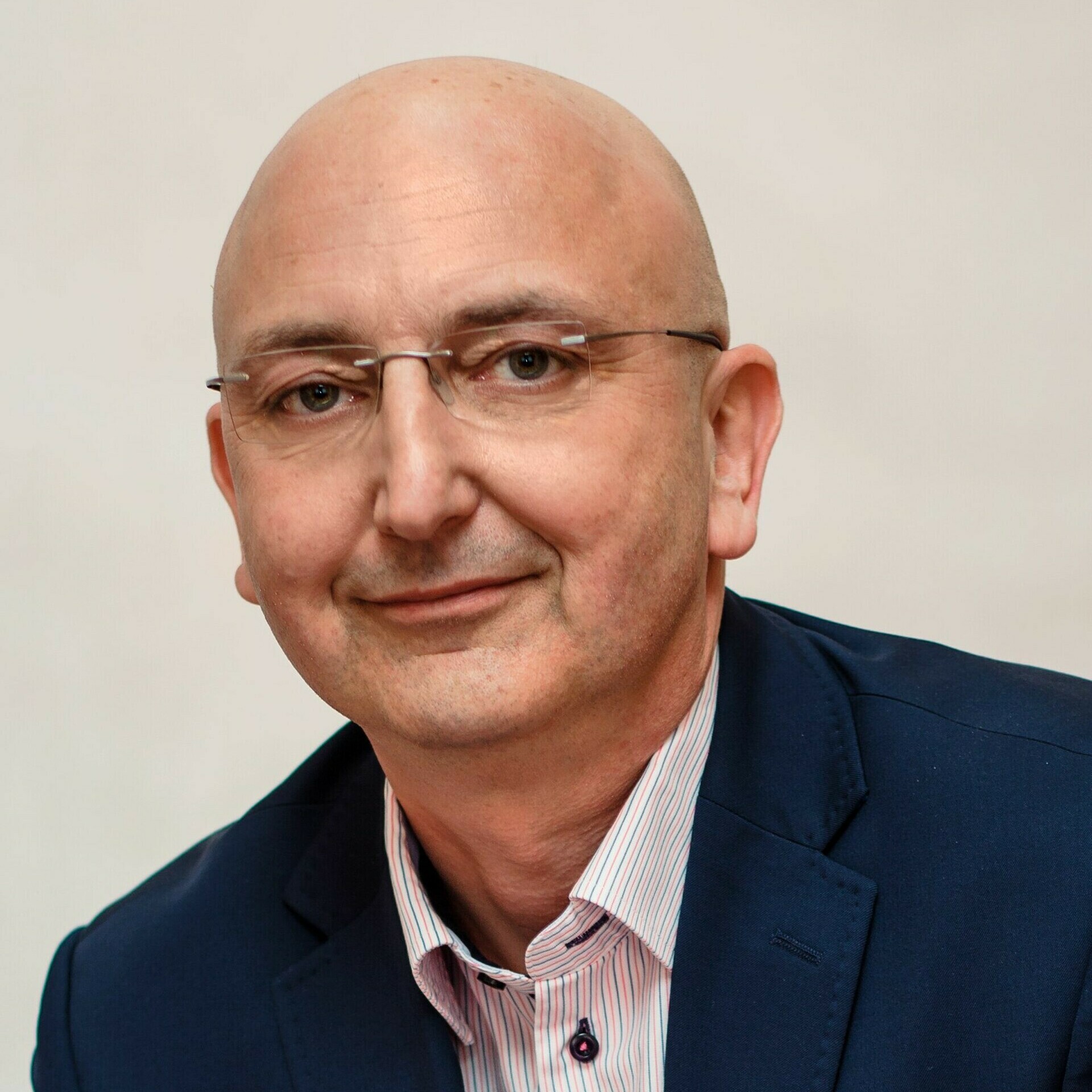
Lars O. Nord is a Professor in the Department of Energy and Process Engineering at NTNU, specializing in thermal energy systems, CO2 capture technologies, and dynamic process modeling. He holds a PhD from NTNU (2010) and a Master's from Virginia Tech (2001). His research focuses on power cycles, turbomachinery optimization, and decarbonization strategies for energy systems. Nord has led projects such as DEXPAND and InnCapPlant, addressing CO2 capture under variable loads and expander efficiency in renewable systems. Current roles: Head of the Thermal Energy research group and teaches courses like Engineering Thermodynamics. Research highlights include thermal energy storage integration, moving bed adsorption processes, and offshore hybrid energy systems. His work spans over 80 publications, emphasizing CO2 capture dynamics, turbine design, and control strategies for flexible power plants. Notable collaborations include SINTEF and Aker Solutions. Nord advises multiple PhD candidates and has mentored alumni now leading roles in industry and academia.
Professor Ahmed F. Ghoniem is the Ronald C. Crane (1972) Professor of Mechanical Engineering at MIT, directing the Center for Energy and Propulsion Research and the Reacting Gas Dynamics Laboratory. He holds a B.Sc. and M.Sc. from Cairo University and a Ph.D. from the University of California, Berkeley. His research focuses on computational methods in fluid-thermal sciences, turbulent combustion, energy conversion systems, and CO2 capture technologies. He has authored over 500 publications and mentored over 100 students, many of whom are leaders in academia and industry. His research interests include multiscale simulations of turbulent reactive flows, clean energy systems, and advanced combustion technologies. He has pioneered work on oxy-fuel combustion, gasification processes, and ion transport membrane reactors. Ghoniem’s contributions span fundamental science and applied engineering, addressing challenges in sustainable energy and environmental sustainability. Honors: ASME James Harry Potter Gold Medal (2015), AIAA Propellant and Combustion Award (2016), Fellowships from ASME, APS, and The Combustion Institute. Service: Leadership roles in MIT’s Energy initiatives, KAUST collaborations, and advisory boards for energy research centers. Extensive contributions to curriculum development and graduate education in mechanical engineering. Labs/Teams: Directs the Reacting Gas Dynamics Lab and leads the Center for Energy and Propulsion Research, focusing on integrated energy systems and CO2 capture innovations.
Leteng Lin is a Senior Lecturer at the Department of Built Environment and Energy Technology, Faculty of Technology, Linnaeus University. He holds a PhD in Chemical Engineering (2013), Master's (2005), and Bachelor's (2002) degrees from the same field. His research focuses on energy technology, chemical engineering, and sustainable resource utilization, particularly in combustion, gasification, and pyrolysis processes for biomass and waste feedstocks.
Dale R. Tree is a Professor in the Department of Mechanical Engineering at Brigham Young University (BYU), College of Engineering, where he has held academic appointments since 1994. He progressed from Assistant Professor (1994–2000) to Associate Professor (2000–2007) before attaining full professorship in 2007. His research focuses on experimental combustion diagnostics across diesel engines, coal, biomass, and black liquor systems, with emphasis on soot/NOx reduction and optical measurement techniques. Education: PhD, Mechanical Engineering (Minor: Chemical Engineering), University of Wisconsin-Madison, 1992 MSME, Mechanical Engineering, Purdue University, 1988 BS, Mechanical Engineering, Brigham Young University, 1986 Research Interests: Professor Tree investigates combustion dynamics using advanced diagnostics like Planar Laser-Induced Fluorescence (PLIF) and Laser-Induced Incandescence (LII). Key areas include: Soot/NOx formation mechanisms in diesel engines Black liquor droplet combustion for pulp industry applications Biomass/coal cofiring impacts on emissions Low-NOx burner design for sustainable fuels High-temperature fuel spray characterization Publication Trends: His recent articles (2004–2010) predominantly explore combustion optimization, emissions reduction, and diagnostic methods. Common themes include soot modeling in compression ignition engines, black liquor spray dynamics, biomass cofiring emissions, and innovative temperature/pollutant measurement techniques. Collaborative work with national labs (e.g., Sandia) and industry (Cummins) underscores applied research focus. Scientific Awards: No awards mentioned in the source material. Advising & Leadership: Has advised 15+ graduate students (MS/PhD) in combustion research. Additional roles: SAE Advisor & Mini-Baja/FSAE Coach Department Assessment and ABET Coordinator Sabbatical researcher at Sandia National Laboratories (1999–2000) Labs & Collaborations: Conducts experiments at BYU Combustion Laboratory. Key collaborations include Sandia National Laboratories (optical diagnostics), Cummins Engine Company (diesel emissions), and industry partnerships in biomass conversion. Leads student engineering teams for SAE competitions.
Jukka Kortela is a Lecturer at Aalto University's Department of Chemical and Metallurgical Engineering. He specializes in process control, industrial automation, and energy systems, with a focus on model predictive control and fault detection in industrial environments. Aalto University Department of Chemical and Metallurgical Engineering His research interests include: Model predictive control systems Industrial automation architectures Biomass energy plant optimization Signal path diagnostics Flexible operation of thermal systems Service-oriented automation Recent publications demonstrate expertise in: Three-tank pilot system optimization CHP plant control Industry 4.0 implementation 5G-enabled automation Combustion process monitoring Drum boiler flexibility
Dr. Wenming Yang is an Associate Professor at the Department of Mechanical Engineering, National University of Singapore (NUS). He has been with NUS since 2000, progressing from Research Fellow to Assistant Professor in 2011 and Associate Professor since 2017. His research focuses on combustion technologies across multiple scales and applications. Current research areas include internal combustion engines using biofuels, emulsion fuels, and natural gas Development of high-efficiency, low-emission boilers (grate biomass, pulverized coal, CFB, incinerators) Design of micro thermophotovoltaic power generators Active collaboration in computational modeling and experimental validation Dr. Yang's recent publications (2003-2015) primarily address combustion optimization, emissions control, and microscale energy systems. His work spans fundamental chemical kinetics to applied engine modeling, with a strong emphasis on sustainability and alternative fuels. Scientific Recognition Dean’s Chair Professor (2020) – NUS College of Engineering Academic Contributions Teaches Energy Conversion Process (ME3221), Internal Combustion Engine (ME4227), and Air-Conditioning and Building Automation (ME5204) Leads the GSTPG Lab, focusing on combustion innovation and energy systems Actively seeks Ph.D. candidates for research in IC engines, WTE plants, and biomass boiler technologies
Patrik Yrjas is a Senior Researcher at the Faculty of Science and Engineering , Åbo Akademi University , affiliated with the Laboratory of Molecular Science and Engineering Technologies for a Sustainable Future . His work focuses on high-temperature corrosion, biomass combustion, and ash behavior in thermal systems. Research Interests: High-Temperature Corrosion Biomass and Waste Combustion Fluidized Bed Technology Ash Melting and Agglomeration Chemical Looping Combustion Key Article Trends: His recent publications (2024–2023) address pyrolysis of biomass, cold-end corrosion from ammonium chloride, and molten phase effects in superheater corrosion. Earlier works (2022–2015) explore ash melting, coating durability, and alkali chloride impacts using thermal analysis and microscopy. Projects: 2021–2023: Investigated chemical looping combustion and boiler corrosion. 2023: Analyzed fluidized bed agglomeration. Contact: Email: patrik.yrjas@abo.fi Phone: +358-469219021
Magnus Rydén is a Professor in Energy Conversion at the Division of Energy Technology, Chalmers University of Technology, and serves as Director of Studies for the Energy, Environment and Systems research school. His research focuses on carbon capture technologies (e.g., Chemical-Looping Combustion), combustion optimization (Oxygen Carrier Aided Combustion), and biomass/waste-to-energy conversion. He teaches courses like Design of Industrial Energy Equipment (KVM071) and contributes to multiple energy-related master’s and bachelor’s programs. Key research areas include fluidized bed reactor dynamics, ash-material interactions, and interdisciplinary strategies for energy transition. Recent work emphasizes techno-economic analyses of bioenergy carbon capture and storage (BECCS), with projects like the Nordic flagship initiative targeting net-negative emissions. Experimental studies often involve large-scale systems (e.g., 12 MWth boilers) and novel oxygen carrier materials such as steel converter slag and ilmenite. Rydén’s publications span 20+ years, exploring CLC operational longevity (e.g., 11,000 hours of testing), OCAC for waste fuels, and hydrogen production via fluidized bed integration. His work bridges fundamental science and industrial applications, aiming to advance sustainable energy systems globally.
Chengyu Cao is an Associate Professor at the University of Connecticut's School of Mechanical, Aerospace, and Manufacturing Engineering since 2008. He holds a Ph.D. in Mechanical Engineering from MIT (2004), an M.S. in Manufacturing Engineering from Boston University (1999), and a B.S. in Electronics and Information Engineering from Xi’an Jiaotong University (China, 1995). His research focuses on dynamics and control, adaptive systems, mechatronics, unmanned systems, and aerospace applications, alongside theoretical work in cosmology and physics, particularly his groundbreaking 'world membranes' theory challenging traditional relativity. Dr. Cao co-authored L1 Adaptive Control: Guaranteed Robustness with Fast Adaptation and authored the Universes are Black Holes series, proposing an axiomatic framework for spacetime dynamics. This theory addresses dark energy/matter, resolves cosmological paradoxes, and predicts novel phenomena awaiting experimental validation. His work bridges gaps between experimental data and theoretical models, emphasizing simplicity and precision. His engineering research spans advanced control strategies for aerospace systems, robotics, and energy infrastructure, with applications in autonomous vehicles, power plants, and combustion monitoring. He has published over 180 peer-reviewed papers and pioneered fiber-optic sensing technologies for high-temperature environments.
Fabian Weidinger is a researcher affiliated with the University of Applied Sciences Wels , contributing to the ASiC Center of Excellence and Energy Center of Excellence for Smart Production. His work focuses on hydrogen combustion technologies, nitrogen oxide emissions, and thermal processes. Projects: HyBRID – Teil1 (Soft) (2023–2025), focusing on high-pressure hydrogen and reinforced plastic systems Collaborations: Involved with H2-Researchcenter and multiple co-investigators (Plank, Zettl, Aichinger, & Hochenauer) Weidinger’s research spans hydrogen energy , combustion engineering , and environmental impact analysis . His recent projects explore optimal performance in hydrogen applications, including flamelet modeling , boiler systems , and excess air control . Using computational fluid dynamics and experimental investigation , he analyzes full-scale systems for sustainable energy solutions. Weidinger has presented at conferences (e.g., 2024 oral presentation on hydrogen research trends) and published in International Journal of Hydrogen Energy . His work emphasizes reducing emissions in hydrogen-based combustion systems and advancing smart production via hydrogen integration.
Milan Marjanović is an Assistant Professor at the Department of Mechanical Engineering, Faculty of Technical Sciences in Čačak, University of Kragujevac. Holding an M.Sc. in Mechanical Engineering, he teaches Thermodynamics, Applied Thermodynamics, Renewable Energy Sources, and Machine Elements. His research focuses on Thermal Engineering, Thermoenergetics, and Renewable Energy systems. Born 1990 in Užice Completed primary/secondary education in Požega Faculty of Mechanical Engineering and Civil Engineering, Kraljevo (2012) Master's in Energy Engineering (2014) Research spans biomass combustion optimization, solar energy systems, and hydraulic simulation tools. Active in academic projects like the national PRIZMA 2023 initiative for Active Condensation Hybrid Systems. Key publications include work on: Biomass-fired district heating efficiency AI-driven solar energy prediction models Hybrid photovoltaic-thermal collector testing Industry 4.0 curriculum development for Mechatronics Scientific contributions appear in journals like Case Studies in Thermal Engineering and conferences including COAST 2024. Awards include Ministry scholarships and 'Mašinijada' competition victories. Collaborates with industry partners on mechanical testing equipment development.
Dr. Ezra Bar-Ziv is a Professor in the Department of Mechanical and Aerospace Engineering at Michigan Technological University (Michigan Tech), where he has served since 2011. Previously, he held leadership roles at Ben-Gurion University, including Director of the Program for Projects in Industry, founder of the Program for High-Tech Retraining, and Chair of the Department of Biotechnology and Environmental Engineering. He also served as Associate Dean for Academic Development and Research at Ben-Gurion University’s College of Engineering Sciences. His expertise spans advanced energy systems, including municipal waste valorization, coal combustion, biomass torrefaction, and pollution reduction. Dr. Bar-Ziv earned his PhD in Chemical Physics from the Weizmann Institute of Science. His research focuses on optimizing energy systems, particularly through biomass conversion and coal-fired power plant efficiency. He has led initiatives such as the largest U.S. torrefaction facility for Portland General Electric and founded three start-up companies focused on waste valorization. His work addresses critical challenges in sustainable energy production and industrial waste utilization. Key research interests include torrefaction kinetics, coal combustion dynamics, and the development of biocoal as a renewable alternative to fossil fuels. His publications analyze biomass processing, coal boiler performance, and emissions reduction strategies. Dr. Bar-Ziv’s professional contributions extend to academic leadership and industry collaboration, reflecting his dual focus on innovation and practical application in energy systems.
Chungen Yin is an Associate Professor in Thermal Engineering at Aalborg University, affiliated with the Faculty of Engineering and Science. He holds a PhD in Thermal/Fluids Engineering from 1998, specializing in Clean and Efficient Solid Fuel Combustion Technologies. His research focuses on advanced modeling of thermal/fluids systems for green transition, including CFD, digital twins, reacting flows (bioenergy, carbon capture), and heat transfer applications. He has contributed to over 137 publications and led 12 major projects, such as the BioNETzero initiative for net-zero emissions. Recognized as a top 1% scientist globally (Elsevier 2024), he also excels in teaching, winning multiple 'Teacher of the Year' awards and developing extensive course materials. His work spans biomass combustion, waste-to-energy, and industrial decarbonization. Education: PhD in Thermal/Fluids Engineering (1998): Clean and efficient solid fuel combustion for CHP, fluidized bed and fuel blending technologies. Research Interests: Modeling & Simulation for Green Transition, CFD/Digital Twins, Reacting Flows (Bioenergy, Carbon Capture), Heat Transfer Innovations, and Biomass/Waste Energy Systems. His work addresses challenges in boiler performance, combustion efficiency, and emissions reduction. Projects & Grants: BioNETzero (2024–2027): Oxy-combustion for bio-based CHP and negative emissions. Virtual Testing of Ammonia Marine Burners (2025–2028). Self-ignition Risks in Biomass Storage (2022–2025). Awards: World’s Top 1% Scientists (Elsevier/Stanford 2020–2024). Multiple 'Teacher of the Year' awards at AAU. Teaching & Advising: Supervised numerous PhD/MSc projects, served as international PhD opponent (Austria, China, Denmark, Norway, Singapore, South Africa, Sweden), and contributed to course development with over 3,500 slides across 10+ thermal/fluids courses.
Professor Bill Nimmo is Professor of Energy Engineering and Sustainability at the University of Sheffield's School of Mechanical, Aerospace and Civil Engineering. He also serves as Head of the Faculty of Engineering Graduate School, overseeing postgraduate research student recruitment, training, and progression across engineering disciplines. His academic career spans over three decades with significant contributions to combustion engineering, energy systems, and sustainability research. Bill Nimmo earned his PhD in Fluidized Bed Waste Gasification Processes from Leeds University in the mid-1980s, establishing his foundation in chemical and combustion engineering. His research interests span multiple critical areas in sustainable energy including biomass combustion, biomass gasification, anaerobic digestion, waste-to-energy conversion, corrosion studies in advanced combustion systems, and coal combustion/gasification with carbon capture technologies. His work bridges fundamental research with practical applications for cleaner energy systems. His recent publications reveal a strong focus on fluidized bed combustion technologies, chemical looping combustion for carbon capture, biomass utilization, and advanced emission control strategies. The research demonstrates a clear trajectory toward developing sustainable energy solutions with particular emphasis on integrating renewable resources with conventional power generation while addressing technical challenges like agglomeration in biomass combustion and corrosion in oxy-fuel systems. Professor Nimmo serves as Principal Editor of the prestigious Elsevier Journal FUEL (Impact Factor 7.5) and is an active member of the Fuel and Energy Research Forum Executive Committee, where he chairs the Environmental Division. He also participates in the Energy Institute Yorkshire branch committee and the EPSRC Peer Review College. As a research leader, Nimmo has secured substantial funding with over £7 million in research grants as principal or co-investigator since 2009. His current portfolio includes projects funded by EPSRC, Innovate UK, BBSRC, Royal Academy of Engineering, and British Council, focusing on ultra super-critical fluidized bed combustion, anaerobic digestion, energy from waste, and knowledge economy partnerships. He has supervised numerous research students and early career researchers through the Energy 2050 Group. Professor Nimmo leads research activities centered around the UKCCSRC PACT facilities for carbon capture processes, with particular emphasis on pilot-scale oxy-fuel combustion projects. His team operates advanced experimental facilities for biomass combustion, fluidized bed systems, and anaerobic digestion research, contributing to both fundamental understanding and practical implementation of sustainable energy technologies.
Prof. Marcin Panowski is a Professor at Czestochowa University of Technology's Faculty of Infrastructure and Environment, specializing in the Department of Advanced Energy Technologies. His academic credentials include PhD, DSc, and Eng. qualifications, reflecting his extensive expertise in energy systems engineering. He maintains active teaching responsibilities with regular consultation hours scheduled for the 2024/2025 academic year. Prof. Panowski's research focuses on critical energy sector challenges: Technical and environmental optimization of energy production systems Advanced waste heat recovery methodologies, particularly low-temperature applications Industrial implementation of compressor and absorption heat pump technologies CO2 emission reduction through innovative adsorption capture methods Integration of carbon capture systems with conventional power generation His recent publication record reveals a strategic expansion from traditional power plant optimization toward interdisciplinary applications, particularly in agricultural energy systems. While maintaining his core expertise in carbon capture technologies, he has increasingly focused on practical implementations of waste heat recovery in vegetable sprout production. This evolution demonstrates his ability to bridge theoretical energy engineering with real-world industrial and agricultural applications. Prof. Panowski has secured recognition through significant patents: "Sposób schładzania dwutlenku węgla CO2 wyseparowanego ze spalin ze spalania paliw stałych w kotłach energetycznych" (Patent PL 228625, 2018) "Sposób przygotowania świeżej wody na potrzeby podlewania w uprawie kiełków warzywnych" (Patent PL 243296 A1, 2023) His practical contributions include the implementation of "an energy-saving pilot line for the production of vegetable sprouts with improved quality parameters" as part of project POIR.01.01.01-00-0759/17. This project exemplifies his commitment to translating research into tangible industrial solutions that simultaneously improve energy efficiency and product quality while addressing environmental concerns.