Mark Hathaway is a Lecturer at the University of Toronto and serves in both the School of the Environment and the Department of Physical & Environmental Sciences . Additionally, he acts as a Visiting Professor at Latin American universities and faculty member at the Earth Charter Center for Education for Sustainable Development in Costa Rica. Education: PhD in Adult Education, Community Development, and Environmental Studies from University of Toronto MEd in Adult Education and Community Development from University of Toronto BSc in Mathematics from Queen’s University Research Interests: Dr. Hathaway focuses on ecological worldviews , transformative learning , and indigenous knowledge . His work bridges environmental ethics with regenerative design , emphasizing ecopsychology and permaculture principles . He explores how self-transcendent emotions and spiritual practices can shift consciousness toward sustainable living. Article Trends: His publications span ecological ethics , permaculture , indigenous wisdom , and emotional responses to crisis . Themes include anthropoharmonism , systems theory , and decolonization . Grants & Affiliations: Dr. Hathaway's SSHRC postdoctoral research and collaborations with organizations like the Pachamama Alliance and Joanna Macy's Work that Reconnects highlight his interdisciplinary approach to sustainability education.
Andreas Fink serves as a University Professor at the Institute of Psychology within the Faculty of Natural Sciences at Karl-Franzens-University Graz, Austria. His research bridges cognitive neuroscience, psychology, and sports science with a particular emphasis on understanding the neurobiological foundations of creative thinking and emotional processing. As a leading figure in creativity neuroscience, Professor Fink employs advanced methodologies including EEG, fMRI, and ambulatory monitoring to investigate how physical activity influences brain function and cognitive performance. His work has significant implications for mental health interventions and cognitive enhancement strategies across various populations. Professor Fink's research interests center on three interconnected domains: biological mechanisms of cognitive and affective functions, creativity neuroscience, and the relationship between physical activity and brain health. His laboratory investigates how physical exercise influences neural processes related to creativity, emotion regulation, and cognitive performance through both basic neuroscience research and applied interventions. A hallmark of his approach is examining EEG alpha power during creative ideation tasks while simultaneously exploring how running, dance, and other physical activities can improve mental health outcomes and cognitive functioning. His work spans from laboratory-based experimental designs to real-world interventions with ecological validity. Analysis of Professor Fink's recent publication trajectory reveals a sophisticated evolution in his research focus, with increasing emphasis on the intersection of physical movement, brain function, and creative cognition. His work has progressively incorporated more ecologically valid approaches using ambulatory monitoring to study creativity in natural contexts, while maintaining rigorous neuroscience methodology. A consistent theme across his publications is neuroplasticity, particularly how physical exercise interventions induce structural and functional brain changes, with special attention to hippocampal volume and white matter integrity. His research has expanded to explore specialized forms of creativity including malevolent creativity and the nuanced relationship between everyday movement patterns and creative cognition. 2009 Psychology Prize for innovative scientific or practical work for his habilitation thesis 'The neuroscientific study of creative thinking' from the Professional Association of Austrian Psychologists (BÖP) and the Austrian Psychological Society (ÖGP) Professor Fink currently leads multiple significant research initiatives funded by the Austrian Science Fund (FWF), including 'Neuronal mechanisms underlying the generation of creative solutions in complex environments' (2016-2018), 'Running Away From Depression with Your Brain and Your Heart' (2022-2025), and 'Dance and Brain' (2024-2026). These projects demonstrate his commitment to translating basic neuroscience findings into practical interventions for mental health. While specific doctoral students aren't listed in the provided materials, his position as a full professor and principal investigator on multiple grants indicates active mentorship of junior researchers and graduate students. His collaborative approach is evident through interdisciplinary partnerships spanning psychology, neuroscience, sports science, and clinical practice. Professor Fink is an active member of the 'Complexity of Life' profile area at the University of Graz and participates in the 'Brain and Behavior' research network. His laboratory environment fosters interdisciplinary collaboration, bringing together researchers from diverse backgrounds to tackle complex questions about the brain-mind-body connection. Current projects suggest his team employs a multimodal approach combining neuroimaging, physiological monitoring, behavioral assessments, and intervention studies to comprehensively investigate how physical activity influences brain function and creative cognition. His 'Running Away From Depression' project exemplifies his translational research focus, directly connecting basic neuroscience findings to clinical applications for mental health improvement.
Laura Horak is Professor of Film Studies at Carleton University and director of the Transgender Media Lab and Transgender Media Portal. Her research investigates transgender and queer film history across the United States, Canada, and Sweden, establishing her as a pioneer in trans cinema and media studies. A white cis queer settler scholar, she leverages institutional resources for social justice through public-facing scholarship and community collaboration. Her educational background includes: BA from Yale University MA and Ph.D. from UC-Berkeley Horak's research centers on how cinema shapes gender and sexuality from early 20th-century silent films to contemporary trans YouTube content, with emphasis on cross-dressing women, trans filmmaking practices, and feminist/queer media historiography. She bridges transgender studies, film history, and digital humanities to recover marginalized narratives and challenge heteronormative film canons. Her recent publications (2018-2024) demonstrate three key trends: 1) Development of trans digital humanities through special issues on queer/trans DH and cinematic bodies; 2) Feminist film archiving focused on silent cinema's 'nasty women' and cross-dressing histories; 3) Trans media activism via film festivals, erotic curation, and community-centered platforms like the Transgender Media Portal. This work consistently prioritizes intersectionality, international collaboration, and public accessibility. Horak's scholarly impact has been recognized with: Huffington Post Best Film Books of 2016 for Girls Will Be Boys Choice Outstanding Academic Title (2016) Richard Wall Memorial Award Finalist (2016) Kraszna-Krausz Best Moving Image Book Longlist (2016) She mentors emerging scholars in film studies and digital humanities while securing major research funding, including an SSHRC Insight Grant (2020-2025), Ontario Early Researcher Award (2019-2024), and SSHRC Partnership Development Grant for Cinema’s First Nasty Women . Her work integrates academic rigor with public engagement through film programming and digital tool development. Horak founded the Transgender Media Lab as a physical and virtual hub for trans media scholarship and created the Transgender Media Portal to democratize access to trans film history. She collaborates with international film archives, festivals, and scholars to preserve trans cinematic heritage and foster community connections through projects like the 99-film Cinema’s First Nasty Women collection praised by The New York Times as a 'mind-expanding endeavour'.
Professor Karen Dobkins is a Professor of Psychology at the University of California, San Diego (UCSD), specializing in Cognitive Behavioral Neuroscience and Developmental Psychology. Her affiliations include the Human Experience and Awareness Lab (HeaLab), where she explores interventions to enhance mental well-being, and her teaching responsibilities include courses like 'Learning Sustainable Well-Being' and 'Science of Mindfulness'. Her research spans mindfulness interventions, developmental neuroscience, autism spectrum disorders, sensory processing in infants, and cross-cultural relationship dynamics. Notable areas of focus include meditation's effects on well-being, interoception's role in social connection, and the neurodevelopmental underpinnings of autism. She has also investigated visual processing in infants and deaf populations, contributing to our understanding of brain plasticity. Her applied work emphasizes practical solutions to mental health challenges, such as reducing loneliness and anxiety through workshops, and she has pioneered studies on inner speech, hugging’s psychological benefits, and cultural differences in love preferences. Her interdisciplinary approach integrates psychology, neuroscience, and education. Professor Dobkins has collaborated on over 100 publications, including seminal works on autism biomarkers, visual perception in infants, and mindfulness efficacy. She advises graduate and undergraduate students and has received grants supporting research on developmental disorders and mental health interventions. Her lab, HeaLab, bridges applied and theoretical research, addressing societal issues like rising loneliness and anxiety. Current projects explore interventions to reduce body shame, the impact of cultural ideals on love scripts, and the effects of mindfulness on university students' well-being.
Dr Gail Kenning is a Senior Research Fellow at the fEEL (felt Experience and Empathy Lab) and Big Anxiety Research Centre at UNSW Sydney. She collaborates with Neuroscience Research Australia (NeuRA) , Cardiff Metropolitan University , Eindhoven University , and University of Technology Sydney (UTS) . Her work bridges art, design, technology, and psychosocial research to address mental health, trauma, dementia, and aging through immersive media, co-design, and sensory engagement. Her research interests span psychosocial design , human-computer interaction , participatory art , and creative methodologies for dementia and aging populations. She pioneered early social robots for dementia care and co-developed programs like Art and Dementia with the Art Gallery of NSW and PAUSE for palliative care carers. Recent projects include World Comes Alive (2025) and EmbodiMap , focusing on immersive media and affective engagement. Her work has been funded by Australian Research Council (ARC) , Ageing Futures Institute , and AEA Ignite grants, with trials at institutions like War Memorial Hospital . Dr Kenning serves as Secretary of the Arts Health Network NSW and ACT and has over 100 publications in psychosocial design, co-creation, and arts-based evaluation methodologies.
Dr Juliana Souza de Oliveira is a Postdoctoral Research Fellow at the Institute for Musculoskeletal Health , a partnership between the University of Sydney and Sydney Local Health District. She holds an Adjunct Senior Lecturer position at the Sydney School of Public Health , Faculty of Medicine and Health. Her research focuses on physical activity interventions to promote healthy ageing and prevent falls in older populations, particularly through yoga and digital health (teleyoga) programs. Primary Affiliation: University of Sydney Sub-Affiliation: Sydney School of Public Health Research Partners: Sydney Local Health District, WHO, NHMRC Research Themes include fall prevention , healthy ageing , digital health interventions , and physical activity promotion . Her work spans clinical trials, systematic reviews, and meta-analyses, with a focus on community-dwelling older adults. Recent Publications (2024-2015) address topics such as fall risk factors , yoga-based interventions , sarcopenia in chronic kidney disease , cost-effectiveness of exercise programs , and teleyoga adoption during pandemics . These studies employ methodologies like randomised controlled trials , systematic reviews , and realist evaluations . Scientific Awards and Grants include funding from the Physiotherapy Research Foundation , NHMRC , and AHRA Women's Health Research Network . Her work also intersects with organisations like the Australian Association of Gerontology and International Society of Behavioral Nutrition & Physical Activity (ISBNPA) . Advisory and Collaborative Efforts extend to Charlotte KILMARTIN and Ima STRKLJEVIC , with whom she explores inpatient fall reduction and physiotherapist-led activity promotion . She collaborates extensively on NHMRC-funded trials and WHO guideline development .
Laura Crosswell serves as Associate Professor of Health Communication and Director of the Center for Advanced Media Studies at the University of Nevada, Reno's Reynolds School of Journalism and Media Studies. She holds a joint appointment with the university's School of Medicine, reflecting her interdisciplinary approach to health communication research. Crosswell previously taught at the College of Charleston, Louisiana State University, and Arizona State University before joining UNR. Her research focuses on the intersection of consumerism, persuasive texts, and public health messaging, with particular attention to how commercial interests influence health communication. Crosswell frequently employs advanced eye-tracking technology to examine physiological and psychosocial responses to media content, especially in pharmaceutical advertising and public health campaigns. Her book Politics, Propaganda, and Public Health: A Case Study in Health Communication and Public Trust analyzes Merck's Gardasil vaccination campaign, exploring how corporate interests shape public health messaging. Crosswell's recent publications reveal consistent focus on contemporary health communication challenges, particularly surrounding the COVID-19 pandemic, vaccine hesitancy, and environmental health risks. Her work spans multiple disciplines including communication, public health, psychology, and medical education, often employing innovative methodologies like virtual reality simulations and biometric measurement. Recipient of Organizational Behavior Management (OBM) Innovative Research Award, 2023 Co-author of scholarly book on pharmaceutical marketing and public health trust Regular contributor to journals including Critical Public Health , Public Health Perspectives , and Journal of Environmental Studies and Sciences Crosswell has received recognition for her innovative research approaches that bridge communication theory with practical health applications. Her work examining virtual reality applications in healthcare education demonstrates her commitment to developing new methodologies for training healthcare professionals. With numerous forthcoming publications for 2025, she remains an active contributor to the field of health communication research.
Eeva Anttila is a Professor in Dance Pedagogy at the Theatre Academy of University of the Arts Helsinki, Finland, where she leads the MA program for dance pedagogy. She earned her Doctor of Arts degree in Dance from the Theatre Academy in 2003. Her research focuses on dialogical and critical dance pedagogy, embodied learning, and practice-based artistic research methods. Her education includes: Doctor of Arts in Dance (2003), Theatre Academy, Finland Anttila's research examines embodied knowledge through interdisciplinary approaches. She investigates how movement-based pedagogies facilitate transformative learning experiences across educational contexts, with particular focus on: Critical dialogical frameworks in arts education Embodiment as epistemological foundation Cross-disciplinary applications in language acquisition and physical education Social justice dimensions of artistic practices Her publications demonstrate consistent focus on arts integration in education, with recent trends exploring: Post-pandemic pedagogical adaptations Multisensory language learning approaches Interdisciplinary curriculum development Social-emotional dimensions of embodied practices Anttila leads significant research initiatives including: ELLA project (Embodied Language Learning through Arts) funded by KONE Foundation ARTSEQUAL research project (2015-2021) as Arts@School team leader 'The entire school dances!' national development project (2009-2013) She maintains active leadership roles in: Dance and the Child International (Chair 2009-2012) Observatory of Arts and Cultural Education, Finland (Founding member) Board of Uniarts (2015-2021)
Ansuman Biswas is a Lecturer in Live Art and Contemporary Performance at Queen Mary University of London’s School of English and Drama. He holds a BA (Hons) in Drama from Dartington College of Arts and has a multifaceted career spanning music, theatre, visual art, and interdisciplinary collaborations. His work bridges science, art, and spirituality, emphasizing improvisation, consciousness, and Indian philosophical traditions. Notable roles include serving as External Examiner at Westminster University, Co-Chair of the Live Art Development Agency, and Trustee of Longplayer. His research explores vipassana meditation’s impact on artistic practice, with projects like the Horniman Museum’s Time Sculptor examining time manipulation through performance, installations, and poetry. Biswas has held residencies globally, collaborating with institutions like the European Space Agency, Schumacher College, and the National Institute of Medical Research. His creative practice includes composing for major theaters (e.g., Shakespeare’s Globe, Royal National Theatre) and touring with artists like Björk and Oasis. Biswas’s work often challenges boundaries between disciplines and cultures, fostering innovative intersections between art, technology, and ecology. Education: BA Hons in Drama from Manchester University and Music at Dartington College of Arts. Previous academic roles include Senior Lecturer at Dartington College of Arts (developing an MA in Arts & Ecology), Creative Director of the Tagore Centre UK (2013–2016), and Lecturer at Guildhall School of Music and Drama (2017–2020). He has pioneered interdisciplinary projects at Hewlett-Packard’s Bangalore lab and been an artist-in-residence at NASA-related initiatives. His artistic collaborations span diverse fields, from neuroscientists in Arizona to nomadic shamans in the Gobi Desert. Research focuses on listening as a transformative practice, improvisation’s role in uncovering unconscious creativity, and the application of meditation principles in art. Recent work includes the pandemic-era Infectious Air series exploring Zoom-based improvisation and the Social Intimacy project with Theatre of Research. His projects often involve experimental venues (e.g., Gothic towers, underwater sculptures) and emphasize ethical engagement with communities and environments. Publications span performance theory, musicology, and interdisciplinary art criticism, with notable contributions to Posthuman Spiritualities in Contemporary Performance and Music & Consciousness . His artistic works have been exhibited at Tate Modern, the Whitechapel Gallery, and festivals worldwide. Biswas’s pedagogical approach integrates experiential learning, mentorship, and cross-cultural dialogue, reflecting his commitment to fluid identity and collaborative innovation.
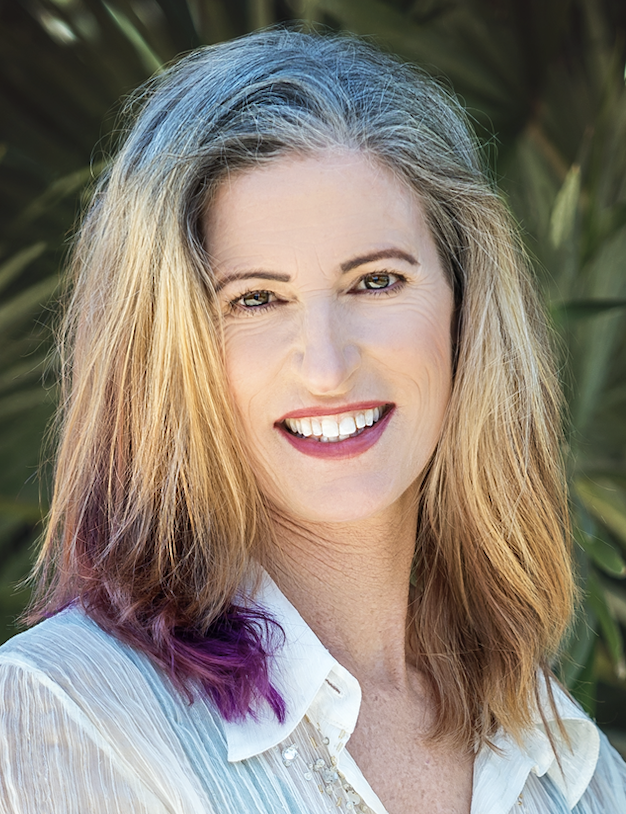
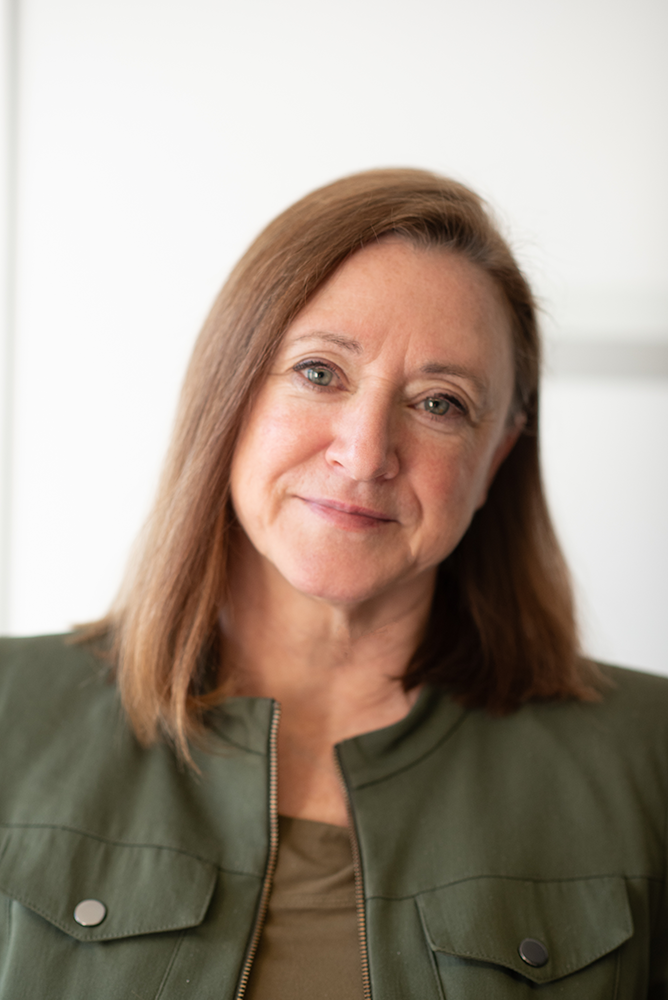
Dr Jasmine Childs-Fegredo is a Senior Lecturer and Programme Director for the Doctorate of Counselling Psychology at York St John University , School of Education, Language and Psychology. As a chartered Counselling Psychologist (HCPC & BPS) and Fellow of the Higher Education Academy, she combines clinical practice with academic leadership. Her teaching spans doctoral and undergraduate psychology programs, with PhD supervision capabilities. York St John University affiliation Health and Care Professions Council registration British Psychological Society accreditation Higher Education Academy fellowship Research focuses on Yoga-integrated Psychotherapy (YiP) and qualitative methodologies like Interpretative Phenomenological Analysis (IPA). Key collaborations include the University of Melbourne's Contemplative Practices Center, NIMHANS India, and Birkbeck London. Recent publications explore mental health screening in schools and yoga-based therapeutic interventions. Professional activities include external examining at New School of Psychotherapy and Counselling and VIVA examination at Teesside University. Conference presentations span Harvard University, NIMHANS India, European Congress of Psychology, and Public Health England events.
Dr. Ilona Krawczyk is a Lecturer in Acting at Norwich University of the Arts, specializing in post-Grotowskian performance training and interdisciplinary artistic research. She holds a Practice-as-Research PhD from the University of Huddersfield, focusing on embodied voicework and performer wellbeing. Her work bridges physical theatre, experimental music, and sound art, emphasizing ethical and aesthetic innovation in performance. Education: PhD in Drama, Dance & Performance (University of Huddersfield) MA in Acting (Manchester Metropolitan University, joint program with Song of the Goat Theatre) Graduate Diploma in Musical Theatre (CAPITOL, Poland) Her research investigates the intersection of voice, body, and technology, particularly through collaborations with institutions like the Replica Institute for Creative Anticipation and Performing Arts. She explores how wearable design and AI intersect with ethical performance practices. Key projects include the DreamVoice practice and site-specific performance-sound installations like Wild Symphonies and Soundings . Notable Projects: Founder of DreamVoice practice Co-founder of Insoundout collective Artistic director of Soundings (site-specific performances) Grants & Funding: Recipient of the North of England Consortium for Arts and Humanities studentship for her doctoral research. Labs/Teams: Collaborates actively with the Replica Institute, focusing on AI and ethical performance, and maintains ties with international groups like Mechanical Animal Corporation and Drift Ensemble.
Professor Simon Lewis is a Consultant Neurologist and Professor of Cognitive Neuroscience at the University of Sydney's Brain and Mind Centre within the Faculty of Medicine and Health. He serves as Clinical Director of the Ageing Brain Clinic and Director of the Parkinson's Disease Research Clinic, while also heading the NSW Movement Disorders Brain Donor program. With over 200 peer-reviewed publications, 2 books, and 8 book chapters to his name, Professor Lewis has secured more than $10 million in research funding from prestigious sources including the NHMRC, ARC, and Michael J Fox Foundation. Professor Lewis's research primarily focuses on dementia and Parkinson's disease, with particular expertise in cognitive neuroscience, movement disorders, and REM sleep behavior disorder. His work spans from basic neuroimaging studies to clinical trials investigating novel interventions for neurodegenerative conditions. He has pioneered research on freezing of gait in Parkinson's disease, visual hallucinations in Lewy body disorders, and the relationship between circadian rhythms and neurodegeneration. His laboratory employs a multidisciplinary approach combining clinical assessment, neuroimaging (structural and functional MRI), neurophysiological measurements, and innovative computational methods to understand disease mechanisms. The trajectory of Professor Lewis's recent publications reveals a growing emphasis on biomarker discovery for early diagnosis and disease progression, with increasing integration of artificial intelligence and machine learning approaches to analyze complex movement and sleep data. His work increasingly bridges basic neuroscience with clinical applications, particularly in developing targeted interventions for non-motor symptoms of Parkinson's disease. The collaborative nature of his research is evident in the international authorship patterns across his publications. Among his notable accolades is the Leonard Cox Award (2014) from ANZAN recognizing his significant contributions to neuroscience as an early career neurologist. Professor Lewis serves on multiple editorial boards including Movement Disorders, Translational Neurodegeneration, and Journal of Neurology, Parkinson's and Related Disorders. He actively contributes to international committees such as the Movement Disorders Society Asian Oceanian Section Executive Committee and the International REM Sleep Behaviour Study Group. Professor Lewis leads the world-leading Parkinson's and Related Diseases Research Group at the Brain and Mind Centre, which attracts PhD students interested in understanding disease mechanisms, developing biomarkers, and creating novel treatment modalities for Lewy body-related diseases. His international collaborations span institutions in the Netherlands (Radboud UMC), United Kingdom (King's College London, Cambridge, Newcastle), and other global centers of excellence in Parkinson's research. His work exemplifies a translational approach from bench to bedside, with particular focus on improving quality of life for patients with neurodegenerative conditions.
Professor Wiebke Thormählen is Director of Research and Strategic Lead for Research, Research Degrees and Knowledge Exchange at the Royal Northern College of Music (RNCM). As a historian and violinist, she explores music as a social and cultural activity at the intersection of domestic and public music-making, with particular interest in arrangements of large-scale works for small-scale performance, domestic devotional music, and audience engagement with opera across historical periods. Her research spans three historical moments: music moving between home and public spaces around 1800; institutionalization of professional music engagement around 1900; and contemporary use of sound in museum and heritage contexts. She draws on methodologies from the history of emotions, medical history, material history, and practice-based research. Professor Thormählen's scholarly work reveals significant trends across musicology, heritage studies, and education. Her publications demonstrate a consistent focus on the relationship between music, space, and identity formation, with particular emphasis on how musical practices shape and are shaped by social contexts. Her recent work increasingly intersects with digital humanities through projects like the 'Domestic Dance in Georgian Britain' database. Co-investigator on AHRC-funded project 'Music, Home and Heritage: Sounding the Domestic in Georgian Britain' (2017-2022) Steering Group Member, Sound Heritage Network (University of Southampton) Steering Group Member, Music, Medicine and History Network Core Member, Digital Humanities and Sensory Heritage Network (TORCH, Oxford University) As an educator, Professor Thormählen supervises PhD students in Sound Heritage, Eighteenth-Century Studies, and social history of the conservatoire. She has received research funding from the Arts and Humanities Research Council, Wellcome Trust, and Austrian Academic Exchange Service. Her extensive performance experience with period instrument ensembles in the US, Netherlands, and UK informs her research and teaching approach, which emphasizes tangible properties of musical materials and their interactive potential.
Moh H. Malek is a Professor in the Department of Health Care Sciences within the Eugene Applebaum College of Pharmacy and Health Sciences at Wayne State University. He holds a Ph.D. in Exercise Physiology from the University of Nebraska-Lincoln and completed postdoctoral training in Molecular/Cellular Exercise Physiology at the University of California, San Diego School of Medicine. His academic journey includes an M.S. in Exercise Physiology from California State University Fullerton and a B.A. in Biology and Psychology from The Claremont Colleges (Pitzer College). Dr. Malek's research focuses on exercise physiology with particular emphasis on electromyography, muscle physiology, mitochondrial function, fatigue threshold assessment, and statistical methods in kinesiology. His work bridges fundamental physiological mechanisms with practical applications in exercise science. He has made significant contributions to understanding neuromuscular fatigue mechanisms, the effects of various interventions on exercise performance, and mitochondrial bioenergetics in aging and disease contexts. His research integrates both human and rodent models to explore fundamental physiological processes. His publications demonstrate consistent productivity with recent work focusing on mitochondrial transplantation in skeletal muscle bioenergetics, electromyographic fatigue threshold methodologies, and the interplay between cognitive and physical fatigue. Dr. Malek has published extensively in the Journal of Strength and Conditioning Research, Muscle and Nerve, and other prominent physiology journals. His research program has evolved from foundational work on electromyographic fatigue threshold testing to more recent investigations of mitochondrial function in aging and disease, reflecting both continuity and expansion of his scholarly interests. Among his notable scientific achievements are receiving the Distinguished Graduate Faculty Award, being named the first faculty in his department to receive the Charles H. Gershenson Distinguished Faculty Fellow honor, and earning the Outstanding Graduate Mentor award from Wayne State University. He also received the President's Award for Excellence in Teaching and the Century Citation Club honor. Dr. Malek has mentored numerous graduate students, with several DPT students completing research projects under his primary mentorship. His teaching responsibilities include Advanced Exercise Physiology, Research Design & Methodology, and Research Practicum courses. He has also contributed significantly to the academic community through textbook authorship, including "NSCA's Essentials of Personal Training" and "Advanced Statistics for Kinesiology and Exercise Science."
Dr. Hazem H. Refai serves as the Williams Chair of Telecommunication and Networking and Professor in the Electrical and Computer Engineering department at the University of Oklahoma's Gallogly College of Engineering in Tulsa. His research bridges optical wireless communications, medical device coexistence, and intelligent transportation systems, with leadership roles in the Wireless Electromagnetic Compliance and Design (WECAD) Center and Innovative Traffic Systems and Solutions LLC. Education: M.S.E.E. from the University of Oklahoma (1993) Ph.D. from the University of Oklahoma (1999) Research Focus: Dr. Refai pioneers optical wireless mobile communication systems using free space optics, medical device wireless coexistence for electromagnetic compliance, and vehicle-to-vehicle communication for auto-collision avoidance. His work on the Disaster Area Wireless Network (DAWN) and cognitive radio networks demonstrates practical applications in emergency response and spectrum efficiency, with recent expansion into fMRI real-time signal processing for neuroscience applications. Publication Trends: Recent publications (2022-2025) reveal a strategic interdisciplinary expansion where wireless communications expertise converges with biomedical engineering—evident in EEG/fMRI studies of stroke rehabilitation, epilepsy, and opioid dependence, alongside cardiovascular research on Floatation-REST. His group simultaneously advances wireless technology identification using dynamic mode decomposition and aerial network optimization for 6G infrastructure. Scientific Recognition: University of Oklahoma College of Engineering Brandon H. Griffith Faculty Award (2000) Best Paper Award, IWCMC 2013 (Cognitive Extensions to Existing Wireless Technology) OSPE Outstanding Engineering Achievement Award (2006) Multiple IEEE ComSoc student competition awards (2013-2015) 24th Digital Avionics Systems Conference Best Session Paper (2005) Mentorship & Infrastructure: Dr. Refai has successfully chaired 48 MS and 19 PhD students while developing five new ECE courses including RF Microelectronics and Wireless Networks. He directs the WECAD Center for medical device coexistence testing and founded Innovative Traffic Systems and Solutions LLC for intelligent transportation applications, supported by industry partnerships and FDA research appointments. Research Ecosystem: The WECAD Center conducts critical medical device coexistence research with the FDA, while his traffic systems company develops real-world solutions like the ODOT Radar System for traffic monitoring. His IEEE leadership (past Tulsa Chapter President) connects academic research with industry implementation in both telecommunications and healthcare domains.



/prod01/yorksjacuk/media/content-assets/staff-profile-images/Jasmine-Childs-Fegredo.jpg)