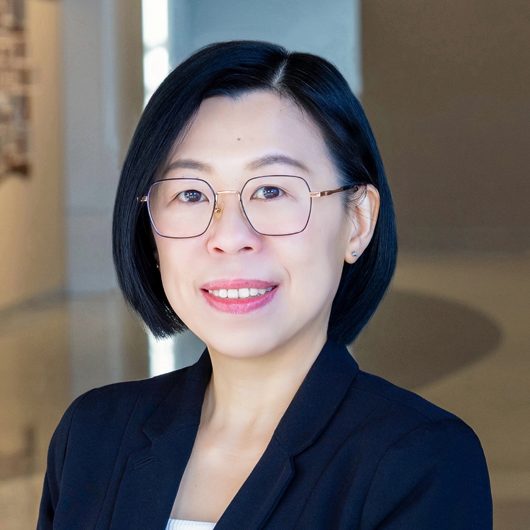
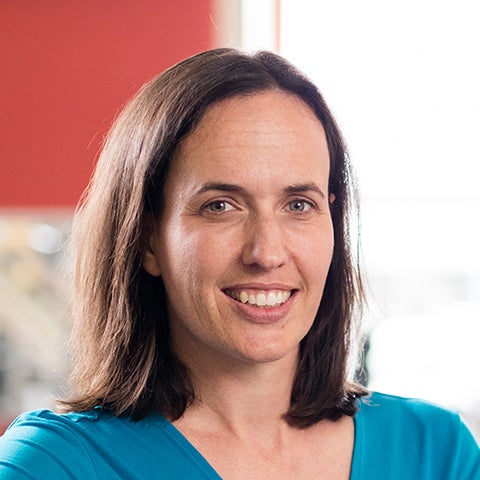
Dr. Gary D. Wu is the Ferdinand G. Weisbrod Professor in Gastroenterology at the University of Pennsylvania’s Perelman School of Medicine, where he serves as Co-Vice Chief for Research in the Department of Medicine and Director of the Penn Center for Nutritional Science and Medicine. He co-leads the Penn-CHOP Microbiome Program and directs multiple NIH-supported core facilities, including the Human-Microbial Analytic and Repository Core (H-MARC) and the Microbial Culture and Metabolomics Core. His research focuses on the interplay between diet, gut microbiota, and host metabolism, with contributions to high-impact journals in microbiome science and clinical gastroenterology. Education : A.B. in Chemistry (Cornell University, 1980); M.D. (Northwestern University Medical School, 1986); Honorary M.A. (University of Pennsylvania, 2002) Research Interests : As a physician-scientist, Dr. Wu investigates how dietary components shape gut microbiome composition and functionality, leading to metabolic and physiological consequences in the host. His work spans translational studies, computational biology, and molecular microbiology, emphasizing microbial metabolism, pathobiont dynamics, and microbiome-driven disease mechanisms. Current projects include dietary interventions for infection resistance and microbiome-based diagnostics for chronic diseases. Publication Trends : Recent articles highlight his expertise in gut microbiome ecology, dietary modulation of pathogens (e.g., Clostridioides difficile ), and host-microbe co-metabolism. Key subfields include nitrogen assimilation, metal availability in early-life microbiomes, and microbiome associations with systemic infections and kidney disease. Scientific Awards : Elected Member of the American Society for Clinical Investigation and the Association of American Physicians; Honorary M.A. from the University of Pennsylvania Labs & Teams : Dr. Wu directs multiple NIH-funded core facilities and co-leads the Penn-CHOP Microbiome Program, fostering collaborations between Perelman School of Medicine and Children’s Hospital of Philadelphia. His lab investigates microbiome-driven pathophysiology, with personnel specializing in molecular microbiology, computational biology, and clinical translational research.