
Pablo Cerda Duran is an Associate Professor at the Universitat de València, affiliated with the Faculty of Physics, Department of Astronomy and Astrophysics. He is a member of the Computational Astrophysics and Cosmology (CompAC) research group and previously contributed to the Computer Aided Modeling of Astrophysical Plasma (CAMAP) group. He earned his PhD in 2006 with a thesis on the general relativistic collapse of rotating stellar cores under the supervision of Dr. José Antonio Font Roda. His research lies at the intersection of numerical relativity, computational astrophysics, and high-performance computing. He specializes in developing and applying numerical methods to simulate extreme astrophysical phenomena, particularly involving compact objects such as neutron stars and black holes. His work includes general relativistic hydrodynamics and magnetohydrodynamics, Einstein’s equations, and instabilities in rotating stars. The body of his recent publications reveals a strong focus on algorithmic innovation in numerical relativity—such as implicit time integration schemes, constrained evolution formulations, and iterative solvers—applied to problems in relativistic astrophysics. His simulations span core collapse, neutron star instabilities, and boson star dynamics, often in the context of gravitational wave sources. Email: pablo.cerda@uv.es His scientific contributions appear in leading journals like Classical and Quantum Gravity , Journal of Computational Physics , and Astronomy & Astrophysics . Although no formal awards are listed, his sustained publication record and collaborative network indicate significant recognition in the field. He has co-authored works with prominent figures such as José Antonio Font, Miguel-Ángel Aloy, and Eric Gourgoulhon. Pablo Cerda Duran leads and contributes to advanced computational modeling efforts, advancing the simulation capabilities of relativistic systems. His work continues to support the theoretical interpretation of gravitational wave signals and high-energy astrophysical events.
جستجوی استاد راهنمای دانشگاهی
برای مسیر پژوهشیتان، استاد راهنما، استاد دانشگاه و پژوهشگر مناسب را پیدا کنید و با آنها ارتباط بگیرید.
نمایش ۷۳۶-۷۵۰ از ۲٬۰۹۴ استاد راهنما
اطلاعات پروفایلها از صفحات عمومی دانشگاهها گرفته شده و ممکن است بهروز نباشد.
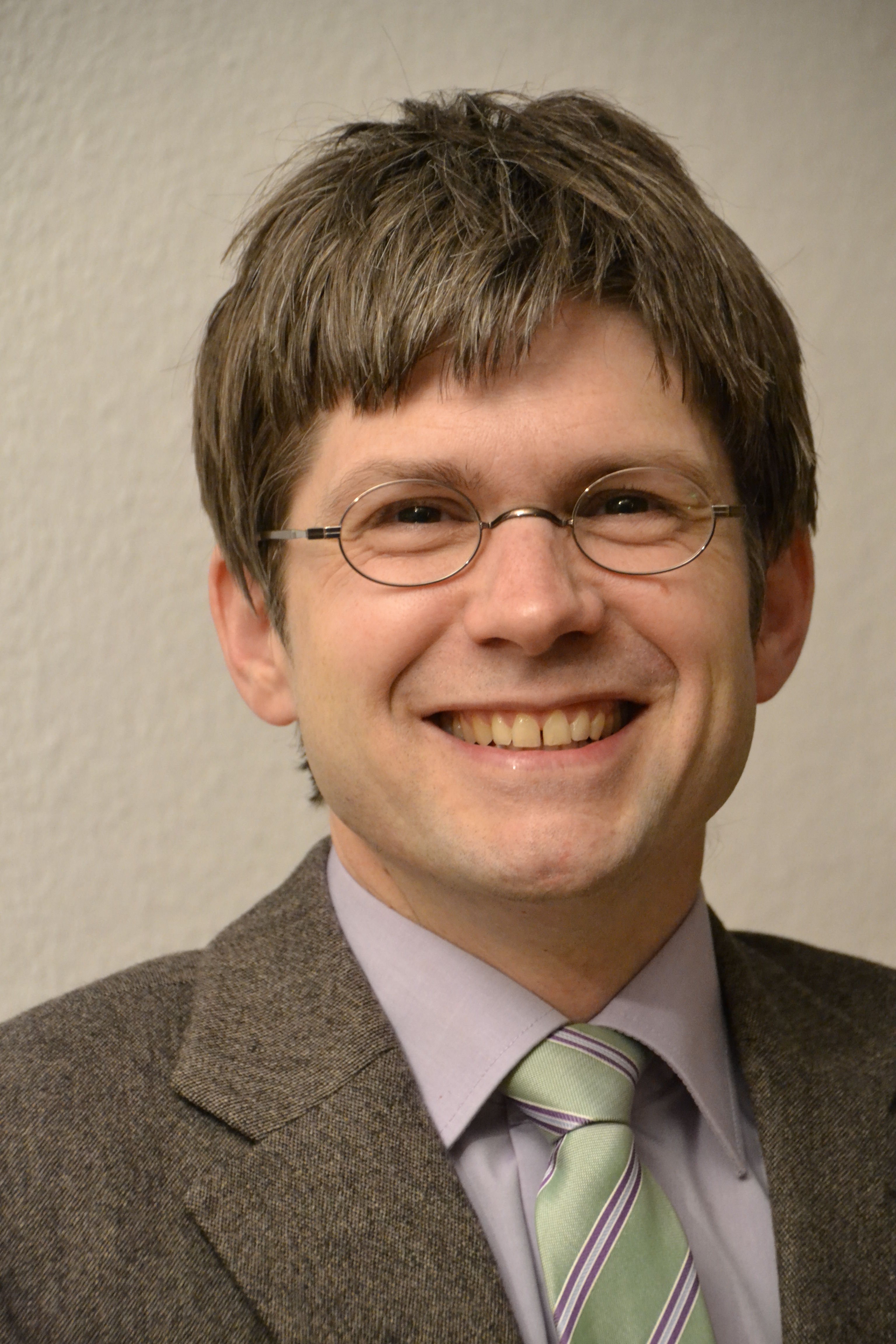
Christoph Schäfer is a German astrophysicist at the University of Tübingen, affiliated with the Institute for Astronomy and Astrophysics and its Computational Physics department. His work focuses on numerical particle methods, particularly Smoothed Particle Hydrodynamics (SPH), to model planetary formation, collisions, and protoplanetary disc dynamics. University of Tübingen, Institute for Astronomy and Astrophysics, Computational Physics Expert in SPH simulations, high-performance computing, and planet formation Developed the miluph and miluphcuda SPH codes Dr. Schäfer's research spans impact physics, binary star systems, and dust dynamics. His work has been applied to missions like DART and includes modeling Mercury's formation, circumbinary disc interactions, and collisional dust production. He teaches computational astrophysics, numerical methods, and advanced astronomy courses, with a strong emphasis on hands-on programming exercises. His lab ( Numerical Particle Methods Group ) develops GPU-optimized simulation tools, and he has contributed to comparative studies of disc-planet interactions and small body dynamics in the solar system. He maintains an ORCID profile and is recognized in the astronomical community via the asteroid (5364) Christophschafer , discovered in 1980. Contact: ch.schaefer@uni-tuebingen.de (professional) or cm.schaefer@gmail.com (private).

Isa Leal is a performance artist, dancer, director, and educator currently serving as an Associate Instructor in Theatre and Dance at the University of California, Davis. Her work explores the intersection of embodiment, empathy, and social engagement through experimental performance practices. She holds an MA in Performance Studies from UC Davis and is expected to complete her PhD in Performance Studies in 2024. BA in Theatre and Dance, James Madison University (2006) MA in Performance Studies, UC Davis (2020) PhD in Performance Studies (expected 2024), UC Davis Leal’s research and artistic practice focus on embodied empathy, contact improvisation, somatic practices, and interdisciplinary collaborations between art and science. She is particularly known for her Geophysical Dance Research with atmospheric scientist Dr. Ian Faloona, which explores how movement can model and communicate scientific phenomena such as fluid dynamics. Her performances often invite audience participation and introspection, blurring the boundaries between performer and witness. Her recent artistic works, such as Composing with Living (2019) and Symptom of Capitalism (2017), reflect a deep engagement with themes of agency, trauma, capitalism, and identity. These pieces integrate improvisation, ritual, and audience co-creation, often drawing from frameworks like the Tuning Score and Authentic Movement. Her publications and lectures extend these inquiries into academic discourse, particularly in performance studies and psychological anthropology. Brad Boynton Award for Excellence in the Arts Alpha Psi Omega Honor Society, Stratford Players Scholarship (2005) Honorary Alumnus, Henrico Center for the Arts (2009) Leal has curated and directed numerous performance festivals and collectives, including the Transmodern Festival and Iron Rainbow Dance Theatre. She has taught at various institutions and community spaces, emphasizing embodied creativity and improvisation. While she advises and collaborates with performers, no formal students are listed. She is actively creating, publishing, and performing, with no indication of retirement or former staff status.
Ana Álvarez García is a faculty member in the Department of Naval and Industrial Engineering at the Ferrol Engineering Polytechnic University College, Universidade da Coruña (UDC), specializing in Naval Construction. She actively contributes to both teaching and research, with a focus on thermal and rheological properties of materials applied to marine engineering. Department: Department of Naval and Industrial Engineering School: Ferrol Engineering Polytechnic University College University: Universidade da Coruña (UDC) Her research interests include naval construction, thermal analysis of materials, rheology, composite materials, adhesive bonding in marine structures, and sustainable shipbuilding. She is a member of the research group 'Propiedades térmicas y reológicas de materiales' and has led and co-authored numerous studies on material characterization for maritime applications. The body of her recent publications reveals a consistent focus on thermal and mechanical behavior of materials in naval contexts, including adhesives, sandwich structures, and simulation tools like SIMULANCLA. Her work spans experimental testing, numerical modeling, and practical applications in shipbuilding and marine systems. She has supervised multiple Master’s theses, including those of Francisco Javier Rodríguez-Dopico and Carlos Alberto Gracia Fernández, both of which received the highest academic distinction. Her research is supported by collaborations with industry and academic partners such as INDITEX, NAVANTIA, and GABADI, and she has participated in numerous national and regional R&D projects. Ana Álvarez García also contributes to academic mentoring and curriculum development, guiding students in final-year projects and professional placements. She teaches core subjects such as Engineering Drawing, Marine Drawing, and the Integral Process of the Ship Project, ensuring students receive applied, industry-relevant training.

Jennifer Tweedyمشاهده پروفایل
پژوهشگر ارشد
- Mathematical Modeling
- Fluid Dynamics
- Ophthalmology
- +۳ مورد دیگر
Jennifer Tweedy is a Dr Daphne Jackson Royal Society Research Fellow in the Department of Mathematical Sciences at the University of Bath. She is currently active in her research position with the Daphne Jackson Fellowship project running from November 2022 to October 2025. Her office is located at 4 WEST 4.18 and she can be contacted at jht55@bath.ac.uk or by phone at +44 (0) 1225 387637. Dr. Tweedy's research spans the intersection of mathematical modeling, fluid dynamics, and biomedical applications, particularly in ophthalmology and cardiology. Her primary focus is on modeling aqueous humor flow in the eye, with significant contributions to understanding fluid dynamics in the anterior chamber, vitreous humor mechanics, and their implications for conditions like glaucoma. She also applies mathematical modeling to cardiovascular problems, including atrial fibrillation and cardiac conduction. Her publication record demonstrates a consistent trajectory in applying advanced mathematical techniques to solve complex biomedical problems. The most recent works (2023-2025) focus on unconventional aqueous humor outflow mechanisms and their clinical implications, while earlier works (2018-2020) examine cardiac conduction velocity and fluid dynamics in various eye chambers. Her research consistently combines theoretical mathematical approaches with practical clinical applications. Daphne Jackson Fellowship (Current) Dr. Tweedy actively engages in educational outreach, having presented school engagement activities titled 'A job in research' in February 2023 and 'A career in research' scheduled for February 2025. Her research has garnered significant attention with multiple publications accumulating citations across Scopus and other research metrics platforms. She collaborates with researchers across the UK and internationally, particularly in the fields of ophthalmology and mathematical biology.
- Structural Dynamics
- Fluid Dynamics
- Wind Engineering
- +۱۳ مورد دیگر
Dr. Pedro Martinez-Vazquez is a Lecturer in Civil Engineering at the Department of Civil Engineering, School of Engineering, University of Birmingham, UK. He has been in this position since 2012, having previously held a lectureship at the University of Liverpool and a Research Fellow role at the University of Birmingham. Education: PhD, Universidad Nacional Autónoma de México (UNAM), 2006 MSc, Universidad Nacional Autónoma de México (UNAM), 2002 BE, Universidad Nacional Autónoma de México (UNAM), 1994 Postgraduate Certificate in Learning and Teaching in Higher Education, 2012 His research interests span a wide range of topics in civil and environmental engineering, with a strong emphasis on structural dynamics , wind engineering , seismic effects , and the application of artificial intelligence and image recognition techniques to engineering problems. He explores interdisciplinary areas such as crop lodging due to wind, numerical modeling of human body dynamics, and sustainability in engineering systems. The 15 most recent publications highlight a consistent focus on wind and earthquake load interactions , performance of wind turbine towers , multi-hazard structural analysis , and innovative uses of computational methods and AI in fluid and structural dynamics. His work bridges experimental, analytical, and numerical approaches, often integrating novel techniques like conditional simulation and eigenface-based recognition. Scientific Awards and Recognitions: Chartered Engineer, ICE, 2018 Member, Institution of Civil Engineers (ICE), 2018 Fellow of the Higher Education Academy (FHEA), 2012 Graduate Member, Institution of Structural Engineers, 2012 Associate of the Higher Education Academy, 2012 Postgraduate Certificate in Learning and Teaching in Higher Education, 2012 Dr. Martinez-Vazquez actively supervises PhD research in areas including wind and seismic engineering, computational methods, artificial neural networks, and nanomaterials for structural enhancement. He teaches across all levels of civil engineering, including Structural Engineering I & II, Seismic Engineering, and research projects at BEng, MEng, and MSc levels. He has not received mention of specific grants in the provided text, but his research output suggests involvement in computational and experimental projects, likely supported by academic and industrial collaborations. His work on windborne debris and crop lodging indicates applied research with real-world impact. He has contributed to research through experimental, analytical, and numerical investigations, particularly in wind tunnel studies and stochastic modeling. His work with teams at Birmingham and collaborators internationally (e.g., C. J. Baker, M. Sterling) reflects strong interdisciplinary and collaborative research practices.
Mohammed Moussaoui Keribii is a Researcher in the Department of Biochemistry and Molecular Biology at Universitat Autònoma de Barcelona, specializing in ribonuclease research with a focus on eosinophil-derived proteins and their antimicrobial properties. He is part of the Biomolecular Microbiology Group and has maintained an active research profile since at least 1991, with his PhD awarded in 1998 from the same institution. His educational background includes: PhD in Doctorat from Universitat Autònoma de Barcelona (UAB), awarded January 1, 1998 Moussaoui Keribii's research spans several interconnected domains: Structural and functional characterization of human ribonucleases, particularly RNase2, RNase3 (eosinophil cationic protein), and RNase6 Mechanisms of ribonuclease action against bacterial pathogens and biofilms Evolutionary adaptations within the RNase A superfamily Development of RNase-based therapeutics against antimicrobial resistance Immune modulation by secreted ribonucleases in extracellular spaces His work bridges fundamental biochemistry with translational applications in combating antimicrobial resistance. His publication record shows consistent productivity with 37 research outputs, including high-impact articles such as his 2018 review in Frontiers in Immunology which has received 136 Scopus citations. His research has been supported by multiple competitive grants from organizations including the European Regional Development Fund and Fundació La Marató de TV3. Moussaoui Keribii has been instrumental in several major collaborative projects: HOST EXTRACELLULAR RNASES SHAPING THE REGULATORY RNA NETWORK DURING INFECTION (2023-2026, active) AMRnase: An RNase-based drug to target antimicrobial resistance (2022-2024) NON CODING RNA CLEAVAGE IN HOST DEFENCE AGAINST INFECTION (2020-2023) Pattern recognition of non-coding RNA's to search for novel therapeutic targets (2019-2022) These projects demonstrate his leadership in applying ribonuclease research to address critical challenges in infectious disease and antimicrobial resistance.

Neil Wrightمشاهده پروفایل
دانشیار
Neil T. Wright is an Associate Professor of Mechanical Engineering at the College of Engineering, Michigan State University. His research focuses on heat transfer, thermophysical property measurement, parameter estimation, and thermal biology. He holds a Ph.D. from the University of Pennsylvania (1992), M.S. from the University of Colorado (1986), and B.S. from Virginia Tech (1981). His work bridges engineering and biomedical sciences, with notable contributions to thermal conductivity of superconducting materials (e.g., niobium for SRF cavities) and thermal damage models in biological systems. Education: Ph.D., Mechanical Engineering & Applied Mechanics, University of Pennsylvania (1992) M.S., Mechanical Engineering, University of Colorado (1986) B.S., Engineering Science & Mechanics, Virginia Polytechnic Institute (1981) His research interests include: Thermal properties of biomaterials and soft tissues Modeling heat-induced damage in cells and tissues Superconducting material fabrication and characterization Biomechanical systems and interstitial fluid dynamics in the brain Publications span interdisciplinary topics like cryobiology, SRF cavity design, and neurodegenerative disease mechanisms. Awards include the ASME Fellowship (2018), Withrow Teaching Award (2015), and Whitaker Biomedical Research Award (1996). He advises multiple collaborative projects on thermal engineering and biomedical applications, with active grants focusing on material science and biophysics. Lab activities involve advanced thermal measurement techniques and computational modeling.
Dr. Jing Pan is a Professor in the Department of Mechanical and Aerospace Engineering at the University of Florida. He leads the Biodesign Lab, focusing on developing cutting-edge biosensing technologies for real-time monitoring of immune system dynamics and biomolecules in bodily fluids. His NSF CAREER Award-winning project aims to create continuous monitoring systems for immune status assessment, addressing critical gaps in clinical diagnostics. His research integrates nanomaterials, nanostructured surfaces, and biorecognition elements to enable rapid, sensitive detection of biomarkers. Applications span healthcare (e.g., ICU monitoring during pandemics), agriculture, and engineering education innovation. Collaborations include work with Dr. Idalis Villanueva Alarcón to objectively measure student anxiety via saliva-based biosensors, bridging clinical and educational challenges. Pan’s work emphasizes adaptive, personalized medical interventions through technologies akin to 'thermostats for the body.' His lab’s advancements in DNA walkers, molecular switches, and nanoparticle-based sensors reflect a multidisciplinary approach to biomedical engineering challenges. Key scientific contributions include pioneering real-time spatiotemporal monitoring systems and antibody-based molecular switches. Key Awards: NSF CAREER Award (2023) Lab Focus: Biodesign Lab (nanotechnology, biosensors, biomedical applications) Education Initiative: Biosensor-driven anxiety measurement in engineering students

Ersin Sayarمشاهده پروفایل
دانشیار
- Micropumps
- Piezoelectric Systems
- Heat Transfer
- +۵ مورد دیگر
Ersin Sayar is an Associate Professor at the Department of Mechanical Engineering, Istanbul Technical University (ITU), located at ITU Ayazaga Campus in Istanbul, Turkey. His primary research focuses on micropump design, piezoelectric systems, heat transfer, and wearable sensors. He has published extensively in journals like Thermal Science and Engineering Progress, Journal of Micromechanics and Microengineering, and IEEE Sensors Journal. His work spans microfluidics, thermal insulation materials, and biomedical sensor integration. He leads projects such as 'Experimental investigation of the effect of porous media on spontaneous or forced oscillatory flow/pool boiling' (2016–2021) and 'Investigation of the Effect of Vibrations Created by Piezoelectric Material on Temperature Distribution in Natural Convection' (2015–2021). Ersin has received notable awards including the ITU 2022 Academic Performance Awards and the Commercial Multi-physics Code Developer Certificate (2011). His research interests include developing eco-friendly nanofluids for thermal management, wearable humidity and temperature sensors for healthcare applications, and optimizing piezoelectric micropump performance. He has contributed to over 25 peer-reviewed articles and supervised 8 theses. His interdisciplinary work bridges mechanical engineering, materials science, and biomedical technology.
Grigori Astrakharchik is a Professor at the Department of Physics, Universitat Politècnica de Catalunya (UPC), affiliated with the Facultat d'Informàtica de Barcelona (FIB). He is a core member of the Condensed, Complex and Quantum Matter Group (CCQM), focusing on theoretical studies of quantum many-body systems, particularly ultracold atomic gases and strongly correlated quantum matter. His research explores Bose-Einstein condensates, dipolar gases, and quantum phase transitions, with a focus on momentum distributions, thermal effects, and impurity dynamics. Key research areas include the thermodynamic behavior of one-dimensional Bose gases, superfluidity in interacting systems, and the interplay between quantum fluctuations and thermal effects. His work often addresses universal properties of quantum systems and the application of advanced theoretical techniques like quantum Monte Carlo methods and Bethe ansatz. Education: Not explicitly stated in text; inferred to hold a PhD in Physics based on research output. Recent publications (2022-2025) highlight contributions to understanding thermal fading in momentum distributions, dipolar Bose polarons, and superexchange-driven phases in lattice systems. Astrakharchik has led or co-led multiple competitive R&D projects, including the 'Teorías de muchos cuerpos para materia cuántica' initiative. Awards: No specific prizes mentioned, though his consistent high-impact publications indicate recognition in the field. Grants: Multiple national and EU-funded projects, including Plan Estatal de Investigación and Horizon Europe grants. He collaborates extensively with institutions like the University of Zaragoza and international groups, contributing to the CCQM group's research on quantum matter. His work bridges theory and experiment, with implications for quantum technologies and fundamental physics.
Gemma Sese Castel is a Professor in the Department of Physics at Universitat Politècnica de Catalunya (UPC), affiliated with the Barcelona School of Informatics (FIB). She leads research within the CCQM - Condensed, Complex and Quantum Matter Group, focusing on computational approaches to condensed matter systems. Her research spans molecular dynamics simulations of supercooled liquids, dipolar systems, hydrogen-bonded networks, and glass-forming materials. She investigates fundamental properties including orientational dynamics, dielectric response, thermodynamic behavior, and spatial heterogeneities in complex molecular systems. Her work bridges physics, chemistry, and computational science through advanced simulation techniques. Analysis of her publication record reveals consistent contributions to understanding molecular behavior in condensed phases, with particular emphasis on supercooled states and glass transition phenomena. Her research combines theoretical frameworks with computational methods to elucidate microscopic mechanisms governing macroscopic properties of complex fluids and materials. DISTINCIÓ JAUME VICENS VIVES 8è Premi a la Qualitat en la Docència Universitària Professor Sese Castel has advised doctoral students including Jordi Ortiz de Urbina and Ricardo Palomar, and has secured numerous competitive research grants from national and regional funding bodies. Her research group has received continuous support through programs like the Plan Nacional de Investigación Científica and the Pla de Recerca i Innovació de Catalunya. As a core member of the CCQM research group, she contributes to a collaborative environment focused on computational approaches to condensed matter physics, working with researchers across multiple departments at UPC to advance understanding of complex physical systems through simulation.
Jim Usherwood is Professor of Locomotor Biomechanics and a Wellcome Trust Senior Research Fellow at the Structure & Motion Laboratory, Department of Comparative Biomedical Sciences, The Royal Veterinary College (RVC), University of London. His research integrates biomechanics, engineering, and biology to understand how animals move efficiently across land and air. He leads a major 5-year Wellcome Trust project on the 'Muscle-Mechanical Compromise Framework' and collaborates on bio-inspired flight systems with the US Air Force Office of Scientific Research. Research Interests: Jim's work centers on the mechanical optimization and trade-offs in animal locomotion. He explores how animals achieve propulsion and weight support without wheels or propellers, using experimental techniques and engineering analyses. Key areas include terrestrial and aerial locomotion, gait dynamics, legged robotics, flapping flight, and bio-inspired design. His research spans species from birds to humans, examining how musculoskeletal systems adapt to mechanical challenges. Publication Trends: His recent publications emphasize bio-inspired engineering, particularly in flight and robotics. Themes include gust tolerance in bird flight, morphing air vehicles, robotic leg design, and energy-efficient locomotion. The integration of biological principles into engineering solutions is a consistent thread, supported by interdisciplinary methods such as high-speed motion capture and aerodynamic modeling. Scientific Awards: Wellcome Trust Senior Research Fellow Grants and Advising: Jim is principal investigator on a 5-year Wellcome Trust Senior Research Fellowship and co-investigator on an AFOSR-funded project with Richard Bomphrey. He has also secured funding from BBSRC, EPSRC, and ARIA for projects in biomechanics and robotics. While no formal students are listed, he mentors researchers within the Structure & Motion Laboratory and collaborates widely across institutions. His work bridges fundamental science and translational applications, particularly in robotics and aerospace. Labs and Teams: Jim is a core member of the Structure & Motion Laboratory at RVC, a leading center in comparative biomechanics. The lab conducts interdisciplinary research combining biology, physics, and engineering to study animal movement. He collaborates with the University of Bristol and international partners on projects involving avian flight, robot locomotion, and aerodynamic modeling.

Tracy K.P. Gregg is Professor and Chair of the Department of Earth Sciences within the College of Arts and Sciences at University at Buffalo. She leads the Planetary Science Group with research focused on volcanic processes across the Solar System. Her work bridges terrestrial and extraterrestrial volcanology through field studies and laboratory simulations. Education: PhD in Geology, Arizona State University (1995) Her research centers on basaltic lava flow emplacement in diverse environments including mid-ocean ridges (East Pacific Rise, Juan de Fuca Ridge), terrestrial locations (Hawaii, Iceland, Peru), and planetary bodies (Mars, Venus, Moon, Io). She employs field observations, laboratory experiments, and numerical modeling to investigate how environmental factors affect volcanic processes. Current projects examine Ganis Chasma on Venus, Hadriacus Mons erosion on Mars, Gruithuisen Domes on the Moon, and lunar sinuous rilles. Analysis of her 15 most recent publications reveals dominant themes in extraterrestrial volcanism (60% of works), particularly Martian and Venusian systems, with strong emphasis on comparative planetology using terrestrial analogs. Her methodology consistently combines field mapping with experimental simulations, especially for lava-water interactions and submarine channel formation. Academic Leadership: Chair, Department of Earth Sciences Active member of Venus Exploration Advisory Group (VEXAG) Organizer of Venus Early Career Scholars networking She maintains an active graduate mentoring program with 6 current MS students and 9 recent graduates. Her teaching portfolio includes specialized courses in Extraterrestrial Volcanism, Volcanology, and Planetary Geosciences. Gregg actively contributes to Venus research community resources through VEXAG working groups.
- Byzantine Culture
- Hagiography
- Medieval Arts
- +۵ مورد دیگر
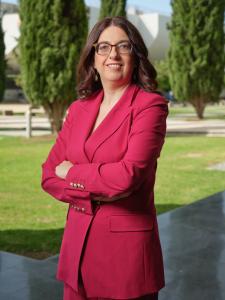
Stavroula Constantinou is a Professor in the Department of Byzantine and Modern Greek Studies at the University of Cyprus, where she has taught since 2004. She serves as founder and director of the Centre for Medieval Arts & Rituals (CeMAR), editor-in-chief of Eventum: A Journal of Medieval Arts & Rituals , and creator of the NetMAR Blog. She holds membership in the European Cultural Parliament and has received prestigious fellowships including a Humboldt Fellowship and research stipends from Dumbarton Oaks and the Benaki Museum. Her education includes degrees from the University of Cyprus (1992-1996), Free University of Berlin (1997-1999, 2000-2003), and University of Cambridge (1999-2000), supported by multiple foundations including the A.G. Leventis Foundation and German Academic Exchange Service. Constantinou's research explores Byzantine culture through interdisciplinary lenses including: Gender studies focusing on motherhood, breastfeeding, and female corporeality Medieval arts and ritual practices Byzantine narrative traditions and hagiography Premodern health humanities Cultural theory applications to medieval studies Her publications demonstrate consistent focus on gender embodiment, narrative structures, and cultural interpretations of bodily practices across Byzantine society. She has coordinated major research initiatives including: MotherBreast project on ancient/Byzantine motherhood TaleTheory project on Byzantine tale collections Network for Medieval Arts & Rituals (NetMAR) European twinning project Current Horizon Europe project StoryPharm on health humanities These projects involve international collaborations with universities across Europe.
نمایش نتایج تا ۷۵۰ مورد اول. برای یافتن نتایج دقیقتر، جستجوی خود را با فیلترها محدود کنید.