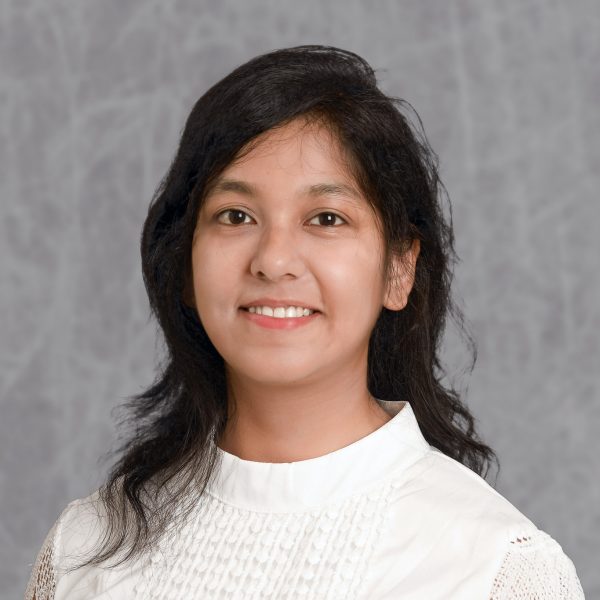
Max Taub is a Professor of Biology at Southwestern University, where he has been a key faculty member since at least 2000. His research spans human genetics, evolutionary biology, and plant ecological physiology, focusing on plant responses to rising atmospheric CO2 and climate change. Ph.D., Stony Brook University (1997) B.A., University of Massachusetts, Amherst (1989) Taub's research explores evolutionary explanations for genetic disorders, molecular signatures of natural selection in human neurotransmitter systems, and the physiological impacts of global environmental changes on plant growth and photosynthesis. His work often integrates interdisciplinary approaches, collaborating with students on meta-analyses and experimental studies. Over the past decade, his publications have emphasized plant responses to CO2 enrichment, protein concentration changes in crops, and thermal stress resilience. His 2023 systematic review on CF drug effects highlights his interest in medical genetics. Teaching Philosophy: Taub aims to enhance student understanding of organismal diversity, critical thinking, and communication skills through rigorous engagement with biological systems.
Professor John Fraser is affiliated with the Institute for Molecular Bioscience at the University of Queensland , where he holds a position under the Faculty of Health, Medicine and Behavioural Sciences . His research focuses on critical care medicine, cardiovascular health, and extracorporeal membrane oxygenation (ECMO) technologies. Education : Not explicitly mentioned Research Interests : Professor Fraser's work spans critical care medicine, cardiovascular research, and medical technology development. His recent publications address: Neurological complications in critically ill patients Mitochondrial transplantation for organ preservation ECMO-related hemodynamic challenges Post-ICU rehabilitation strategies Artificial circulation hemostasis Pulmonary injury mechanisms Scientific Trends : His 2025 publications demonstrate expertise in: ECMO optimization Neurological monitoring in ICU Organ preservation techniques Pulmonary mechanics analysis Post-viral critical care Medical informatics applications Grants & Funding : Currently leading/associated with grants from Monash University , TPCH Foundation , and The Common Good focused on: ECMO technology improvement Cardiovascular rehabilitation ICU monitoring equity Donor organ preservation Supervision : Actively supervises PhD candidates working on topics like: Novel pulmonary imaging ECMO blood flow patterns Vascular endothelial preconditioning Healthcare access for Indigenous populations
Aiden Doherty is a Professor of Biomedical Informatics and Wellcome Senior Research Fellow at University of Oxford, affiliated with Big Data Institute Reuben College Health Data Research UK BHF Centre of Research Excellence Sleep and Circadian Neuroscience Institute His work focuses on analyzing wearable sensor data to understand disease mechanisms. Research interests include Developing machine learning methods for sleep and physical activity analysis Identifying genetic variants linked to sensor-derived phenotypes Demonstrating causal relationships between physical activity and blood pressure Creating wearable camera techniques for behavioral assessment Establishing guidelines for mobile devices in clinical trials Reproducible analysis methods for large-scale health data Recent publications reveal trends in Accelerometer data processing Genomic analysis of activity patterns Time-reallocated activity modeling Wearable sensor validation Causal inference in health behaviors Global population health monitoring Scientific awards include Wellcome Senior Research Fellowship Marie Sklodowska-Curie Actions COFUND Award British Heart Foundation fellowship Marie Curie postdoctoral fellowship Irish Research Council PhD scholarship His group at Oxford develops methods for analyzing wearable sensor data at scale, with applications in cardiovascular disease prevention and mental health research. Collaborations include work with the US Food and Drug Administration on mobile clinical trial guidelines.
Joel Kramer is a Professor of Neurology at the University of California, San Francisco (UCSF) Weill Institute for Neurosciences in the School of Medicine. He directs the neuropsychology program at the UCSF Memory and Aging Center, where he specializes in diagnosing and caring for patients with various memory disorders. His research focuses on the effects of neurodegenerative diseases on cognitive abilities and behavior, particularly examining early markers of Alzheimer's disease and cognitive changes associated with normal aging. Dr. Kramer earned his PhD from Baylor University School of Medicine in 1982 and completed his residency in Neuropsychology at the Veterans Affairs Northern California Health Care System in 1983. He is board certified in clinical neuropsychology. His research interests encompass neuropsychology, neurodegenerative diseases (particularly Alzheimer's disease and frontotemporal dementia), cognitive aging, small vessel cerebrovascular disease, and brain aging biomarkers. He investigates how neurodegenerative processes affect intellectual abilities and behavior, with special attention to identifying markers of Alzheimer's disease before clear symptoms appear. Analysis of Dr. Kramer's recent publications reveals a strong focus on biomarker research in neurodegenerative diseases, particularly examining fluid and imaging biomarkers for Alzheimer's disease and frontotemporal dementia. His work spans multiple disciplines including neurology, geriatrics, and neuroscience, with significant emphasis on early detection methods, disease subtyping, and understanding demographic-specific effects in dementia progression. Dr. Kramer has been Principal Investigator on multiple NIH-funded research projects including studies on small vessel cerebrovascular disease, brain aging trajectories, and dementia heterogeneity. His laboratory work focuses on understanding the relationship between the central nervous system and behaviors, particularly in the context of neurodegenerative conditions. His research team collaborates extensively across multiple institutions through consortia including the ALLFTD Consortium, LEADS Consortium, and MarkVCID Consortium, conducting large-scale studies on neurodegenerative diseases with particular attention to diverse populations and biomarker development.
Dr. Abdel Salam Mahmoud is an Associate Professor of Preventive Medicine at the College of Veterinary Medicine, University of Tripoli . His career spans roles as a Teaching Assistant , Lecturer , and leadership positions in quality assurance, including Head of the Quality and Performance Evaluation Office (2019-2020). He contributed to the University of Tripoli's ISO 9001:2015 certification and served in national and international committees like the WHO Technical Assessment Team and National Authority for Genetic Research and Analysis . His research interests focus on epidemiological studies , vector-borne viral diseases , transboundary animal diseases , and COVID-19 pandemic dynamics . He has published 19 articles since 2016, with recent work analyzing SARS-CoV-2 spatiotemporal patterns , vitamin D deficiency , and mitochondrial enzyme thermodynamics , emphasizing interdisciplinary approaches in veterinary epidemiology and public health . Dr. Mahmoud has led or participated in quality improvement initiatives , epidemiological surveillance , and health system evaluations . His collaborations include the WHO Early Warning Alert and Response Network (EWARN) , National Centre for Animal Health (Libya) , and the Libyan Research Team (LRT) for COVID-19 . His work bridges veterinary virology , zoonotic disease control , and health system accreditation .
Dr. Chandrika Behura is an Associate Professor in the Department of Pediatrics, Division of Hematology and Oncology at Penn State College of Medicine. She is a board-certified hematologist/oncologist with a strong commitment to research in childhood cancer, particularly leukemia and neuroblastoma. Her work is supported by several extramural grants and she has established herself as a national leader in pediatric hematology/oncology research. Dr. Behura's research focuses on the role of Ikaros tumor suppressor and pro-oncogenic casein Kinase II (CK2) in leukemogenesis and drug resistance. Her most notable work, published in Blood in 2015, established a novel approach of using specific CK2 inhibitors for treatment of high-risk B cell lineage leukemia using PDX models. She has presented her work at various national and international scientific forums and gained national recognition as an outstanding young investigator. Analysis of Dr. Behura's publications reveals a consistent focus on molecular mechanisms of childhood leukemia, particularly the role of CK2 signaling pathways. Her research spans basic science investigations of gene regulation in hematopoietic cells to clinical applications of novel therapeutics. Recent work has expanded into cancer epidemiology and educational innovations for physician-scientist training. Distinguished Educator Award (2024) Outstanding Early-Stage Investigator Award (2018) Scholarship in Education Award (2022) Dr. Behura's research is currently supported by several extramural grants. She has also authored numerous chapters and review articles related to leukemia, CK2 and Ikaros. Her work contributes to UN Sustainable Development Goals related to good health and well-being. She is actively involved in the Penn State Cancer Institute and Penn State Neuroscience Institute, focusing on next-generation therapies for childhood cancers.
Dr. John A. Aucar is an Associate Professor in the Department of Surgery at Creighton University School of Medicine. He practices at Creighton University Medical Center, specializing in trauma and acute care surgery. His career spans academic surgery, clinical research, and surgical education. Clinical Appointments: Associate Professor, Department of Surgery Research Affiliation: Creighton University Medical Center Academic Focus: Trauma Surgery, Acute Care Surgery, Telemedicine Dr. Aucar's research focuses on traumatic coagulopathy, surgical simulation, telemedicine applications in trauma care, and healthcare policy. His work bridges clinical practice with systems-based improvements, including surgical safety protocols and trauma care regionalization. Key contributions include bibliometric analysis of acute care surgery literature and innovative approaches to endoscopic competency training. Scientific contributions include the Jack Barney Award (2008) for his study on trauma resident fatigue. His publications span 30+ years, covering trauma epidemiology, damage control techniques, and digital health integration. Research Themes: Trauma Systems Optimization Methodological Approaches: Bibliometric Analysis, Clinical Epidemiology Technological Interests: Surgical Simulation, Telesurgery
Rachel G Miller is an Associate Professor in the Department of Epidemiology at the University of Pittsburgh, where she has been a collaborator on the Pittsburgh Epidemiology of Diabetes Complications (EDC) study since 2005. Her research focuses on the heterogeneity of diabetes complication risk and leveraging longitudinal data to identify risk factors, with a particular emphasis on cardiovascular disease in type 1 diabetes and women's health research. Bachelor of Science in Microbiology from the University of Pittsburgh (2003) Master of Science in Biostatistics from the University of Pittsburgh (2005) Doctor of Philosophy in Epidemiology from the University of Pittsburgh (2016) Dr. Miller's research integrates genetic, epigenetic, and glycemic control data to identify biomarkers and risk factors for diabetes complications. She leads an NIH-funded R01 project (R01HL161879) to identify genetic variants and inflammatory proteins linked to cardiovascular disease in type 1 diabetes. Additionally, she received the American Diabetes Association Innovative Clinical and Translational Science Women’s Health Award to study complication risk factors across life stages in women with type 1 diabetes and serves as a coordinating center statistician for the Study of Women’s Health Across the Nation (SWAN). Her work frequently employs DNA methylation studies and longitudinal analyses to optimize risk prediction. Recent publications highlight her expertise in longitudinal cohort studies, epigenetic influences (e.g., DNA methylation), joint modeling of longitudinal and time-to-event data, and clinical trial design for diabetes prevention. Her research trends focus on integrating biomarkers with glycemic control patterns, sex-specific risk factors, and translational approaches to lifestyle interventions like intermittent fasting. American Diabetes Association Innovative Clinical and Translational Science Women’s Health Award Dr. Miller contributes to multiple efficacy and community-based translational/effectiveness trials, including the Intermittent fasting for systemic triglyceride metabolic reprogramming (IFAST) study, Diabetes Prevention Translation Project - The healthy LIFESTYLE Program, and Physical Activity and Sedentary Behavior Change Impact for Diabetes Translation. She has published extensively in high-impact journals such as Diabetes Care , Diabetologia , and Clinical Epigenetics , with a focus on cardiovascular disease, neuropathy, and sex-specific risk factors in diabetes.
Professor Catherine Godson, Full Professor of Molecular Medicine at the School of Medicine, University College Dublin , is a leading international researcher in inflammation resolution and diabetic complications. She directs the UCD Diabetes Complications Research Centre and oversees a multidisciplinary team spanning PhD students, postdocs, clinicians, and industry collaborators. BSc and PhD in Biochemistry/Pharmacology from UCD Postdoctoral training at University of Geneva and UC San Diego Academic career at Harvard (1994-1997) before returning to UCD Her research focuses on microvascular complications of diabetes and resolution of inflammation , particularly in diabetic kidney disease . Key contributions include identifying novel therapeutic targets through genomic studies and developing lipoxin-based therapies for fibrosis and inflammation. Her work integrates mitochondrial genetics , epigenetics , and multi-omics approaches to uncover disease mechanisms. Recent publications highlight her team's discoveries in genetic variants affecting kidney function, lipoxin mimetics for inflammation resolution, and mitochondrial-nuclear interactions in metabolic diseases. Collaborations span Monash University , Bart's Charity , and European Diabetic Nephropathy Study Group . Scientific leadership in Royal Irish Academy (2011-) and European Medical Research Council (2008-2012) Women in Science Award (2019) from International Congress of Inflammation Grant funding from Science Foundation Ireland, Wellcome Trust, and EU programs She has supervised PhD students like Monica deGaetano and Darrell Andrews, and her lab's work appears in journals such as Journal of the American Society of Nephrology and Nature Communications . Current research emphasizes PPARα-regulated fatty acid oxidation and multi-omic integration for precision medicine in diabetes complications.
Ruksana Baby is a researcher at North Carolina State University with expertise in Fiber and Polymer Science. She earned her Ph.D. (2021) and MS (2017) in Textile Engineering from NC State, building on her BS (2015) from Bangladesh University of Textiles. Current role: X-ray CT Lab Manager at Analytical Instrumentation Facility (AIF) Key research areas: Skin-Textile Interaction, Textile Forensics, X-ray Microcomputed Tomography, Wicking Dynamics, Biomechanics of Skin-Fabric Friction Her work bridges material science and forensic applications, focusing on non-destructive characterization of textiles and frictional interactions between skin and fabrics. Publications reveal trends in: 2019-2025 : Bloodstain Pattern Analysis on Textiles 2017-2022 : Wicking Behavior and Fabric Wetting 2020-2023 : Development of Friction Models for Skin Injury Prevention She collaborates extensively with researchers in textile science, forensic analysis, and aerospace engineering, applying X-ray tomography and fluid dynamics principles to diverse problems.
Manuel Carretero Cerrajero is an Associate Professor in the Department of Mathematics at Universidad Carlos III de Madrid, affiliated with the Gregorio Millán Barbany University Institute for Modelling and Simulation in Fluid Dynamics, Nanoscience and Industrial Mathematics . His research spans multiple disciplines including Semiconductor Physics, Biomedical Modeling, and Nonlinear Dynamics. Research Group: Modeling, Numerical Simulation and Industrial Mathematics Subjects: Mathematics, Physics, Biomedicine, Electronics Dr. Carretero's work focuses on mathematical modeling of complex systems , particularly in semiconductor superlattices and tumor-induced angiogenesis. His contributions include developing numerical methods for kinetic equations and studying nonlinear transport phenomena. Key research themes: Chaos and hyperchaos in semiconductor nanostructures Soliton dynamics in biological systems Stochastic models for blood vessel growth Computational methods for nonlinear systems Notable projects include: Principal researcher on " Modelos y métodos matemáticos para aplicaciones biomédicas " (2021-2025) Researcher on " Modelos híbridos para nano y biosistemas " (2015-2018) International collaborations with Paul Drude Institute and University of Milan
Dr. Yvonne van Zeeland is an Associate Professor at Utrecht University's Faculty of Veterinary Medicine, Department of Clinical Sciences, specializing in Internal Medicine of Companion Animals. She works at the Division of Zoological Medicine, focusing on avian and exotic animal care. EBVS® European Veterinary Specialist in Avian and Small Mammal Medicine PhD in Feather Damaging Behavior in Grey Parrots (2013) Board-certified Diplomate of the European College of Zoological Medicine Co-promoter of multiple PhD studies including ferret welfare and parrot behavior Research interests include avian behavior and welfare, small mammal medicine, and environmental enrichment. Her work addresses stereotypic behaviors in captive parrots and develops medical/behavioral treatment protocols. Notable publications span topics like Feather Damaging Behavior Analysis , Foraging Enrichment , and Ferret Cardiology , reflecting her interdisciplinary focus on animal welfare and medical care. Scientific Awards: Lafeber Avian Practitioner of the Year (2021) Donald W Zantop Emerging Leader Award (2014) Junior Teacher Award (2012) Resident & Research Award (2005, 2006) Best of Class in Nutrition (1999) Professional Roles include Avian Scientific Chair for EAAV, Examination Committee Chair for ECZM, and Associate Editor for the Journal of Avian Medicine and Surgery. She actively contributes to national and international veterinary conferences through lectures and committee work.
Osamu Honmou, MD, PhD, serves as an Adjunct Assistant Professor in the Department of Neurology at Yale University School of Medicine. His research program centers on translational applications of stem cell therapies for neurological disorders, with active collaborations across neurology, neurosurgery, and regenerative medicine disciplines. Dr. Honmou completed both his medical degree (MD) in 1989 and doctoral studies (PhD) in 1999 at Sapporo Medical University in Japan, establishing foundational expertise in neurological research and clinical neurology. His primary research focuses on mesenchymal stem cell mechanisms for neural repair, particularly investigating blood-spinal cord barrier restoration, modulation of oxidative stress, and combinatorial approaches with rehabilitation therapy. Current work emphasizes optimizing delivery protocols (including auto-serum expansion techniques) for chronic spinal cord injury, cerebral ischemia, and traumatic brain injury, with significant attention to functional recovery metrics in both preclinical and clinical settings. Analysis of Dr. Honmou's 2023-2025 publications reveals a cohesive research trajectory centered on mesenchymal stem cell therapeutics. Key thematic clusters include intravenous delivery optimization (dose frequency, serum expansion), mechanistic studies of extracellular vesicles in barrier repair, and translational work bridging animal models to human case series. His research consistently addresses critical bottlenecks in regenerative neurology, particularly regarding chronic phase intervention and multimodal treatment approaches. Dr. Honmou maintains a robust collaborative network with key researchers including Jeffery Kocsis (frequent co-author on 8 publications), Masanori Sasaki, and Karen Lankford, forming a specialized team focused on stem cell applications for neurological recovery. While specific grant details aren't provided in available materials, his publication pattern indicates sustained research funding supporting both laboratory investigations and clinical case series. The research group operates within Yale's Neurology Department infrastructure, utilizing specialized facilities including the Clinical Neurosciences Imaging Center (CNIC) for neuroimaging components of stem cell studies. Current work shows progression toward human applications, particularly in chronic spinal cord and brain injury rehabilitation contexts.
Nametso Kelentse is a Postdoctoral Associate at the Yale School of Medicine in the Department of Neurology and member of the Spudich Lab . She holds a PhD in Medical Sciences (2022) and a BSc in Biology and Chemistry (2015) from the University of Botswana . Her research focuses on HIV-1 evolutionary dynamics in the central nervous system (CNS), particularly mechanisms of HIV pathogenesis in cerebrospinal fluid (CSF) and blood during early untreated infection. She investigates viral compartmentalization, drug resistance mutations, and neurocognitive outcomes in HIV patients, with a geographic emphasis on Botswana. Recent publications highlight her work on rationalizing long-acting antiretroviral therapy , CSF-plasma mutation concordance , and HIV-1C genetic variation . Collaborative studies span virology, neurology, and global health. Scientific awards include the Trials of Excellence in Southern Africa (TESA) II and III PhD Fellowship , Global Health Travel Award , and New Investigator Award at CROI 2020 . She is part of the Yale-led Spudich Lab , which studies CNS HIV reservoirs and neurological infections.
Dr Heather McCormack is a Scientia Research Fellow (Level B) at the Kirby Institute, University of New South Wales. She transitioned to academia after a 16-year career in health promotion and program management across sexual health and blood-borne virus sectors, including leadership roles in NSW Ministry of Health and not-for-profit organizations. PhD in optimizing health assessments for STI/HIV testing in Indigenous youth (2024) Master of Public Health (Social Research) from UNSW Bachelor of Media Communications from Charles Sturt University Her research focuses on social aspects of sexual health , health communication , and technology-enabled public health interventions for sexually transmissible infections (STIs) and blood-borne viruses. She specializes in: Accessibility of sexual health services for marginalized populations Strengths-based and peer-led research models Electronic optimization of health assessments Health equity-centered interventions Her recent publications examine STI testing integration in Aboriginal community-controlled health services, digital health tools for sexual health promotion, and culturally responsive healthcare models. She serves as an Associate Editor for The Lowitja Journal - First Nations Health and Wellbeing. Scientific Awards : Scientia Fellowship (Level B) First Australian cohort accredited by International Union of Health Promotion and Education Teaching activities include guest lectures on: PHCM9255 - Politics, Surveillance and Public Health PHCM3001 - Ethics in Public Health Her work spans collaborations with NSW Ministry of Health, Aboriginal Community Controlled Health Services (ACCHS), and international conferences including AIDS 2022 and IUSTI World Congress.