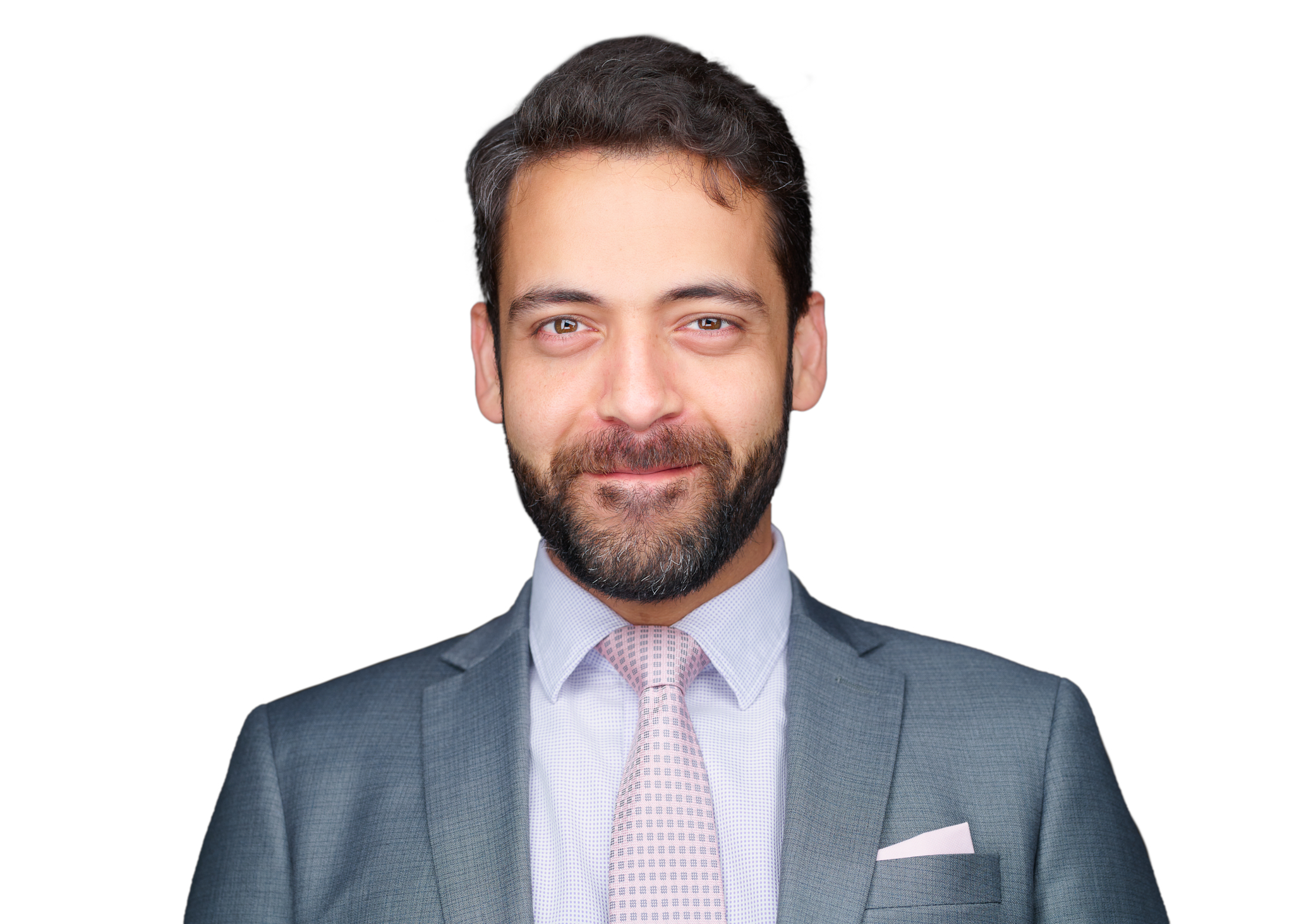
Mohammad Samie Tootooni is an Assistant Professor in the Department of Health Informatics and Data Science at Loyola University Chicago, with a secondary appointment in the Center for Health Outcomes and Informatics Research. He holds a PhD in Industrial and Systems Engineering from Binghamton University (2016) and completed a postdoctoral fellowship at Mayo Clinic's Department of Health Sciences Research (2016-2018). His research focuses on applying artificial intelligence, machine learning, and systems engineering principles to improve healthcare outcomes. Core areas include clinical decision support systems, predictive analytics for complex healthcare systems, and natural language processing (NLP). He also explores quality assurance, optimization, and systems thinking to address challenges in healthcare delivery and patient care. Recent work emphasizes AI-driven solutions for medication management in ICUs, ECG-based disease prediction (e.g., coronary heart disease, preeclampsia), and addressing therapeutic inertia in hypertension treatment. His methodologies combine machine learning with clinical data analysis to bridge gaps between engineering and medical practice. Teaching responsibilities include courses on health informatics ontologies and NLP applications in healthcare. His interdisciplinary collaborations span clinicians, data scientists, and engineers to tackle real-world healthcare problems.
Mohamed Farhat is a Senior Scientist at EPFL's School of Engineering, Department of Mechanical Engineering, where he leads the Research Group on Cavitation and Interface Phenomena. He serves as PhD Director, Lecturer, and Member of EPFL Doctoral Committee (Mechanics), while also representing EPFL at CLUSER association and coordinating activities at the Société Hydrotechnique de France (SHF). His research expertise spans Cavitation & Multiphase flows, Flow Induced Noise & Vibration, Fluid-Structure Interaction, Flow control, Flow instabilities in hydro turbines and pumps, Condition monitoring of Hydraulic Machines, Hemodynamics, and Advanced Instrumentation in Fluid Dynamics. Farhat's work uniquely bridges fundamental fluid mechanics with practical applications across hydropower, marine propulsion, healthcare, and water management sectors. Analysis of his recent publications reveals strong focus on cavitation bubble dynamics, with particular emphasis on measurement techniques for collapsing bubbles, vortex shedding control, hydrodynamic monitoring of hydraulic machinery, and biomedical applications of cavitation phenomena. His work increasingly integrates advanced imaging techniques with computational modeling to understand complex multiphase flow phenomena. 2021: Life Sciences Book Award of the International Academy of Astronautics 2019: 1st Prize Winner of Scientific Image Contest (Swiss National Science Foundation) 2020: EPFL-Rhyming Prize (Best PhD thesis in Fluid Mechanics) 2018: EPFL-EDME Prize (Best PhD thesis in Mechanics) 2015: Edmund Optics Educational Award 2014: APS-DFD Gallery of Fluid Motion Award Farhat has successfully supervised numerous PhD students including Ali Amini, Philippe Ausoni, and Outi Supponen, with research spanning from fundamental bubble dynamics to practical hydraulic machinery applications. His Cavitation Research Group maintains strong collaborations with industry partners in hydropower and medical device sectors. Current research directions include advanced instrumentation for cavitation monitoring, condition-based maintenance of hydraulic machinery, and biomedical applications of cavitation phenomena in therapeutic ultrasound and drug delivery.
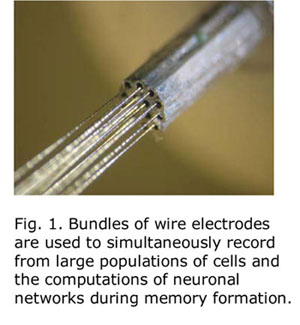
Stefan Leutgeb is a Professor in the Department of Neurobiology at the University of California San Diego (UCSD), affiliated with the School of Biological Sciences. His research focuses on the neural mechanisms underlying long-term memory storage, particularly the role of coordinated neuronal activity and synaptic plasticity in hippocampal and cortical networks. His work investigates how spatial and nonspatial information is encoded, how memory systems degrade in aging and neurodegenerative disorders like dementia, and the translational implications of these findings. Key research areas include hippocampal ensemble dynamics, temporal organization of neuronal activity, and the impact of Alzheimer’s-related proteins (e.g., APP) on neural networks. Leutgeb employs multi-electrode recordings, optogenetics, and computational modeling to study these processes. His lab has discovered critical mechanisms such as pattern separation in the dentate gyrus and the role of theta oscillations in memory encoding. Notable recent contributions include studies on how hippocampal network dysfunction due to APP expression disrupts spike timing ( 2022 ), theta oscillation roles in memory phases ( 2021 ), and the necessity of dentate gyrus activity for spatial working memory ( 2018 ). Despite no explicitly listed awards, his prolific publication record reflects significant contributions to systems neuroscience. Leutgeb’s research also explores cognitive aging and cross-species comparisons of neural processes. His lab emphasizes translational research, aiming to bridge basic neuroscience discoveries with clinical applications for neurodegenerative diseases. Current projects include investigating hippocampal ensemble dynamics during memory retention and developing biomarkers for cognitive flexibility.
Zachi Attia, Ph.D., M.B.A., is an Associate Professor at the Mayo Clinic College of Medicine and Science, Rochester, Minnesota. His research focuses on applying artificial intelligence (AI) and machine learning to cardiac biosignals, particularly for early disease detection and prediction. He holds primary and joint appointments as Consultant in AI within the Department of Cardiovascular Medicine, collaborating with the Center for Digital Health and the Robert D. and Patricia E. Kern Center for the Science of Health Care Delivery. Education: Ph.D. in Electrical Engineering from the University of Minnesota, Rochester; BSc and MSc in Electrical Engineering from Ben Gurion University, Israel. Dr. Attia's work centers on developing AI models that analyze multimodal cardiac data (ECGs, echocardiograms, angiograms) to detect silent diseases. His research includes pragmatic clinical trials to validate AI's impact on patient outcomes, explainable AI for biological insights, and integrating AI dashboards into medical records for clinical usability. Recent publications highlight AI applications in detecting atrial fibrillation, hypertrophic cardiomyopathy, and pulmonary hypertension via ECG analysis. Scientific Awards: No explicit awards mentioned in the text. Email: attia.itzhak@mayo.edu
Professor Mauricio Villarroel is an Associate Professor of Biomedical Engineering at the University of Oxford's Institute of Biomedical Engineering and a Fellow of Magdalen College. He leads the Laboratory for Computational Medicine and Technology (LCMT), which focuses on improving clinical decision-making through digital health innovations for both high-income and low- or middle-income countries. Villarroel was born in Bolivia where he completed his undergraduate engineering degree before obtaining his doctoral degree in Engineering Science from the University of Oxford. He previously worked as a research scientist at the Health Sciences and Technology department at MIT and Harvard University, collaborating with multidisciplinary teams from academia, hospitals, and industry to develop advanced monitoring algorithms for intensive care. He returned to Oxford as a post-doctoral research assistant in Data Fusion & Telehealth and later served as a Senior Researcher in Next Generation of Digital Health. His research focuses on developing non-contact video-based physiological monitoring technologies to create personalized biomarkers of health. He has founded the spinout company OxeHealth based on his early work. Currently, his laboratory develops AI models to identify meaningful physiological changes using multimodal sensing technologies including video cameras, wearable devices, wireless technologies, smartphones, and body-worn sensors. His primary research areas include cardiovascular disease and neurodegenerative diseases, spanning from early detection of chronic conditions to in-hospital monitoring and remote management in community settings. He is also the first academic appointment of The Podium Institute for Sports Medicine and Technology, where he develops technologies to monitor factors leading to sports injuries in young athletes aged 11-18 years. Analysis of his recent publications reveals a strong focus on non-contact physiological monitoring, particularly using photoplethysmography and video-based technologies. His work spans cardiovascular monitoring (blood pressure estimation, circadian rhythms), neurological applications (movement disorders), respiratory monitoring (particularly in infants), and sports medicine (athlete screening). A consistent theme across his research is the development of AI-driven, multimodal approaches to extract meaningful clinical information from non-invasive or contactless monitoring systems. Villarroel has received significant recognition for his work, with multiple publications referenced in patents and clinical guidelines. His research has been picked up by news outlets and widely shared on social media platforms, indicating substantial impact in both academic and practical domains. His work on non-contact monitoring has particularly gained attention for its potential applications in resource-limited settings. As a research leader, Villarroel collaborates extensively with clinicians, engineers, and industry partners. His laboratory offers DPhil opportunities at the intersection of medicine, engineering, and technology. His research has led to practical applications including technologies for monitoring post-operative patients, detecting apnea in infants, and screening athletes for cardiac conditions that could lead to sudden death. The Laboratory for Computational Medicine and Technology maintains strong connections with Oxford's Medical Sciences campus, adjacent to the Churchill Hospital, facilitating direct translation of engineering innovations into clinical practice. The lab's work bridges multiple domains including computer vision, signal processing, AI, and clinical medicine to address significant healthcare challenges.
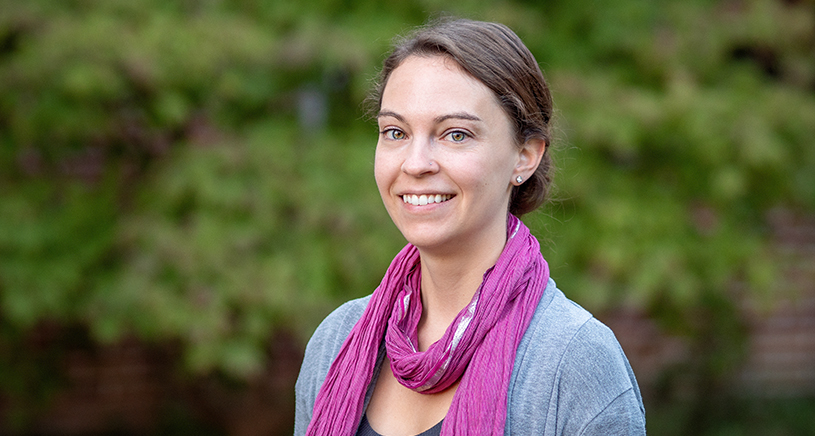
Dr. Erica C Jansen serves as Assistant Professor in the Department of Nutritional Sciences at the University of Michigan School of Public Health and holds a secondary appointment as Research Assistant Professor in Neurology. Her work bridges nutritional epidemiology and sleep science, focusing on lifespan health impacts with specialized attention to adolescent and women's health outcomes. Her educational foundation includes: PhD in Epidemiology, University of Michigan School of Public Health (2016) MPH in Epidemiology, University of Michigan School of Public Health (2014) BS in Biology, Hope College (2012) Dr. Jansen's research program centers on bidirectional sleep-nutrition interactions and their cardiometabolic consequences. Key pillars include: Early-life nutritional environments and puberty timing Objective sleep metrics (duration, timing, quality) and cardiometabolic risk Epigenetic mechanisms in sleep-diet-health pathways Toxicant exposures through dietary sources Life-stage specific analyses (adolescence, pregnancy, midlife) She primarily leverages the ELEMENT cohort—a 25+ year Mexican birth cohort—and complementary datasets like NHANES and BioCycle. Analysis of her 2021-2025 publications reveals consistent methodological approaches: Integration of actigraphy for objective sleep measurement Dietary pattern analysis over single-nutrient approaches Epigenome-wide assessments of circadian genes Focus on health disparities through socioeconomic and environmental lenses Strong emphasis on Mexican and US minority populations Her work increasingly incorporates machine learning for sleep data analysis and examines policy-relevant questions like food expenditure patterns. Current funding includes: NHLBI K01 grant (K01HL151673) examining sleep-cardiometabolic links in adolescents Gilmore Grant and MNORC Pilot funding for circadian gene methylation studies in pregnancy and midlife Dr. Jansen actively mentors through: NUTR703: Guiding MS students in thesis development and scientific communication PUBHLTH417: Teaching undergraduates to investigate sleep-nutrition interplay through hands-on research Her collaborative network spans Michigan Medicine, environmental health scientists, and international cohorts studying developmental origins of health. Her research team operates within the ELEMENT study infrastructure and partners with clinical departments to translate findings into public health interventions targeting sleep hygiene and dietary patterns for cardiometabolic risk reduction.
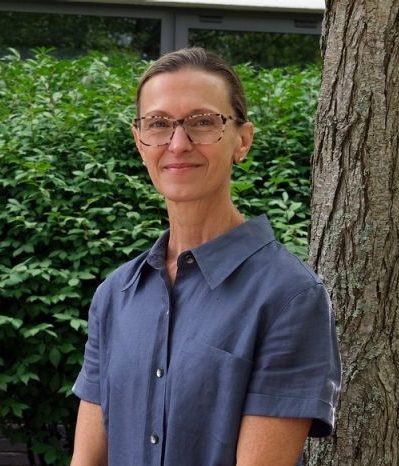
Brenda M. Davy is a Professor in the Department of Human Nutrition, Foods and Exercise at Virginia Tech. Her work focuses on obesity prevention, dietary intake assessment, and the role of beverages in health. She holds a PhD in Human Nutrition from Colorado State University (2001), an MS in Exercise Physiology (Virginia Tech, 1992), and a BS in Human Nutrition (Virginia Tech, 1989). Her research investigates diet, physical activity, and beverage consumption's impact on cardiovascular health, type 2 diabetes risk, and cognitive function. Notable projects include studies on ultra-processed foods' effects and hydration's role in metabolism. Dr. Davy has received prestigious awards, including Fellowships from The Obesity Society (2013) and the American College of Sports Medicine (2007), and the Excellence in Outcomes Research Award (2019). Her work bridges clinical practice and population health, with a focus on translating research into actionable public health strategies. Education: PhD, Human Nutrition (Colorado State University 2001) Experience: Over 30 years in academia and clinical nutrition roles, including leadership in clinical trials and research coordination. Key Research: Behavioral interventions, dietary biomarkers, and longitudinal studies on food intake. Her recent studies emphasize ultra-processed foods' metabolic consequences and hydration's cognitive benefits in aging populations. Collaborative projects include validating dietary assessment tools and exploring exercise timing's effects on cardiometabolic outcomes.
Carlijn Bouten is Full Professor of Cell-Matrix Interactions in Cardiovascular Regeneration at Eindhoven University of Technology. She leads the Soft Tissue Engineering & Mechanobiology group, investigating cellular interactions with extracellular environments in tissue growth, adaptation, and regeneration. Her research develops biodegradable heart valve prostheses that enable in vivo tissue regeneration, applying tissue engineering approaches to cardiovascular medicine. Professor Bouten holds an MSc from Vrije Universiteit Amsterdam and a PhD from TU/e. She completed postdoctoral research at Université Laval and University of London before joining TU/e's faculty. She directs the national Gravitation program 'Materials-Driven Regeneration' and received an ERC Advanced Grant for cardiac tissue organization research. Research Focus: Her interdisciplinary program spans: Mechanobiological cues in tissue regeneration Development of living heart valve replacements Advanced biomaterials for cardiovascular applications In vitro models for tissue development Soft robotic systems for cardiac assistance Recent publications demonstrate innovations in biohybrid devices, standardized biomaterial testing, and novel tissue patterning techniques. Her work integrates engineering, materials science, and clinical translation through collaborations with medtech spin-offs. Leadership and Recognition: Fellow of the European Alliance for Medical and Biological Engineering President-elect of the Heart Valve Society Member of AcademiaNet for Outstanding Female Scientists Recipient of NWO VICI grant and Aspasia award She leads multinational consortia in regenerative medicine and teaches courses on heart/blood physiology and regeneration. Her lab develops model systems spanning cellular to tissue levels to quantify mechanobiological processes.
Todd Coleman is an Associate Professor in the Department of Health Sciences at Wilfrid Laurier University. His research focuses on epidemiology, biostatistics, and population health with a strong emphasis on LGBTQ+ health, HIV/AIDS, and healthcare equity. He investigates intersectional health disparities affecting sexual and gender minorities, particularly transgender individuals, non-binary people, and LGBTQ+ refugees. His work addresses community-based solutions to mental health challenges, healthcare access barriers, and social determinants of health. Notable research includes studying the protective effects of community inclusion on transgender mental health, the mental health needs of SOGIE refugees, and HIV-related risk behaviors among men who have sex with men. Coleman also explores the impact of minority stressors and social provisions on suicidal ideation in LGBTQ+ populations. He has been actively involved in the OutLook Study assessing healthcare experiences of LGBTQ+ individuals in primary care settings. His research often employs mixed-methods approaches, combining quantitative surveys with qualitative interviews to better understand complex health dynamics. Coleman’s work has informed public health policy recommendations regarding stigma reduction and inclusive healthcare practices. He is fluent in English and French and currently on sabbatical leave until 2025. His office is located at BA540 in Bricker Academic Building, though appointments are required for meetings.
Matthew Ahmadi is a Postdoctoral Research Fellow at the University of Sydney's Sydney School of Health Sciences, part of the Faculty of Medicine and Health. He is affiliated with the Charles Perkins Centre and supervises research student Angel Bian. His work focuses on physical activity, sleep patterns, and their impacts on cardiovascular health, mortality, and chronic disease prevention. He has published extensively on device-measured behaviors, wearable technology applications, and population health studies. Ahmadi has secured grants including a National Heart Foundation Postdoctoral Fellowship and a Charles Perkins Centre Professional Development Award. Research interests span epidemiology and public health, with emphasis on translating activity metrics into clinical and policy recommendations. Recent studies investigate vigorous intermittent lifestyle physical activity (VILPA), sleep regularity's cardiovascular effects, and the role of physical activity in mitigating infectious disease risks. He contributes to the ProPASS consortium analyzing global movement behavior data. Key achievements include developing machine learning methods for activity classification (e.g., in cerebral palsy populations) and leading randomized controlled trials evaluating dog activity trackers' impact on owner behavior. His research bridges clinical, technological, and population health perspectives to address global health challenges.
Kathryn E. Dickerson, M.D., M.S.C.S., is an Assistant Professor in the Department of Pediatrics at UT Southwestern Medical Center, specializing in the Division of Hematology and Oncology. She holds dual appointments as a 2015 Translational Research Scholar in the UTSW Center for Translational Medicine and as an NIH KL2 scholar. Her clinical focus is pediatric hematology, emphasizing bone marrow failure disorders, cancer predisposition syndromes, and thalassemia/dyserythropoietic anemias. Her research investigates epigenetic regulation of myeloid malignancies, clonal hematopoiesis in childhood cancer survivors, and molecular mechanisms underlying acute myeloid leukemia (AML), myelodysplastic syndromes (MDS), and myeloproliferative disorders (MPD). Education: Bachelor's in Biochemistry (Indiana University), minor in Spanish Medical degree (Indiana University School of Medicine) Masters of Science in Clinical Sciences (UT Southwestern Center for Translational Medicine) Training: Pediatric residency with research pathway (Ohio State University/Nationwide Children’s Hospital) Pediatric hematology-oncology fellowship (UT Southwestern) Dr. Dickerson’s research bridges basic science and clinical practice, leveraging CRISPR-based epigenetic editing, genomic analysis, and translational studies to understand disease mechanisms. Key projects include interrogating enhancer dysregulation in leukemia, studying metabolic reprogramming in cancers, and evaluating clonal hematopoiesis in survivors of childhood cancers. Her work has advanced understanding of EZH2’s role in AML and identified therapeutic vulnerabilities in myeloid malignancies. Awards: 2015 Translational Research Scholar (UTSW Center for Translational Medicine) NIH KL2 Career Development Award Grants/Initiatives: NIH-funded investigator-initiated study on clonal hematopoiesis Industry/consortia-sponsored trials for bone marrow failure and rare blood disorders She collaborates with the Children’s Research Institute and North American Pediatric Aplastic Anemia Consortium, contributing to clinical trials and translational initiatives. Her lab focuses on developing biomarkers for disease severity (e.g., immature platelet fraction in pediatric COVID-19) and therapeutic strategies targeting epigenetic dependencies in leukemia.
Raquel Iniesta is a Reader in Statistical Learning for Precision Medicine at King's College London, leading the Fair Modelling and TDA lab within the Department of Biostatistics & Health Informatics. Her expertise spans mathematics, statistics, and machine learning applied to precision medicine, with a focus on ethical AI integration in healthcare. She teaches advanced machine learning and statistical modeling courses and actively engages in scientific communication through workshops and media outreach. Her research emphasizes developing transparent AI models for personalized medicine, particularly in depression, hypertension, and neurodegenerative diseases. Notable contributions include studies on fasciculation analysis in ALS and ethical frameworks for healthcare AI. Publications highlight interdisciplinary approaches, combining machine learning with clinical and genetic data to improve predictive models. Dr. Iniesta leads educational initiatives, including the Machine Learning module and Introduction to Statistics programs, and contributes to public engagement by designing digital content and managing social media for research dissemination.
Mattias Brunström serves as Assistant Professor of Cardiology and Associate Professor of Epidemiology at Umeå University's Faculty of Medicine within the Department of Public Health and Clinical Medicine, Section of Cardiology. He is concurrently a resident physician at Norrlands University Hospital and holds leadership roles as chairman of Sweden's national hypertension working group and scientific secretary of the Swedish Society for Hypertension, Stroke and Vascular Medicine, with active participation in the European and International Societies of Hypertension. His academic foundation includes a 2018 PhD thesis examining blood pressure-lowering treatment effects across different blood pressure levels through systematic reviews and meta-analyses of randomized clinical trials. This doctoral work established his expertise in evidence-based cardiovascular therapeutics and epidemiological methodology. Dr. Brunström's research program centers on cardiovascular disease risk factors, with specialized focus on hypertension pathophysiology and aortic diseases. His group investigates how adolescent blood pressure levels predict future cardiovascular events, examining interactions with obesity, physical fitness, and diabetes to improve risk stratification. They also analyze differential effects of antihypertensive drug classes on cardiovascular outcomes and study risk factors for aortic dissection/rupture to optimize preventive surgical interventions. This work addresses critical gaps in managing the world's leading cause of death, where uncontrolled hypertension contributes to 10 million annual fatalities despite effective treatments. Analysis of his 2024-2025 publications reveals dominant themes in hypertension guideline development, treatment threshold controversies, and cardiovascular risk assessment. His work frequently challenges conventional approaches (e.g., questioning excessive treatment of 'elevated' blood pressure in elderly patients) while advancing evidence for lifestyle interventions and beta-blocker utility. Methodologically, his research leverages large cohort studies (including 1.4 million enlistee data), systematic reviews, and international collaborations through societies like ESH and ISH to translate epidemiological findings into clinical practice. Dr. Brunström leads multiple funded research initiatives including 'Remission of type 2 diabetes through eHealth' (2022-2028) and 'VIPviza' (2013-2027), directing a multidisciplinary team that bridges clinical cardiology, epidemiology, and public health. His advisory role extends to national guideline committees and international hypertension societies where he shapes clinical practice through evidence synthesis and position papers. Based at Norrlands University Hospital's Cardiology Section, his research group operates within Umeå University's strong cardiovascular research ecosystem, maintaining active collaborations with the Swedish National Diabetes Register and international consortia. Their work emphasizes real-world applicability, examining topics like bedtime dosing of antihypertensives and self-report diagnostic tools to overcome barriers in hypertension control where only 25% of affected individuals achieve target blood pressure levels.
Rainald Loehner is a Distinguished Professor of Fluid Dynamics at George Mason University's Center for Computational Fluid Dynamics. Since 2003, he has led the Center for Computational Fluid Dynamics at George Mason University. He is currently a Hans Fischer Senior Fellow at the Technical University of Munich's Institute for Advanced Study (TUM-IAS) for 2023, hosted by Professors Kai-Uwe Bletzinger and Roland Wüchner in the 'Adjoint-Based System Identification of Large-Scale Structures' Focus Group. Loehner received his Diplom Ingenieur (Maschinenbau) degree from the Technical University of Braunschweig, and his PhD and a DSc in civil engineering from the University College of Swansea, Wales. After teaching at Swansea for a year, he worked at the Naval Research Laboratory in Washington, DC, followed by a research professorship at George Washington University. He joined George Mason University as an associate professor and was promoted to full professor in 1995 and distinguished professor in 2004. With over 35 years of experience, Professor Loehner's research spans the complete pipeline of numerical solvers and simulation tools. His expertise includes pre-processing, grid generation, numerical methods, field solvers, parallel computing, adaptive mesh refinement, fluid-structure interaction, shape optimization, system identification, and computational crowd dynamics. His current work focuses on developing advanced field solvers for compressible and incompressible flows, acoustics, electromagnetic wave propagation, heat and mass transfer, structural mechanics, and fluid-structure interaction. Key application areas include blast mitigation, ship hydrodynamics, blood flow, contaminant transport, and pedestrian safety. Loehner's recent research output (2020-2024) shows a strong trend toward digital twin technology and adjoint-based methods for structural analysis and optimization. His publications focus on high-fidelity digital twins for detecting structural weaknesses, risk assessment in engineering systems, and optimization of sensor placement. His work bridges computational mechanics with machine learning approaches, particularly in system identification and inverse problems, demonstrating how computational methods can solve complex real-world engineering challenges. 2020: Ranked #15119 in the Stanford List of Most Influential Scientists of the World; #8 in Aerospace and Aeronautics 2010: Distinguished International Career Award, Argentine Association of Computational Mechanics 2008: Fellow, International Association for Computational Mechanics 2006: Associate Fellow, AIAA 2005: Honorary Professor, University of Wales Swansea 2005: Advisory Professor, Shanghai Jiao Tong University 2004: Distinguished Professor of Fluid Dynamics, George Mason University 1999: Computational Mechanics Achievements Award, Japan Society of Mechanical Engineering 1993: Doctor of Science in Civil Engineering, University College of Swansea 1979-1983: Studienstiftung des Deutschen Volkes (Top 1% of German Students) Professor Loehner has mentored numerous students through his work at George Mason University and has supervised research in computational fluid dynamics, structural mechanics, and related fields. His research has been supported by various grants from government agencies and industry partners, enabling the development of advanced simulation tools applied in aerodynamics, hydrodynamics, shock-structure interaction, and medical applications. His codes and methods have been widely adopted in industry and academia for applications ranging from aircraft and ship design to medical simulations and urban pathogen transmission modeling. Loehner leads the Center for Computational Fluid Dynamics at George Mason University, which focuses on developing cutting-edge computational methods for fluid dynamics and related multiphysics problems. The center works on strategic application areas including blast mitigation, ship hydrodynamics, blood flow simulation, and pedestrian movement modeling. As a TUM-IAS Fellow, he collaborates with the Chair of Computational Modeling and Simulation at TUM on adjoint-based system identification of large-scale structures, bringing together expertise in computational mechanics and digital twin technology to address complex engineering challenges.
Neil Martin Davies is a Researcher at the Department of Public Health and Nursing , Norwegian University of Science and Technology (NTNU) . His work bridges epidemiology, genetics, and public health, with a focus on causal inference, Mendelian randomization, and socioeconomic health disparities. His research explores the intersection of genetic epidemiology , developmental psychology , and clinical outcomes . Key themes include the impacts of antiseizure medications in pregnancy , cardiometabolic risks in psychiatric populations , and health policy implications of Mendelian randomization . Recent publications highlight methodological advancements in directed acyclic graphs (DAGs) , instrumental variable analysis , and family-based sampling . His work frequently addresses parental education effects , sleep patterns , and genetic correlations in large cohorts like UK Biobank. Neil Martin Davies contributes to scientific reporting standards , co-authoring the STROBE-MR guidelines for Mendelian randomization studies. His collaborations span neurology , mental health , and health economics , emphasizing causal relationships over correlational findings.