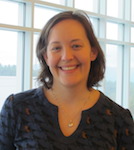
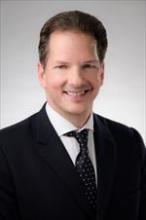
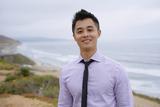
Anne G Hoen is an Associate Professor at the Geisel School of Medicine , Dartmouth College, with joint appointments in Epidemiology , Biomedical Data Science , and Microbiology and Immunology . Her research focuses on microbiome development in infants, environmental exposures, and their associations with health outcomes, using interdisciplinary approaches including statistical modeling and bioinformatics. Research Interests: She explores how microbial communities in early life influence disease risk through environmental and dietary factors. Her work integrates microbiome-metabolome interactions, computational methods for microbial network analysis, and epidemiological studies of infectious diseases. Recent Article Trends: 2025-2024 publications highlight maternal diet-microbiome links, microbial interaction networks, ECHO consortium collaborations, and novel computational approaches for microbiome data. Key sub-fields include perinatal exposome, microRNA profiling, and longitudinal metabolomic analysis. Scientific Awards: K01LM011985: Bioinformatics strategies for early life microbiomics R01LM012723: Multi-omic functional integration using networks Advising: Mentors current PhD students in Dartmouth's Quantitative Biomedical Sciences (QBS) program, including Becky Lebeaux and Quang Nguyen, while alumni like Sara Lundgren and Wes Viles hold postdoctoral and academic positions.
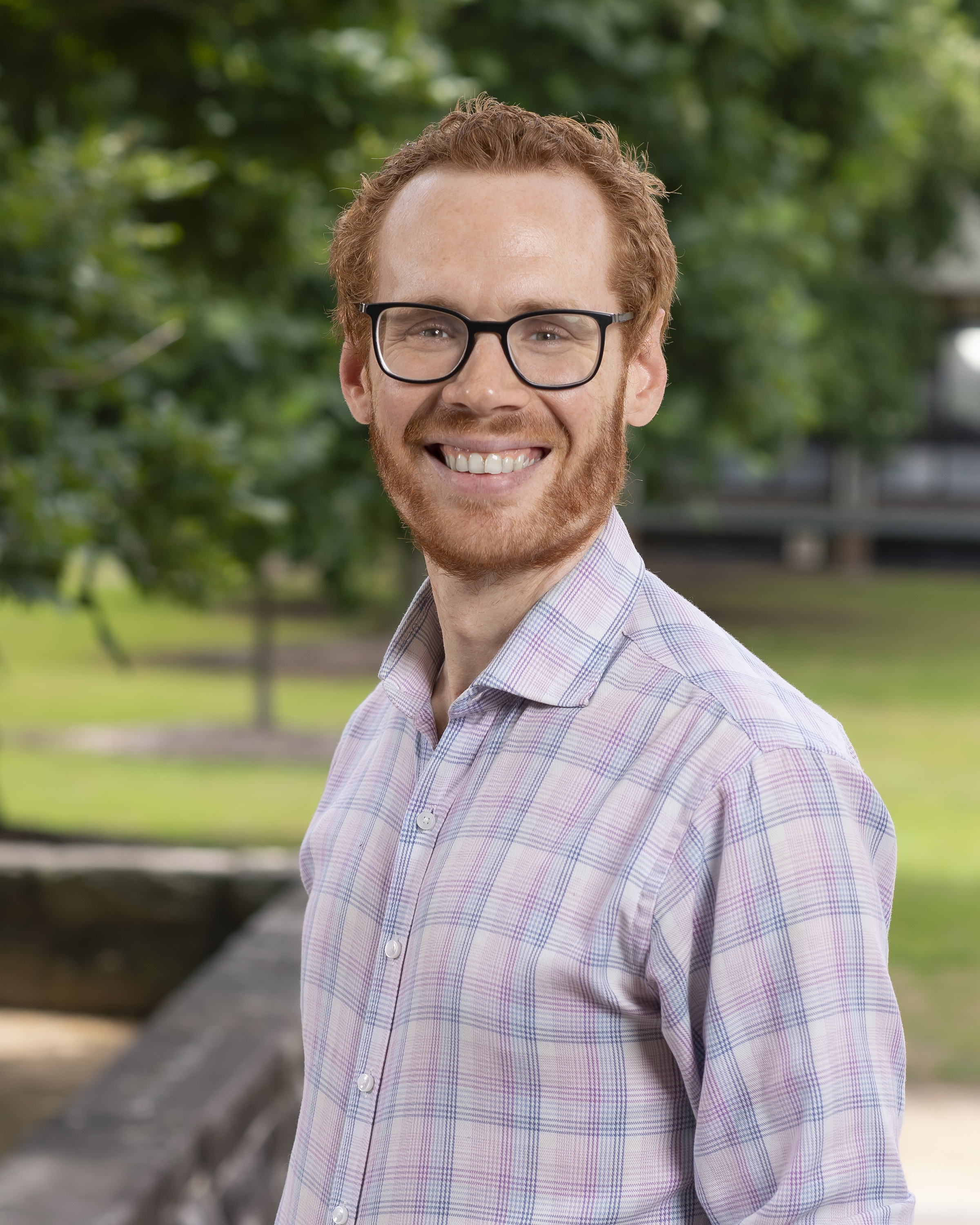
Martina Wade is a Researcher in the Department of Epidemiology of Microbial Diseases at Yale School of Public Health. Her work focuses on infectious diseases, particularly malaria and antibiotic resistance, with a global health perspective emphasizing sub-Saharan Africa. She collaborates on projects in Cameroon, Uganda, and Burkina Faso, addressing drug resistance mechanisms, diagnostic innovations, and public health interventions. Her research spans clinical trials (e.g., ivermectin mass drug administration protocols), microbiota analysis in livestock and human populations, and environmental transmission dynamics of pathogens. She has published extensively on malaria treatment efficacy, microbiome disruptions from antibiotic use, and novel diagnostic technologies like photoacoustic detection. Her work bridges laboratory science with field epidemiology, aiming to improve clinical outcomes and public health strategies. Key collaborations include Sunil Parikh, Justin Goodwin, and Fangyong Li, focusing on antimalarial resistance tracking and pediatric infection dynamics. Her laboratory is located at 60 College Street, Ste Room 711, New Haven, CT. Contact: martina.wade@yale.edu.
Dr. Michael Stevens is a Senior Lecturer at University of New South Wales (UNSW) Canberra , where he focuses on advanced manufacturing and biomedical device control systems . His work bridges digital manufacturing for SMEs with smart artificial heart technologies , emphasizing industry collaboration and translational research. Specializes in physiological control systems for rotary blood pumps Develops unobtrusive fall detection systems for dementia patients Leads international projects on total artificial heart development Education : B.Eng (Medical - First Class Honours), Queensland University of Technology (2010) PhD in Physiological Control for Biventricular Assist Devices, University of Queensland (2014) Research Trends show consistent focus on: Machine learning for biomedical diagnostics (2018–2025) mmWave radar and thermal sensors in patient monitoring (2021–2024) Computational fluid dynamics in artificial heart modeling (2016–2024) Physiological control algorithms for rotary blood pumps (2011–2025) Scientific Awards : UNSW Scientia Education Award (2021) for contextual teaching Heart Foundation Runner-up for "Smart Artificial Hearts" pitch (2021) ARC PGC Supervisor Award (2017) for mentoring Grants & Supervision : Holds over $6 million in competitive funding including MRFF and ARC grants. Currently supervises 4 PhD students while maintaining industry partnerships with VitalCare and BiVACOR. Labs & Facilities : Works across UNSW Engineering labs and Graduate School of Biomedical Engineering platforms, including mock circulation loops and high-performance computing clusters for CFD simulations.
Bjørn Olav Åsvold, MD, PhD, is a Professor of Medicine (Epidemiology) and Center leader at the HUNT Centre for Molecular and Clinical Epidemiology (HUNT MCE), Department of Public Health and Nursing, Norwegian University of Science and Technology (NTNU). He also serves as a Consultant at the Department of Endocrinology, St. Olavs Hospital, Trondheim University Hospital. His research spans epidemiology, genetics, and clinical medicine. MD, Norwegian University of Science and Technology, 2001 PhD, Norwegian University of Science and Technology, 2008 Specialist in internal medicine, 2014 Specialist in endocrinology, 2015 Åsvold's research focuses on thyroid dysfunction and diabetes , investigating their interplay with cardiometabolic diseases and pregnancy complications . He utilizes Mendelian randomization studies to explore causal relationships between genetic factors and health outcomes, including sleep traits , autoimmune thyroid disease , and kidney function . His work also addresses global health issues like obesity in Nepal and diabetic complications in Norway. Recent publications highlight his contributions to understanding hip fracture risk prediction , cardiovascular implications of sleep patterns , and genetic determinants of trace elements . Åsvold's collaborations span multiple international institutions, including the HUNT Study and HUNT MCE in Norway.
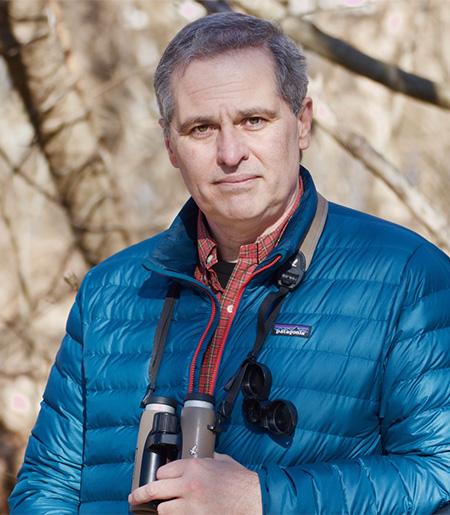
Ian Owens is a Professor and Director of the Cornell Laboratory of Ornithology at Cornell University, affiliated with the College of Arts and Sciences and the Ecology and Evolutionary Biology department. He holds a Ph.D. in Evolutionary Biology from the University of Leicester (1991) and a B.Sc. in Zoology from the University of Liverpool (1988). His research focuses on avian ecology, evolution, and conservation, with an emphasis on global biodiversity, invasive species impacts, and the genetic basis of wild populations. Owens has held leadership roles at institutions such as the Smithsonian’s National Museum of Natural History and Imperial College London. His work integrates field experiments, genetic analyses, and big data to address ecological and evolutionary questions. He leads initiatives like eBird and the Macaulay Library, leveraging citizen science for biodiversity monitoring. Key themes include biogeographical patterns, evolutionary mechanisms, and conservation strategies for endangered species. His research interests span community ecology, evolutionary processes, and organismal biology, with a focus on applying ecological insights to global sustainability challenges. Notable contributions include studies on avian migration’s role in coevolution with parasites, phenotypic plasticity in island birds, and the ecological drivers of body size variation. Owens’ work emphasizes interdisciplinary collaboration, combining genomics, spatial analysis, and citizen science to inform conservation policies. Publications highlight his exploration of avian life history strategies, extinction risk factors, and the ecological impacts of invasive species. He has pioneered global biodiversity assessments, advocating for the integration of natural history collections to address environmental challenges. While no formal awards are listed, his leadership and research contributions have significantly impacted conservation science and ornithology.
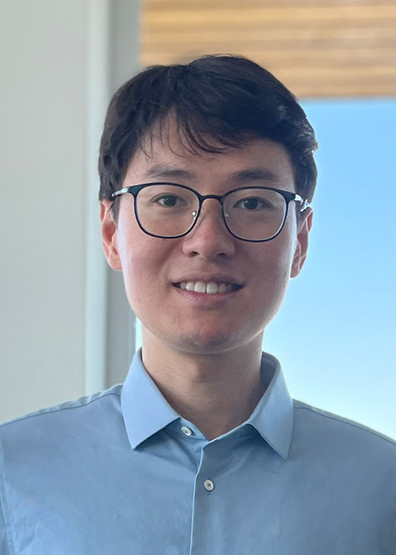
Guanghao Qi is an Assistant Professor in the Department of Biostatistics at the University of Washington. His research focuses on developing statistical and machine learning methods for multi-omics approaches in genetic studies, particularly integrating single-cell RNA-seq, GWAS, and functional genomic data. Key areas include single-cell eQTL analysis, Mendelian randomization, and multi-trait genetic association analyses. Education: PhD in Biostatistics from Johns Hopkins Bloomberg School of Public Health (2020), BS in Mathematics from Fudan University (2015). Research interests emphasize high-dimensional data analysis, allele-specific expression in single cells, and causal inference using genetic variants. Notable achievements include a 2025 NIH K01 award for developing methods to integrate single-cell eQTL and GWAS data, and the development of the TWiST method for single-cell transcriptome-wide association studies. Recent work highlights advancements in computational tools like SURGE for context-specific genetic regulation analysis, and evaluations of Mendelian randomization methods in studies of type 2 diabetes and cardiovascular disease. His work often bridges computational biology and statistical theory to address challenges in interpreting large-scale genomic datasets. Awards: NIH K01 Award (2025) Key Contributions: TWiST method (2025), SURGE framework (2024), HIPO power optimization (2018) Labs/Teams: Active collaborations in genomic epidemiology and statistical genetics, with a focus on single-cell multi-omics integration and causal inference methodologies.
Mark Iscoe, MD, MHS is an Assistant Professor of Emergency Medicine and Biomedical Informatics and Data Science at Yale School of Medicine. He holds fully joint appointments in both the Department of Emergency Medicine and the Department of Biomedical Informatics & Data Science, reflecting his interdisciplinary work at the critical intersection of clinical emergency care and health informatics innovation. Dr. Iscoe completed his medical degree at Johns Hopkins University School of Medicine in 2017, followed by residency training in Emergency Medicine at New York University / Bellevue Hospital in 2021. He further specialized with a Master of Health Science (MHS) in Clinical Informatics from Yale School of Medicine in 2023. He is board certified in both Emergency Medicine (2022) and Clinical Informatics (2024). His research spans several interconnected domains with a focus on optimizing the interface between emergency physicians and health information technology. Key areas include electronic health record (EHR) optimization, artificial intelligence applications in emergency settings, clinical decision support systems, and medication safety protocols. His 2024 JAMA Network Open publication 'Benchmarking Emergency Physician EHR Time per Encounter Based on Patient and Clinical Factors' represents a significant contribution to understanding the digital burden on emergency clinicians. More recently, he has pioneered work applying large language models to emergency medicine challenges, with multiple 2025 publications on AI applications for deprescribing, symptom identification, and risk stratification. His research trajectory shows a clear evolution from foundational EHR usage studies toward increasingly sophisticated AI implementations that bridge theoretical informatics with practical clinical tools in high-pressure emergency settings. YCCI Scholar Award for AI Research on Drug Reactions (2024) Dr. Iscoe has received research funding from multiple prestigious sources including the National Institute on Drug Abuse (NIDA), the American Medical Association (AMA), the National Institutes of Health, and Yale New Haven Health System. His collaborative network includes prominent researchers such as Andrew Taylor (6 joint publications), Ted Melnick (5 joint publications), and Rohit Sangal (4 joint publications), reflecting his work's multidisciplinary nature spanning clinical departments, informatics specialists, and data scientists.
Dr. Shelley Wickham is an Associate Professor and ARC DECRA Fellow at the University of Sydney, holding joint appointments in the Schools of Chemistry and Physics. She serves as a Westpac Research Fellow and leads the DNA Nanotechnology Group at the Sydney Nano Institute. Dr. Wickham is also co-Champion of the Sydney Nano Institute Grand Challenge project in Molecular Nanorobotics for Health, co-lead of the School of Physics Grand Challenge on Nanoscale brain navigation for targeted drug delivery, and faculty mentor of the University of Sydney BIOMOD team. Bachelor of Science and Master of Science in Physics from University of Sydney PhD in Condensed Matter Physics from University of Oxford Postdoctoral Fellow at Harvard Medical School, Dana-Farber Cancer Institute, and Wyss Institute Dr. Wickham's research focuses on self-assembling nanotechnology and molecular robotics, particularly in the design and assembly of programmable nanostructures out of DNA. Her work spans applications in cell biology, materials science, and nanomedicine. Current research projects include design and synthesis of self-assembling DNA nanostructures, proto-cells made of DNA gels that move under flow, new plasma fabrication methods for biomolecule micropatterning, and DNA computation circuits for navigating the brain using machine learning. Her research aligns with the Faculty of Science Research Strengths in Molecules to Materials, Preventing and Treating Disease & Disorder, and Next Generation Materials. Analysis of Dr. Wickham's recent publications reveals a consistent focus on DNA nanotechnology with increasing sophistication in structural complexity and biological applications. Her work has evolved from fundamental DNA origami structures to increasingly complex multi-component systems with practical applications in nanomedicine and biomimetic engineering. Recent publications show strong interdisciplinary collaboration across chemistry, physics, biology, and engineering disciplines, with emphasis on real-world applications including drug delivery systems and biomolecular sensors. ARC DECRA Fellow Westpac Research Fellow BIOMOD World Champions (2019) Dr. Wickham actively mentors PhD students and postdoctoral researchers in her DNA nanotechnology group. She has secured significant research funding including ARC Discovery Projects, Westpac Scholarships, and NSW Health grants. Her current grants support projects such as '3D Bio-Nanomaterial Displays with Designer Architectures and Functions' and 'RNA aptamer sensing devices for rapid detection of blood clotting.' Dr. Wickham encourages applications from diverse backgrounds and maintains active collaborations with researchers at Harvard, Oxford, and other international institutions. Dr. Wickham leads the DNA Nanotechnology Group at the University of Sydney, which is part of the Sydney Nano Institute. Her lab focuses on building tools from DNA origami - including tweezers, spanners, wrenches and springs - to better understand biological processes at the nanoscale. The group has achieved notable success with the BIOMOD team winning world championships in 2019, and continues to develop innovative approaches to molecular robotics for healthcare applications.
Olga Vitek is a Professor at Northeastern University's Khoury College of Computer Sciences, with affiliated faculty status in the Department of Chemistry and Chemical Biology. Her research bridges statistical science and machine learning with mass spectrometry-based proteomics and systems biology, focusing on developing open-source software tools like MSstats and Cardinal for quantitative proteomic analyses and imaging. Education: PhD in Statistics (Purdue University), Postdoc at the Ruedi Aebersold Lab (Institute for Systems Biology) Leadership: Director of the Barnett Institute for Chemical and Biological Analysis Her work emphasizes: Statistical experimental design Signal detection in complex mass spectrometry data Causal inference in biomolecular networks Reproducible computational infrastructure Recent publications highlight advancements in quantitative proteomics , mass spectrometry imaging , and causal modeling , with applications spanning cancer research, immunology, and clinical diagnostics. Notable trends include deep learning integration for image analysis and open-source tool development for scalable, transparent workflows. Scientific accolades: Elected Fellow of the American Statistical Association 2021 Gilbert S. Omenn Computational Proteomics Award NSF CAREER award Chan-Zuckerberg Essential Open-source Software award Senior Member, International Society for Computational Biology
Christopher Ames is a Clinical Professor in the Departments of Neurological Surgery and Orthopaedic Surgery at the University of California San Francisco (UCSF). He serves as Director of Spinal Deformity & Spine Tumor Surgery, Co-Director of the UCSF Spine Center, Director of the California Deformity Institute, and Director of the Spinal Biomechanics Laboratory. With over 200 annual spinal deformity cases, he specializes in complex procedures for scoliosis, kyphosis, and spinal tumors, pioneering innovative techniques including the transpedicular approach and AI decision support tools. Developed first cervical spine deformity classification Created Adult Deformity Frailty Index and Invasiveness Index Recipient of multiple Scoliosis Research Society awards His research, funded through studies like the ROSE Study and Telomere Study, focuses on spinal biomechanics, surgical outcomes, and AI integration in spine surgery. He has published over 600 peer-reviewed articles and serves as Spine Section Lead Editor for Operative Neurosurgery . Scientific Awards: Hibbs Award (3×) Goldstein Award Whitecloud Award Top Doctors (Neurosurgery & Cancer) US News Top 1% Neurosurgeons
Assoc. Prof. Dr. Levent ŞAHİN is a prominent academic in Emergency Medicine at Kafkas University's Faculty of Medicine. He holds a PhD in Internal Medical Sciences from İnönü University (2015) and an MD from Cumhuriyet University (2007). Currently serving as Head of the Department of Internal Medical Sciences (2022-) and Education Coordinator (2020-), his career spans 13 years of academic experience. Academic Affiliation: Kafkas University, Faculty of Medicine, Department of Internal Medical Sciences Previous Institutions: İnönü University (2011-2015) Research Pillars: Cardiovascular Emergencies (acute myocardial infarction biomarkers, cardiac trauma) Toxicology (organophosphate poisoning, drug-induced toxicity) Geriatric Medicine (diabetes-cholestasis relationships in elderly, climate/poisoning patterns) Pediatric Emergencies (head trauma assessment, spinal cord protection) Pandemic Medicine (N95 respirator effects, COVID-19 neurological complications) Medical Education (first aid training, textbook authorship) Publication Trends: Over 80 publications since 2019, with 15 recent works focusing on cardiovascular biomarkers (2024), neurological complications (2023), toxicology (2022), and pandemic-related clinical issues (2021). His experimental pharmacology research includes studies on hydrogen-rich saline and dragon fruit extract. Leadership: Department Head (2022-), Education Coordinator (2020-) Editorial Roles: Editor for Journal of Emergency Medicine Case Reports (2024), Taktik Sahada Acil Tıp (2024) Professional Memberships: ATUDER (2016-), TATD (2016-)
Paul A. Yushkevich is a Professor of Radiology at the Perelman School of Medicine, University of Pennsylvania , with affiliations in the Bioengineering Graduate Group . He leads the Penn Image Computing and Science Laboratory (PICSL) , focusing on advanced biomedical image analysis techniques. Developed first-of-its-kind computational atlas of the hippocampal formation Led NIH R01-funded research on MRI-derived biomarkers for Alzheimer's disease Created open-source software tools: ITK-SNAP and Convert3D Expert in statistical shape modeling and histology-MRI co-registration Research Focus: Specializes in hippocampal segmentation using high-resolution MRI, with applications in Alzheimer's disease research and cardiac imaging . His work combines differential equations and machine learning for accurate image analysis. Scientific Achievements: First-place MICCAI segmentation challenges (2012, 2013) Over 169 PubMed publications in neuroimaging and computational anatomy Developed DTI-TK toolkit for diffusion MRI analysis Collaborations: Works with Alzheimer's Disease Neuroimaging Initiative (ADNI) and multiple international institutions. Supervises graduate students in biomedical image analysis.
Ruohui Chen, PhD, is an Assistant Professor in the Department of Preventive Medicine (Biostatistics and Informatics) at Northwestern University's Feinberg School of Medicine, where he develops advanced biostatistical methodologies and leads collaborative research in oncology and chronic disease. His educational background includes: PhD from University of California San Diego (2023) Dr. Chen specializes in large-scale healthcare data analysis, functional/longitudinal data methods, predictive modeling, and causal inference. His collaborative work addresses cancer treatment disparities, Alzheimer's disease mechanisms, kidney disease progression, and activity pattern impacts on health outcomes through rigorous statistical frameworks. His 2025 publications demonstrate cross-disciplinary applications: analyzing socioeconomic factors in bone cancer prognosis, testing physical activity interventions for cardiovascular health in postmenopausal women, evaluating novel lymphoma immunotherapies, and optimizing aspirin dosing for colorectal cancer prevention. These studies consistently bridge methodological innovation with clinical oncology and public health challenges. No major scientific awards are documented in the current profile. Professional activities include editorial board service for Taylor & Francis (2024-present) and American Statistical Association membership (2016-present), with prior leadership as UC San Diego chapter president (2020-2023). Research grant details and student mentorship information are not provided. Dr. Chen operates within collaborative oncology research networks at Feinberg, though specific laboratory structures are not detailed in available materials.
Professor Evan Morris is a faculty member at Yale School of Medicine in the Radiology and Biomedical Imaging department, with secondary appointments in Biomedical Engineering and Psychiatry. His work combines advanced kinetic modeling and dynamic PET imaging to visualize neurotransmitter dynamics in the brain. PhD in Chemical Engineering from Case Western Reserve University (1991) Postdoctoral fellowship at Massachusetts General Hospital (1995) Morris specializes in creating "dopamine movies" through PET imaging, revealing transient neurochemical fluctuations related to addiction, Parkinson's disease, and stress responses. His group develops novel parametric imaging methods for faster drug discovery and disease biomarker identification. Recent publications focus on: Nonsteady-state PET modeling Stress-induced opioid receptor connectivity Exercise effects on Parkinson's neuropathology EC50 image quantification Scientific recognitions include: Fulbright Senior Scholar (2015) Yale Graduate Mentor of the Year (2013) He serves as Principal Investigator for studies on nicotine addiction and collaborates across Yale's Morris Lab , PET Core , and Neural Disorders programs, advancing applications in Medical Imaging , Neurochemistry , and Biomedical Engineering .
Jason Au is an Assistant Professor at the University of Waterloo, specializing in vascular physiology and exercise-related cardiovascular dynamics. His research focuses on understanding complex blood flow patterns, arterial stiffness, and the impact of exercise on vascular health. He leads the Vascular Observations through Research on Technology and Exercise (VORTEX) Lab, integrating advanced imaging techniques like high-frame-rate ultrasound. Dr. Au holds a BSc and PhD in Kinesiology from McMaster University and a Postdoctoral Fellowship in Electrical & Computer Engineering at the University of Waterloo. His research interests include three main areas: 1) Complex blood flow and wall motion in arteries/veins, 2) Sedentary behavior/exercise exposure on vascular risk, and 3) Novel biomarkers of vascular disease progression. His work combines experimental models with computational approaches to study vascular health comprehensively. Key publications highlight innovations in ultrasound imaging (e.g., vector projectile imaging) and physiological mechanisms like arterial wall motion regulation. Dr. Au’s lab offers graduate supervision across MSc, PhD, and postdoctoral levels, with active projects exploring exercise countermeasures to vascular disease and technological advancements in medical imaging. Laboratory activities emphasize translational research, bridging basic science and clinical applications to improve cardiovascular health outcomes. Collaborations span engineering, physiology, and clinical domains to address unresolved questions in vascular biology.