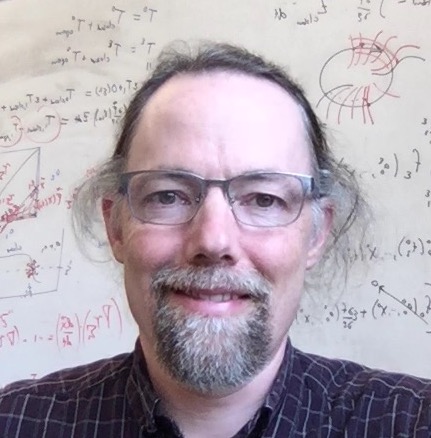
Christopher Han-Fai Seto is an Assistant Professor of Sociology at Purdue University, having joined the Department of Sociology in 2023. His research sits at the intersection of criminology, public health, and the sociology of religion, with a strong computational and spatial-methods orientation. Education: Ph.D. in Criminology, Pennsylvania State University Research Interests: Dr. Seto’s substantive work revolves around hate crime, violence, health, and religion/morality , approached through ecological lenses. He leverages spatial data , large-scale network analysis , and big social & digital data to understand how community contexts shape deviance and well-being. Publication Profile: Between 2020 and 2025 he has published extensively in leading journals—including Justice Quarterly , Health & Place , Social Science & Medicine , British Journal of Criminology , Sociology of Religion , and Journal of Adolescent Health . The body of work reveals a consistent focus on anti-Asian hate incidents , Christian nationalism and gun policy , religious ecology of crime , and COVID-19 spillover effects . Contact & Web Presence: Office: BRNG 1156, Purdue University Email: setoc@purdue.edu Personal website: chseto.com
Professor Linda He Hong-Gu is a faculty member at the Alice Lee Centre for Nursing Studies, Yong Loo Lin School of Medicine, National University of Singapore. As Programme Director for Master of Science (Nursing) and Doctor of Philosophy programs, she leads graduate research initiatives and co-convenes the Women and Children Health Care Research Programme. Doctor of Philosophy, University of Eastern Finland Master of Science in Nursing, University of Eastern Finland Clinical Medicine, Fujian Medical University Her research spans Women and Children Health Care , Chronic Illness Management , and Health Technology , with over 200 peer-reviewed publications. Recent work focuses on digital interventions for improving mental health outcomes, perioperative care through technology, and preventive health behaviors in maternal populations. Publications emphasize systematic reviews , meta-analyses , and mobile health applications across diverse domains: dementia care, stroke rehabilitation, cancer support, diabetes management, and pediatric surgery preparation. Collaborations span Finland, Norway, China, and Singapore. Scientific recognition includes: Fellow of American Academy of Nursing (FAAN), 2021 International Nurse Researcher Hall of Fame, 2023 Multiple Best Poster/Oral Presentation Awards (2013-2024) Teaching Excellence Awards from NUS As an active grant recipient, she has secured over S$17.9 million in research funding from organizations like NMRC, Business Finland, and National Natural Science Foundation of China, driving innovations in AI-powered VR rehabilitation , STOMA care , and psychosocial interventions .
Joseph Kangmennaang is an Assistant Professor and Queen's National Scholar in Black Health & Social Change at Queen's University. He holds a PhD from the University of Waterloo, an MA from Western University, and a B.A. from the University of Ghana. His research focuses on the interplay between environment and wellbeing, particularly in sub-Saharan Africa and among Black immigrant communities in North America. He employs social theories, participatory methods, and mixed approaches to address health disparities, with a focus on non-communicable diseases, food/water security, and the impact of racism and social change. His courses include HLTH 397 (Globalization and Black Health) and HLTH 495 (Racism and Health). Research areas include immigrant health equity, syndemics, and the role of place in healthcare access. Collaborations with marginalized communities emphasize participatory action and civic engagement. He has published extensively on topics such as climate change impacts on health, HIV/AIDS knowledge among women in Malawi, and the social determinants of wellbeing in Ghana. His work bridges global health challenges with localized solutions, addressing systemic inequities through interdisciplinary partnerships. Notably, he explores how structural factors like migration, remittances, and agroecology affect household welfare and food security in Malawi and Ghana. His recent studies highlight the mental health implications of discrimination among minoritized Canadians during the pandemic and the spatial distribution of diseases like cholera in Tanzania. He advocates for community-driven interventions to promote wellbeing in resource-limited settings.
Louis Du Plessis is a Lecturer at ETH Zürich's Department of Biosystems Science and Engineering in Basel, Switzerland. His research focuses on computational evolution with particular emphasis on infectious disease dynamics and genomic analysis. He maintains an active research profile with numerous high-impact publications in top-tier journals. Dr. Du Plessis completed his doctoral studies at ETH Zürich in 2016 with a thesis titled 'Understanding the spread and adaptation of infectious diseases using genomic sequencing data,' building upon his 2011 Master's work on evolutionary rate variation. His current research sits at the intersection of computational biology, epidemiology, and evolutionary genetics. His research interests span computational epidemiology, phylodynamics, viral evolution, and infectious disease modeling. He has made significant contributions to understanding pandemic dynamics, particularly regarding influenza and SARS-CoV-2, using genomic and epidemiological data integration. His methodological work includes developing computational approaches for estimating epidemic dynamics and viral transmission patterns. Analysis of his recent publications reveals a strong focus on how pandemics disrupt normal viral circulation patterns, with particular attention to influenza evolution during the 2009 H1N1 and COVID-19 pandemics. His work often combines phylogenetic analysis with epidemiological modeling to extract maximum information from genomic and case count data. Dr. Du Plessis has received research funding from European Commission projects including 'From Foundations of Phylodynamics to new applications in Cell Biology' (grant 101001077) and 'MOnitoring Outbreak events for Disease surveillance in a data science context' (grant 874850). He is actively involved in developing computational tools for analyzing pathogen genomic data and has contributed to several software packages used in the field. His work has significant implications for public health surveillance and pandemic preparedness.
Gary M. Shaw is the Rosemarie Hess Professor and Professor (Research) at Stanford University , with courtesy appointments in the Department of Epidemiology and Population Health and Department of Obstetrics & Gynecology - Maternal Fetal Medicine . He serves as Co-PI of the March of Dimes Prematurity Research Center at Stanford and PI of the California Center for Finding Causes and Preventives of Birth Defects . His research focuses on the Epidemiology of birth defects Gene-environment interactions in perinatal outcomes Nutritional factors in reproductive health . He has developed machine learning approaches for precision parenteral nutrition and predictive models for preterm birth, while investigating persistent metabolomic signatures following hypertensive pregnancy disorders. Shaw's recent work explores Climate change impacts on reproductive health Maternal-fetal immune interactions Epigenetic mechanisms in perinatal disease with applications of multiomics to neonatal intensive care units. As a member of Bio-X and the Maternal & Child Health Research Institute , he contributes to translational research networks while serving as Associate Editor for Birth Defects Research and American Journal of Medical Genetics . He supervises Med Scholar Project student Richard Liang Doctoral co-advisor for Saskia Comess and Richard Liang Master's advisor for Lenae Joe while leading the Division of Neonatology as Associate Chair for Clinical Research (2012-2025). His laboratory work integrates Metabolomic profiling Proteomic analysis Computational modeling Machine learning for biomedical data to advance neonatal care through precision medicine approaches.
Betsy Foxman serves as the Hunein F. and Hilda Maassab Professor of Epidemiology at the University of Michigan School of Public Health. She directs three major initiatives: the Center for Molecular and Clinical Epidemiology of Infectious Diseases, the Integrated Training in Microbial Systems program, and the Certificate in Healthcare Infection Prevention & Control. Her academic leadership spans decades with continuous research contributions. Dr. Foxman earned her PhD and MSPH from UCLA (1983, 1980) and BS from UC Berkeley (1977). Her research centers on infectious disease transmission, microbiome ecology, antibiotic resistance, and wastewater surveillance . Key projects include analyzing the oral microbiome in dental caries using genomic methods, studying nose/throat microbiome associations with respiratory infections in nursing facilities, and developing wastewater monitoring for antibiotic-resistant pathogens. Her work integrates next-generation sequencing with epidemiological analysis to identify novel interventions. Publication trends reveal consistent focus on microbiome-pathogen interactions across multiple body sites (oral, vaginal, gut, respiratory). Recent articles demonstrate methodological innovation in wastewater epidemiology (2024 Norovirus GII monitoring) and clinical applications like predicting vancomycin-resistant enterococci contamination (2023 Lancet study). Her research bridges molecular microbiology with population health, emphasizing translational potential for diagnostics and public health interventions. Fellow of the Infectious Disease Society of America Fellow of the American College of Epidemiology Fellow of the American Academy of Microbiology Dr. Foxman's advising portfolio includes numerous NIH-funded projects on microbiome dynamics and infection control. Her leadership in the Center for Molecular and Clinical Epidemiology drives collaborative research across departments. Current initiatives focus on wastewater surveillance standardization and microbiome-based diagnostics for infection prevention. She maintains active laboratories for genomic analysis of microbial communities and clinical sample processing.
Silvia Cavagnero is a Professor in the Department of Chemistry at the University of Wisconsin–Madison, with a research focus on protein folding and misfolding in cellular contexts. Her work integrates biomolecular spectroscopy, chemical biology, and computational methods to address fundamental questions in structural biology. B.S., First University of Rome ‘La Sapienza’ (1988) M.S., University of Arizona (1990) Ph.D., California Institute of Technology (1996) Her research explores the role of molecular chaperones like Hsp70 in protein biogenesis, the development of laser-driven NMR techniques for enhanced sensitivity, and the implications of protein aggregation in neurodegenerative diseases. Key projects include cotranslational folding studies at ribosomal exit tunnels and hyperpolarization methods for low-concentration NMR analysis. The 15 most recent publications highlight interdisciplinary advances in NMR spectroscopy optimization Protein folding kinetics Cryo-EM structural analysis Chaperone-client interactions Hsp70 antimicrobial design Hydration dynamics in folding Scientific contributions include A Prize for Going in Vivo (2017) Recognition for Diversity and Inclusion Efforts Students from the Cavagnero Group have pursued careers in academia, pharmaceutical industries, and national laboratories. Her lab emphasizes interdisciplinary training, blending physical chemistry, biology, and computational analysis.
Professor Kaat Alaerts is a leading researcher at KU Leuven's Faculty of Movement and Rehabilitation Sciences, where she serves as Head of the Neurorehabilitation Research Group and Professor in the Department of Rehabilitation Sciences. Her work bridges neuroscience, psychology, and rehabilitation science to develop innovative interventions for stress regulation and social-cognitive functioning, with a particular focus on autism spectrum disorder and related conditions. Her primary research interests span neurorehabilitation , oxytocin research , autism spectrum disorder , stress regulation , mindfulness and meditation , neurostimulation , and social cognition . Dr. Alaerts employs a multidisciplinary approach that combines neuroscientific, physiological, and behavioral methods to study both clinical effectiveness and underlying brain mechanisms of neuromodulatory interventions. The research output demonstrates a strong focus on exploring the therapeutic potential of oxytocin, particularly for autism spectrum disorder. Her work examines both the standalone effects of oxytocin and its synergistic effects when combined with mindfulness training or other interventions. A growing body of research also investigates the gut-brain axis in autism and the role of microbiome composition in social and stress-related difficulties. Dr. Alaerts has received notable recognition including the KAGB Clinical Medicine Award in September 2024 for her work on oxytocin administration in children with autism. Her research group has also been honored with multiple "Belgium's got talent" prizes from the Belgian College of Neuropsychopharmacology and Biological Psychiatry. As a dedicated mentor, Dr. Alaerts supervises numerous PhD students and postdoctoral researchers, including Margaux Evenepoel, Jellina Prinsen, Elise Tuerlinckx, and others who have made significant contributions to the field. Her research is supported by multiple substantial grants, including several ongoing projects running through 2028-2029 that investigate oxytocin's role in stress regulation for breast cancer survivors, autism, and other conditions. The Neuromodulation Laboratory, which Dr. Alaerts leads, focuses on three core domains: oxytocin neuropsychopharmacology, contemplative science and combinatory approaches, and neuroregulation techniques. The lab operates within a multidisciplinary network that includes the LBI - KU Leuven Brain Institute and maintains strong collaborative relationships across various research institutions.
Professor Anke Ehlers is a leading academic in experimental psychopathology at the University of Oxford, affiliated with Wolfson College. As Co-Director of the Oxford Centre for Anxiety Disorders and Trauma (OxCADAT), her work focuses on anxiety disorders and PTSD, emphasizing cognitive mechanisms and evidence-based treatments. Her research has led to the development of a widely adopted cognitive therapy for PTSD, endorsed by NICE and international guidelines. Her academic credentials include a Dipl-Psych, PhD, and habilitation. She holds prestigious awards such as the APA's Distinguished Scientific Contributions Award (2014) and the ISTSS Lifetime Achievement Award (2022). She is a Supernumerary Fellow of Wolfson College and a Fellow of multiple academies, including the British Academy and the Academy of Medical Sciences. Recent research explores efficient PTSD treatment delivery, psychological mechanisms of therapy, and complex PTSD. Key studies include randomized controlled trials of online therapy for youth PTSD and blended trauma-focused CBT. Her work bridges clinical practice and neuroscience, investigating brain network dynamics in PTSD recovery. Research Groups: Anxiety and Trauma (OxCADAT) Awards: Includes Wilhelm Wundt-William James Award and multiple fellowship recognitions. Her contributions span clinical innovation, dissemination of evidence-based therapies, and foundational research on trauma’s psychological impact. Ongoing projects aim to optimize treatment accessibility and understand dissociative experiences in psychosis.
Dr. Amy Turitz is an Associate Professor of Obstetrics, Gynecology & Reproductive Sciences at Yale School of Medicine. She specializes in maternal-fetal medicine, focusing on high-risk pregnancies at Greenwich Hospital. Her research centers on preterm birth, fetal growth restriction, and obstetric complications. Dr. Turitz earned her MD from the Mount Sinai School of Medicine, completed her residency at the Hospital of the University of Pennsylvania, and her fellowship in Maternal-Fetal Medicine at Columbia University Irving Medical Center. She has been honored with multiple teaching awards for her mentorship of medical students, residents, and fellows. Education: BS in History, Wesleyan University (2005) MD, Mount Sinai School of Medicine (2009) Residency: Obstetrics & Gynecology, Hospital of the University of Pennsylvania (2013) Fellowship: Maternal-Fetal Medicine, Columbia University Irving Medical Center (2016) Research Interests: Dr. Turitz’s work explores mechanisms and interventions for preterm birth prevention, fetal growth restriction, and managing high-risk pregnancies. Her studies often involve collaborations on topics like cerclage timing, progesterone therapy, and maternal-fetal outcomes during pandemics. She emphasizes clinical translation to improve patient care. Awards: Sreedhar Gaddipati Maternal-Fetal Medicine Teaching Award (2023) APGO Excellence in Teaching Award (2020) Resident Teaching Award (2013) Labs/Teams: She co-founded the Cervix Research Working Group and was part of the Preterm Birth Prevention Center at Columbia University. Her current affiliations include the Maternal Fetal Medicine Unit at Yale.
Laura Dolbow is an Associate Professor of Law at the University of Colorado Boulder, focusing on the intersection of patent law, health law, and administrative law. She holds a J.D. and B.A. from Vanderbilt University, where she won the Founder's Medal, and has held prestigious fellowships including the Sharswood Fellowship at the University of Pennsylvania Carey Law School. Key research areas: Pharmaceutical patent systems, Medicare price negotiation, FDA regulatory frameworks, and constitutional implications of administrative review bars Award-winning scholar: Recipient of the Burton Award for Legal Writing (2018) and Gellhorn-Sargentich Essay Competition (2017) Her recent scholarship analyzes how patent portfolios delay generic drug competition and inflate prices, particularly in the context of the Inflation Reduction Act's Medicare negotiation program. She examines procedural challenges to agency guidance under the Administrative Procedure Act and the constitutional limits of patent takings claims. Prominent publications: Michigan Law Review , Vanderbilt Law Review , Administrative Law Review Major policy contributions: FDA approval of birth control pills, mifepristone access litigation, and sovereign immunity in pharmaceutical patents
Peter J. Thomas is a Professor in the Department of Mathematics, Applied Mathematics, and Statistics at Case Western Reserve University's College of Arts and Sciences, with secondary appointments in Electrical Engineering and Computer Science, Cognitive Science, and Biology. He serves as Co-Editor-in-Chief of Biological Cybernetics and leads the Computational Biomathematics Laboratory. Primary Affiliation: Department of Mathematics, Applied Mathematics, and Statistics Secondary Affiliations: Department of Electrical Engineering and Computer Science, Department of Cognitive Science, Department of Biology Leadership: Co-Editor-in-Chief of Biological Cybernetics Thomas earned his B.A. in Physics and Philosophy from Yale University (1990), M.S. in Mathematics from the University of Chicago (1994), and both M.A. in Conceptual Foundations of Science and Ph.D. in Mathematics from the University of Chicago (2000). His research spans mathematical neuroscience, theoretical biophysics, and information theory applications to biological systems. Thomas specializes in understanding how noise and stochasticity affect neural coding, developing mathematical frameworks for gradient sensing in cells, and applying graph theory to biological networks. His work on stochastic shielding has provided novel approaches to simplifying complex stochastic models while preserving essential dynamics. His research bridges theoretical mathematics with experimental neuroscience through collaborations with the Chiel laboratory and others. Thomas's recent publications demonstrate a strong focus on stochastic oscillators, sensory feedback mechanisms, and information theory applications to biological systems. His work consistently develops novel mathematical frameworks to address specific biological questions, with significant contributions to understanding phase dynamics in neural oscillators and information processing in biochemical signaling. Core Fulbright Scholar Program (2013) Simons Fellow in Mathematics Program (2014) Multiple NSF grants as Principal Investigator Co-Editor-in-Chief of Biological Cybernetics Thomas has mentored numerous students at all levels, from undergraduates to postdoctoral researchers. His laboratory has produced successful scholars who have gone on to faculty positions at institutions like New Jersey Institute of Technology and the University of Nevada, Reno. He has actively organized workshops at the Banff International Research Station and served on editorial boards for leading journals in computational neuroscience. The Computational Biomathematics Laboratory focuses on developing mathematical frameworks to understand neural dynamics, cellular signaling, and pattern formation. The lab maintains strong collaborations with experimental neuroscience groups and has made significant contributions to understanding rhythmic neural systems, respiratory control mechanisms, and information processing in biological systems.
Professor Jonathan Herring serves at the Faculty of Law, University of Oxford with a focus on Medical Law and Ethics, Family Law, Criminal Law, and Vulnerability Theory . His work bridges feminist ethics of care with legal frameworks, challenging traditional individualistic approaches. DM Wolfe-Clarendon Fellow, Exeter College Editorial Board: Child and Family Law Quarterly Research Interests He investigates law's interaction with human relationships , emphasizing areas like domestic abuse as human rights violation , pregnancy regulation , mental capacity ethics , and dementia-related legal reforms . His Law Through the Life Course (2021) examines age-based legal assumptions. Publication Trends Recent works focus on obstetric violence (with Pickles), fragile X syndrome ethics (with Johnson), and revising sexual offense consent models . Articles span 2017-2025 , showing sustained engagement with vulnerability theory and relational legal philosophy . Teaching Contributions He instructs Criminal Law , Family Law , and Medical Law and Ethics for Oxford's BA Jurisprudence, plus Medical and Family Law BCL courses. Supervises DPhil topics across domestic abuse , obstetric violence , and trans parenthood .
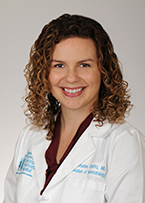
Katherine Elizabeth Chetta, M.D., serves as an Assistant Professor of Pediatrics in the College of Medicine at the Medical University of South Carolina (MUSC), practicing neonatology at Shawn Jenkins Children's Hospital in Charleston. Her clinical focus centers on critically ill newborns in the Neonatal Intensive Care Unit (NICU), with specialized expertise in preterm infant care and nutritional management. Dr. Chetta completed her educational journey with a B.S. in Chemistry (Honors) from the University of Kansas (2005), followed by her M.D. from Baylor College of Medicine (2009) where she earned Alpha Omega Alpha (AOA) distinction and High Honors. She completed Pediatrics Residency (2013) and Neonatology Fellowship (2016) at Baylor College of Medicine and the University of Texas Health & Science Center in Houston. Her research program investigates critical aspects of neonatal nutrition, particularly the biochemical properties of human milk and its role in preventing gastrointestinal disorders. Key focus areas include necrotizing enterocolitis (NEC) pathogenesis, free fatty acid metabolism in preterm milk, maternal vitamin D impacts on infant immunity, and quality improvement initiatives for human milk utilization. Collaborations span the Digestive Disease Research Center Core and Darby Children's Research Institute at MUSC, integrating laboratory science with clinical epidemiology. Analysis of her 15 most recent publications reveals dominant research trajectories: (1) Human milk composition and storage effects on infant outcomes, (2) NEC risk stratification through clinical/laboratory markers and imaging, (3) Social determinants of growth in preterm infants, and (4) Microbiome interactions with milk components. Her work bridges basic science (in vitro cytotoxicity studies) with clinical implementation (NICU quality improvement). Scientific recognition includes: Induction into Alpha Omega Alpha (AOA) Honor Medical Society Dr. Chetta actively collaborates with multidisciplinary teams across MUSC's research infrastructure, though specific grant details aren't provided in source materials. Her mentorship extends to medical trainees within the neonatology division, focusing on translational research methodologies. Current projects emphasize standardizing NEC diagnostic protocols and optimizing human milk feeding systems for vulnerable infants. She contributes to laboratory-based investigations at the Darby Children's Research Institute, particularly studying HAMLET complexes in human milk and their effects on intestinal cell metabolism. Her clinical work directly informs ongoing quality improvement initiatives aimed at increasing mother's own milk usage rates in the NICU.
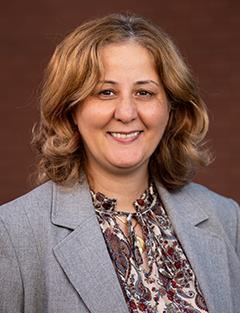
Shayesteh Jahanfar is a Professor in the Department of Public Health and Community Medicine at Tufts University School of Medicine, with a secondary appointment in Community Health at the Tufts School of Arts and Sciences. As a reproductive epidemiologist with expertise in public health and biostatistics, she directs the Cochrane Affiliate at Tufts and co-directs the Pregnancy and Childbirth US Satellite with Cochrane. Her global research spans reproductive health, maternal-child health, and genetic versus environmental studies across Australia, Malaysia, Canada, and the USA. Education: Doctor of Philosophy, University of British Columbia, Vancouver, Canada (2016) Doctor of Philosophy, University of New South Wales, Sydney, Australia (1995) Master of Science in Community Health, Universiti Putra Malaysia, Seri Kembangan, Malaysia (2009) Postdoc Epidemiology and Public Health, Universiti Putra Malaysia, Seri Kembangan, Malaysia (2008) Dr. Jahanfar's research program focuses on reproductive health, maternal-child health, global health, HIV/AIDS, opioid use, and twin studies. She leads WHO-funded projects related to reasons for Cesarean sections, family planning, and assisted vaginal birth, and collaborates with WHO's Department of Sexual and Reproductive Health and Research. Her work with twin studies spans multiple international settings, examining genetic versus environmental influences on health outcomes. She actively develops training materials for Cochrane trainers and promotes evidence-based healthcare practices globally. Her recent publications (2025) demonstrate a strong focus on women's health issues, particularly reproductive health, maternal outcomes, and interventions during pregnancy and childbirth. Her research combines epidemiological methods with clinical trials and systematic reviews, often with a global health perspective. She frequently collaborates on research in Iran and other international settings, addressing both clinical and social determinants of health. Her work spans from molecular diagnostics in cancer to behavioral interventions in maternal health, reflecting her interdisciplinary approach to public health research. Scientific Awards: Equity & Inclusion Fellow (2023) Most Stimulating Paper (2019) President and Provost's Research Award Nomination (2019) With over 35 years of teaching experience, Dr. Jahanfar has trained more than 800 clinicians and scientists through over 80 Cochrane workshops worldwide. Her grant portfolio includes multiple WHO-funded projects on family planning, Cesarean sections, and assisted vaginal birth. Under her leadership, Tufts University established a memorandum of understanding with the University of Malaya, facilitating student research projects in Malaysia during Summers 2022-2024. She actively seeks students and researchers to collaborate on Cochrane's work, twin studies, and reproductive health research projects. Dr. Jahanfar directs the Cochrane Affiliate at Tufts and co-directs the Pregnancy and Childbirth US Satellite. She collaborates with WHO's Maternal and Perinatal Health department, Department of Sexual and Reproductive Health and Research, and serves as a consultant for WHO and EMRO. Her global health research initiatives span Australia, Malaysia, Egypt, Iran, Europe, and the Middle East, reflecting her commitment to advancing global health education and research through international partnerships.