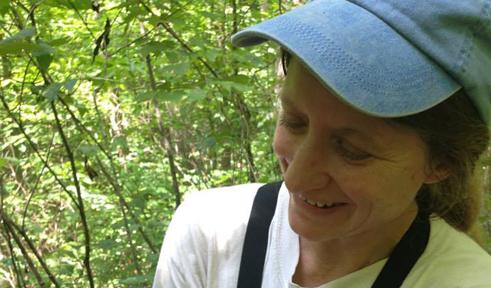
Finella Dawlingsمشاهده پروفایل
پژوهشگر ارشد
Dr. Finella Dawlings is a Research Fellow at the University of Newcastle's School of Environmental and Life Sciences within the College of Engineering, Science and Environment. She serves as a key member of the Conservation Science Research Group, conducting fieldwork on Norfolk Island to study invasive rodent management and its impacts on threatened native species. Dr. Dawlings earned her PhD from Monash University (2020-2024) where she specialized in remote sensing applications for wildlife conservation. Her educational background includes Honours research at Monash University (2017-2018) focused on Norfolk Island Robin ecology and an undergraduate project analyzing 38 years of seabird population data in the Bonney Upwelling region. Her research expertise spans conservation biology, remote sensing technology, threatened species monitoring, and invasive species management. Dr. Dawlings has pioneered innovative approaches using thermal imaging and drone technology to monitor cryptic species in challenging environments, significantly advancing conservation methodologies for species like the Plains-wanderer and Christmas Island Frigatebird. Recent publications reveal a strong methodological focus on validating technological solutions for conservation challenges, with particular emphasis on thermal imaging for nocturnal species detection, drone operations in bird-rich environments, and understanding extinction drivers for island-endemic birds. Current PhD co-supervision: 'Acoustic Innovations: Enhancing Wildlife Monitoring across Australia's Commonwealth National Parks' (commenced 2025) Previous teaching: Monash University School of Biological Sciences (2022-2023) Professional experience: Ecological Consultant (Wildlife Unlimited, 2019-2020), Field Ecologist (Australian Wildlife Conservancy, 2018-2019) Based in Building BG-10 at the University of Newcastle with regular fieldwork on Norfolk Island, Dr. Dawlings' research was recently featured in news outlets (July 31, 2024) for tracking bird-eating rodents as part of the Resilient Landscapes Hub project.