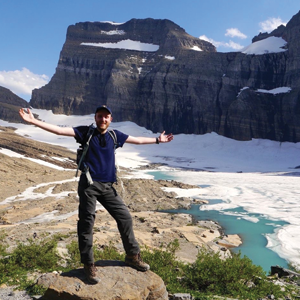
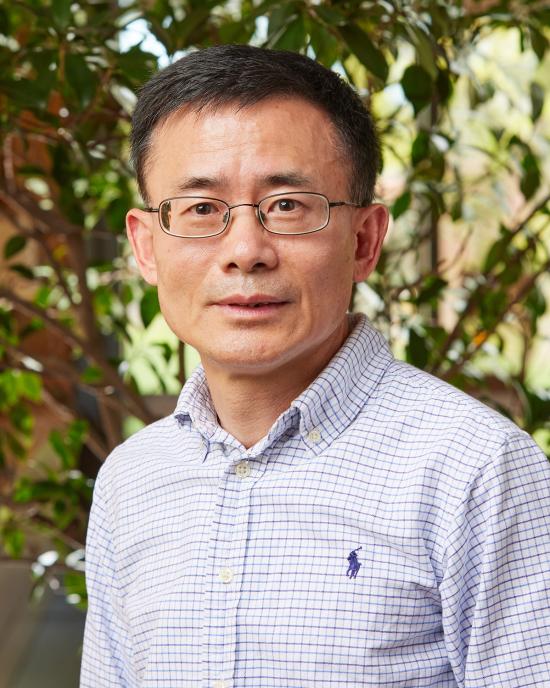
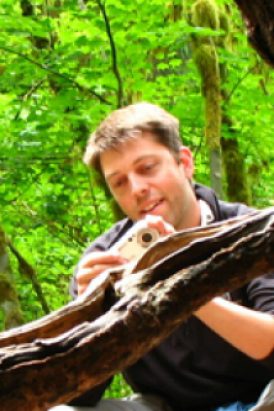
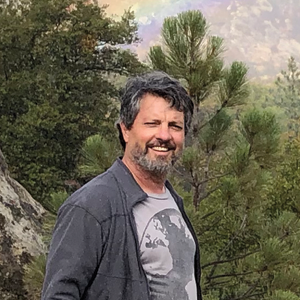
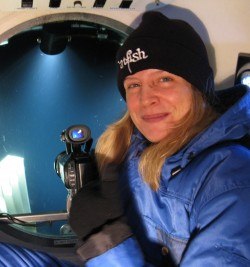
Roland Theiss is an Adjunct Professor affiliated with Berkeley City College and the Department of Geography at the University of California, Berkeley. His research focuses on geomorphology and glaciology, particularly using finite element analysis to study glacier-bedrock interactions and their implications in a warming climate. He holds an M.A. in Geomorphology and a B.A. in Atmospheric Science, both from UC Berkeley. Education: Geomorphology M.A., UC Berkeley Atmospheric Science B.A., UC Berkeley Teaching Experience: Graduate Student Instructor for EPS 117 (Geomorphology), UC Berkeley (Fall 2021) Adjunct Professor for GEOG 1L & 1 (Intro Physical Geography Lab/Course), Berkeley City College (Spring 2018/Fall 2017) Graduate Student Instructor for GEOG 40 (Earth System Science) and ESPM 2 (The Biosphere), UC Berkeley (Spring 2016/Fall 2015) Research Interests: Glacier dynamics, rock mechanics, and fluid mechanics in Earth System Science contexts.
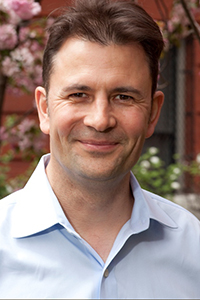
Paul R Moorcroft is a Professor of Organismic and Evolutionary Biology at Harvard University and an Affiliate in the School of Engineering and Applied Sciences (SEAS). His research focuses on ecological dynamics of terrestrial plant communities, biosphere-atmosphere interactions, and mechanistic models of animal movement. He collaborates with institutions like NASA JPL on projects such as the ECOSTRESS mission, which investigates environmental processes using satellite data. His lab, the Moorcroft Lab, emphasizes fieldwork and interdisciplinary approaches, as seen in recent collaborations in Italy and Southeast Asia. Key research areas include tropical forest ecology, carbon cycling in peatlands, and the application of remote sensing technologies to environmental monitoring. His work bridges theoretical models with empirical data, addressing global challenges like climate change and biodiversity loss. Recent publications highlight contributions to quantifying carbon emissions from peatland drainage and improving satellite-based mapping of forest functional traits. His advising activities include mentoring graduate students like Rhemi Toth. Collaborations with NASA and academic partners underscore his role in advancing Earth systems science through interdisciplinary research.
Gavin McNicol is an Assistant Professor in the Department of Earth and Environmental Sciences at the University of Illinois at Chicago (UIC). His research focuses on soil biogeochemistry and its connection to Earth’s climate system, particularly methane emissions from wetlands, temperate rainforests, and waste systems. He employs field measurements, laboratory experiments, and data science to study greenhouse gas dynamics across scales. McNicol teaches courses on data science (EAES 420) and climate-ecosystem interactions (EAES 579). His work integrates machine learning with satellite remote sensing to monitor global wetland methane emissions. Key collaborations include FLUXNET-CH4, CRMRCN, and the SOIL NGO in Haiti. McNicol holds a BS from the University of Stirling (2010) and a PhD from UC Berkeley (2016). Research interests span wetland methane budgets, carbon cycling in coastal ecosystems, and climate impacts of sanitation systems. He has secured grants from NASA, DOE, and NSF, totaling over $87,000. His team, the McNicol Lab, emphasizes interdisciplinary approaches combining fieldwork, lab analysis, and computational modeling. Recent publications (2023–2025) address global methane upscaling, tropical wetland monitoring gaps, and boreal-Arctic methane feedbacks. McNicol’s work bridges local measurements to global climate models, with applications in climate change mitigation and sustainable development.
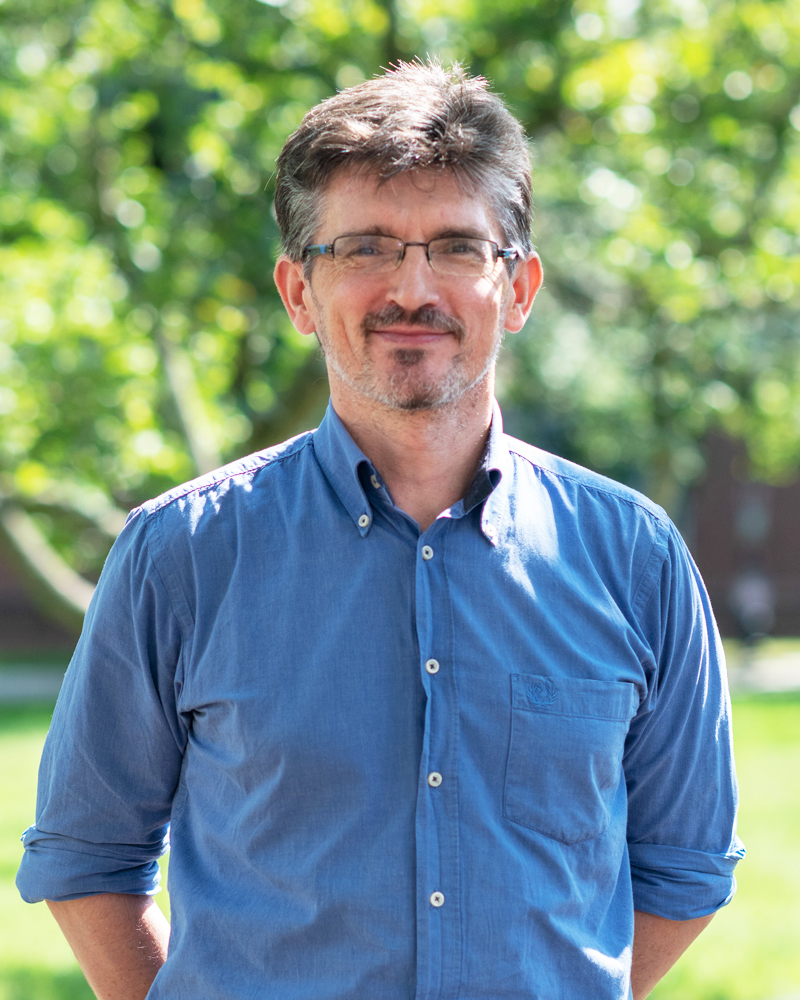
Amilcare Porporato is the Thomas J. Wu '94 Professor of Civil and Environmental Engineering at Princeton University, with joint appointment at High Meadows Environmental Institute. His research integrates hydrology, ecology, and thermodynamics to study soil-water interactions and sustainable resource management. Education includes: Ph.D. Polytechnic of Milan (1996) M.S. Civil Engineering, Polytechnic of Milan (1992) Research explores nonlinear hydrologic systems, soil moisture dynamics, ecohydrology, and environmental complexity using theoretical and experimental approaches. His work advances understanding of water-biota interactions across scales from pore-level processes to landscape evolution. Honors and Awards: Hydrologic Sciences Award, AGU Borland Lecturer American Geophysical Union Fellow Inaugural Landolt Chair, EPFL Teaches courses on Environmental Thermodynamics (ENV 385/CEE 385) and Ecohydrology (CEE 587/ENV 587).
Jennifer C. McIntosh is a Professor and University Distinguished Scholar in the Department of Hydrology and Atmospheric Sciences at the University of Arizona (UA), with a joint appointment in the Department of Geosciences. She is also an Adjunct Professor at the University of Saskatchewan. Her academic roles include teaching advanced hydrogeology courses and advising graduate students. She holds a BA in Geology-Chemistry from Whitman College, MS and PhD in Geology from the University of Michigan, and completed a postdoctoral fellowship at Johns Hopkins University. Her research focuses on the interplay between hydrology, geochemistry, and microbiology in the Earth’s crust, spanning micro-to-macro scales. Key projects include studying subsurface fluid dynamics, microbial methane production, and the impacts of climate and human activities on groundwater systems. She has applied these methods to critical zones, sedimentary basins, and oil/gas reservoirs, with fieldwork in the Colorado Plateau, Paradox Basin, and Western Canada. McIntosh has received numerous awards for research and teaching, including the Blitzer Award for Excellence in Teaching Physics-Related Sciences (2019) and the UA Distinguished Scholar Award (2017). She actively serves on national committees for the US EPA, National Academies, and Nuclear Waste Technical Review Board. Education: BA (Whitman College), MS/PhD (University of Michigan), Postdoc (Johns Hopkins University) Notable Awards: GSA Fellow (2019), CIFAR Earth 4D Program (2019), Morton K. Blaustein Fellowship (2004) Labs/Teams: Jemez River Basin Critical Zone Observatory, Siljan Impact Structure Research Group Future Works: Investigating anthropogenic impacts on deep groundwater systems and astrobiology of subsurface microbes
Jennifer Kaiser is an Associate Professor at Georgia Institute of Technology, affiliated with the School of Civil and Environmental Engineering and Earth and Atmospheric Sciences . Her research focuses on air pollutant formation, particularly volatile organic compounds (VOCs), and their impacts on air quality and climate. Endowed Position: Greene Early Career Professor (2024) Key Projects: Emissions from agriculture/oil-gas, biosphere-atmosphere interactions, satellite data validation Tools: CMAQ modeling, TROPOMI satellite analysis, low-cost sensor networks Her work spans instrument development to global chemistry-transport modeling, with recent emphasis on satellite-based monitoring and health risk assessment. She leads the Kaiser Group , which investigates VOC dynamics in urban and wildfire-affected regions. Scientific Awards: NOAA Grant (2021) Greene Early Career Professor (2024) Contact: jennifer.kaiser@ce.gatech.edu | Office: Ford Environmental Science & Technology Building, Room 3224
Ying Sun is an Associate Professor at Cornell University's School of Integrative Plant Science, Soil and Crop Sciences Section. Her research integrates geospatial analysis, remote sensing, and ecosystem modeling to study agroecosystem-climate interactions across scales. Key research areas include: Remote sensing of Solar-Induced Chlorophyll Fluorescence (SIF) for photosynthesis quantification Developing high-resolution SIF datasets (OCO-2, ECOSTRESS) using machine learning Modeling carbon-water-energy fluxes in Earth System Models (ESMs) Assessing food-water-climate sustainability in China and Africa She teaches PLSCI 7203: Engineering Plant Sensors and PLSCI 5900: Master of Professional Studies Project . Her lab has produced notable work on Ethiopian land restoration (Nature Sustainability 2022) and Northwest China water depletion (Environmental Research Letters 2022).
Dr. Jonathan T. Overpeck is the Samuel A. Graham Dean of the School for Environment and Sustainability (SEAS) at the University of Michigan, where he also holds the William B. Stapp Collegiate Professorship of Environmental Education. He is a Professor of both Climate and Space Sciences and Engineering, and Earth and Environmental Sciences, with a career spanning climate-vegetation interactions, abrupt climate change, monsoon dynamics, drought hydroclimate, sea level rise research, and interdisciplinary climate assessment. Overpeck has published over 230 works cited 60,000+ times, emphasizing public education, university-community partnerships for climate solutions, and environmental justice initiatives. PhD in Geological Sciences, Brown University MSc in Geological Sciences, Brown University BA in Geology (Honors), Hamilton College His research spans climate-biosphere interactions , climate variability and abrupt change , monsoon dynamics , drought and hydroclimate , sea level rise , climate law , and climate adaptation . Overpeck pioneered studies on megadrought terminology, temperature-driven drought intensification, and the aridification of North America. His work with the NOAA Paleoclimate Program and World Data Center for Paleoclimatology established foundational understanding of climate dynamics through annually-laminated sediment analysis in the Cariaco Basin. Overpeck's 2020-2024 research includes climate aridification , hydroclimate scaling mismatches , and temperature-precipitation interactions , with recent focus on Antarctic heatwaves, Mississippi River Basin changes, and corporate climate accountability. His article trends show concentration in climate attribution , hydrological extremes , paleoclimate modeling , and climate policy analysis . Scientific Honors: 2024 U.S. National Academy of Sciences 2015 American Geophysical Union Fellow 2009 AAAS Fellow 2007 Nobel Peace Prize contributor (IPCC) 2005 Guggenheim Fellowship Multiple U.S. Department of Commerce awards Overpeck has led or participated in significant climate adaptation projects , including NSF grants totaling $5.1M+ for Southwest Hydroclimatic Extremes (2017-2020), Amazon Drought Impacts (2014-2018), and Quantifying Drought Risk (2013-2018). He serves on the Colorado River Research Group (2014-present) and advises Climate Communication (2011-present). Current initiatives include Great Lakes University positioning, Michigan's climate resilience planning, and the Audacious Water podcast series examining Mississippi River Basin transformations. Overpeck actively contributes to climate policy discourse , advocating for science-informed decision-making and stakeholder collaboration across government, military, and corporate sectors.
Maureen Beaudor is a Research Fellow in the High Meadows Environmental Institute (HMEI) at Princeton University. Her research focuses on the nitrogen cycle's key processes and their interactions with climate change and human activities, particularly in agricultural and environmental contexts. She develops and applies Earth System Models to investigate how climate change and food/ feed production impact atmospheric chemistry and nitrogen dynamics. Her work integrates interdisciplinary approaches, combining biogeochemical cycles, atmospheric chemistry, and land-use modeling to address global environmental challenges. She collaborates with the Carbon Mitigation Initiative (CMI) at HMEI to explore mitigation strategies and their regional water quality consequences. Her recent publications emphasize ammonia emissions from agriculture and livestock, fire emissions' role in nitrogen cycles, and the development of advanced modeling frameworks for nitrogen pathways. These studies contribute to understanding climate-ecosystem feedbacks and informing sustainable agricultural policies. Maureen holds no scientific awards listed but actively contributes to global emission inventories and climate scenario analyses. She advises no students but collaborates extensively with interdisciplinary teams in environmental modeling and data validation.
Xuhui Lee is the Sara Shallenberger Brown Professor of Climate Science at Yale University's School of the Environment. He maintains offices at Kroon Hall (195 Prospect Street) and laboratory facilities at the Class of 1954 Environmental Science Center (21 Sachem Street, Room 300) in New Haven, Connecticut. Professor Lee is an active researcher and educator specializing in the interactions between the terrestrial biosphere, atmosphere, and anthropogenic drivers, with particular expertise in boundary-layer meteorology and climate science. He is currently on leave for the Fall 2025 semester but continues to accept doctoral students. Professor Lee received his B.S.C. and M.S.C. from Nanjing Institute of Meteorology in China, followed by a Ph.D. from the University of British Columbia. His academic journey has positioned him as a leading expert in climate science, particularly in the areas of land-atmosphere interactions and urban climate systems. Professor Lee's research focuses on boundary-layer meteorology, micrometeorological instrumentation, remote sensing, and carbon cycle science. His work examines biophysical effects of land use on the climate system, greenhouse gas fluxes in terrestrial environments (including forests, cropland, and lakes), isotopic tracers in carbon dioxide and water vapor cycling, and urban climate adaptation and mitigation strategies. His lab employs diverse methodologies including field observations (eddy covariance, optical isotope instruments, and greenhouse gas analyzers), mathematical models (land surface models, large-eddy simulation, WRF, and earth system models), and environmental remote sensing (satellites and drones). The Lee Lab investigates phenomena across multiple scales from micro (urban greenspaces) to global (land wet-bulb temperature, historical deforestation). Analysis of Professor Lee's recent publications reveals a strong focus on urban climate systems, greenhouse gas emissions, and land-atmosphere interactions. His 2024-2025 work demonstrates increasing application of advanced remote sensing technologies and machine learning approaches to climate problems, with significant attention to urban heat islands, methane and CO2 emissions monitoring, and the impacts of land use change on climate systems. His research shows a clear trajectory toward more sophisticated integration of observational data with modeling approaches to address critical climate challenges. Sara Shallenberger Brown Professor of Climate Science (named professorship) Professor Lee actively mentors doctoral students and has established the Lee Lab as a hub for climate research at Yale. His lab group conducts field observations, mathematical modeling, and remote sensing analysis to advance understanding of climate systems. The lab's research infrastructure supports investigations from micro-scale urban environments to global climate patterns, with particular emphasis on urban heat mitigation and greenhouse gas monitoring. The Lee Lab at Yale, located in Room 300 of the Class of 1954 Environmental Science Center, serves as the primary research facility for Professor Lee's team. The lab deploys an array of research methodologies including field observations with eddy covariance systems and optical isotope instruments, mathematical modeling using land surface models and earth system models, and environmental remote sensing with satellites and drones. The lab's research spans multiple spatial scales from micro (urban greenspaces) to global (land wet-bulb temperature patterns), addressing critical questions about climate change impacts and mitigation strategies.
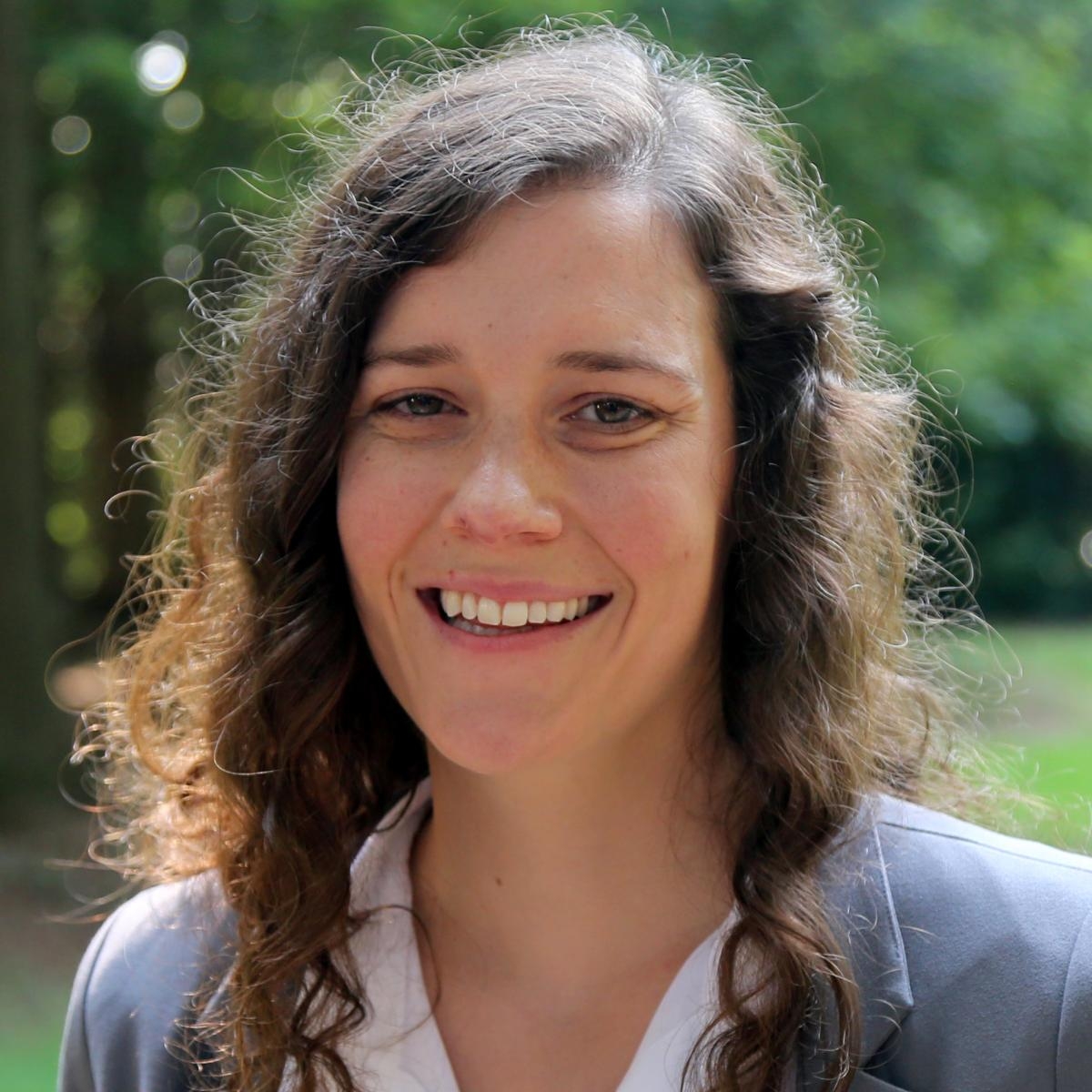
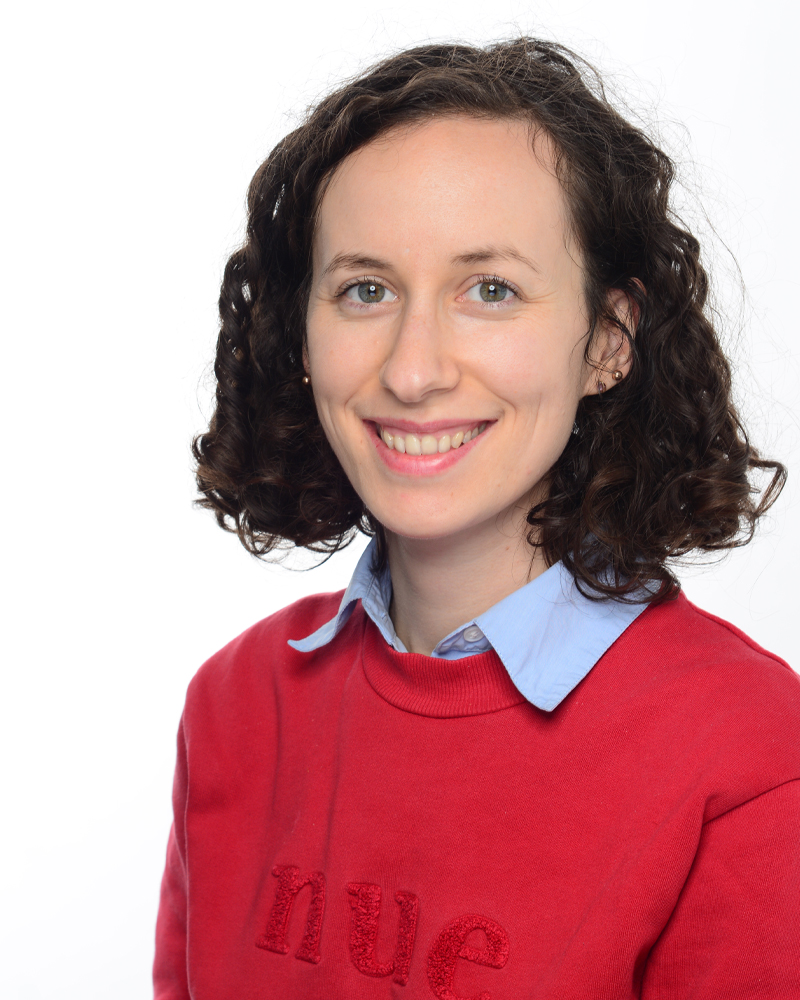
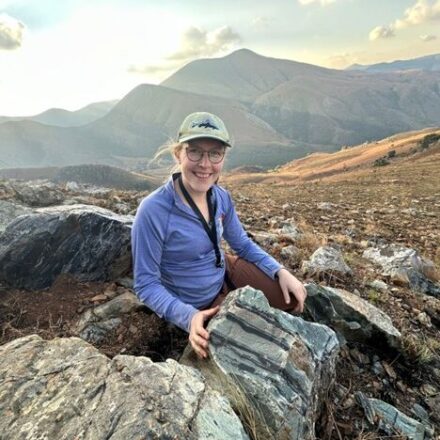
Nadja Drabon is an Assistant Professor of Earth & Planetary Sciences at Harvard University's Faculty of Arts and Sciences. She leads the Drabon Group , focused on understanding early Earth habitability through crustal processes and environmental changes. Her research integrates stratigraphy, geochemistry, and field studies of ancient geological formations like the Barberton and Pilbara cratons. Education: B.S. in Geological Sciences, Free University of Berlin (2011) Ph.D. in Geological and Environmental Sciences, Stanford University (2018) Research Interests: Drabon examines: Formation of Hadean/Archean crust via zircon and detrital mineral analysis Impact events' influence on early life and environments Archean tectonic processes using sedimentary and geochemical proxies Labs & Collaborations: Her lab coordinates with institutions globally, focusing on fieldwork in Australia and South Africa. She actively seeks PhD students for projects analyzing early Earth crustal evolution and biosphere interactions.
Dr. Nathan Sheldon is a Professor in the Department of Earth and Environmental Sciences at the University of Michigan (U-M), part of the College of Literature, Science, and the Arts (LSA). His research focuses on paleoclimatology, environmental biogeochemistry, and biosphere-environment interactions. He leads the Geobiology Research in Terrestrial Systems (GRiTS) lab, which integrates geochemical analyses, stable isotope studies, and modeling to explore Earth’s climate history. Dr. Sheldon’s work emphasizes reconstructing ancient CO2 levels, paleoclimate dynamics, and microbial ecosystems. Education: PhD in Geological Sciences, University of Oregon (2003) BA in Geology, Carleton College (1999) Research Interests: Environmental Biogeochemistry Climate Change and Paleoclimate Geochemical proxies for paleoenvironmental reconstruction Microbialite formation and early Earth systems His lab investigates terrestrial and lake sediment records to understand long-term climate shifts and biosphere interactions. Awards: 2020 AAAS Fellow for contributions to paleosol-based CO2 reconstructions Advising & Labs: Dr. Sheldon mentors students in graduate and undergraduate programs. His GRiTS lab operates from facilities in the North University Building (labs 3501 and 5565). Research includes collaborative projects like the Cenozoic CO2 Proxy Integration Project (CENCO2PIP), aiming to synthesize atmospheric CO2 histories. Key Locations: The lab is based in Ann Arbor, Michigan, on the traditional lands of the Anishinaabeg peoples. Dr. Sheldon’s global fieldwork includes sites in Iceland, Scotland, and the Faroe Islands.
California Institute of Technology (Caltech)United States
Paul O. Wennberg is the R. Stanton Avery Professor of Atmospheric Chemistry and Environmental Science and Engineering at the California Institute of Technology . His research focuses on atmospheric photochemistry, the terrestrial carbon cycle, and oxidative chemistry of trace gases, with applications in climate modeling and satellite validation. Institution: California Institute of Technology Lab: Wennberg Laboratory Contact: wennberg@caltech.edu His group developed the Total Carbon Column Observing Network (TCCON) for global greenhouse gas monitoring and collaborates with NASA's Orbiting Carbon Observatory program. Research themes include coupling radiation, climate, and chemistry in the troposphere, anthropogenic impacts on atmospheric composition, and novel mass spectrometry methods for airborne/satellite data. Recent publications emphasize atmospheric oxidation processes (e.g., peroxy radical isomerization), urban air quality (e.g., Seoul and Southern California), satellite validation (e.g., MOPITT and OCO-2), and tropospheric methane dynamics. Key trends involve isoprene chemistry, NOx cycling, and aerosol formation mechanisms. Scientific Awards: R. Stanton Avery Professorship He contributes to NASA missions and international networks like TCCON, with expertise in chemical ionization mass spectrometry and reactive trace gas analysis. His lab integrates field measurements, laboratory experiments, and satellite observations to study global atmospheric change.
Jeffrey Q. Chambers is a Faculty Scientist at the Climate & Ecosystem Sciences Division of Berkeley Lab and a Professor of Geography at the University of California, Berkeley. His work bridges terrestrial ecosystem ecology, climate change impacts on forests, and geospatial technologies. Affiliated with the Department of Geography, he contributes to Earth System Science and biogeography research. Education: Ph.D. in Ecology, University of California, Santa Barbara (1998) Research Focus: Biogeography and biosphere dynamics Forests and climate change interactions Vegetation dynamics and remote sensing Anthropocene studies Land-atmosphere interactions His methodologies integrate ecological field measurements, remote sensing, and simulation modeling, with ongoing projects in Puerto Rico, Panama, the Brazilian Amazon, and California. He teaches courses like Introduction to Earth System Science (GEOG 40), Biogeography (GEOG C148), and Earth System Remote Sensing (GEOG 185). Labs and Collaborations: The Chambers Lab (external link) Contact: 519 McCone Hall, jqchambers@berkeley.edu. Office hours: Tuesdays, 11:00 am - 12:00 pm, or by appointment via email.
University of California, Los AngelesUnited States
Tina Treude is a Professor at the University of California, Los Angeles (UCLA), affiliated with the Department of Earth, Planetary, and Space Sciences and the Department of Atmospheric and Oceanic Sciences. She serves as Director of UCLA’s Marine Center at the Institute for the Environment and Sustainability (IoES), fostering interdisciplinary marine science collaboration. Her research spans geomicrobiology, biogeochemical cycles, and climate change impacts on marine ecosystems. Diploma in Biology (1999) from University of Kiel PhD in Biogeochemistry (2004) from Max Planck Institute for Marine Microbiology and University of Bremen Treude’s research focuses on microbial methane cycling in marine sediments, biogeochemical processes in oxygen minimum zones, and geomicrobiological responses to environmental changes. Her work combines field studies, laboratory experiments, and geochemical analyses to understand ecosystem dynamics. Notable trends in her publications include methane oxidation mechanisms, sulfur and nitrogen cycling in anoxic environments, and microbial adaptation to extreme marine conditions. Recent articles emphasize Santa Barbara Basin and Arctic Ocean studies. Scientific Awards: Pritzker Emerging Environmental Genius Award As a principal investigator, she collaborates on projects like the USC Sea Grant study of oxygen deficiency in Santa Monica Basin. Her lab trains students in radiotracer incubations, molecular methods, and sediment analysis. Treude has spent over two years at sea, conducting fieldwork via submersibles and research vessels globally.