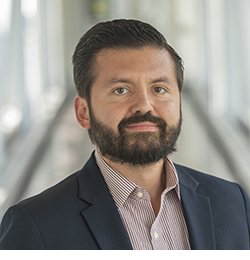
Dr. Sebastián Vega is Associate Professor at Rowan University's Biomedical Engineering Department, directing research on biomaterials and tissue engineering. His lab develops hydrogel systems for bone regeneration and cellular communication, with active grants from NSF and health foundations. Research integrates biomaterial design with stem cell engineering. Recent publications focus on antimicrobial hydrogels and synthetic biology approaches for cell-material interfaces. Teaching includes courses on biomaterial-cell interactions.
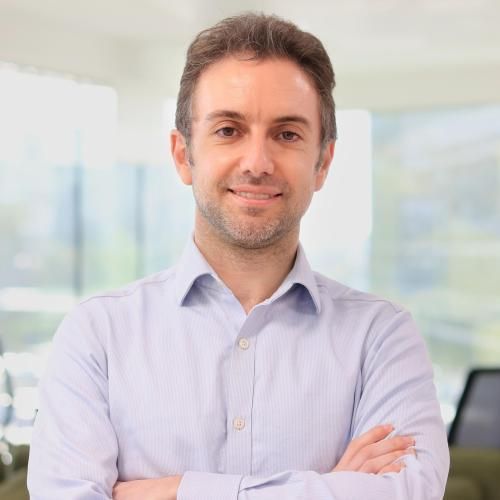
Mauro Serpelloni is a Full Professor of electrical and electronic measurements at the University of Brescia's Department of Information Engineering. His expertise spans electronic instrumentation, sensors, and biomedical applications, including wearable and implantable devices. He has held roles as Associate Professor (2010–2021) and Postdoctoral Researcher (2006–2010), and conducted visiting research at the Universitat Politècnica de Catalunya (2004–2005) and Université Pierre et Marie Curie (2011–2012, 2014). Education: Master's (2003) and Ph.D. (2006) in Electronic Instrumentation from the University of Brescia. Research interests focus on wearable sensors, energy-harvesting systems, and printed electronics. His work includes developing implantable force-measurement devices for knee prostheses and wireless systems for biomedical monitoring. Publications include 15+ recent articles on topics like aerosol jet printing, wearable tracking systems, and electrochemical biosensors. He manages a lab for aerosol jet printing and serves on technical committees for conferences like IEEE Sensors and I2MTC.
Danny Wong is a Research Fellow and Honorary Senior Lecturer in the Department of Applied BioSciences at Macquarie University. His research focuses on advanced biosensor development, electrochemical techniques for neurotransmitter detection, and nanomaterial applications in biomedical engineering. Wong has led multiple research projects, including the development of antifouling carbon electrodes and biofuel cells for self-powered sensing. Research Fellow, Applied BioSciences (Macquarie University) Honorary Senior Lecturer, Applied BioSciences Principal Investigator for projects on biosensor design (2006–2021) His research interests span electrochemistry, nanomaterials, and biomedical applications. Key areas include dopamine detection, enzymatic biosensor optimization, and field-deployable sensing systems. Wong’s work emphasizes minimizing sensor fouling through surface modification techniques like hydrogenation and nanocomposite integration. Publications highlight advancements in MOF-based nanocomposites, photoelectrochemical sensors, and biofuel cell design. Collaborations include interdisciplinary projects on mitochondrial superoxide detection and environmental monitoring of toxins in infant foods. No scientific awards were explicitly mentioned. Wong has advised on numerous research projects but no student names were listed. His work includes grants for projects such as plasma-enhanced CVD systems (2021) and rapid isolation systems (2020). Labs/Teams: Active in Macquarie’s biosensor engineering group, collaborating with materials scientists and biomedical researchers.
Dr. Ciaran Fowley is the Head of Nanofabrication and Analysis at the Institute of Ion Beam Physics and Materials Research within the Helmholtz Center Dresden-Rossendorf (HZDR). His research focuses on advanced nanofabrication techniques, spintronics, and magnetic materials, with applications in semiconductor photonics, biosensors, and quantum technologies. He leads projects involving ion beam patterning, metamaterial-resonator coupling, and single-photon emitter development. Key research areas include deterministic spin orbit torque switching, nanobiosensor design for SARS-CoV-2 detection, and wafer-scale fabrication of telecom photon emitters. His work integrates materials science, nanotechnology, and quantum physics to advance next-generation electronic and optoelectronic devices. Publications highlight contributions to magnetic vortex dynamics, ion-implantation effects, and coherent coupling of metamaterials with quantum systems. His team collaborates on projects supported by HZDR’s infrastructure, including the Dresden High Magnetic Field Laboratory and the CASUS Center for Advanced Systems Understanding.
Pranam Chatterjee is an Assistant Professor at the RNA Therapeutics Institute, UMass Chan Medical School, affiliated with the T.H. Chan School of Medicine. He holds a PhD in Media Arts and Sciences from MIT, with prior degrees in Computer Science and Molecular Biology. His research focuses on CRISPR-Cas systems, gene editing tools, and stem cell differentiation, particularly in reproductive medicine contexts. Chatterjee’s work includes developing novel genome editing technologies like PTM-Mamba and engineered Cas9 variants, as well as advancing methods for human oogonia-like cell specification and ovarian support cell co-cultures. His publications span topics in molecular biology, biotechnology, and computational biology, with contributions to improving CRISPR specificity, SARS-CoV-2 detection, and stem cell culture techniques. Chatterjee collaborates widely, including with institutions like Harvard and MIT, and his research has been highlighted in multiple news outlets and patents. His lab at the RNA Therapeutics Institute emphasizes interdisciplinary approaches, combining computational modeling with experimental biology to address challenges in genome editing, regenerative medicine, and disease modeling. While no formal awards are listed, his work has garnered significant citation impact, especially in CRISPR-Cas9 engineering and stem cell differentiation studies.
Alvaro Goyanes Goyanes is a Professor at the University of Santiago de Compostela, affiliated with the Faculty of Pharmacy and the Department of Pharmacology, Pharmacy and Pharmaceutical Technology. He is a member of the Materials Institute (iMATUS) and the Strategic Grouping in Materials (AEMAT), leading research in the ID-FARMA group focused on R&D in dosage forms and drug release systems. His email is alvaro.goyanes.goyanes@usc.es. He holds a doctoral degree from the University of Santiago de Compostela, completing his thesis on 'Evaluation of some technological approaches to increase the speed of drug dissolution in microcrystalline cellulose pellets' in 2012 under the supervision of Dr. Ramón Martínez Pacheco and Dr. María Consuelo Souto Pardo. His research interests center on 3D printing of pharmaceuticals , including personalized medicine, drug delivery systems, pediatric formulations, and advanced manufacturing technologies. He explores innovations such as inkjet printing for skin medications, 3D-printed suppositories, and non-destructive dose verification using spectroscopy. Recent work addresses challenges in rare disease treatments, decentralized manufacturing, and AI-driven dosage optimization. His articles emphasize translational applications of additive manufacturing in healthcare, such as clinical trials for point-of-care printing, bladder drug delivery devices, and abuse-deterrent opioid formulations. He also investigates emerging technologies like volumetric printing and supramolecular hydrogels for enhanced drug release. Alvaro has pioneered projects like the OPERA clinical trial for hospital-based 3D printing and the DoseTAIlor platform for AI-driven tacrolimus dosing. His work bridges academic research and clinical implementation, focusing on accessibility for vulnerable populations.
Safieddin Safavi-Naeini was a Professor in the Department of Electrical and Computer Engineering and Director of the Centre for Intelligent Antenna and Radio Systems (CIARS) at his university. He specialized in advanced antenna systems, microwave engineering, radar technologies, and biomedical sensor design. His work emphasized high-frequency systems, phased array antennas, and mm-wave applications. Research Focus: His research spanned antenna design (e.g., defected ground structures, SIW-integrated arrays), mm-wave radar systems (including FMCW and SAR imaging), non-invasive biomedical sensors (e.g., glucose monitoring via microwave sensors), and satellite communication systems. He contributed to RFIC design, power amplifier technologies, and novel metamaterial-based components. Technological Contributions: Key innovations included tunable phase shifters, low-cost phased arrays for 5G/SATCOM, and compact high-gain antenna arrays. His work in graphene-based nonlinear optics and THz sources expanded into emerging applications like terahertz integrated circuits. Awards & Recognition: While no specific awards are listed, his prolific publication record and leadership in CIARS highlight his impactful contributions to the field. Advising & Labs: As director of CIARS, he oversaw research in intelligent antenna systems and radar imaging. His team developed cutting-edge systems like the 3D-printed scanning lens antenna and mm-wave FMCW target simulators.
Tommaso Proietti serves as Tenure-Track Assistant Professor at Sant'Anna School of Advanced Studies, leading the Soft NeuroBionics Lab within the Bioelectronics and Bioengineering Area of the Biorobotics Institute. His career spans industrial engineering at General Motors, postdoctoral research at Harvard Biodesign Lab, and prior affiliations with Northwestern University and Sorbonne University. His academic credentials include: B.S. in Control Engineering, Sapienza University of Rome (2010) M.S. in Control Engineering, Sapienza University of Rome (2013) Ph.D. in Robotics Engineering, Sorbonne University (2017) Proietti's research pioneers soft wearable robotics for rehabilitation and human augmentation, with core expertise in physical human-robot interaction , biomechanics , and adaptive control systems . His lab develops inflatable exosuits and sensor technologies targeting upper-limb mobility restoration for stroke survivors, spinal cord injury patients, and industrial workers. Recent work emphasizes clinical validation of wearable systems in real-world environments while optimizing comfort and natural movement. Analysis of his 15 most recent publications (2022-2025) reveals three dominant research trajectories: (1) clinical assessment tools using wearable sensors for neurological rehabilitation, (2) pneumatic soft exosuits for industrial and medical applications, and (3) fundamental advances in human-robot interaction frameworks. His work increasingly bridges engineering innovation with tele-rehabilitation implementation, particularly for stroke recovery and ALS management. Scientific recognition: No awards documented in source materials Academic contributions: No student advising information provided No research grant details disclosed The Soft NeuroBionics Lab under Proietti's direction focuses on creating ultralightweight, textile-integrated robotic systems that provide targeted assistance without restricting natural movement. Current projects include shoulder exosuits for industrial fatigue reduction and pronosupination aids for spinal cord injury, with strong industry-clinical partnerships driving real-world deployment.
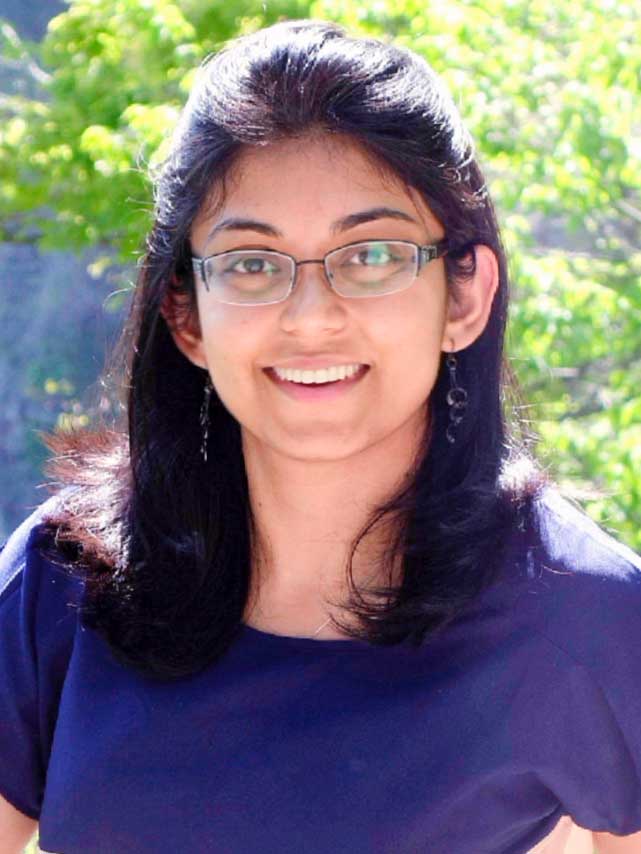
Srirupa Chakraborty is an Assistant Professor of Chemical Engineering and Chemistry and Chemical Biology at Northeastern University, with an affiliation in the Department of Physics. She leads the SimBioSys Lab, focusing on computational modeling of biomolecular systems to address biomedical challenges. Her research integrates theoretical biology, biophysics, and computational simulations to study viral glycoproteins and design therapeutic strategies. Education: PhD in Biophysics (SUNY Buffalo, 2016); M.S. in Physics (IIT Guwahati, India); B.S. in Physics (Presidency College, University of Calcutta). Postdoctoral research at Los Alamos National Laboratory, recognized with the Wiley Award (2020) and CHAVD Award (2019). NIH MIRA Award (2023) supports her work on mucin-inspired biomaterials for cystic fibrosis treatments. Research interests include glycoprotein dynamics, rational drug design, and biomaterials. Current projects involve computational models for mucosal glycopeptide mesh and non-viral gene delivery systems. She mentors students like Natesan Mani and leads grants totaling $2.0M from NIH. Awards: NIH MIRA, Wiley Award, CHAVD Award Lab: SimBioSys Lab (computational biophysics and biomaterials) Grants: $1.99M (MIRA), $100K (NIH SBIR for CF therapies) Her work bridges theoretical models with experimental data, emphasizing interdisciplinary approaches in biochemistry, physics, and computer science.
Dr. D. S. Fahmeed Hyder is a Professor of Radiology & Biomedical Imaging and Biomedical Engineering at Yale University, with joint appointments in the Yale School of Medicine. He leads the Magnetic Resonance Research Center (MRRC) and directs the Core Center for Quantitative Neuroscience with Magnetic Resonance (QNMR). His research focuses on brain energy metabolism, developing advanced MRI techniques to study neuronal-glial interactions, metabolic dysfunction biomarkers, and molecular imaging of tumors. He holds over 240 peer-reviewed publications and has secured continuous NIH funding for 25+ years. Education: B.A. in Chemistry (Wabash College, 1990), Ph.D. in Biophysical Chemistry (Yale University, 1995). Postdoctoral training includes roles at Oak Ridge National Laboratory, University of Rochester, and Yale. Research Interests: Functional MRI (fMRI) advancements, calibrated fMRI for quantitative neural activity, BIRDS molecular imaging (for pH/temperature), and applications in neurodegenerative diseases (e.g., Alzheimer’s) and oncology. Current projects include pH biosensor development, tumor response monitoring, and neuropil density prediction via AI. Awards: Melvin H. Knisely Award, Niels Lassen Award, Lundbeck Visiting Professorship, and fellowships in AIMBE, ARBR, and Sigma Xi. Recently appointed Head of Trumbull College at Yale. Grants: Continuous NIH support across 7 institutes; active projects in molecular imaging, stroke models, and neurovascular coupling. Labs/Teams: MRRC (mrrc.yale.edu), QNMR (qnmr.yale.edu), collaborating with interdisciplinary teams in physics, engineering, and biology.
Dr. Chun Peng is a Full Professor and Tier 1 York Research Chair in Women's Reproductive Health in the Department of Biology at York University. He leads the Peng Lab, focusing on female reproduction, ovarian cancer, and placental development. His research employs molecular biology, biochemistry, and bioinformatics to explore growth factors, hormones, and miRNAs in reproductive health disorders like preeclampsia and ovarian cancer. Education: PhD from the University of Alberta, M.Sc. and B.Sc. from Zhongshan University, China. Research Interests: Molecular mechanisms of ovarian cancer, miRNA regulation in reproduction, and novel therapies targeting β-catenin inhibitors. Current projects include placental signaling networks, circular RNAs in cancer, and zebrafish ovarian development. Funding: Supported by Canadian Institutes of Health Research, NSERC, Cancer Research Society, and York University. The lab has produced over 100 publications and trained numerous graduate students and postdocs. Awards: Tier 1 York Research Chair (2022). Lab members have received scholarships like NSERC, OGS, and York Graduate Scholarships. Lab Infrastructure: Bioinformatics tools for miRNA analysis, ImageJ plugins for cell counting, and collaborations in plasmonic nanoparticle biosensors.
Elizabeth Libby is an Assistant Professor in the Department of Bioengineering at Northeastern University, where she joined in January 2021. Her research is affiliated with the Institute for Chemical Imaging of Living Systems, and she leads the Libby Lab focused on interdisciplinary biological engineering. Her educational background includes: PhD in Physics, University of Pennsylvania, 2011 BS in Physics, Stanford University, 2005 She completed postdoctoral training in Microbiology at Columbia University and served as a Departmental Fellow in Systems Biology at Harvard Medical School (2016-2020). Dr. Libby's research integrates synthetic biology and microbiology to engineer predictably functioning biological systems through protein engineering , microbial genetics , and systems biology . Her work targets bacterial signaling mechanisms (particularly Ser/Thr kinases), antibiotic tolerance pathways, and biosensor development for both fundamental discovery and practical applications in combating resistance. Analysis of her publications reveals a consistent trajectory from foundational studies of bacterial chromosome dynamics (2010-2015) toward applied synthetic biology solutions. Recent work (2021-2024) emphasizes single-cell biosensors and computational modeling of kinase signaling, while her 2015-2020 publications established critical links between phosphorylation networks, phenotypic variation, and antibiotic persistence in biofilms. Her major recognitions include: NIH R35 MIRA Award ($1.96M, 2022) for research on bacterial Ser/Thr kinases in antibiotic resistance Harvard Medical School Departmental Fellowship in Systems Biology (2016-2020) Dr. Libby directs an active research program funded by the NIH MIRA grant investigating bacterial signaling systems, with implications for next-generation antibiotics. She mentors students through projects like the 2024 iGEM competition entry that engineered compost microbes to produce mint/lavender scents, demonstrating translational applications of her lab's core biosensor technologies. The Libby Lab operates at the intersection of molecular engineering and microbial physiology, maintaining strong affiliations with Northeastern's Institute for Chemical Imaging of Living Systems and collaborating on interdisciplinary initiatives including synthetic biology education and environmental biotechnology applications.
Arkady Karyakin is a Professor and Head of the Electrochemical Methods Lab at M.V. Lomonosov Moscow State University. He holds a PhD (1985) and Dr. Sci. (1996) in Chemical Kinetics and Catalysis from the same institution, where he has been a faculty member since at least 1985. His academic career spans multiple international collaborations and visiting professorships. M. Sci. (1981), Faculty of Chemistry, Moscow State University Ph. D. (1985), Faculty of Chemistry, MSU Dr. Sci. (1996), Faculty of Chemistry, MSU Karyakin’s research focuses on electrochemical biosensors and immunosensors using conductive polymers, as well as electroactive inorganic polycrystals and self-assembled multilayers. His work bridges chemical kinetics, materials science, and analytical chemistry, with applications in biosensor technology. Scientific awards and recognitions include: Involved in EU Concerted Action on Biosensors Included in Marquis Who's Who in the World (14th–16th editions) Featured in Cambridge Dictionary of International Biography (26th edition) Recognized in Cambridge’s 2000 Outstanding People of the 20th Century Listed in the Worldwide Online Directory of Graduate Schools for Electrochemical Science and Engineering
Professor Xize Niu is a faculty member at the University of Southampton, specializing in Biosensing & Microengineering. He leads the EPSRC-funded project "Lab-on-an-Organ: A droplet based portable continuous chemical sensor," collaborating with Emeritus Professor Geraldine Clough. His research focuses on microfluidics, lab-on-a-chip technologies, and sensor development with applications in biomedical and environmental monitoring. Research Interests: Microfluidics, droplet-based sensors, wearable technologies, and point-of-care diagnostics. His work emphasizes portable devices for continuous chemical sensing, such as cortisol, lactate, and nitrate measurement. Notable achievements include a wearable sensor for tissue biomolecule monitoring and droplet flow analysis systems. Key Projects: The EPSRC-funded Lab-on-an-Organ project aims to develop droplet-based portable sensors for real-time chemical analysis. Collaborations with Prof. Clough focus on vascular dynamics and microvascular perfusion. Grants & Funding: Active EPSRC funding for Lab-on-an-Organ research. Publications span analytical methods, environmental monitoring, and biomedical applications. Labs/Teams: Part of the Biosensing & Microengineering research group at the University of Southampton, contributing to interdisciplinary projects in microfluidics and biomedical engineering.
Dr. Benjamin Noble is a Research Fellow in the School of Engineering at RMIT University. His research focuses on materials modeling, nanotechnology, biomaterials, and computational chemistry. He is open to supervising Masters and PhD students and can be contacted at benjamin.noble2@rmit.edu.au . His research interests include the design of functional materials, such as dynamic metal-phenolic networks and sequence-defined macromolecules, as well as the application of multiscale molecular simulations to study electromagnetic bioeffects and biomolecular interactions. He collaborates with industry partners like BlueScope to develop advanced materials for biomedical and industrial applications. Dr. Noble’s recent work emphasizes polymer synthesis methodologies (e.g., RAFT polymerization), drug delivery systems, and the development of contamination-resistant surfaces. His studies also explore photochemical reactivity prediction and mitochondrial uncouplers for pharmacological applications. He contributes to the Materials Modelling and Simulation Group led by Distinguished Professor Irene Yarovsky, which investigates nanomaterials for biomedicine and industry. The group’s research has led to innovations in drug delivery materials, biosensors, and sustainable surfaces.