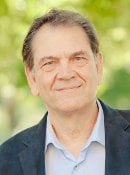
Alvin NG Theng Haw is an Adjunct Associate Professor at the Division of Information Technology and Operations Management, College of Business (Nanyang Business School), Nanyang Technological University (NTU). He combines over 20 years of global leadership experience in Sales and Product Management with academic roles, including serving as a Senior Career Fellow and executive coach for NTU’s Global Executive MBA and Full-Time MBA programmes. His work focuses on integrating Digital Transformation, Internet of Things (IoT), and Artificial Intelligence for Business into strategic frameworks. Research Interests : Alvin specializes in leveraging Digital Transformation and Advanced Technologies (IoT, AI) to drive business innovation. His publications in materials science demonstrate interdisciplinary applications of these technologies to fields like Soft Robotics, Self-Healing Materials, and Wearable Electronics. His expertise extends to Smart Cities, Sustainability Technology, and Industry 4.0, where he applies business strategies to technological challenges. Contributions : As a founding member of the World Economic Forum’s Digital ASEAN Skills Task Force, he advocates for digital literacy and skills development. His industry experience includes roles in networking, software, cloud platforms, and biorenewable materials, reflecting a bridge between business and engineering.
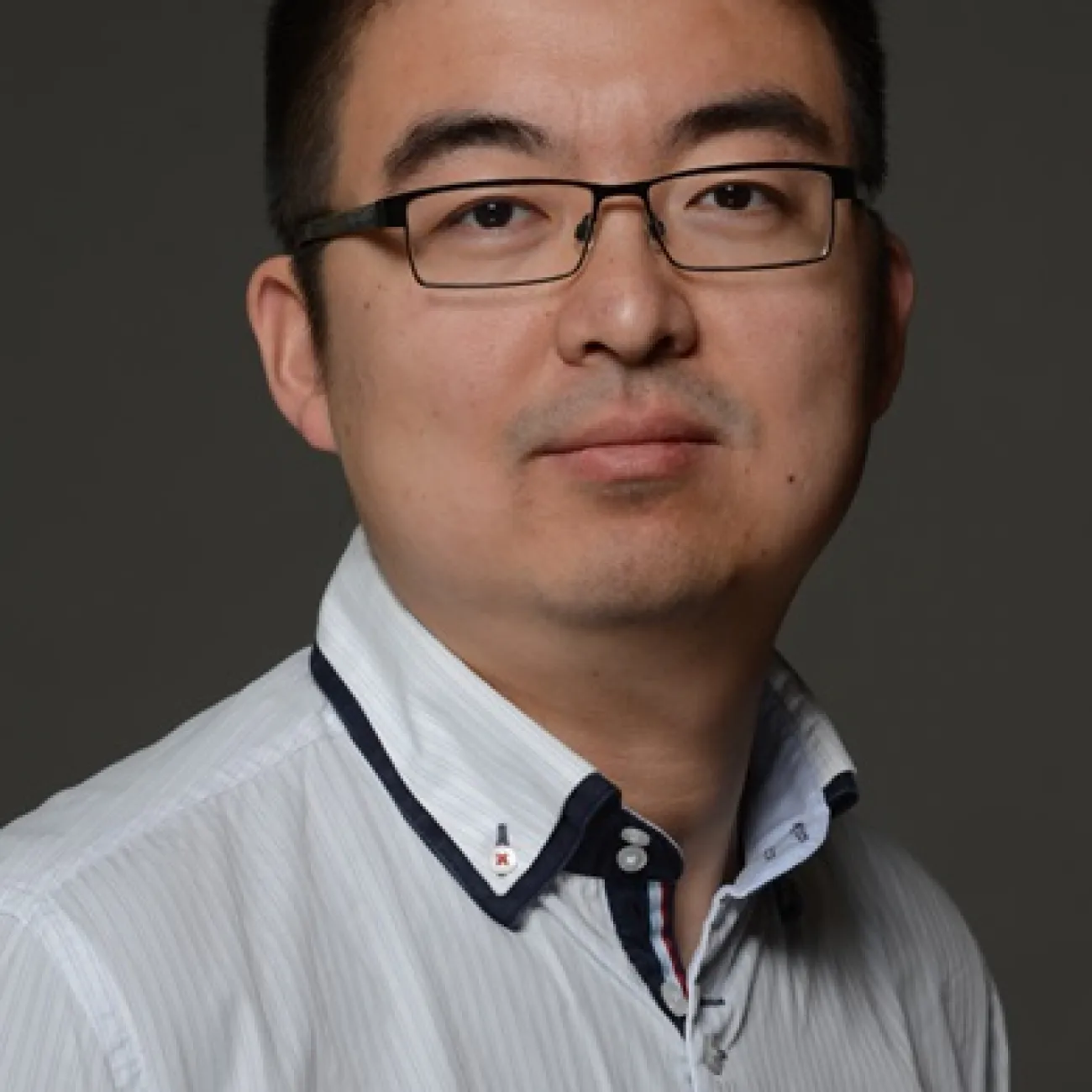
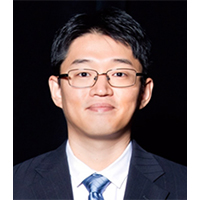
Dr. Xi Yu is a Lecturer in Chemical Engineering at the University of Southampton, affiliated with the Faculty of Engineering and the Environment. He holds a Bachelor's from Tianjin University and a Ph.D. from the University of Sheffield. His research focuses on low carbon fuels, granulation techniques, and computational fluid dynamics. He has supervised PhD students such as Jerin Jacob and is currently accepting new PhD applicants in these areas. Dr. Yu's educational background includes degrees in Chemical Engineering and prior academic roles at Aston University and the Energy and Bioproducts Research Institute (EBRI). His work spans bioenergy systems, particle technology, and multi-physics modeling. Key research projects include advancements in biomass gasification, biofuel production, and sustainable energy systems. His publications emphasize computational modeling, fluid dynamics, and biomass utilization. Recent articles explore topics like absorption chiller systems, fluidization validation, and bio-oil aging strategies. He contributes to teaching modules such as CHEG3000 and CHEG3004, reflecting his commitment to both research and education.
Jane Wang is a Professor in the Department of Food Science at the University of Arkansas , where she has served since 1999, progressing from Assistant to Full Professor. She also holds the title of Director of the Experiment Station in the Department of Food Science. Her research focuses on starch structure-functionality relationships , rice quality , and biomaterial utilization , with over 120 refereed publications and 5 patents. Education: B.S. in Agricultural Chemistry (1986) from National Taiwan University , M.S. in Food Science (1989) from the University of Minnesota , and Ph.D. in Food Science (1992) from Iowa State University . Postdoctoral research in starch chemistry at Iowa State University (1993-1994). Research Interests: Jane Wang's work explores starch chemistry, rice processing optimization, and value-added applications of agricultural byproducts. She investigates how starch modifications affect food and pharmaceutical properties, with a particular focus on parboiling, germination, and enzymatic treatments. Her research also examines the impact of environmental factors on rice starch development and quality. Scientific Awards: Outstanding Departmental Research Award (2008) Outstanding Volunteer, IFT Carbohydrate Division (2007) Outstanding Mentor, University of Arkansas (2005) Grants & Professional Service: She has secured over $3M in research funding, including USDA-NIFA grants and industry contracts with more than 50 food companies. Jane has served on numerous academic committees (Patent, Promotion & Tenure, Curriculum) and held leadership roles in professional organizations like IFT and AACC. She has also acted as associate editor for Cereal Chemistry and Carbohydrate Polymers , and reviewed for multiple journals and agencies. Labs & Teams: Dr. Wang leads the Carbohydrate Research Program at the University of Arkansas, focusing on starch structure-functionality, rice fortification, and biomaterial development. Her lab collaborates with industry partners and academic institutions to advance food science applications.
Anne Beaucamp McLoughlin serves as an Associate Professor at the School of Engineering, University of Limerick, where she leads pioneering research in sustainable materials engineering. Her work centers on lignin valorization for carbon fiber production and advanced composites, targeting environmentally conscious alternatives to petroleum-based materials across energy storage and structural applications. Her academic foundation includes a Bachelor's degree in Physique Fondamentale from Université Paris-Sud, a Master of Science in Biomedical Devices Materials, and a PhD. These qualifications underpin her expertise in translating fundamental material science into sustainable engineering solutions. Dr. McLoughlin's research fingerprint reveals dominant expertise in lignin (100%), carbon fiber (71%), and composite materials (35%), with significant contributions to nanoparticle engineering and polyurethane chemistry. Her work directly supports UN Sustainable Development Goals through innovations in circular material economies and low-impact industrial processes. Analysis of her 2023-2025 publications shows accelerating output focused on lignin-derived carbon nanofibers for supercapacitors, structural composites, and battery anodes. Key trends include life cycle analysis integration, thermomechanical optimization of biopolymer composites, and hybrid material development for energy applications. No scientific awards were documented in the available information. She actively mentors graduate researchers as indicated by her current acceptance of PhD students. Her collaborative network includes prominent researchers like M.N. Collins and M. Muddasar, with recent work demonstrating strong industry-academia partnerships in sustainable materials development.
Suresh Valiyaveettil is an Associate Professor in the Department of Chemistry at the National University of Singapore (NUS). He holds a Ph.D. from the University of Victoria and postdoctoral experience at the Max-Planck Institute Mainz and Cornell University. His research focuses on synthesizing and characterizing functional polymers, nanomaterials, and cellulose-based materials for environmental applications, including nanosafety, microplastic remediation, and sustainable material circularity. Key achievements include the Erudite Professorship from Kerala Government (2012) and NUS’s Outstanding Scientist Award (2008). He teaches CM4252 Polymer Chemistry 2 and CM5161 Advanced Chemical Laboratory Safety . His group investigates bio-inspired adhesives, nanoparticle toxicity, and renewable adsorbents for water purification, with notable contributions to understanding nanoplastics’ environmental and biological impacts. Research Highlights: Synthesized novel perylene dyes and functional polymers for 2D/3D architectures. Developed cellulose-based adsorbents for removing plastic nanoparticles from water. Explored nanoparticle interactions with biological systems, including human cells and marine larvae. He serves on editorial boards for Nanomaterials , MRS Communications , and Cancer Nanotechnology . Current projects emphasize sustainable waste conversion, eco-friendly water treatment solutions, and nanomaterial safety assessments.
Camilla Noe' is a Fixed-term Assistant Professor at the Department of Applied Science and Technology (DISAT) within the College of Chemical and Materials Engineering at Politecnico di Torino. Her academic appointment falls under the Scientific Disciplinary Sector IMAT-01/A - Materials Science and Technology (Area 0009 - Industrial and Information Engineering). Dr. Noe's research focuses on sustainable materials development with particular emphasis on biobased polymers and photopolymerization technologies. Her work spans multiple applications including environmental remediation, biomedical engineering, and advanced manufacturing. She leads research in developing biobased composites, polymeric coatings, hydrogels, and UV-curable materials derived from renewable resources. Her publication record demonstrates a clear trajectory toward greener materials solutions, with recent work focusing on photopolymerized hydrogels for water treatment, biobased coatings for corrosion prevention, and sustainable approaches to 3D printing. The research shows strong interdisciplinary connections between materials science, environmental engineering, and biomedical applications. Dr. Noe actively contributes to academic service through teaching and supervision. She serves as a PhD advisor for students working on advanced materials projects and participates in multiple teaching assignments across materials science and engineering programs. She is involved in significant research initiatives including the HORIZON 2020 MSCA-RISE-2020 SusWater Project (Grant Agreement n°: 101007578) and previously participated in the Biobased photocurable hydrogels project (Prot.9245/12.2) and a PhD exchange period in 2019. Her work aligns with UN Sustainable Development Goals 5 (Gender equality), 6 (Clean water and sanitation), and 12 (Responsible consumption and production).
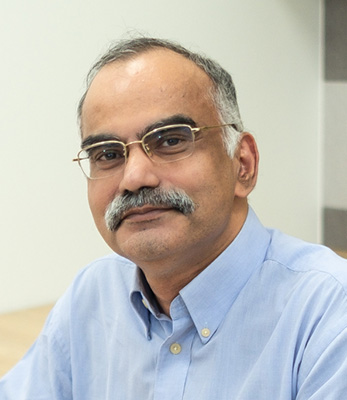
Rob Anex is a Professor at the University of Wisconsin-Madison, affiliated with the Biological Systems Engineering Department in the College of Agricultural and Life Sciences. He holds program affiliations in Energy Analysis & Policy and the Graduate Certificate in Environment & Resources. His research focuses on systems for producing energy, fuels, and biorenewable products, emphasizing life cycle assessment (LCA) and techno-economic analysis (TEA). Dr. Anex earned his B.S. (1981) and M.S. (1983) in Mechanical Engineering from the University of California, Davis, followed by a Ph.D. (1995) in Environmental Engineering from the same institution. His work integrates laboratory process development with large-scale system modeling to address food, water, and energy security challenges. Research Interests: Biorenewable chemicals and fuels production Nutrient recovery and cycling in biofuel systems Environmental impacts of biomass production Climate change mitigation via carbon capture and utilization Agrisolar co-location and land-use efficiency Key Awards: Federal Biomass Research & Development Technical Advisory Committee (2019–present) USDA Partnership Award for Multistate Efforts (2016) U.S. EPA Board of Scientific Counselors (2008–2009) Grants & Advising: Dr. Anex has led projects on biorefinery systems, sustainable agriculture, and carbon-negative materials. His advising focuses on interdisciplinary challenges in bioenergy and environmental engineering. He is affiliated with the Wisconsin Energy Institute and collaborates across engineering, agricultural, and environmental disciplines. Labs & Teams: Active in the Engineering Research Center for Biorenewable Chemicals (CBiRC) and the Wisconsin Energy Institute , advancing technologies for sustainable energy production and resource management.
Leonardo PUPPULIN is a Researcher at the Department of Molecular Sciences and Nanosystems, Ca' Foscari University of Venice. He specializes in Physical Chemistry, with a focus on nanoscale material characterization, biomaterials, and sustainable chemistry. His work includes advanced microscopy techniques such as high-speed atomic force microscopy (HS-AFM) to study biological systems, molecular dynamics, and material degradation mechanisms. He oversees laboratory safety and teaching activities, including courses in Physical Chemistry, Colloids and Interfaces, and Electron Microscopy techniques at both undergraduate and doctoral levels. Research interests span diverse areas: Dynamic imaging of proteins and channels (e.g., TRPV1, TMEM16F) using HS-AFM Development of protective silica-based coatings for cultural heritage artifacts Upcycling chitin into catalytic materials for green chemistry applications Biomedical materials analysis, particularly polyethylene and ceramic implants Optical properties of nanomaterials like NaBiF4 for photonics applications Teaching responsibilities include laboratory supervision and theoretical modules for Chemistry and Nanomaterials programs. He collaborates on interdisciplinary projects combining physical chemistry with biomedical and environmental applications. His 15 most recent articles (2023–2025) highlight advancements in HS-AFM imaging, nanomaterial synthesis, and biomaterial degradation studies, reflecting a strong emphasis on experimental techniques and interdisciplinary applications.
Dr. Ben Greatrex is a Senior Lecturer and Course Coordinator in Pharmacy at the School of Health , Faculty of Medicine and Health, University of New England (UNE), Australia. He is actively involved in teaching and research, with a focus on organic chemistry and pharmaceutical sciences. Position: Senior Lecturer, Course Coordinator (Pharmacy) Institution: University of New England School: School of Health Contact: ben.greatrex@une.edu.au | +61 2 6773 2402 Education: BSc (Hons), Chemistry – University of Adelaide PhD, Chemistry – University of Adelaide (2004) Ben's research interests lie at the intersection of synthetic organic chemistry and sustainable drug development. He specializes in the use of biomass-derived levoglucosenone as a chiral, renewable platform for synthesizing pharmaceuticals, chiral auxiliaries, and metal ligands. His work emphasizes green chemistry principles, leveraging carbohydrate chemistry and reaction methodology to develop efficient, stereoselective synthetic routes. He has made significant contributions to the functionalization of levoglucosenone and its application in synthesizing complex molecules like γ-butyrolactones and antiviral precursors. An analysis of his publications from 2013–2017 reveals a strong focus on sustainable synthetic methodologies using renewable feedstocks. Key themes include palladium-catalyzed cross-couplings , cyclopropanation reactions , chiral synthesis from sugars , and biorenewable platform chemicals . His work also extends into natural products chemistry, particularly the study of bioactive compounds in Australian Aboriginal medicinal plants such as Eremophila and Phebalium species, highlighting his interest in ethnopharmacology and antimicrobial discovery. Scientific Awards: No specific awards mentioned in the text. Ben has extensive experience in research supervision , having guided two PhD students and one MSc student to completion in the past five years, and currently supervises four PhD candidates. His lab is vibrant and offers opportunities for motivated students. He has been involved in competitive grant-funded projects and industry collaborations, including work with Johnson & Johnson. His teaching covers pharmaceutical science, medicinal chemistry, and analytical chemistry, with curriculum development in first- and second-year units. Labs and Research Environment: Dr. Greatrex leads an active research group at UNE focused on organic synthesis and green chemistry. His lab utilizes techniques in synthetic organic chemistry, NMR spectroscopy, and formulation science. Collaborations with carbohydrate chemists and natural products researchers enhance the interdisciplinary nature of his work.
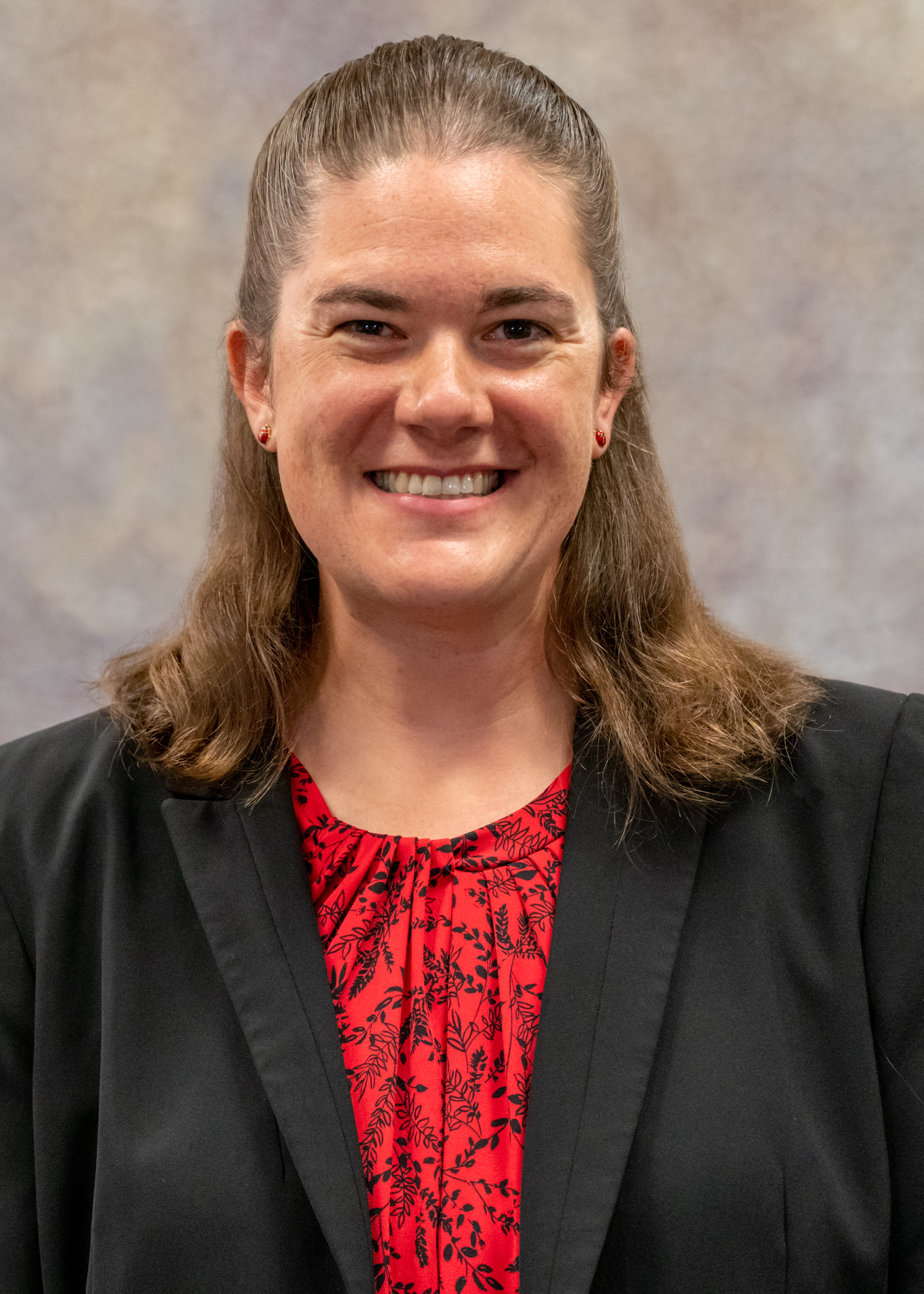
Dr. Catherine E. Brewer is an Associate Professor in the Department of Chemical & Materials Engineering at New Mexico State University's College of Engineering. Her expertise includes biofuels, biomass, energy, water resources, and biorenewable technologies. Education: Ph.D., Chemical Engineering and Biorenewable Resources & Technology, Iowa State University (2012) B.S., Chemistry, Indiana University of Pennsylvania (2007) Her research focuses on interdisciplinary approaches to energy sustainability, biofuel development, and water resource management. She is affiliated with the NuChemE Pipeline initiative, which aims to expand workforce capacity for managing radioactive tank waste through hands-on training and academic collaboration. Scientific Awards:
Dr. Ezra Bar-Ziv is a Professor in the Department of Mechanical and Aerospace Engineering at Michigan Technological University (Michigan Tech), where he has served since 2011. Previously, he held leadership roles at Ben-Gurion University, including Director of the Program for Projects in Industry, founder of the Program for High-Tech Retraining, and Chair of the Department of Biotechnology and Environmental Engineering. He also served as Associate Dean for Academic Development and Research at Ben-Gurion University’s College of Engineering Sciences. His expertise spans advanced energy systems, including municipal waste valorization, coal combustion, biomass torrefaction, and pollution reduction. Dr. Bar-Ziv earned his PhD in Chemical Physics from the Weizmann Institute of Science. His research focuses on optimizing energy systems, particularly through biomass conversion and coal-fired power plant efficiency. He has led initiatives such as the largest U.S. torrefaction facility for Portland General Electric and founded three start-up companies focused on waste valorization. His work addresses critical challenges in sustainable energy production and industrial waste utilization. Key research interests include torrefaction kinetics, coal combustion dynamics, and the development of biocoal as a renewable alternative to fossil fuels. His publications analyze biomass processing, coal boiler performance, and emissions reduction strategies. Dr. Bar-Ziv’s professional contributions extend to academic leadership and industry collaboration, reflecting his dual focus on innovation and practical application in energy systems.
Carina Loureiro da Costa Lira Gargalo is a PhD Researcher (Tenure Track) at the Department of Chemical and Biochemical Engineering at the Technical University of Denmark, affiliated with the PROSYS - Process and Systems Engineering Centre. She maintains an active research profile with 58 publications and involvement in multiple significant projects, including supervision of PhD students in cutting-edge research areas at the intersection of chemical engineering and artificial intelligence. Her research expertise spans several interconnected domains: Application of Artificial Intelligence and Large Language Models in Chemical Engineering Education Development of virtual educational bioprocess plants and simulators Biorefinery systems design and sustainable energy production Process systems engineering approaches to environmental impact assessment Digitalization of pilot plant operations Dr. Gargalo's recent publications (2024-2025) demonstrate a clear research trajectory toward integrating AI technologies into chemical engineering education. Her work focuses on developing educational tools that automate repetitive tasks, create virtual laboratories for bioprocess training, and use AI to enhance the learning of complex fermentation processes. This represents a significant contribution to the digital transformation of engineering education and aligns with UN Sustainable Development Goals related to quality education and sustainable industry. Her key research projects include: Mathematical modelling of fermentation processes (2023-2026) - as Supervisor Digitalisation of Pilot Plant Operations (2021-2025) - as Supervisor Development of a Virtual Educational Bioprocess Plant (2018-2022) - as Supervisor Sustainable design of biorefinery systems for biorenewables (2013-2017) - as PhD Student She actively supervises PhD students including M. Albino, F. Caccavale, and S. Caño de Las Heras, focusing on the integration of AI technologies with chemical engineering principles. Her research contributes significantly to multiple UN Sustainable Development Goals, particularly Quality Education (SDG 4), Industry Innovation (SDG 9), and Climate Action (SDG 13).
Melody Morris is an Assistant Professor in the Department of Polymer Science and Engineering at the University of Massachusetts Amherst . Her research focuses on developing sustainable macromolecular materials through automated and high-throughput methodologies combined with advanced physical characterization. She leads the Morris Research Group, which bridges polymer science, protein engineering, and automation to address challenges in material sustainability and functionality. Education: B.S. Chemical Engineering, California Institute of Technology (2013) Ph.D. Chemical Engineering, University of Delaware (2019) Research Interests: Her work emphasizes proteins as polymers, sustainable polymers, high-throughput tool development, polymer biodegradation, and self-assembled systems. She aims to create next-generation biomaterials, nanoreactors, and membranes by integrating protein and synthetic polymer systems. Recent projects include ion-conducting bio-based polymers, toxin-binding hydrogels, and canonicalizing BigSMILES notation for polymer informatics. Research Trends from Publications: A recurring theme in her articles is the optimization of materials via high-throughput screening, with a focus on functional polymers for energy storage (e.g., lithium-ion batteries), environmental applications, and smart responsive materials. Her work often combines computational modeling with experimental validation to predict and enhance material properties. Labs & Affiliations: Morris's lab is part of the Sylvio O. Conte National Center for Polymer Research , fostering interdisciplinary collaboration in polymer science. The group actively seeks students passionate about macromolecular engineering, automation, and sustainable materials design.
Chang Geun Yoo is an Associate Professor in the Department of Chemical Engineering at the State University of New York College of Environmental Science and Forestry (SUNY ESF) since April 2024, having previously served as an Assistant Professor from July 2018 to March 2024. His research focuses on developing sustainable technologies for biomass conversion, with particular emphasis on biological and thermochemical pathways to transform lignocellulosic biomass into valuable fuels, chemicals, and bio-based materials. He leads the ESF Biomass Engineering Laboratory (BEL), which investigates innovative approaches to lignocellulosic biorefinery processes and sustainable material applications. Ph.D. in Agricultural and Biosystems Engineering (Major), Biorenewable Resources and Technology (Minor), Iowa State University (2008-2012) M.S. in Chemical Engineering, Hanyang University, Seoul, Korea (2006-2008) B.S. in Chemical Engineering, Hanyang University, Seoul, Korea (1998-2006) Dr. Yoo's research centers on elucidating biomass and bio-product properties while developing advanced lignocellulosic biorefinery processes. His work spans thermochemical and biological conversion pathways, with particular focus on deep eutectic solvents for biomass processing, lignin valorization strategies, and innovative approaches for enhancing biomass digestibility. His laboratory investigates the fundamental mechanisms behind biomass recalcitrance and develops novel pretreatment methods to improve conversion efficiency. The research integrates experimental work with computational modeling to optimize biomass fractionation processes and maximize product yields from renewable resources. Dr. Yoo's recent publications reveal a strong focus on lignin valorization and biomass conversion technologies, with increasing integration of computational approaches to optimize processes. His work spans multiple dimensions including lignin-based polyurethane foams, deep eutectic solvent applications, catalytic processes for biomass conversion, and novel biorefinery approaches. There's growing emphasis on sustainability metrics, economic considerations, and practical implementation challenges in bio-based material development, reflecting the maturation of the field toward commercial applications. Dr. Yoo has received numerous prestigious awards recognizing his research excellence and teaching: SUNY Chancellor's Award for Excellence in Scholarship and Creative Activities (2025) ACS Energy & Fuels Rising Stars (2024) NSF CAREER Award (2023) ESF Exemplary Researcher (2023) ACS ENFL Early Career Investigator Spotlight (2023) ACS CNY Section Award (2021) Dr. Yoo actively mentors PhD students in Paper & Bioprocess Engineering and related fields, with current advisees including Nara Han, Seongsu Park, Jiae Ryu, and Chaehwi Yoon. His NSF CAREER Award (2023) supports innovative work in biomass conversion technologies, while his research group maintains strong collaborations with Oak Ridge National Laboratory, University of Wisconsin-Madison, and various industry partners to advance biorefinery concepts from laboratory to practical applications. His editorial roles with Advances in Industrial Engineering Chemistry, Frontiers in Chemical Engineering, and Applied Sciences demonstrate his leadership in the field. Dr. Yoo leads the ESF Biomass Engineering Laboratory (BEL), which maintains strong industry and national laboratory collaborations. His research group actively participates in outreach programs including the Water Research Spring Workshop and Sustainable Material Summer Workshop, engaging students and community members in sustainability research. The laboratory's work bridges fundamental science with practical applications, focusing on technologies that can transition from laboratory to commercial scale while maintaining environmental sustainability.
Julia Ginette Nicole Amici serves as Associate Professor at the Department of Applied Science and Technology (DISAT) of Polytechnic University of Turin, where she acts as Vice Coordinator of the Academic Board for the Ph.D. programme in Materials Science and Technology and contributes to the Interdepartmental Center Ec-L - Energy Center Lab. Her research focuses on next-generation electrochemical energy storage systems with emphasis on sustainable battery technologies for automotive and stationary applications. Research Interests Prof. Amici specializes in electrochemistry and materials engineering for advanced battery systems, particularly lithium-ion, lithium-sulfur, and lithium-air technologies. Her work pioneers novel electrolyte formulations—including gel polymer, composite, and solid-state variants—alongside cathode engineering to address critical challenges in safety, longevity, and environmental impact. Current projects integrate circular economy principles through biorenewable materials (e.g., wood flour, gelatin) while targeting European Green Deal objectives for decarbonization. Research Trends Recent publications reveal a strategic shift toward computational modeling of degradation mechanisms and sustainable material integration. Key trends include biopolymer-reinforced electrolytes for lithium-oxygen batteries, sulfide-based solid-state cell optimization, and cathode blending techniques for enhanced energy/power density. These efforts consistently address thermal runaway prevention, calendar aging prediction, and waste valorization—demonstrating alignment with global electromobility and grid-storage demands. Scientific Awards Abilitazione Scientifica Nazionale alle funzioni di professore universitario di Seconda Fascia nel Settore Concorsuale 03/B2 (2020) Abilitazione Scientifica Nazionale alle funzioni di professore universitario di Prima Fascia nel Settore Concorsuale 03/B2 (2023) Advising and Grants Prof. Amici supervises four doctoral candidates: Mattia Longo (in-situ crosslinked gel polymer electrolytes), Piera Di Prima (calendar/cycling aging in Li-ion cells), Matteo Gandolfo (self-healing ionogels), and Roberto Colombo (hybrid power-energy electrodes). She directs the €2M+ ADVAGEN Horizon Europe project on solid-state batteries for electromobility and previously led the H2020 SUBLIME initiative, with new TALISSMAN funding secured through 2029. Her grant portfolio exceeds €5M in competitive EU research funding. Laboratories and Teams She operates within DISAT's Electrochemistry group, utilizing specialized facilities including the Electrochemistry Testing Laboratory (for nail penetration tests and cycling validation) and Material Synthesis Lab. Her team contributes to European initiatives BATTERY2030+ and ETIP Batteries Europe, focusing on standardization and innovation roadmaps for next-generation storage systems.