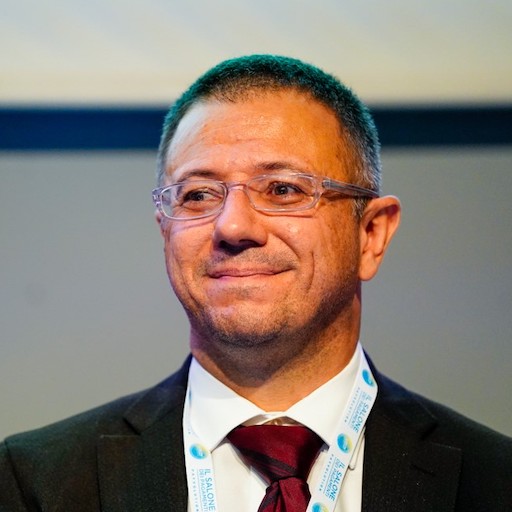
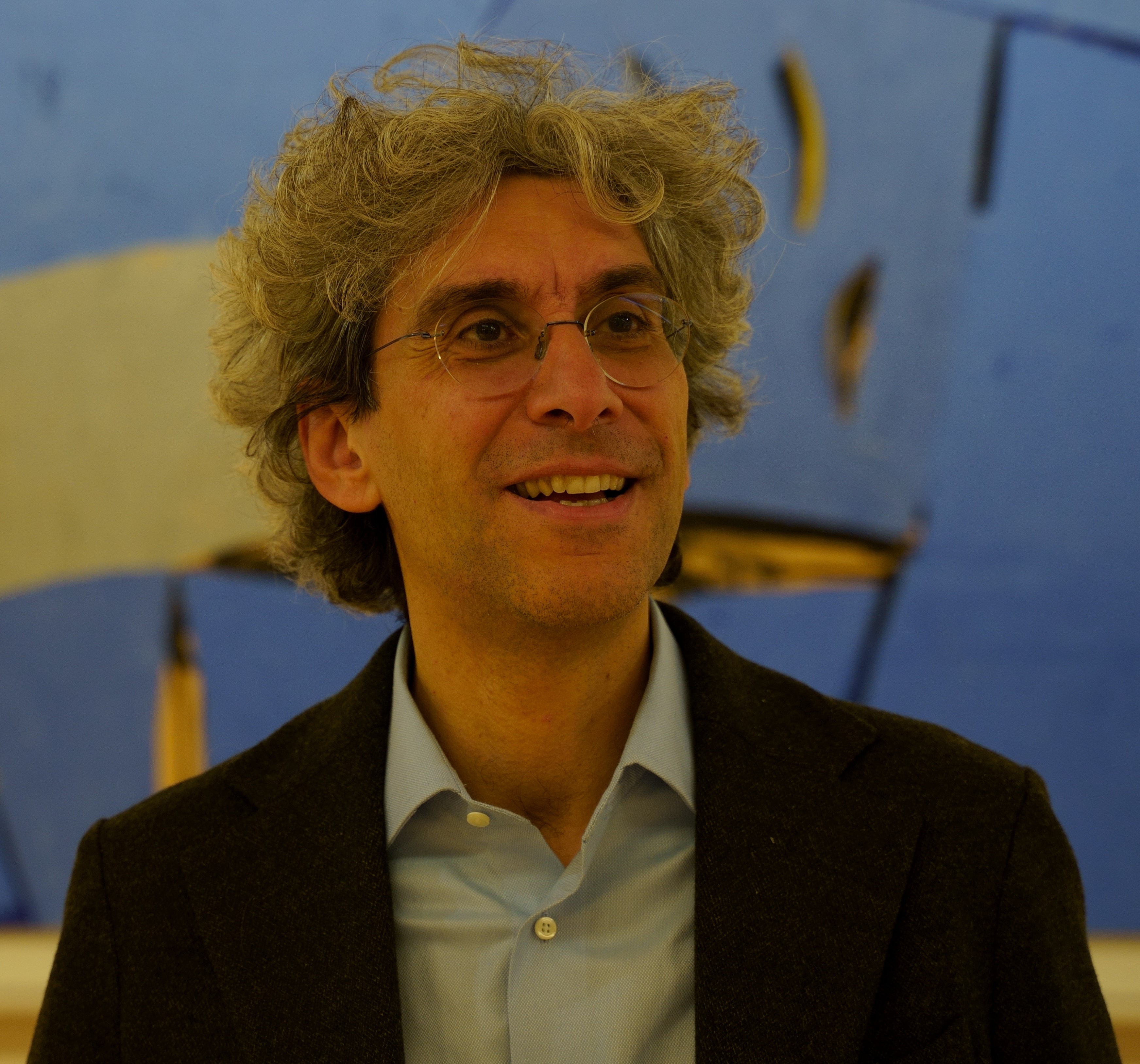
Patrizio Campisi is a Full Professor in the Section of Applied Electronics at the Department of Engineering, Roma TRE University, Rome, Italy. He leads cutting-edge research in digital signal and image processing with applications to secure multimedia communications and biometrics. He has held visiting positions at the University of Toronto, Beckman Institute (UIUC), and École Polytechnique de Nantes, and has been a Marie Curie Fellow (2010–2014). His educational background includes a Laurea (summa cum laude) in Electronic Engineering from Sapienza University of Rome and a Ph.D. in Electrical Engineering from Roma TRE University. His research focuses on secure biometric recognition (signature, keystroke, EEG, vein), digital watermarking, blind image deconvolution, HDR imaging, and privacy-preserving technologies. He has contributed significantly to template protection, multimodal biometrics, and forensic image analysis. His work bridges engineering, computer science, and security, with strong applications in mobile authentication, border control, and social media safety. The recent publications reflect a strong trend in biometrics, image forensics, and privacy-enhancing technologies, with a focus on real-world applications in mobile systems, healthcare, and law enforcement. Key themes include secure authentication, de-identification, and computational imaging. IEEE Second International Conference on Biometric Systems 2008 Best Student Paper Award IEEE Biometric Symposium 2007 Best Paper Award IEEE International Conference on Image Processing 2006 Best Student Paper Award Marie Curie Fellow (2010–2014) NATO-CNR Advanced Fellowship (2003) IEEE Senior Member Prof. Campisi has supervised numerous students and leads the BioMedia4n6 lab. He has secured major EU grants including H2020 projects AMBER, COSMOS, and ENCASE. His editorial leadership includes serving as Editor-in-Chief of IEEE Transactions on Information Forensics and Security (2018–2020) and Chair of the IEEE Information Forensics and Security Technical Committee (2017–2018). He is actively involved in research networks such as COST Actions on de-identification and biometrics-forensics integration, and has contributed to EU policy via the BEST Thematic Network on biometrics and fundamental rights. His lab, BioMedia4n6, focuses on biometrics, multimedia forensics, and privacy-aware systems.