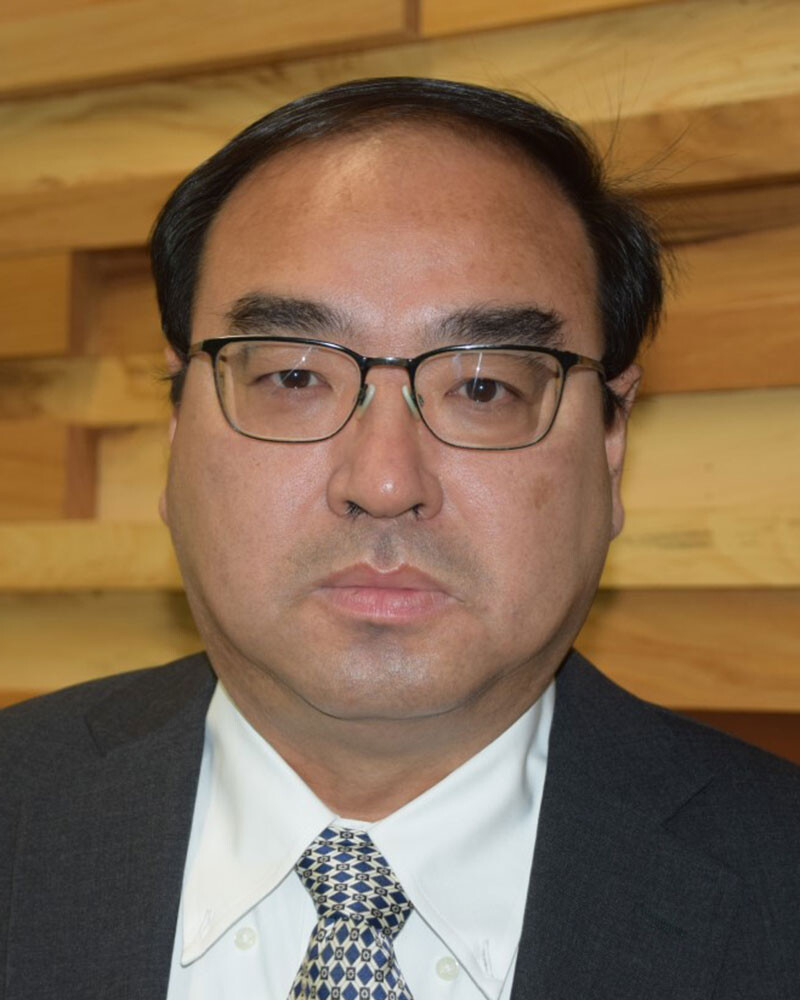
Nishchal K. Verma is a Professor at the Department of Electrical Engineering, Indian Institute of Technology Kanpur. He holds a PhD from IIT Delhi (2007), an M.Tech from IIT Roorkee (2003), and a B.Tech from DEI Agra (1996). His postdoctoral research includes work at the University of Tennessee (2009) and Louisiana Tech University (2008). Specialization: Fuzzy Logic, Health Monitoring, Intelligent Informatics Current Research Interests: Intelligent Data Mining, Computer Vision, Smart Grids, Biomedical Applications His research focuses on Fuzzy Systems , Machine Learning , and Health Monitoring with applications to power systems, biomedical data, and wireless sensor networks. He has developed technologies like the Transducers and Instrumentation Virtual Laboratory and Brain Computer Interface Laboratory , emphasizing predictive modeling and fault diagnosis. Key sponsored projects include DST-funded Fuzzy Rule-Based Image Prediction and DRDO-supported Visual Surveillance Systems . His work spans 15+ years of interdisciplinary publications in journals and conferences. Scientific Awards : Devendra Shukla Young Faculty Research Fellowship (2013-16) He has served as Associate Editor for journals and Chairman of IEEE chapters, with leadership roles in academic administration at IIT Kanpur.
Bo Hu is Professor of Biostatistics & Bioinformatics and Professor of Neurosurgery at Duke University, where he leads methodological and collaborative research at the intersection of biostatistics, bioinformatics, and clinical neurosciences. His dual appointments situate him within the Division of Biostatistics in the Department of Biostatistics & Bioinformatics and within the neurosurgical faculty. Education: Ph.D. in Biostatistics, University of Wisconsin–Madison, 2006 Research Interests: Professor Hu’s methodological work centers on advanced biostatistical and machine-learning techniques for high-dimensional biomedical data, including generative AI, synthetic data generation, and predictive analytics in medicine. Clinically, he collaborates on precision-medicine trials in oncology, neurodegeneration (Alzheimer’s disease), metabolic disease (type 2 diabetes and bariatric surgery), and treatment-resistant depression. His neuroimaging genetics portfolio explores structural brain endophenotypes in bipolar disorder and epilepsy using single-cell transcriptomic integration. Complementing his medical research, he maintains a vigorous program in remote-sensing informatics, developing deep-learning solutions for object detection, domain adaptation, and energy-infrastructure mapping from overhead imagery. Recent Grant Portfolio: Empagliflozin to Improve Right Ventricular Function in Pulmonary Arterial Hypertension – Cleveland Clinic Lerner College of Medicine (2025-2030) Gender and Asthma – Mayo Clinic Hospital-Arizona (2025-2027) Engaging Patients in Prenatal Genetic Testing Decisions – Cleveland Clinic Lerner College of Medicine (2025-2027) Laboratory & Collaborative Networks: Professor Hu leads interdisciplinary teams that bridge Duke’s Department of Biostatistics & Bioinformatics with clinical departments (Neurosurgery, Psychiatry, Medicine) and external partners such as Cleveland Clinic, Mayo Clinic, and multiple NIH consortia. These collaborations support large-scale clinical trials, multi-omics neuroimaging studies, and AI-driven remote-sensing analytics.
Bernardo Tellini is a Full Professor of Electrical and Electronic Measurements at the Department of Energy, Systems, Land, and Construction Engineering (DESTEC) at the University of Pisa, where he also serves as Vice-Rector for Doctoral Research. He has held this institutional role since 2020, overseeing doctoral program planning, accreditation, and admission procedures. Previously, he chaired the doctoral program in Energy, Electrical, and Thermal Engineering from 2012 to 2016 and served on the Leonardo da Vinci Doctoral School in Engineering from 2008 to 2016. Education: PhD in Electrical Engineering, University of Pisa (1999) Degree in Electrical Engineering, University of Pisa (1993) Postdoctoral research at Karlsruhe Research Center for Technology and Environment Industry experience at ABB Tellini's research focuses on electrical and magnetic measurement methodologies for high-power pulsed applications, characterization of electrical and magnetic properties of materials, aging processes in battery cells, and electromagnetic emissions from power circuits. His work spans from fundamental measurement theory to practical industrial applications, particularly in railway technologies where he represents the University on the Steering Committee of the District for Railway Technologies, High-Speed, and Network Safety in Tuscany. He has served as president of the European Pulsed Power Laboratories agreement and chaired major IEEE conferences including I2MTC 2015 and MELECON 2020. His recent publications reveal a strong emphasis on RFID-based localization systems , nanoparticle-enhanced optical sensors , and advanced battery characterization techniques . The research trajectory shows increasing integration of measurement science with emerging technologies like plasmonic sensing, microwire-based transducers, and smart systems for industrial monitoring. His team has developed innovative approaches for battery health monitoring under vibration stress, temperature sensing using magnetic materials, and precise localization methods using phase-based RFID systems. Professional Service: President of Italian Section of IEEE (2019-2021) Scientific director of Pisa research unit in Association of Electrical and Electronic Measurements (GMEE) Member of Certification Committee of Italcertifer SpA (since 2019) Representative on District for Railway Technologies Steering Committee (since 2013) Tellini has authored approximately 200 publications in international journals and conference proceedings. His leadership extends to academic governance through roles on the DESTEC Department Human Resources Committee and various university committees overseeing scientific qualifications and doctoral programs. His research bridges theoretical measurement principles with practical engineering solutions for energy systems, transportation infrastructure, and industrial monitoring applications.
Ingeborg Schmidt-Krey is an Associate Professor in the Department of Biology at Georgia Institute of Technology. Her research focuses on the structure and function of eukaryotic membrane proteins, which are critical drug targets in biomedical research. She utilizes electron crystallography, cryo-EM, and 2D crystallization techniques to advance structural studies of these proteins. Education: B.S. in Biochemistry from Mississippi State University (1991) Ph.D. in Biophysics and Structural Biology from Karolinska Institute (1999) Research Interests: Ingeborg Schmidt-Krey investigates eukaryotic membrane proteins, particularly their structural determination via electron crystallography. Her work includes developing screening methods for 2D crystallization and improving cryo-EM data collection. Recent articles highlight advancements in nanodisc-reconstitution, lipid-dependent oligomerization studies, and refined sample preparation techniques like the Peel-Blot method. Scientific Awards: German Research Foundation Young Investigator Class of 1969 Teaching Fellow EMBO/EMBL/CERN Women in Science Ambassador EMBO long-term fellow Her laboratory’s efforts are directed toward understanding the biophysics of membrane proteins and their role in diseases such as inflammation and cancer.
Paul F. Rottmann is an Assistant Professor in the Chemical and Materials Engineering department at the University of Kentucky 's Stanley and Karen Pigman College of Engineering. He specializes in advanced materials characterization to connect macroscopic properties with nanoscale mechanisms in metals and thin films. Ph.D. , Materials Science & Engineering, Johns Hopkins University (2017) M.S. , Materials Science & Engineering, Johns Hopkins University (2012) B.S. , Materials Science & Engineering, University of Kentucky (2010) His research focuses on additive manufacturing (e.g., Inconel 718, aluminum alloys) and high-temperature thin film alloys , emphasizing processing-microstructure-property relationships. Techniques include custom small-scale mechanical testing , in situ SEM with FemtoTools platforms, and UK Electron Microscopy Center equipment. Recent trends in his publications highlight additive manufacturing (geometric effects on properties, applied magnetic fields), thin film characterization (refractory alloys, oxidation behavior), and fundamental deformation mechanisms (twins in magnesium, dislocation pathways, porous carbon fibers). The Rottmann Research Group trains students in fabrication-to-characterization approaches. Current members include graduate students Alewi Damilola David, Md. Imran Noor, R. Nicholaus (Nic) Quammen, Ben R. Sampson, and T. Connor Varney, who completed their Ph.D.s in 2024.
Christine Campagne is a full professor at ENSAIT since 2010, affiliated with the Multifunctional Textiles and Processes Group. Her research activities focus on advanced textile functionalization and polymer surface modification techniques, with significant contributions to sustainable textile technologies and smart materials development. Professor Campagne's research interests span multiple cutting-edge areas of textile science. Her primary focus involves physical surface treatments using atmospheric plasma technology for textile functionalization, chemical surface treatments to impart antibacterial, hydrophilic, and hydrophobic properties to textiles, and 3D printing applications for textile innovation. She also specializes in surface nanostructuration for self-cleaning textiles, physico-chemical characterization of polymer surfaces, and processing of polymer nanocomposites including conductive and antibacterial multifilaments. Her work extends to the characterization and study of climatic ageing of textile materials, ensuring durability in various environmental conditions. Analysis of Professor Campagne's recent publications reveals a strong trend toward sustainable and multifunctional textile development. Her work increasingly focuses on bio-based solutions (like milk casein for antimicrobial textiles), eco-friendly processing techniques (plasma treatments replacing chemical mordants), and multi-functional applications where single textile systems provide multiple benefits (UV protection, water detection, chemical hazard protection). The research demonstrates growing integration of nanotechnology with traditional textile processes and increasing emphasis on circular economy principles in textile development. Professor Campagne serves as Principal Investigator or co-PI on several significant research projects including Autonotex, MA(T)TISSE, Phototex, Autotherme, Duratex, and MONI2TEX. Her teaching portfolio encompasses advanced topics in polymer science including physico-chemical properties of polymers , polymer functionalization , ageing mechanisms of polymers , biopolymers , and surface characterization of textile materials , reflecting her comprehensive expertise across both fundamental and applied aspects of textile science.
Vladan Koncar is a Full Professor and Research Supervisor at École Nationale Supérieure des Arts et Industries Textiles (ENSAIT), where he directs the GEMTEX laboratory and international relations. His research spans smart textiles, e-textiles, wearable sensors, and energy-harvesting systems, with applications in healthcare, military, and environmental monitoring. Research Interests: Koncar's work focuses on three primary themes: (1) Smart textile design for medical/safety applications; (2) Energy harvesting via textile NFC antennas and metamaterials; (3) Standardization of e-textile reliability and testing. His innovations include textile-based ECG monitors, airflow sensors, and photodynamic therapy fabrics. Projects & Grants: He coordinates major EU initiatives (e.g., ETEXWeld, MAPICC 3D) and industrial collaborations with Petit Bateau and @Health. Key projects involve developing instrumented textiles for healthcare, dynamic lighting systems, and filtration monitoring. Honors: Ordre des Palmes Académiques, Chevalier (French Prime Minister Award, 2019) IPC Golden Gnome & Rising Star Awards (2021-2022) Doctor Honoris Causa (Gheorghe Asachi University, 2010) Annual PEDR Award for PhD supervision since 1995 Labs & Teams: Leads the Human Centered Design Group at GEMTEX, specializing in textile-electronics integration. The lab focuses on structural health monitoring, smart composites, and washable e-textile systems.
Prof. Joris Pascal is a Lecturer in Life Science Technologies at the University of Applied Sciences and Arts Northwestern Switzerland (FHNW), affiliated with the School of Life Sciences and the Institute for Medical Engineering and Medical Informatics in Muttenz, Switzerland. He holds a Ph.D. in Microelectronics from the University of Strasbourg (2008), an M.S. in Electrical Engineering from Supélec (2005), and a B.S. in Electrical Engineering from the University of Strasbourg (2003). His professional experience includes roles as Senior Scientist and Scientist at ABB Switzerland Ltd. (2009–2015), and Research Assistant at the iCube laboratory (2005–2009). His research focuses on advanced biosignal processing, medical sensor systems, magnetic field sensing, and miniaturized diagnostic/therapeutic tools. Key projects include electromagnetic tracking systems for neurosurgery, magnetic safety assessment for MRI workers, and wearable sensor integration. He has 9 patents (5 granted, 4 pending) and extensive IEEE review involvement. Recent publications emphasize magnetic field cameras, MRI safety protocols, and nanoscale sensor technologies. His work bridges electrical engineering and biomedical applications, with contributions to medical robotics, portable NMR devices, and cardiac implant safety. Active in PhD committee roles and industry-academia collaborations, he leads projects at the intersection of sensor innovation and clinical needs.
Professor Deyu Li is a faculty member in the Department of Mechanical Engineering at Vanderbilt University's School of Engineering. His research focuses on advancing energy and biomedical technologies through the study of micro/nano-scale thermal and fluid phenomena, nanofabrication techniques, and computational simulations using molecular dynamics and Monte Carlo methods. He leads the Micro/Nanofluidics Lab (MNTFL), which develops novel devices for energy conversion and medical applications. Education background includes: Ph.D., Mechanical Engineering, University of California M.E., Thermal Science, Tsinghua University B.E., Engineering Thermophysics, University of Science & Technology of China His research interests span several key areas, with a strong emphasis on nanoscale thermal and fluid transport, nanomaterials engineering, and the development of advanced microfluidic platforms. He explores these topics through experimental and computational approaches, including molecular dynamics simulations and nanofabrication. Specific areas of focus include: Micro/Nano energy systems and their applications in sustainable technologies Optimization of thermoelectric materials via phonon engineering Design of lab-on-a-chip devices for biomedical research Electrochemical flow capacitors and their performance in energy storage Characterization of nanowire and nanotube thermal properties Development of biocompatible microfluidic platforms Recent publications (2021–2025) highlight innovations in nanoscale thermal and fluid transport, including breakthroughs in phonon-mediated heat conduction, advanced thermoelectric materials, and biomedical applications of microfluidics. His work addresses challenges in energy efficiency, material interface optimization, and scalable fabrication of nanodevices. No scientific awards are explicitly mentioned in the provided text. Professor Li's advising and grants narrative remains unspecified, as no formal advisees or grants are listed. His research activities are centered on the Micro/Nanoscale Thermal-Fluids Lab (MNTFL), which bridges fundamental physics with practical applications in renewable energy and healthcare.
Javier Gomez Fernandez is a researcher at the Nanobioengineering Group within the Institute for Bioengineering of Catalonia (IBEC), affiliated with the University of Barcelona. His work bridges nanotechnology and biomedical applications, focusing on advanced bioimaging and sensor development. Research Focus: Nanoscale bioelectrical characterization, smart nano-bio-devices, and molecular imaging Technological Impact: Development of low-power gas sensors and nanoscale membrane analysis tools His interdisciplinary approach contributes to fields like biomedical signal processing, biomaterials, and precision medicine. Recent projects highlight collaborations with clinical institutions and industrial partners to address challenges in muscular dystrophy and antimicrobial therapies. Key contributions include: 2020 IEEE Access paper on energy-efficient gas sensors 2010 PNAS study on nanoscale cell membrane characterization
Majid Taghavi is a Research Fellow at the Department of Bioengineering, Faculty of Engineering, Imperial College London. He leads the Soft Robotic Transducer Lab, focusing on developing advanced soft actuators for healthcare and robotics applications. Previously, he held a postdoctoral position at the University of Bristol’s SoftLab, where he pioneered artificial muscle technologies. He earned his PhD in BioRobotics from Scuola Superiore Sant'Anna with highest honors and an Italian Institute of Technology (IIT) scholarship. His research interests include soft robotics, materials engineering, and actuator design. Key projects involve creating monolithic soft robots with self-sensing, variable stiffness, and high contraction actuators. Recent work explores applications in wearable, implantable, and surgical robotics. Notable achievements include developing electric actuators with 98% contraction and human-muscle-equivalent power density. His articles highlight advancements in electrostatic actuators, dielectric elastomers, and biomimetic designs. Awards include the IIT scholarship and academic honors for doctoral work. He advises on open positions in his lab and collaborates across disciplines. His labs (Soft Robotic Transducers Lab and Robotics Forum) drive innovations in soft robotics systems and transducers.
Prof. Kwang W. Oh is a Professor and Director of Graduate Studies in the Department of Electrical Engineering at the University at Buffalo (SUNY), with an adjunct appointment in the Department of Biomedical Engineering. He directs the Sensors and MicroActuators Learning Lab (SMALL), focusing on biomedical microfluidic devices, sensors, and actuators for applications in medical diagnostics and biological research. His educational background includes: PhD in Electrical and Computer Engineering from the University of Cincinnati (2001) MS in Electrical and Computer Engineering from the University of Cincinnati (1997) BS in Physics with summa cum laude from Chonbuk National University, Korea (1994) Prof. Oh's research centers on microfluidics and BioMEMS (Bio Micro Electro Mechanical Systems), with specializations in LOC (lab-on-a-chip), MicroTAS (Micro Total Analysis Systems), and SANS (Sample-to-Answer Nano/microfluidic Systems). His work develops practical microfluidic devices for medical diagnostics, including point-of-care blood testing, single cell manipulation, and nanobiosensors. His lab has pioneered innovative approaches like the "pysanky" wax-based technique for rapid prototyping of microfluidic devices and vacuum-driven micropumps for plasma separation from finger-prick blood samples. His recent publications reveal a strong trend toward practical medical applications of microfluidics, particularly in photoacoustic imaging test phantoms, point-of-care diagnostics, and nanoparticle synthesis for viral treatment. His research bridges engineering with clinical needs, focusing on making laboratory functions portable and accessible through microfluidic integration. Among his notable awards: The SUNY Chancellor's Award for Excellence in Teaching (2020) President Emeritus and Mrs. Meyerson Award for Distinguished Undergraduate Teaching and Mentoring (2019) Qualcomm Faculty Award (2019) Senior Teacher of the Year Award, SEAS, UB (2017) Emerging Investigators 2012, Lab Chip, Royal Society of Chemistry (2013) Honor of CEO, Samsung Electronics for development of a micro PCR system (2003) Prof. Oh has advised numerous graduate students including Dr. Anyang Wang, Dr. Nikhila Nyayapathi, and Dr. Domin Koh, who have gone on to successful careers in academia and industry. His research has been supported by significant grants, including a Qualcomm Faculty Award in 2019, which recognizes research that "inspires students and sparks new approaches in key technology areas." He actively participates in professional service as an editorial board member for several journals including Sensors and Micromachines. He directs the Sensors and MicroActuators Learning Lab (SMALL), which houses state-of-the-art facilities for microfluidic device fabrication and testing. The lab focuses on developing practical microfluidic solutions for medical diagnostics, with recent projects including test phantoms for photoacoustic imaging, vacuum-driven micropumps for point-of-care blood separation, and microfluidic devices for nanoparticle synthesis targeting viral treatments. The lab fosters interdisciplinary collaboration between engineering, medicine, and life sciences to translate microfluidic innovations into real-world medical applications.
Haipeng Liu is an Assistant Professor in the Centre for Intelligent Healthcare at Coventry University. His research focuses on cardiovascular system modeling, biosignal processing, wearable nanosensors, and AI-driven diagnostics. He has supervised over 100 research outputs and holds editorial roles in journals like Frontiers in Physiology and Electronics . His work bridges clinical needs with technological innovation, particularly in healthcare technology and cardiovascular diagnostics. Research Interests: Computational modeling of cardiovascular systems, AI-enhanced diagnostics, wearable sensors, and medical imaging. Key Awards: British Heart Foundation Travel Award (2019), First Prize in National Mathematics Competition (2011). Collaborations: Active in global research networks, including the World Stroke Organization. His recent work emphasizes machine learning applications in cardiology and stroke diagnostics, with publications in Physics of Fluids , European Journal of Radiology , and Frontiers in Genetics . He is a sought-after advisor for PhD students exploring healthcare technology.
Professor Dinesh Kumar is a faculty member in the School of Engineering at RMIT University, specializing in Biomedical Engineering and Artificial Intelligence. He holds the role of Chair of the IEEE Biosignals and Biorobotics Conference since 2009, demonstrating leadership in interdisciplinary research. His research focuses on biomedical signal processing, medical imaging, and AI-driven diagnostics, with applications in neurology, cardiology, and telemedicine. Professor Kumar oversees projects addressing challenges like Parkinson’s disease diagnosis, cardiac arrhythmia classification, and wound assessment using advanced computational methods. His work bridges clinical and engineering domains, emphasizing practical solutions for healthcare challenges. Recent contributions include developing algorithms for ECG analysis, facial expression recognition for neurological disorders, and chatbot-based vocal screening systems. Despite no explicit mention of awards, his extensive publication record and conference leadership highlight significant scholarly impact. Professor Kumar collaborates with industry and academic partners to advance technologies such as thermal imaging for ulcers, deep learning for medical image segmentation, and wearable sensors for gait analysis. His research often involves interdisciplinary teams, reflecting a commitment to translating technical innovations into real-world healthcare tools.
George Shaker is an Adjunct Associate Professor in the Department of Electrical and Computer Engineering at the University of Waterloo, Canada, and Lab Director of the Wireless Sensors and Devices Laboratory at the Schlegel-UW Research Institute for Aging. He is also Chief Scientist at Spark Technology Labs. His research focuses on wireless sensor technologies for healthcare, autonomous systems, and IoT. He earned his bachelor's from Cairo University and master's/PhD from the University of Waterloo. Education: Bachelor’s degree, Cairo University, Egypt Master’s degree, University of Waterloo, Canada PhD, University of Waterloo, Canada Research Interests: Dr. Shaker’s work spans advanced wireless sensor systems for healthcare monitoring, UAVs, and automotive applications. His lab developed the MIRADA initiative for aging populations and pioneered radar-based non-invasive glucose monitoring. Key areas include mm-wave radar, antenna design, bioelectromagnetics, and machine learning integration. He has co-authored over 200 publications and holds 35+ patents, collaborating with companies like Google, Apple, and Toyota. Recent Article Trends: His 2025 work emphasizes AI-driven radar systems for activity recognition, bio-sensing metasurfaces, and UAV classification using digital twins. Projects include 4D radar imaging, low-cost milk quality monitoring, and smart furniture for cardiac health. Awards: IEEE AP-S Best Paper Award IEEE MTT-S Graduate Fellowship arXiv Top Downloaded Medical Article URSI Young Scientist Award Multiple student awards (see full list above) Advising & Grants: He advises graduate students in ECE and has led projects funded by NSERC and industry partners. His students have won Velocity Fund, NASA Tech Briefs, and Canadian Space Agency awards. Collaborates with over 40 companies including Amazon, Microsoft, and Medella Health. Labs & Initiatives: Leads the Wireless Sensors & Devices Lab and co-founded MIRADA, a smart apartment for aging healthcare. Active in Spark Labs for wireless innovation.