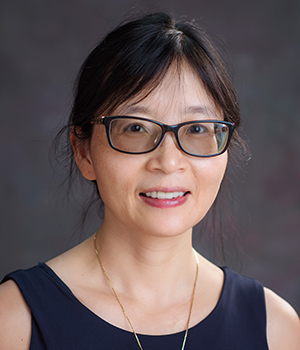
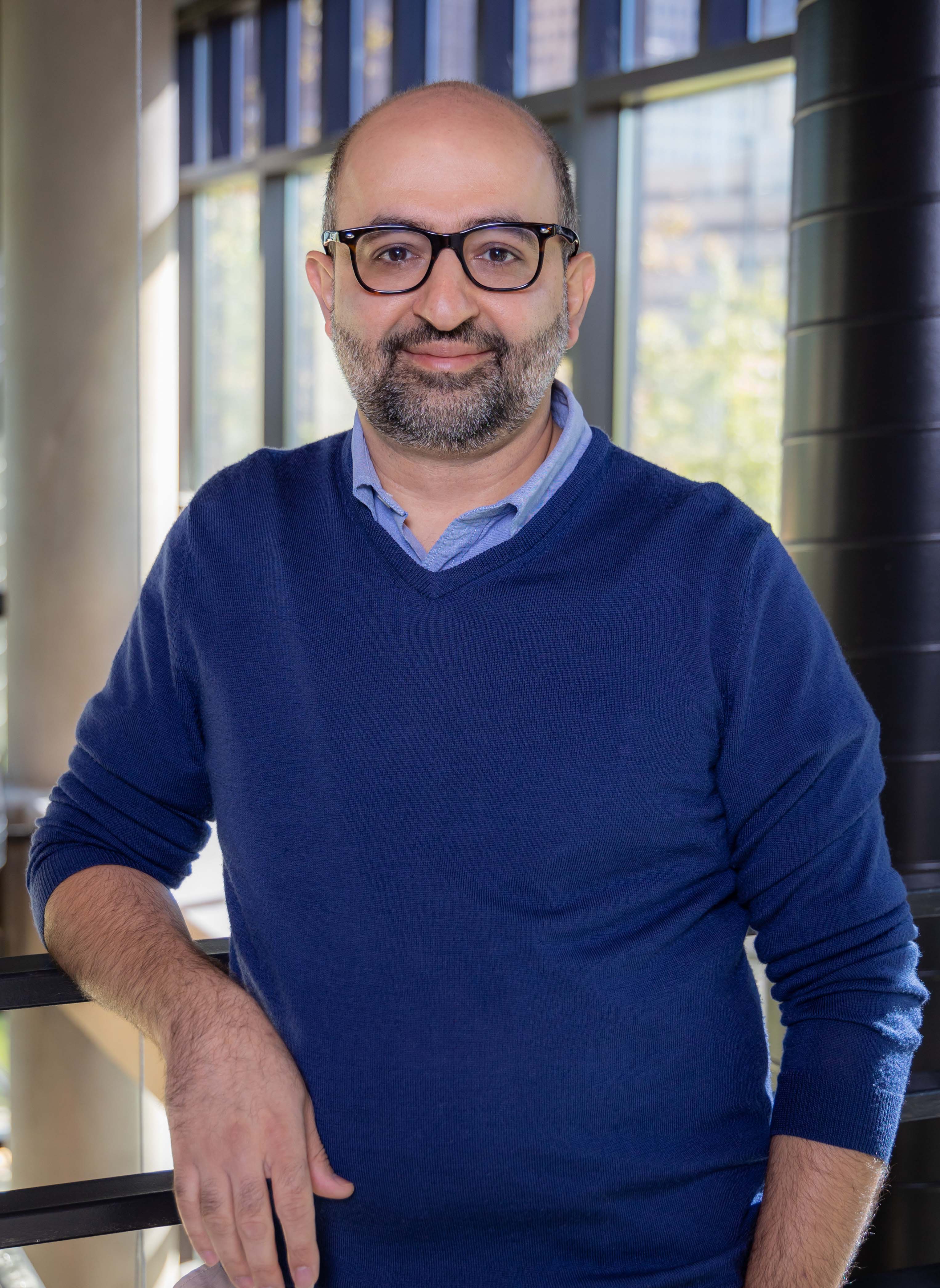
Tianxi Cai, ScD, holds the John Rock Professorship in Population and Translational Data Sciences at the Harvard T.H. Chan School of Public Health and is a Professor of Biomedical Informatics at Harvard Medical School. She directs the Translational Data Science Center for a Learning Health System (CELEHS). Her work bridges clinical and basic science data to advance personalized medicine and disease understanding. Institution: Harvard University Departments: Biostatistics (T.H. Chan School) and Biomedical Informatics (HMS) Key Roles: Faculty member since 2002, NIH-funded researcher, and leader in EHR data analytics Research focuses on biomarker evaluation, predictive modeling, high-dimensional data analysis, and survival analysis. Collaborates with the I2B2 Center to integrate clinical and genomic data. Active in developing semi-supervised learning methods for noisy EHR data and real-world evidence generation. Funding : Recent grants include NIH projects on rheumatoid arthritis treatment response (R01AR080193, R21AR078339) and semi-supervised EHR denoising (R01LM013614). Co-leads initiatives on chronic disease endpoints using multi-source data (U01FD007929). Labs/Teams : Directs CELEHS and leads the Cai Lab, focusing on translational data science and machine learning applications in healthcare.
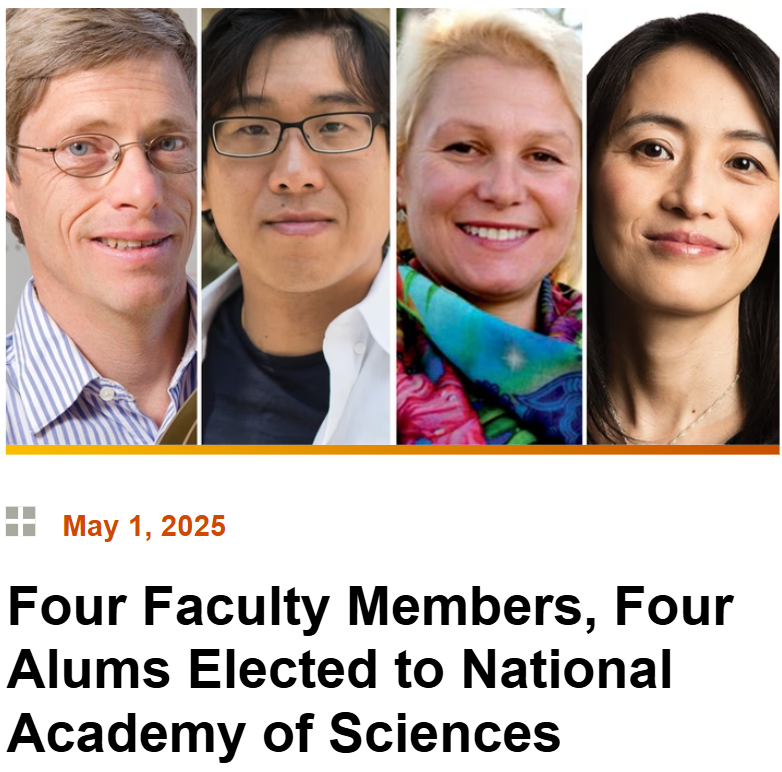
Julia R. Greer serves as the Ruben F. and Donna Mettler Professor of Materials Science, Mechanics and Medical Engineering at the California Institute of Technology (Caltech), where she also holds the position of Executive Officer for Applied Physics and Materials Science since 2025. She earned her B.S. from MIT (1997) and M.S./Ph.D. from Stanford University (2000/2005), joining Caltech as Assistant Professor in 2007, promoted to Professor in 2013, and appointed to her current named professorship in 2019. Her research spans mechanics of hierarchical architectures , nanomaterials , and additive manufacturing , with significant contributions to energy storage systems and biomedical materials . Key focus areas include nano-scale mechanical properties, in-situ deformation analysis, and development of novel fabrication techniques for micro-architected materials. Her group pioneered hydrogel infusion additive manufacturing for metals and multiphoton 3D lithography standards. Analysis of recent publications reveals strong emphasis on solid-state battery interfaces (2025), bioresorbable microrobots (2024), and AI-enabled material design (2024), demonstrating cross-disciplinary impact across energy, healthcare, and quantum technologies. Her work consistently bridges fundamental nanomechanics with practical applications in energy storage and medical devices. 2024 ASME Nadai Medal 2024 SES A.C. Eringen Medal Elected to National Academy of Sciences (2025) Fletcher Jones Foundation Director (2019-2025) Professor Greer has advised over 40 PhD students including Seola Lee (2025) and Wenxin Zhang (2025), with research funded by collaborations spanning MIT, UCSF, Purdue, and ETH Zurich. Her group maintains active projects in lightweight nanoarchitected materials for impact absorption, electroactive polymers for braille devices, and 3D interdigitated solid-state batteries. Current leadership includes Editor-in-Chief of the Journal of Applied Physics (2024-) and direction of Caltech's Materials Science department.
Huining Li is an Assistant Professor in the Department of Computer Science at North Carolina State University . Her research focuses on Internet of Things (IoT) , cybersecurity , and mobile computing , with a specialized emphasis on mobile health (mHealth) technologies. Education: Ph.D. in Computer Science and Engineering from University at Buffalo (2024). Her work addresses privacy-preserving sensing mechanisms , biomarker measurement , and fairness in dynamic mobile environments , developing systems for chronic wound care, Parkinson’s disease management, and mental health therapy. Recent publications highlight innovations in mmWave biometrics , machine learning for health diagnostics , and non-contact monitoring . Scientific Awards: Best Paper Awards (SenSys 2019, BodyNet 2021, ICHI 2022) Best Paper Candidate (SenSys 2022) Harold O. Wolf Achievement Award (2024) EECS Rising Star (2023) NIH mHealth Training Institute Scholar (2025) She teaches courses in Mobile Health Systems and Applications and Computer Networks , and actively serves on NSF panels , TPC committees (ACM MobiSys, IEEE-EMBS BSN), and as Associate Editor for journals like Elsevier Smart Health.
Shiyu Su is an Assistant Professor in the Department of Electrical and Computer Engineering at the University of Waterloo. His research focuses on high-speed data converters, wireless transceivers, digital phase-locked loops (PLL), and AI-assisted analog/mixed-signal design automation. He holds a Ph.D. from the University of Southern California (2019) and teaches courses such as ECE 340 (Electronic Circuits 2) and ECE 432 (Radio Frequency Integrated Devices and Circuits). Education: B.S. from Beijing University of Post and Telecommunication (China) and Queen Mary, University of London (UK), 2011; M.S. and Ph.D. from USC, 2013 and 2019, all in electrical engineering. Research Interests: High-speed ADCs/DACs RF/mm-wave transceivers Time-approximation filters (TAF) Analog/mixed-signal design automation Memristor-based computing Biomedical interfaces Key Awards: IEEE SSCS Predoctoral Achievement Award (2017–2018) Best Student Paper Award at IEEE RFIC (2022) Ming Hsieh Institute Scholar (2019–2020) Lab Focus: The Shiyu Su Lab develops integrated circuits for communications, sensing, and computing, with a focus on AI-driven methodologies and digital-analog co-design. Collaborations include work with Prof. Wei Wu (USC) on memristor-based systems.
Edoardo Charbon is a Full Professor at École Polytechnique Fédérale de Lausanne (EPFL) in the School of Engineering, where he leads the Advanced Quantum Architecture Lab (AQUA). He also serves on the School Council STI and is Co-Director of STI-SSIQ Administration. Previously, he was a full professor and chair at Delft University of Technology from 2008 to 2016. Charbon received his Elektrotechnik Diploma from ETH Zurich, M.S. from UC San Diego, and Ph.D. from UC Berkeley, all in electrical engineering. His career spans industry experience at Cadence Design Systems and Canesta Inc. before joining EPFL in 2002. His research focuses on ultra high-speed and 3D optical sensors, with applications in LiDAR, FLIM (Fluorescence Lifetime Imaging Microscopy), PET (Positron Emission Tomography), FCS (Fluorescence Correlation Spectroscopy), and NIROT (Near-Infrared Optical Tomography). He has pioneered deep-submicron CMOS SPAD technology, which is now mass-produced and used in smartphones, telemeters, and medical diagnostics. His recent work bridges cryo-CMOS circuits for quantum computing with advanced optical sensing techniques. Analysis of his recent publications reveals a strong trend toward integrating quantum technologies with practical imaging applications. His work spans from fundamental device development (SPAD sensors, cryo-CMOS circuits) to applied systems (LiDAR engines, medical imaging devices), with increasing integration of machine learning techniques for real-time processing. 2023 IISS Pioneering Achievement Award Fellow of the IEEE Distinguished visiting scholar, W. M. Keck Institute for Space at Caltech Fellow, Kavli Institute of Nanoscience Delft Distinguished lecturer, IEEE Photonics Society Professor Charbon has authored or co-authored over 500 papers and two books, and holds 27 patents. His research has been supported by collaborations with organizations including Bosch, X-Fab, Texas Instruments, Maxim, Sony, Agilent, and the Carlyle Group. He has driven significant innovation in CMOS SPAD technology, which is now commercially deployed in various applications. He leads the Advanced Quantum Architecture Lab (AQUA) at EPFL, which focuses on the development of advanced sensor systems combining quantum technologies with conventional electronics. The lab has been instrumental in creating SPAD-based imaging systems that push the boundaries of time-resolved optical detection.
Manoj Sachdev is a Professor in the Department of Electrical and Computer Engineering at the University of Waterloo, Faculty of Engineering. His research focuses on semiconductor devices, low-power electronics, and secure hardware systems. He leads projects in flexible electronics, nanotechnology, and radiation-hardened circuits, with applications in displays, memory technologies, and biomedical sensors. His work integrates advanced materials science with circuit design to address challenges in energy efficiency and security. Education: Not explicitly stated in provided text. Research interests span thin-film transistors (TFTs), resistive switching memories, neuromorphic computing, and physically unclonable functions (PUFs). Recent efforts include developing low-power circuits for flexible substrates and secure microprocessors. His contributions to semiconductor device physics and integration techniques have advanced applications in wearable electronics and medical diagnostics. Publications highlight innovations in low-power flip-flops, energy-efficient display drivers, and memristor-based systems. He collaborates on interdisciplinary projects combining photonics, nanoelectronics, and biomedical engineering. Awards: None explicitly listed in provided text. Grants and advising: Advises on semiconductor fabrication, secure hardware design, and radiation effects in electronics. Leads research groups focused on next-generation memory technologies and flexible integrated systems. Labs/Teams: Active in the University of Waterloo's semiconductor and flexible electronics research clusters, contributing to both academic and industry partnerships.
Rong Zheng is a Professor in the Department of Computing and Software and a member of the School of Biomedical Engineering at McMaster University, Canada. She holds a Tier-1 Canada Research Chair in Mobile Computing and serves as Acting Chair of the Computing and Software department from July to December 2025. She is also an Associate Member of the Electrical & Computer Engineering department. Education: Ph.D. in Computer Science, University of Illinois, Urbana-Champaign, USA Master of Engineering (thesis) in Electrical Engineering, Tsinghua University, Beijing, China Bachelor of Engineering in Electrical Engineering, Tsinghua University, Beijing, China Dr. Zheng's research lies at the intersection of mobile computing, wireless networking, and machine learning, with a strong focus on applications for aging populations. She directs the NSERC Smart Mobility for the Aging Population CREATE program. Her work encompasses sensor development, wireless network design, and mobile data analytics to address real-world challenges in healthcare, mobility, and data center monitoring. She has developed innovative solutions like the MacQuest campus navigation app and has captured first prize in indoor localization competitions. Her recent publications demonstrate a clear trajectory toward applying wireless sensing technologies (particularly acoustic, Wi-Fi, and mmWave) to health monitoring and mobility assessment for older adults. There's a strong emphasis on developing efficient edge computing solutions that can process data in real-time on resource-constrained devices, as exemplified by her TeamNet framework for collaborative inference on the edge. Her work bridges theoretical advances with practical applications that have social impact. Scientific Awards: Tier-1 Canada Research Chair in Mobile Computing US National Science Foundation CAREER Award (2006) Joseph Ip Distinguished Engineering Fellow (2015-2018) Dr. Zheng leads the Wireless System Research Group (WiSeR) at McMaster University, which has secured significant funding including a $1.65M NSERC CREATE grant for smart mobility research for older adults. Her research has been supported by multiple funding agencies including NSERC, NSF, UH GEAR, and DURIP. She actively mentors graduate students and has developed specialized courses including CAS 772 (Mobile Data Analytics) and CAS 781 (Mobility in the Aging Population). The WiSeR group conducts impactful research on communication, networking, and data analytics issues in Cyber Physical Systems, with applications spanning healthcare, smart infrastructure, and data center monitoring. Their work on data center infrastructure monitoring networks has been featured in EurekAlert and Data Center Dynamics, and they've made significant contributions to indoor localization technology.
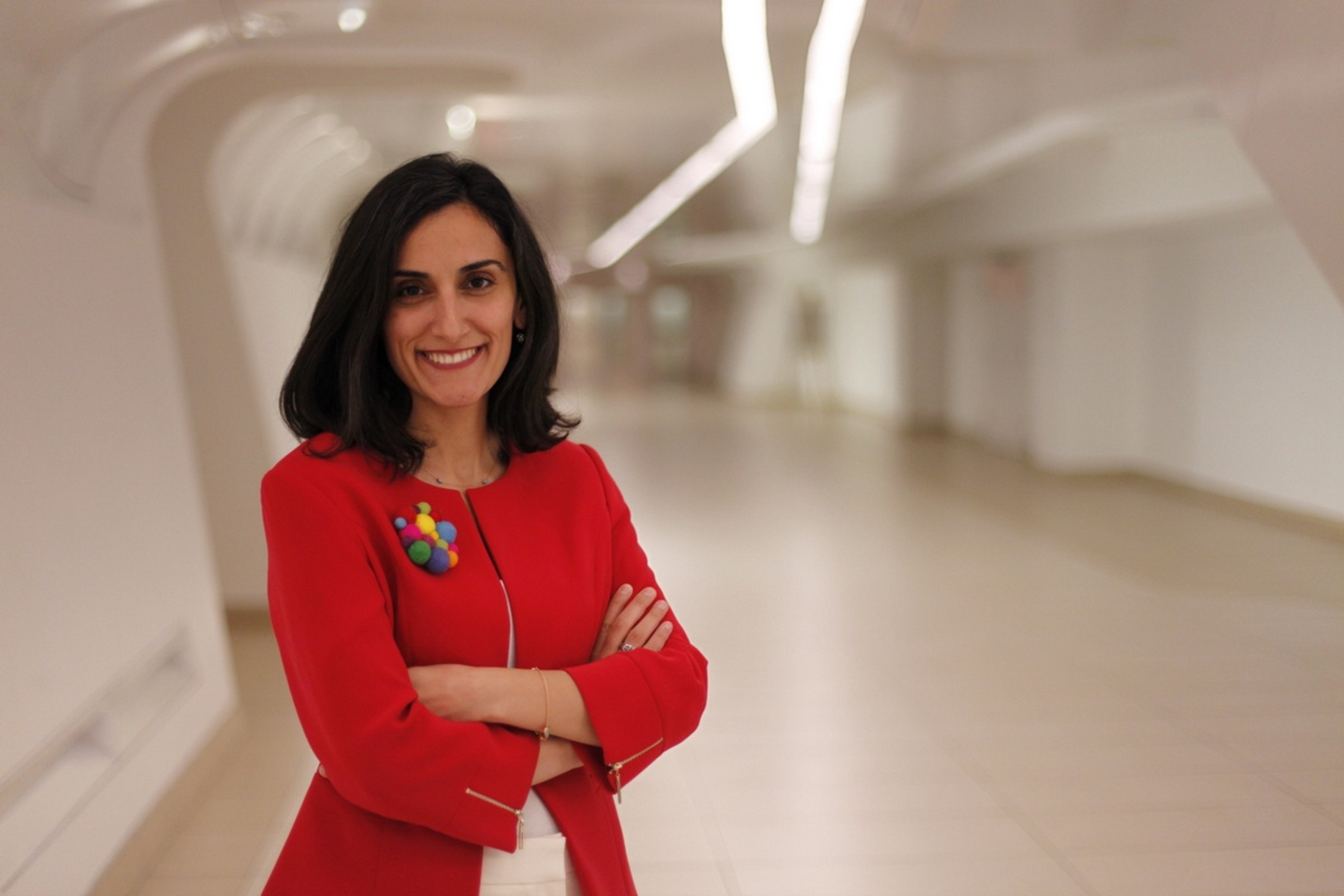
Dr. Canan Dagdeviren is an Associate Professor and LG Career Development Professor of Media Arts and Sciences at the Massachusetts Institute of Technology, where she directs the Conformable Decoders research group at the MIT Media Lab. She joined the MIT faculty in January 2017 and has established herself as a leading innovator in conformable biomedical devices. Education: Ph.D. in Materials Science and Engineering, University of Illinois at Urbana-Champaign M.Sc. in Materials Science and Engineering, Sabanci University, Istanbul, Turkey B.Sc. in Physics Engineering, Hacettepe University, Ankara, Turkey Dr. Dagdeviren's research focuses on creating mechanically adaptive electromechanical systems that can intimately integrate with biological surfaces for sensing, actuation, and energy harvesting. She believes vital information from nature and the human body is 'coded' in various physical patterns, and her work develops 'conformable decoders' to translate these patterns into beneficial signals and energy. Her research spans wearable and implantable medical devices, with particular emphasis on piezoelectric systems that can be twisted, folded, stretched, wrapped, and implanted onto curvilinear surfaces of the human body without damage or significant alteration in performance. Analysis of her recent publications reveals a strong focus on medical applications of conformable electronics, particularly in ultrasound technology for breast cancer detection, deep brain stimulation, and bladder monitoring. Her work consistently bridges materials science, electrical engineering, and medical applications, with increasing emphasis on practical healthcare solutions that can be deployed outside clinical settings. Major Scientific Awards: NSF CAREER Award (2021) 3M Non-Tenured Faculty Award (2021) MIT Technology Review's Top 35 Innovators Under 35 (2015) Forbes' Top 30 Under 30 in Science (2015) National Academy of Engineering US Frontiers of Engineering Symposium participant (2019) Frank E. Perkins Award for Excellence in Graduate Advising Aziz Sancar Science Award Dr. Dagdeviren actively mentors graduate students and has received recognition for her advising excellence. Her research is supported by significant grants including the NSF CAREER award and has resulted in numerous patents and commercialization opportunities. She has developed innovative cleanroom-based courses at MIT that train students in microfabrication techniques for biomedical devices. The Conformable Decoders research group operates a specialized cleanroom facility at the MIT Media Lab, enabling the development and fabrication of novel conformable electronic systems. The group's work has attracted attention from major media outlets including BBC, CNN, and Nature, and has potential applications across multiple medical specialties including neurology, oncology, and urology.
Farnoush Banaei-Kashani is an Associate Professor (Tenured) in the Department of Computer Science and Engineering at the University of Colorado Denver. She also holds an Adjunct Associate Professor position in the Department of Mathematical and Statistical Sciences. As the founder and director of the Big Data Management and Mining Lab (BDLab), she leads multiple GAANN Fellowship Programs, including BDSE (Big Data Science and Engineering), DDC (Data-Driven Cybersecurity), and II (Infrastructure Informatics). She directs the 'Data Science in Biomedicine' MS Track and focuses on data-driven decision systems (DDSs), integrating machine learning and big data analytics into healthcare, energy, transportation, and environmental applications. Education: Details not explicitly provided in the text. Her research spans data management cycles for DDSs, addressing challenges like big data volume, velocity, and variety. Key projects include iWatch (crime surveillance), POCM (mobility monitoring), and GeoSIM (urban texture documentation). She teaches courses such as Machine Learning Systems, Big Data Science, and Data Mining. Publications highlight advancements in sea ice classification, federated learning, proteomic networks, and privacy-preserving AI. Her work is funded by NSF, NIH, DOT, and industry partners like Google and IBM. She has advised numerous students and contributes to academic leadership as editor, conference chair (ACM SIGSPATIAL 2018/2019), and program committee member for venues like SIGMOD and KDD.
Bradley Nelson is a Full Professor of Robotics and Intelligent Systems at ETH Zürich since 2002, leading the Institute for Robotics and Intelligent Systems. He holds a Ph.D. in Robotics from Carnegie Mellon University (1995), with prior roles as Assistant Professor at the University of Illinois at Chicago (1995-1998) and Associate Professor at the University of Minnesota (1998-2002). His research focuses on microrobotics and nanorobotics for biomedical applications, including targeted drug delivery and medical robotics. He leads the Microrobotics Lab (MSRL) and chairs international workshops/conferences. Awards include IEEE and ASME Fellowships, and Best Paper accolades at major robotics venues. Research interests emphasize magnetic microrobot navigation, smart materials, and clinical translation of robotic systems. His work bridges engineering and medicine, addressing challenges like cerebral vasculature navigation for drug delivery. He has developed electromagnetically controllable catheters and telesurgery frameworks. Leadership roles include Head of the ETH Department of Mechanical and Process Engineering and Chairman of the ETH Electron Microscopy Center (EMEZ). Notable contributions include magnetically guided microcatheters, variable-stiffness catheters, and clinical-ready navigation systems. Ongoing projects explore magnetoelectric effects and biodegradable micromotors for environmental and biomedical uses. His lab collaborates with industry and academic partners globally to advance robotic solutions for healthcare challenges.
Changhuei Yang is the Thomas G. Myers Professor of Electrical Engineering, Bioengineering, and Medical Engineering at California Institute of Technology, serving as Executive Officer for Electrical Engineering and Investigator at Heritage Medical Research Institute. He holds a Ph.D. and three master's degrees from MIT, with appointments at Caltech since 2003. Research focuses on: Advanced microscopy techniques including Fourier Ptychography Wavefront shaping for biological tissue imaging Optical phase conjugation for deep-tissue applications Compact medical devices for cerebral monitoring Publications demonstrate leadership in computational imaging, with recent advances in stain-free embryo analysis, portable cerebral blood flow monitors, and high-resolution volumetric imaging techniques using neural representations. Honored as National Academy of Inventors member. Research applications span deep-tissue biochemical imaging, incisionless surgery, and optogenetic activation systems.
Melody Alsaker is an Associate Professor in the Department of Mathematics at Gonzaga University, where she has held this position since January 2016. Her research focuses on medical imaging and applied inverse problems, particularly in the field of electrical impedance tomography (EIT). She specializes in mathematical modeling, algorithm design, and biomedical image processing, with applications in pulmonary and thoracic imaging. Her work emphasizes improving EIT reconstruction techniques using the D-bar method, incorporating spatial priors, and developing real-time solutions for clinical applications. Notable contributions include the ACE1 EIT system for thoracic imaging and studies on stroke classification, air trapping in lungs, and surrogate measures of pulmonary function in children with cystic fibrosis. Alsaker's research bridges mathematics and engineering, addressing challenges in medical imaging accuracy and computational efficiency. Her collaborations span disciplines, including biomedical engineering, respiratory physiology, and clinical medicine.
Prof. Vasilis Ntziachristos is a Professor and Chair of Biological Imaging at the Technical University of Munich (TUM), leading the Institute of Biological and Medical Imaging at the Helmholtz Centre Munich. His research focuses on developing novel optical and optoacoustic imaging techniques for early disease detection, diagnostics, and theranostics. He holds a PhD in Bioengineering from the University of Pennsylvania and previously served as an Assistant Professor at Harvard University and Massachusetts General Hospital. Affiliations: TUM School of Medicine and Health, Helmholtz Munich, Institute of Biological and Medical Imaging. Key Research Themes: Non-invasive imaging methods, molecular imaging, optoacoustic technology, and clinical translation. His work bridges theoretical developments with clinical applications, including advancements in glucose monitoring, cancer imaging, and drug delivery systems. Notable awards include the Leibniz Prize (2013) and the World Molecular Imaging Society Gold Medal (2015). Labs/Teams: Imaging to Sensing I2S, Optoacoustic Mesoscopy, Fluorescence Imaging, and AI in Optoacoustics. Grants/Projects: Involvement in Horizon Europe initiatives and collaborations with TranslaTUM and Helmholtz Munich. Prof. Ntziachristos actively contributes to education via courses like 'Biological Imaging' and 'Introduction to Bioengineering', fostering the next generation of imaging scientists.
Dr. Yayun Du is an Assistant Professor in the Department of Electrical and Computer Engineering at Vanderbilt University School of Engineering. She holds a Ph.D. in Robotics and System Control (Minor: Solid Mechanics) from UCLA (2022) and was a postdoctoral scholar at Northwestern University's Rogers Group through 2024. Current faculty at Vanderbilt University Ph.D. from University of California, Los Angeles Postdoctoral experience at Northwestern University Her research integrates bioelectronics and robotics through three core directions: 1) Developing multimodal wearable/implantable sensors for health monitoring, 2) Creating human-in-the-loop interaction systems using brain-computer interfaces, and 3) Applying machine learning to medical environment robotics. She has deployed four sensor types across seven hospitals globally, serving users from neonates to elderly patients. Dr. Du's recent publications focus on wireless bioelectronic devices ( PNAS ), sustainable sensor materials ( ACS Sustainable Chemistry & Engineering ), and agricultural robotics ( ICRA , IROS ). She serves as Associate Editor for ICRA 2025 and has received two Best Paper Award final nominations at IROS 2021. Finalist - Best Paper Award in Agri-Robotics (IROS 2021) Finalist - Best Paper Award in Robot Mechanisms and Design (IROS 2021) As head of the Du Group, she leads interdisciplinary research with applications in both healthcare and agricultural contexts, collaborating with Vanderbilt Institute for Surgery and Engineering (VISE) and clinical partners. Her work emphasizes deployable systems that transition from academic research to real-world implementation in medical and industrial environments.
John D Brennan is a Professor in the Department of Chemistry & Chemical Biology at McMaster University. He is affiliated with the Biointerfaces Institute and focuses on developing innovative biosensing technologies and functional nucleic acid-based assays. His research integrates materials science, biochemistry, and analytical chemistry to create practical diagnostic tools for healthcare applications. Key research areas include the design of DNA aptamers and DNAzymes for detecting biomarkers (e.g., eosinophil peroxidase, SARS-CoV-2 spike proteins), development of paper-based diagnostic platforms, and optimization of sol-gel materials for enzyme entrapment. His work emphasizes high-throughput screening, point-of-care testing, and CRISPR-based biosensing systems. Notable contributions include a rapid sputum-based assay for asthma biomarkers and a universal DNA aptamer for SARS-CoV-2 variants. His lab also explores functional nucleic acid circuits and their integration into scalable diagnostic devices. Brennan’s teaching includes advanced courses in analytical chemistry and biochemical assay development. His work has been featured in journals like *Angewandte Chemie*, *Analytical Chemistry*, and *ChemBioChem*, with a focus on translating fundamental research into practical clinical applications.