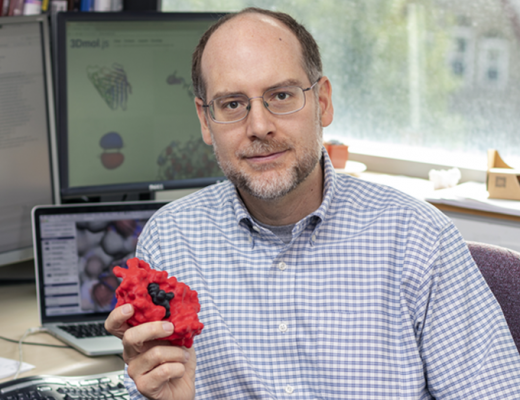
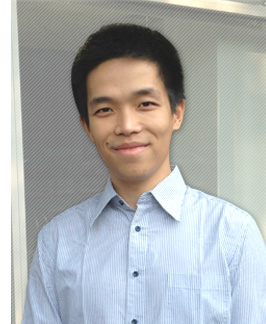
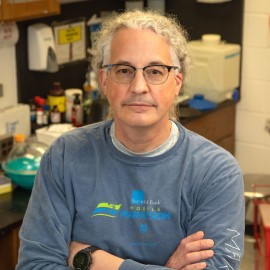
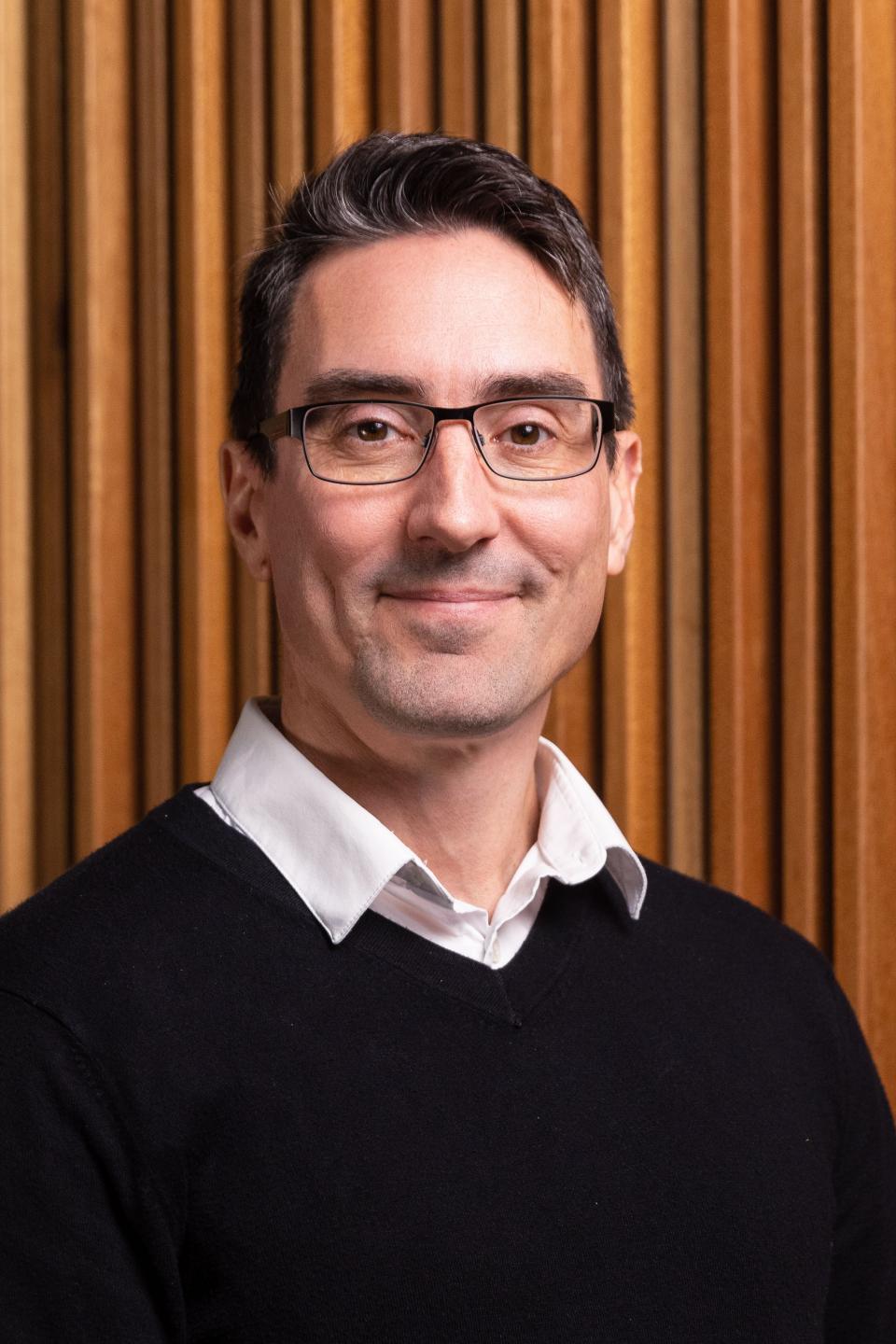
David Ryan Koes is an Associate Professor in the Department of Computational and Systems Biology at the University of Pittsburgh, affiliated with the Joint CMU-Pitt PhD Program in Computational Biology. His research focuses on computational drug discovery, deep learning, and discrete algorithms, aiming to develop novel methods for rapid drug development and open-source software tools. He holds an office at 3064 Biomedical Science Tower 3 and 748 Murdoch Building. Key roles include Associate Director of the CPCB program and leadership in initiatives like CompBio Academy. His software contributions include libmolgrid, gnina, and 3Dmol.js, which advance molecular modeling and visualization. Research interests emphasize AI-driven drug discovery, including molecular docking, pharmacophore modeling, and generative models for molecule design. Recent work involves deep learning for protein structure prediction and pharmacophore elucidation. He has secured NIH grants (e.g., R35GM140753) and collaborations with institutions like CMU and industry partners. Advising over 25 students in computational biology, biotech, and data science programs, Koes bridges academia and industry through projects like Pharmit and the Teach-Discover-Treat initiative. His lab's work spans from foundational ML research to applied drug discovery, with a focus on open science and reproducibility.
Ulrich Parlitz is an Adjunct Professor of Physics at Georg-August-University Göttingen and a Scientist leading the Biomedical Physics Group at the Max Planck Institute for Dynamics and Self-Organization. His research focuses on nonlinear dynamics, chaos theory, and biomedical applications, particularly in cardiac dynamics and excitable media. He has held visiting positions at institutions like UC San Diego and the Santa Fe Institute. Education: 1987 PhD in Physics, Georg-August-University Göttingen 1984 Diploma in Physics, Georg-August-University Göttingen Research Interests: Analysis of nonlinear systems (neurons, lasers, oscillators) Bifurcation and chaos phenomena Data-based modeling and synchronization control Wave dynamics in excitable media (e.g., cardiac arrhythmias) Fractal dimension estimation and reservoir computing Labs/Teams: Leads the Biomedical Physics Group at MPI-DS and contributes to the IMPRS Program in Physics of Biological and Complex Systems.
Catarina M Henriques is a Senior Research Fellow at the University of Sheffield's School of Medicine and Population Health. She leads a research group focused on Telomere Biology, Ageing, and Regenerative Medicine, with affiliations to the Bateson Centre , Healthy Lifespan Institute (HELSI) , and CIMA (Centre for Integrated research into Musculoskeletal Ageing). BSc (Hons) in Molecular & Cellular Biology, University of Glasgow PhD in Immunology and Cancer, University of Lisbon (FCT Fellowship) Her research explores the interplay between telomere dysfunction, cellular senescence, and immune/stem cell regulation in tissue homeostasis decline during ageing. Using zebrafish models , she investigates how telomerase-dependent mechanisms influence multi-tissue degeneration and therapeutic rejuvenation strategies. Recent work highlights telomere dynamics in immunity, intestinal permeability, and neurodegeneration. Key publications include: 2024: Telomere length as an epigenetic trait in disease modeling 2023: p21-GFP senescence zebrafish for senolytic testing 2022: Gut leukocyte telomere dependence and retinal regeneration Her work bridges the Versus Arthritis CIMA and Bateson Centre collaborations. Scientific awards include: Sir Henry Dale Fellowship (Wellcome Trust/Royal Society) CIMA Research Fellowship Vice-Chancellor’s Fellowship She supervises postgraduate researchers and contributes to undergraduate/postgraduate education via modules on multimorbidity, reproduction, and human disease modeling. The lab employs histology, immunofluorescence, flow cytometry, and cell culture to study zebrafish tissue repair mechanisms.
Ammar Hoori, PhD, is a Research Assistant Professor in the Department of Biomedical Engineering at Case Western Reserve University, affiliated with both the Case School of Engineering and School of Medicine. His research focuses on cardiac image analysis, leveraging advanced techniques like image registration, deep learning, and survival analysis. He leads NIH-funded projects involving CT calcium scoring, IVOCT, and chest CT imaging, collaborating with cardiologists from University Hospitals Cleveland and engineers from CWRU. His work emphasizes developing calcium-omics and fat-omics features to improve cardiovascular disease prediction. His research team employs cutting-edge methods such as deep learning segmentation for epicardial adipose tissue analysis, aiming to optimize patient care through AI-driven risk stratification. Hoori’s contributions include the development of the DeepFat algorithm for automated fat quantification and collaborations on stent under-expansion prediction using OCT imaging. He is also involved in the Biomedical Imaging Laboratory (BMIL), contributing to advancements in cryo-imaging and 3D visualization techniques. Key areas of innovation include AI-enabled risk prediction for heart failure, MACE (Major Adverse Cardiovascular Events), and coronary artery disease using opportunistic data from routine CT scans. His work bridges clinical and engineering expertise to advance non-invasive diagnostic tools and personalized medicine strategies.
Carolina Ruiz is the Associate Dean of Arts and Sciences and Harold L. Jurist Dean’s Professor of Computer Science at Worcester Polytechnic Institute (WPI). She holds a PhD in Computer Science from the University of Maryland College Park (1996) and has been at WPI since 1997, progressing from Assistant Professor to Full Professor. Her research focuses on Machine Learning, Artificial Intelligence, and Data Mining applied to medicine, health, and education. Notable projects include developing AI-driven methods for sleep analysis, behavioral health interventions like the SlipBuddy app, and interdisciplinary programs in Bioinformatics and Neuroscience. She leads the Knowledge Discovery and Data Mining Research Group and serves on WPI’s Academic Planning Committee. Ruiz has advised over 35 graduate students, 150 undergraduates, and 12 high school researchers, emphasizing vertical integration of research teams. She co-led a $1.2M NSF grant (2017-2021) bridging Biology and Computer Science education through transdisciplinary curricula. Key service roles include Associate Department Head of Computer Science and governance committees at WPI. Education: PhD Computer Science, University of Maryland (1996) MS Computer Science, Universidad de Los Andes (1990) BS Computer Science & Mathematics, Universidad de Los Andes (1988-1989) Ruiz’s research spans medical AI applications (stroke prediction, sleep modeling), educational technology (computational biology curricula), and wearable sensor analytics. Her work has been featured in media including Medical News Today and NSF-funded initiatives. She emphasizes translational research bridging academia and real-world societal challenges.
Associate Professor Mitch Smith is a faculty member in the Discipline of Exercise and Sport Science at the University of Newcastle, Australia. He holds an Associate Professor position within the School of Biomedical Sciences and Pharmacy and specializes in mental fatigue's impact on performance across sports, industry, and defense sectors. Dr. Smith co-founded the Fatigue Research and Assessment Group (FRAG), a multidisciplinary team addressing physical and mental fatigue's effects on performance. His research integrates clinical physiology, psychology, motor control, and training systems to develop practical solutions for fatigue mitigation. Mitch has taught courses on motor control and skill acquisition, transitioning to blended learning formats to enhance student flexibility and engagement. This initiative earned him multiple teaching excellence awards, including the 2022 Learning Design and Teaching Innovation Award and the 2019 DVC(A) Educator Innovation Award. His collaborations span institutions globally, including Ghent University, the University of Kent, and German institutions. Key areas of research include mental fatigue in soccer, tackling technique analysis in rugby, and virtual reality applications for hazard perception. He has secured over $1.5M in grants, including the 2024 EngAGE project combating social isolation in older adults. Scientific contributions include over 30 journal articles and 14 conference presentations. Notable awards include the 2016 Aspetar Excellence in Football Research Award and recognition for teaching innovation. Mitch currently supervises PhD candidates focusing on youth talent development and collective behavior in soccer. Education: Doctor of Philosophy, University of Technology Sydney Doctor of Health Sciences, Ghent University, Belgium Bachelor of Human Movement Science (Honours), University of Technology Sydney Research Interests: Mitch's work centers on understanding and mitigating mental fatigue's effects on physical and cognitive performance. He applies this knowledge to optimize outcomes in sports, workplace safety, and defense. His recent projects include analyzing fatigue effects in youth soccer, handball, and swimming, as well as developing telehealth exercise physiology services for older adults. Grants & Funding: Mitch has secured funding for initiatives such as the EngAGE program ($631K), validation of hydration status methods ($15K), and equipment grants for metabolic and performance diagnostics. His collaborative projects address talent development in sports high schools and ecological mental fatigue assessment via the Footbonaut facility in Germany. Awards: 2022 Learning Design and Teaching Innovation Award 2019 DVC(A) Educator Innovation and Impact Award 2016 Aspetar Excellence in Football Research Award Labs/Teams: Dr. Smith leads the Fatigue Research and Assessment Group (FRAG), focusing on translational research to bridge lab findings and real-world applications in fatigue management.
Haihua Chen is an Assistant Professor of Data Science in the Department of Information Science at the University of North Texas (UNT), with a co-affiliation in Health Informatics. They lead the Intelligent Data Engineering and Analytics (IDEA) Lab, focusing on interdisciplinary research in artificial intelligence, data science, and informatics. Chen earned a Ph.D. in Information Science (concentrating in Data Science) from UNT in 2022, an M.S. in Information Science from Wuhan University, and dual B.S. degrees in Information Science and English Literature from Central China Normal University. Research interests span applied machine learning, data quality evaluation, NLP, and informatics applications in legal and healthcare domains. Notable work includes developing frameworks for measuring scientific novelty, constructing high-quality legal and biomedical datasets, and leveraging AI for precision medicine and disaster response. Chen has secured over $499K in external grants, including NSF REU and HSI projects, and $20K+ in internal grants. Their work has been published in top journals like Journal of Informetrics , IEEE Transactions on Reliability , and Scientometrics , with a strong focus on innovation measurement and data-centric AI. Teaching includes courses on computational methods, data analysis, and AI in healthcare. Professional leadership roles include chairing ASIS&T SIG-STI and editorial roles for Journal of the Association for Information Science and Technology , Knowledge and Information Systems , and others. Awards include UNT’s Great Grads Award and the Linda Schamber Writing Award.
Professor Joy J. Geng is a faculty member at the University of California, Davis, where she leads the Integrated Attention Lab. Her research focuses on understanding how goal-directed and sensory-driven information interact to shape perception, with a particular emphasis on attentional control mechanisms. She employs neuroimaging (fMRI), eye-tracking, and electrophysiological techniques to study neural and cognitive processes underlying attentional selection and distractor suppression. Dr. Geng holds a Ph.D. in Psychology from Carnegie Mellon University and a B.A. in Psychology from Cornell University. She teaches courses in Cognitive Neuroscience, Perception, and Current Research in Psychology. Her work has been supported by grants, including a James S. McDonnell Foundation grant for studying memory and attention in virtual reality. Her lab investigates how behavioral goals and prior experiences influence attentional priorities, using methodologies such as virtual reality, EEG/ERP, and collaborations with TMS and pharmacology studies. Recent advancements include exploring multisensory integration, task-adaptive target templates, and distraction mitigation strategies. The lab maintains a supportive environment highlighted in its lab manual and has produced notable alumni across academia and industry. Dr. Geng advises numerous graduate and undergraduate students, many of whom have pursued postdoctoral research or faculty positions. Her contributions to the field include pioneering studies on attentional suppression, template adaptation, and the neural underpinnings of visual search efficiency.
Zhiyi Huang is an Associate Professor of Computer Science at the University of Hong Kong, leading the Computer Science Division within the School of Computing and Data Science. He holds a PhD from the University of Pennsylvania (2013) and completed a postdoctoral fellowship at Stanford University (2013–2014). His research focuses on Theoretical Computer Science, Algorithmic Game Theory, Online Algorithms, and Differential Privacy, with notable contributions to Machine Learning and Computer Networks. Education: PhD in Computer and Information Science, University of Pennsylvania (2013) Postdoctoral Researcher, Stanford University (2013–2014) Bachelor's Degree from the Yao Class at Tsinghua University (2008) Research interests span foundational areas including algorithmic game theory, online optimization, and privacy-preserving mechanisms. He has pioneered work on revenue maximization in single-parameter settings and developed novel frameworks for analyzing price of anarchy in game theory. Key Awards: Early Career Award (Research Grant Council of Hong Kong, 2014) Best Paper Award at ACM Symposium on Parallelism in Algorithms and Architectures (SPAA 2015) Morris and Dorothy Rubinoff Dissertation Award (2013) Simons Graduate Fellowship in Theoretical Computer Science (2012–2013) Recent grants include studies on algorithmic foundations of Bayesian mechanism design (HK$675,647), online primal dual techniques (HK$496,028), and privacy-preserving mechanisms (HK$931,737). His work bridges theoretical advancements with practical applications in healthcare, autonomous systems, and cybersecurity. Notable Projects: Medical predictive systems for acute cardiopulmonary events AI-driven maritime navigation using AIS data Secure federated learning frameworks with blockchain
Xinbo Yang is an Assistant Professor in the Molecular Pharmacology Program at Memorial Sloan Kettering Cancer Center (MSKCC) and Weill Cornell Medicine's Graduate School of Medical Sciences. His research focuses on understanding T cell receptor (TCR) specificity in cancer and autoimmune disease, using interdisciplinary approaches including antigen-discovery platforms, protein engineering techniques, and structural biology tools. Dr. Yang received his PhD from the University of Maryland College Park. His educational background has prepared him for cutting-edge research at the intersection of immunology, structural biology, and cancer therapeutics. Dr. Yang's research program centers on how T cells distinguish between self and foreign antigens. The lab investigates the molecular basis of T cell receptor recognition in both cancer and autoimmune contexts. By studying how T cells scan host tissues to eliminate infected or malignant cells, the Yang lab aims to understand the mechanisms behind immune evasion in cancer and inappropriate immune responses in autoimmunity. The lab develops antigen-discovery platforms to identify targets for 'orphan' TCRs, which allows for specific perturbation of targets to study T cell responses. This work has significant implications for understanding disease pathogenesis and developing pMHC-based therapeutics. Analysis of Dr. Yang's recent publications reveals a strong focus on T cell receptor biology, structural immunology, and cancer immunotherapy. His work spans multiple disease contexts including cancer, autoimmune disorders, and infectious diseases. A recurring theme is the application of structural biology and protein engineering to understand and manipulate T cell recognition. His research bridges basic science with translational applications, particularly in developing novel immunotherapies. PhD, University of Maryland College Park Dr. Yang leads the Xinbo Yang Lab, which is part of the Molecular Pharmacology Program at MSKCC. The lab includes research staff such as Emily Howie, a Research Technician. The lab collaborates extensively with other researchers at MSKCC and beyond, as evidenced by the co-authorship patterns in publications. Dr. Yang has disclosed financial interests with 3T Biosciences where he holds equity, suggesting potential commercial applications of his research.
Associate Professor Robert Nordon is a faculty member at UNSW Sydney's Graduate School of Biomedical Engineering. He holds an MB BS, BMedSci, and PhD, with research focusing on advanced manufacturing and medical technologies. Since 2016, he has secured over $5M in research grants for projects in point-of-care diagnostics, cell/gene therapy manufacturing, and stem cell science. Research interests span three primary domains: Developing microfluidic single-use disposables for scalable clinical cell production Modeling cardiovascular development using stem cell-based microfluidic systems Creating computational tools for single-cell analysis and lineage tracking His publications (2017-2024) demonstrate strong emphasis on microfluidic device engineering, stem cell dynamics, and biomaterials development. Recurring themes include hematopoietic stem cell expansion, cardiac cell behavior, and peptide-based biomaterials. Significant grants include: ARC Linkage Grant LP160100570: Scaling microfluidics for cell manufacture (2016-2019) ARC Linkage Grant LP160100573: 3D microstructures for medical devices (2016-2019) ARC Linkage Grant LP190100029: Electrophoretic cell sorters (2020-2023) CRC-P: Microbioreactor for affordable cell/gene therapy (2021-2023) Current research trainees include Farzaneh Ziaee and Eric Du.
Thomas C. Rich serves as Professor of Pharmacology and Director of the Bioimaging Core Facility at the University of South Alabama's Frederick P. Whiddon College of Medicine, where he leads innovative research in cellular signaling dynamics and advanced imaging technologies. His educational background includes: Baccalaureate with Honors in Engineering from Georgia Institute of Technology Masters in Aerospace Engineering from Georgia Institute of Technology Ph.D. in Biomedical Engineering from Vanderbilt University Dr. Rich's research focuses on cellular signaling specificity , particularly cAMP pathways and phosphodiesterase regulation . His laboratory pioneered single-cell cAMP sensors and excitation-scanning hyperspectral imaging (HSI) techniques enabling 100-fold signal-to-noise improvements over traditional FRET. Key contributions include mapping cAMP gradients in pulmonary endothelial cells and airway smooth muscle, revealing previously undetectable signaling microdomains through collaborations with Dr. Silas Leavesley and Dr. Michael Francis. Analysis of his 14 publications (2015-2024) shows consistent innovation in quantitative imaging and signal transduction , with increasing emphasis on multi-parametric measurement (cAMP, Ca2+, NO, cGMP) and real-time dynamic tracking . His work spans fundamental enzymology to clinical applications, particularly in respiratory physiology and endoscopic technology development. No scientific awards were mentioned in the provided documentation. While specific advisees and grant details are not documented, Dr. Rich's research program demonstrates extensive collaboration through co-authorship patterns and facility leadership. His Bioimaging Core Facility serves as a hub for interdisciplinary projects requiring advanced fluorescence measurement capabilities. Dr. Rich leads the Bioimaging Core Facility in a collaborative research ecosystem centered around hyperspectral imaging development. His team works closely with Dr. Leavesley on optical system engineering and Dr. Francis on dynamic region-of-interest algorithms, creating an integrated approach to overcome limitations in cellular signal measurement within the 'turbulent maelstrom of the cellular environment'.
Prof. Dr. Rainer Heintzmann serves as Head of the Microscopy Department at the Leibniz Institute of Photonic Technology (Leibniz-IPHT) in Jena, Germany. His research focuses on advancing optical microscopy techniques, particularly super-resolution methods that surpass the diffraction limit to visualize cellular structures at nanoscale resolution. His primary research interests center on structured illumination microscopy (SIM), point spread function modeling, and computational imaging techniques. He has made significant contributions to developing automated multicolor SIM systems, extreme ultraviolet microscopy approaches, and deep learning-enhanced image analysis methods. His work bridges optical physics, computational algorithms, and biomedical applications, with particular emphasis on making advanced microscopy techniques more accessible through open-source hardware and software solutions. Analysis of his recent publications reveals a strong focus on overcoming fundamental limitations in optical microscopy. His research spans from theoretical modeling of optical systems to practical implementations for biological imaging. Key trends include the development of more accurate point spread function calculations, expansion of super-resolution techniques to new wavelength regimes, and integration of machine learning for image analysis and segmentation. Prof. Heintzmann actively collaborates with researchers across multiple institutions, as evidenced by his co-authorship on numerous interdisciplinary publications. His work has appeared in high-impact journals including Nature Methods, Nature Reviews Molecular Cell Biology, and Optics Express, reflecting the significance of his contributions to advancing microscopy techniques. His laboratory at Leibniz-IPHT appears to focus on developing novel microscopy instrumentation, particularly open-source implementations of super-resolution techniques. Recent projects include the openSIMMO platform for automated multicolor structured illumination microscopy and work on extreme ultraviolet microscopy that could potentially extend super-resolution capabilities into the X-ray regime.
Dr. Michel Dumontier is a Distinguished Professor of Data Science at Maastricht University, where he serves as the founder and Director of the Institute of Data Science. He is internationally recognized as a co-founder of the FAIR (Findable, Accessible, Interoperable and Reusable) data principles, which have transformed scientific data management globally. His academic background includes: BSc in Biochemistry from the University of Manitoba (1999) PhD in Bioinformatics from the University of Toronto (2004) Assistant/Associate Professor at Carleton University (2005-2013) Associate Professor at Stanford University (2013-2016) Distinguished Professor at Maastricht University (2017-present) Dr. Dumontier's research focuses on unlocking data potential for scientific discovery, with expertise in knowledge graphs for drug discovery and personalized medicine. His work spans FAIR data principles, generative AI, machine learning, semantic technologies, ontology, and data integration. His recent publications reveal a strong trend toward applying generative AI to healthcare data, with increasing focus on synthetic health data generation, privacy-preserving techniques, and knowledge graph applications in drug repurposing. His work bridges computer science, biomedical informatics, and clinical applications across multiple medical domains. Dr. Dumontier has secured significant research funding as a principal investigator: NWO (Dutch Research Council) Horizon Europe MCSA NIH/NCATS ARPA-H He coordinates the AIDAVA and REALM projects, leads the NCATS Biomedical Data Translator, and directs the GENIUS AI lab. As editor-in-chief of the journal Data Science, he shapes discourse in the field. Dr. Dumontier maintains active industry connections through: Minderheidsaandeelhouder at Data2Discovery Inc Scientific advisor and minority shareholder at OntoForce NV Scientific advisor, board member, and minority shareholder at Comunicare Editor-in-chief of Data Science Journal at Sage Publishing
James Carr is a Professor in the Department of Biological Sciences at Texas Tech University, specializing in neuroendocrinology and environmental endocrinology with emphasis on stress responses, visual behavior, and endocrine-disrupting chemical impacts on amphibians. His educational background includes: B.S. in Zoology from Rutgers University (1982) M.A. in Zoology from University of Colorado at Boulder (1986) Ph.D. in Zoology from University of Colorado at Boulder (1988) Dr. Carr's research examines how corticotropin-releasing factor (CRF) modulates stress responses, visuomotor processing, and autonomic function, alongside investigating perchlorate and PBDE effects on amphibian thyroid physiology and reproduction. His work bridges laboratory neuroendocrinology with field studies of environmental toxicology. Publications from 2010-2015 reveal consistent focus on pollutant impacts in amphibian models, CRF signaling mechanisms, and stress physiology across vertebrates, with recent studies addressing Rio Grande water quality, PBDE toxicity in reptiles, and metabolic regulation by neuropeptides. No scientific awards were documented in the provided materials. Details regarding student advising and research grants were not specified in the available information. Dr. Carr participates in Texas Tech's Institute for One Health Innovation and Biomedical Science/Cell & Molecular Biology research groups within the Department of Biological Sciences.