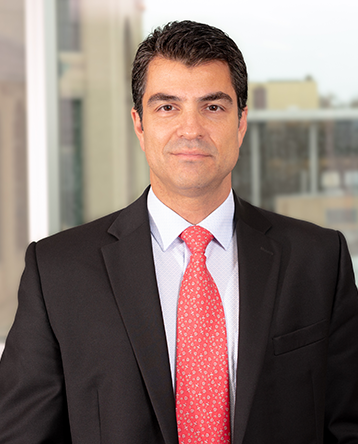
Michael McAlpine is a Professor in the Mechanical Engineering department at the University of Minnesota . He also holds affiliations with the Biomedical Engineering and Electrical and Computer Engineering departments. His research focuses on 3D printing functional materials & devices , Nanoscale inks , Biomedical devices , Bioelectronics , and Flexible Microsystems . Research Interests : 3D Printing, Biomedical Engineering, Nanotechnology, Flexible Electronics, Microfluidics Labs : ME 361/363 Contact : mcalpine@umn.edu , (612) 626-3303, ME 117 Recent Research Trends include 3D Printed Biomedical Devices , Flexible Electronics , and Bioprinting Applications . His work spans from Spinal Organoid Formation to Programmable Drug Release Capsules . Scientific Award : Circulation Research 2020 Best Manuscript Award
Zhanwei Wang is an Unpaid employee at the Department of Applied Mechanics and the Federated labs AI and Robotics at Vrije Universiteit Brussel. His research focuses on soft robotics, self-healing materials, fluid dynamics, and vacuum technology. He holds a PhD in Mechanical Engineering from VUB (2024), focusing on encoding physical intelligence into soft robotics via smart materials and continuum mechanics. Prior degrees include a Master's in Chemical Process Equipment (Northeastern University, China, 2020) and a Bachelor's in Process Equipment and Control Engineering (Northeastern University, China, 2017). His work emphasizes interdisciplinary innovation in robotics, sustainability, and material science. Key Research Areas: Self-healing robots, 3D printing for robotics, fluid dynamics in soft systems. Recent Collaborations: Peer reviews for Sensors Journal, IEEE Robotics & Automation Letters, and the 2025 IEEE/RSJ IROS conference. His publications explore adaptive robotic systems, sensor integration, and sustainable material solutions. He participated in the IMEC ITF World 2024 conference and contributed to media discussions on self-locking suction cups for robots.
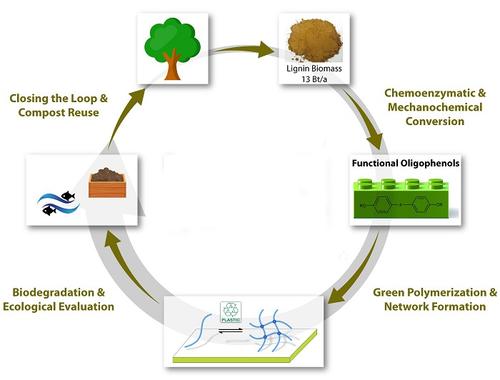
Rainer Haag is a Professor at the Department of Chemistry, Freie Universität Berlin, leading the Haag Group in the Institute of Chemistry and Biochemistry. His research focuses on biodegradable and sustainable materials, dynamic hydrogels, and polymeric nanosystems for biomedical applications. Department of Chemistry, Freie Universität Berlin Member of SFB 1449: Dynamic Hydrogels at Biointerfaces Collaborator in the StemGel startup project Co-founder of CSR|Berlin interdisciplinary research institute Research Interests: Development of stimuli-responsive polymers, multivalent virus inhibitors, and functional biointerfaces. Key projects include: Antiviral coatings using heteromultivalent polymers Thermoresponsive hydrogels for stem cell expansion Graphene derivatives for bacterial capture and disinfection Lignin upcycling for sustainable resin materials Supramolecular nanosystems for drug delivery Publication Trends highlight interdisciplinary work in polymer chemistry, nanotechnology, and biomedical applications. Recent articles focus on: 2D polyglycerols for virus interactions Redox-responsive nanogels Mucus-inspired adhesive hydrogels Tumor-targeting micelles Bacterial disinfection using graphene composites Labs & Collaborations include the Polymeric and Supramolecular Nanosystems subgroup, the Dynamic Hydrogels and Biointerfaces team, and partnerships with MIT in developing bioinspired adhesives. His group contributes to DFG-funded SFB 1449 and CSR|Berlin initiatives.
Andrew Spakowitz is a Professor of Chemical Engineering, Materials Science and Engineering, and by courtesy, Applied Physics and Chemistry at Stanford University. He currently serves as the Senior Associate Dean for Research and Faculty Affairs and holds the Tang Family Foundation Chair of the Department of Chemical Engineering. His academic career at Stanford spans from Assistant Professor (2006-2014) to Associate Professor (2014-2020) and now Professor since 2020. Dr. Spakowitz earned his PhD in 2004, MS in 2001 from the California Institute of Technology, and his BS in Chemical Engineering from the University of Wisconsin, Madison in 1999. He completed postdoctoral training in Molecular and Cell Biology and Biophysics at UC Berkeley from 2004-2006. His research focuses on theoretical and computational approaches to understanding biological processes and complex materials. The Spakowitz lab addresses fundamental chemical and physical phenomena through four main research themes: chromosomal organization and dynamics, protein self-assembly, polymer membranes, and charge transport in conducting polymers. His group employs diverse theoretical and computational methods including analytical theory of semiflexible polymers, polymer field theory, continuum elastic mechanics, Brownian dynamics simulation, equilibrium and dynamic Monte Carlo simulations, and reaction-diffusion modeling. Analysis of his recent publications reveals a strong emphasis on epigenetics and chromatin dynamics, with significant work on DNA methylation patterns, nucleosome clustering, and chromosome organization. His research also extends to polymer physics applications in biological systems, particularly in respiratory diseases, water purification membranes, and bacterial phage interactions with human mucus. Tang Family Foundation Chair of the Department of Chemical Engineering Professor Spakowitz mentors several graduate students and postdoctoral scholars in the Chemical Engineering and Materials Science departments. His lab members work on diverse projects spanning from chromatin dynamics to polymer membranes for water purification. He teaches multiple courses including CHEMENG 120B (Energy and Mass Transport), CHEMENG 340 (Molecular Thermodynamics), CHEMENG 466 (Polymer Physics), and CHEMENG 467 (Physics of Biomacromolecules). The Spakowitz lab operates from Clark S295 at Stanford University, conducting theoretical and computational research that bridges chemistry, physics, biology, and engineering disciplines to address complex problems across multiple length and time scales.
Dr. Akhilesh Jaiswal serves as Assistant Professor of Electrical and Computer Engineering at the University of Wisconsin-Madison, where his research pioneers device-circuit co-design for next-generation computing systems. His work focuses on enabling extreme-edge intelligence through processing-in-pixel technology, in-memory computing architectures, and bio-inspired neuromorphic systems. His academic credentials include: PhD in Nano-electronics from Purdue University (2019) MS from the University of Minnesota (2014) Bachelor of Technology from Shri Guru Gobind Singhji Institute of Engineering and Technology (2011) Dr. Jaiswal's research program centers on revolutionizing edge computing through hardware innovations that integrate sensing and processing. His device-circuit co-design approach leverages alternate state variables to create energy-efficient systems for real-time applications, with particular emphasis on retina-inspired sensors and photonic memory architectures. This work bridges semiconductor physics with AI acceleration needs, targeting applications from autonomous systems to biomedical devices. Analysis of his 2023-2025 publications reveals dominant themes in photonic SRAM-based in-memory computing (40% of output), retina-inspired motion processing (30%), and secure hardware architectures (20%). His team consistently develops novel bitcell designs that enable XOR logic execution within memory arrays while maintaining compatibility with CMOS fabrication processes. Recent work shows increasing focus on biomedical applications of processing-in-pixel technology. His distinguished recognition includes: Three consecutive ISI Exploratory Research Awards (2020-2023) IEEE Brain Community Best Paper Award (2022) 27 issued US patents with multiple pending applications Nomination for USC Moore Inventor Fellowship (2022) Dr. Jaiswal actively mentors graduate researchers through ECE 790/890/990 courses while securing exploratory funding through ISI and Keston Foundation awards. His patent portfolio demonstrates exceptional translational impact, with industry game-changer classifications from USPTO. The 2022 VLSI-SoC nomination and multiple research highlights in major outlets validate his contributions to hardware security and neuromorphic vision sensors. His laboratory develops integrated hardware platforms combining magnetic tunnel junctions, photonic memory, and CMOS image sensors to create unified processing-in-sensor systems. Current projects include retina-inspired motion segmentation for event cameras and electro-optic frequency transducers for quantum computing interfaces, with strong industry collaboration through patent licensing.
Jindong Tan is a Professor in the Department of Mechanical, Aerospace, and Biomedical Engineering at the University of Tennessee, Knoxville (since 2015). Previously, he held roles at Michigan Technological University (2002–2015) and Northeastern University, China (1995–1998). He specializes in medical/surgical robotics, human-robot interactions, wearable sensors, control systems, and mechatronics. His research integrates robotics, biomedical engineering, and computer science to advance minimally invasive surgical tools, wearable technology, and autonomous systems. Education: Ph.D. in Mechanical Engineering from Michigan State University (2002), M.S. from Northeastern University (1995), and B.S. from Lanzhou University of Technology (1992). Research interests focus on developing innovative medical robotic systems, including laparoscopic camera robots, magnetic actuation mechanisms, and human-robot collaboration frameworks. He has contributed to advancements in wearable sensors for healthcare, sensor networks for dynamic environments, and calibration techniques for bio-inspired robots. Key projects include the design of an untethered laparoscopic camera robot (s-CAM), magnetic localization for surgical tools, and frameworks for controlled robot language in human-robot collaboration. His work emphasizes practical applications in surgical environments and wearable health monitoring. Professional service includes roles with the IEEE Robotics & Automation Society, Engineering in Medicine and Biology Society, and the Association for Computing Machinery. Contact: tan@utk.edu, Perkins Hall 315.
Joseph Bentsman is a Professor in the Department of Mechanical Science and Engineering at the University of Illinois at Urbana-Champaign's Grainger College of Engineering. He also holds affiliate appointments in the Department of Aerospace Engineering (since 2015) and the Department of Electrical and Computer Engineering (since 2018). His academic journey began with an M.S. from Byelorussian Polytechnic Institute in Minsk, USSR (1979), followed by a Ph.D. in Electrical Engineering from Illinois Institute of Technology (1984). Professor Bentsman's research focuses on control of nonlinear and distributed parameter systems, nonlinear oscillations, network control, stability theory, and stochastic multiscale methods. He pioneered a new class of dynamical systems with active singularities that admit control actions during singular phases of motion, which represent a novel category of hybrid systems characterized by impulsively controlled discrete transitions. His recent work has expanded into biomedical applications, particularly thermophysical modeling of tissue during electrosurgery and control of phase change processes. His recent publications (2021-2024) reveal a strong trend toward biomedical applications of control theory, particularly in modeling heat conduction in biological tissues, electrosurgical processes, and phase change phenomena. Approximately 60% of his recent work focuses on biomedical applications, while the remainder continues his foundational work on nonlinear control systems, distributed parameter systems, and systems with active singularities. Key subfields include Stefan problems, enthalpy-based control, telegraph equation modeling, and PDE-based control of complex physical processes. NSF Presidential Young Investigator Award (1989) Life Fellow of American Society of Mechanical Engineers Life Senior Member of IEEE IEEE Control Systems Society Technical Committee Chair on Power Generation (2015-2019) International Society of Automation POWID Achievement Award (2014) 2018 AIST Computer Applications Best Paper Award Featured in 'People in Control', IEEE Control Systems Magazine (2018) Professor Bentsman has been instrumental in developing educational approaches that integrate signal processing, instrumentation, control, and machine learning, as evidenced by his two textbooks. His work on the steel continuous casting process, particularly the mold oscillation system, has led to practical industrial applications. He has also made significant contributions to power plant control systems and boiler/turbine control. His research group appears to focus on both theoretical control systems development and practical implementation in industrial and biomedical settings, with strong connections to steel manufacturing, power generation, and medical device industries.
Dr. Birgit Frauscher is the Lincoln Financial Group Distinguished Professor in Neurobiology at Duke University School of Medicine, where she serves as Professor of Neurology and holds a secondary appointment in the Department of Biomedical Engineering at the Duke Pratt School of Engineering. She is currently the Director of the Duke Comprehensive Epilepsy Center and leads the Analytical Neurophysiology (ANPHY) Lab. Her clinical and research work focuses on epilepsy and sleep medicine, utilizing both invasive and non-invasive electrical recordings to study brain activity in humans. Dr. Frauscher completed her medical training, neurology residency, and subspecialty training in electroencephalography, epilepsy, and sleep medicine at the Medical University of Innsbruck in Austria. After completing her clinical training in 2008, she earned her habilitation degree in 2011. She further specialized in intracranial EEG and signal analysis during a visiting professorship at the Montreal Neurological Institute and Hospital, McGill University (2013-2015), where she later served as an Attending Epileptologist and Group Leader of Epilepsy. Her research interests focus on developing novel seizure-independent EEG markers for the epileptogenic zone, investigating sleep-epilepsy interactions, and using intracranial EEG to study brain physiology during wakefulness and sleep. Her work aims to improve epilepsy diagnosis, prognosis, and treatment outcomes by better localizing the epileptic focus. Dr. Frauscher's recent publications demonstrate her continued leadership in epilepsy research, with over 170 peer-reviewed papers and an H-index of 62. Dr. Frauscher has received several prestigious awards including the Clinician-Scientist awards of the FRSQ (2018-2023), the Michael Prize of the International League against Epilepsy (2019), and the Ernst Niedermeyer Prize from the Austrian Epilepsy Society (2015). Her scholarly work has significantly advanced clinical knowledge in epilepsy and sleep medicine, establishing her as a leading figure in the field. As Director of the Duke Comprehensive Epilepsy Center and head of the ANPHY lab, Dr. Frauscher oversees a research program dedicated to advancing neuroscience through innovative approaches to studying brain activity. Her lab employs quantifiable tools to investigate neurophysiological and pathological processes related to epilepsy and sleep, with the ultimate goal of improving patient outcomes through better understanding of brain function.
Matthew L Becker is the Hugo L Blomquist Distinguished Professor of Chemistry at Duke University, with additional appointments in Mechanical Engineering and Material Science, and Biomedical Engineering. His research focuses on polymer chemistry, bioconjugate chemistry, molecular imaging, additive manufacturing, and degradable materials for bone, soft tissue, neural, and vascular tissue engineering. Education: B.S. from Northwest Missouri State University (1998), M.A. (2000) and Ph.D. (2003) from Washington University in St. Louis Research interests include developing tunable degradable polymers for flexible electronics, tissue engineering (bone, neural, vascular), and additive manufacturing. His group is pioneering 3D printing of bioresorbable medical devices and custom inks for biomaterials. Recent work explores stereochemistry-dependent polymer properties, mechanochromism, and machine learning-driven biomaterials design. Key applications: Drug delivery systems Biodegradable adhesives Tissue regeneration scaffolds Scientific honors include: Fellow, National Academy of Inventors (2022) Fellow, American Chemical Society (2020) Carl S. Marvel Award in Creative Polymer Chemistry (2019) Fellow, American Institute for Medical and Biomedical Engineering (2018) Fellow, Royal Society of Chemistry (2017) Biomacromolecules/Macromolecules Young Investigator Award (2015) He teaches advanced courses in mechanical engineering and polymer chemistry, with a focus on 3D printing and biomaterials. His group has developed novel medical devices including resorbable suture anchors, hernia mesh coatings, and neuroprosthetic scaffolds.
Christophe Meunier is a researcher specializing in hybrid materials, particularly focusing on biohybrid systems that integrate biological components with inorganic matrices. His work emphasizes environmental applications and biomedical innovations through advanced material design. Key Collaborations: Su, B. L., Michiels, C., Wang, L. Research Themes: Photosynthesis mimicry, cell therapy microcapsules, hybrid alginate-TiO₂ systems Research Focus: Meunier has pioneered the biomimicry of photosynthesis via biosystem immobilization in silica matrices, aiming to create 'living materials' with functional biological-inorganic interfaces. His recent projects explore alginate@TiO₂ hybrid microcapsules for controlled insulin delivery and cell therapy applications, demonstrating high biocompatibility and stability. Academic Contributions: With 34 research outputs spanning material science, biomedical engineering, and environmental applications, Meunier's work aligns with UN Sustainable Development Goals through innovative hybrid material design. His collaboration network includes experts in chemistry, physics, and medical fields.
Karen C. Cheung is a Professor in the Department of Electrical and Computer Engineering at the University of British Columbia, with cross-appointments in the Faculty of Medicine and the School of Biomedical Engineering where she serves as Director of the Graduate Program. She holds her office in KAIS 3064 and can be reached at (604) 827-4114. Dr. Cheung received her BSc and PhD degrees in Bioengineering from the University of California, Berkeley in 1998 and 2002, respectively. From 2002-2005, she was a postdoctoral researcher at the École Polytechnique Fédérale de Lausanne in Switzerland. She joined UBC in 2006 and has established herself as a leading researcher in biomedical microsystems. Her research spans multiple areas of biomedical engineering with particular focus on lab-on-a-chip systems for cell culture and characterization , inkjet printing for tissue engineering , and implantable neural interfaces . Her work integrates microfluidics, biosensors, and tissue engineering to create platforms that better mimic in vivo conditions for drug screening and disease modeling. Current projects include developing organ-on-a-chip models of the human airway for studying aerosol exposure effects, creating microscale tumor models for cancer research, and advancing silicon photonic biosensors for medical diagnostics. Dr. Cheung leads the Bio-Medical Micro Devices Laboratory at UBC, which houses multiple research teams working on cutting-edge biomedical technologies. Her lab has developed microfluidic platforms capable of precisely controlling oxygen levels around tumor spheroids to study cancer treatment responses under realistic physiological conditions. The lab also works on novel fabrication techniques for microelectrode arrays and tissue clearing protocols for 3D imaging of microtissues. As an educator, Dr. Cheung teaches several specialized courses including ELEC 361 (Molecules to Mechanisms), ELEC 464 (Nanotechnology and Nature), EECE 301 (Topics in Nanotechnology and Microsystems), ELEC 473 (Biological Micro-Electro-Mechanical Systems), and ELEC 521 (Biomedical Microdevices). She has supervised numerous graduate students through their MASc, PhD, and postdoctoral work, with many alumni now holding academic positions or working in the biomedical industry. Her research is supported through multiple funding sources and collaborations with industry partners. Dr. Cheung is affiliated with several research centers including the Airway Centre, Bionics Network, Centre for Blood Research, and the Institute for Computing, Information and Cognitive Systems (ICICS) at UBC.
Burak Ozdoganlar is a Ver Planck Endowed Chair Professor of Mechanical Engineering at Carnegie Mellon University (CMU) and Associate Director of the Engineering Research Accelerator. He holds courtesy faculty positions in Biomedical Engineering and Materials Science and Engineering. Ozdoganlar earned his Ph.D. in Mechanical Engineering from the University of Michigan (1999), M.S. degrees from Ohio State University (1993, 1995), and a B.S. in Aeronautical Engineering from Istanbul Technical University (1991). Ph.D., Mechanical Engineering, University of Michigan (1999) MS, Mechanical Engineering, Ohio State University (1995) MS, Aeronautical and Astronautical Engineering, Ohio State University (1993) BS, Aeronautical Engineering, Istanbul Technical University (1991) Ozdoganlar’s research focuses on multi-scale manufacturing processes (macro/micro/nano), precision engineering , structural dynamics , and modal testing , with applications in biomedical device fabrication , microneedle arrays , soft electronics , and 3D ice printing for vascular networks. His work bridges computational modeling with experimental validation. Recent scientific awards include the 2023 AIMBE College of Fellows induction, ASME Fellow (2019), and NSF CAREER Award (2006). He served as interim CTO of the Advanced Robotics for Manufacturing (ARM) Institute and chaired the ASME-MED Manufacturing Equipment Technical Committee. Ozdoganlar leads projects in scalable manufacturing for implantable medical devices , bioelectric medicine , and wearable robotics . His lab develops 3D ice-printed vascular templates for tissue engineering and liquid metal circuits for soft electronics, funded by institutions like the Manufacturing Futures Institute and ARPA-H.
Dr. Yogambha Ramaswamy is a Senior Lecturer in the School of Biomedical Engineering at The University of Sydney and a member of the Sydney Nano Institute. She holds a Master’s in Biotechnology from the University of Queensland and a PhD in Biomedical Engineering from the University of Sydney (2009). Her postdoctoral career began as a Vice-Chancellor’s Postdoctoral Research Fellow at the University of New South Wales, followed by a Peter Doherty Early Career Fellowship in 2013 before joining the University of Sydney in 2015. Dr. Ramaswamy’s research focuses on biomaterials, tissue engineering, and mechanobiology, with a particular emphasis on developing calcium silicate-based ceramics and biopolymers for orthopedic and regenerative applications. Her recent work explores the role of physical cues in modulating stem and cancer cell behavior. She teaches courses such as AMME1961 (Introduction to Biomedical Engineering B) and AMME5962 (Introduction to Mechanobiology). Her research has been supported by grants including the NHMRC Early Career Fellowship and collaborations with institutions like the CSIR-Indian Institute of Chemical Technology and the University of Otago. Her publications span biomaterials, nanotechnology, and mechanobiology, with recent work addressing atherosclerosis, hydrogel design, and nanomedicine. She currently supervises PhD students Frank (biomaterials) and Alexander (atherosclerosis research).
Tanja Narancic is an Assistant Professor at the School of Biomolecular and Biomedical Science at University College Dublin (UCD). She is also an academic collaborator at the Bioeconomy Research Centre BiOrbic, where she coordinates multiple research projects among PIs, PostDocs, PhD students, and designs projects proposed by industrial partners. Dr. Narancic earned her PhD in Applied Microbiology from the University of Belgrade, Serbia in 2012, followed by postdoctoral research at the Institute of Molecular Genetics and Genetic Engineering in Belgrade. In 2013, she joined University College Dublin as a Postdoctoral Research Fellow under Prof. Kevin O'Connor, where she investigated microbial metabolic pathways using proteomics, metabolomics, and synthetic biology tools as part of FP7 and H2020 projects. She became a Research Fellow at BiOrbic in 2019 before advancing to her current position as Assistant Professor. Her research focuses on elucidating bacterial metabolism and leveraging synthetic biology tools to exploit bacteria for producing high-value products. Key research areas include: Proteomics, Metabolomics, and Transcriptomics for microbial pathway analysis Metabolic engineering for bioproduction Biocatalysis and enzyme optimization Protein engineering and purification Polyhydroxyalkanoate (PHA) production from waste streams Plastic upcycling and biodegradation technologies Dr. Narancic's publication record demonstrates a strong focus on converting plastic waste into valuable biodegradable materials through innovative biotechnological approaches. Her recent work has centered on developing microbial systems for upcycling polyethylene terephthalate (PET), polyolefins, and other recalcitrant plastics into polyhydroxyalkanoates (PHAs) and other high-value products. She has made significant contributions to understanding the metabolic pathways involved in plastic monomer conversion and has developed engineered strains with enhanced capabilities for plastic upcycling. As a principal investigator, Dr. Narancic leads multiple significant research projects including the Ad Astra Studentship (2023-2028), the UPLIFT project on sustainable plastics for food packaging (2021-2025), and the PROMOFER project (2024-2028) on optimizing PHB production. She also serves as a reviewer for numerous prestigious journals including Enzyme and Microbial Technology, Journal of Applied Microbiology, and Microbial Biotechnology. Her teaching portfolio includes coordination of multiple modules such as Bioprocessing, Metabolism and Disease, and SynBio for Bioeconomy, demonstrating her commitment to educating the next generation of scientists in both fundamental and applied aspects of biomolecular science.
Francesca De Benetti is a Researcher at the Chair of Computer Aided Medical Procedures (Prof. Navab) at the Technical University of Munich (TUM), affiliated with the Interdisciplinary Research Laboratory (IFL) and NARVIS Lab at the Garching Campus. Her research focuses on Nuclear Medicine and Machine Learning for medical image processing, particularly in internal radiation therapy simulations and AI-driven segmentation. Education : M.Sc. in Biomedical Computing (TUM, 2018-2020), B.Sc. in Information Engineering (Università di Padova, 2015-2018) Francesca's recent publications highlight her work in Monte Carlo dosimetry , dynamic PET tracer modeling , and deep learning-based anomaly detection in medical imaging. Her projects emphasize personalized radiation therapy and cross-modality image translation , often involving collaborations with nuclear medicine experts and radiologists. She contributes to teaching at TUM, leading lectures and practical courses on topics including Medical Augmented Reality , Computer Aided Medical Procedures , and Deep Learning for Medical Applications . Francesca is actively involved in labs such as the IFL Lab and NARVIS Lab , focusing on interdisciplinary applications of computer vision and generative AI in medicine.