Charmaine DM Royal , the Robert O. Keohane Professor at Duke University, holds appointments across African & African American Studies , Biology , Global Health , and Family Medicine & Community Health . She directs the Duke Center on Genomics, Race, Identity, Difference (GRID) and the Duke Center for Truth, Racial Healing & Transformation , focusing on dismantling biological race myths and addressing social determinants of health through interdisciplinary research. Ph.D. and M.S. in Biology from Howard University Her research spans genomics ethics , race-related health disparities , and global health policy , with recent work examining sickle cell disease in low-income countries, genetic ancestry testing in Indigenous communities, and environmental influences on Mendelian disorders. Her 2025 grant from the Tom Russell Charitable Foundation supports mental health interventions for SCD populations. As a 2024 Hastings Center Fellow , she contributes to bioethics scholarship alongside prior recognitions like the Greenwall Faculty Scholar in Bioethics (2009) and Thomas Langford Lectureship (2013) . She teaches courses such as "Race, Genomics, and Society" and "Health in the African Diaspora", emphasizing critical race theory in scientific contexts.
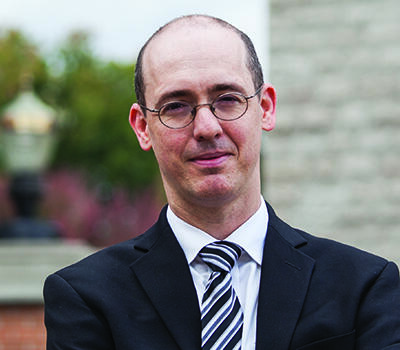
Stephen Ramsey, an Associate Professor at Oregon State University, holds dual appointments in the School of Electrical Engineering and Computer Science (College of Engineering) and the Department of Biomedical Sciences (Carlson College of Veterinary Medicine). With a PhD in Physics from the University of Maryland, his postdoctoral training in computational genomics at the University of Washington, and professional experience at the Institute for Systems Biology and Center for Infectious Disease Research, Ramsey bridges computational methods with biomedical applications. Education : Ph.D., Physics, University of Maryland; M.S., Physics, University of Maryland; Sc.B., Mathematical Physics, Brown University Ramsey specializes in computational systems biology , focusing on bioinformatics , biomedical knowledge graphs , and precision medicine . His research integrates machine learning , gene regulatory network modeling , and multi-omics data analysis to address challenges in rare disease diagnostics , drug monitoring , and inflammatory disease mechanisms . Current work includes AI-driven biomedical translation and electrochemical biosensor development for non-invasive diagnostics . Recent publications highlight knowledge graph applications in translational biomedicine , causal network inference in clinical-environmental data integration , and cross-species cancer transcriptomics . His team develops tools like RTX-KG2 and PloverDB to standardize biomedical data sharing and semantic reasoning . Scientific Awards : 2019 Zoetis Award (Carlson College of Veterinary Medicine) 2016 NSF CAREER Award 2016 PhRMA New Investigator Award 2010 NIH K25 Mentored Quantitative Research Award Ramsey advises in computational biology courses (CS 446/546) and contributes to biomedical AI through projects like mediKanren for rare disease diagnostics . His NSF-funded research explores gene expression noise and regulatory network dynamics , while NIH and PhRMA grants support his translational medicine initiatives. He leads the Ramsey Laboratory , which develops graph-based reasoning tools for biomedical data translation and multi-omics integration . The lab's work spans comparative oncology models, electrochemical biosensors , and knowledge graph infrastructure for clinical decision support .
Russ Cucina, MD, MS, is a Professor of Medicine in the Division of Hospital Medicine at the University of California, San Francisco (UCSF). He holds dual roles as Vice President and Chief Health Information Officer for UCSF Health System, overseeing analytics, software infrastructure, and genetic/genomic services. His academic and professional focus integrates clinical informatics, healthcare technology, and genomic medicine to advance patient care and institutional missions. Dr. Cucina's education includes an MD from UC Davis, an MS in Biomedical Informatics from Stanford, and a BA in Molecular and Cell Biology from UC Berkeley. He is board-certified in Internal Medicine. His research interests span electronic health record (EHR) interventions, clinical decision support systems, pharmacogenomics implementation, and healthcare operations optimization. Notable achievements include the 2010 Distinguished Paper Award from the American Medical Informatics Association and the AMDIS Award for clinical informatics excellence. His work emphasizes translating data-driven solutions into actionable clinical practices, such as reducing telemetry overuse and improving discharge processes. Dr. Cucina leads UCSF's genetics/genomics laboratories and strategic partnerships in health IT. He is a vocal advocate for leveraging technology to enhance healthcare quality and accessibility, with a focus on personalized medicine and system-wide informatics advancements.
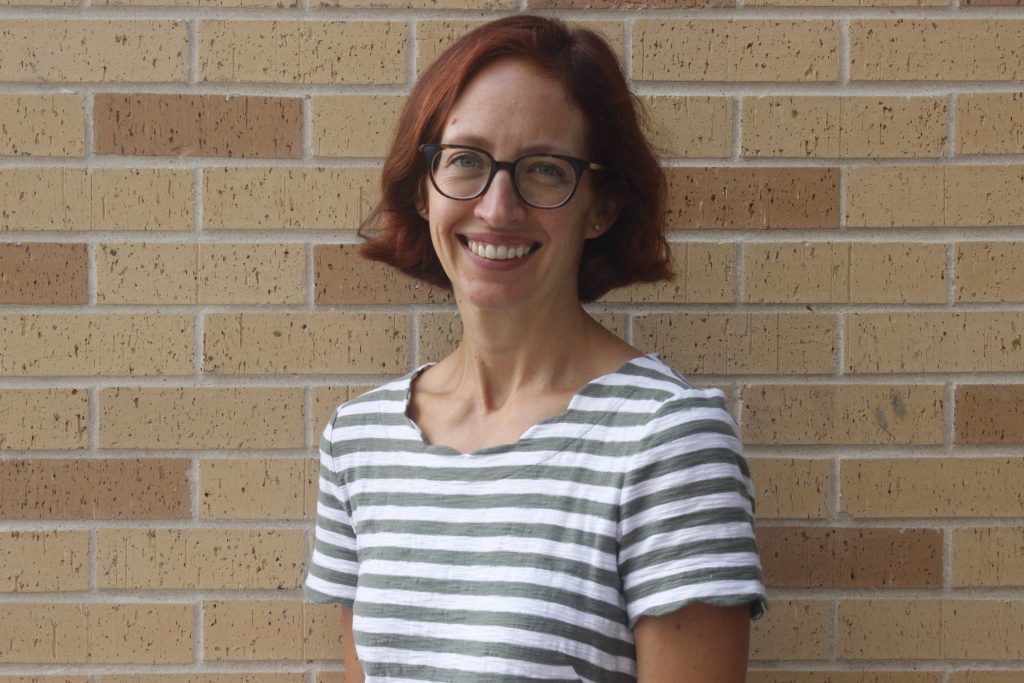
Tasha N. Dubriwny is an Associate Professor of Communication and Associate Head for Graduate Studies at Texas A&M University, affiliated with the Women’s and Gender Studies Program. Her research critically examines the intersection of health, politics, and media, focusing on feminist and postfeminist discourses surrounding women’s health issues such as breast cancer, postpartum depression, and cervical cancer. Her work analyzes media representations of women’s health as perpetuating restrictive gender roles, advocating for repoliticizing health narratives to reclaim collective feminist empowerment. Key contributions include her award-winning book *The Vulnerable Empowered Woman* (2013), which critiques postfeminist and neoliberal ideologies in healthcare discourse. Dubriwny also explores rhetorical strategies in political communication, including first ladies’ advocacy and feminist presidential campaigns. Her courses span rhetorical criticism, gender and communication, and media studies. Dubriwny’s awards include the 2013 Outstanding Book Award from the Organization for the Study of Communication, Language, and Gender and the 2013 Bonnie Ritter Book Award. She actively engages with contemporary issues, such as abortion rhetoric and the sociopolitical impacts of Dobbs v. Jackson (2024).
Vilius Dranseika is a Lecturer and researcher affiliated with Vilnius University (Department of Logic and History of Philosophy) and Jagiellonian University (Department of Philosophy and Bioethics). His work bridges philosophy, bioethics, and empirical research, focusing on cross-cultural studies, personal identity, and experimental philosophy. Research interests include metaphysical questions about personal identity, ethics in biomedical research, moral psychology, and the application of quantitative methods to philosophical inquiry. He has published extensively on topics like euthanasia, consent in research, and cultural variations in moral judgments. Key contributions include analyses of ethical frameworks in predictive medicine, cross-cultural perspectives on moral transgressions, and the role of empirical methods in resolving philosophical debates. Notable projects investigate the psychological underpinnings of concepts like persistence, responsibility, and identity across diverse populations. His work frequently engages with real-world ethical dilemmas, such as the use of residual biological materials in research and ethical challenges posed by emerging technologies like AI and pharmacological enhancements.
Rev. Dr. Marcin Ferdynus serves as Assistant Professor at the Department of Ethics, Faculty of Philosophy, John Paul II Catholic University of Lublin. A Catholic priest ordained in 2006, he holds MA in Theology (2006) and PhD in Philosophy (2018) from KUL. His academic career spans teaching roles at European Integration College in Szczecin (2016-2017), pastoral care (2008-2016), and administrative positions including Educational Center Deputy Director (2017-2019) and scholarship recipient (2022). Research Interests Biomedical Enhancement Ethics Medical Futility vs Persistent Therapy Human Dignity in Healthcare Personhood Theory AI Moral Agency Catholic Bioethical Frameworks Recent publications analyze dignity's necessity in healthcare, comparative end-of-life policies, and AI limitations in psychotherapy. His research demonstrates strong international engagement through Erasmus+ internships at Oxford, Padua, Malta, and Slovakia institutions. Scientific Awards Prime Minister's Award for doctoral work (2017) Minister of Education Stipendium (2022) Komisja Edukacji Narodowej Medal (2022) KUL Publication Awards (2021, 2023, 2024) Academic Leadership Philosophy program coordinator (2024-) Scholarship Commission Chair (2023-) Editorial Board of Roczniki Filozoficzne (2019-) Organizer of interdisciplinary conferences International conference speaker (UK, Italy, Czech Republic)
Philipp Mayr-Schlegel is a Professor at the University of Göttingen’s Institute of Computer Science, leading the team 'Information & Data Retrieval' at GESIS - Leibniz-Institute for the Social Sciences. His research focuses on interactive information retrieval systems, scholarly recommendation mechanisms, and the integration of bibliometric methods with digital library technologies. University of Göttingen - Institute of Computer Science GESIS - Leibniz-Institute for the Social Sciences His work spans information retrieval , digital libraries , and applied informetrics , with particular emphasis on: Interactive search systems Non-textual ranking algorithms Scholarly document processing Knowledge representation Semantic search technologies User behavior analysis Recent research outputs (2025) include studies on LLMs for scholarly search, bibliometric reproducibility tools, scientific uncertainty annotation, and preprint adoption disparities. He has published extensively in Scientometrics , International Journal on Digital Libraries , and top conference proceedings like ACL and ECIR . As organizer of the International Workshop on Bibliometric-enhanced Information Retrieval (BIR) and Scholarly Document Processing (SDP) series, he has shaped academic discourse through editorial roles at ISSI , JCDL , and SocInfo conferences. His projects have attracted significant national and European funding.
Sander Werkhoven is an Assistant Professor at the Ethics Institute within the Department of Philosophy and Religious Studies at Utrecht University's Faculty of Humanities. His academic work focuses on the philosophical foundations of medicine, psychiatry, and ethics, with particular attention to conceptual and normative issues in health, disease, and diagnostic classification. Dr. Werkhoven earned his PhD from the University of Warwick (UK) in 2015 with a dissertation titled 'A Dispositional Theory of Health.' His educational background has prepared him for interdisciplinary work at the intersection of philosophy, medicine, and psychology. His research interests span multiple interconnected domains including the philosophy of medicine and psychiatry, medical ethics, normative ethics, and meta-ethics. Dr. Werkhoven is particularly engaged with questions about diagnostic classification in psychiatry, the conceptual foundations of health and disease, and the ethical implications of diagnostic labels. His work often addresses practical concerns in clinical settings while maintaining philosophical rigor. He is involved with the Dynamics of Youth research theme at Utrecht University, focusing on 'Becoming Adults in a Changing World' and examining how labels affect children's development. Dr. Werkhoven's publication record demonstrates a consistent focus on conceptual clarity in medical and psychiatric practice. His recent work critically examines diagnostic classification systems (particularly DSM-5), questions the conceptual foundations of ADHD diagnosis, and explores alternative frameworks for understanding health and mental disorders. His scholarship bridges analytic philosophy with practical concerns in healthcare, making significant contributions to both academic discourse and clinical practice. As an educator, Dr. Werkhoven teaches (meta-)ethics and political philosophy at both Bachelor's and Master's levels in the Department of Philosophy. He serves as a core lecturer in the Medical Humanities Master's program and teaches medical ethics in various contexts. His courses include 'The Right Question: Biomedical Ethics and Medical Philosophy,' 'Tutorial Philosophy 1,' and 'Tutorial Philosophy 2.'
Nicolas Ballier is a Professor at Université Paris Cité (formerly Université Paris Diderot), where he teaches and conducts research in linguistics and digital humanities. Previously, he taught at the Université de Rouen and Paris 13. His work focuses on the intersection of linguistics, computational methods, and language learning technologies, with particular expertise in neural machine translation and speech processing. His primary research interests include: Corpus prosody Neural machine translation Automatic analysis of learner corpora Digital humanities Epistemology of linguistics (third revolution of grammatisation) Interpretability of neural machine translation systems Representation of speech in Whisper audio models Dr. Ballier's recent work explores how computers transform linguistic data (the 'third revolution of grammatisation'), with a focus on neural machine translation interpretability and speech analysis using large language models like Whisper. His research bridges theoretical linguistics with practical applications in language learning and translation technologies, particularly focusing on how these technologies can be made transparent and useful for translators and language learners. His 15 most recent publications (2022-2024) demonstrate a strong focus on neural machine translation interpretability, Whisper applications for language assessment, and learner corpus analysis. The publications span multiple prestigious venues including EAMT, ACL, LREC-COLING, and specialized journals in speech technology and computational linguistics, showing consistent productivity and impact in his fields. Dr. Ballier has been PI or team member on numerous European-funded projects including DOKTORAND (2012-2016), KVARK project (2014-2026), PHC Ulysses (2019), multitraiNMT (2021), and LT-LIder project (2024-Nov 2026). He has developed platforms like PAPTAN for neural machine translation experiments and MAKE-NMT VIZ for investigating machine translation interpretability. He has supervised PhD students through collaborative projects and has been involved in research initiatives like DLLA (Deep Learning for Language Assessment) exploring CEFR levels with keylog data, Neuroviz (2021-2022), and SPECTRANS (2020-2022) focusing on specialized neural translation and probing information flow in neural networks.
Professor Graham Williams (BSc, MSc, PhD, SFHEA, FCSFS, FRSB) is a Professor of Forensic Science and Programme Director for Forensic Science at the University of Hull since May 2022. Previously served as Head of Department at Staffordshire University (2017-2019) and held academic roles at University of Huddersfield (2007-2017). Key affiliations include Centre for Biomedicine and Chartered Society of Forensic Sciences . Core Research Areas : Forensic Epigenetics, Body Fluid Identification, Bloodstain Pattern Analysis, AI in Forensic Science, Space Forensics Scientific Awards : Fellow of the Royal Society of Biology (2014) Senior Fellow of Advance HE (2017) Fellow of Chartered Society of Forensic Sciences (2018) UKCGE Recognised Research Supervisor (2021) Teaching Leadership : Directs BSc Forensic Science programs and teaches Crime Scene to Court Room modules. Supervises 8 PhD projects exploring: AI-based bloodstain analysis Forensic strategies for sexual assault cases DNA on counterfeit banknotes Microgravity bloodstain dynamics Epigenetic hearing loss research
Prof. Dr. Gabriele Margarete Buchholtz holds the Junior Professorship for Social Security Law with a Focus on Digitalization and Migration at the University of Hamburg Faculty of Law . She has been a faculty member since November 2020 and leads research intersecting public law, social law, and digital governance . Education: Studium der Rechtswissenschaften, Bucerius Law School (2006–2011) First State Exam, Hanseatisches Oberlandesgericht (2011) Dr. iur., summa cum laude (2014) Second State Exam (2016) Research Focus: Her work addresses migration law, data protection, AI governance, and social rights in digital contexts . She co-edited Integratives Recht (2021) and Digital Health und Recht (2024), focusing on interdisciplinary legal frameworks. Article Trends: Recent publications examine AI ethics, federated learning in healthcare, data trust models, and European social rights . Collaborative works with computational researchers highlight privacy-preserving technologies and regulatory harmonization . Scientific Awards: Hugo Sinzheimer Dissertationspreis (2015) Kliemt & Vollstädt-Dissertationspreis (2014) Claussen-Simon-Stiftung Auszeichnung (2018) Daimler und Benz Stiftung Fellowship (2019) Konrad-Adenauer-Stiftung Promotionsförderung (2012–2013) Grants & Projects: Co-leader of TreuMed , a research project on data trust models in medical AI (funded by BMAS/FIS) Contributions to EU labor standards and OECD guidelines Labs & Teams: Collaborates with Computational Systems Biology Lab (Prof. Jan Baumbach) Part of interdisciplinary workshops on data certification and privacy labels
David Busch is an Assistant Professor at the University of Texas Southwestern Medical Center in the Departments of Anesthesiology and Pain Management, Neurology, and Biomedical Engineering. His research develops non-invasive optical technologies for monitoring brain and spinal cord health during critical care, with a focus on diffuse optical and correlation spectroscopy applications. Ph.D. in Physics from University of Pennsylvania (2011) Postdoctoral Fellowship in Neurology at Children's Hospital of Philadelphia Key research areas include: Real-time cerebral autoregulation monitoring during ECMO Spinal cord ischemia detection using diffuse correlation spectroscopy COVID-19 microvascular impairment assessment Breast cancer neoadjuvant therapy response prediction Development of compact SCOS monitoring devices His publications show a strong focus on optical hemodynamic monitoring in critical care settings, with recent work spanning 2025-2016 in journals like ASAIO Journal , Nature Biomedical Engineering , and Neurophotonics . Awards include NIH-NINDS/NIBIB grants, Fulbright, Thrasher Research Foundation, and Hartwell Foundation funding.
Rita Brdar-Szabó is a Professor at the Institute of Germanic Studies , Eötvös Loránd University, specializing in German Linguistics. Her research focuses on cognitive linguistics, particularly the interplay between metonymy, metaphor, and multimodal discourse across languages and cultures. Research Interests: Rita's work spans figurative language analysis, cross-linguistic comparison, and cultural models. She investigates metonymic indeterminacy, multimodal communication, and the cognitive frameworks shaping linguistic expressions in domains like emotions, medical terminology, and proverbs. Publication Trends: Recent articles highlight her expertise in Croatian and Hungarian metaphorical systems, multimodal metonymy, and computational approaches to proverb analysis. Themes include cultural relativity in figurative language, metonymic networks, and the semiotic mediation between sensory experiences and symbolic systems. Contact: Email: szabo.rita@btk.elte.hu Address: Room 203, Rákóczi út 5, Budapest
Karen Eilbeck is Professor of Biomedical Informatics and Adjunct Associate Professor of Human Genetics at the University of Utah , where she directs a bioinformatics research lab focused on precision medicine and genomic data management. Education B.S., University of Salford, United Kingdom Ph.D., University of Manchester, United Kingdom Research Interests The Eilbeck lab leverages computer science and ontology engineering to address contemporary questions in genomics and molecular biology. Central themes include: Development of ontologies such as the Sequence Ontology (SO) and Non-Coding RNA Ontology (NCRO) to standardize and structure biological data. Design of ontology-enabled software tools that enhance data sharing, variant interpretation, and precision medicine workflows. Metagenomic pathogen detection, clinical genome interpretation, and integration of multi-omics datasets to advance personalized healthcare. Publication Trends Recent publications (2023-2025) emphasize AI-driven clinical decision support, standardized genomic terminology, and large-scale infectious-disease risk modeling. Earlier works (2005-2018) established foundational ontologies and data formats (GVF, VCF) now widely adopted by the genomics community. Contact & Resources Email: keilbeck@genetics.utah.edu Lab website: available via University of Utah Department of Biomedical Informatics Full publication list: PubMed search | Google Scholar
Alexa T. McCray, PhD , is Professor of Medicine at Harvard Medical School and Beth Israel Deaconess Medical Center, and a co-founder of the Department of Biomedical Informatics (DBMI). She has played a transformative role in national biomedical informatics infrastructure through leadership at the National Library of Medicine and NIH. Institution: Harvard Medical School, Beth Israel Deaconess Medical Center Leadership: Co-Founder, Department of Biomedical Informatics Research Focus: Knowledge representation, data interoperability, undiagnosed diseases, research culture Major Projects: Undiagnosed Diseases Network (UDN), UMLS, ClinicalTrials.gov Dr. McCray's research centers on overcoming persistent challenges in the curation, dissemination, and exchange of scientific and clinical information. Her work spans knowledge representation, biomedical discovery infrastructure, and patient engagement in rare disease research. She has pioneered efforts in health data standardization, interoperability, and the ethical and practical dimensions of open science. The recent publications highlight a strong trend in patient-centered research, particularly in rare and undiagnosed diseases, genomic medicine, and health literacy. Her work increasingly integrates informatics with patient experience, data sharing ethics, and collaborative science. Themes include natural language processing, cohort resource mapping, and research culture reform, reflecting a broad impact across biomedical informatics and translational science. Scientific Awards and Honors: Elected to the National Academy of Medicine (2001) Fellow, American Association for the Advancement of Science Fellow, American College of Medical Informatics Fellow, International Academy of Health Sciences Informatics Chair, NASEM 2018 consensus study on Open Science by Design Immediate past chair, NASEM Board on Research Data and Information Dr. McCray has served as Co-Principal Investigator on major NIH-funded projects including the Undiagnosed Diseases Network Coordinating Center. She has advised numerous researchers and contributed to national policy discussions on data sharing and research integrity. Her leadership in academic publishing and scientific debate has shaped the field of medical informatics. She has led and contributed to major labs and teams, including the development of national resources such as ClinicalTrials.gov and the UMLS at the National Library of Medicine. At Harvard, she is affiliated with the Department of Biomedical Informatics and has collaborated extensively across institutions through the Undiagnosed Diseases Network and other consortia.