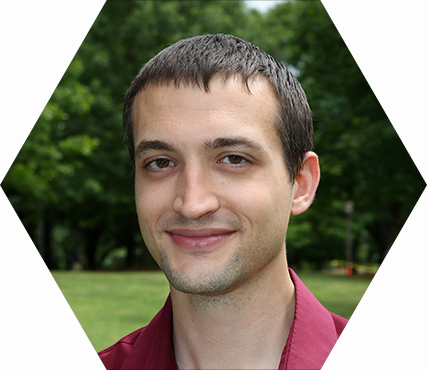
Kevin T. Vaughan is an Associate Professor in the Department of Biological Sciences at the University of Notre Dame, with a research focus on the cell biology of cancer and neurodegenerative diseases. He is a member of the Harper Cancer Research Institute and conducts mechanistic studies on mitosis, organelle transport, and cholesterol trafficking. Research Interests: Cell Biology of human diseases Mitosis and cell cycle regulation Neurodegeneration, particularly Niemann-Pick Type C disease Cancer therapeutics and combinatorial drug treatments Cholesterol transport mechanisms Cytoplasmic dynein function in cellular dynamics His research employs mass spectrometry and animal models to investigate novel regulatory pathways in mitosis and to develop new therapies for pancreatic and breast cancer. The lab has discovered a new cholesterol transport pathway disrupted in NPC disease and is exploring potential corrective strategies. Recent Research Trends: Dr. Vaughan's recent publications emphasize the role of cytoplasmic dynein in mitotic processes, kinetochore dynamics, and organelle transport. His work bridges fundamental cell biology with translational applications in cancer and rare genetic disorders. Key themes include motor protein regulation, mitotic spindle assembly, and intracellular trafficking defects in disease. Scientific Affiliations: Member, Harper Cancer Research Institute Faculty, College of Science, University of Notre Dame Advising and Research Support: As a principal investigator, Dr. Vaughan leads a research laboratory focused on cellular mechanisms of disease. He collaborates on interdisciplinary projects related to cancer therapeutics and neurodegeneration. His lab receives institutional support through the University of Notre Dame and the Harper Cancer Research Institute, enabling studies in both basic and applied biomedical research. Laboratory and Team: The Vaughan Laboratory is based in the Galvin Life Science Center and conducts research on mitotic regulation and cholesterol transport. The team utilizes biochemical, cellular, and imaging approaches to study disease mechanisms and test novel therapeutic strategies in model systems.