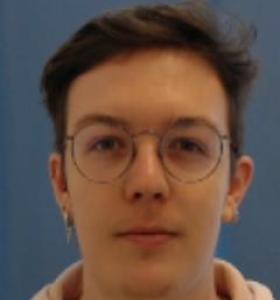
Loïc Guezou is a Researcher at the Paris-Saclay University's Mechanics Laboratory, focusing on interdisciplinary research spanning biomedical engineering and geopolitical studies. His work integrates computational mechanics with additive manufacturing for patient-specific anatomy modeling, while also addressing emerging cyber-geopolitical challenges. Key Research Areas: Biomedical Engineering: High-fidelity numerical models for 3D printing Computational Mechanics: Application to medical device development Geopolitical Studies: Cybersecurity and digital policy implications Recent conference communications highlight his collaborative approach, working with experts like Andrea Barbarulo, Bing Tie (biomedical projects), and Frédérick Douzet, Julien Nocetti (cyber-geopolitical research). Although no formal awards or student advisement details are currently documented in the available records, his publications reflect a dual focus on technological innovation and socio-political analysis.
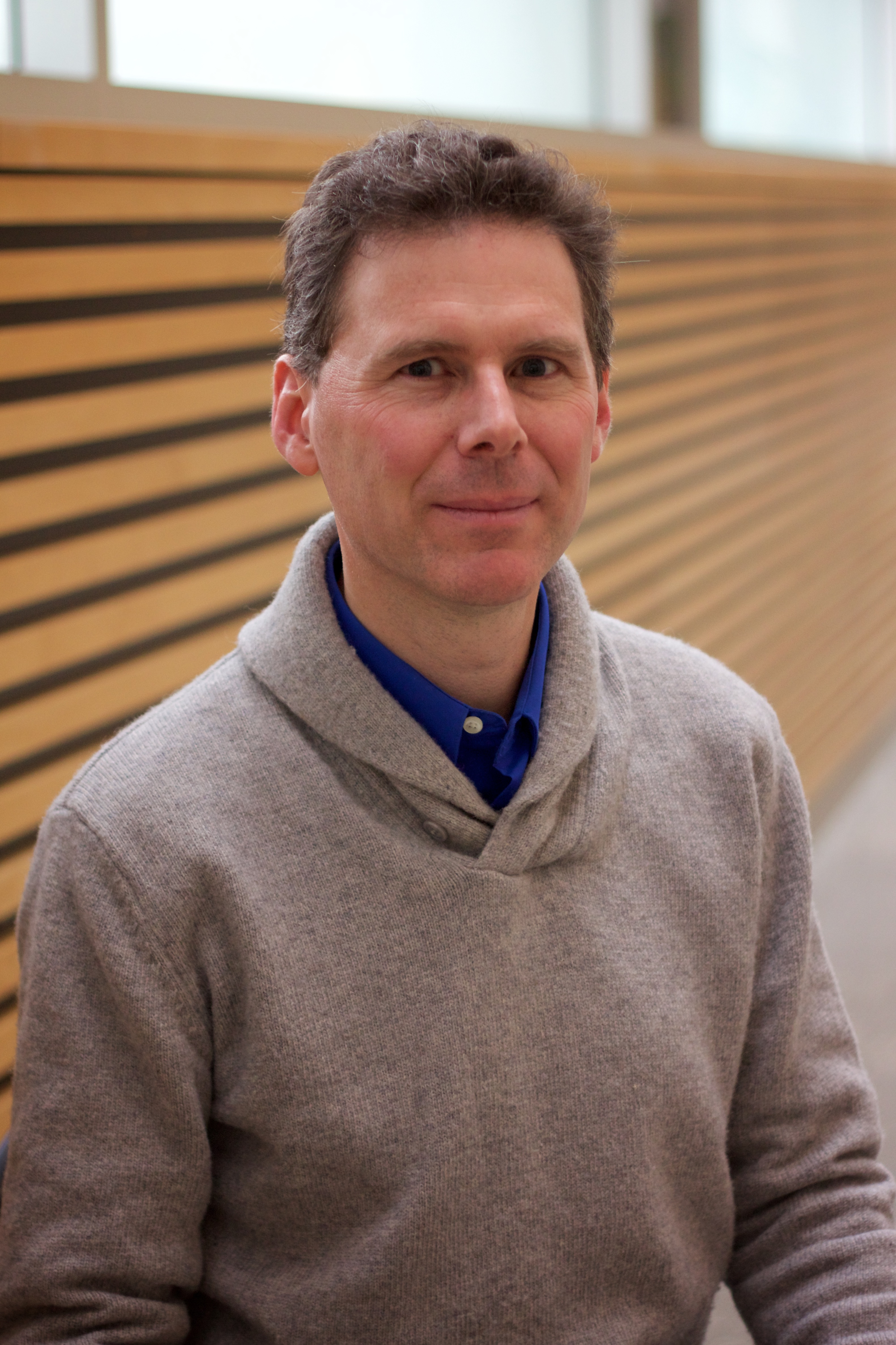
Professor Thomas Bein is affiliated with the Department of Chemistry at Ludwig-Maximilians-Universität München (LMU) , where he leads the Functional Nanosystems research group. His work focuses on synthesizing and characterizing nanostructured materials with applications in energy, catalysis, and biomedical delivery. Mesoporous nanoparticles for drug delivery Semiconductor nano-morphologies for photovoltaics Photoelectrochemical water splitting Metal-organic frameworks (MOFs) Electroactive networks His research emphasizes atomic-scale control of material architectures using self-assembly, hydrogen bonding, and covalent interactions, enabling precise tuning of electronic, optical, and catalytic properties. A review of his recent publications reveals cutting-edge investigations into covalent organic frameworks (COFs), perovskite-inspired solar materials, and functional nanoparticle systems. Key trends include optimizing energy conversion efficiency, enhancing stability in optoelectronic devices, and exploring bio-compatible nanocarriers for targeted therapies. Professor Bein’s group actively contributes to interdisciplinary projects at the intersection of chemistry, physics, and biomedical engineering, with ongoing collaborations in solar energy, sustainable materials, and nanomedicine.
Robert Rohling is a Professor at the University of British Columbia's Faculty of Applied Science, affiliated with the Department of Mechanical Engineering and holding a joint appointment with the Department of Electrical and Computer Engineering. As Director of the Institute of Computing, Information and Cognitive Systems (ICICS), his research focuses on biomedical engineering, medical imaging, robotics, and computational methods. B.A.Sc. (UBC) M.Eng. (McGill) Ph.D. (Cambridge) Rohling's work spans three primary research areas: medical imaging (3D ultrasound, spatial compounding, elasticity reconstruction), medical information systems (radiologist navigation tools for large image datasets), and robotic calibration for surgical applications. His multidisciplinary approach integrates mechanical and electrical engineering principles with clinical needs. Rohling's publications (2020-2022) reveal trends in advanced ultrasound techniques (e.g., shear wave vibro-elastography), AI-driven image processing (cycleGAN translation), and computational optimization for diagnostic accuracy. Keywords across his work include Medical Imaging, Biomedical Engineering, Robotics, and Computational Modeling. As director of the Robotics and Control Laboratory , Rohling leads interdisciplinary collaborations with industry and clinical partners to address practical challenges in medical diagnostics and surgical robotics. His research emphasizes translating engineering innovations into clinical practice.
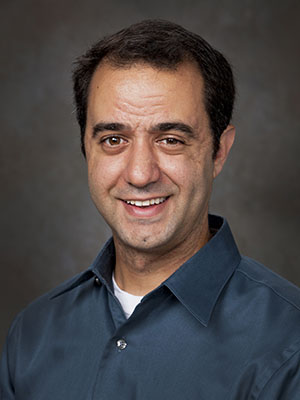
Bobak Mortazavi is an Associate Professor in the Department of Computer Science & Engineering at Texas A&M University. His research focuses on medical analytics, machine learning, wearable sensors, and cyber-physical systems. He leads interdisciplinary projects in healthcare technology, including AI-driven diagnostics and predictive modeling for cardiovascular diseases. He has received notable awards such as the Best Demonstration Award at IEEE EMBS 2012 and the Best Paper Award at the Fourth International Conference on Data Analytics 2015. His work bridges machine learning with clinical applications, emphasizing practical solutions for healthcare challenges. Recent research includes developing AI tools for aortic stenosis detection, electrolyte estimation via ECG, and real-time patient monitoring systems. He collaborates with industry and academic partners to advance telemedicine and wearable health technologies. Key contributions include the SMART-LV project for smartphone-based cardiac diagnostics and the ArterialNet framework for blood pressure reconstruction using wearable sensors. His work is published in top journals like IEEE Journal of Biomedical and Health Informatics and Elsevier's Pervasive and Mobile Computing.
Francesca Stradolini is a Lecturer at École Polytechnique Fédérale de Lausanne (EPFL), affiliated with the Electrical Engineering Doctoral School (EDEE). She holds a PhD in Electrical Engineering from EPFL (2018), with prior education in Bio Engineering and Neuroscience from the University of Genoa (2012, 2015). Her current work focuses on R&D engineering for medical devices, emphasizing system lifecycle management, human factors engineering, and compliance with CE/FDA regulations. As an invited guest, she contributes to usability engineering education and interdisciplinary research at EPFL. PhD: IoT Bio-Electronic Multi-Panel Device for On-line Monitoring of Anaesthesia Delivery (EPFL, 2018) MSc: Bio Engineering (University of Genoa, 2015) BSc: Bio Engineering (University of Genoa, 2012) Her research spans bioelectronics, IoT-enabled medical monitoring, and electrochemical sensor development for clinical applications. Key areas include anesthesia delivery systems, wearable diagnostics, implantable devices, and human factors engineering. Her work integrates fluidic systems, noble metal nanostructures, and open-source hardware (e.g., Raspberry Pi) to address challenges in traceability, fouling mitigation, and pharmacokinetic modeling. Scientific recognition includes the Ville de Lausanne Award (2019) , EPFL Outstanding PhD Thesis Distinction (2018) , and a Best Paper Award at MOBIHEALTH (2016) . She has published extensively in journals like IEEE TBIOCAS, Sensors and Actuators B, and IEEE Sensors Journal, with collaborative studies on propofol monitoring, carbon nanoallotrope drug detection, and implantable sensor validation. Her technical expertise includes managing medical device development lifecycles, designing IoT architectures for intensive care, and optimizing electrochemical sensors for stability in undiluted biological fluids. She has contributed to conferences such as IEEE BioCAS, ISCAS, and MOBIHEALTH, focusing on translational studies in personalized medicine and 3D-printed medical systems.
Gianluca Iaccarino is a Professor of Mechanical Engineering at Stanford University and the Robert Bosch Chairholder. He serves as Director of the PSAAP Center and leads large-scale computational research initiatives in uncertainty quantification, exascale computing, and multiphysics simulations. His academic journey includes a PhD in Mechanical Engineering from Politecnico di Bari (2005), postdoctoral work at Stanford's Center for Turbulence Research, and progression from Research Engineer to full Professor. Education : PhD (Politecnico di Bari), MS/BS in Aeronautical Engineering (University of Naples) Research : Computational engineering, turbulence modeling, uncertainty quantification, biomedical fluid dynamics, and exascale-ready algorithms Publications : 15+ recent articles focus on turbulence modeling, data-driven simulations, and uncertainty quantification across diverse applications in aerospace, biomedical, and energy systems Awards : PECASE (2010), APS Fellow (2019), multiple best paper awards (AIAA, ASME), Terman Fellow (2007) Students : Advises doctoral and master's students in mechanical engineering and computational methods Leadership : Director of PSAAP Center (2014-present), Chair of Mechanical Engineering Department (2024-present)
Shreyas Sen is the Elmore Associate Professor of Electrical and Computer Engineering at Purdue University, jointly affiliated with the School of Biomedical Engineering. He directs the Center for Internet of Bodies (C-IoB) and leads the SPARC Lab, focusing on circuits/systems for secure, energy-efficient body-centric communication and biomedical applications. Education: B.E. (Jadavpur University, 2006), M.S. & Ph.D. (Georgia Tech, 2009-2011). His research spans Human Body Communication (HBC), hardware security, IoT/IoB systems, and low-power sensing. Notable innovations include Electro-Quasistatic HBC (EQS-HBC) technology, which enables covert body-wire communication with 100x lower energy than conventional methods. Research Themes: Secure communication for medical wearables Physical layer security in IoT Ultra-low-power biosensors Side-channel attack mitigation in cryptographic ICs Publications: Over 200 papers in top venues (ISSCC, DAC, CICC, HOST) with focus on HBC systems, electromagnetic security, and biomedical circuits. Recent work explores EQS-HBC privacy properties (Nature Scientific Reports, 2019) and 350x current-domain signature attenuation for AES security (ISSCC 2020). Awards: NSF CAREER Award (2020) AFOSR Young Investigator (2016) MIT TR35 India (2018) 9 Best Paper Awards Intel Outstanding Researcher (2020) He advises over 20 students and leads industry collaborations through Ixana Inc. (founded 2020), commercializing EQS-HBC technology. Current efforts include EQS-based authentication systems and radiation dosimetry wearables.
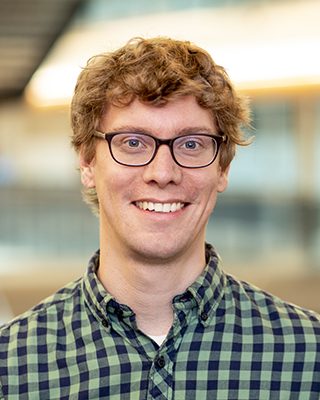
Tim Althoff is an Associate Professor at the Paul G. Allen School of Computer Science & Engineering, University of Washington, specializing in Artificial Intelligence and Human-Centered Computing. His research focuses on behavioral data science, combining Data Science Natural Language Processing Social Computing Human-Centered AI Ethics & Fairness to extract insights about health and well-being. Recent publications highlight advancements in: Mental health support through AI Wearable sensor health monitoring Online community analysis Reproducibility in data science Public health interventions with notable papers in ACL, Nature Machine Intelligence, and NeurIPS. Scientific recognition includes: ACL 2023 Outstanding Paper Award WWW 2021 Best Paper Award Double ICWSM 2021 Best Paper Awards SIGKDD Dissertation Award 2019 Fulbright Scholarship German National Merit Foundation Actively mentoring postdoctoral researchers and seeking PhD students in areas like neural representation learning, NLP applications to psychology, and mobile health technologies through his Behavioral Data Science Group .
Richard M. Murray is the Thomas E. and Doris Everhart Professor of Control and Dynamical Systems and Bioengineering at the California Institute of Technology (Caltech). He holds a B.S. from Caltech (1985), M.S. from UC Berkeley (1988), and Ph.D. from UC Berkeley (1990). He has served in academic roles from Assistant Professor (1991–1997) to his current endowed professorship. He chaired the Engineering and Applied Science division (2000–2005) and Biology and Biological Engineering (2020–2024). His research focuses on feedback control in biological and autonomous systems, synthetic cells, and networked control systems. Collaborators include experts in robotics, synthetic biology, and systems biology. Key awards include the IEEE Control Systems Award and election to the National Academy of Engineering. His educational contributions span courses on control systems, robotics, and bioengineering. Current research projects include the Developer Cell initiative (Sloan Foundation), layered testing for autonomous systems (AFOSR), and microbiome-based environmental solutions (CHARMME, ARO). He advises numerous graduate students and postdocs, with notable alumni in academia and industry. Labs include facilities in Keck and Steele laboratories at Caltech. His work bridges control theory, synthetic biology, and autonomous systems to address societal challenges like environmental monitoring and safe autonomy.
Gary Fedder is the Howard M. Wilkoff Professor of Electrical and Computer Engineering at Carnegie Mellon University (CMU), with courtesy appointments in Biomedical Engineering, Mechanical Engineering, and Robotics. He serves as Faculty Director of the Manufacturing Futures Institute (MFI) and previously held roles such as Vice Provost for Research and Interim CEO of the Advanced Robotics for Manufacturing (ARM) Institute. Fedder’s research focuses on MEMS, advanced manufacturing, and implantable microsystems. He earned his B.S., M.S., and Ph.D. in EECS from MIT and UC Berkeley, respectively. Education: Ph.D., Electrical Engineering and Computer Science, UC Berkeley (1994) M.S., Electrical Engineering and Computer Science, MIT (1984) B.S., Electrical Engineering and Computer Science, MIT (1982) Research Interests: Microelectromechanical systems (MEMS), digital twins, aerosol jet printing, stretchable electronics, and manufacturing innovation. His work integrates MEMS with CMOS processes, emphasizing low-cost, high-performance systems. Key Contributions: Co-founded the ARM Institute; developed MEMS-based sensors and actuators; pioneered methods for manufacturing innovation through projects like America Makes. His research spans over 300 publications and 21 patents. Awards: IEEE Fellow (2007), Ross Tucker Award (1993), NSF CAREER Award (1996), and leadership roles in Manufacturing USA initiatives. Leadership & Outreach: Directed the Institute for Complex Engineered Systems and led national initiatives to advance U.S. manufacturing competitiveness. Active in editorial roles for journals like IoP Journal of Micromechanics .
Prof. Stefan Leutenegger is a tenure-track Assistant Professor at Technische Universität München (TUM), leading the Machine Learning for Robotics group within the TUM School of Computation, Information, and Technology. Previously, he held roles as Senior Lecturer (2018–2021) and Lecturer (2014–2018) at Imperial College London's Dyson Robotics Lab, where he founded the Smart Robotics Lab. He earned his PhD (2014) from ETH Zurich, focusing on autonomous solar-powered aircraft navigation, and holds BSc (2006) and MSc (2009) in Mechanical Engineering from ETH Zurich. His research centers on mobile robotics, particularly enabling robots (e.g., drones) to perceive and navigate complex environments using machine learning and sensor data fusion. Key focus areas include SLAM, event-based vision, 3D reconstruction, and autonomous exploration. He has pioneered algorithms like BRISK (2011), OKVIS (2014), and ElasticFusion (2016), advancing real-time robotics perception. Notable Awards: Imperial College President's Award (2018), Best ECCV Paper (2016), ETH Medal for Dissertations (2015). Labs: TUM's Machine Learning for Robotics Group, Imperial's Smart Robotics Lab. Publications: Over 100 papers, including seminal works in CVPR, ECCV, and Robotics: Science and Systems. Current projects include DigiForests (forest inventory via robotics), aerial additive manufacturing, and object-centric semantic mapping. His work bridges theory and practice, with applications in autonomous drones, construction robotics, and human-robot interaction.
Anamaria Crisan is an Assistant Professor at the University of Waterloo, affiliated with the Insight Lab. Her research focuses on interdisciplinary work at the intersection of Human-Computer Interaction (HCI), Data Visualization, and Applied AI/ML. She explores human-centered approaches to AI/ML systems, visualization design for decision-making, and healthcare data science applications. Dr. Crisan holds a PhD in Computer Science from the University of British Columbia (2019), an MSc in Bioinformatics (2010), and a BComp in Biomedical Computing from Queen’s University (2008). Her educational background bridges computer science, biology, and healthcare informatics. Her research interests include responsible AI/ML systems, interactive visualization for data-driven decisions, and leveraging visualization in healthcare to improve outcomes. She emphasizes transparency, trustworthiness, and human alignment in AI technologies. Her work spans diverse applications such as genomic epidemiology, dashboard design, and ethical AI evaluation. Notable contributions include studies on human-AI collaboration, visualization linters, and scalable dashboard census methodologies. She has published widely in top-tier venues like IEEE VIS and ACM CHI. Dr. Crisan’s lab (UW Insight Lab) focuses on human-centered approaches to automating data science and improving visualization practices in critical domains like healthcare and public health.
Jonas Fischer is the head of the Explainable Machine Learning group at the Max Planck Institute for Informatics, Department of Computer Vision and Machine Learning. His research focuses on interpreting complex machine learning models, particularly in genomics and healthcare, aiming to enhance robustness and alignment with human decision-making. Prior to his role at MPI, he was a postdoctoral fellow at Harvard University's Department of Biostatistics, where he worked on interpretable models for gene regulatory systems in cancer. Education: PhD in Computer Science from Saarland University (2022), with a thesis titled More than the sum of its parts , exploring the intersection of pattern mining and deep learning. He has contributed to advancing methods in neural network pruning, federated learning, and low-dimensional embeddings (e.g., dtSNE, Mercat). His work bridges computational biology, data mining, and machine learning, with applications in DNA methylation analysis, graph-based differential networks, and biomedical informatics. Key research areas include: (1) Explainable AI and neural network interpretability, (2) Biomedical applications of machine learning (e.g., gene regulatory networks, cancer genomics), (3) Low-dimensional embeddings and visualization techniques, (4) Federated learning for privacy-preserving collaborative models, and (5) Pattern mining for error analysis in NLP and classification tasks. Publications span top venues like NeurIPS, ICLR, Bioinformatics, and Genome Biology. His group develops tools such as BONOBO for omics data integration and node2vec2rank for scalable graph analysis. He actively collaborates with biomedical researchers to address challenges in data-driven healthcare and precision medicine.
Byron Wallace is the Sy and Laurie Sternberg Interdisciplinary Associate Professor at Northeastern University's Khoury College of Computer Sciences, where he also serves as Associate Dean for Research and Director of the BS in Data Science Program. His research focuses on Natural Language Processing and Machine Learning applications in healthcare. Education Details of formal education are not explicitly provided in the available text, though he holds a PhD from Tufts University (mentioned in thesis award context). Research Interests His work centers on developing NLP and ML models for health applications, with particular emphasis on: Biomedical evidence synthesis automation Electronic Health Record processing Model interpretability and trustworthiness Human-in-the-loop systems Learning with limited supervision Research Trends Recent publications demonstrate strong focus on large language model applications in healthcare, including factuality evaluation for medical summarization, evidence extraction from clinical trials, and interpretable risk prediction models. Notable contributions include work on GPT-3 applications in medical evidence synthesis and neural methods for EHR analysis. Scientific Awards ACL Outstanding Paper Award (2022) ICLR Spotlight (top 5% acceptance) (2024) Best Student-led Paper Award at AMIA 2021 NSF CAREER Award (2018-2023) Advising and Grants Currently advises 4 PhD students and has mentored numerous others. Major funding includes: NSF CAREER Award ($500K+) NIH R01 grant for EHR summarization NSF Medium grant for healthcare summarization Support from Army Research Office, Amazon, and Seton Hospital Labs and Teams Leads the Evidence Inference project team working on automated biomedical evidence synthesis. Collaborates with Brigham and Women's Hospital, Mass General Hospital, and Reboot Rx for clinical translation of research.
Dr. Jimeng Sun is a Health Innovation Professor at the Siebel School of Computing and Data Science and Carle Illinois College of Medicine at the University of Illinois Urbana-Champaign. Co-founder of Keiji AI , he leads groundbreaking research at the intersection of artificial intelligence and healthcare, actively deploying clinical AI systems and developing frameworks like PyHealth and Therapeutics Data Commons . His research spans four major areas: Clinical AI Systems : Developing interpretable models (e.g., RETAIN) for patient similarity, temporal event prediction, medication recommendation, and clinical outcome forecasting Drug Discovery : Creating molecular optimization frameworks, drug-target interaction models, and AI-driven platforms Clinical Trials : Pioneering patient-trial matching, outcome prediction, and optimization frameworks using deep learning and graph neural networks Biosignal Analysis : Advancing sleep staging, seizure classification, and automated EEG/Cardiac monitoring systems With over 500 top-tier publications (including in Nature , NEJM AI , and leading AI conferences) and an h-index of 99, his work has been recognized with the Top 100 AI Leaders in Drug Discovery and Advanced Healthcare award. He maintains active collaborations with institutions like Massachusetts General Hospital , Medidata Solutions , and OSF Healthcare . His recent publications reveal a strong focus on: Reinforcement learning applications in medical data analysis Large language model adaptation for clinical tasks Knowledge graph integration with AI systems Synthetic data generation for healthcare Multi-modal learning in clinical contexts Explainable AI for medical applications Dr. Sun's lab ( Sunlab ) emphasizes practical impact over theoretical work, actively collaborating with hospitals and healthtech companies. He welcomes contributions from clinicians, researchers, and industry partners through initiatives like his AI for Health webinar series .