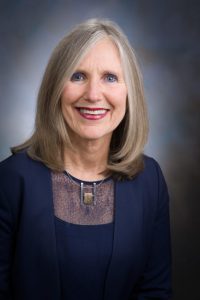
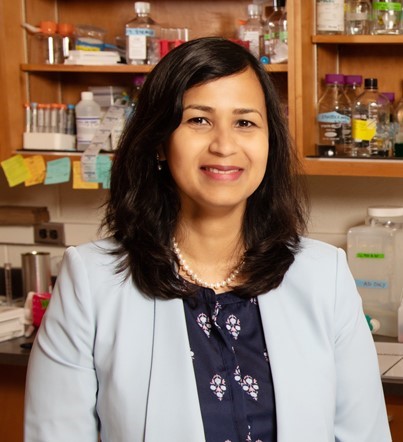
Changhuei Yang is the Thomas G. Myers Professor of Electrical Engineering, Bioengineering, and Medical Engineering at California Institute of Technology, serving as Executive Officer for Electrical Engineering and Investigator at Heritage Medical Research Institute. He holds a Ph.D. and three master's degrees from MIT, with appointments at Caltech since 2003. Research focuses on: Advanced microscopy techniques including Fourier Ptychography Wavefront shaping for biological tissue imaging Optical phase conjugation for deep-tissue applications Compact medical devices for cerebral monitoring Publications demonstrate leadership in computational imaging, with recent advances in stain-free embryo analysis, portable cerebral blood flow monitors, and high-resolution volumetric imaging techniques using neural representations. Honored as National Academy of Inventors member. Research applications span deep-tissue biochemical imaging, incisionless surgery, and optogenetic activation systems.
Wenyao Xu is a Professor and Associate Department Chair in the Department of Computer Science and Engineering at the University at Buffalo, School of Engineering and Applied Sciences. His research focuses on embedded systems, body sensor networks, biomedical signal analytics, telemedicine, and human-computer interaction. He leads the Embedded Sensing and Computing (ESC) Lab, pioneering innovations in wearable health monitoring and non-invasive medical technologies. Dr. Xu holds a PhD in Electrical and Electronics Engineering from UCLA (2013), an MEng in Embedded Systems from Zhejiang University (2008), and a BEng in Electrical Engineering from Zhejiang University (2006). He has received multiple accolades, including the UB Exceptional Scholar—Sustained Achievement Award (2021) and SEAS Senior Career Researcher of the Year (2020). His research spans cutting-edge areas like mmWave-based sensing for health monitoring, mHealth applications for behavioral interventions (e.g., Sense2Quit app for smoking cessation), and wearable devices for gait analysis and vital sign detection. Recent work includes advancements in through-clothing wound monitoring, voice- and gesture-based authentication systems, and AI-enhanced medical imaging. Publications reflect his interdisciplinary impact, with over 150 peer-reviewed papers in top venues. His lab collaborates closely with clinical partners to translate technologies into practical healthcare solutions. Dr. Xu also emphasizes mentorship, having been honored with the President Emeritus and Mrs. Meyerson Award for teaching excellence (2020).
Dr. Owen Dillon is a Research Fellow in the Discipline of Medical Imaging Sciences at the University of Sydney's Faculty of Medicine and Health. He holds affiliations with the ACRF Image X Institute and the Dodd-Walls Centre for Photonic and Quantum Technologies. His work focuses on advanced imaging techniques for medical applications, particularly computed tomography (CT) and motion compensation in radiation therapy. He completed his PhD in Mathematics at the University of Auckland, specializing in probabilistic compression algorithms for inverse problems. Education: B.Sc. Physics & Applied Mathematics (2013, University of Auckland), First Class Honours in Mathematics (2015), PhD Mathematics (2018). Research interests include inverse problems, Bayesian statistics, CT image reconstruction, and real-time imaging systems. Current projects involve optimizing CT acquisition geometries, motion-compensated 4D imaging, and anatomical motion estimation. His contributions have led to clinical trials reducing radiation dose and scan times. He advises two PhD students and collaborates on grants like the Quantum CT project. Grants: 'Quantum CT for Cancer Diagnosis' (2024), 'Functional Imaging in Lung Cancer' (2024). His work bridges mathematical theory with clinical applications in oncology and interventional radiology.
Jeremy Dahl is a Professor of Radiology (Pediatric Radiology) at Stanford University School of Medicine. He directs the Ultrasound Imaging & Instrumentation Lab and serves as Director of Research Academic Affairs in the Department of Radiology since 2020. He holds multiple affiliations across Stanford including Bio-X, the Cardiovascular Institute, Wu Tsai Human Performance Alliance, Maternal & Child Health Research Institute, Stanford Cancer Institute, and Wu Tsai Neurosciences Institute. Dr. Dahl received his B.S. in Electrical Engineering from the University of Cincinnati (1999) and Ph.D. in Biomedical Engineering from Duke University (2004). His research focuses on developing ultrasonic beamforming and image reconstruction methods for diagnostic imaging applications, particularly techniques that generate high-quality images in difficult-to-image patients. His laboratory specializes in B-mode and Doppler imaging techniques that utilize additional information from ultrasonic wavefields to improve image quality and develop real-time imaging systems for clinical applications including cardiac, liver, and fetal imaging. Dr. Dahl's research has led to significant advancements in ultrasound molecular imaging platforms, sound speed estimation, aberration correction, and reverberation noise suppression. His work often bridges engineering innovation with clinical applications for cancer detection and other diseases. His recent publications demonstrate strong focus on machine learning applications in ultrasound, distributed aberration correction, and molecular imaging techniques. Fellow, American Institute of Ultrasound in Medicine (2021) Senior Member, Institute of Electrical and Electronics Engineers (2020) Distinguished Investigator Award, The Academy for Radiology & Biomedical Imaging Research (2018) Outstanding Paper Award, IEEE Ultrasonics, Ferroelectrics, and Frequency Control Society (2011) Dr. Dahl serves in editorial roles for major journals including IEEE Transactions on Medical Imaging (2017-2024) and IEEE Transactions on Ultrasonics, Ferroelectrics, and Frequency Control (2013-Present). His laboratory has successfully translated numerous innovations into clinical applications, with multiple patents including recent developments in pulsed focused ultrasound therapy and speed of sound quantification.
Kevin C. Zhou is an Assistant Professor in the Department of Biomedical Engineering at the University of Michigan. His research focuses on developing high-performance computational optical imaging systems with unprecedented spatiotemporal throughput, integrating advanced optical instrumentation with machine learning-driven algorithms to analyze big data in biology and medicine. His lab specializes in creating imaging systems capable of capturing high-resolution, high-speed, and high-dimensional datasets. Dr. Zhou holds a Ph.D. in Biomedical Engineering from Duke University (NSF GRFP Fellow) and a B.S. in Biomedical Engineering from Yale University (Barry Goldwater Scholar). Prior to joining U-M, he was a Schmidt Science Fellow and postdoctoral researcher at UC Berkeley. Key research areas include: High-throughput microscopy (gigapixel-scale systems) 3D tomographic imaging Light field and Fourier-based imaging modalities Machine learning for image reconstruction and analysis Biomedical applications in cellular/molecular imaging His recent work has advanced technologies like multi-camera array microscopes (MCAM/MCAS) and Fourier light field mesoscopes, achieving video-rate 3D imaging of freely moving organisms. These innovations enable applications in digital cytopathology, behavioral tracking, and high-content biological studies. Notable awards include the NSF Graduate Research Fellowship and Barry Goldwater Scholarship. His research has been featured in top journals and conferences with a focus on advancing optical imaging hardware and computational pipelines.
Stefan Helmreich is the Elting E. Morison Professor of Anthropology at MIT, where his research examines how scientists conceptualize fundamental phenomena—especially waves—across oceanography, biology, acoustics, and computing. His interdisciplinary work bridges anthropology, science studies, and media theory. Core research themes include: Cultural and scientific constructions of ocean waves Marine microbial ecologies and alien oceans Sound studies and transduction theories Multispecies ethnography Scientific visualization practices Helmreich's publications demonstrate consistent engagement with wave phenomena as both physical forces and cultural symbols, exploring how scientific representations of waves shape environmental understanding. His award-winning books trace connections between marine science, cosmology, and media technologies. He has received numerous prestigious awards including a Guggenheim Fellowship and multiple book prizes from anthropological associations. Helmreich maintains creative collaborations through projects like 'Wave Count'—a musical exploration of wave representations across genres.
John Ford is an Associate Professor in the Department of Nuclear Engineering at Texas A&M University. His research focuses on radiobiology, radiation carcinogenesis, and medical applications of radiation. He holds academic appointments within the College of Engineering and contributes to the Health Physics, Radiation Biology & Medical Physics research group. Education includes a B.S. and M.S. in Nuclear Engineering from Mississippi State University (1982, 1986), a Ph.D. in Biomedical Sciences from the University of Tennessee (1992), and postdoctoral training at Oak Ridge National Laboratory (1992–1993). His work emphasizes understanding radiation effects on biological systems, with notable contributions to radiation dosimetry, bystander signaling mechanisms, and dietary modulation of radiation damage. Recent studies explore space radiation monitoring technologies and therapeutic applications of radiation. Awards include the BP Award for Teaching Excellence (2007) and ARRO Educator of the Year (2013–2014). Research spans interdisciplinary areas such as radiation-induced cancer mechanisms, nutritional interventions to mitigate radiation effects, and advanced radiation detection instrumentation. He has advised numerous projects in radiation safety curriculum development and collaborated on NASA-funded studies modeling radiation impacts on astronauts.
Zoya Popovic is a Distinguished Professor and holds the Lockheed Martin Endowed Chair in RF Engineering at the University of Colorado Boulder's Department of Electrical, Computer, and Energy Engineering. She earned a Dipl.Ing. from the University of Belgrade (1985) and a PhD from Caltech (1990). She has advised over 50 PhD students and was a visiting professor at Technical University of Munich (2001). Her research focuses on high-efficiency microwave/millimeter-wave circuits, smart antenna arrays, wireless powering systems, and biomedical microwave applications. Notable contributions include quasi-optical imaging techniques and low-noise amplifier designs. Key awards: IEEE Microwave Prizes (1993/2006), Humboldt Research Award (2000), Terman Medal (2001) Lab Group Website: [Link] Recent work emphasizes in-band full-duplex systems, GaN MMICs, and quantum-based waveform modulation. Her group maintains advanced facilities for millimeter-wave and terahertz research.
Mats Danielsson is a Professor at KTH Royal Institute of Technology, leading the Medical Imaging research group within the Department of Particle Astrophysics and Medical Imaging. He has coordinated major projects like the ERC Advanced Grant for the Si3 project (starting 2024) and the EIC Pathfinder's 1MICRON project (starting 2025). His work focuses on advancing photon-counting detectors, X-ray technologies, and medical imaging systems. Notable recognitions include the 2024 KTH Innovation Award and the 2022 Hans Wigzell Science Prize. Danielsson has co-founded companies such as Sectra Mamea AB and C-RAD AB, and holds 135 patents with over 150 scientific publications. Education: MSc (1990) and PhD (1996) from KTH, followed by postdoctoral research at Lawrence Berkeley National Lab (1996–1998). He joined KTH in 1999, where he has held his current professorship since then. His research spans medical imaging, detector innovation, and radiation physics applications in healthcare. Research Interests: Development of high-resolution CT detectors, photon-counting technologies, compact X-ray sources, and AI-driven image processing. His recent work emphasizes minimizing radiation exposure while enhancing diagnostic precision through novel detector designs and machine learning algorithms. Key Projects: ERC Si3 project (3D detector for nuclear medicine), EIC 1MICRON (micrometer-scale imaging), and MedTechLabs collaboration with Karolinska Institutet. He has pioneered innovations such as MicroDose mammography and advanced photon-counting spectral CT systems. Awards: KTH Innovation Award (2024), Hans Wigzell Prize (2022), IVA membership (2017), Polhem finalist (2014), and INGVAR Award (2004). Advising & Grants: Over 150 scientific publications, 135 patents, and leadership in multi-institutional projects. Teaches courses on medical imaging and modern physics at KTH. Labs/Teams: Director of the Medical Imaging Group at KTH, co-founder of MedTechLabs, and collaborator across academia and industry in medical imaging innovation.
Carmen Menoni is a University Distinguished Professor in the Department of Electrical and Computer Engineering at Colorado State University, with joint appointments in the Department of Chemistry and School of Biomedical Engineering. She earned her B.S. in Physics from the University of Rosario (1978) and Ph.D. in Physics from Colorado State University (1987). Her research advances laser technologies through dielectric materials for ultra-high intensity optics, impacting fusion energy and astrophysical detection systems. Her core research investigates transparent dielectric materials to develop state-of-the-art interference coatings. Key focus areas include: Extreme ultraviolet/soft x-Ray photonics for precision instrumentation Nano-scale microscopy/spectrometry for material characterization Ion beam sputtering techniques for coating deposition Optical interference coatings for gravitational wave detectors and fusion lasers As Director of the RISE hub (DOE-funded Inertial Fusion Energy initiative), she leads a multi-institutional consortium accelerating fusion energy technologies and workforce development. She co-founded XUV Lasers Inc., commercializing advanced laser systems from CSU research. Honors include: Joseph Fraunhofer Award/Robert M. Burley Prize (2024) Willis Lamb Award for Laser Science (2024) IEEE Women in Photonics Award (2023) Fellowships: Optica, IEEE, APS, AAAS, SPIE She served as IEEE Photonics Society President (2020-2021) and contributes to editorial/governance boards across photonics organizations.
Aditi Das is a Full Professor in the School of Chemistry and Biochemistry at the Georgia Institute of Technology, College of Sciences. She leads the Das Laboratory, which focuses on the biochemistry and chemical biology of lipids, particularly studying cytochrome P450 enzymes and their role in lipid metabolism, endocannabinoid systems, and inflammatory pathways. Her educational background includes: B.Sc. in Chemistry from St. Stephen's College M.Sc. in Chemistry from Indian Institute of Technology, Kanpur (I.I.T) Ph.D. in Chemistry from Princeton University Postdoctoral research at Northwestern University (NSF-NSEC fellow) and Beckman Institute for Advanced Science and Technology, University of Illinois UC Professor Das's research interests center around understanding the physiological role of lipids in sustaining homeostasis and their implications in disease states such as neurodegenerative disorders, cancer, and cardiovascular diseases. Her laboratory specializes in: Enzymology of cytochrome P450s, particularly CYP2J2 epoxygenase Metabolism of ω-3 and ω-6 fatty acids and their derivatives Minor cannabinoid metabolism by cytochrome P450 enzymes Discovery of novel anti-inflammatory lipid metabolites and endocannabinoids Mechanistic studies of membrane proteins using nanodisc technology Her work bridges biochemistry, chemical biology, and pharmacology to uncover novel therapeutic targets related to lipid signaling pathways. Analysis of Professor Das's recent publications (2023-2025) reveals a strong focus on cannabinoid metabolism by cytochrome P450 enzymes, with particular emphasis on how these metabolic processes generate bioactive compounds that interact with the endocannabinoid system. Her research increasingly explores the therapeutic potential of omega-3 derived endocannabinoid epoxides in inflammatory and neurodegenerative conditions. The use of nanodisc technology for studying membrane proteins in near-native environments remains a consistent methodological thread throughout her work, enabling detailed mechanistic insights into enzyme function. Professor Das has received numerous prestigious awards recognizing her research excellence and teaching: 2024 NIH Outstanding Researcher Award (MIRA R35) for established investigators 2024 Vasser Woolley Faculty Fellowship 2023 Plenary Lecture at the International Society of the Study of Xenobiotics (ISSX) 2021 E.L.R. Stokstad Award 2019-2021 List of Teachers Ranked as Excellent 2019 Eicosanoid Research Foundation Young Investigator Award 2019 Zoetis Research Excellence Award 2019 Mary Swartz Rose Young Investigator Award 2015 National Scientist Development Award from the American Heart Association 2022 El Sohly Award from the American Chemical Society Professor Das actively mentors a diverse group of students and postdoctoral researchers, with several former lab members now holding faculty positions or working at prestigious institutions. Her laboratory has secured significant funding from NIH, NSF, and other sources to support research on lipid metabolism, cannabinoid pharmacology, and membrane protein biochemistry. Notable grants include an NIH R35 Outstanding Investigator Award (MIRA), an NIH R21 grant from NIDA, and multiple collaborative grants with other research groups. The Das Laboratory operates within the Petit Institute of Bioengineering and Biosciences (IBB) at Georgia Tech, utilizing state-of-the-art facilities for biochemical and biophysical studies. The lab specializes in nanodisc technology to study membrane proteins in near-native environments, with particular expertise in cytochrome P450 enzymes and their interactions with lipid substrates. Recent work has expanded into collaborative projects involving lipidomics, structural biology, and translational applications of lipid signaling research.
Chi Liu is a Professor of Radiology & Biomedical Imaging at Yale School of Medicine . He serves as Associate Director of Biomedical Imaging Technology at the Yale Biomedical Imaging Institute and Director for Research Faculty Affairs in the Radiology & Biomedical Imaging department. Education : PhD from Johns Hopkins University (2008) Postdoctoral Training : University of Washington (2010) Certification : American Board of Science in Nuclear Medicine (Nuclear Medicine Physics and Instrumentation) His research focuses on quantitative cardiac and oncological PET/CT and SPECT/CT imaging , emphasizing deep learning algorithms , reconstruction algorithms , data correction , and dynamic imaging . Key clinical applications include early detection of chemotherapy-induced cardiotoxicity , multimodality imaging of heart failure , and motion variability elimination in therapy response assessment . The 15 most recent publications reveal a strong emphasis on deep learning techniques for low-dose imaging , motion correction , and cross-tracer generalizability in PET/SPECT systems. These works span applications in cardiac imaging , neuroscience , oncology , and theranostics . Scientific Award : Bruce Hasegawa Young Investigator Medical Imaging Science Award (2012) Contact: chi.liu@yale.edu | ORCID 0000-0002-7007-1037
Junfei Li is an Assistant Professor in the School of Mechanical Engineering at Purdue University. His research focuses on advanced acoustic technologies, including acoustic tweezers, acoustofluidics, metamaterials, and underwater communication systems. He specializes in multiphysics wave propagation, noise control, and energy harvesting. Li's work bridges fundamental science and engineering applications in biomedical devices, sustainable energy, and advanced materials. Research Interests: Acoustic tweezers for microscale manipulation Design of metamaterials for acoustic control Ultrasound and underwater communication systems Energy-efficient noise mitigation strategies His recent publications emphasize innovations in acoustic metasurfaces, nonreciprocal sound propagation, and biomedical acoustic applications. Li’s research has implications for improving medical imaging, energy sustainability, and next-generation acoustic devices. Awards & Recognition: None explicitly listed in the provided materials. Advising & Grants: No student advisees or grant information specified in the text.
Yuankai (Kenny) Tao is an Associate Professor of Biomedical Engineering at Vanderbilt University's School of Engineering and an SPIE Faculty Fellow. He directs the Graduate Studies program in Biomedical Engineering and leads research in optical imaging systems for clinical diagnostics and therapeutic monitoring in ophthalmology, gastroenterology, and oncology. His lab develops technologies like intraoperative OCT and SECTR, focusing on noninvasive subcellular visualization and biomarker monitoring. Collaborations span engineering, basic sciences, and medicine to translate innovations into clinical tools. Education: Ph.D., Biomedical Engineering, Duke University M.S., Biomedical Engineering, Duke University B.S.E., Biomedical Engineering and Electrical Engineering, Duke University Research Interests: Biomedical optics, optical coherence tomography (OCT), image-guided surgery, therapeutic monitoring, big data analytics, and high-throughput imaging for drug discovery. His work bridges engineering and medicine, emphasizing real-time feedback systems and interdisciplinary innovation. Grants & Labs: Director of the Vanderbilt Institute for Surgery and Engineering (VISE)-affiliated lab, focusing on surgical imaging and translational research. Projects include automated instrument tracking, SECTR systems, and AI-driven imaging analysis. Collaborations involve clinicians and researchers across disciplines.
Azita Emami serves as the Andrew and Peggy Cherng Professor of Electrical Engineering and Medical Engineering at the California Institute of Technology (Caltech), where she concurrently holds leadership roles as Executive Officer for Electrical Engineering and Director of the Center for Sensing to Intelligence. Appointed to Caltech's faculty in 2007, she progressed from Assistant Professor to her current endowed professorship through demonstrated scholarly excellence. Her academic foundation includes: B.S. in Electrical Engineering from Sharif University of Technology (1996) M.S. in Electrical Engineering from Stanford University (1999) Ph.D. in Electrical Engineering from Stanford University (2004) Professor Emami pioneers mixed-mode integrated circuit systems that bridge theoretical innovation with practical applications. Her research emphasizes ultra-low power consumption and high reliability in scalable semiconductor technologies, targeting transformative solutions across multiple domains. Key thrusts include: Biomedical implantables for neural recording/stimulation and gastrointestinal monitoring Photonics-electronics co-design for energy-efficient optical interconnects Machine learning-enhanced signal processing for brain-computer interfaces Miniaturized magnetic sensors with unprecedented noise performance Her work consistently demonstrates how circuit-level innovations enable breakthrough capabilities in medical diagnostics and high-speed computing. Analysis of her 2021-2024 publications reveals a strategic convergence of biomedical sensing and intelligent signal processing . While maintaining strong contributions to optical interconnects (accounting for ~40% of recent output), her lab increasingly focuses on closed-loop medical systems where low-power analog neural networks interpret physiological signals. This evolution reflects growing NIH and industry interest in implantable/wearable health technologies, with her group leading in CMOS-based sensor miniaturization and energy efficiency. Her professional recognition includes: IEEE Solid-State Circuits Society Distinguished Lecturer appointment Mentorship excellence is evidenced by students receiving prestigious awards including the Jakob van Zyl Predoctoral Research Award (Saransh Sharma, Ryoto Sekine) and Charles Wilts Prize (Kuan-Chang Chen). Her research program leverages strategic partnerships with Heritage Medical Research Institute and industry collaborators, supported through center-based funding like the Center for Sensing to Intelligence. Administrative leadership spans departmental governance (as Executive Officer) and conference organization (ISSCC technical committees). She directs Caltech's Mixed-mode Integrated Circuits and Systems Lab (MICS) , which operates as a nexus for cross-disciplinary innovation between electrical engineering and medical applications. The lab's industry-collaborative framework accelerates translation of circuit concepts into real-world biomedical solutions through the Center for Sensing to Intelligence.