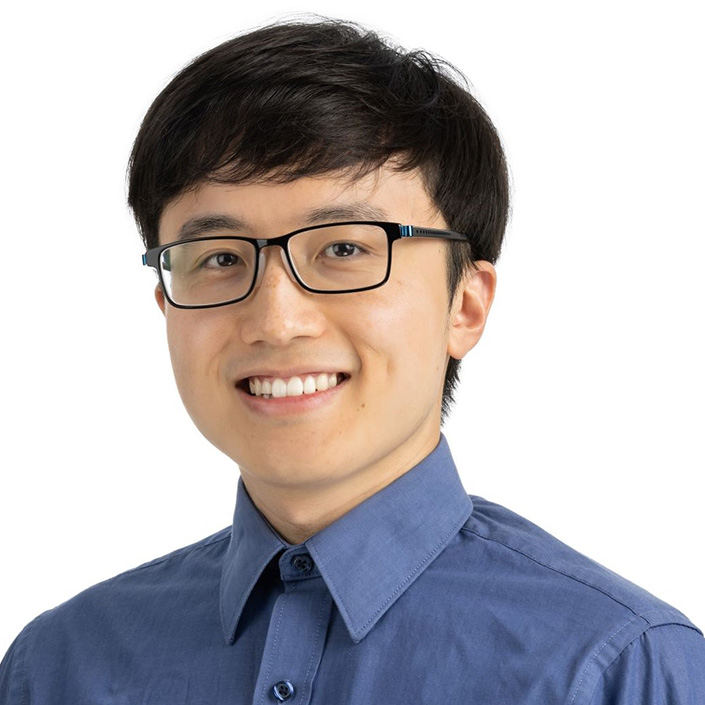
Kevin C. Zhou is an Assistant Professor in the Department of Biomedical Engineering at the University of Michigan. His research focuses on developing high-performance computational optical imaging systems with unprecedented spatiotemporal throughput, integrating advanced optical instrumentation with machine learning-driven algorithms to analyze big data in biology and medicine. His lab specializes in creating imaging systems capable of capturing high-resolution, high-speed, and high-dimensional datasets. Dr. Zhou holds a Ph.D. in Biomedical Engineering from Duke University (NSF GRFP Fellow) and a B.S. in Biomedical Engineering from Yale University (Barry Goldwater Scholar). Prior to joining U-M, he was a Schmidt Science Fellow and postdoctoral researcher at UC Berkeley. Key research areas include: High-throughput microscopy (gigapixel-scale systems) 3D tomographic imaging Light field and Fourier-based imaging modalities Machine learning for image reconstruction and analysis Biomedical applications in cellular/molecular imaging His recent work has advanced technologies like multi-camera array microscopes (MCAM/MCAS) and Fourier light field mesoscopes, achieving video-rate 3D imaging of freely moving organisms. These innovations enable applications in digital cytopathology, behavioral tracking, and high-content biological studies. Notable awards include the NSF Graduate Research Fellowship and Barry Goldwater Scholarship. His research has been featured in top journals and conferences with a focus on advancing optical imaging hardware and computational pipelines.
John Ford is an Associate Professor in the Department of Nuclear Engineering at Texas A&M University. His research focuses on radiobiology, radiation carcinogenesis, and medical applications of radiation. He holds academic appointments within the College of Engineering and contributes to the Health Physics, Radiation Biology & Medical Physics research group. Education includes a B.S. and M.S. in Nuclear Engineering from Mississippi State University (1982, 1986), a Ph.D. in Biomedical Sciences from the University of Tennessee (1992), and postdoctoral training at Oak Ridge National Laboratory (1992–1993). His work emphasizes understanding radiation effects on biological systems, with notable contributions to radiation dosimetry, bystander signaling mechanisms, and dietary modulation of radiation damage. Recent studies explore space radiation monitoring technologies and therapeutic applications of radiation. Awards include the BP Award for Teaching Excellence (2007) and ARRO Educator of the Year (2013–2014). Research spans interdisciplinary areas such as radiation-induced cancer mechanisms, nutritional interventions to mitigate radiation effects, and advanced radiation detection instrumentation. He has advised numerous projects in radiation safety curriculum development and collaborated on NASA-funded studies modeling radiation impacts on astronauts.
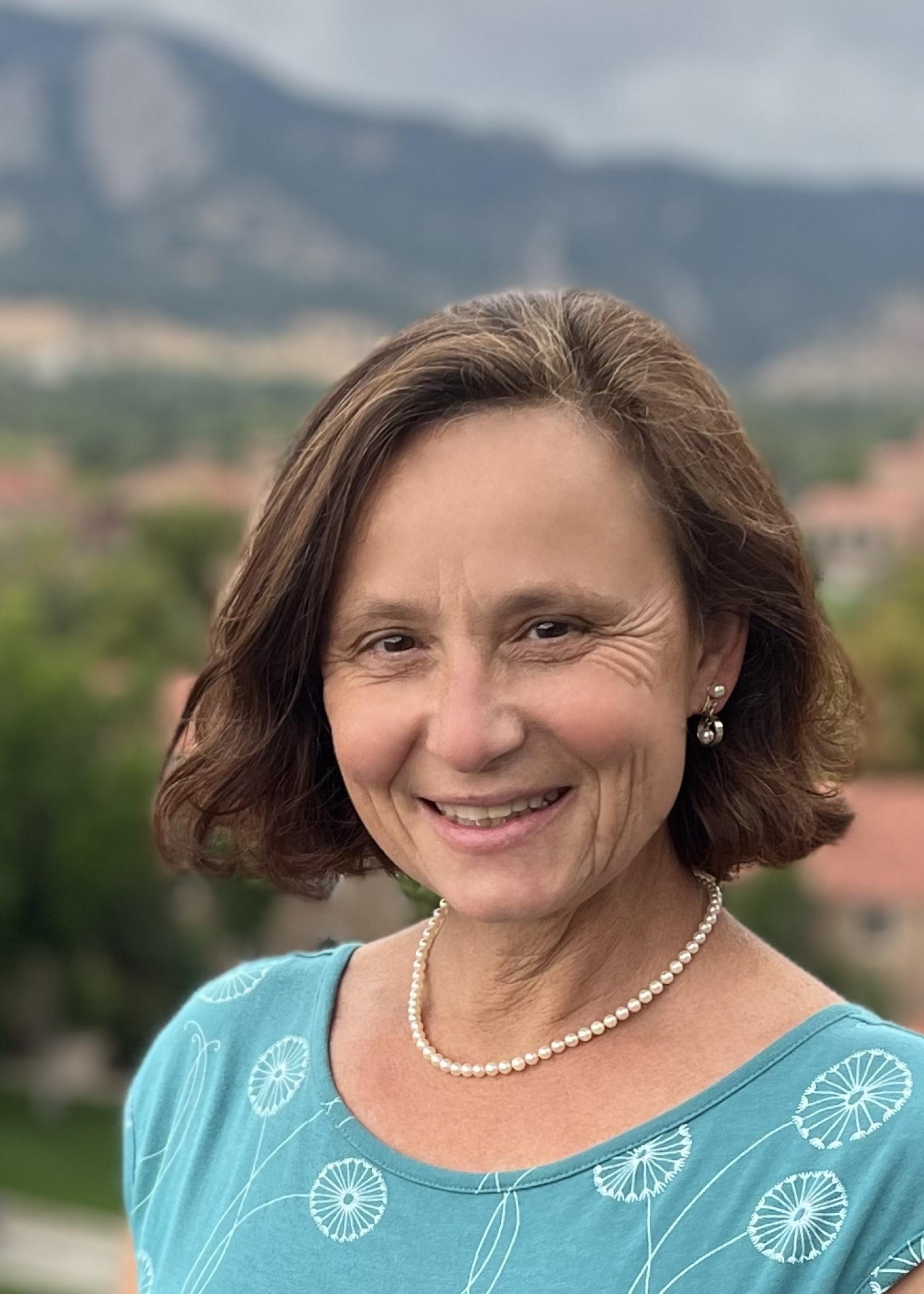
Zoya Popovic is a Distinguished Professor and holds the Lockheed Martin Endowed Chair in RF Engineering at the University of Colorado Boulder's Department of Electrical, Computer, and Energy Engineering. She earned a Dipl.Ing. from the University of Belgrade (1985) and a PhD from Caltech (1990). She has advised over 50 PhD students and was a visiting professor at Technical University of Munich (2001). Her research focuses on high-efficiency microwave/millimeter-wave circuits, smart antenna arrays, wireless powering systems, and biomedical microwave applications. Notable contributions include quasi-optical imaging techniques and low-noise amplifier designs. Key awards: IEEE Microwave Prizes (1993/2006), Humboldt Research Award (2000), Terman Medal (2001) Lab Group Website: [Link] Recent work emphasizes in-band full-duplex systems, GaN MMICs, and quantum-based waveform modulation. Her group maintains advanced facilities for millimeter-wave and terahertz research.
Mats Danielsson is a Professor at KTH Royal Institute of Technology, leading the Medical Imaging research group within the Department of Particle Astrophysics and Medical Imaging. He has coordinated major projects like the ERC Advanced Grant for the Si3 project (starting 2024) and the EIC Pathfinder's 1MICRON project (starting 2025). His work focuses on advancing photon-counting detectors, X-ray technologies, and medical imaging systems. Notable recognitions include the 2024 KTH Innovation Award and the 2022 Hans Wigzell Science Prize. Danielsson has co-founded companies such as Sectra Mamea AB and C-RAD AB, and holds 135 patents with over 150 scientific publications. Education: MSc (1990) and PhD (1996) from KTH, followed by postdoctoral research at Lawrence Berkeley National Lab (1996–1998). He joined KTH in 1999, where he has held his current professorship since then. His research spans medical imaging, detector innovation, and radiation physics applications in healthcare. Research Interests: Development of high-resolution CT detectors, photon-counting technologies, compact X-ray sources, and AI-driven image processing. His recent work emphasizes minimizing radiation exposure while enhancing diagnostic precision through novel detector designs and machine learning algorithms. Key Projects: ERC Si3 project (3D detector for nuclear medicine), EIC 1MICRON (micrometer-scale imaging), and MedTechLabs collaboration with Karolinska Institutet. He has pioneered innovations such as MicroDose mammography and advanced photon-counting spectral CT systems. Awards: KTH Innovation Award (2024), Hans Wigzell Prize (2022), IVA membership (2017), Polhem finalist (2014), and INGVAR Award (2004). Advising & Grants: Over 150 scientific publications, 135 patents, and leadership in multi-institutional projects. Teaches courses on medical imaging and modern physics at KTH. Labs/Teams: Director of the Medical Imaging Group at KTH, co-founder of MedTechLabs, and collaborator across academia and industry in medical imaging innovation.
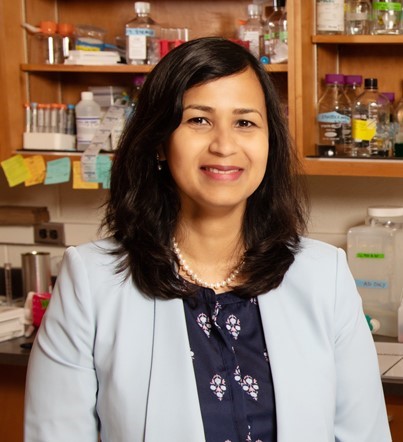
Aditi Das is a Full Professor in the School of Chemistry and Biochemistry at the Georgia Institute of Technology, College of Sciences. She leads the Das Laboratory, which focuses on the biochemistry and chemical biology of lipids, particularly studying cytochrome P450 enzymes and their role in lipid metabolism, endocannabinoid systems, and inflammatory pathways. Her educational background includes: B.Sc. in Chemistry from St. Stephen's College M.Sc. in Chemistry from Indian Institute of Technology, Kanpur (I.I.T) Ph.D. in Chemistry from Princeton University Postdoctoral research at Northwestern University (NSF-NSEC fellow) and Beckman Institute for Advanced Science and Technology, University of Illinois UC Professor Das's research interests center around understanding the physiological role of lipids in sustaining homeostasis and their implications in disease states such as neurodegenerative disorders, cancer, and cardiovascular diseases. Her laboratory specializes in: Enzymology of cytochrome P450s, particularly CYP2J2 epoxygenase Metabolism of ω-3 and ω-6 fatty acids and their derivatives Minor cannabinoid metabolism by cytochrome P450 enzymes Discovery of novel anti-inflammatory lipid metabolites and endocannabinoids Mechanistic studies of membrane proteins using nanodisc technology Her work bridges biochemistry, chemical biology, and pharmacology to uncover novel therapeutic targets related to lipid signaling pathways. Analysis of Professor Das's recent publications (2023-2025) reveals a strong focus on cannabinoid metabolism by cytochrome P450 enzymes, with particular emphasis on how these metabolic processes generate bioactive compounds that interact with the endocannabinoid system. Her research increasingly explores the therapeutic potential of omega-3 derived endocannabinoid epoxides in inflammatory and neurodegenerative conditions. The use of nanodisc technology for studying membrane proteins in near-native environments remains a consistent methodological thread throughout her work, enabling detailed mechanistic insights into enzyme function. Professor Das has received numerous prestigious awards recognizing her research excellence and teaching: 2024 NIH Outstanding Researcher Award (MIRA R35) for established investigators 2024 Vasser Woolley Faculty Fellowship 2023 Plenary Lecture at the International Society of the Study of Xenobiotics (ISSX) 2021 E.L.R. Stokstad Award 2019-2021 List of Teachers Ranked as Excellent 2019 Eicosanoid Research Foundation Young Investigator Award 2019 Zoetis Research Excellence Award 2019 Mary Swartz Rose Young Investigator Award 2015 National Scientist Development Award from the American Heart Association 2022 El Sohly Award from the American Chemical Society Professor Das actively mentors a diverse group of students and postdoctoral researchers, with several former lab members now holding faculty positions or working at prestigious institutions. Her laboratory has secured significant funding from NIH, NSF, and other sources to support research on lipid metabolism, cannabinoid pharmacology, and membrane protein biochemistry. Notable grants include an NIH R35 Outstanding Investigator Award (MIRA), an NIH R21 grant from NIDA, and multiple collaborative grants with other research groups. The Das Laboratory operates within the Petit Institute of Bioengineering and Biosciences (IBB) at Georgia Tech, utilizing state-of-the-art facilities for biochemical and biophysical studies. The lab specializes in nanodisc technology to study membrane proteins in near-native environments, with particular expertise in cytochrome P450 enzymes and their interactions with lipid substrates. Recent work has expanded into collaborative projects involving lipidomics, structural biology, and translational applications of lipid signaling research.
Chi Liu is a Professor of Radiology & Biomedical Imaging at Yale School of Medicine . He serves as Associate Director of Biomedical Imaging Technology at the Yale Biomedical Imaging Institute and Director for Research Faculty Affairs in the Radiology & Biomedical Imaging department. Education : PhD from Johns Hopkins University (2008) Postdoctoral Training : University of Washington (2010) Certification : American Board of Science in Nuclear Medicine (Nuclear Medicine Physics and Instrumentation) His research focuses on quantitative cardiac and oncological PET/CT and SPECT/CT imaging , emphasizing deep learning algorithms , reconstruction algorithms , data correction , and dynamic imaging . Key clinical applications include early detection of chemotherapy-induced cardiotoxicity , multimodality imaging of heart failure , and motion variability elimination in therapy response assessment . The 15 most recent publications reveal a strong emphasis on deep learning techniques for low-dose imaging , motion correction , and cross-tracer generalizability in PET/SPECT systems. These works span applications in cardiac imaging , neuroscience , oncology , and theranostics . Scientific Award : Bruce Hasegawa Young Investigator Medical Imaging Science Award (2012) Contact: chi.liu@yale.edu | ORCID 0000-0002-7007-1037
Junfei Li is an Assistant Professor in the School of Mechanical Engineering at Purdue University. His research focuses on advanced acoustic technologies, including acoustic tweezers, acoustofluidics, metamaterials, and underwater communication systems. He specializes in multiphysics wave propagation, noise control, and energy harvesting. Li's work bridges fundamental science and engineering applications in biomedical devices, sustainable energy, and advanced materials. Research Interests: Acoustic tweezers for microscale manipulation Design of metamaterials for acoustic control Ultrasound and underwater communication systems Energy-efficient noise mitigation strategies His recent publications emphasize innovations in acoustic metasurfaces, nonreciprocal sound propagation, and biomedical acoustic applications. Li’s research has implications for improving medical imaging, energy sustainability, and next-generation acoustic devices. Awards & Recognition: None explicitly listed in the provided materials. Advising & Grants: No student advisees or grant information specified in the text.
Yuankai (Kenny) Tao is an Associate Professor of Biomedical Engineering at Vanderbilt University's School of Engineering and an SPIE Faculty Fellow. He directs the Graduate Studies program in Biomedical Engineering and leads research in optical imaging systems for clinical diagnostics and therapeutic monitoring in ophthalmology, gastroenterology, and oncology. His lab develops technologies like intraoperative OCT and SECTR, focusing on noninvasive subcellular visualization and biomarker monitoring. Collaborations span engineering, basic sciences, and medicine to translate innovations into clinical tools. Education: Ph.D., Biomedical Engineering, Duke University M.S., Biomedical Engineering, Duke University B.S.E., Biomedical Engineering and Electrical Engineering, Duke University Research Interests: Biomedical optics, optical coherence tomography (OCT), image-guided surgery, therapeutic monitoring, big data analytics, and high-throughput imaging for drug discovery. His work bridges engineering and medicine, emphasizing real-time feedback systems and interdisciplinary innovation. Grants & Labs: Director of the Vanderbilt Institute for Surgery and Engineering (VISE)-affiliated lab, focusing on surgical imaging and translational research. Projects include automated instrument tracking, SECTR systems, and AI-driven imaging analysis. Collaborations involve clinicians and researchers across disciplines.
Joshua Gess is an Associate Professor in the Mechanical, Industrial, and Manufacturing Engineering department at Oregon State University's College of Engineering. He joined Oregon State in 2015 and serves as a co-principal investigator at the Enhanced Heat Transfer Laboratory, where he leads research in thermal management solutions for high-performance microelectronics. His educational background includes: PhD, Mechanical Engineering, Auburn University, 2015 MS, Mechanical Engineering, Auburn University, 2012 B.E., Mechanical Engineering, Vanderbilt University, 2005 Before academia, he worked as a mechanical engineer at SSOE Group (including consulting for Johns Manville) and Northrop Grumman where he focused on military communication equipment. Professor Gess specializes in advancing thermal management solutions for high-performance microelectronic equipment. His research spans multiple scales, examining single and two-phase heat transfer on the macro-scale with passive and active liquid immersion techniques, as well as on the micro and nano scale for complex embedded thermal management solutions. He combines fundamental heat transfer knowledge with novel experimental methods such as two-phase PIV and high-speed image capture to develop reliable and energy-efficient cooling solutions for demanding electronics systems. His publication record demonstrates a clear trajectory toward increasingly sophisticated thermal management solutions, with recent work focusing on additive manufacturing applications for cooling systems, semiconductor thermal management, and nuclear reactor cooling systems. His research has significant implications for data center energy efficiency, where even small improvements in cooling efficiency could save enormous amounts of energy that could be returned to the grid. Gess is deeply committed to mentoring graduate students, emphasizing the practical applications of engineering principles. He attributes his interest in engineering to childhood influences like the movie RoboCop and the TV series MacGyver, and finds the reality of engineering work just as gratifying as he'd imagined. He particularly values the moments when his graduate students "get it" and watching them grow with each new accomplishment. As a person with a disability himself, Gess is passionate about establishing more robust support systems for people with disabilities at Oregon State. He is working with the School of Public Health to start an adaptive sports program, with the goal of building infrastructure that allows anyone to feel welcome and pursue advanced degrees at the university.
Peter Doerschuk is a Professor in the Department of Electrical and Computer Engineering at Cornell University's College of Engineering. He joined Cornell in July 2006 after serving on the faculty at Purdue University in both Electrical and Computer Engineering and Biomedical Engineering. His educational background includes: B.S. in Electrical Engineering, MIT (1977) M.S. in Electrical Engineering, MIT (1979) Ph.D. in Electrical Engineering, MIT (1985) M.D., Harvard Medical School (1987) Peter Doerschuk's research focuses on biological and medical systems through the lens of computational nonlinear stochastic systems. His work spans biomedical imaging , signal and image processing , statistical modeling , and computational inverse problems in biophysics . He develops high-performance algorithms and software systems that integrate accurate physical models with computational efficiency. His research addresses problems across multiple spatial scales—from 3D virus reconstruction using electron microscopy to modeling whole-body ethanol pharmacokinetics. The recent publications highlight a strong trend in computational biomedical imaging and physiological modeling . Key areas include 3D reconstruction of heterogeneous biological structures, cryo-EM dynamics analysis, and physiologically based pharmacokinetic modeling. The work consistently combines advanced statistical and machine learning methods with domain-specific physical models, particularly in virology and neurovascular physiology. His scientific awards and honors include: Fellow, American Institute for Medical and Biological Engineering (AIMBE) University Faculty Scholar, Purdue University Motorola Excellence in Teaching Award Ernst A. Guillemin Thesis Prize (MIT) Department of Biomedical Engineering Faculty Service Award (Purdue) Dr. Doerschuk has advised graduate students, including Keyuan Xu, whose M.Eng. thesis at MIT received the prestigious Ernst A. Guillemin Thesis Prize. His research has been supported through academic grants and collaborations with institutions such as The Scripps Research Institute and Indiana University School of Medicine. He has developed parallel software systems for high-performance computing applications in biophysics and biomedical signal processing. His research has involved collaboration with multiple labs and teams, including work with Professor J. E. Johnson at The Scripps Research Institute on virus structure determination and with Professor S. J. O’Connor at Indiana University on ethanol pharmacokinetics modeling. These interdisciplinary teams integrate expertise in engineering, medicine, and computational science to solve complex biomedical problems.
Jihyun Lee is an Assistant Professor in the Department of Mechanical and Manufacturing Engineering at the Schulich School of Engineering, University of Calgary. She was awarded the Anna Boyksen Fellowship by the Technical University of Munich Institute for Advanced Study (TUM-IAS) in 2021, hosted by Prof. Michael Zäh. Doctorate in Mechanical Engineering from University of Michigan-Ann Arbor (2016) Prior post at Korea Institute of Machinery and Materials (2016-2019) Her research focuses on mechatronics, robotics, manufacturing automation, and control systems , with applications in machine tools, additive manufacturing, and precision measurement. She integrates artificial intelligence and optimization to enhance industrial automation. Recent publications highlight work on vibration control , sensor fusion , and flexible manufacturing systems . Her team explores dynamic modeling , nanocomposite sensors , and human-in-the-loop robotics for industrial and marine applications. 2020 Remote Teaching Award, Schulich Engineering 2020 Early Achievement Award, Association of Korean-Canadian Scientists and Engineers 2018 Best Achievement Award, KIMM She supervises doctoral and master’s students at the University of Calgary, emphasizing hands-on experience and MATLAB/Python simulation skills in her lab. Her work bridges quantum logic and industrial robotics through interdisciplinary collaborations.
Daniel Razansky is a Full Professor at the Department of Information Technology and Electrical Engineering, ETH Zurich, leading the Professorship for Biomedical Imaging. His research spans engineering, physics, biology, and medicine, focusing on developing advanced in vivo imaging tools like optoacoustic tomography and ultrasound neuromodulation. His recent work emphasizes multi-scale functional and molecular imaging , with applications in neuroscience , Alzheimer’s disease , and stroke diagnostics . Collaborations include National Tsing Hua University and the EU Horizon consortium SWEEPICS. Current projects target hybrid imaging systems (e.g., MRI-MSOT) and image-guided neuromodulation. Scientific awards include the IPPA James Smith Prize for his contributions. His lab has secured significant grants, including a $2.5M NIH award and SNSF funding. He mentors PhD students like Quanyu Zhou and Eva Remlova, who have received accolades for their research. The Razansky Lab at ETH Zurich’s Preclinical Imaging Center explores medical microrobotics , dynamic fluid flow imaging , and neuroimaging techniques , aiming to bridge engineering with clinical applications.
Behnaam Aazhang is the J.S. Abercrombie Professor of Electrical and Computer Engineering at Rice University and Director of the Rice Neuroengineering Initiative (NEI). He holds a B.S., M.S., and Ph.D. from the University of Illinois at Urbana-Champaign. His roles include leading the multi-university Rice Neuroengineering Initiative and directing the Center for Neuroengineering. He has held an Academy of Finland Distinguished Visiting Professorship (FiDiPro) at the University of Oulu (2006-2014) and received an Honorary Doctorate from the University of Oulu in 2017. Education: Ph.D. in Electrical Engineering, University of Illinois at Urbana-Champaign (1986) M.S. in Electrical Engineering, University of Illinois at Urbana-Champaign (1983) B.S. in Electrical Engineering, University of Illinois at Urbana-Champaign (1981) Research Interests: Dr. Aazhang’s work focuses on signal/data processing, information theory, and neuroengineering applications. Key areas include: Neuronal circuit connectivity and learning impacts Real-time closed-loop neuromodulation for neurological disorders (epilepsy, Parkinson’s, depression) Patient-specific cardiac pacing systems Cybersecurity in cloud computing Awards & Honors: 2022 Rice Outstanding Doctoral Thesis Advisor Award 2019 SIGMOBILE Test of Time Award 2017 Honorary Doctorate (University of Oulu) 2013 IEEE Communication Society Advances in Communication Award AAAS and IEEE Fellowships (2012 and 1999) Grants & Advising: His research is supported by multi-university collaborations and grants. He has advised numerous graduate students in electrical engineering and neuroengineering, though specific names are not listed here. Labs & Teams: Leads the Aazhang Lab and the Rice Neuroengineering Initiative, focusing on translational technologies for neurological and cardiac disorders, including non-invasive neuromodulation and cloud security systems.
Anja Boisen is a Professor and Head of the Drug Delivery and Sensing Section at the Department of Health Technology, Technical University of Denmark (DTU). Her research focuses on advanced drug delivery systems, sensing technologies, and nanotechnology applications in biomedical engineering. She leads a multidisciplinary team developing innovative devices such as microcontainers, microneedles, and lab-on-a-disc platforms for targeted drug delivery and diagnostics. Her work contributes to UN Sustainable Development Goals, particularly in improving health and reducing inequalities. Key research areas include surface-enhanced Raman spectroscopy (SERS), microfabrication for medical devices, and biomaterials for tissue engineering. She has supervised multiple PhD students, including projects on oral drug delivery systems, gastrointestinal retention devices, and energy-harvesting materials for biomedical applications. Boisen’s team has pioneered technologies like self-unfolding foils for oral delivery and smart drug delivery microparticles. Their innovations aim to enhance therapeutic efficacy while minimizing side effects. She has been recognized with the Sensor Division Outstanding Achievement Award (2022) for her contributions to sensor technology. Her lab actively collaborates internationally, advancing applications in cancer therapy, antibiotic monitoring, and gut microbiota research. Current projects explore high-throughput 3D tumor modeling, SERS-based diagnostics, and biodegradable materials for bone fixation.
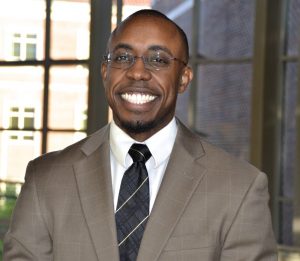
Dr. Darryl Dickerson is an Assistant Professor in the Department of Mechanical and Materials Engineering at Florida International University (FIU), part of the College of Engineering. His research focuses on mechanical characterization of biological interfaces, design of bioinspired materials, and advancing inclusive engineering education practices. He holds a Ph.D. (details not explicitly provided in text). Research Interests: Dr. Dickerson’s work bridges biomechanics and biomaterials engineering with social equity in education. Key areas include: Mechanical properties of biological interfaces (e.g., bone-cartilage junctions) Development of biomaterials for tissue repair using 3D printing and electrospinning Anti-marginalization strategies in engineering education, particularly for Black and Brown students Publications Trends: Recent work emphasizes dual themes: (1) Biomedical innovation through advanced material fabrication and (2) Inclusive pedagogy addressing systemic inequities in STEM education. Notable contributions include scaffold designs for osteochondral repair and frameworks for reducing microaggressions in team-based learning. Grants and Advising: No specific grants or advisees listed in the provided text. His work appears to be grant-funded through NIH/National Science Foundation pathways common in biomaterials and education research. Labs and Teams: While not explicitly stated, his research likely involves collaborations with FIU’s Center for Engineering and Computing’s diversity initiatives and biomaterials labs focusing on tissue engineering applications.