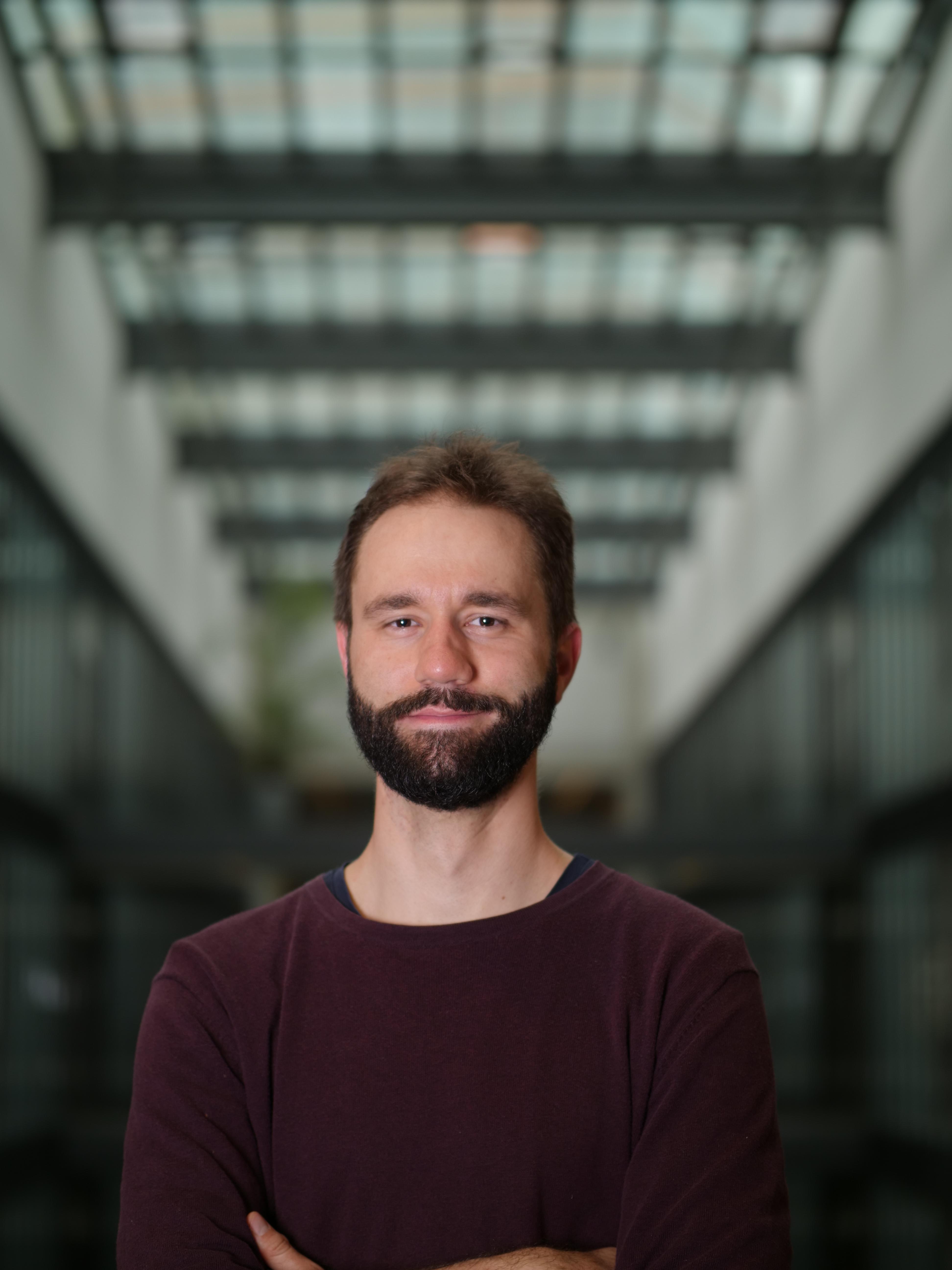
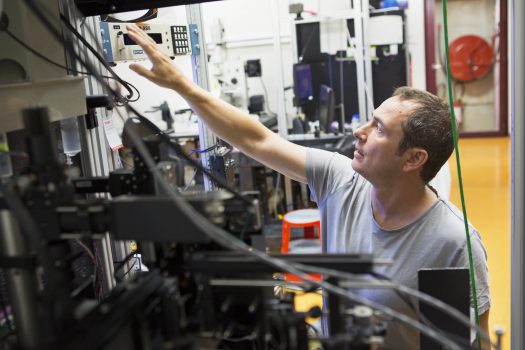
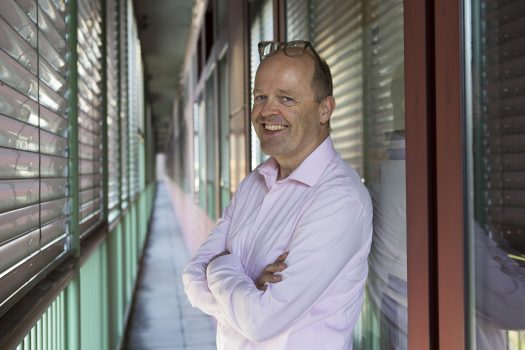
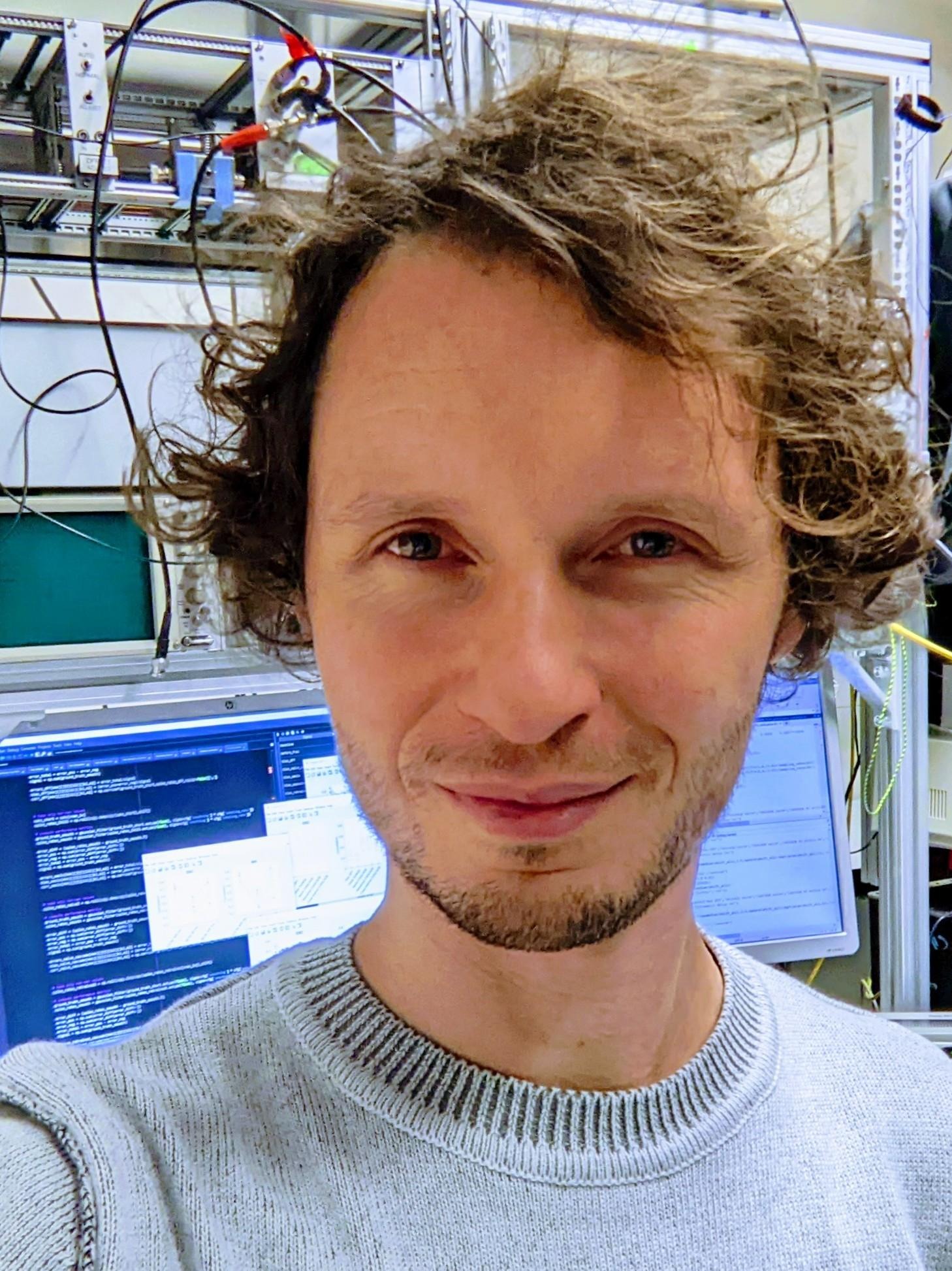
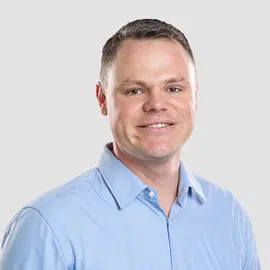
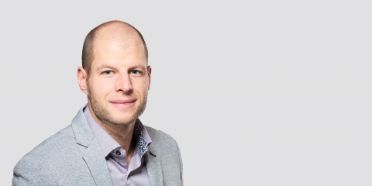
Camille Cuveillier serves as a Research Fellow in the Lipid Metabolism research group at the University of Geneva, based at the Centre Médical Universitaire (CMU) in office C05.1535.a. The group operates under the leadership of principal investigator Anne-Claude Gavin. Research focuses on: Lipid Metabolism Biochemistry Cell Biology Metabolic Disorders The Lipid Metabolism group investigates molecular mechanisms of lipid processing and regulation, with implications for metabolic diseases and cellular homeostasis. Current work emphasizes lipid signaling pathways, membrane dynamics, and metabolic adaptations in physiological and pathological contexts. Experimental approaches integrate biochemical assays, cell imaging, and omics technologies to dissect lipid-related biological processes. Group infrastructure includes specialized laboratories at the CMU facility supporting advanced lipidomics and cellular metabolism research. Collaborative networks span national and international biomedical institutions, with emphasis on translational applications in metabolic health.
Vincent Patrick Lawrence Guillemet is a Doctoral Assistant at the Biomedical Imaging Laboratory (LIB) within the Institute of Electrical Engineering (IEM) , part of the School of Engineering (STI) at École Polytechnique Fédérale de Lausanne (EPFL) . He is also a student in EPFL's Doctoral Program in Electrical Engineering. Research Interests: His work focuses on Biomedical Imaging and Signal Processing , leveraging expertise in Electrical Engineering and Computer Science to advance imaging technologies and applications. Contact: He can be reached at vincent.guillemet@epfl.ch or via office addresses at BM 4140 (Building BM) and BC 324, EPFL, Lausanne, Switzerland.
Zhiyuan Hu is a Doctoral Assistant affiliated with the Biomedical Imaging Laboratory (LIB) at École Polytechnique Fédérale de Lausanne (EPFL). He is associated with the School of Engineering (STI) and the Institute of Electrical Engineering (IEM). His research interests focus on areas such as Biomedical Imaging, Signal Processing, and Computational Biology, reflecting the interdisciplinary nature of his work at EPFL. For contact, his email is zhiyuan.hu@epfl.ch . No scientific awards or student advising records are explicitly mentioned in the provided data.
Matija Piškorec is a Senior Research Associate at the Faculty of Informatics, University of Zurich. His research spans machine learning, complex systems, and blockchain technologies, with a focus on statistical inference of social influence and network analysis. Primary Affiliation: Faculty of Informatics, University of Zurich Research Interests Machine learning and complex systems Statistical inference of influence in online social networks Blockchain technologies and distributed ledger systems Information visualization and interactive web applications in computational biology Publications His recent work explores blockchain networks like Polkadot and Ethereum, analyzing their structure and consensus mechanisms. Earlier research focuses on social network influence, financial data cohesiveness, and computational biology tools. Awards No scientific awards or honors were explicitly mentioned in the text. Additional Contributions Developed web-based visualization tools (e.g., MultiNets) and applied machine learning to diverse domains, including microbiology and finance.
Prof. Daniel Huber is a leading neuroscientist at the University of Geneva , focusing on understanding sensorimotor integration and cortical dynamics. His work bridges motor cortex research , optical imaging , and computational modeling to decode how neural circuits govern voluntary movements and tactile perception. Research spans rodent models and primate evolution through projects like the eLemur 3D brain atlas Key methodologies: in vivo two-photon microscopy , optogenetic manipulation , and biomechanical simulations Lab members include graduate students and collaborators studying Pacinian corpuscle physiology and forelimb motor control Recent publications reveal groundbreaking insights on lamellar Schwann cells' role in vibration perception , tonotopic mapping in the brainstem , and cross-species neural circuit comparisons . His team's 2025 Science Advances paper demonstrates Schwann cell contributions to mechanosensitivity using optogenetic inactivation. Current projects focus on neuronal network dynamics in decision-making and 3D anatomical frameworks for comparative studies. The lab's Swiss National Science Foundation grants and European Research Council funding enable these interdisciplinary approaches.
Professor Christian Lüscher is a leading neuroscientist at the University of Geneva, focusing on the cellular and synaptic mechanisms underlying drug addiction. His research explores how addictive substances alter neuroplasticity in the mesolimbic dopamine system, particularly in the ventral tegmental area (VTA). Key Research Areas: Synaptic plasticity in addiction, µ-opioid receptor dynamics, neuroadaptive changes, and developing novel addiction therapies through optogenetics and neuroimaging. Techniques: Electrophysiology, genetic and pharmacological tools, in vivo imaging, and behavioral models. Recent Publications: His 2024-2025 work includes groundbreaking studies on fentanyl reinforcement mechanisms, sweat-based biosensors for substance abuse monitoring, and insights into overeating neurobiology. Earlier articles focus on cocaine-induced synaptic changes, NMDA receptor roles, and circuit models for addiction. Collaborations: Dr. Lüscher works with international experts in psychiatry, biomedical engineering, and neuroimaging, including colleagues at University of Geneva's CMU (Center for Medical Education) and institutions in the U.S. and Europe.
Peter Rupprecht, PhD, leads a research group at the University of Zurich under the SNF Ambizione fellowship. His work bridges physics, biology, and computational neuroscience, focusing on neuronal plasticity and astrocyte signaling in mice and zebrafish models. University of Zurich (2019-present, postdoc and group leader) University of Basel (PhD, 2014-2019) ENS Lyon (2013, research collaboration) University of Bayreuth (Diploma, 2009-2013) Research interests center on behavioral timescale synaptic plasticity , closed-loop neuroscience , and self-organization of neural networks . Key methods include two-photon calcium imaging , optogenetics , and deep learning for spike inference . His group develops tools for 3D cell detection and gradient-based refinement in large brain samples. Recent publications highlight innovations in GCaMP8-based spike inference , hypothalamus-habenula circuits , and computational modeling of neuronal assemblies . Collaborative work spans optogenetic stimulation, synaptic event analysis, and behavioral paradigms in head-fixed mice. SNF Ambizione fellowship (2023) Prominent publications in Nature Neuroscience , Cell Reports , and eLife PhD student Shinjini Ghosh is currently part of his team, working on astrocytic calcium imaging data analysis and algorithm development. The group emphasizes Python/Matlab proficiency and spends significant time on data analysis rather than large-scale experiments.
Prof. Dr. Peter Broekmann is an Associate Professor at the University of Bern and head of the Interfacial Electrochemistry Group since 2019. His research focuses on atomic-scale characterization of solid/liquid interfaces and electrochemical processes for sustainable energy and industrial applications. 1991–1997: Chemistry studies, Bonn University 1997–2000: PhD in Surface Science, Bonn 2000–2001: Postdoc at University of Twente 2001–2007: Project Leader, Bonn 2007–2008: Industrial R&D, BASF SE 2008–2019: Lecturer, University of Bern 2019–present: Associate Professor, University of Bern Broekmann's research spans interfacial electrochemistry , CO2 electroreduction , and additive-assisted metal electroplating . His group develops techniques like in situ scanning tunneling microscopy (STM) and laser ionization mass spectrometry (LIMS) to analyze electrified interfaces. Key projects include CO2-to-syngas conversion, stability studies of gas diffusion electrodes (GDEs), and industrial Cu/Sn electroplating for semiconductor manufacturing. His recent publications highlight advancements in CO2 electrolysis (2025), electrochemical stability assessment (2024), and metal foam catalysts (2024). These works emphasize sustainable energy solutions, material optimization, and industrial process improvements. Scientific Awards: Feodor Lynen Fellowship (Alexander-von-Humboldt Foundation) Broekmann actively mentors PhD students and collaborates with visiting scientists, while securing funding from the SNSF Swiss Postdoctoral Fellowships. His group integrates electrochemical methods with materials synthesis to address energy and industrial challenges.
Dr. Uros Puc is a researcher at the ZHAW Zurich University of Applied Sciences , affiliated with the School of Engineering . His work focuses on terahertz (THz) photonics , organic electronics , and photovoltaics , particularly in developing and characterizing organic crystals for THz wave generation and sensing applications. Research Interests : Puc's research spans terahertz technology , nonlinear optics , and molecular phonon engineering , with applications in materials testing, biomedical sensing, and sustainable technologies. He investigates how substituent groups and crystal structures influence THz phonon vibrations and nonlinear optical properties, aiming to enhance THz emission efficiency and stability. Publications highlight his contributions to broadband THz spectroscopy , organic crystal design , and analytical gas sensing . His work also extends to terahertz applications in circular economy and construction materials characterization .
Prof. Dr. Kurt Stockinger is a Professor of Computer Science at ZHAW School of Engineering and holds a doctorate at the University of Zurich . He serves as Head of the MAS Data Science program and co-leads the ZHAW Datalab . His research focuses on Intelligent Information Systems , bridging information systems, natural language processing, and machine learning. Affiliated with the University of Zurich, he contributes to Quantum Machine Learning and Open Data Exploration initiatives. Stockinger's educational background includes a PhD in Computer Science (University of Vienna & CERN), a Master in Business Informatics (University of Vienna), and a CAS in Didactics & Methodology (ZHAW). He has taught courses in Quantum Computing , Big Data for Natural Sciences , and Data Science programs at ZHAW and University of Zurich. His research spans Data Science , Big Data , Natural Language Query Processing , Knowledge Graphs , and Quantum Machine Learning . Recent publications focus on quantum autoencoders , hybrid quantum neural networks , and prompt engineering for knowledge graph question answering. He has developed frameworks like ScienceBenchmark for real-world NL-to-SQL evaluation and NQuest for natural language query exploration. Scientific awards include the Best Paper Award at 7th Swiss Conference on Data Science (2020) He leads major projects such as DataGEMS (Data Discovery Platform, Horizon Europe) Digital Health Zurich (Clinical Innovation Lab) INODE4StatBot.swiss (NL-to-SQL Translation) GraphQueryML (Graph Database Optimization) ScienceBenchmark (NL-to-SQL Evaluation) Stockinger's work intersects with computer vision , biomedical data , and industrial applications , demonstrated through collaborations with institutions like Lawrence Berkeley National Laboratory, CERN, and University of Washington. He has contributed to establishing QuantumBasel and ZHAW Datalab as research hubs.
Prof. Dr. habil. Mathias Bonmarin is a Professor and Head of the Sensors and Measuring Systems Group at the Zurich University of Applied Sciences (ZHAW) School of Engineering since 2019. He also holds a Visiting Professor position at Tufts University (2023-2024) and was a Fulbright Visiting Research Scholar at the University of Cincinnati (2023-2024). His academic journey includes a Habilitation in Experimental Medicine from the University of Basel (2022-2024), a PhD in Physical Chemistry (2006-2010), and multiple master’s degrees in Optics, Biomedical Engineering, and Economics. Research Focus: Sensors, thermal imaging, photothermal therapy, biomedical device development Key Collaborations: IEEE, Swiss Innovation Agency (Innosuisse), UZH Digital Society Initiative Scientific Awards include the Outstanding Employer Award , Distinguished Lecturer and Faculty Course Development Award from IEEE, DIZH Fellow , and multiple Lab Science Awards as thesis supervisor. He has authored over 20 peer-reviewed publications and holds 7 patents related to skin sensors and photothermal systems.
Oylum Batteries Ispir is a Lecturer at the Department of Information Technology and Electrical Engineering at ETH Zurich, specializing in biomedical image processing. She contributes to academic programs through teaching roles in data science and interdisciplinary communication. Research Focus: Her work centers on biomedical image processing, integrating methodologies from information technology and electrical engineering to advance computational analysis in healthcare applications.
Prof. Dr. Patric Eichelberger is a Professor and Head of the Bern Movement Lab at the Bern University of Applied Sciences, School of Health Professions, Department of Physiotherapy. He leads the Foot Biomechanics and Technology Research Group, focusing on quantitative assessment of human movement and biomechanics in injury prevention and rehabilitation. His work bridges clinical practice with technological innovation, particularly in foot biomechanics and orthopedic technology applications. Dr. Eichelberger's research interests center on movement biomechanics of the lower extremity, with special emphasis on foot biomechanics, movement analysis techniques, and biomechanics applications in injury prevention and rehabilitation. His work explores how current technologies can be applied to transfer objective assessment of movement biomechanics from laboratory settings into clinical routine. Specific areas of investigation include footwear and orthoses for running-related injuries, the relationship between running biomechanics and injury, and the development of innovative measurement techniques for dynamic postural stability. His recent publication trends show a strong focus on clinical biomechanics applications, with particular emphasis on ankle and foot biomechanics, movement analysis in injury contexts, and innovative measurement techniques. His work frequently appears in journals related to biomechanics, physiotherapy, orthopedics, and sports medicine, demonstrating interdisciplinary collaboration across these fields. The research consistently applies quantitative methods to address clinically relevant questions in movement science. Prof. Eichelberger actively supervises master's thesis projects through the Bern Movement Lab and teaches across multiple health profession programs. His teaching portfolio includes Quantitative Research Methods and Applied Statistics, Movement Biomechanics, Gait Analysis, and Biomechanical Models. He is also involved in the Center Health Technologies as Co-Head and serves on the Committee for 'Human Digital Transformation' at BFH. His laboratory infrastructure includes the Bern Movement Lab, Bern Mobility Centre, and Bern Pain & Stress Lab, which provide comprehensive facilities for biomechanical assessment, movement analysis, and clinical testing. Through partnerships with institutions like Ortho-Team AG, Praxisklinik Rennbahn AG, and Bern University Hospital, his research maintains strong clinical relevance while advancing methodological approaches in movement science.