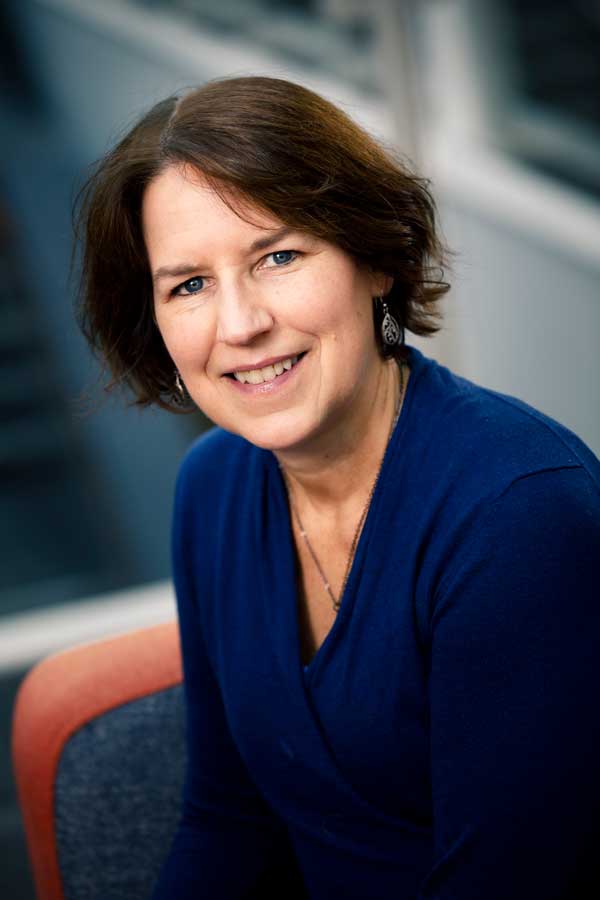
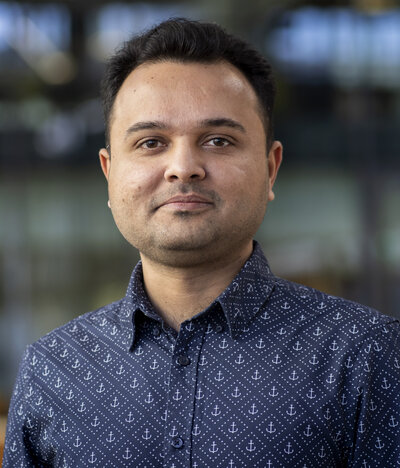
Julian Fierrez is a Full Professor at the School of Engineering, Universidad Autonoma de Madrid. With an h-index of 74 and over 20,000 citations, his work spans biometrics, signal/image processing, artificial intelligence, and human-computer interaction. Key research areas include: Biometric anti-spoofing and DeepFakes detection Mobile and behavioral biometrics Bias/fairness in AI systems Biometric applications in e-health and education Security in multimodal biometric systems His recent publications show strong focus on deep learning applications for biometric security, with specific subfields including fake detection, keystroke authentication, facial analysis for Parkinson detection, and privacy-preserving AI. He serves as Associate Editor for multiple IEEE and Elsevier journals. Scientific distinctions include: IAPR Young Biometrics Investigator Award (2017) Miguel Catalan Award to Best Researcher under 40 (2017) EURASIP Best PhD Award (2012) EBF European Biometric Industry Award (2006) Prof. Fierrez leads the BiDA Lab and supervises students like Ruben Tolosana and Aythami Morales. Current projects include BBforTAI (Biometrics and Behavior for Unbiased & Trustworthy AI) and PRIMA (Privacy Matters). He also contributes to standardization efforts in biometric evaluation.
Edward F. Chang, MD is a distinguished Professor and Chair of the Department of Neurological Surgery at the University of California, San Francisco (UCSF) School of Medicine. He co-directs the Center for Neural Engineering and Prostheses, a collaborative enterprise between UCSF and UC Berkeley, and leads the Chang Lab focused on speech neuroscience and neural engineering. As a practicing neurosurgeon, he specializes in treating adults with difficult-to-control epilepsy, brain tumors, trigeminal neuralgia, hemifacial spasm, and movement disorders. Dr. Chang's educational background includes a B.A. in Chemistry from Amherst College (1997), an M.D. from UCSF (2004), a Neurological Surgery residency at UCSF (2010), and a postdoctoral fellowship in Cognitive Neuroscience at UC Berkeley (2009). His research focuses on the brain mechanisms for speech, movement, and learning, with particular emphasis on advanced brain mapping methods to preserve crucial areas for speech and motor functions. He has pioneered work in speech neuroprostheses, developing technology that allows patients with paralysis to communicate through brain signals. His work integrates engineering, neurology, and neurosurgery to develop state-of-the-art biomedical technology to restore function for patients with neurological disabilities such as paralysis and speech disorders. Analysis of his recent publications reveals a strong trend toward developing advanced neuroprosthetic technologies, particularly speech decoding systems, and exploring the neural basis of speech production across multiple languages. His research also spans epilepsy surgery optimization, deep brain stimulation for psychiatric conditions, and molecular profiling of brain tumors. Blavatnik National Laureate for Life Sciences (2015) Elected to the National Academy of Medicine (2020) Inaugural Bowes Biomedical Investigator at UCSF HHMI Faculty Scholar Dr. Chang leads multiple NIH-funded research projects totaling millions of dollars, including a pilot clinical trial for speech neuroprosthesis and studies on the neural coding of speech across human languages. He has mentored numerous researchers in the field of neural engineering and speech neuroscience, though specific student names aren't listed in the provided materials. His work has resulted in groundbreaking technologies that have helped restore communication abilities to individuals with paralysis. As co-director of the Center for Neural Engineering and Prostheses, Dr. Chang leads a multidisciplinary team of engineers, neurologists, and neurosurgeons working at the intersection of neuroscience and technology. His lab has been instrumental in developing brain-computer interfaces that translate neural activity into speech, with recent publications demonstrating streaming brain-to-voice neuroprostheses that restore naturalistic communication.
Dr. Heidi Baseler is a Senior Lecturer in Imaging Sciences at the Hull York Medical School and the Department of Psychology , University of York . She serves as INSPIRE Programme Lead for undergraduate research and contributes to research governance and public/patient involvement in research through committees like the York Neuroimaging Centre Research Governance Committee and Involvement@York . Education : AB in Biology/Psychology from Dartmouth College (1986), PhD in Vision Science from University of California, Berkeley (1995) Career : Research Fellow at Stanford, Smith-Kettlewell Eye Research Institute, and University of York; Lecturer in Imaging Sciences at Hull York Medical School (2012-2021) Her research focuses on neural mechanisms for central/peripheral vision processing, cortical responses to sensory loss (e.g., AMD, deafness), and neuroprotective strategies like photobiomodulation. Techniques include structural and functional MRI , magnetic resonance spectroscopy , multifocal EEG , and electroretinography . Key findings include cortical reorganization in macular degeneration and superior visual performance in deaf adults. Recent article trends highlight: Neuroimaging biomarkers for AMD progression Cross-modal plasticity in deaf individuals Long-term effects of sensory deprivation on brain structure Photobiomodulation for neurodegeneration Functional connectivity in face-selective regions Contrast perception dynamics across aging Scientific awards include: Exceptional Contribution to Student Experience Finalist , Hull York Medical School (2024) Pursuing Excellence Award , Hull York Medical School (2023) Vice-Chancellor's Teaching Award , University of York (2020) Multiple Teacher of Excellence Finalist recognitions (2016-2018) She teaches undergraduate medical students in Foundations of Medicine and Neurological Diseases , and supervises MSc Cognitive Neuroscience projects. Collaborations span institutions like University of Hull , University of Lille , and University of Regensburg . Current students include Sharyfah Alasiri (PhD, Biomedical Sciences) and Erin English (PhD, Psychology) at the University of York.
Li Yi is a Tenured Associate Professor at the School of Microelectronics, Southern University of Science and Technology (SUSTech) , with expertise in nanoplasmonics, nano-optics, and biochips. His career spans institutions including KU Leuven, Imperial College London, and Ludwig-Maximilians-Universität München. Education: Ph.D. (2015, KU Leuven & IMEC), M.S. (2010) and B.S. (2007) in Biomedical Engineering from Zhejiang University. Career: Associate Professor (2021–present) and Assistant Professor (2019–2020) at SUSTech; LMU Research Fellow (2018–2019); Research Associate (2015–2018) at Imperial College London. Research Interests focus on single-molecule biochips, DNA data storage, and nanopore sequencing. His work bridges nanotechnology with biomedical applications, including: Integrated circuit-compatible optical/electrical devices Computational lithography and nanoscale imaging Neural network training for biosensing Publications include >60 peer-reviewed articles with 25 H-index. His recent work emphasizes DNA-based data encryption, nanopore engineering, and portable biosensing systems. Key journals: Nature Communications, Nano Letters, ACS Nano. Scientific Awards : LMU Research Fellowship (Marie Curie COFUND) imec Excellent Scientific Award Shenzhen 'Peacock Plan' Category B Talent Outstanding Poster Award at Surface Plasmon Photonics 2017 Participation in Lindau Nobel Laureates Meeting (2019) Grants include Ministry of Science and Technology Key R&D Youth Program, NSFC General Program, and Guangdong Provincial Key Program. His lab develops: Fluidic nanopores for single-molecule sensing Optical antennas for enhanced detection Training programs in biochip design and nano-optics
Aleksandra Radenovic is a Full Professor at École Polytechnique Fédérale de Lausanne (EPFL) holding multiple positions across the institution. She is a Full Professor at the Laboratory of Nanoscale Biology (LBEN) within the School of Engineering (STI), a Full Professor in Teaching at the School of Life Sciences (SV), and a Full Professor in Teaching at the School of Engineering (STI). Additionally, she serves as Co-Director of both the IBI-STI and IBI-SV administrative units, and is a Member of both the STI School direction and SV School direction. Dr. Radenovic received her PhD from the University of Lausanne in 2003, where she worked with Prof. Dietler in the Laboratory of Physics of Living Matter. Prior to that, she studied physics at the University of Zagreb from 1994-1999, and completed her baccalaureate at a Classical gymnasium in 1994. She conducted postdoctoral research at the University of California, Berkeley from 2004-2007 in the group of Prof. Liphardt. Her research focuses on single molecule biophysics, with particular emphasis on developing techniques and methodologies based on optical imaging, biosensing, and single molecule manipulation. Her laboratory works on three major research directions: (i) developing and using nanopores as platforms for molecular sensing and manipulation, particularly solid-state nanopores in glass nanocapillaries and 2D-material membranes; (ii) studying biomolecular function, especially protein and nucleic acid interactions, using force-based manipulation techniques like optical tweezers and Anti-Brownian Electrokinetic traps; and (iii) developing super-resolution optical microscopy based on single molecule localizations for quantitative cellular imaging. Her work bridges physics, engineering, and biology to create innovative tools for understanding molecular processes at the nanoscale. Analysis of her recent publications reveals a strong focus on nanofluidics, 2D materials (particularly MoS 2 and hBN), nanopore sensing, super-resolution microscopy, and the development of novel instrumentation for biophysical applications. Her research demonstrates increasing interdisciplinary collaboration, integrating materials science, nanotechnology, and biological applications to address fundamental questions in molecular biophysics. Dr. Radenovic has received numerous prestigious awards and grants, including: 2021: ERC Advanced Grant 2021: Optica Fellow 2016: CCMX Materials challenge award 2015: SNSF-ERC Consolidator Grant 2010: ERC Starting Grant 2003: SNSF Fellowship She has successfully advised numerous PhD students whose research spans single molecule biophysics, nanofluidics, and optical techniques. Her laboratory, the Laboratory of Nanoscale Biology (LBEN), is well-equipped for advanced biophysical research, with capabilities in nanopore fabrication, optical trapping, super-resolution microscopy, and 2D materials characterization. Dr. Radenovic has secured significant research funding through competitive grants, including multiple ERC grants, which have supported her innovative research program at the intersection of physics, engineering, and biology.
Angel Merchan Perez is a faculty member at the Universidad Politécnica de Madrid , affiliated with the College of Computer Science and the Computer Systems Architecture and Technology Department . He is a key member of the Center for Biomedical Technology (CTB) since 2011 and the Technologies for Health Sciences Research Group since 2018. His work bridges neuroscience and computational technologies, focusing on ultrastructural analysis of the brain. Doctoral Postdoc: Harvard Medical School (1992-1995) Current Projects: Cajal Blue Brain Project, Human Brain Project His research focuses on developing advanced 3D electron microscopy techniques (FIB-SEM) for synaptic reconstruction, enabling quantitative analysis of synapse distribution and density in rat, mouse, and human cerebral cortex . He also contributed to image-analysis software like Espina for automated synapse detection. Recent publications highlight his expertise in: 3D Synaptic Mapping in Hippocampal Neurons Neurodevelopmental Disorder Pathology (Schizophrenia, Autism) Thalamocortical Circuit Complexity Mitochondrial Distribution in Neuropil Software Tools for Electron Microscopy
Professor David Carmichael is a distinguished academic at King's College London , affiliated with the School of Biomedical Engineering & Imaging Sciences and the Department of Biomedical Computing . His research focuses on Magnetic Resonance Imaging (MRI) Physics , EEG-fMRI integration , and epilepsy neuroimaging , with a particular emphasis on mapping epileptogenic networks and optimizing MRI safety for concurrent neurophysiological recordings. Education : PhD in Medical Physics (UCL, 2004), MSci in Physics (UCL, 2000). External Role : Honorary Reader at UCL Great Ormond Street Institute of Child Health. His research interests span advanced neuroimaging techniques, including 7T MRI for pediatric epilepsy, quantitative susceptibility mapping to detect cortical abnormalities, simultaneous EEG-fMRI safety protocols, network-guided neuromodulation for treatment optimization. Recent publications highlight his work on ultra-high field MRI in drug-resistant pediatric cohorts, RF-induced heating safety during combined EEG-fMRI, image quality transfer for low-field MRI in developing regions, motion correction strategies in pediatric scans. He leads critical projects such as 7 Tesla Sodium MRI for Epilepsy (MRC-funded) and Minimal Motion MRI Systems (NIHR-funded), while contributing to global epilepsy research through the King’s Epilepsy Research Collective (KERC) .
Nishchal K. Verma is a Professor at the Department of Electrical Engineering, Indian Institute of Technology Kanpur. He holds a PhD from IIT Delhi (2007), an M.Tech from IIT Roorkee (2003), and a B.Tech from DEI Agra (1996). His postdoctoral research includes work at the University of Tennessee (2009) and Louisiana Tech University (2008). Specialization: Fuzzy Logic, Health Monitoring, Intelligent Informatics Current Research Interests: Intelligent Data Mining, Computer Vision, Smart Grids, Biomedical Applications His research focuses on Fuzzy Systems , Machine Learning , and Health Monitoring with applications to power systems, biomedical data, and wireless sensor networks. He has developed technologies like the Transducers and Instrumentation Virtual Laboratory and Brain Computer Interface Laboratory , emphasizing predictive modeling and fault diagnosis. Key sponsored projects include DST-funded Fuzzy Rule-Based Image Prediction and DRDO-supported Visual Surveillance Systems . His work spans 15+ years of interdisciplinary publications in journals and conferences. Scientific Awards : Devendra Shukla Young Faculty Research Fellowship (2013-16) He has served as Associate Editor for journals and Chairman of IEEE chapters, with leadership roles in academic administration at IIT Kanpur.
Nick Cheney is an Associate Professor in the Department of Computer Science at the University of Vermont, leading the UVM Neurobotics Lab. He also serves as Graduate Program Director and is affiliated with the Vermont Complex Systems Center, an interdisciplinary hub for data-rich complex systems research. PhD in Computational Biology and Biological Statistics from Cornell University Advised by Hod Lipson and Steve Strogatz His research focuses on bio-inspired machine learning algorithms, particularly in evolutionary computation, deep learning, and reinforcement learning. Key applications span robotics, healthcare diagnostics, and environmental science. The lab's interdisciplinary work has been recognized with prestigious awards including the NSF CAREER Award and SIGEVO Impact Award . Recent publications highlight advancements in morphological computation, continual learning, and cross-domain applications of machine learning. His team develops algorithms for soft robots, medical diagnostics using wearable sensors, and sustainable agriculture systems, often publishing in venues like the Nature Scientific Reports , GECCO , and Soft Robotics . Scientific Awards : NSF CAREER Award SIGEVO Impact Award The lab actively mentors graduate students in Complex Systems and Data Science, with alumni securing positions at institutions like Harvard, UC Berkeley, and Medidata. Collaborative grants with biomedical and environmental researchers demonstrate the lab's commitment to societal impact through machine learning applications.
Maeva Dhaynaut is an Instructor in the Department of Radiology & Biomedical Imaging at Yale School of Medicine. Her academic appointment is within the Division of Bioimaging Sciences, focusing on positron emission tomography (PET) research and applications. Dr. Dhaynaut's research spans multiple areas of molecular and neuroimaging, with particular emphasis on: Development and application of PET radiotracers for neurological disorders Tau imaging in Alzheimer's disease and related neurodegenerative conditions Opioid receptor imaging and neuropsychiatric applications Quantitative imaging methods and kinetic modeling Novel radiopharmaceutical development for CNS targets Her recent publications demonstrate strong expertise in tau PET imaging with tracers like [18F]MK6240, with applications ranging from Alzheimer's disease to sports-related neurodegeneration in former football players. She has also made significant contributions to opioid receptor imaging and potassium channel imaging. Dr. Dhaynaut frequently employs advanced computational methods including diffusion models and Bayesian approaches for kinetic parameter estimation in dynamic PET imaging. Dr. Dhaynaut's collaborative research network includes prominent scientists such as Georges El Fakhri, Marc David Normandin, and Nicolas Guehl. Her work spans from basic radiopharmaceutical chemistry through preclinical validation to clinical applications, demonstrating a comprehensive translational research approach.
Alexey Evgenievich Osadchiy is a Professor at the National Research University Higher School of Economics (HSE University), where he serves as Director of the Center for Bioelectric Interfaces at the Institute of Cognitive Neuroscience. He has been working at HSE since 2013 with 21 years of scientific and teaching experience. His academic appointments include Professor at the Faculty of Computer Science in the Department of Data Analysis and Artificial Intelligence. 2023 - Doctor of Science: National Research University Higher School of Economics 2003 - PhD: University of Southern California, specialty "Physical and Mathematical Sciences" and "Neurobiology" 1997 - Specialty: Bauman Moscow State Technical University, major in Autonomous Information and Control Systems Professor Osadchiy's research focuses on digital signal processing, magnetoencephalography (MEG), electroencephalography, inverse problems, synchronization, non-invasive detection, and brain mapping. His work bridges neuroscience, computer science, and medical applications, with particular emphasis on brain-computer interfaces, neurofeedback systems, and precision medicine applications for neurological disorders. He has pioneered methods for real-time brain activity monitoring and developed novel approaches for functional connectivity estimation in neural networks. His recent publications demonstrate a strong trend toward developing hardware-enabled low-latency systems for brain-state dependent stimulation, improving MEG technology with optically pumped magnetometers, and advancing speech mapping techniques for neurosurgical applications. His work increasingly integrates AI and deep learning approaches with traditional neuroimaging techniques to create more precise and accessible brain measurement and modulation systems. Scientific Awards and Recognition HSE University "Recognition - 10 Years of Successful Work" Medal (July 2025) Letter of Gratitude from the Higher School of Economics (September 2021) Letter of Gratitude from the Faculty of Computer Science at HSE (August 2018) Allowance for defending a doctoral dissertation (2023–2026) Bonuses for publications in international peer-reviewed journals (2015–2029) Professor Osadchiy has successfully advised numerous graduate students and doctoral candidates, with eight dissertation research projects currently under his supervision. His research has been supported by significant grants including a Russian Ministry of Education and Science contract for "System for registration and decoding of human brain bioelectric activity" (2014-2017), RFBR grants for "New non-invasive experimental-mathematical paradigm for preoperative magnetoencephalographic mapping of speech cortex" (14-02-00917, 16-04-01863), and projects on "Endogenous enhancement of brain-computer interface efficiency." As Director of the Center for Bioelectric Interfaces at the Institute of Cognitive Neuroscience, Professor Osadchiy leads a multidisciplinary team working on cutting-edge neurotechnology. His center collaborates with the Federal Brain and Neural Technology Centre at the Federal Medical and Biological Agency, where they established the Laboratory of Medical Neural Interfaces and Artificial Intelligence for Clinical Applications. The center is actively involved in developing brain-computer interfaces for rehabilitation, particularly for stroke patients and those with locomotor function disorders, and has created Russia's first neurointerface for controlling exoskeletons using imagined lower limb movements.
Paul Major is Professor and Chair of the School of Dentistry, Senior Associate Dean (Dental Affairs), and ACFD Project Lead at the University of Alberta's Faculty of Medicine & Dentistry. He leads the Orthodontic Biomechanics Research Group and co-founded the Inter-disciplinary Airway Research Clinic (I-ARC), driving innovation across dental academia and clinical practice. His educational background includes a Doctorate of Dental Surgery (DDS) from the University of Alberta (1980) followed by MSc and Orthodontic Specialty training at the same institution (1988). He joined the academic staff in 1989 and served as Director of the TMD/Orofacial Pain Program (1991-2001) and Orthodontic Graduate Program (2001-2010). Dr. Major's research centers on Orthodontic Biomechanics , 3D Craniofacial Imaging , and Ultrasound Imaging . His Orthodontic Biomechanics Research Group developed the OSIM system for 3D force measurement on dental appliances, while his imaging work pioneers reconstruction of craniofacial structures and periodontal ultrasound diagnostics. Through the I-ARC, he leads interdisciplinary studies on pediatric sleep-disordered breathing, examining craniofacial morphology and orthodontic interventions. Analysis of his 190+ publications reveals consistent innovation in biomechanical analysis of orthodontic appliances, machine learning for dental image processing, and hydrogel development for intraoral imaging. Recent work bridges dentistry with engineering through projects on dental aerosols, clear aligner mechanics, and airway measurement software. Dr. Major has supervised over 75 graduate students while maintaining clinical teaching duties despite administrative leadership roles. His research is supported by grants enabling the OSIM system development and interdisciplinary I-ARC projects. He directs the Orthodontic Biomechanics Research Group's experimental biomechanics work and the I-ARC's clinical research team, which integrates pediatric ENT, pulmonology, radiology, and biomedical engineering specialists to advance treatment of pediatric sleep apnea through craniofacial analysis and innovative imaging techniques.
Aaqib Saeed is an Assistant Professor in the Department of Industrial Design at Eindhoven University of Technology. His research focuses on Human-Centric AI, Federated Learning, Self-Supervised Learning, and Audio Understanding, with applications in Personal Health. He holds a PhD (cum laude) from TU/e and an MSc (cum laude) from the University of Twente. Education: PhD in Computer Science (cum laude), TU/e (2021) MSc in Computer Science (cum laude), University of Twente (2018) Research Interests: Development of robust federated learning frameworks for decentralized data Self-supervised learning for audio and physiological signal analysis AI-driven solutions for healthcare monitoring Key Contributions: DeltaMask: Reducing communication overhead in federated fine-tuning FedNS: Mitigating noisy decentralized data in federated learning Labeling Chaos to Learning Harmony: Handling label noise in FL Professional Experience: Visiting Industrial Fellow, University of Cambridge (2023) Research Scientist, Philips Research (2019–2023) Research Internships: Google Research, TNO/EIT Digital Awards: UT Scholarship (MSc) Cum Laude awards for both PhD and MSc Labs/Teams: EAISI Health, EAISI Foundational, Computational Design Systems.
Dr. Milan Simic is a Senior Lecturer in the School of Engineering at RMIT University, serving as Program Manager for the Master of Engineering (Management) degree. He holds editorial roles for the Knowledge Engineering Systems and Intelligent Decision Technologies journals and is Associate Director of the Australia–India Research Centre for Automation Software Engineering. With a PhD in Electronic Engineering from the University of Niš and a Graduate Diploma in Education from RMIT, Dr. Simic has extensive industry and academic experience in Australia and internationally. His research focuses on mechatronics, autonomous systems, biomedical engineering, robotics, intelligent transportation systems, and green energy. Notable projects include AI-driven railway system strategies, gait analysis for biomedical applications, and smart traffic control systems. He actively supervises PhD and master’s students in areas like autonomous vehicles and energy recovery systems. Dr. Simic’s work bridges engineering innovation with societal impact, emphasizing sustainable transportation solutions and smart city technologies. His contributions span journal editing, international collaborations, and curriculum development in engineering management.
Dr. Liang Cui is an Associate Professor at the University of Surrey , affiliated with the School of Sustainability, Civil and Environmental Engineering and Institute for Sustainability . With a PhD from University College Dublin (2006) and BE (1st honor) from Tsinghua University (2002) , his career spans geotechnical research and education since joining Surrey in 2009. Key roles: Undergraduate Programme Leader (2020-2022, 2023-on), MSc Programme Leader for Advanced Geotechnical/Civil/Structural Engineering (2022-2023) Professional memberships: Chartered Engineer (CEng), Member of Institution of Civil Engineers (MICE), Fellow of Higher Education Academy (FHEA) His primary research focuses on numerical modeling (DEM/FEM) for geotechnical applications including offshore wind foundations , geothermal energy systems , methane hydrate exploitation , and extra-terrestrial soil mechanics . Secondary interests involve material characterization of polymeric foams , porous media , and biological tissues . Recent 15 publications (2023-2025) demonstrate expertise in soil-structure interaction for renewable energy infrastructure, thermal feedback in groundwater heat pumps, and hypothesis-driven DEM simulations for lunar/martian environments. Collaborative projects span institutions including Tsinghua University , University of Bristol , and Indian Institute of Technology Bhubaneswar . Scientific Awards: Sustainability Fellow (University of Surrey, 2023) Chartered Engineer (CEng) and MICE FHEA for educational contributions Dr. Cui supervises 7 postgraduate researchers and contributes to teaching modules in soil mechanics and energy geotechnics. His work addresses challenges in hybrid marine energy systems , needleless drug delivery , and seismic resilience of critical infrastructure.