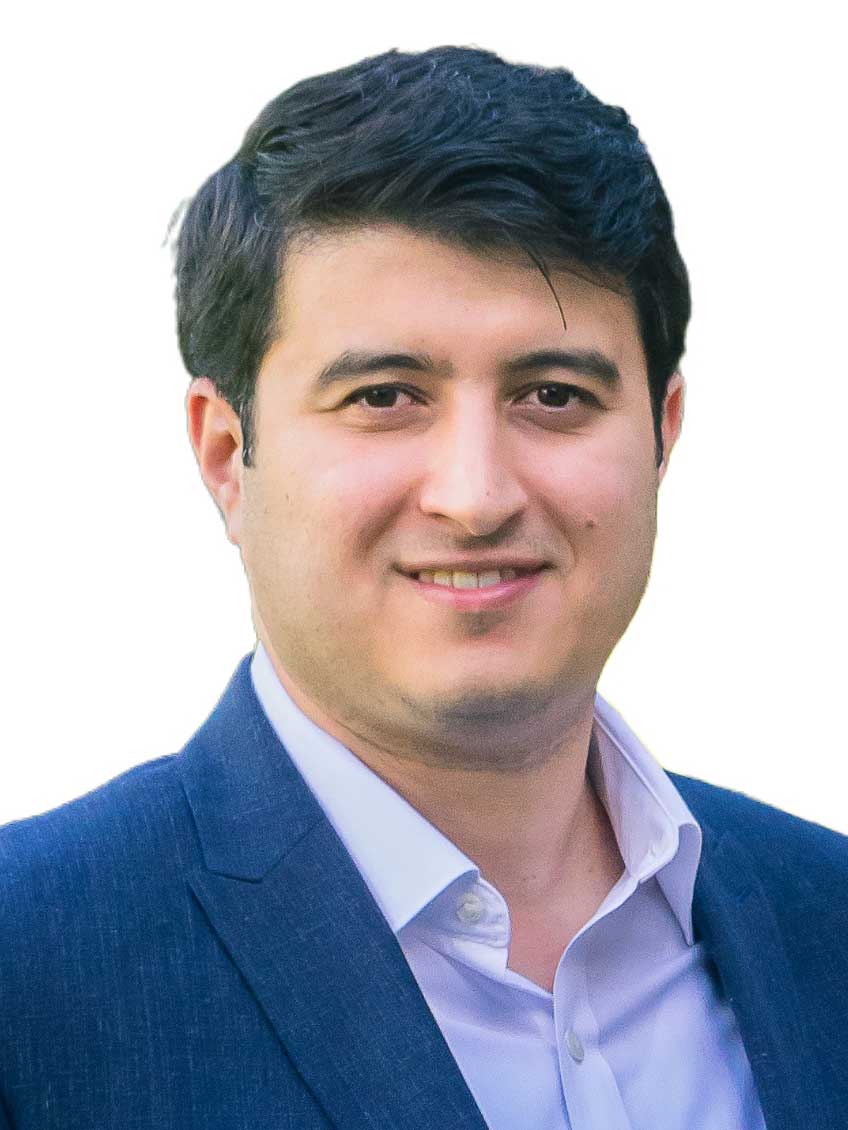
Hao Liu is a researcher affiliated with institutions like Chinese Academy of Sciences , Beihang University , and Stanford University . His work spans Computer Science , Artificial Intelligence , and Robotics . Key affiliations: National Space Science Center (Beijing), School of Astronautics (Beihang), Key Laboratory of Pervasive Computing (Tsinghua) Research interests include Machine Learning , Image Processing , Graph Neural Networks , and Wireless Communication Optimization His recent publications focus on: Advanced control systems for fuzzy models Medical imaging via hyperspectral analysis Transformer-based approaches in NLP and vision Quantum-safe and edge computing protocols
Dongwook Kim is affiliated with the Korea Advanced Institute of Science & Technology (KAIST) as a faculty member in the Department of Business and Technology Management under the College of Business. His research spans multiple domains including machine learning, robotics, signal processing, and biomedical engineering. Key contributions in Computer Vision (CNN-based semantic segmentation, 3D point cloud analysis) Significant work in Hardware Design (energy-efficient processors, neuromorphic computing) Interdisciplinary expertise in Medical Imaging (bone age assessment, retinal biomarkers) and Cybersecurity (attack detection, network analytics) Publications since 2015 demonstrate sustained innovation in AI applications , Signal Processing , and Smart City Governance . His work often integrates theoretical advances with practical implementations in real-world systems. No scientific awards or student mentorship details are explicitly documented in the provided records.
Bradley Nilsson is a Professor of Chemistry at the University of Rochester, Department of Chemistry. He leads the Nilsson Group, focusing on peptide self-assembly, amyloid structures, and their applications in biomedicine and materials science. His work bridges organic, biological, and materials chemistry, with notable contributions to amyloid-inspired hydrogels and HIV transmission mechanisms. He received the 2016 Goergen Award for Excellence in Teaching and the 2012 NSF CAREER Award. Education: PhD in Organic Chemistry (2003, University of Wisconsin-Madison), postdoctoral research at UC Irvine. He joined Rochester in 2006. Research interests include molecular recognition in amyloid peptides, SEVI fibrils' role in HIV transmission, and hydrogel development for tissue engineering. His lab has pioneered studies on stimulus-responsive self-assembly and co-assembly of peptides. Key achievements include the reductive trigger for peptide hydrogelation (JACS 2010), and NIH-funded work on anti-HIV microbicides. Current projects explore amyloid-β oligomer toxicity, SEVI mechanisms, and functional biomaterials from simple amino acid derivatives. Lab members include graduate students Elena Quigley, Melissa Jagrosse, Francine Yanchik, Hannah Distaffen, and Chris Jones. The lab collaborates on interdisciplinary projects funded through NIH and NSF grants.
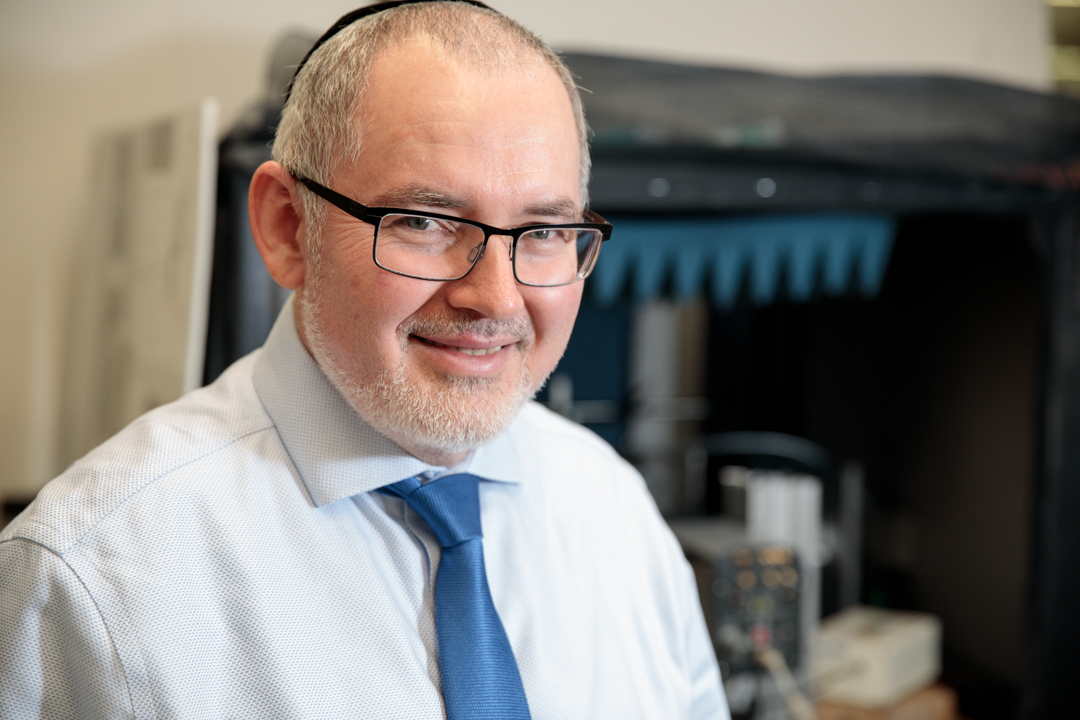
Benyamin Davaji serves as an Assistant Professor in the Department of Electrical and Computer Engineering at Northeastern University, where he joined in January 2022. He holds additional appointments as a Center Member of The Plastics Center and Core Faculty of the Institute for NanoSystems Innovation (NanoSI). His work bridges microsystems engineering, nanofabrication, and data science to develop next-generation sensing technologies. Dr. Davaji's educational background includes: Postdoctoral Associate in Electrical and Computer Engineering at Cornell University (2016-2021) Ph.D. in Electrical Engineering from Marquette University (2016) His research centers on integrated microsystems with emphasis on mechanical wave-based sensing and computation, ultrasound transducers, bio-interfaces, and microcalorimetry. The Autonomous Integrated Microsystems (AIMS) Laboratory combines physics with AI/ML to invent novel sensors and computational devices through advanced nanofabrication. Key thrusts include power-sustaining architectures and analog/digital computational integration. Recent publications (2024-2025) reveal strong trends in MEMS/NEMS optimization using digital twins, plasmonically enhanced infrared detection, ferroelectric actuators for high-speed scanning, and ultrasound-enabled metrology. His work increasingly integrates machine learning for design automation and process optimization across semiconductor manufacturing and flexible hybrid electronics. Dr. Davaji advises graduate students including Yilmaz Arin Manav (PhD'28), who won the FLEX 2024 Future Student Poster Award. He has secured over $3 million in competitive funding as PI/Co-PI, including a $550k NSF grant for MEMS actuators, $330k NSF grant for quantum detectors, and $2M DARPA grant for inertial sensors. He directs the interdisciplinary AIMS Laboratory focused on MEMS, ultrasound, and calorimetric technologies. The lab collaborates extensively with NanoSI and The Plastics Center, developing autonomous microsystems for biomedical, environmental, and industrial applications through advanced manufacturing techniques.
Soner Sonmezoglu is an Assistant Professor of Electrical and Computer Engineering at Northeastern University's College of Engineering. His research focuses on implantable and wearable medical devices enabled by advanced microelectronics and microfabrication for neurological, diagnostic, and therapeutic applications. He leads the Sonmezoglu Lab and has secured major grants including a $13M ARPA-H award for developing photoacoustic imaging systems for early lung cancer detection. Education: PhD in Electrical and Computer Engineering, UC Davis (2017) BSc and MSc in Electrical Engineering with a minor in Solid-State Physics, Middle East Technical University (2010-2012) Postdoctoral Researcher, UC Berkeley EECS (pre-2022) Research Interests: His work spans integrated circuits, micro/nano electromechanical systems (M/NEMS), neural interfaces, and medical device integration. Key projects include ultrasonic wireless neural interfaces and millimeter-scale oxygen sensors for deep-tissue monitoring. Current initiatives include the PAIL project for lung cancer diagnostics. Awards: UC Davis Graduate Division Fellowship Scientific and Technical Research Council of Turkey Graduate Fellowship Grants & Collaborations: Principal Investigator of ARPA-H's $13M PAIL initiative. Active in the Institute for NanoSystems Innovation, contributing to chip-level technology advancements. Labs/Teams: Directs the Sonmezoglu Lab at Northeastern, focusing on next-generation biomedical device innovation through interdisciplinary microsystems engineering.
Professor Michael Keidar holds the A. James Clark Professorship at the George Washington University (GW) , School of Engineering and Applied Science, within the Mechanical and Aerospace Engineering department. He leads the Micropropulsion and Nanotechnology Lab , pioneering research in plasma medicine, micropropulsion systems, and plasma nanoscience. His lab collaborates with industry partners like Vector (licensed plasma thruster technology) and US Patent Innovations, LLC (a $5.3M grant for cold plasma cancer therapy). Key research areas include: Cold plasma applications in biomedical treatment Microthrusters for nanosatellites Synthesis of graphene and carbon nanotubes Multi-scale plasma simulations Scientific accolades include the 2017 Ronald C. Davidson Award and AIAA Engineer of the Year (2016-2017), alongside leadership in interdisciplinary projects with GW’s Global Food Institute .
Abdallah Elsayed, Ph.D., P.Eng., is an Associate Professor in the Department of Mechanical Engineering at the University of Guelph. His research focuses on casting and solidification of light alloys, materials characterization (including OM, SEM, TEM, XRD, DSC), and in-situ neutron diffraction for solidification/phase analysis. He also investigates molten metal treatment, defect/inclusion analysis, and nanoparticle applications in agriculture and environmental sustainability. His work bridges metallurgy with biomedical and environmental engineering, emphasizing sustainable materials innovation. Dr. Elsayed teaches undergraduate courses ENGG 2160 (Engineering Mechanics II) and ENGG 2120 (Materials Science). He leads the Gryphon Solidification and Materials Processing Laboratory (SaMPL), advancing research in alloy development and casting technologies. Recent work explores nanoparticle-based solutions for food preservation, water treatment, and nutrient recovery from industrial waste. His publications (2023-2025) emphasize interdisciplinary approaches, including novel alloys for biomedical implants, eco-friendly coatings, and sustainable agricultural practices. Key themes include optimizing electrical conductivity in aluminum alloys, mitigating alloy oxidation, and leveraging nanoparticles for environmental remediation. His research underscores both technical innovation and real-world applications in sustainability.
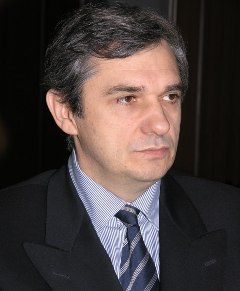
Ljubisa Stankovic is a Full Professor at the University of Montenegro with extensive academic and political experience. He has served as Rector of the University of Montenegro (2003-2008), Member of the National Academy of Sciences and Arts (CANU) since 1996, and Ambassador of Montenegro to the United Kingdom since 2010. As an IEEE Fellow (2012), he has made significant contributions to signal processing research. His research focuses on Signal Processing , particularly Time-Frequency Analysis , Data Processing in Joint Time and Frequency Domain , Analysis of Non-Stationary Signals , and Radar Signal Processing . With about 300 technical papers published (83 in leading international journals, mainly IEEE editions) and several textbooks in Signal Processing, his work has substantially influenced the field. The analysis of his recent publications reveals a consistent focus on advanced time-frequency methods applied to radar systems, non-stationary signal analysis, and emerging applications in machine learning and quantum processing. His research shows evolution from theoretical foundations toward practical implementations in communications, radar, and biomedical applications. His notable scientific achievements include: Member of the National Academy of Sciences and Arts (1996) Highest State award of Montenegro '13. jul' (1997) Fellow of the IEEE (2012) Fulbright fellowship (1984-1985) Alexander von Humboldt fellowship (1997) Volkswagen award grant (2001) Scientific Achievement Award by Montenegrin Academy of Science and Art (1991) Stankovic has held significant editorial positions including Associate Editor for IEEE Transactions on Image Processing, IEEE Signal Processing Letters, and IEEE Transactions on Signal Processing since 2003. He was also a member of the IEEE Signal Processing Society's Technical Committee on Theory and Methods (2002-2008). His research group received a Volkswagen Foundation research grant (2001-2003), demonstrating his ability to secure competitive funding. Beyond academia, he has held prominent political positions including Vice-president of Montenegro (1989-1991) and Member of Yugoslav Parliament (1992-1996).
Matthias Kuhl is a Professor at the Institute of Microsystems Technology (IMTEK) at the University of Freiburg since April 2022. He leads research projects focused on neural probes, biomedical implants, and integrated microelectronic systems. His work includes developing low-power neural interfaces, stress sensors, and energy-efficient circuits for medical applications. Research Interests Neural probes with electronic depth control Implantable biomedical devices CMOS integrated sensors and actuators Energy harvesting for autonomous systems Microfabrication and 3D-printed electronics Key Projects Advanced EDC: Intracortical neural probes with electronic depth control ComBiNE: Bidirectional neural exchange components SEAM-WiT: Implantable neural probe transceivers Multi-material 3D-printed electronics His recent publications emphasize low-power neural front-ends, stress sensor integration, and biomedical system design. He advises numerous graduate students on topics ranging from CMOS circuit design to biohybrid systems. Labs & Teams He leads the Professur für Mikroelektronik lab, specializing in microelectronic systems for biomedical and industrial applications. Collaborates with orthodontic, neurobiology, and materials science groups.
Karen Hampson is a Senior Lecturer in Optometry at the University of Manchester, serving as the first-year Optics Theme Lead. Her research focuses on adaptive optics systems for vision science, particularly using retinal imaging technology for early diagnosis of neurodegenerative and psychiatric diseases. She is a member of the Consortium for Vision and Oculomics in Psychiatry and co-founder of the European Adaptive Optics Summer School. Education: MPhys (Swansea University, 2000), PhD in Physics (Imperial College London, 2004), Post-Graduate Certificate in Higher Education Practice, and SEDA Professional Development Award. She trained in Transactional Analysis Psychotherapy and mental health first aid. Research interests include adaptive optics applications across vision science, microscopy, and astronomy. She led an EPSRC-funded project on pre-symptomatic disease diagnosis via ocular biomarkers. Key roles include Chair of Optica’s Applications of Visual Science Technical Group (2021–2024) and Associate Editor for Frontiers in Ophthalmology. Teaching contributions include senior laboratory roles at Oxford’s Physics Department and tutorial leadership at Corpus Christie College. Her work aligns with UN SDG targets for health and innovation.
Julie Dorsey is the Frederick W. Beinecke Professor of Computer Science at Yale University, where she teaches computer graphics. She joined Yale in 2002 after holding tenured positions at MIT in both the Department of Electrical Engineering and Computer Science and the School of Architecture. She earned undergraduate degrees in architecture and graduate degrees in computer science from Cornell University. Research Areas: Photorealistic image synthesis Material and texture modeling Interactive visualization of complex scenes Sketch-based design interfaces Acoustical and lighting design algorithms Recent Article Trends focus on AI-driven graphics techniques, 3D hair modeling, depth sensing, and cultural heritage preservation. These works reflect her interdisciplinary approach bridging computer science, art, and physics. Scientific Awards: MIT Edgerton Faculty Achievement Award NSF Career Award Alfred P. Sloan Research Fellowship Radcliffe Institute Fellowship (2010-11) Whitney Humanities Center Fellowship (2010-12) Editorial Contributions: She serves as Editor-in-Chief of ACM Transactions on Graphics and has held editorial roles at Computers and Graphics, Foundations and Trends in Computer Graphics and Vision, and SIGGRAPH 2006 Papers Chair. Labs & Collaborations: Leads Yale's Computer Graphics Group, contributes to interdisciplinary projects at the intersection of computing and the arts, and collaborates with researchers in biomedical and industrial AI applications.
Christof Lutteroth is a Professor in the Department of Computer Science at the University of Bath and Director of the REal and Virtual Environments Augmentation Labs (REVEAL). His work focuses on Human-Computer Interaction (HCI) with emphasis on eye-gaze interaction and virtual reality (VR), particularly for health, exercise, and learning applications. He leads multiple research projects funded by organizations like EPSRC, The British Academy, and The Royal Society. Research Interests include developing gaze-controlled interfaces, immersive VR systems, and adaptive UI/UX for fitness and cognitive training. He explores affective design tools, emotion recognition in VR exergaming, and biometric data analysis for health applications. Recent Publications highlight advancements in gaze-based text entry, emotion measurement in VR, AI-driven UI development, and cross-European XR innovation networks. His work spans from foundational HCI methodologies to applied projects in rehabilitation and immersive learning. Grants include EPSRC IAA, British Academy, and Royal Society funding for projects like TapGazer, Hyper-immersive XR, and Affective Design Tools for VR. He collaborates with institutions across Europe through the EMIL project. Laboratory : REVEAL Lab at the University of Bath drives research in immersive technologies, motion analysis, and augmentation of human interaction with digital environments.
Stefan Duma is the Harry C. Wyatt Professor of Engineering and a University Distinguished Professor at Virginia Tech. He is currently serving as Interim Department Head in the Department of Biomedical Engineering and Mechanics within the College of Engineering. He also directs the Institute for Critical Technology and Applied Sciences and leads the Virginia Tech Helmet Lab. His educational background includes: Ph.D. in Mechanical Engineering from the University of Virginia (2000) M.S. in Industrial Engineering from the University of Cincinnati (1996) B.S. in Mechanical Engineering from the University of Tennessee (1995) Dr. Duma's research focuses on injury and impact biomechanics, with applications in automobile safety design , sports biomechanics (especially football and hockey), and military restraint systems . His work investigates head and neck injury mechanisms, concussion thresholds, and protective equipment performance. He has pioneered methodologies for evaluating helmet safety and individualized injury tolerance. The recent publications reflect a strong focus on head impact biomechanics , concussion prediction , and wearable sensor validation . The research spans youth and collegiate sports, drone impact risks, and automotive safety. Key themes include individual variability in injury response, helmet performance assessment, and translational safety applications. Scientific recognition includes his appointment as a University Distinguished Professor and leadership roles, though specific awards are not listed in the provided text. Dr. Duma advises a team of researchers and students, including Steven Rowson, Abigail Tyson, and Eamon Campolettano. His lab has secured significant research funding (implied by patent and publication volume), particularly in developing safety standards and injury prevention technologies. The Virginia Tech Helmet Lab is central to his research, conducting experiments with human volunteers, PMHS, and advanced instrumentation. His lab, the Virginia Tech Helmet Lab, is a leading center for impact biomechanics research, focusing on real-world safety challenges in sports, transportation, and emerging technologies like drones.
Kevin W. Plaxco is a Professor in the Department of Chemistry & Biochemistry at the University of California, Santa Barbara (UCSB), leading the Plaxco Group. His research focuses on protein folding, biomolecular engineering, and the development of electrochemical aptamer-based (EAB) sensors for real-time molecular monitoring in vivo. These sensors enable high-resolution measurements of drugs and biomarkers in biological fluids, with applications in pharmacokinetic analysis, feedback-controlled drug delivery, and biomedical diagnostics. The lab also investigates protein-surface interactions to enhance biotechnological applications. Research interests include: Protein folding mechanisms and their application to sensor design Electrochemical sensor technology for in vivo diagnostics Real-time pharmacokinetic monitoring and closed-loop drug delivery systems Biophysics of biomolecules at surfaces Advising and Lab Contributions: The Plaxco Group has mentored numerous graduate students, postdoctoral researchers, and visiting scholars, contributing to over 200 publications. The lab is affiliated with UCSB’s Center for Bioengineering and collaborates across disciplines to advance sensor innovation and biophysical studies. Labs/Teams: The Plaxco Group operates within the Department of Chemistry & Biochemistry, emphasizing interdisciplinary approaches to biomedical engineering and molecular sensing.
Prof. Carlijn V.C. Bouten is Full Professor of Cell-Matrix Interactions in Cardiovascular Regeneration at Eindhoven University of Technology (TU/e), where she heads the Soft Tissue Engineering & Mechanobiology research group in the Department of Biomedical Engineering. She leads a team of ~40 researchers focusing on cardiovascular tissue regeneration through interdisciplinary approaches. Her research investigates mechanobiological interactions between cells and extracellular environments during tissue growth/regeneration, using multi-scale living model systems. Key innovations include biodegradable heart valve prostheses, hybrid implantable organs, and remote cardiac tissue engineering concepts. She collaborates with material scientists, clinicians, and medtech companies. Education includes an MSc in Functional Anatomy and Biomechanics (Vrije Universiteit Amsterdam, 1991) and PhD (TU/e, 1995), with postdoctoral training at Université Laval and University of London. Her 300+ publications focus on: Cardiovascular tissue engineering Cell-matrix mechanobiology In vitro tissue models Biodegradable implants Hybrid organ development Major scientific honors: ERC Advanced Grant (2022) VICI Grant (2003) Aspasia Career Development Award Coordinator of €18.8M Gravitation Programme Elected member of KNAW and AcademiaNet She leads multiple consortia including RegMed-XB's Cardiac Moonshot and international programs like FET-OPEN 'Hybrid Heart'. Heads TU/e's Soft Tissue Engineering & Mechanobiology lab developing advanced biomaterials and tissue models.