Marco Cuturi is a Research Scientist at Apple ML Research in Paris and Professor of Statistics at CREST-ENSAE, Institut Polytechnique de Paris. His work bridges machine learning , optimal transport , and optimization , with applications in time-series analysis , kernels , and multiresolution methods . He has held academic roles at Kyoto University and Princeton University, and previously worked in the financial industry. Research Interests: Optimal transport theory and computational methods Kernel design for structured data and histograms Time-series alignment and soft-DTW Entropic regularization in optimization Applications to computer vision and genomics Teaching: Cuturi has taught courses on linear optimization at Princeton, geometric methods in machine learning at Kyoto, and scientific English. He has also organized machine learning summer schools in Kyoto, Les Houches, and other international venues. Recent Trends: His 2024-2025 publications focus on entropic optimal transport solvers, disentangled representation learning via Gromov-Monge gaps, and applications to text-to-image diffusion models. Collaborative work with institutions like Google Research, MIT, and University of Tokyo highlights his interdisciplinary impact.
Dr. Sara Kijewski is a Lecturer at ETH Zurich's Department of Humanities, Social and Political Sciences (D-GESS), specializing in the Ethics and Governance of Artificial Intelligence, Digital Health, and Health Policy. She joined ETH in 2022 after earning her PhD in Political Science from the University of Bern, with additional studies at the University of North Carolina, University of Oslo, and University of Zurich. Her research focuses on AI ethics frameworks, digital health governance, and the societal impacts of war through projects like the Health Ethics & Policy Lab's Health Data and AI course coordination and postdoctoral work on NRP 77 (Digital Health Innovation Governance). As Director of Operations for the ETH AI Ethics and Policy Network, she bridges academic and policy dimensions of emerging technologies. Key research interests include global AI governance, healthcare innovation ethics, and the long-term social consequences of conflict, reflected in publications analyzing post-war societies, public opinion on biotechnology, and international health policy challenges. Her academic background includes multilingual proficiency (Norwegian/Finnish native, German/English fluent), supporting cross-cultural research collaboration. Professional activities include undergraduate course coordination, internship supervision, and contributions to interdisciplinary initiatives like Precise4Q: Predictive Modelling in Stroke. Current academic roles combine teaching (e.g., Ethics Workshop: The Impact of Digital Life on Society in Autumn 2025) with research leadership in AI ethics and health policy domains.
Elisa Riedo is a tenured Professor of Chemical and Biomolecular Engineering at New York University (NYU) Tandon School of Engineering, with joint appointments as Professor of Physics in NYU’s College of Arts and Science and as affiliated Professor of Mechanical Engineering at Tandon. She serves as Director of Faculty Development at NYU Tandon and has held prior tenured positions at Georgia Tech (2003–2015) and CUNY ASRC (2015–2018). Her academic career spans over two decades, with a Ph.D. in Physics from the University of Milano (2000) and postdoctoral work at EPFL. Her research focuses on nanotechnology , graphene and 2D materials , and thermal scanning probe lithography (tSPL) , with applications in biomedical diagnostics quantum electronics electromagnetic interference shielding mechanical reinforcement of materials She pioneered tSPL for sustainable nanofabrication and discovered diamene—a single-layer diamond structure from graphene under pressure. Her recent work involves transparent infrared electrodes using silver nanowires (2025) and self-organized graphene stacking domains for quantum technologies (2024). She has secured major grants from National Science Foundation , Department of Defense , and Army Research Office . Scientific honors include: 2023 NYU Tandon Excellence in Research Award 2013 American Physical Society Fellow 2005 CREA Innovation Award Membership in the Academy of Europe (2023) She contributes to editorial boards for journals like 2D Materials and Applications and advises companies such as Mirimus Inc. and SwissLitho AG .
Courtney N. Reed is a Lecturer in Digital Technologies at Loughborough University London, where she joined in November 2023. She maintains a dual role as a visiting research fellow at the Max Planck Institute for Informatics. Her academic journey includes a BMus in Electronic Production and Design from Berklee College of Music (2016), followed by an MSc (2018) and PhD (2023) in Computer Science from Queen Mary University of London. Prior to her current position, she completed postdoctoral research at both the Max Planck Institute for Informatics and King's College London. Bachelor of Music: Electronic Production and Design, Berklee College of Music (2016) Master of Science: Computer Science, Queen Mary University of London (2018) Doctor of Philosophy: Computer Science, Queen Mary University of London (2023) Dr. Reed's research explores the entangled relationships between humans, bodies, instruments, and technology in music interaction, with particular focus on vocal electromyography (VoxEMG) and the vocalist-voice relationship. Her work incorporates feminist and post-human theories to examine sociopolitical contexts within arts technology, aiming to design for creativity while acknowledging individual, messy bodies in artistic practice. She has developed an open-source platform for vocal electromyography to investigate how biosignal feedback changes understanding and perception of the body in vocal performance. Her interdisciplinary approach bridges music technology, human-computer interaction, and embodied interaction studies. Analysis of Dr. Reed's recent publications (2023-2025) reveals a strong thematic focus on embodied interaction in music technology, with particular emphasis on vocal performance, biosignal feedback, and the philosophical underpinnings of digital instrument design. Her work consistently integrates theoretical frameworks like Karen Barad's agential realism with practical applications in digital musical instruments. Key trends include the exploration of ambiguity in data representation, the sociocultural dimensions of timbre in instrument design, and the development of novel methodologies for understanding embodied musical experiences through micro-phenomenology and ethnographic approaches. ACM SIGCHI Outstanding Dissertation Award (2024) for her thesis 'Imagining & Sensing: Understanding and Extending the Vocalist-Voice Relationship Through Biosignal Feedback' Best Newcomer Award at Loughborough University London's Community Awards Celebration (2024) Dr. Reed actively contributes to the academic community through conference organization and leadership roles. She serves as Member-at-Large on the NIME Board, previously chaired papers for NIME 2024, and co-organized the IBM SkillsBuild Sprint at Loughborough London. She has also chaired sessions at the ACM TEI Conference and co-chaired the Student Design Competition. Her collaborative work spans multiple institutions and includes significant contributions to interdisciplinary projects that bridge music, technology, and human experience. She has been instrumental in developing the senSInt research group and the RaveNET wearable network project. Dr. Reed leads the senSInt research group which focuses on sensorimotor interaction in music and performance contexts. The group develops innovative technologies including the VoxEMG platform for vocal electromyography, the Bones anti-corset for vocal performance, and the RaveNET network of wearable biosensing nodes. These projects explore the intersection of biosignals, embodied interaction, and musical expression, creating novel frameworks for understanding how technology mediates human creativity and performance. The group frequently collaborates with musicians, technologists, and theorists to develop and test these systems in real-world performance contexts.
Mohamed Hefeeda is a Professor in the School of Computing Science at Simon Fraser University (SFU), Canada. He leads the Network and Multimedia Systems Lab (NMSL) and previously served as Director of the School from 2018 to 2023. His research focuses on multimedia networking, mobile computing, cloud systems, and hyperspectral imaging. He holds an ACM Distinguished Member designation and has received prestigious awards including the NSERC Discovery Accelerator Supplements (2011) and multiple best paper awards at top conferences like ACM MM and IEEE Infocom. Education: Ph.D., Purdue University, 2004 M.Sc., University of Connecticut, 2001 B.Sc., Mansoura University, Egypt, 1994 Research Interests: Design of efficient multimedia systems and protocols for wired/wireless networks Cloud gaming optimization and video encoding techniques Hyperspectral imaging for healthcare and mobile applications AI-driven multimedia systems and mobile computing innovations Grants & Industry Collaborations: Funded by NSERC, CFI, and companies like AMD, Huawei, and CBC Co-founded Video Semantics (acquired by tech firm) Partnered with CBC on peer-assisted content distribution systems Awards Highlights: 2025: ACM Distinguished Member 2019: Best Student Paper Award at ACM MMSys 2015: NSERC Discovery Accelerator Supplements Labs & Leadership: Network and Multimedia Systems Lab (NMSL) at SFU Contributed to creation of Qatar Computing Research Institute (QCRI)
Albert H. Titus is a Professor in the Department of Biomedical Engineering and an Adjunct Professor in the Department of Electrical Engineering at the University at Buffalo, State University of New York. He serves as Associate Vice President for Regulatory Support in the Office of the Vice President for Research and Economic Development. His research focuses on analog VLSI design for neuromorphic visual processing, biosensors, wearable devices, optoelectronic systems, and neural networks. Education: PhD in Electrical and Computer Engineering, Georgia Institute of Technology (1997) MS in Electrical Engineering, University at Buffalo (1991) BS in Electrical Engineering, University at Buffalo (1989) Research Interests: His work spans wearable and implantable sensors, bioinstrumentation, neural network-based visual processing, analog VLSI implementations, optoelectronics, and electronic packaging. He pioneered CMOS-based neuromorphic systems and developed patented technologies for glare sensing and RF power calorimetry. Publication Trends: His recent articles emphasize CMOS-integrated sensors, machine learning for bioimpedance analysis, implantable medical devices, and xerogel-based optical biosensors. These works bridge biomedical engineering and microelectronics. Scientific Recognition: He is a Fellow of the National Academy of Inventors and has received the SUNY Chancellor’s Award for Excellence in Service (2017), NSF CAREER award, and Western New York Inventor of the Year (2010). His inventions include a patented low-power glare sensor (U.S. Patent 7,586,079) featured in Popular Science’s 2011 Top Ten Inventions. Academic Leadership: As a faculty member, he has supervised nearly 20 PhD and over 40 MS students, while teaching courses in circuits, IC design, sensors, and signal processing across electrical and biomedical engineering disciplines.
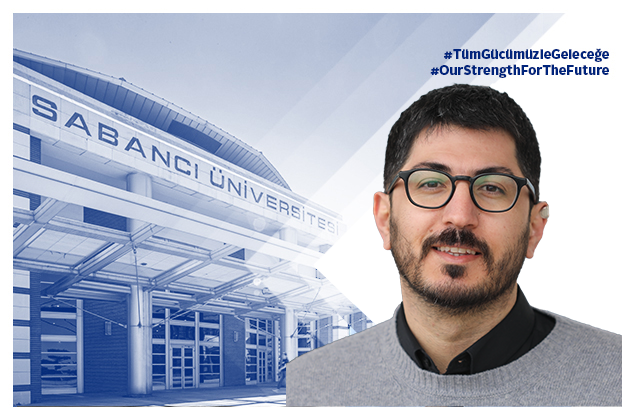
Dr. Morteza Ghorbani is a researcher and faculty member at Sabancı University's Faculty of Engineering and Natural Sciences (FENS), specializing in fluid mechanics and environmental engineering. He leads the AquaCav project, a collaborative effort with Oxford Brookes University, focused on developing sustainable water treatment solutions using hydrodynamic and acoustic cavitation. His research addresses global challenges such as PFAS pollution and wastewater management, with applications in biomedical devices and energy-efficient technologies. Key collaborations include projects funded by the International Science Partnership Fund (ISPF), leveraging his expertise in microfluidic systems and cavitation dynamics. Dr. Ghorbani's work combines experimental and numerical methods to optimize cavitation-based processes for environmental and biomedical applications. His contributions span from fundamental fluid dynamics studies to applied technologies like flexible cystoscopes and clot-on-a-chip platforms. Scientific achievements include the ISPF Research Collaboration Grant (2024) and advancements in PFAS removal, graphene exfoliation, and microalgae cultivation. His research group at Sabancı University explores interdisciplinary solutions at the intersection of engineering, nanotechnology, and sustainability.
Anne Staples is an Associate Professor in the Department of Mechanical Engineering at Virginia Tech, leading the Laboratory for Fluid Dynamics in Nature (FINLAB). Her research focuses on fluid mechanics in biological systems, medical fluid dynamics, and bioinspired engineering, leveraging computational modeling and microfluidic technologies to innovate in healthcare and engineering. Education: B.S. in Mechanical and Aerospace Engineering, Cornell University (2000) M.Eng. in Mechanical and Aerospace Engineering, Princeton University (2001) Ph.D. in Mechanical and Aerospace Engineering, Princeton University (2006) Postdoctoral Researcher at the Naval Research Laboratory (2006–2008) Research Interests: Her work spans bioinspired microfluidics, medical device design, and fluid dynamics in biological systems. Notable projects include developing pulse-driven micropumps for drug delivery and studying insect respiratory systems to inform engineering solutions. Publications: Over 50 peer-reviewed articles, focusing on topics like microfluidic systems, insect-inspired flow control, and hemodialyzer modeling. Recent work emphasizes wearable drug delivery and biomechanical innovations. Awards & Service: NIH Trailblazer Award (2024) Virginia Tech Dean’s Fellow (2023–present) Editorial Board Member, PLOS ONE and Scientific Reports (2021–present) Fulbright Scholar (2016) Grants & Collaborations: Leads a NIH-funded project to develop lightweight drug delivery devices. Collaborates with statisticians and biomedical engineers to simulate and optimize prototypes. Active in interdisciplinary teams at Virginia Tech and Georgia Tech. Labs & Teams: Directs the FINLAB, which integrates computational modeling, experimental microfluidics, and biological principles to address challenges in healthcare and environmental engineering.
Mikhail Gelfand is a Full Professor and Director of the Center for Molecular and Cellular Biology at Skolkovo Institute of Science and Technology (Skoltech), where he also serves as Vice President for Biomedical Research. His distinguished career spans multiple prestigious institutions including Lomonosov Moscow State University and the Higher School of Economics. His educational background includes: 1985: MSc in mathematics (functional analysis) 1993: PhD in physics-mathematics (biophysics) 1998: DSc in biology (molecular biology) 2007: full professor (bioinformatics) Professor Gelfand's research focuses on molecular evolution, comparative genomics, systems biology, and metagenomics. His work examines eukaryotic processes including alternative splicing, mRNA editing, and chromatin structure, as well as bacterial genome evolution and transcription regulation. His lab combines data on three-dimensional chromatin structure, epigenetic states, and gene expression to obtain an integrated view of genome functioning across diverse organisms from humans to amoebae. One major research direction focuses on the evolution of transcript splicing and editing, while comparative analysis of bacterial genomes yields functional annotations of novel enzymes, transporters, and transcription factors. His recent publications demonstrate a strong focus on RNA editing in cephalopods, bacterial genome analysis, and computational approaches to understanding chromatin structure. The work spans molecular biology, evolutionary biology, and bioinformatics, with particular emphasis on how RNA editing contributes to adaptation and molecular evolution across metazoans. His research shows how edited adenines are more frequently substituted with guanine in evolution than their unedited counterparts, suggesting RNA editing may enhance adaptation. His notable awards include: The President of Russian Federation's Award for Young Doctors of Science (2000) The "Best Scientist of the Russian Academy of Sciences" award (2004) A. A. Baev Prize in Genomics and Genoinformatics (2007) Member of Academia Europaea (2010) As Director of the Center for Molecular and Cellular Biology, Professor Gelfand leads a research group that combines computational and experimental approaches to study genome function and evolution. His lab's work has significant implications for understanding molecular mechanisms of evolution and adaptation across diverse biological systems, from bacteria to complex eukaryotes. His research on metagenomics extends to practical applications in areas including coral disease, aphids, and oil wells.
Jing Fan is an Associate Professor of Medical Microbiology & Immunology at the University of Wisconsin-Madison and a metabolism investigator at the Morgridge Institute for Research. She serves as a faculty trainer in multiple graduate programs, including Cellular and Molecular Biology (CMB) and the Integrated Program in Biochemistry (IPiB). Education: PhD, 2014, Princeton University Her research focuses on metabolic reprogramming in immune and cancer cells, particularly macrophages and neutrophils during immune responses and tumor microenvironment interactions. She employs metabolomics, lipidomics, and fluxomics integrated with biochemical and genetic techniques. The 15 most recent publications highlight her lab's work on metabolic flexibility in neutrophils and macrophages nutrient utilization during immune activation epigenetic regulation by metabolic pathways metabolic interactions in tumor microenvironments systems-level metabolic flux analysis translational applications for immunotherapy . She leads the Fan Lab, which includes current team members such as graduate students Carlos Mellado Fritz, Nick Arp, and Jorgo Lika, alongside postdoctoral fellows James Votava and Julia Nunes. Alumni include PhD graduates Emily Britt (Thermo Fisher Scientific) and Gretchen Seim (Genentech), as well as MD/PhD graduate Laura Steenberge (University of Pittsburgh Residency).
Magdalena Szymczyk is a Lecturer in the Department of Biocybernetics and Biomedical Engineering at AGH University of Science and Technology, Faculty of Electrical Engineering, Automatics, Computer Science and Biomedical Engineering. Her work bridges embedded systems, biomedical signal processing, and geophysical data analysis. Research focuses on energy-efficient sensor networks, neural networks for GPR data classification, and mathematical transforms in signal analysis Expertise in parallel computing, real-time systems, and biomedical engineering applications Her publications (2015–2025) demonstrate a trajectory from parallel neural networks and S-transform/GPR methodologies to recent work on MicroPython in embedded systems. Key themes include energy optimization in distributed architectures and AI-driven signal processing across biomedical and geophysical domains. She has authored works on deterministic chaos in simulations, GPU image processing, and cybersecurity in microcontroller systems. Her current research emphasizes embedded systems security, medical signal diagnostics, and computational methods for geological analysis. She utilizes tools like OpenCL for GPU acceleration and MATLAB for parallel computing implementations.
Pan Xu is a tenure-track assistant professor with joint appointments in the Department of Biostatistics & Bioinformatics, Department of Computer Science, and Department of Electrical & Computer Engineering at Duke University's Pratt School of Engineering. Prior to joining Duke, he was a Postdoctoral Scholar Research Associate at the California Institute of Technology, and he earned his Ph.D. in Computer Science from UCLA. His research bridges theoretical foundations with practical applications in machine learning and artificial intelligence. Dr. Xu's research focuses on developing computationally- and data-efficient machine learning algorithms with strong theoretical guarantees, particularly in reinforcement learning, optimization, and high-dimensional statistics. His work addresses two fundamental challenges in sequential decision-making: efficient exploration with minimal interactions and robustness against distributional shifts. His research spans theoretical algorithm design, practical implementation, and real-world applications in bioinformatics and healthcare. His publication record demonstrates consistent high-impact contributions to top-tier conferences including ICML, NeurIPS, ICLR, AAAI, and AISTATS. The research trends show a progression from foundational work in non-convex optimization and multi-armed bandits toward increasingly sophisticated frameworks for robust reinforcement learning, with particular emphasis on distributional robustness, efficient exploration strategies, and practical applications. His work often bridges theoretical guarantees with empirical validation. NSF award on approximate sampling based exploration for sequential decision making Whitehead Scholar award from Duke University School of Medicine PIMCO Postdoctoral Fellowship in Data Science UCLA Outstanding Graduate Student Research Award Rising Stars in Data Science by University of Chicago Best Paper Award for Queer In AI: A Case Study in Community-Led Participatory AI at FAccT 2023 Featured Certification for Wasserstein Distributionally Robust Policy Evaluation and Learning for Contextual Bandits at TMLR Oral Presentation award at AAAI 2024 Dr. Xu actively mentors students and researchers, seeking highly motivated individuals with strong mathematical backgrounds for Ph.D. programs in Biostatistics & Bioinformatics, Computer Science, and Electrical & Computer Engineering at Duke. He has received multiple research grants including an NSF award on approximate sampling based exploration for sequential decision making. His service to the academic community includes roles as area chair for NeurIPS, ICML, ICLR, and AISTATS, as well as action editor for Transactions on Machine Learning Research. His research group develops algorithms that address fundamental challenges in sequential decision-making, with applications spanning healthcare, bioinformatics, and multi-agent systems. Current research directions include distributionally robust reinforcement learning, efficient exploration strategies, and applications of graph neural networks to biological problems.
Prof Scott Crowe is a leading academic and clinical researcher in radiation oncology medical physics, affiliated with the Royal Brisbane and Women’s Hospital and the Hudson Institute of Medical Research (HBI) Cancer Care Services. His work bridges clinical practice and advanced research in radiotherapy technologies. Clinical Role: Clinical Lead for Cancer Care Services at HBI, overseeing radiation oncology medical physics. Education: Post-doctoral fellowship at Queensland University of Technology (QUT). Research Interests focus on: 3D Printing: Developing patient-specific phantoms and devices for radiotherapy applications (e.g., lung, vaginal, and oral molds). Dosimetry: Advancing measurement techniques (ionization chambers, Monte Carlo simulations) and addressing challenges like small field dose corrections, skin dose enhancement, and secondary cancer risk assessment. Adaptive Radiotherapy: Real-time motion adaptation systems, including Radixact Synchrony and TomoTherapy, to improve treatment accuracy. Quality Assurance: Statistical process control for beam energy variations, gamma evaluation methods, and machine performance checks. Publication Trends highlight his expertise in integrating 3D printing with dosimetry, optimizing adaptive radiotherapy workflows, and improving quality assurance protocols. His work spans Monte Carlo simulations , proton therapy , and image-guided radiotherapy . Supervision: Mentors higher degree research students in radiation oncology physics. Conferences: Regular presenter at international scientific meetings. Labs & Collaborations: Manages the radiation oncology medical physics research portfolio at Royal Brisbane and Women’s Hospital, collaborating with Hudson Institute on clinical translation projects.
Marylyn D Ritchie, PhD, is the Edward Rose, M.D. and Elizabeth Kirk Rose, M.D. Professor at the Perelman School of Medicine, University of Pennsylvania. She concurrently serves as Director of the Institute for Biomedical Informatics, Vice President for Research Informatics for the University of Pennsylvania Health System, Director of the Division of Informatics in the Department of Biostatistics, Epidemiology, and Informatics, and Vice Dean of Artificial Intelligence and Computing. Education: BS in Biology, University of Pittsburgh at Johnstown, 1999 MS in Applied Statistics, Vanderbilt University, 2002 PhD in Statistical Genetics, Vanderbilt University, 2004 Research Interests Dr Ritchie’s work integrates computational genomics , bioinformatics , pharmacogenomics , and systems genomics to advance precision medicine. She develops statistical and machine-learning approaches to dissect epistasis , genetic epidemiology , and evolutionary computation in large-scale biobanks, with a special focus on cardiovascular disease and Alzheimer’s disease . Her group is also pioneering translational informatics methods that incorporate social determinants of health and fairness metrics into AI-driven clinical decision support. Publication Trends In 2025 alone, Dr Ritchie co-authored more than fifteen high-impact studies spanning vision-language models for 3D CT , multi-omics Alzheimer’s risk prediction , fairness in neuroimaging AI , ancestry-specific pharmacogenomics , and cloud-based polygenic risk score platforms . The collective work highlights a shift from single-omics discovery to integrative, equitable, and clinically actionable models across diverse ancestries. Awards & Honors While specific named awards were not detailed in the text, Dr Ritchie’s endowed professorship and multi-institutional leadership roles signify sustained recognition. Grants & Advising Dr Ritchie leads large NIH, foundation, and industry-funded initiatives that support interdisciplinary teams of postdocs, graduate students, and data scientists. Her lab actively mentors trainees from UPenn’s Cell and Molecular Biology and Genomics and Computational Biology graduate groups. Laboratories & Teams She directs the Ritchie Lab (ritchielab.org), which develops open-source visualization tools such as PhenoGram , PheWAS-View , and Synthesis-View for genome-wide and phenome-wide data exploration. The lab operates within the Institute for Biomedical Informatics and collaborates closely with the Penn Medicine BioBank and multiple clinical departments to translate big-data discoveries into precision medicine workflows.
Anru Zhang is the tenured Eugene Anson Stead, Jr. M.D. Associate Professor with joint appointments in Biostatistics & Bioinformatics, Computer Science, Electrical and Computer Engineering, and Statistical Science at Duke University. He holds a Ph.D. from the University of Pennsylvania (2015, advised by T. Tony Cai) and a B.S. in Mathematics from Peking University (2010). Current roles: Associate Professor at Duke (2024–present), previously Assistant Professor at UW-Madison (2018–2021) Research focus: Tensor learning, high-dimensional statistics, EHR analysis, and healthcare applications Mentorship: Supervises active research team including postdocs (Jianbin Tan, Qiuyi Wu) and PhD students (Runshi Tang, Yinrui Sun) Research Trends : His recent publications emphasize tensor methods in biomedical data (EHR, microbiome, Alzheimer’s), Riemannian optimization for high-dimensional problems, and hybrid statistical-computational approaches. Key themes include healthcare AI, EHR analysis, and non-convex optimization. Scientific Awards : COPSS Emerging Leader Award (2024) IMS Tweedie New Researcher Award (2022) ASA Gottfried E. Noether Junior Award (2021) NSF CAREER Award (2020) AMIA Data Science Outstanding Paper Award (2023) Advising & Grants : Mentored 16+ students/postdocs, including Yuetian Luo (IMS Lawrence D. Brown Award) and Yuchen Zhou (IMS Hannan Travel Award). Current grants include NIH-funded projects on sepsis detection, mental health AI, precision genetic testing, and telehealth interventions, plus NSF CAREER funding for statistical inference in high-dimensional structures. Labs & Teams : Leads a research group at Duke focusing on tensor learning, statistical theory, and healthcare AI applications. Collaborates with Duke’s AI Health initiative and serves as Associate Editor for leading journals like Annals of Statistics and JASA.