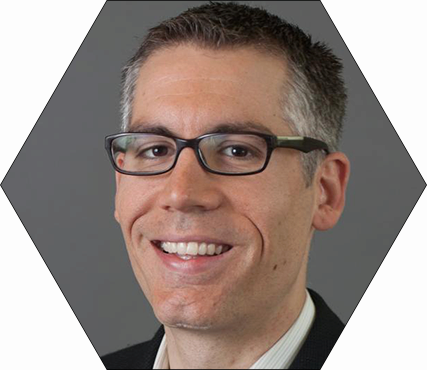
Dr. Craig R. Forest is a Professor at the Georgia Institute of Technology's Woodruff School of Mechanical Engineering, specializing in bioMEMS, neuroengineering, and high-throughput instrumentation. He leads the Precision Biosystems Laboratory, focusing on developing robotic tools for neuroscience and genomics. His research bridges mechanical engineering with biological systems, creating innovations like the PatcherBot for automated electrophysiology. Forest earned his Ph.D. (2007) and M.S. (2003) from MIT and B.S. (2001) from Georgia Tech. He has been recognized with awards including the 2013 Georgia Tech Class of 1940 W. Roane Beard Outstanding Teacher Award and Engineer of the Year (2013). His work emphasizes interdisciplinary collaboration, particularly through initiatives like CREATE-X and the Invention Studio, fostering student entrepreneurship and maker culture. Key contributions include ultra-high-throughput genomics tools, microfluidic systems, and acoustic reporter genes for medical imaging. Forest’s lab explores emerging fields like intracellular robotics in neuroscience and molecular communication networks, with applications in drug discovery and personalized medicine. Scientific awards highlight his impact in education and engineering innovation. His grants and collaborations span academic and industrial partnerships, advancing both theoretical and applied research in bioengineering and nanotechnology.
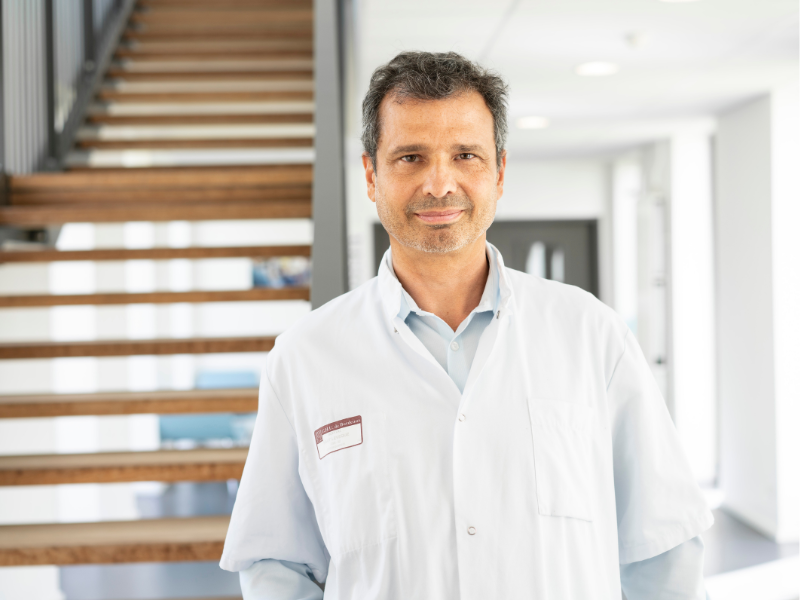
Prof. Pierre Jaïs serves as University Professor in Cardiology and Cardiac Electrophysiology at the University of Bordeaux and Head of the Electrophysiology Unit at Bordeaux University Hospital. He concurrently leads the Electrophysiology and Heart Modeling Institute (LIRYC) as CEO since 2021, driving innovation in cardiac rhythm disorder treatments through multidisciplinary research. His research revolutionized cardiac electrophysiology by identifying pulmonary veins as primary sources of atrial fibrillation, establishing pulmonary vein isolation as the global treatment standard. Current work focuses on pulsed field ablation—a non-thermal technique with potential to replace conventional ablation—and developing advanced imaging for precise arrhythmia targeting, reflecting his commitment to translating scientific discovery into clinical solutions. Analysis of recent publications (2017-2021) reveals dominant trends in pulsed field ablation optimization, comparative ablation techniques, and AI integration in cardiovascular imaging. These works consistently address atrial fibrillation treatment efficacy, safety profiles, and technological innovation, positioning him at the forefront of electrophysiology advancement. His distinguished contributions are recognized through prestigious awards including: 2019: Eli S. Gang Most Innovative Abstract Award (Heart Rhythm Society) 2018: Eric N. Prystowsky Lectureship Award 2012: Academy of Medicine Membership (Paris) 2009: Circulation Best Paper Award Multiple National Academy of Medicine honors Prof. Jaïs actively mentors electrophysiology trainees and secures substantial research funding, notably leading an EU-funded randomized trial comparing pulsed field versus thermal ablation. His LIRYC institute integrates cardiology, engineering, and computational expertise to accelerate therapeutic innovation. The LIRYC institute operates as a collaborative hub where clinicians, biomedical engineers, and data scientists develop next-generation electrophysiology tools. Current projects include real-time arrhythmia mapping systems, tissue-selective ablation protocols, and AI-driven predictive models for treatment personalization, fostering seamless translation from bench to bedside.
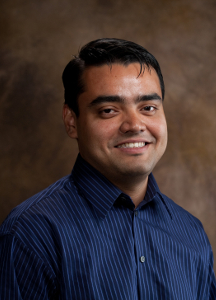
Dr. Nilanjan Banerjee is a Professor in the Department of Computer Science and Electrical Engineering at the University of Maryland, Baltimore County (UMBC). He leads the Mobile, Pervasive, and Sensor System Lab, focusing on embedded and distributed systems for mobile, pervasive, and sustainability-based computing. His research spans renewable energy-driven systems, health diagnostics, mobile usability, and experimental testbed design. He holds a Ph.D. in Computer Science from the University of Massachusetts (2009), an M.S. from the same institution (2007), and a B.Tech. (Hons) from the Indian Institute of Technology (2004). Dr. Banerjee's work emphasizes interdisciplinary innovation, including low-power wearable devices for health monitoring (e.g., RestEaZe), cybersecurity frameworks for embedded systems (e.g., CARE), and sensor-based solutions for environmental sustainability. His contributions address challenges in mobility, energy efficiency, and accessibility, such as the Presight sidewalk localization system for visually impaired riders and the Inviz gesture-recognition textile sensors. His recent publications (2018–2021) reflect a focus on health technology, cybersecurity, and sustainable systems. Notable trends include: Integration of machine learning with sensor data for medical applications (e.g., sleep analysis, infection detection) Development of lightweight security protocols for embedded devices Exploration of renewable energy solutions for mobile and sensor networks No scientific awards are explicitly listed in the provided text. His academic advising and grant activities are not detailed here, but his lab's active research suggests significant collaborative projects. The lab also pioneers educational strategies in mobile app development and inclusive faculty recruitment through peer education programs like STRIDE.
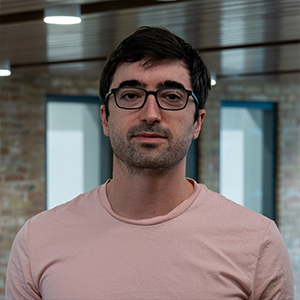
Jianhua Zhang is a Professor of Computer Science and founding deputy head of the AI Lab at the Department of Computer Science, OsloMet - Oslo Metropolitan University, Norway. He holds affiliations with the Faculty of Technology, Art and Design. His career includes roles as Scientific Director at Vekia (France), Head of Machine Learning Lab, and Professorships at East China University of Science and Technology and Beijing University of Technology. He has held visiting positions at TU Berlin, TU Dresden, and the University of Catania. Educations: PhD in Electrical Engineering and Information Sciences (Ruhr University Bochum, 2005), Postdoctoral Research at the University of Sheffield (2005-2006). Research focuses on artificial intelligence, computational intelligence, cognitive human-machine systems, neuroergonomics, affective computing, and AI-driven neuroergonomics. Applications span engineering, biomedicine, finance, and business. He has led over 20 large-scale projects and published extensively (4 books, 13 chapters, ~200 papers). Leadership roles include Chair of IFAC Technical Committee on Human-Machine Systems (2017-2023), Vice Chair of IEEE Norway Section, and editorial roles at journals like Frontiers in Neuroscience and Cognitive Neurodynamics . He organized major conferences like IFAC HMS2025 (Beijing) and ICMLT 2024 (Oslo). Awards: Stanford/Elsevier Top 2% Scientists (2023/2024), Senior Research Fellowship (CSC, 2012), Max Planck Fellowship (2011), Shanghai Pujiang Talent (2007), DAAD Scholarship (2002-2004). Grants and advising: PI for 20+ projects, advising PhD students in AI, machine learning, and control systems. Teaching includes courses on computational intelligence, IoT, and fuzzy systems at both undergraduate and graduate levels. Labs/Teams: AI Lab at OsloMet, Machine Learning Lab (Vekia), and collaborations with institutions globally. Current work emphasizes AI ethics, neuroergonomics in smart cities, and adaptive human-machine systems.
Kris Baetens is a Professor in the Department of Psychology Brain, Body and Cognition at Vrije Universiteit Brussel (VUB). His research focuses on the neural mechanisms underlying social cognition, mentalization, and inhibitory control, particularly exploring the role of the cerebellum and prefrontal cortex in these processes. He employs techniques such as transcranial direct current stimulation (tDCS), EEG, and fMRI to investigate cognitive and clinical phenomena. Leading projects like ANI423 (neural correlates of inhibitory control in adolescents) and FWOAL1160 (cerebellum's role in social cognition). Recipient of the EUTOPIA Young Leaders Academy fellowship (2024-2026). Active collaborations in the PRISM network for mental health research. Key research interests include: - Cerebellar contributions to cognitive and social functions - Neurostimulation techniques for mental health interventions - Mentalizing processes in social action prediction - Personality and learning mechanisms His articles consistently analyze the interplay between neural structures like the cerebellum and behavioral outcomes in clinical and cognitive contexts. Recent work emphasizes applications of tDCS in treating alcohol use disorders and disordered eating, highlighting translational research in non-invasive brain stimulation. Advising/Grants: Supervises student research projects and manages grants from FWO and OZR agencies. Labs/Teams: Core member of the PRISM network and involved in the EUTOPIA fellowship initiative.
Arthur Bousquet is an Associate Professor of Mathematics at Lake Forest College, affiliated with the Math and Computer Science department. He holds a PhD in Applied Mathematics from Indiana University (Bloomington, IN) and a MS in Engineering in applied mathematics and scientific computing from SuP Galilee Engineering School (Paris, France). His research focuses on numerical methods for partial differential equations, including finite volume and finite element techniques, with applications to geophysical fluid dynamics, climate modeling, and biomedical problems like viral shell mechanics. Notable areas include shallow water equations, phase field modeling, and computational methods for atmospheric dynamics. Bousquet has published extensively on topics such as numerical weather prediction, electrokinetic equations, and virus nanoindentation modeling. His work often combines theoretical analysis with computational simulations to address complex systems in fluid dynamics and materials science. He has received the Rothrock Award for teaching excellence (2014) and held research fellowships including an NSF Graduate Fellowship (2009-2013). His teaching includes courses like Computational Mathematics, Multivariable Calculus, and Real Analysis.
Adam Feinberg is a Professor in the Departments of Biomedical Engineering and Materials Science and Engineering at Carnegie Mellon University (CMU). He leads the Regenerative Biomaterials & Therapeutics Group, focusing on cell-material interactions, 3D bioprinting, and bioengineered tissues. His work integrates nanofabrication, molecular biology, and 3D imaging to address challenges in muscle repair, corneal regeneration, and cancer. Key innovations include the FRESH bioprinting platform, enabling soft ECM gel-based constructs, and ECM shrink-wrapping techniques for cell encapsulation. Feinberg holds a Ph.D. and MS in Biomedical Engineering from the University of Florida (2004, 2002) and a BS in Materials Science and Engineering from Cornell University (1999). He has secured major grants, including ARPA-H funding for diabetes treatments and Canada’s New Frontiers Fund for heart disease therapies. His research has led to over 45 peer-reviewed articles and 20 patents. His scientific awards include the NIH Director’s New Innovator Award and NSF CAREER Award. Media highlights include breakthroughs in vascularized tissue models and biodegradable actuators. Feinberg collaborates widely, advancing clinical translation of bioprinted tissues and sustainable bio-bots.
Dr. Michael Gubanov is an Assistant Professor in Computer Science at Florida State University and founder of BigLab!, specializing in scalable data systems for scientific knowledge discovery. Research: Develops hybrid polystore/LLM systems for cancer research (CancerKG.ORG), COVID-19 knowledge graphs (COVIDKG.ORG), and aging studies (AgingGraph.ORG). Focuses on metadata classification, tabular embeddings, and web-scale knowledge extraction. Funding: Secured $1.8M+ from NSF, Florida Department of Health, and AWS for projects bridging data management and AI. Awards: IEEE ICDE Best Paper (2017), ACM SIGMOD Research Highlight (2018), CACM Research Highlight (2020). Elected to Sigma Xi. Education: PhD in Computer Science (University of Washington); Postdoc at MIT CSAIL.
Robert Piche is a Professor at the Computing Sciences Mathematics Research Centre, specializing in advanced signal processing, positioning systems, and sensor fusion. He holds a Doctor of Science (Technology) and Master of Science from the University of Waterloo, Canada (1986 and 1982, respectively). His research focuses on Kalman filters, Global Positioning Systems (GPS), particle filters, and indoor positioning technologies. He has contributed extensively to fields like satellite orbit prediction, non-line-of-sight (NLoS) positioning, and machine learning applications in biomechanics and robotics. Dr. Piche has authored over 230 publications and received recognition through an invitation/ranking in a 2014 competition. He actively participates in academic activities, including conference presentations and peer-review roles. His work bridges theoretical advancements and practical applications, with contributions to autonomous systems, sensor data analysis, and wearable technology. Collaborations span international institutions, reflecting his global impact in engineering and computer science disciplines.
Dr. Richard Gault is a Lecturer in the School of Electronics, Electrical Engineering and Computer Science at Queen's University Belfast. His research focuses on computer vision and deep learning applied to microscopy data, particularly in medicine, health, and life sciences. He leads a team developing novel methods for medical image analysis, including histopathology and digital pathology, with applications in cancer diagnosis and environmental science. He is actively involved in teaching, having received Excellence in Teaching awards from Queen's University Belfast in 2019 and 2022. His work bridges computational intelligence and healthcare, with notable contributions to AI-driven diagnostics, stain normalization in histopathology, and multimodal data fusion. Dr. Gault's research interests include ensemble learning, fuzzy systems, and generative models like diffusion networks. He supervises multiple PhD students and has mentored graduates now working in machine learning engineering and postdoctoral research. His team’s achievements include awards such as the 2023 Best Oral Presentation at the Pan Ireland Ophthalmology Day and a 2021 Best Paper Award from his school. Key contributions include the LymphoSight AI application for detecting lymphoid structures and HistoClean , open-source software for improving CNN development in histopathology. He has been recognized as a Senior Member of IEEE and a Fellow of the Higher Education Academy. His work is supported by grants such as the R5131ECI project on 3D quantifier approximation via 2D video analysis (2019–2025). He actively engages in academic activities, including conference organization and PhD external examinations across Europe.
Donald Lie is a Professor and the Keh-Shew Lu Regents Chair in Electrical and Computer Engineering at Texas Tech University's Whitacre College of Engineering. His research focuses on low-power RF/analog integrated circuits, System-on-a-Chip (SoC) design, and interdisciplinary applications in medical electronics, biosensors, and biosignal processing. PhD, Electrical Engineering, California Institute of Technology (1995) MS, Electrical Engineering, California Institute of Technology (1990) BS, Electrical Engineering, National Taiwan University (1987) Donald Lie's research bridges RF/analog circuit design with biomedical engineering, emphasizing millimeter-wave power amplifiers for 5G systems and non-contact vital signs monitoring using software-defined radio (SDR). His work explores CMOS FD-SOI, GaN HEMTs, and SiGe technologies for high-efficiency, linear RF front-end modules and wearable biosensors. His 15 most recent publications focus on 5G communication systems , millimeter-wave power amplifier design in CMOS FD-SOI and GaN , digital predistortion techniques, and non-contact biosensors . These works highlight advancements in wideband amplifiers for 5G FR2 bands and wireless power transfer for medical devices. Institute of Electrical and Electronics Engineers (2017) Excellent Paper Award Winner (2019) Best Student Poster Paper Award Winner (2019) Donald Lie has secured NSF Student Travel Grants for conferences like RFIC 2022 and 2020. He leads the RF/Analog System-on-a-Chip (SoC) Design Lab , which develops innovative solutions for 5G RF front-ends and biomedical sensing systems.
Professor Dario Farina is Chair in Neurorehabilitation Engineering at the Department of Bioengineering, Faculty of Engineering, Imperial College London. He has previously served as Full Professor at Aalborg University, Denmark, and at the University Medical Center Göttingen, Germany, where he founded and directed the Institute of Neurorehabilitation Systems. His research spans biomedical signal processing, neural control of movement, and neurorehabilitation technology, with extensive contributions to electromyography, motor unit analysis, and neural interfaces. Chair in Neurorehabilitation Engineering, Imperial College London Former Full Professor, Aalborg University and University Medical Center Göttingen Founder and Director, Institute of Neurorehabilitation Systems Key Affiliations: Centre for Neurotechnology, Artificial Intelligence Network, Robotics Forum, Neuromechanics and Rehabilitation Technology His research focuses on biomedical signal processing , neural control of movement , and neurorehabilitation technology . He investigates how neural signals control muscles, develops methods to decode motor unit activity from EMG, and designs neural interfaces for prosthetics and rehabilitation. His work integrates computational modeling, signal processing, and clinical applications to improve bionic systems and neurorehabilitation outcomes. The recent publications (2024–2025) show a strong emphasis on high-density EMG , real-time motor unit decomposition , peripheral and cortical neural interfacing , closed-loop control systems , and AI-driven biosignal analysis . Key themes include decoding spinal and cortical signals, improving prosthetic control, understanding tremor mechanisms, and developing open-source tools for motor unit analysis. The work bridges neuroscience, engineering, and clinical practice. Scientific awards and honors include: Royal Society Wolfson Research Merit Award (2016) IEEE EMBS Early Career Achievement Award (2010) Nightingale Prize for best paper in MBEC (2007) Elected Fellow of EAMBES (2016) Elected Fellow of AIMBE (2012) Professor Farina has advised numerous researchers and students in neuroengineering and rehabilitation technology. He has led major research grants in neural interfaces and neurorehabilitation. He is Editor-in-Chief of the Journal of Electromyography and Kinesiology , an editor for IEEE Transactions on Biomedical Engineering and The Journal of Physiology , and has held editorial roles in multiple journals. He was President of ISEK (2012–2014) and is a Senior Member of IEEE. He leads a research group focused on neuromechanics, neural decoding, and bionic systems. The team develops tools like I-Spin live and MUedit for real-time motor unit identification and contributes to open-source platforms such as NeuroMotion . The lab collaborates internationally on projects involving spinal cord stimulation, prosthetic control, and wearable robotics, aiming to translate neural engineering advances into clinical rehabilitation.
Dr. Kate Farrahi is an Associate Professor in the ECS department at the University of Southampton, where she leads research in the Vision, Learning and Control (VLC) Group. Previously, she was a Research Assistant at the Idiap Research Institute and earned her PhD in Computer Science from the Swiss Federal Institute of Technology in Lausanne (EPFL). Her work focuses on the intersection of machine learning and digital health, particularly in developing human sensing methods using vision and wearable technologies. She currently supervises four PhD students in Computer Science and actively accepts new PhD applications. Her research interests span machine learning applications in healthcare, including wearable device analytics, epidemiological modeling via AI, and drug discovery through generative methods. She has been recognized with a Best Paper Award (2022) and contributes to interdisciplinary research groups such as the Institute for Life Sciences and Centre for Machine Intelligence. Her work bridges computational methods with real-world health challenges, emphasizing practical deployment of AI solutions in clinical and public health contexts. Research Groups: Vision, Learning and Control; Institute for Life Sciences; Centre for Health Technologies; Centre for Machine Intelligence Key Collaborations: Cross-disciplinary projects combining computer science with biomedical engineering and public health
Professor David Dupret is a Professor of Neuroscience and MRC Investigator at the University of Oxford, where he also serves as a Tutorial Fellow in Biomedical Sciences at St Edmund Hall. His work takes place within the MRC Brain Network Dynamics Unit, part of the Nuffield Department of Clinical Neurosciences, and he is affiliated with the Department of Physiology, Anatomy and Genetics. David completed his Ph.D. in Neuroscience at the Institute François Magendie (INSERM, University of Bordeaux, France), receiving the French Neuroscience Association's 2007 Ph.D. Year Prize. He joined the MRC Anatomical Neuropharmacology Unit in 2007 as a Visiting Fellow, funded by the Institute of France and the International Brain Research Organisation. In 2009, he became an MRC postdoctoral scientist and Junior Research Fellow at St Edmund Hall, progressing to MRC Programme Leader Track scientist in 2011 and tenured MRC Programme Leader in 2014. Professor Dupret's research focuses on the circuit-level mechanisms of memory-guided behavior, with particular emphasis on neural dynamics of memory circuits during active waking behavior and sleep. His laboratory employs in vivo multichannel recordings and optogenetic manipulation of neuronal ensembles to investigate how hippocampal networks organize memory processes. His work has revealed fundamental insights into how memory circuits operate during both waking behavior and sleep states, particularly regarding hippocampal ripple activity, dentate spikes, and offline reactivation processes. Analysis of Professor Dupret's recent publications reveals a consistent focus on hippocampal network dynamics and memory processes. His work spans from basic neural circuit mechanisms to applications in neurodegenerative conditions like Alzheimer's disease. A notable trend is the integration of computational approaches with experimental neuroscience to understand how neural assemblies encode and retrieve memories. His team has made significant contributions to understanding how dentate spikes support memory flexibility and how hippocampal ripple diversity organizes neuronal reactivation during offline states. French Neuroscience Association's 2007 Ph.D. Year Prize Foundation Louis D. Research Fellowship (2007) International Brain Research Organisation Fellowship (2008) FENS-Kavli Network of Excellence Scholar (2016) Boehringer Ingelheim-FENS Research Award (2018) Elected to membership of Academia Europaea (2024) Professor Dupret has secured substantial research funding through his MRC Programme Leader position and has mentored numerous researchers who appear as co-authors on his publications. His laboratory, the Dupret Group, operates within the MRC Brain Network Dynamics Unit, collaborating extensively with other research groups including the Sharott Group, Magill Group, and Denison Group. Current research directions include investigating how memory circuits maintain flexibility while resisting extinction, exploring the relationship between neural coactivity patterns and memory organization, and developing computational models of hippocampal function. His team is actively pursuing future work on the mechanisms underlying memory persistence and the neural basis of flexible memory recall.
Steven Zucker is the David & Lucile Packard Professor of Biomedical Engineering & Computer Science at Yale University, with additional appointments in Applied & Computational Mathematics. His work bridges computational vision, neurophysiology, and differential geometry to model human visual perception and cortical computation. Research Interests : Zucker's research focuses on computational vision , leveraging differential geometry to develop theories for curve detection, shading analysis, stereo vision, and 3D shape description. He also explores interdisciplinary applications in plant biology through auxin dynamics and political science via diffusion geometry. Article Trends : Recent publications emphasize 3D shape estimation from shading and texture flows curvature-driven neural computation models applications in plant venation and heart myofibril geometry psychophysical studies of color and orientation flows Scientific Contributions : Recognized as a Packard Professor, Zucker has pioneered Hamilton-Jacobi skeletons and curve indicator random fields . His work spans computer vision, neuroscience, and mathematical modeling.