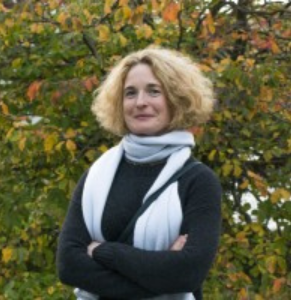
Miiamaaria Kujala is an Academy Research Fellow at the Department of Psychology, University of Jyväskylä. Her research focuses on social cognition and emotionality in humans and non-human animals, particularly domestic dogs, through interdisciplinary collaboration across psychology, cognitive science, biology, veterinary medicine, and biomedical engineering. Academy Research Fellow (2024) Docent in Comparative Cognitive Neuroscience Her work employs non-invasive physiological methods such as eye gaze tracking, EEG/ERPs, thermal imaging, and fMRI to study emotional expressions, cross-species interaction, and the neural basis of social perception. Key themes include the development of expertise in decoding nonverbal cues, human-animal bond dynamics, and One Health/One Welfare frameworks. Recent publications highlight interdisciplinary approaches to canine emotionality, pharmacological behavior management in pets, and advanced sensor technologies for behavior classification. Her 2024 articles explore olfaction, empathy, and activity tracking in dogs, while older works examine contagious behaviors, social brain circuits, and developmental psychology in human-animal interactions. Scientific awards include the Academy Research Fellow fellowship. She leads the "Interaction of Dogs and Humans" research group, integrating expertise from psychology, veterinary medicine, and engineering to advance understanding of emotional and cognitive processes across species.
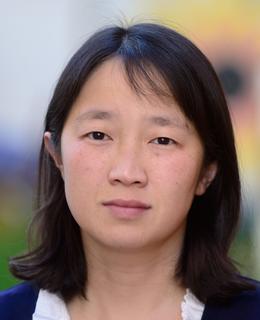
Ning Cheng is an Assistant Professor (Teaching & Research) at the University of Calgary's Faculty of Veterinary Medicine, with affiliations to the Alberta Children's Hospital Research Institute (ACHRI) and Hotchkiss Brain Institute (HBI). Their research focuses on neurodevelopmental disorders, particularly autism and Fragile X Syndrome, using rodent models to investigate mechanisms and develop experimental therapeutics. PhD in neuroscience from Johns Hopkins School of Medicine Postdoctoral work on neurological disorders at NIH Research spans molecular mechanisms, neural circuitry, and translational approaches to address social, communication, and behavioral challenges in autism spectrum disorders. The lab utilizes in vivo recording/modulation of brain activity, biochemical analyses, and multidisciplinary collaborations. Recent publications highlight expertise in EEG biomarker discovery, auditory processing abnormalities, ketogenic diet interventions, and ERK pathway modulation in mouse models of neurodevelopmental conditions. Key technologies developed include wireless cortical hemodynamic monitoring systems (TinyIOMS) and open-source electrophysiology tools (OSERR). As part of ACHRI's Precision Medicine & Disease Mechanisms program and HBI's Neurodevelopment/SCNIP strategic initiatives, Cheng contributes to university-wide efforts in Brain and Mental Health (2015-2021) and Child Health and Wellness (2020-2025).
Yiannis Karayiannidis is a Senior Researcher (equivalent to Associate Professor/Research) with the Division of Systems and Control (SYSCON), Department of Electrical Engineering at Chalmers University of Technology. He maintains a significant affiliation with the Department of Robotics, Perception and Learning at KTH Royal Institute of Technology, demonstrating his cross-institutional impact in the Swedish robotics community. Dr. Karayiannidis earned his Diploma in Engineering in 2004, followed by a Ph.D. in Engineering in 2009, and achieved Docent status in 2017. His academic journey has focused on robotics and control systems, establishing him as a leading researcher in these fields. His primary research interests span robot control, robotic manipulation in human-centered environments, dual arm manipulation, force control, robotic assembly, control of physical human-robot interaction, multi-agent robotic systems, adaptive control and nonlinear control systems. Dr. Karayiannidis has made significant contributions to the understanding of deformable object manipulation, contact-rich robotic tasks, and human-robot collaboration. His work bridges theoretical control systems with practical robotic applications, particularly in scenarios requiring precise physical interaction. Analysis of his recent publications reveals a strong focus on advanced manipulation techniques, particularly for deformable linear objects, and human-robot collaborative tasks. His research increasingly incorporates machine learning approaches, especially reinforcement learning, to address complex manipulation challenges. There is also a clear emphasis on practical applications in industrial settings, with several projects related to robotic assembly and cable routing. Dr. Karayiannidis serves as Associate Editor for the IEEE Robotics and Automation Letters, IEEE/RSJ International Conference on Intelligent Robots and Systems (IROS), and the European Control Conference. He is also the treasurer of the IEEE Robotics Chapter in Sweden and a WASP-affiliated researcher. He has served as Principal Investigator for multiple research projects including DARMA and DARMA_bridge (funded by WASP), CHROMA (funded by VR), and the H2020 SARAFun project. His current projects include "Learning & Understanding Human-Centered Robotic Manipulation Strategies" (2020-2025), "Computer Vision and Machine Learning for Robot Systems" (2019-2021), and "ViMCoR" (2019-2021) in collaboration with Volvo Group. Dr. Karayiannidis is actively involved in the robotics research community through his editorial roles and project leadership. His work connects theoretical control systems with practical robotic applications, particularly in industrial and human-robot collaborative settings.
Emmanouil Z. Psarakis is an Associate Professor at the Department of Computer Engineering & Informatics , University of Patras, Greece. Born in 1963, he has been affiliated with the university since 2005 and is a member of the Signal Processing and Communications Lab . His academic journey includes teaching courses such as Signals and Systems Theory , Digital Signal Processing , and Computer Vision and Graphics . PhD in Computer Engineering and Informatics, University of Patras (1991) Dr. Psarakis is renowned for his research in image processing , computer vision , and signal processing , with applications in biomedical imaging , seismology , and robotics . His work spans deep learning , filter design , and 3D reconstruction , reflecting a multidisciplinary approach. His 15 most recent publications (2020–2025) focus on sign language recognition , adversarial defense , 3D shape analysis , and medical imaging . These works integrate machine learning , stochastic modeling , and computer vision to address challenges in video summarization , image inpainting , and seismic signal analysis . Dr. Psarakis has supervised over 10 PhD students , including Fotini Fotopoulou (2016–2019) and Panagiotis Georgantopoulos (2020–2023). He has participated in EU-funded , Hellenic , and bilateral R&D projects related to biomedical signal processing , robot vision , and forest fire monitoring . He leads the Signal Processing and Communications Lab , which collaborates with institutions like the Computer Technology Institute and international universities. His contributions include filter design , image alignment , and stereopsis techniques , with a focus on practical implementations in telecommunications and medical diagnostics .
Birsen Sirkeci is a Professor in the Department of Electrical Engineering at San Jose State University (SJSU), San Jose, CA. She holds a PhD from Cornell University (2006), an MSc from Northeastern University (2000), and a BSc from Middle East Technical University, Turkey (1998). Prior to joining SJSU, she was a postdoctoral researcher at UC Berkeley. Her educational background includes: PhD in Electrical Engineering, Cornell University, Ithaca, NY (2006) MSc in Electrical Engineering, Northeastern University, Boston, MA (2000) BSc in Electrical Engineering, Middle East Technical University, Ankara, Turkey (1998) Professor Sirkeci's research spans wireless communications , sensor networks , statistical signal processing , and machine learning . Her work focuses on developing advanced algorithms for cognitive radio networks, spectrum sensing, and cooperative communication systems. She has pioneered applications of neural networks in materials science (e.g., stress prediction in porous ceramics) and medical imaging (e.g., colon cancer detection), demonstrating exceptional interdisciplinary innovation. Analysis of her 2013-2021 publications reveals a dominant trend at the intersection of wireless communications and deep learning. Key themes include spectrum sensing via convolutional neural networks, cooperative broadcast strategies in dense networks, and physics-informed machine learning for materials engineering. Her work consistently addresses real-world constraints like channel estimation errors and hardware limitations using USRP SDRs. Her scientific contributions have been recognized with: Best Paper Awards at MILCOM 2005, WCECS 2010, and ICETEC 2013 IEEE ICME Outstanding Organizing Committee Member (2013) Applied Materials Teaching Award at SJSU (2014) As an advisor, she co-led the SJSU Spartans team to the DARPA Spectrum Challenge finals in 2013. While specific grants aren't detailed in source material, her award-winning publications and competition success indicate sustained research funding. She actively mentors students through capstone projects and competitive teams, emphasizing hands-on implementation. Professor Sirkeci leads wireless communications research within SJSU's Electrical Engineering department, with strong ties to industry through awards like Applied Materials. Her DARPA Spectrum Challenge involvement underscores leadership in translating theoretical research into competitive, real-world systems.
Giuseppe Claudio Guarnera serves as a Senior Researcher at the Norwegian University of Science and Technology (NTNU) in the Department of Computer Science, leading the Research Council of Norway-funded "Spectraskin" project on spectral skin modeling. He concurrently holds a Lecturer position in Computer Vision and Graphics at the University of York (UK) and has been a Guest Researcher at Justus-Liebig University Giessen's Department of Psychology since 2017. His academic background includes: Ph.D. in Computer Science from the University of Catania, Italy, with a dissertation in computer vision and pattern recognition Foundational research experience at the USC Institute for Creative Technologies (US) Guarnera's research centers on computer vision, computer graphics, and visual perception applications, with specialized expertise in spectral skin reflectance modeling, BRDF representation, and material acquisition for virtual environments. His work integrates perceptual validation to enhance realism in digital face rendering and fabric modeling, bridging theoretical computer graphics with practical VR applications. Analysis of his 2017-2020 publications reveals a consistent focus on material and skin reflectance measurement techniques, perceptual validation frameworks, and cross-renderer parameter remapping. Key trends include the development of spectral skin modeling for realistic digital faces (notably in the Spectraskin project), practical BRDF acquisition methods, and single-image fabric reconstruction—demonstrating strong interdisciplinary connections between computer vision, graphics, and human perception studies. Guarnera secures competitive research funding as Principal Investigator of the "Spectraskin" young research talents project awarded by the Research Council of Norway, which investigates spectral skin modeling and rendering for realistic digital faces. He directs the Spectraskin project team at NTNU, which specializes in advancing spectral skin modeling techniques through interdisciplinary collaboration between computer vision, graphics, and perceptual psychology researchers.
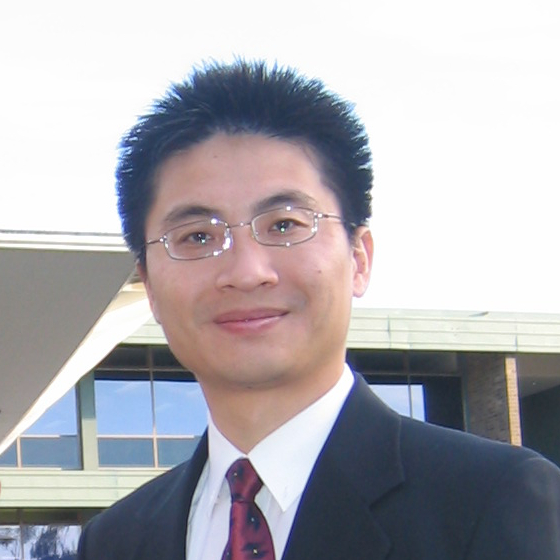
Dr. Xiongcai Cai is an Adjunct Associate Professor at the School of Computer Science and Engineering, University of New South Wales (UNSW). With expertise in Artificial Intelligence , Machine Learning , and Computer Vision , he contributes to advancing Recommender Systems , Natural Language Processing , and Health Informatics . His work bridges theoretical and applied research in technology for human-centric applications. Current roles: Adjunct Associate Professor, UNSW School of Computer Science and Engineering Key research areas: Machine Learning, Recommender Systems, Computer Vision, Generative AI Dr. Cai's research portfolio demonstrates a consistent focus on recommender systems and machine learning over the past decade. His technical contributions span graph convolutional networks , temporal bilinear models , and embedding techniques for collaborative filtering. Recent work in 2025 addresses knowledge distillation for GCNs-based recommenders, while earlier studies tackled cold-start transitions and matrix factorisation boosting. His publication history (2 book chapters, 7 journal articles, and 36 conference papers) reveals a strong emphasis on real-time applications in domains like gait recognition (2020), health data analytics (2016), and social network recommendation (2010-2015). The research applies mathematical rigor to practical challenges in online dating platforms , medical decision support , and object tracking systems . Contact details: Email: x.cai@unsw.edu.au Phone: +61 2 9385 8858
Prof. Kathleen Curran is a Professor at University College Dublin (UCD) and director of the UCD machine learning in medical imaging and diagnostics innovative research lab ( https://www.ucd-ml-mi.com/ ). She serves as an Affiliated Principal Investigator in the Centre for Biomedical Engineering, an INSIGHT funded investigator, and a funded investigator in the Science Foundation Ireland centre for research training in machine learning (ML-Labs). Her research integrates artificial intelligence, computer vision, and clinical medicine to develop interpretable AI solutions for medical diagnostics. Key focus areas include fetal ultrasound imaging, cardiac MRI reconstruction, neuroimaging for Alzheimer's disease and multiple sclerosis, and biomarker discovery for conditions like lymphangioleiomyomatosis and placenta accreta spectrum. She pioneers techniques in diffusion models, explainable AI, and multi-modal learning to address challenges in low-data medical scenarios. Analysis of her recent publications reveals dominant trends in applying generative models for medical data augmentation, developing uncertainty-aware diagnostic systems, and creating interpretable clinical AI tools. Her work consistently targets high-impact clinical applications including fetal development monitoring, cardiovascular disease management, and neurological disorder detection, with strong emphasis on real-world clinical implementation. Scientific recognition includes: 2019 InterTrade Ireland FUSION Project Exemplar Award (with Axial Medical Printing Ltd.) Three Enterprise Ireland Commercialisation Fund awards as Principal Investigator Horizon Europe consortium funding for SMASH-HCM project (Stratification, Management, and Guidance of Hypertrophic Cardiomyopathy Patients using Hybrid Digital Twin Solutions) Prof. Curran leads significant research funding initiatives including Horizon Europe and multiple Enterprise Ireland awards. Her group actively collaborates with industry partners like Axial Medical Printing Ltd. and participates in national research centers such as INSIGHT and ML-Labs, driving translational AI research from bench to bedside. The UCD machine learning in medical imaging and diagnostics lab ( https://www.ucd-ml-mi.com/ ) serves as her primary research hub, fostering interdisciplinary collaborations between computer scientists, clinicians, and biomedical engineers to advance clinical AI solutions.
Md. Abul Hassan Samee is an Associate Professor at Baylor College of Medicine , specializing in Integrative Physiology . He is affiliated with the Computational and Integrative Biomedical Research Center (CIBR) , THINC@BCM , and the Cardiovascular Research Institute (CVRI) . Education: Postdoctoral Fellowship at Gladstone Institutes, University of California San Francisco PhD in Computer Science from University of Illinois Urbana Champaign Research Interests: Development of machine learning algorithms for biological datasets Single-cell and spatial omics analysis Comparative genomics in regeneration and aging Computational models for cancer and neurodegenerative diseases Publications focus on spatial transcriptomics, cardiac regeneration, and interpretable AI in genomic research. Recent projects include SPaSE for pathology scores and GraphAge for epigenetic aging. Grants from the National Institutes of Health support his work on Alzheimer's disease and MYH7 variant interpretation.
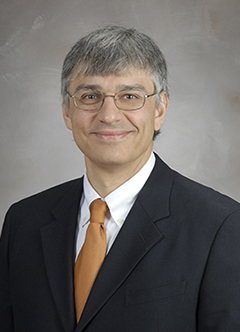
Elmer Bernstam, MD, MSE, is Professor of Biomedical Informatics and Internal Medicine at the University of Texas Health Science Center at Houston (UTHealth Houston). He holds the Reynolds and Reynolds Professorship in Clinical Informatics and serves as Associate Dean for Research at the McWilliams School of Biomedical Informatics while maintaining a joint appointment with the McGovern Medical School. Dr Bernstam is board-certified in internal medicine and continues to practice, and he directs the Biomedical Informatics Group within UTHealth’s Center for Clinical and Translational Sciences (CCTS). Education MS, 2001 – Biomedical Informatics, Stanford University Medical Center MSE, 1999 – Computer Science and Engineering, University of Michigan College of Engineering MD, 1995 – Integrated Medical-Premedical Program, University of Michigan Medical School BSE, 1992 – Computer Engineering, University of Michigan College of Engineering BS, 1992 – Biomedical Sciences and Psychology, University of Michigan College of Literature, Science, and the Arts Research Focus Dr Bernstam’s research centers on clinical and translational informatics . He and his team investigate how to improve health care through better information management, with specific emphasis on: Information retrieval from biomedical literature and EHRs Consumer informatics and online health information quality Clinical decision support systems, especially for personalized cancer therapy Health data warehousing, interoperability, and large-scale phenotyping Natural language processing for clinical narratives and pharmacovigilance Under his leadership, the UTHealth clinical data warehouse now curates longitudinal data for more than 400,000 patients, serving as a foundational resource for multi-institutional research and learning health-system initiatives. Scientific Awards & Honors John P. McGovern Outstanding Teacher Award (2004) – conferred by student vote at McWilliams School of Biomedical Informatics Fellow, American College of Physicians Fellow, American College of Medical Informatics Grants, Labs & Teams Dr Bernstam leads the Biomedical Informatics Group housed in UTHealth’s Center for Clinical and Translational Sciences. The group’s portfolio includes federal and foundation grants that fund the UTHealth clinical data warehouse, national collaboratory projects such as the ENACT network, and work on AI-driven decision support tools for precision oncology. The lab’s current initiatives focus on (1) scalable infrastructure for multi-site EHR-based research, (2) fairness and bias evaluation in AI models, and (3) harmonization of social determinants of health data across Texas CTSA institutions. Clinical & Educational Roles In addition to directing research programs, Dr Bernstam maintains an active internal-medicine practice and mentors graduate students, clinical informatics fellows, and junior faculty. His teaching emphasizes evidence-based use of informatics tools and translational approaches that move innovations from bench to bedside.
Professor Yalin Zheng is a faculty member at the University of Liverpool, specializing in artificial intelligence, machine learning, and medical image analysis with applications in ophthalmic imaging. They hold a Ph.D. in Computer Science from the University of Southampton (2003) and have held research roles at King's College London and Medicsight PLC prior to joining Liverpool in 2008. Research interests focus on developing AI-driven solutions for eye disease diagnosis and management, including glaucoma, diabetic retinopathy, and corneal imaging. Their work integrates deep learning and novel imaging technologies like optical coherence tomography (OCT) for applications in ophthalmology and cardiology. Recent publications (2024-2025) emphasize AI techniques for OCTA vessel segmentation, corneal analysis, and cardiovascular risk prediction. They have secured significant research grants from organizations including the Medical Research Council, Wellcome Trust, and Procter & Gamble. Teaching roles include modules in Clinical Imaging and Applications (MSc) Ophthalmology Clinical Imaging (Module Co-ordinator) Medical Image Processing Professional activities include editorial roles in BMJ Open Ophthalmology (Associate Editor) Nature Scientific Reports (Editorial Board Member) and invited presentations on automated segmentation and ophthalmic imaging technologies.
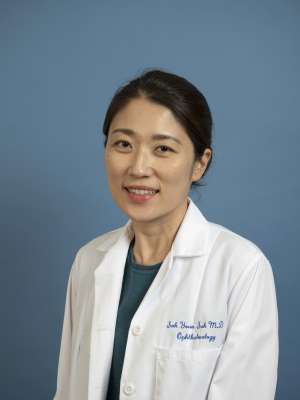
Dr. Soh Youn Suh serves as an Assistant Professor of Ophthalmology at UCLA's Stein Eye Institute within the David Geffen School of Medicine, specializing in pediatric ophthalmology and adult strabismus care at the Los Angeles clinical site. Her clinical expertise addresses complex eye alignment disorders and childhood vision conditions. Education: MD, Ewha Womans University School of Medicine, 2006 MS, Ewha Woman's University, 2010 Ophthalmology Residency, Ewha Womans University Medical Center, 2011 Pediatric Ophthalmology & Neuro-Ophthalmology Fellowship, Seoul National University Hospital, 2013 Pediatric Ophthalmology & Adult Strabismus Fellowship, Stein Eye Institute, UCLA, 2014 Research Fellowship, Ocular Motility Laboratory, Stein Eye Institute, UCLA, 2018 Her research program investigates biomechanical interactions between extraocular muscles, optic nerves, and orbital structures using advanced MRI and OCT imaging. Key discoveries include documenting abnormal optic nerve traction during eye movements in glaucoma patients with normal intraocular pressure and characterizing muscle pulley displacements in strabismus conditions. This work bridges neuro-ophthalmology and surgical planning through quantitative orbital analysis. Analysis of her 15 most recent publications (2020-2025) reveals three dominant research trajectories: (1) AI-driven segmentation of orbital structures using deep learning, (2) cerebrospinal fluid dynamics in optic neuropathies, and (3) biomechanical modeling of optic nerve strain during horizontal eye movements. These studies increasingly integrate computational methods with high-resolution imaging to decode pathophysiological mechanisms in strabismus and glaucoma. Scientific Recognition: Excellence in Research Award, Stein Eye Institute (2015) Excellence in Research Award, Stein Eye Institute (2016) Excellence in Research Award, Stein Eye Institute (2018) Dr. Suh has developed collaborative research partnerships through UCLA's institutional resources, particularly within Dr. Joseph L. Demer's ocular motility laboratory where she conducted postdoctoral research. Her work receives consistent institutional support through Stein Eye Institute infrastructure, though specific external grant funding isn't documented in source materials. She actively contributes to training through co-authorship with junior researchers on technical imaging studies. Her current research team at the Stein Eye Institute operates an orbital biomechanics laboratory focused on translating MRI/OCT findings into clinical applications. The group specializes in computational modeling of eye movement dynamics and developing AI tools for surgical planning in complex strabismus cases, with ongoing projects examining cerebrospinal fluid interactions in optic nerve disorders.
Mostafa Mayar is a researcher affiliated with the Chair of Computer Science Applications in Medicine at the Technical University of Munich . His work bridges artificial intelligence and medical imaging, with a focus on improving surgical precision and tumor segmentation. His research interests include: Hyperspectral imaging for medical diagnostics Deep learning in surgical oncology Graph neural networks for tumor analysis Computer vision in healthcare applications AI-driven margin assessment in head and neck cancer Orthopedic fracture classification using machine learning Recent publications highlight his contributions to hyperspectral imaging integration with AI for ex vivo studies in squamous cell carcinoma and femur fracture classification. He also explores masked autoencoders for surgical event recognition.
I.V. Ramakrishnan is a Professor in the Department of Computer Science at Stony Brook University. His research spans Artificial Intelligence, Computational Logic, Machine Learning, Information Retrieval, and Computer Accessibility. Ph.D. in Computer Science, University of Texas at Austin (1983) His work focuses on advancing AI and machine learning to solve accessibility challenges for visually impaired users, healthcare informatics, and robotic manipulation. Key contributions include leveraging large language models for multimodal text correction, developing gesture recognition systems for blind users, and applying reinforcement learning to medical data analysis. Recent publications highlight the integration of LLMs in accessibility tools, AI-driven healthcare solutions (e.g., mortality risk prediction, physician attribution), and robotics innovations (e.g., manipulation planning, vertical farming automation). Faculty Service Award (2014) He teaches courses CSE 352 (Artificial Intelligence) and CSE 537 (AI). His research bridges theoretical and applied domains, emphasizing inclusive technology and clinical decision support systems.
João Luís Marques Pereira Monteiro is a Full Professor at the Department of Industrial Electronics, School of Engineering, University of Minho, Portugal. He has been with the university since 1980, progressing from Assistant Trainee to his current position. He has held significant leadership roles including Pro-rector (2005-2009), Director of the Algoritmi Center (1998-2006, 2010-2013), and Dean of the School of Engineering (2013-2019). He currently coordinates the Embedded Systems Research Group (ESRG) and is a Senior Researcher at the Algoritmi Research Center. His educational background includes: Bachelor's degree in Electrical Engineering and Computers from the University of Porto (1980) PhD in Informatics and Systems Engineering - specialization in Computer Engineering - from the University of Minho (1991) Habilitation (Dr habil) from the University of Minho (2003) Professor Monteiro's research spans multiple domains in engineering and computer science, with a strong focus on practical applications. His work in embedded systems has led to innovations in real-time processing, sensor networks, and hardware-software co-design. In medical applications, he has developed textile-based sensors for vital sign monitoring. His recent work focuses on computer vision for autonomous vehicles, particularly 3D object detection from point clouds. He also contributes to educational initiatives in data science and AI, particularly in developing countries. His recent publications show a clear progression toward applications requiring real-time processing on resource-constrained devices. There's a strong emphasis on autonomous systems, particularly self-driving vehicles, with multiple papers on 3D object detection from point clouds. His work bridges embedded systems, computer vision, and wireless communications, often focusing on practical implementations for real-world applications like emergency responder localization and medical monitoring. Professor Monteiro has supervised more than a dozen doctoral students, many of whom have gone on to become faculty members at national and international universities. His research has been supported by various funding agencies including FCT (Portuguese), ADI (Portuguese), and FP7 (European funding), as well as industry partners. He leads the Embedded Systems Research Group (ESRG), which is part of the Algoritmi Research Center. The ESRG focuses on developing embedded solutions for various applications including autonomous vehicles, medical devices, and industrial monitoring systems. The group works on both hardware and software aspects of embedded systems, with particular expertise in real-time processing and resource-constrained environments.